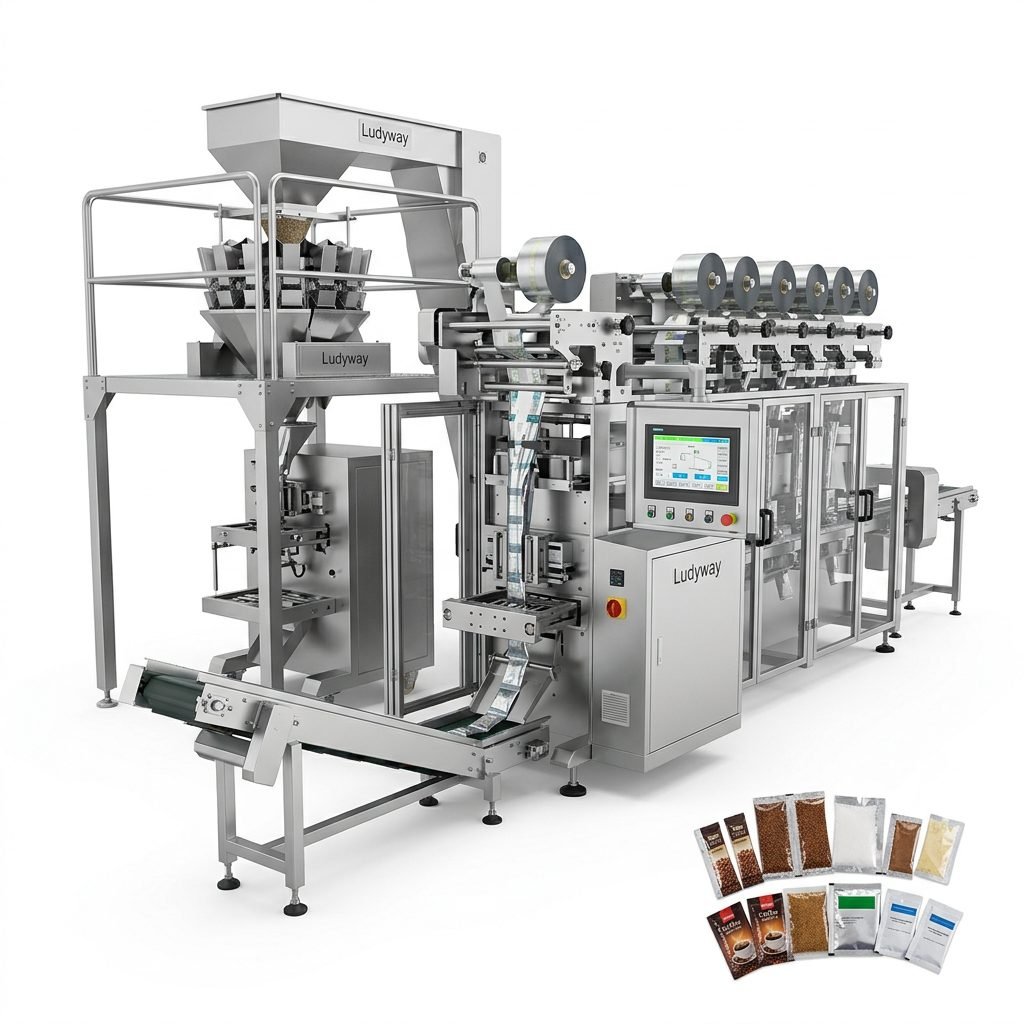
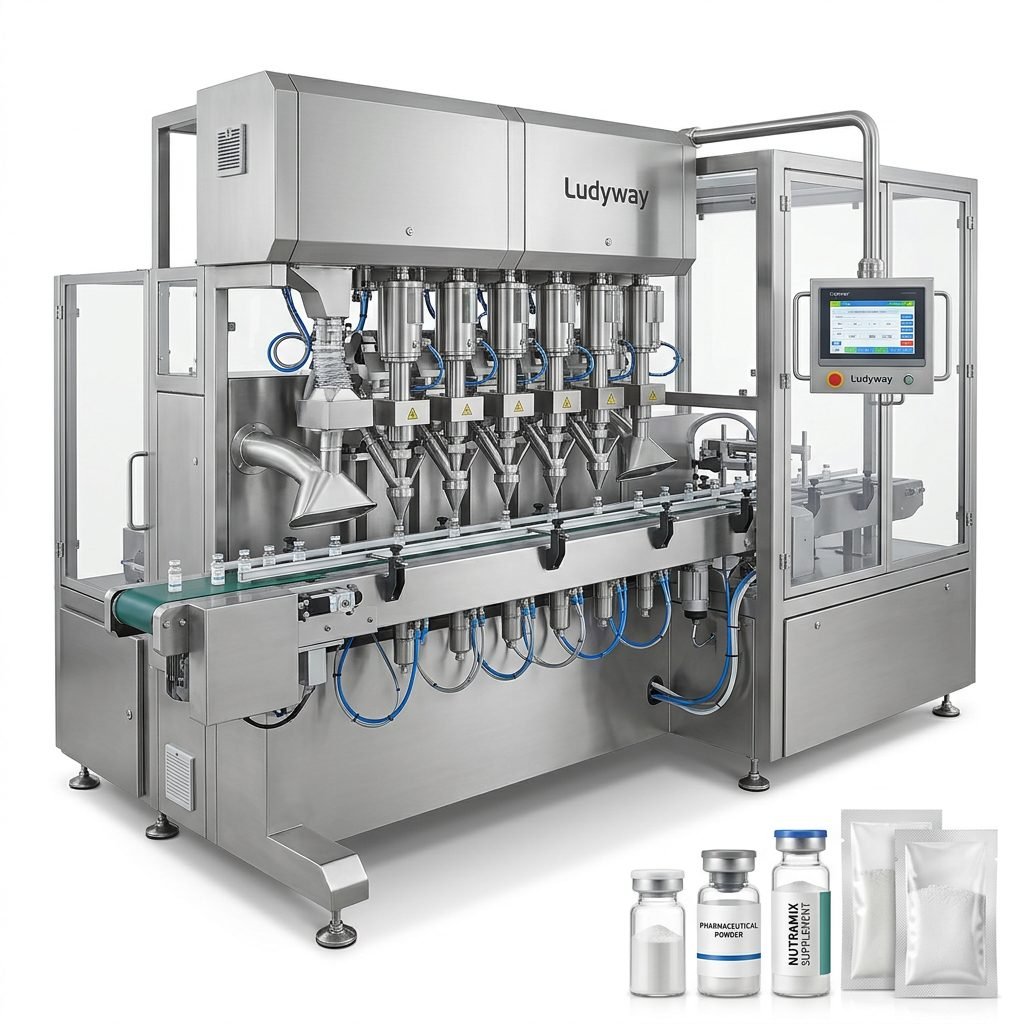
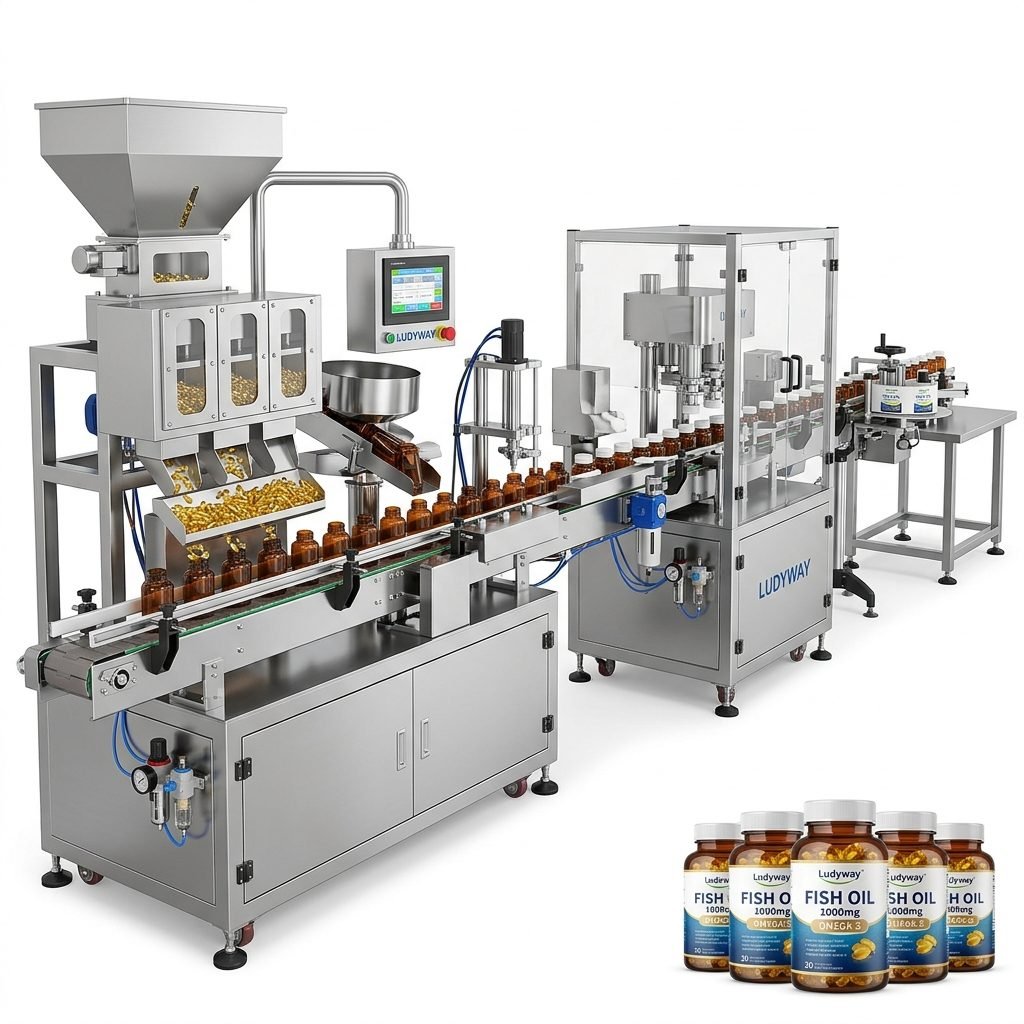
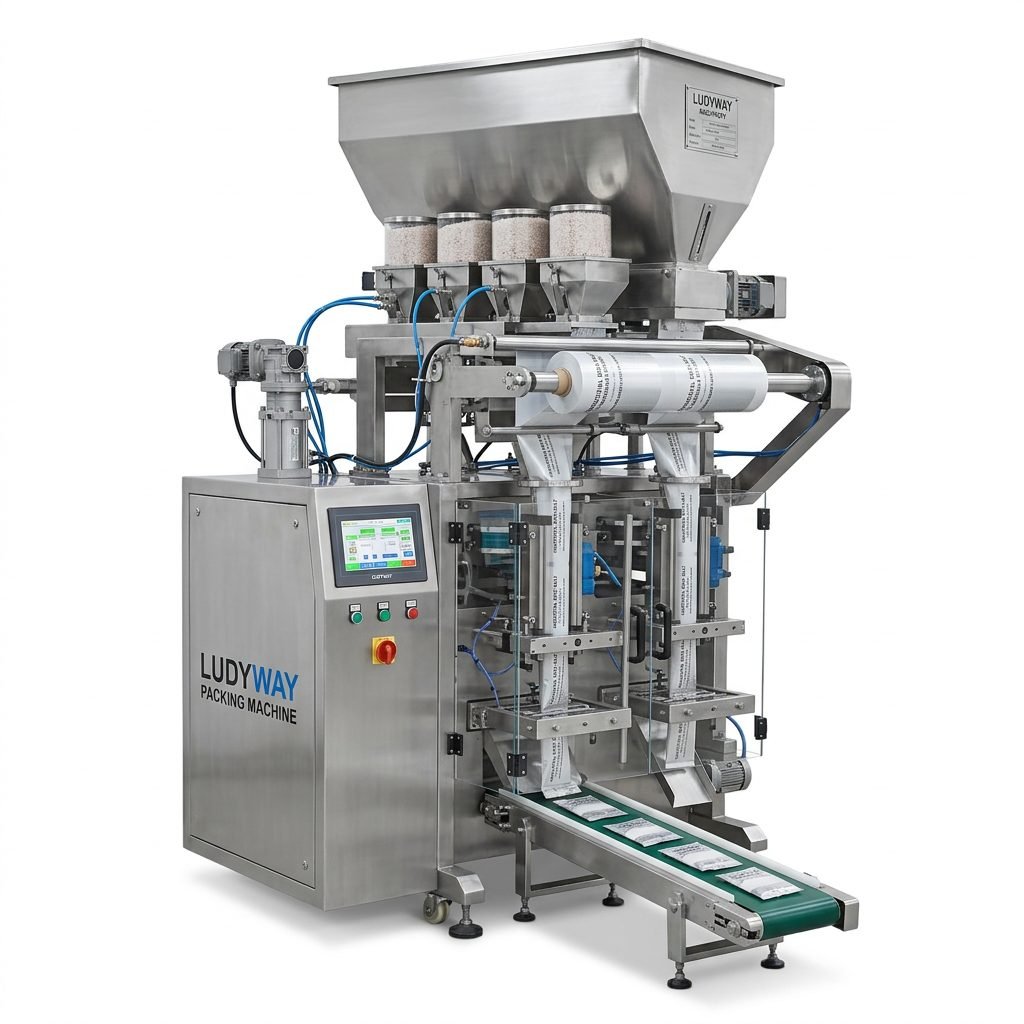
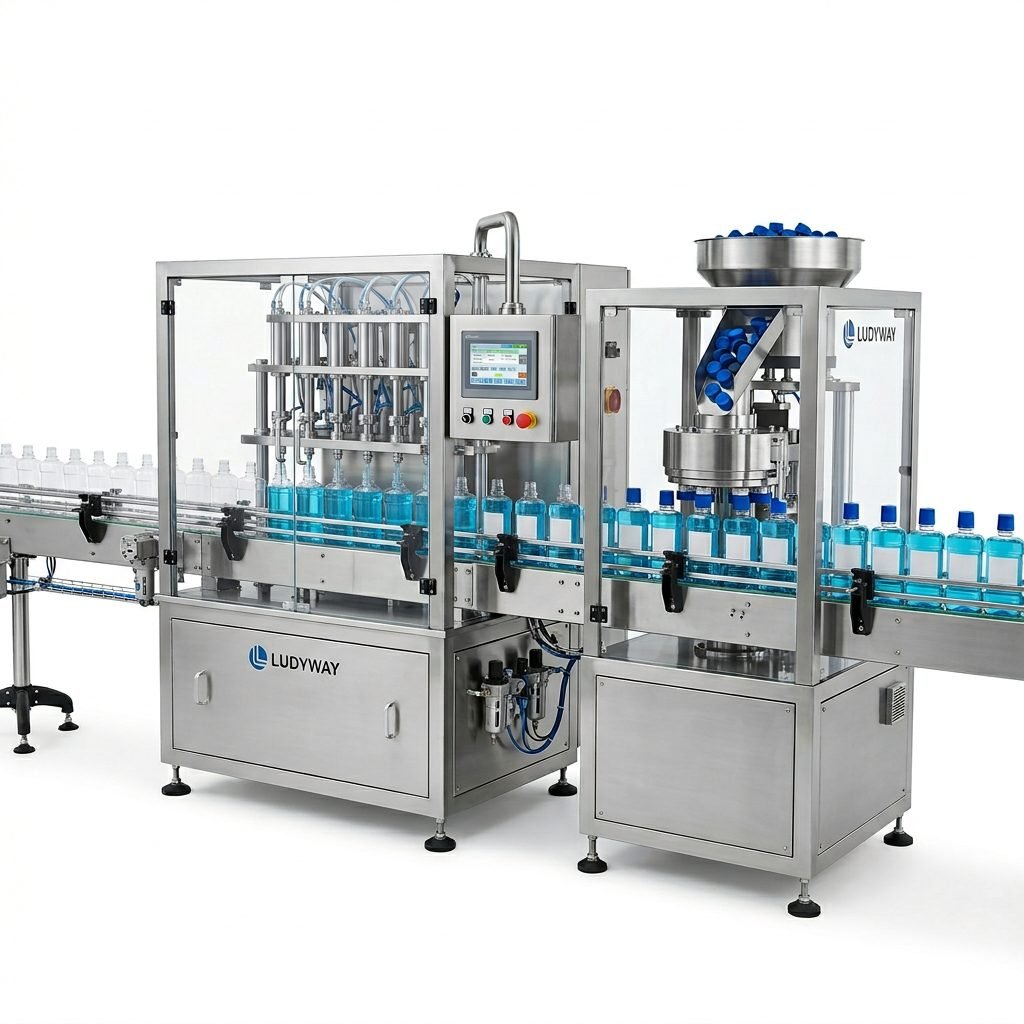
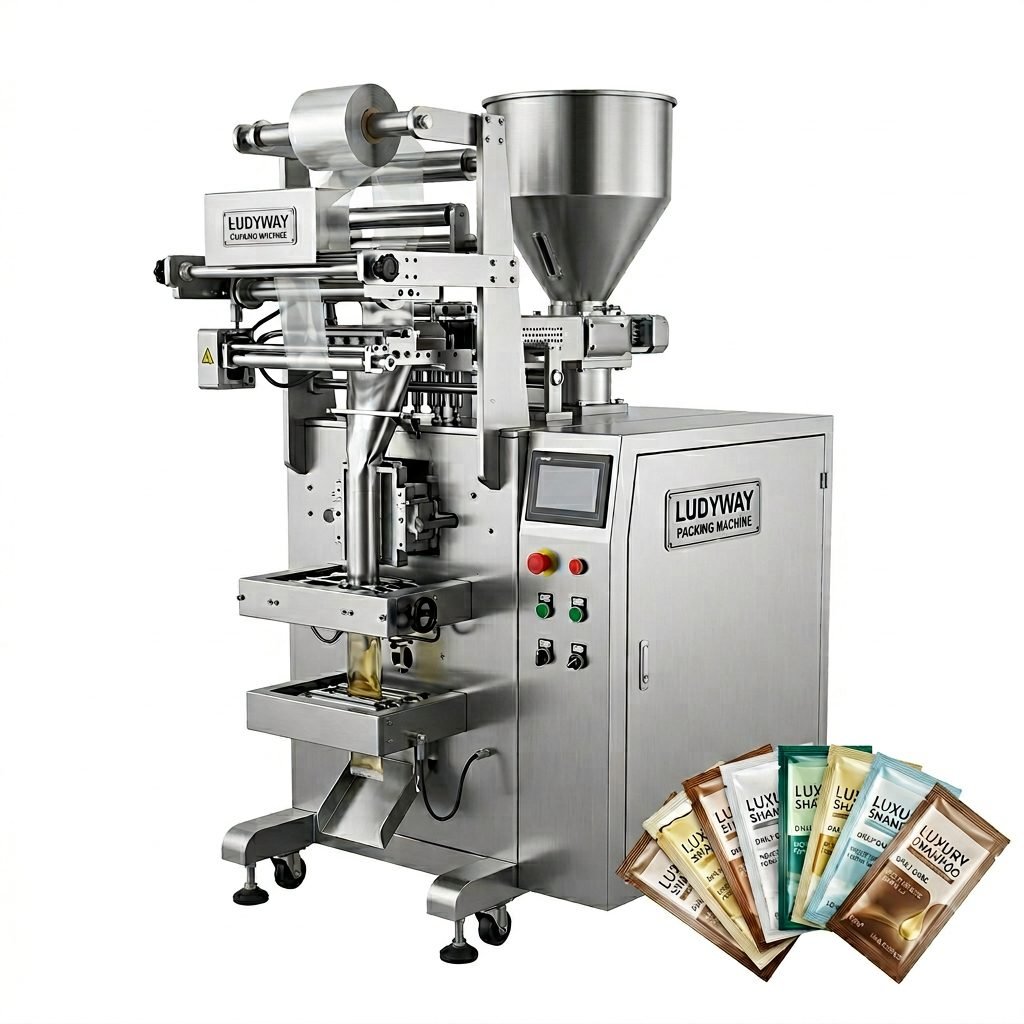
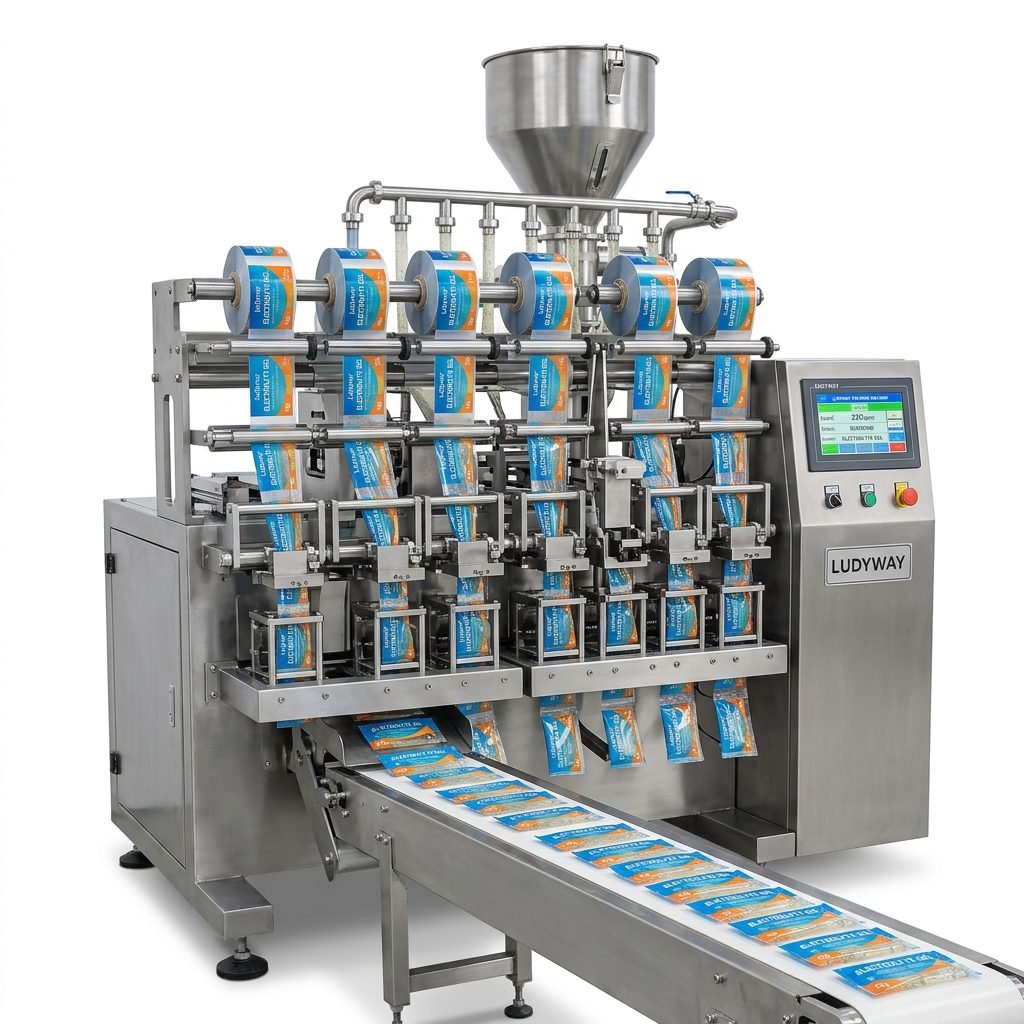
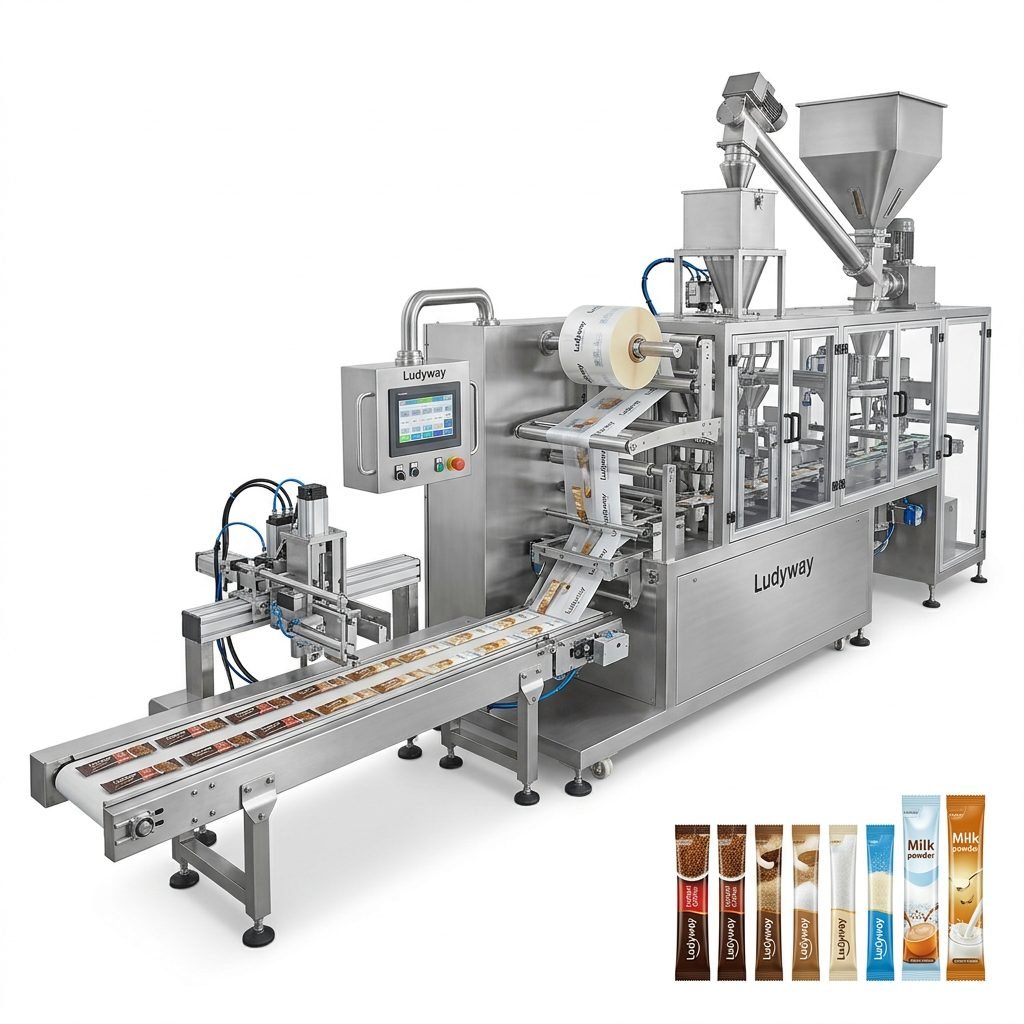
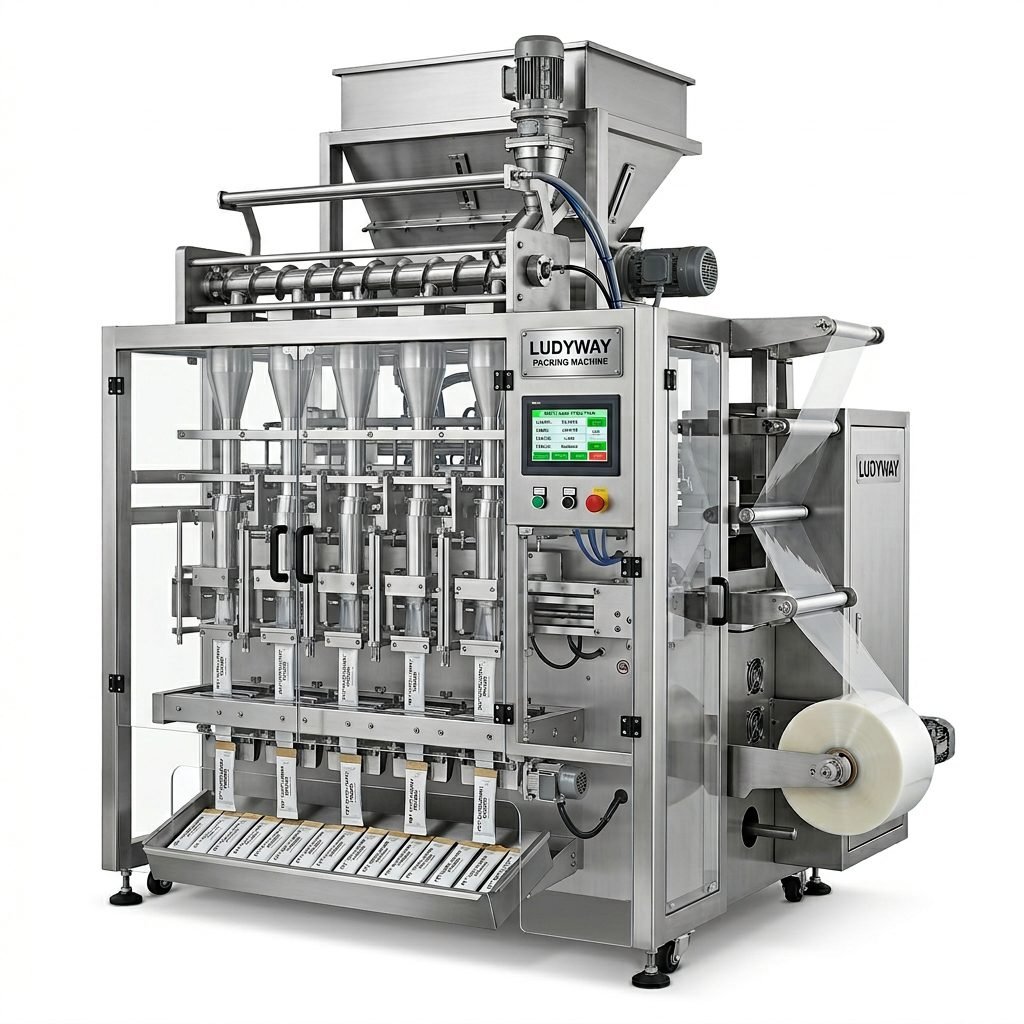
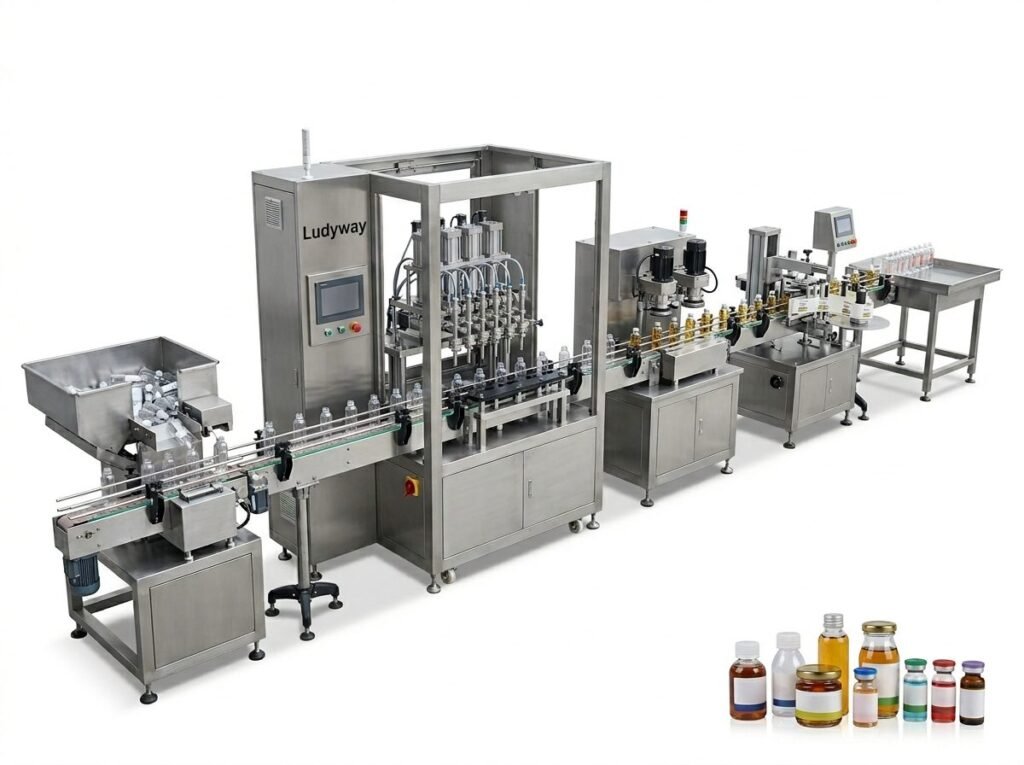
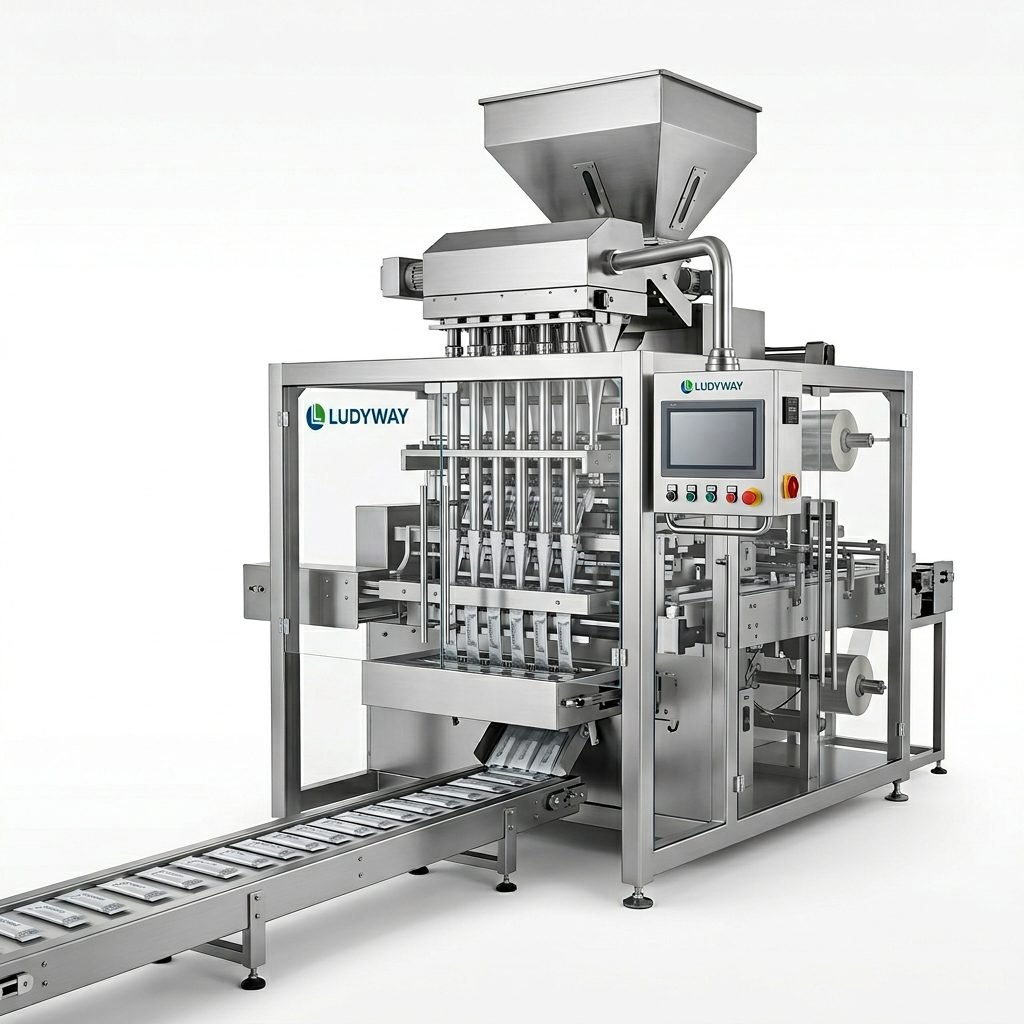
Proper maintenance of your makhana packing machine is essential for ensuring consistent product quality, minimizing downtime, and extending equipment lifespan. Makhana (fox nuts) is a delicate snack product that requires precise handling during packaging. Without a structured cleaning and maintenance routine, residue buildup, component wear, and calibration drift can compromise both efficiency and hygiene. This guide outlines proven practices to keep your packaging equipment operating at peak performance.

Daily Cleaning Routine
Daily cleaning is the cornerstone of any effective maintenance program for a makhana packing machine. Makhana powder and small particles can accumulate quickly, leading to sealing issues and sensor malfunctions.
- Remove residual product from hoppers, filling tubes, and sealing jaws using compressed air or a vacuum system
- Wipe down all stainless steel surfaces with food-grade cleaning agents to prevent cross-contamination
- Inspect and clean the photoelectric sensors that control film registration and cut positioning
- Check the forming collar and sealing surfaces for any sticky residue or product buildup
- Verify that all safety guards and interlocks are functioning correctly before startup
Weekly Maintenance Checks
Beyond daily cleaning, weekly inspections help identify early warning signs of wear before they lead to unplanned downtime. These checks should be documented in a maintenance log.
- Inspect sealing belts and Teflon tapes for wear, cracks, or uneven pressure distribution
- Check film tension and alignment to ensure consistent pouch formation
- Examine all electrical connections and wiring for signs of overheating or looseness
- Test temperature calibration on both vertical and horizontal sealing bars
- Lubricate chain drives, bearings, and cam mechanisms according to manufacturer specifications
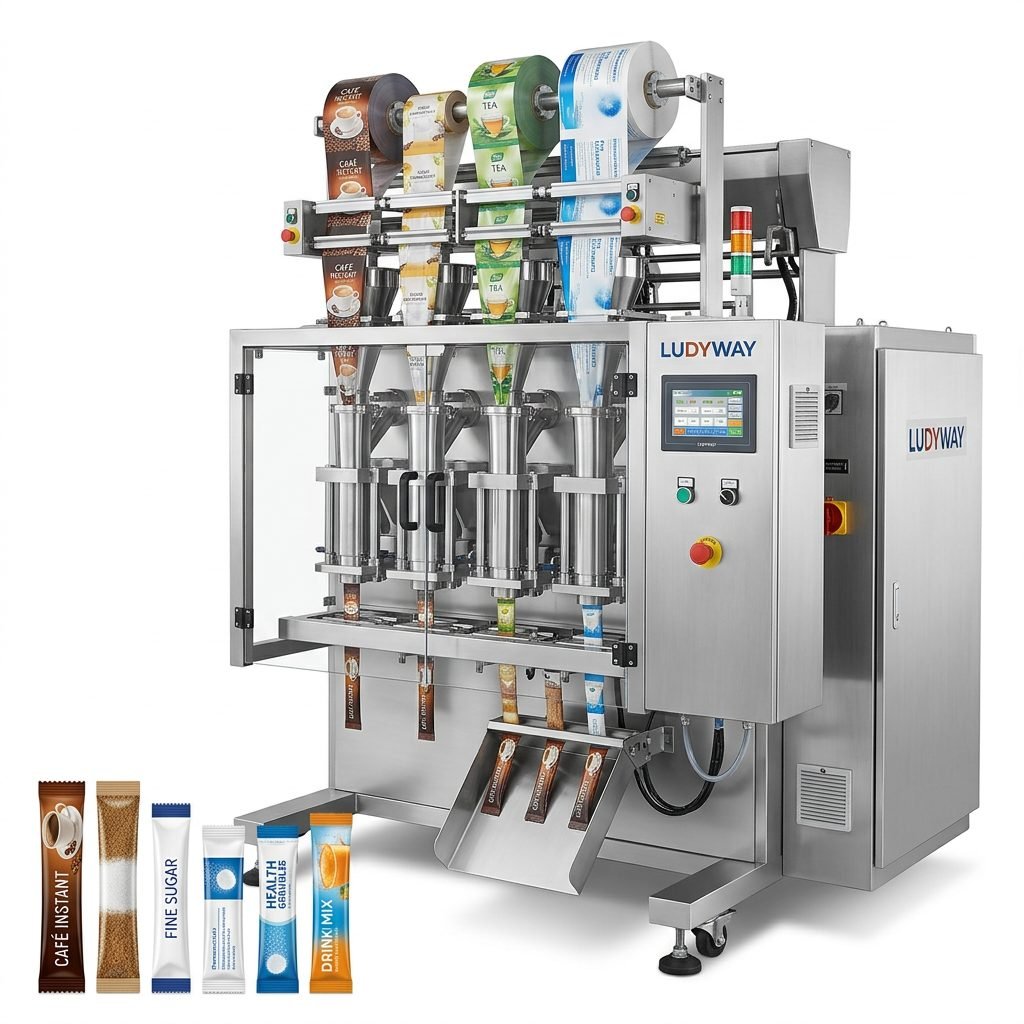
Lubrication Best Practices
Proper lubrication reduces friction, prevents premature component failure, and ensures smooth operation of all moving parts in your makhana packing machine.
- Use food-grade lubricants approved for incidental food contact (NSF H1 certified)
- Follow the manufacturer’s lubrication schedule for each specific component
- Avoid over-lubrication, which can attract dust and contaminate packaging materials
- Pay special attention to high-speed reciprocating parts such as the jaw drive mechanism
- Keep detailed records of lubrication dates and types of lubricants used
Common Troubleshooting Issues
Even with regular maintenance, operators should know how to identify and resolve common problems quickly. The table below summarizes typical issues encountered with makhana packaging operations:
| Problem | Possible Cause | Solution |
|---|---|---|
| Inconsistent seal strength | Worn Teflon tape or incorrect temperature | Replace Teflon tape and recalibrate temperature settings |
| Film tracking off-center | Misaligned forming tube or tension issues | Adjust forming collar alignment and film roll brake |
| Product jam in filling tube | Static buildup or irregular particle size | Clean tube interior; check product consistency |
| Cut position drifting | Dirty registration sensor or worn belts | Clean sensor lens; inspect belt tension |
| Excessive noise during operation | Insufficient lubrication or loose fasteners | Apply lubricant; tighten all mounting bolts |
Quarterly Deep Maintenance
Every three months, schedule a comprehensive inspection and service session for your makhana packing machine. This deeper level of maintenance prevents cumulative wear from affecting production quality.
- Replace all worn consumable parts including Teflon tapes, sealing belts, cutting blades, and O-rings
- Conduct a full electrical system audit — check PLC connections, relay contacts, and grounding
- Verify load cell accuracy with certified test weights and recalibrate if deviation exceeds ±0.5%
- Inspect pneumatic cylinders and air lines for leaks, proper pressure, and smooth actuation
- Update firmware and back up machine parameters to prevent data loss
Preventive Maintenance Schedule
Following a structured schedule ensures no critical task is overlooked. Use the table below as a reference for your maintenance planning:
| Frequency | Maintenance Tasks | Responsible Person |
|---|---|---|
| Daily | Surface cleaning, sensor inspection, visual check of seals | Machine Operator |
| Weekly | Lubrication, belt inspection, temperature calibration, film alignment | Maintenance Technician |
| Monthly | Electrical connection check, pneumatic system inspection, load cell verification | Maintenance Supervisor |
| Quarterly | Full consumable replacement, PLC audit, firmware update, deep cleaning | Service Engineer |
| Annually | Complete machine overhaul, major component replacement, performance benchmarking | Manufacturer Service Team |
Operator Training and Documentation
Even the best maintenance program can fail without proper operator involvement. Well-trained staff can detect subtle changes in machine behavior before they escalate into serious problems.
- Provide hands-on training for all operators covering cleaning procedures, basic troubleshooting, and safety protocols
- Maintain a machine logbook to record daily inspections, maintenance activities, and any abnormal observations
- Create standard operating procedures (SOPs) with clear visual aids and step-by-step instructions
- Schedule refresher training sessions every six months to reinforce best practices
- Encourage operators to report unusual sounds, vibrations, or performance changes immediately
Hygiene and Food Safety Compliance
Makhana is a ready-to-eat snack, making hygiene a top priority in packaging operations. Your maintenance routine must align with food safety standards such as HACCP and GMP guidelines.
- Use only food-safe cleaning chemicals that leave no toxic residue on contact surfaces
- Implement a color-coded cleaning tool system to prevent cross-contamination between zones
- Ensure pest control measures are integrated into the facility maintenance plan
- Conduct regular swab tests on product contact surfaces to verify sanitation effectiveness
- Keep the packaging area humidity-controlled to prevent makhana from absorbing moisture during production
Spare Parts Inventory Management
Keeping critical spare parts on hand reduces downtime significantly when components fail unexpectedly. A well-stocked inventory can mean the difference between a 30-minute repair and a three-day production stoppage.
- Stock high-wear consumables such as Teflon tape, sealing belts, cutting blades, and heating elements
- Maintain at least one spare set of sensors (photoelectric, proximity, and temperature)
- Keep critical electronic components like PLC modules, relays, and power supplies available
- Establish a relationship with your equipment supplier for rapid parts delivery
- Review inventory quarterly to adjust stock levels based on actual consumption patterns
About Ludyway
Ludyway is one of the largest packaging machine manufacturers in China, specializing in advanced packaging equipment and turnkey production solutions for the food, pharmaceutical, and health industries. With over 30 years of industry expertise, we provide reliable and efficient packaging solutions for granule, powder, liquid, and pouch packaging applications. Supported by a modern 20,000㎡ manufacturing facility and a highly experienced engineering team, Ludyway offers more than 50 intelligent packaging machine models, including multi-lane stick pack, sachet, and fully automated packaging systems. Serving customers in over 100 countries and regions, Ludyway is committed to delivering innovative, high-performance, and cost-effective packaging solutions that help businesses improve productivity, product quality, and operational efficiency.
Related Resources
- PMMI – Packaging Industry Resources
- PMMI – State of the Industry Reports
- Flexible Packaging Association – Industry Resources
- FDA – Food Packaging and Food Contact Substances
- ISO – Packaging Standards
Contact Details
- E-Mail: info@ludyway.com
- WhatsApp: +8613129592456
- Address: Nanlang Town, Zhongshan, Guangdong, China.