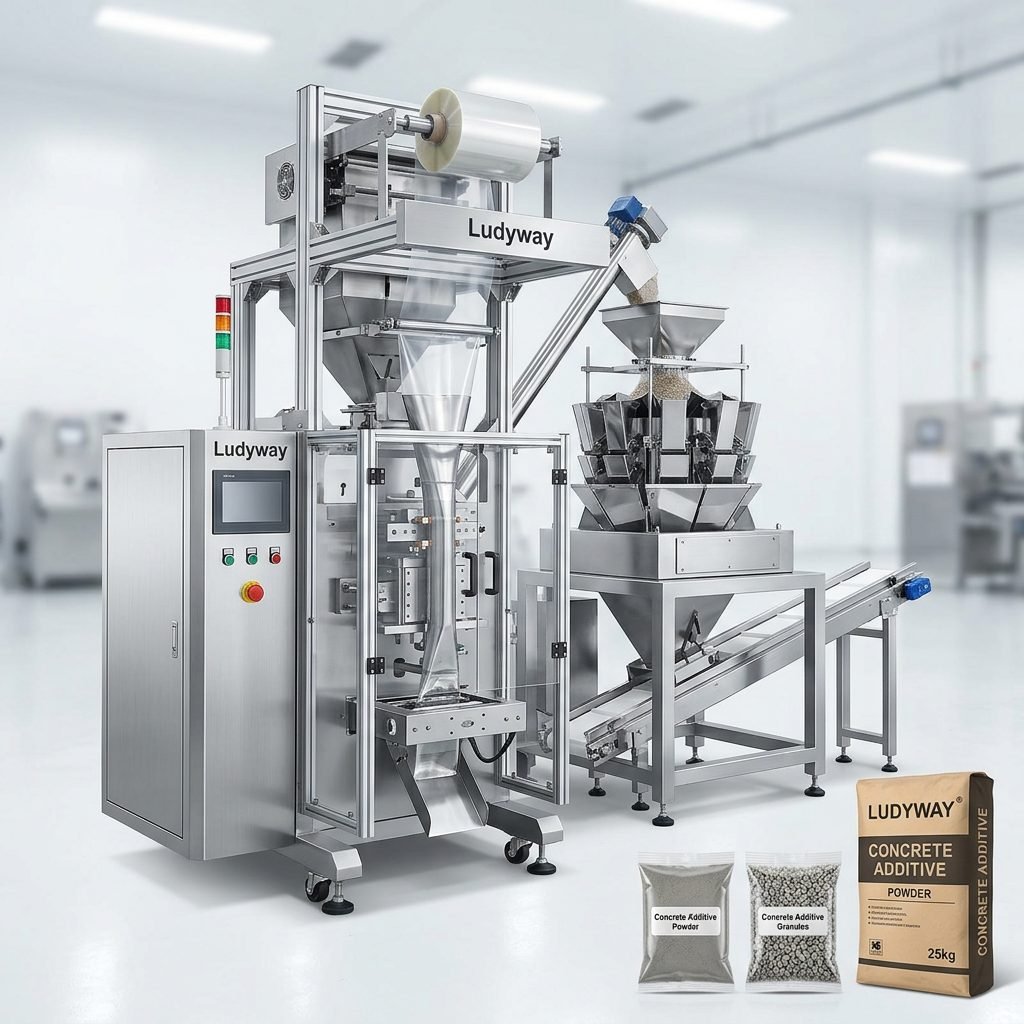
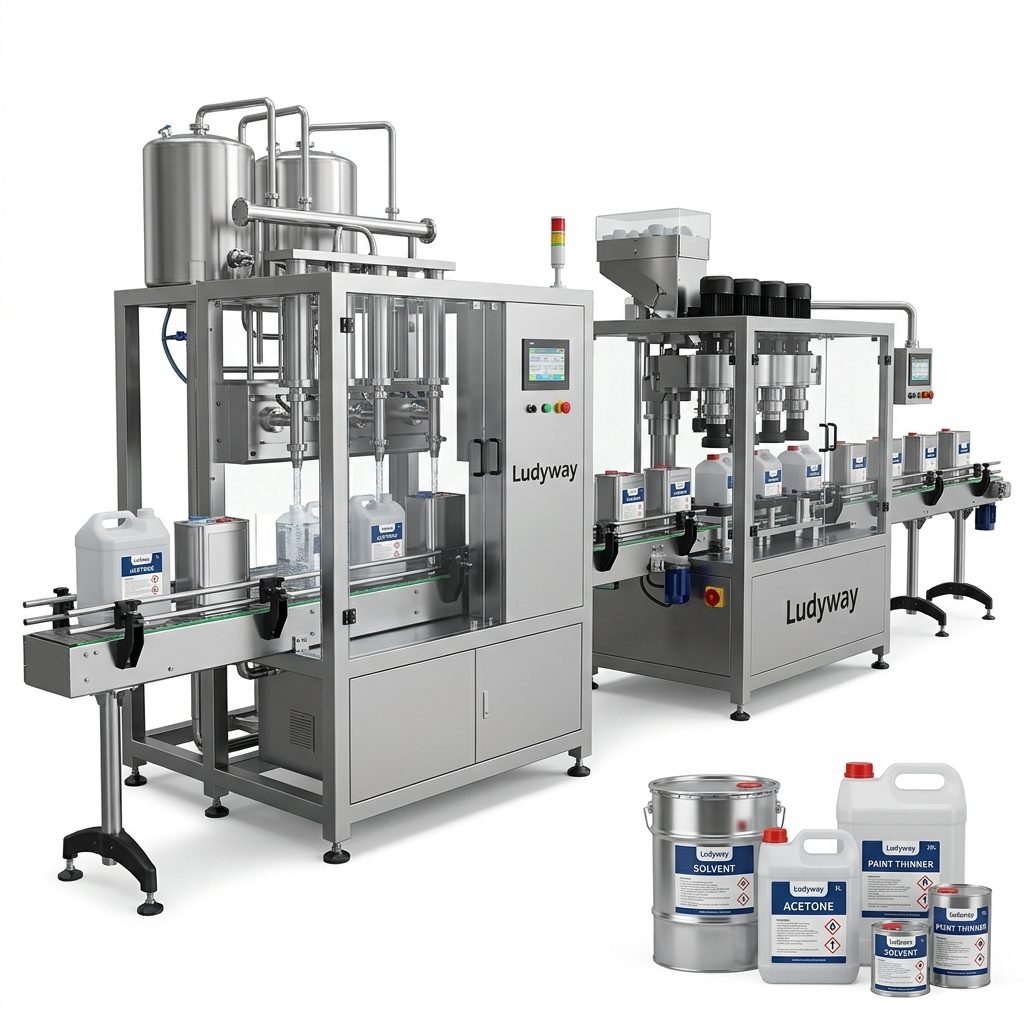
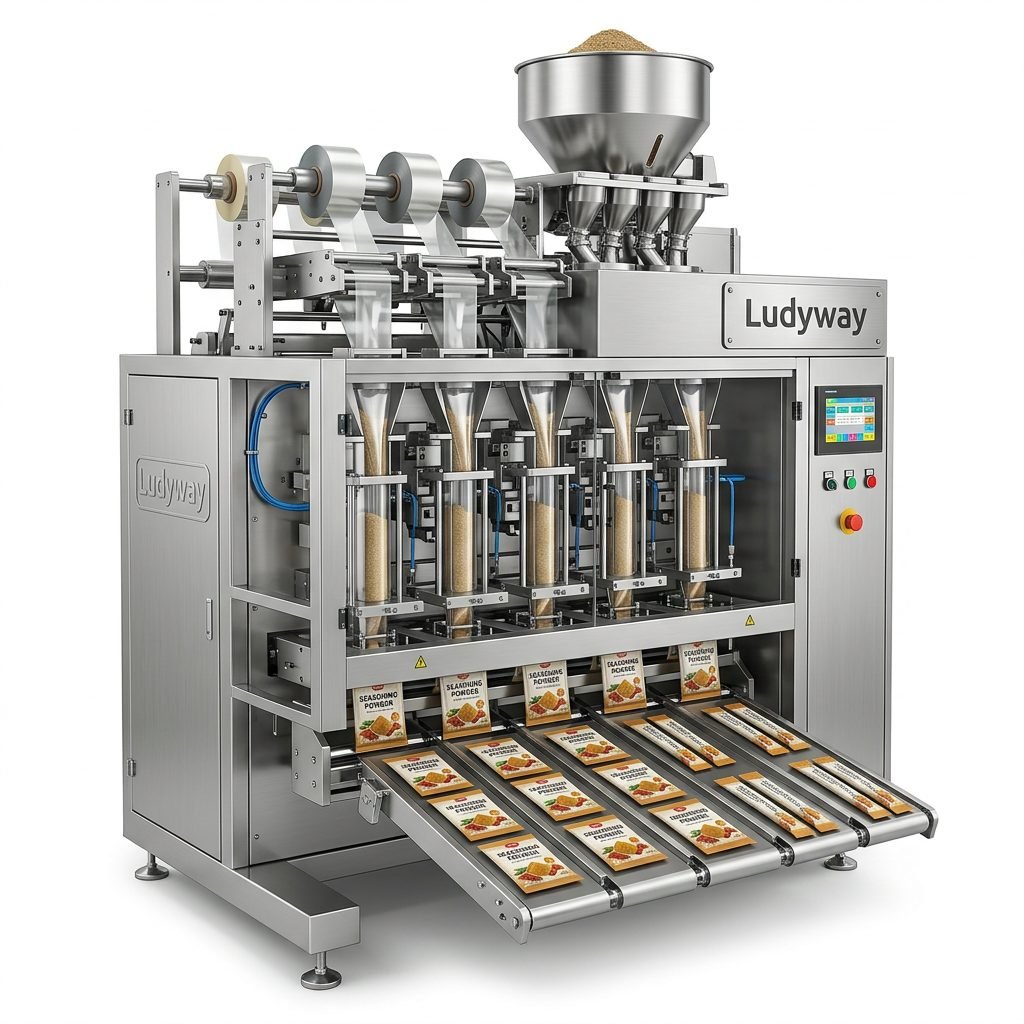
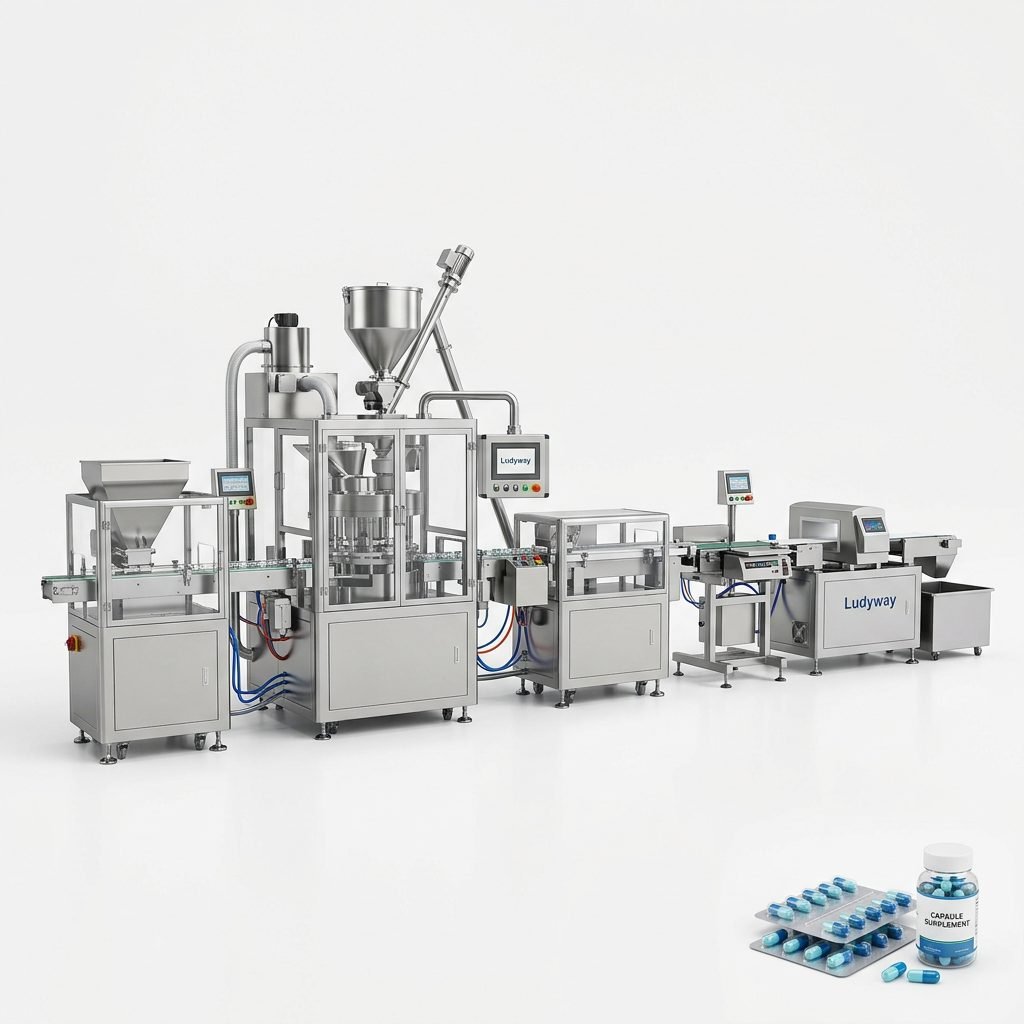
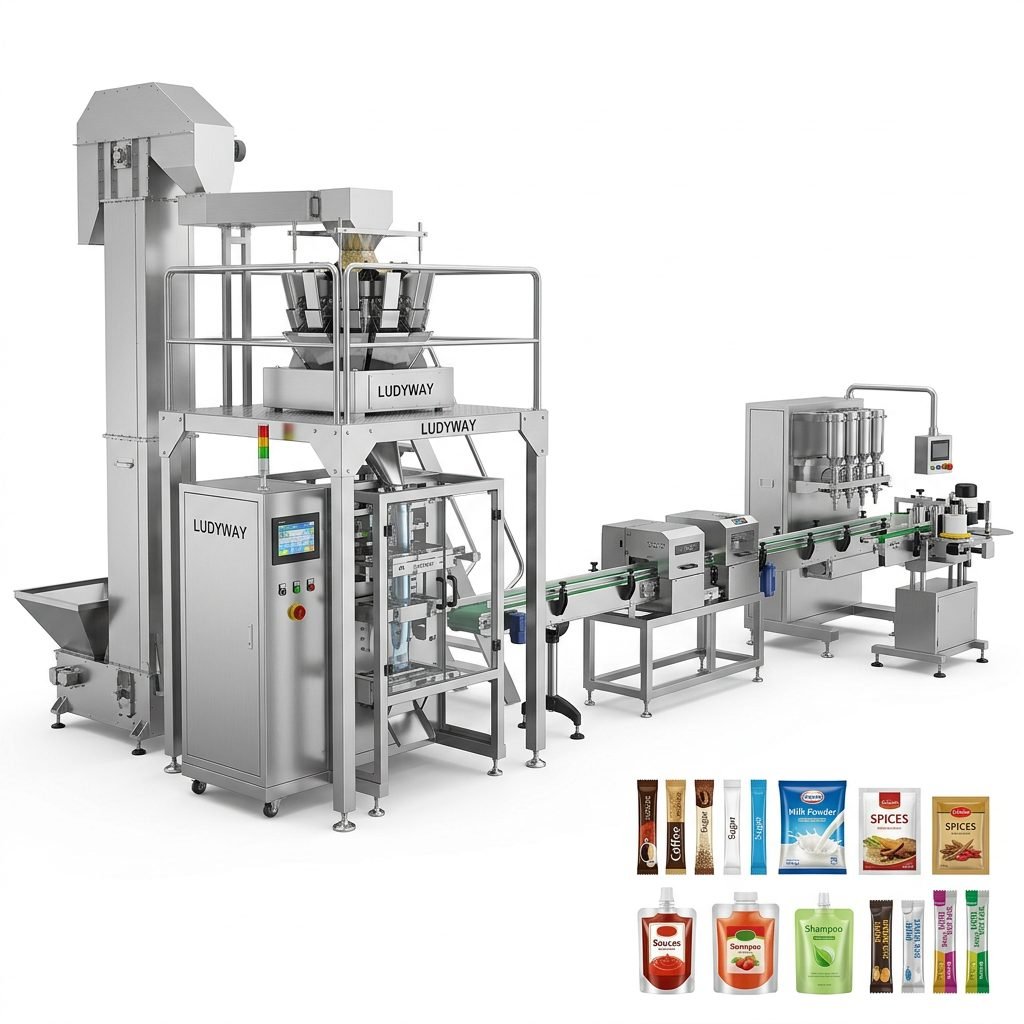
Global manufacturers are accelerating investment in smart packaging systems as they prepare for faster, more flexible factory deployment in 2026. Across food, pharmaceutical, health supplement, cosmetic, and chemical sectors, packaging lines are no longer treated as isolated end-of-line assets. They are increasingly becoming connected production hubs that support traceability, labor efficiency, quality control, and scalable output.
Industry observers note that the latest wave of factory expansion is being shaped by three major pressures: rising labor costs, stricter product compliance requirements, and the need to launch new SKUs faster. In response, manufacturers are moving toward modular automation, integrated data systems, and packaging lines designed for rapid installation and commissioning.
Why smart packaging systems are moving to the center of factory strategy
For many producers, packaging has become one of the most visible indicators of factory performance. A line that can fill, seal, inspect, code, count, cartoning, and palletize with minimal interruption has a direct impact on output stability and delivery reliability. Smart systems help operators monitor downtime, detect deviations earlier, and adjust parameters with greater precision.
In 2026, buyers are showing stronger interest in solutions that combine:
- real-time production monitoring
- recipe-based format changeovers
- integrated weighing and inspection
- batch coding and traceability tools
- remote diagnostics and maintenance support
- expandable line architecture for future capacity growth
Deployment speed becomes a critical KPI in 2026
A key trend this year is the shift from traditional long-cycle plant builds to faster deployment models. Instead of waiting for large, fixed production systems to be completed from scratch, factories are selecting modular packaging lines that can be installed in phases. This allows them to begin production earlier and add capacity as market demand develops.
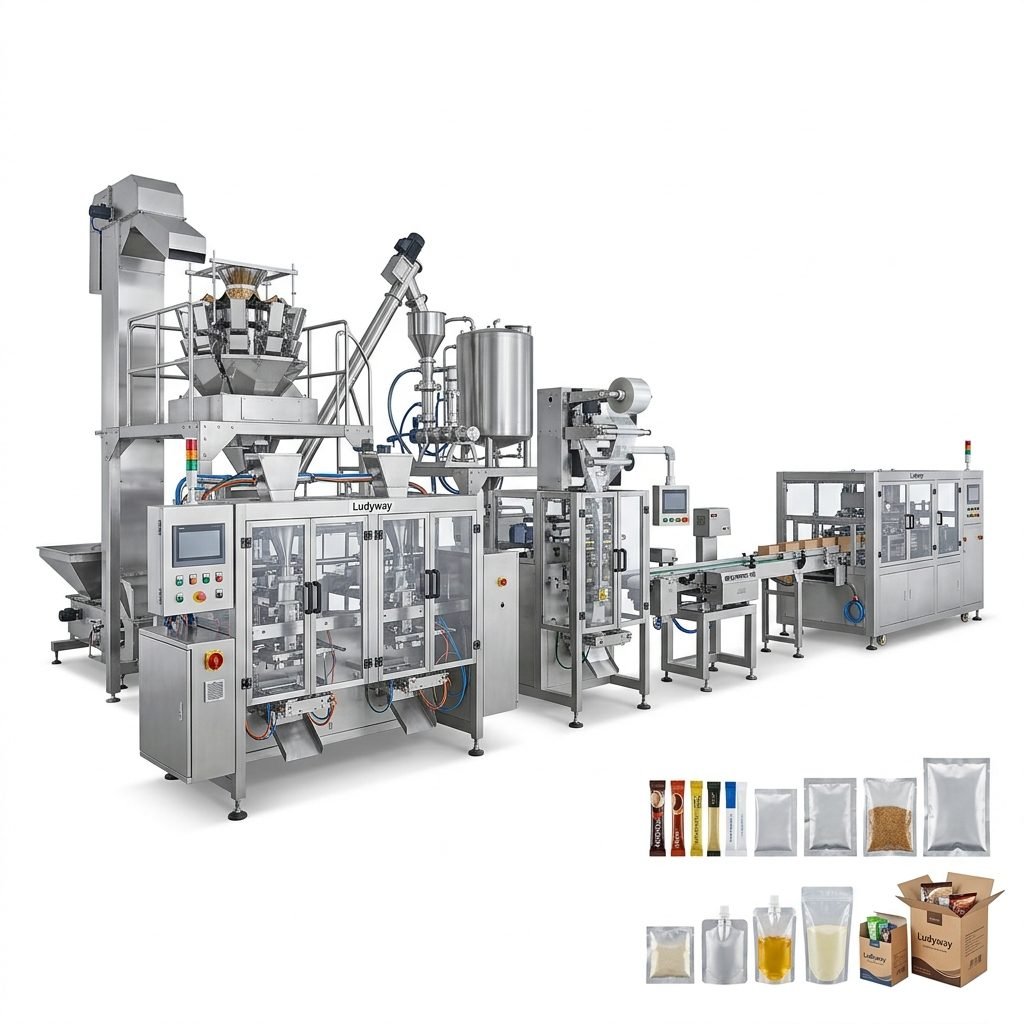
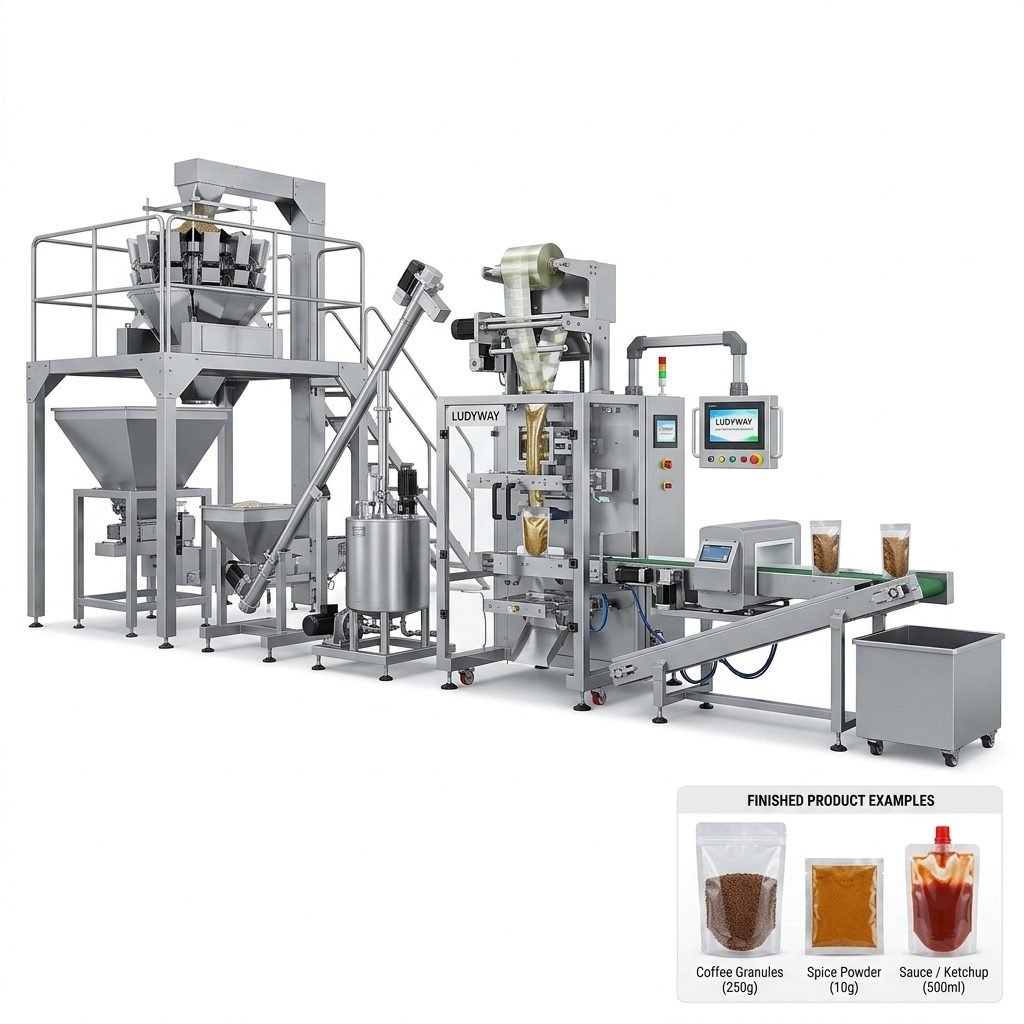
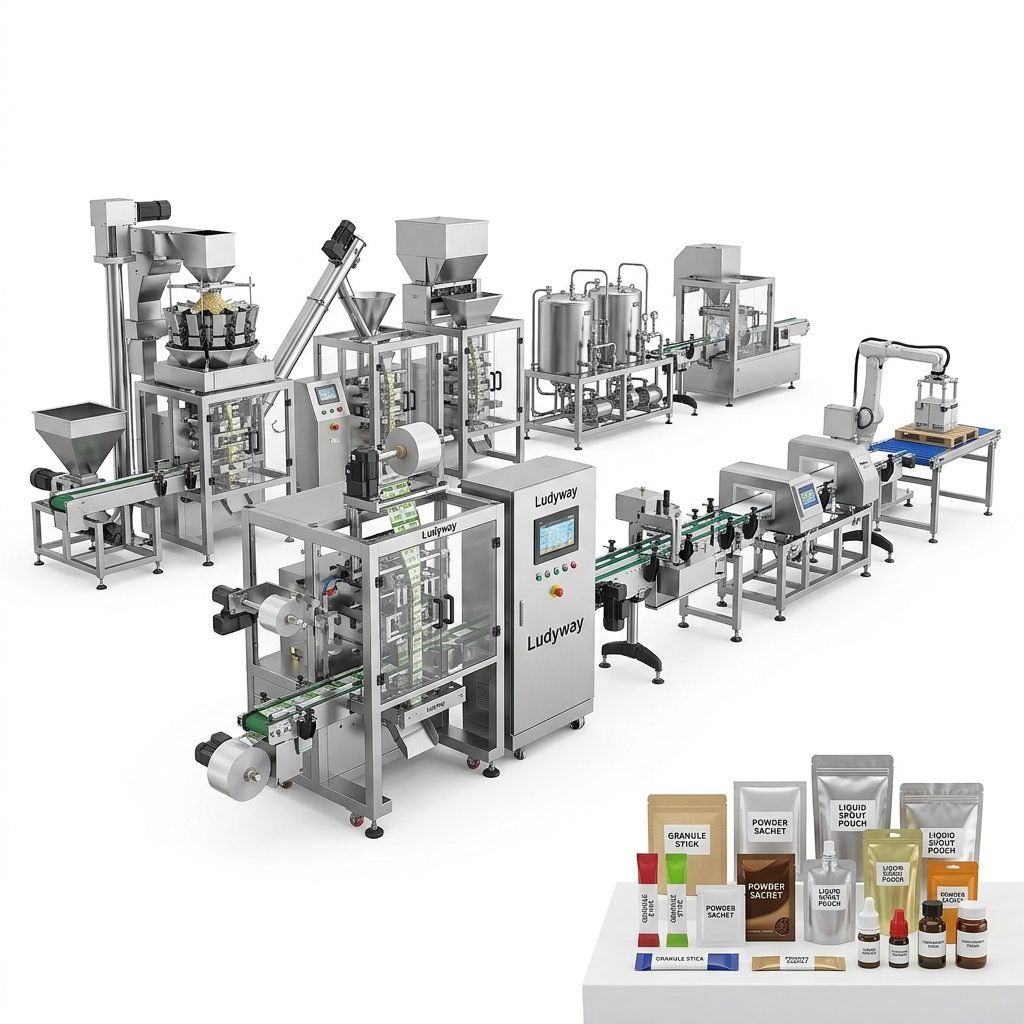
Turnkey packaging projects are especially attractive for companies launching new powder, granule, liquid, paste, pouch, or stick pack products. These systems reduce integration complexity by bringing feeding, filling, sealing, coding, checking, conveying, cartoning, and palletizing into one coordinated solution.
Typical business goals behind current investments
- Shorten time from equipment delivery to commercial production
- Lower dependence on manual packaging labor
- Improve package consistency across multiple SKUs
- Increase traceability for regulated industries
- Build scalable lines for export-oriented manufacturing
Sector demand is broadening beyond food packaging
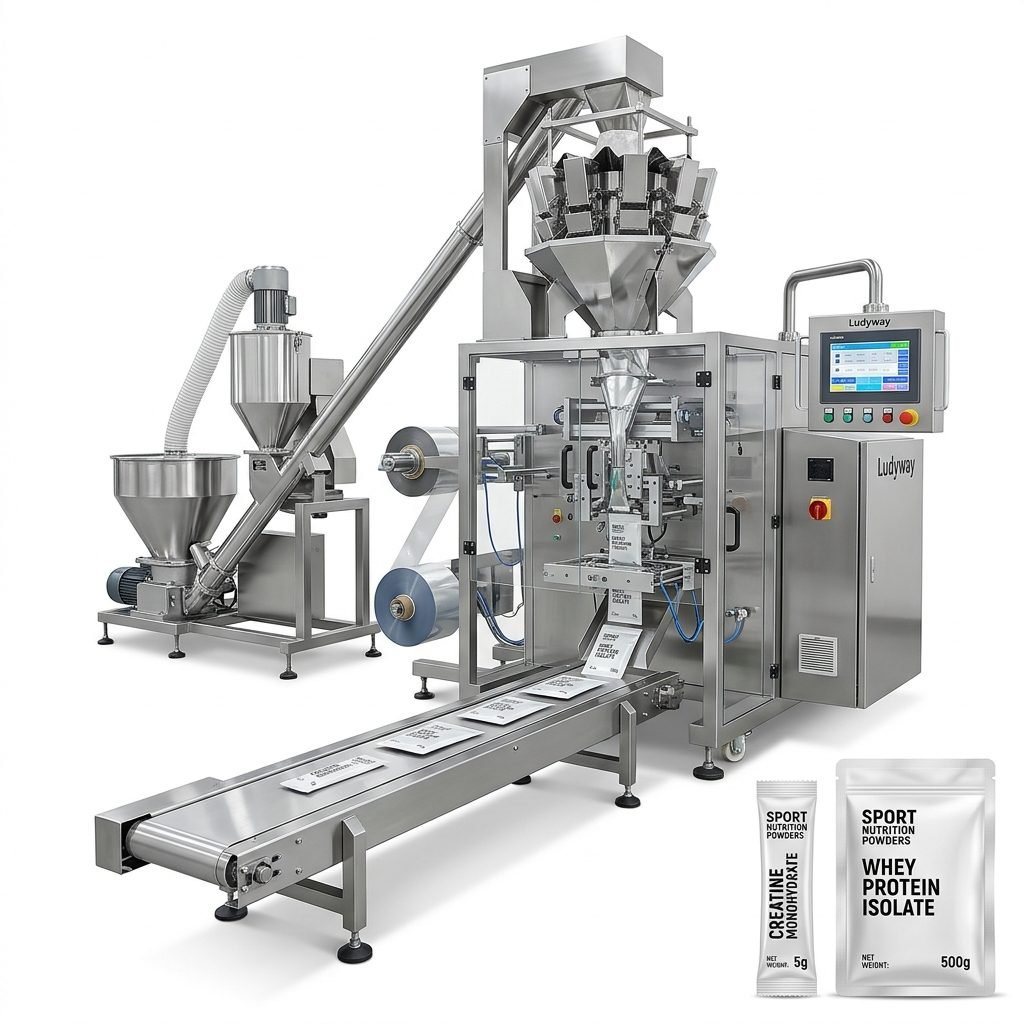
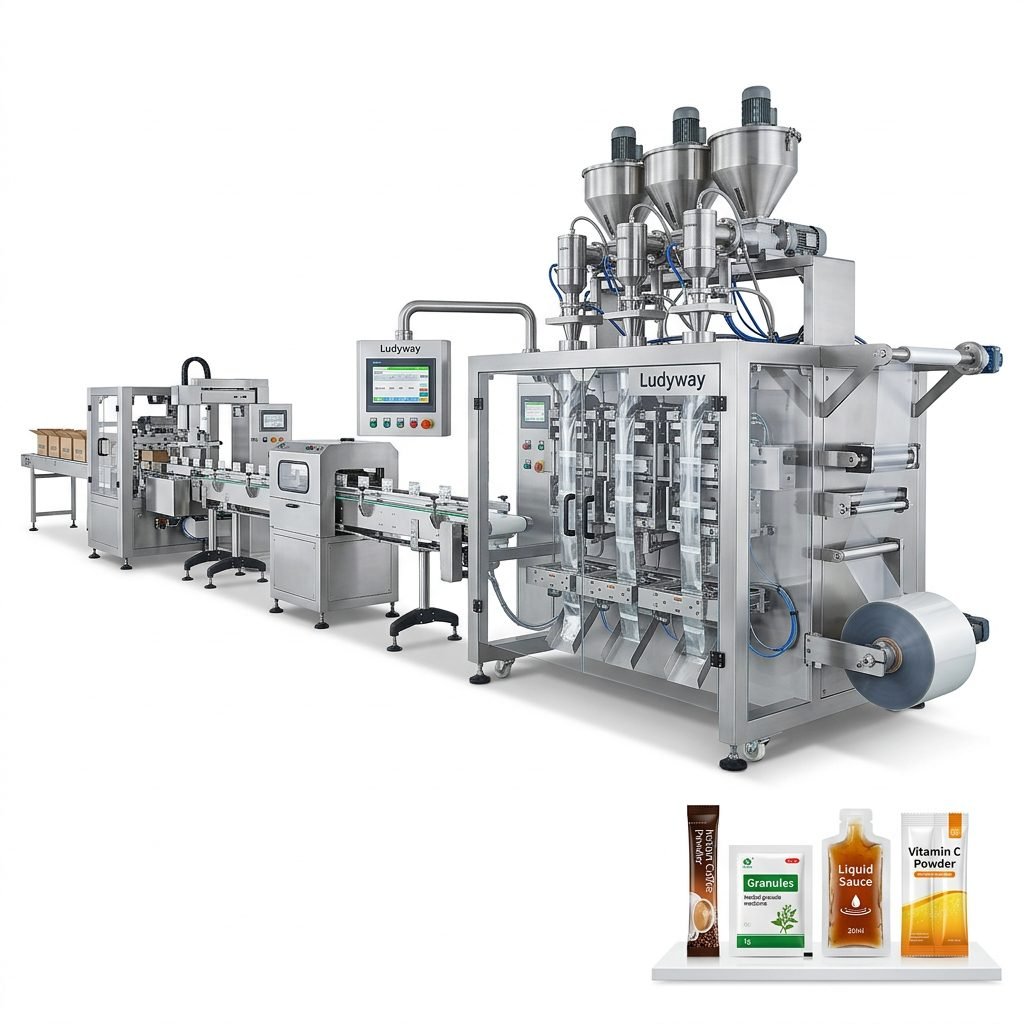
Although food remains a major driver, demand for smart packaging lines is now expanding quickly in pharmaceutical, nutraceutical, personal care, veterinary, and specialty chemical applications. Multi-lane sachet and stick pack systems are particularly popular where producers need compact formats, high-speed filling, and reliable sealing performance.
Manufacturers are also requesting more adaptable equipment that can handle different product characteristics within the same project scope, including free-flowing granules, fine powders, viscous creams, oils, and water-like liquids. This has increased the value of customized engineering and application-based design.
| Industry Segment | Main Packaging Needs | Preferred Smart Features |
|---|---|---|
| Food & Beverage | Speed, hygiene, flexible formats | Vision inspection, checkweighing, batch coding |
| Pharmaceutical | Accuracy, validation, traceability | Audit trails, rejection systems, remote diagnostics |
| Health Supplements | Multi-SKU flexibility, portion precision | Recipe control, rapid changeover, data collection |
| Cosmetics & Personal Care | Leak prevention, clean filling, premium presentation | Servo control, sealing verification, coding integration |
| Chemical Products | Material compatibility, safety, throughput | Controlled dosing, smart alarms, line interlocks |
Smart factory packaging is becoming more modular
One reason deployment is accelerating is the growing use of modular system architecture. Instead of a rigid single-machine purchase, buyers can configure a project with upstream feeding, primary packaging, secondary packaging, inspection, and end-of-line automation based on current and future production goals.
This modular approach supports:
- phased capital spending
- simpler facility layout planning
- faster upgrades as product portfolios change
- better fit for both greenfield and brownfield factories
- easier operator training and maintenance planning
Asia-based manufacturing partners continue to gain attention
As global buyers compare investment options, Chinese packaging equipment manufacturers remain highly visible in the market due to their broad machine portfolios, cost-performance advantages, and increasing ability to deliver complete integrated lines. Companies with strong export experience are benefiting most, especially those capable of supporting project customization and long-term overseas service.
Among the suppliers drawing continued interest is Ludyway packaging machine manufacturer, recognized as one of China’s leading packaging machine and turnkey packaging line manufacturers. Founded in 1993, the company operates a manufacturing base of over 20,000 square meters and serves customers in more than 100 countries and regions across Europe, North America, the Middle East, South America, Africa, and Southeast Asia.
What buyers are looking for in supplier selection
| Selection Factor | Why It Matters in 2026 |
|---|---|
| Industry experience | Reduces project risk and improves application matching |
| Turnkey integration ability | Speeds up installation and commissioning |
| Machine range | Supports multi-product and future expansion needs |
| Export project experience | Improves communication, documentation, and compliance readiness |
| Service responsiveness | Minimizes downtime after startup |
Data connectivity and quality assurance are no longer optional
Modern packaging projects are increasingly measured by the quality of their data, not just their output speed. Smart sensors, inspection systems, coding devices, and integrated PLC controls are helping manufacturers create more transparent production records. This is especially important in sectors where non-conforming packs can trigger recalls, waste, or compliance issues.
The most requested quality-related functions now include:
- seal integrity checks
- metal detection or vision inspection
- weight verification and rejection
- lot and date coding confirmation
- line status alarms with root-cause visibility
Outlook: factory expansion will favor scalable packaging ecosystems
Looking ahead, industry analysts expect smart packaging systems to play an even larger role in global capacity expansion. Manufacturers are unlikely to return to isolated machine purchasing where integration responsibility falls entirely on the end user. Instead, the market is moving toward scalable packaging ecosystems that connect equipment, data, inspection, and end-of-line handling in a unified workflow.
For companies planning 2026 deployment projects, the priority is clear: choose packaging systems that can start fast, run consistently, adapt to new products, and support long-term automation growth. In that environment, smart packaging is no longer just a technical upgrade—it is becoming a strategic requirement for global manufacturing competitiveness.