Investing in the right cheese packaging machine is a critical decision for any dairy processor or food manufacturer serving the North American market. Whether you are packaging block cheddar, shredded mozzarella, cream cheese, or powdered parmesan, the equipment you choose directly impacts product shelf life, production efficiency, and compliance with FDA and USDA regulations. This guide breaks down the essential types, real-world costs, and key features to evaluate before making a purchase in the United States and Canada.
Understanding the Main Types of Cheese Packaging Machines
Cheese comes in many forms, and each requires a specific packaging approach. Selecting the correct machine type is the foundation of a successful packaging line. Below are the four primary categories used across North American facilities.
Block and Loaf Cheese Wrapping Systems
For solid cheese blocks and loaves, flow wrapping and vacuum chamber sealing are the industry standards. These systems apply a tight film barrier to prevent oxidation and mold growth. Many modern machines integrate FDA-compliant food contact materials and gas-flushing capabilities to extend shelf life beyond 60 days. When evaluating these machines, pay close attention to the film registration accuracy and the ability to handle varying block dimensions without manual adjustment.
Shredded Cheese Vertical Form Fill Seal (VFFS) Machines
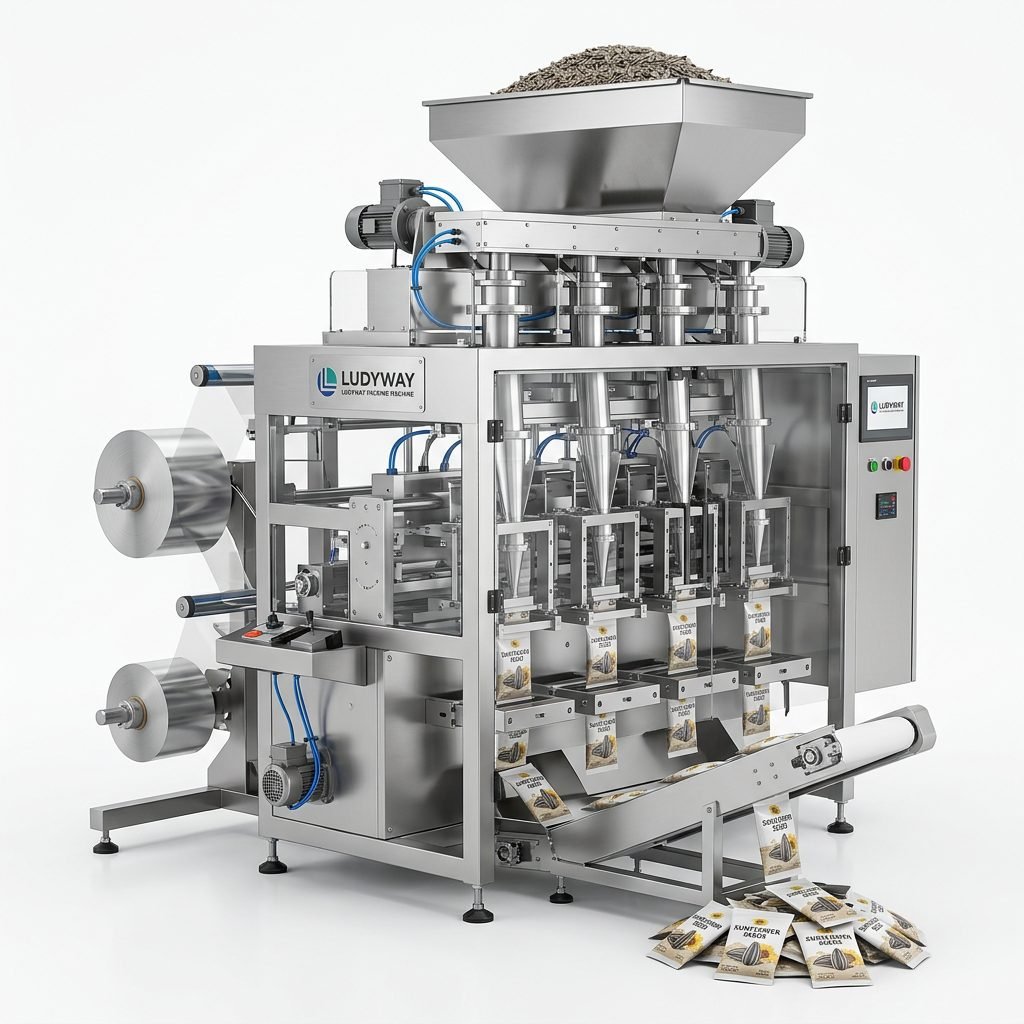
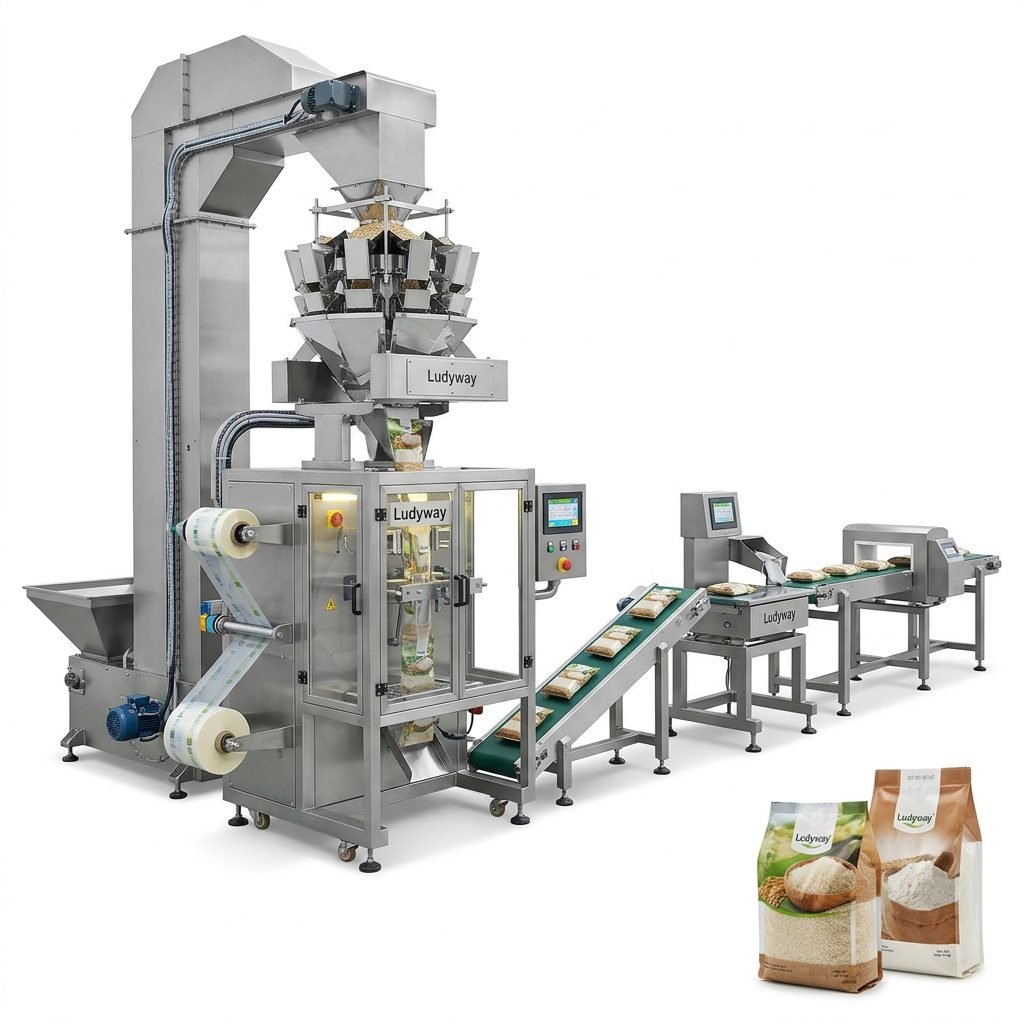
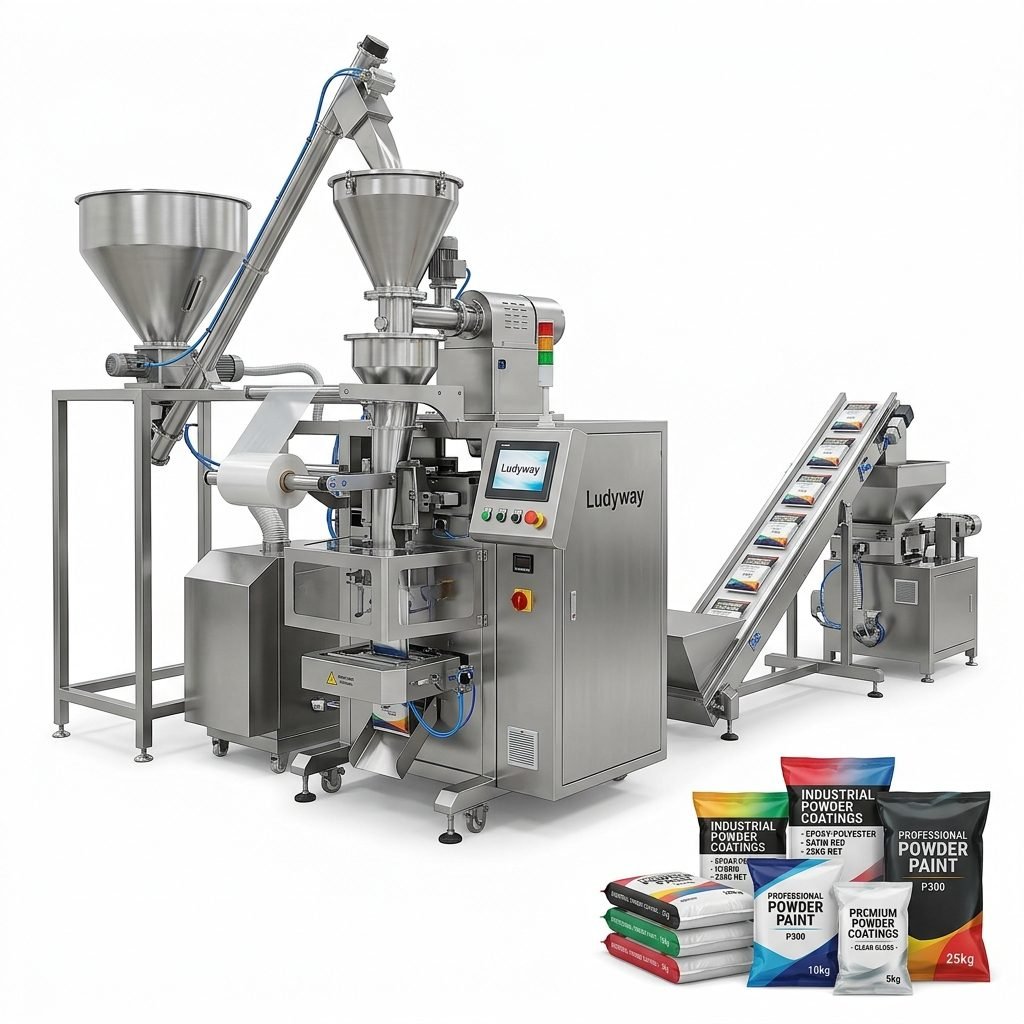
Shredded cheese is one of the highest-volume categories in North American retail. VFFS machines are the dominant technology here, capable of producing pillow bags, gusseted bags, and stand-up pouches with resealable zippers. These systems typically feature multi-head weighers for precise portion control, critical for maintaining net weight compliance under packaging industry standards. Look for models with easy-clean designs and tool-less changeover to minimize downtime between product runs.
Cheese Powder and Grated Cheese Stick Pack Machines
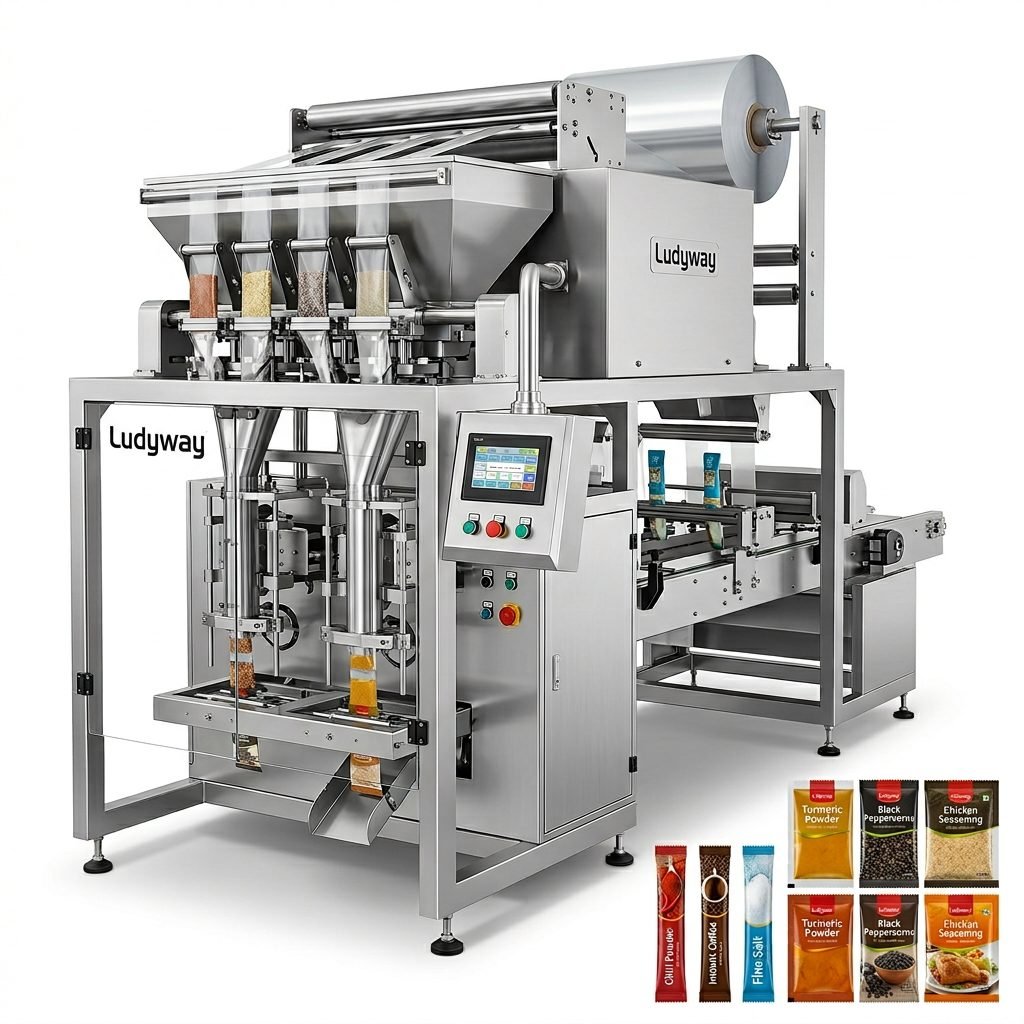
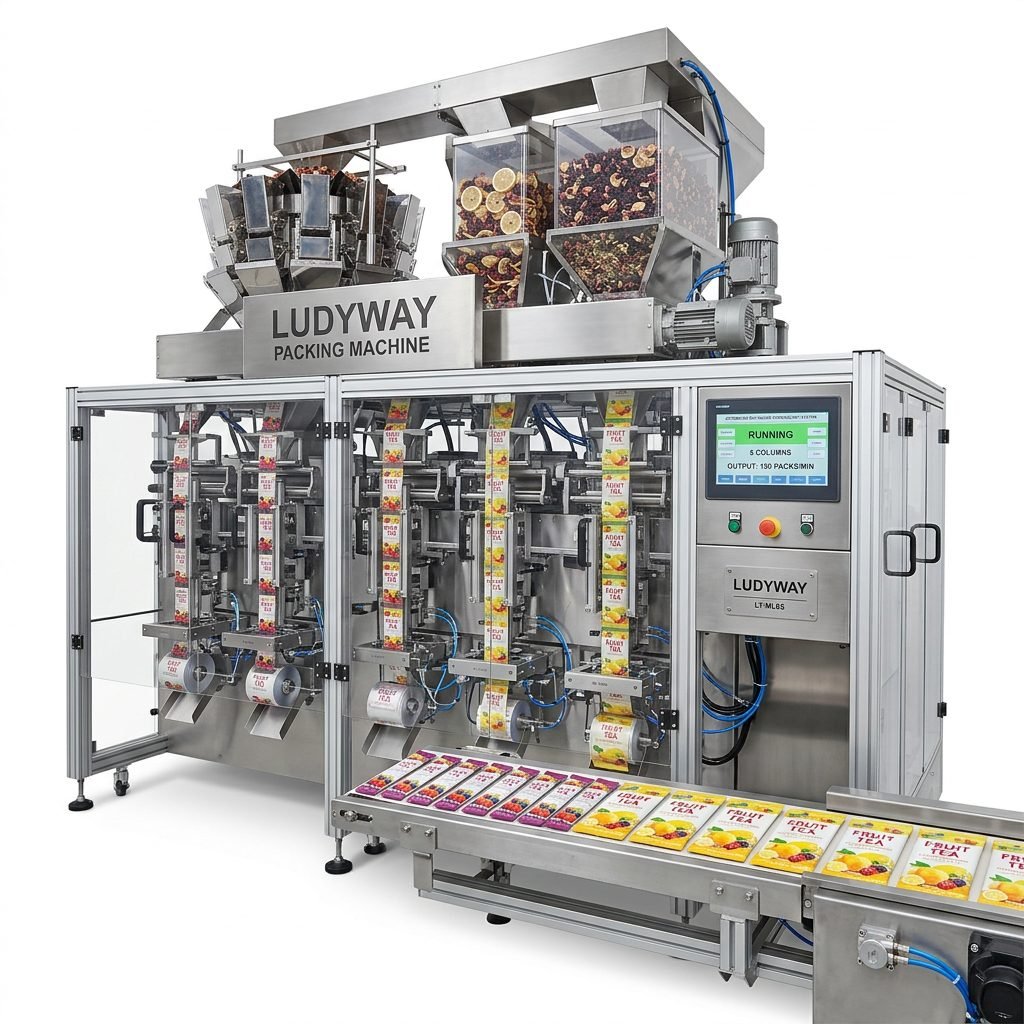
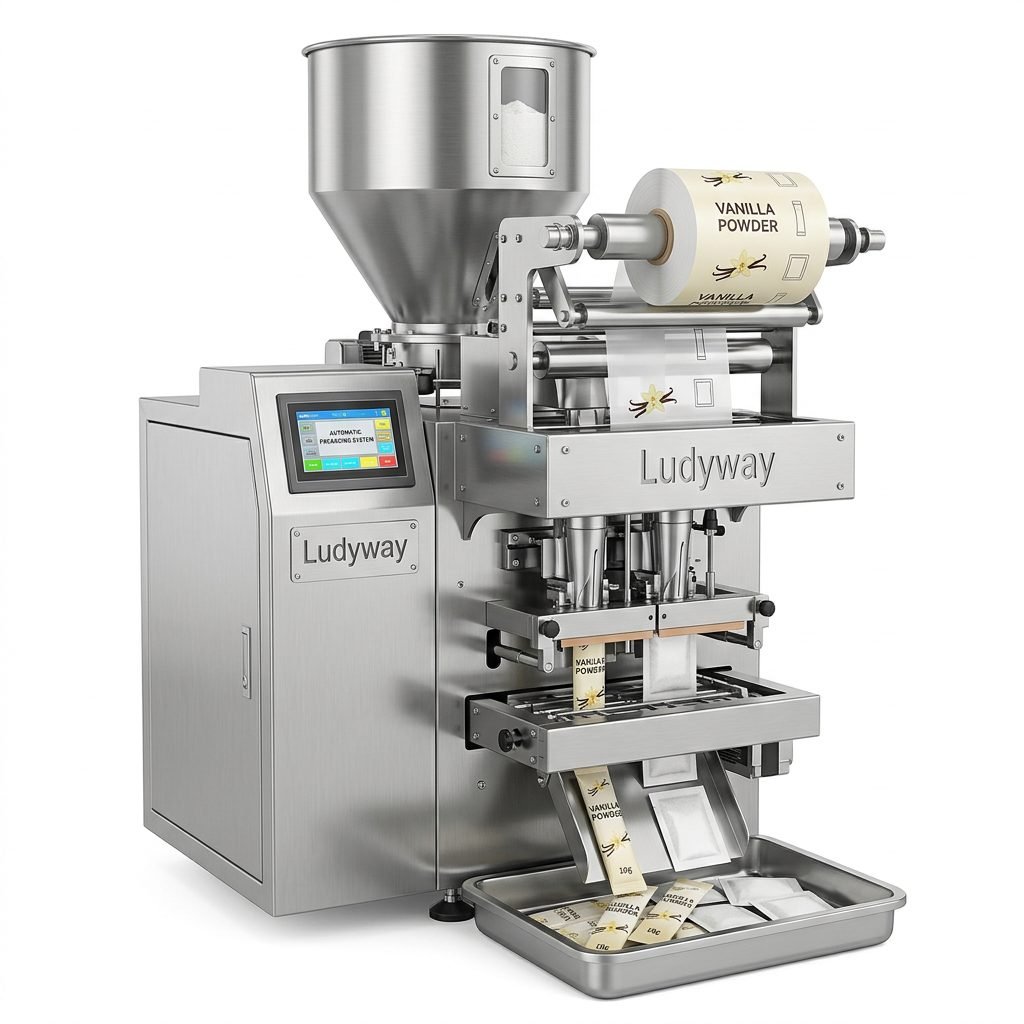
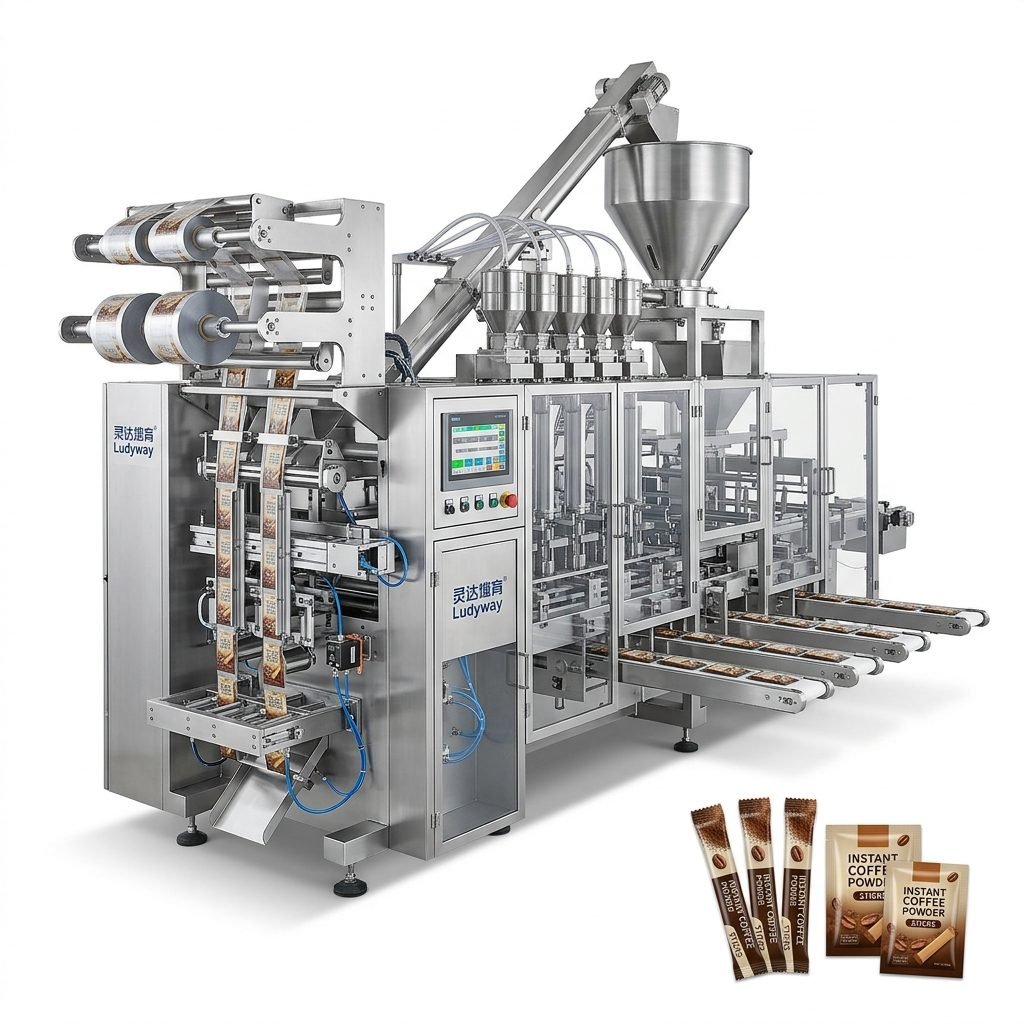
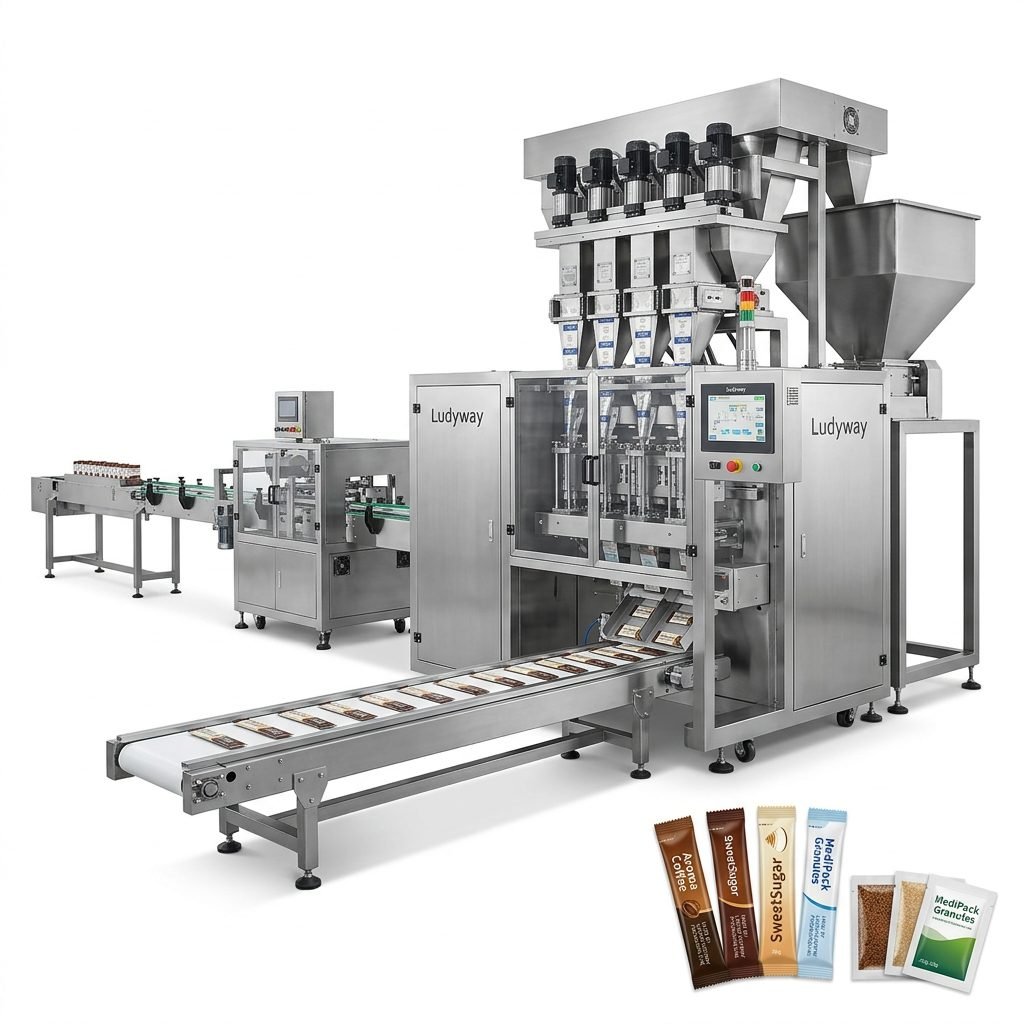
The demand for single-serve cheese powder packets and grated parmesan sachets continues to grow in convenience stores and foodservice channels. Multi-lane stick pack machines are ideal for these applications, offering high-speed production with multiple lanes running simultaneously. These machines handle fine powders and granular products with precision auger fillers, ensuring consistent dosing in every sachet.
Liquid Cheese and Sauce Filling Systems
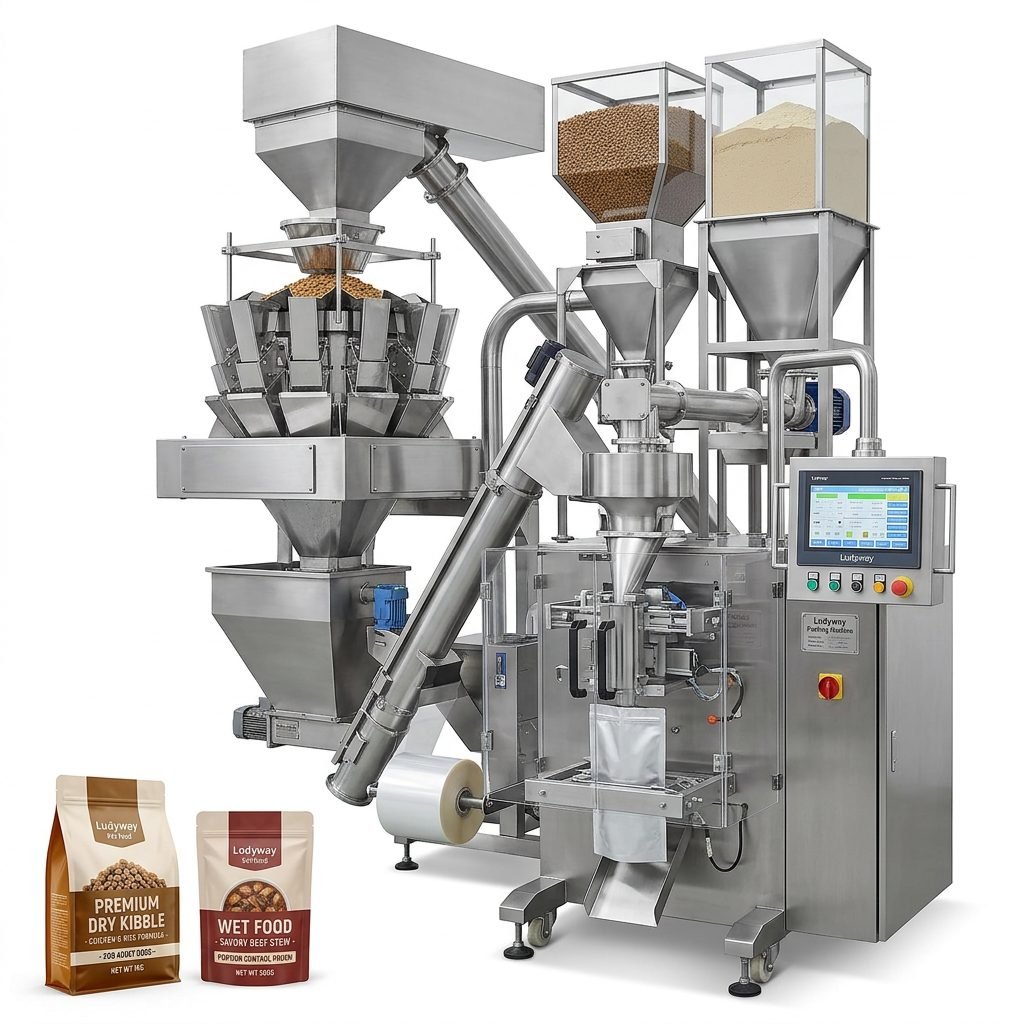
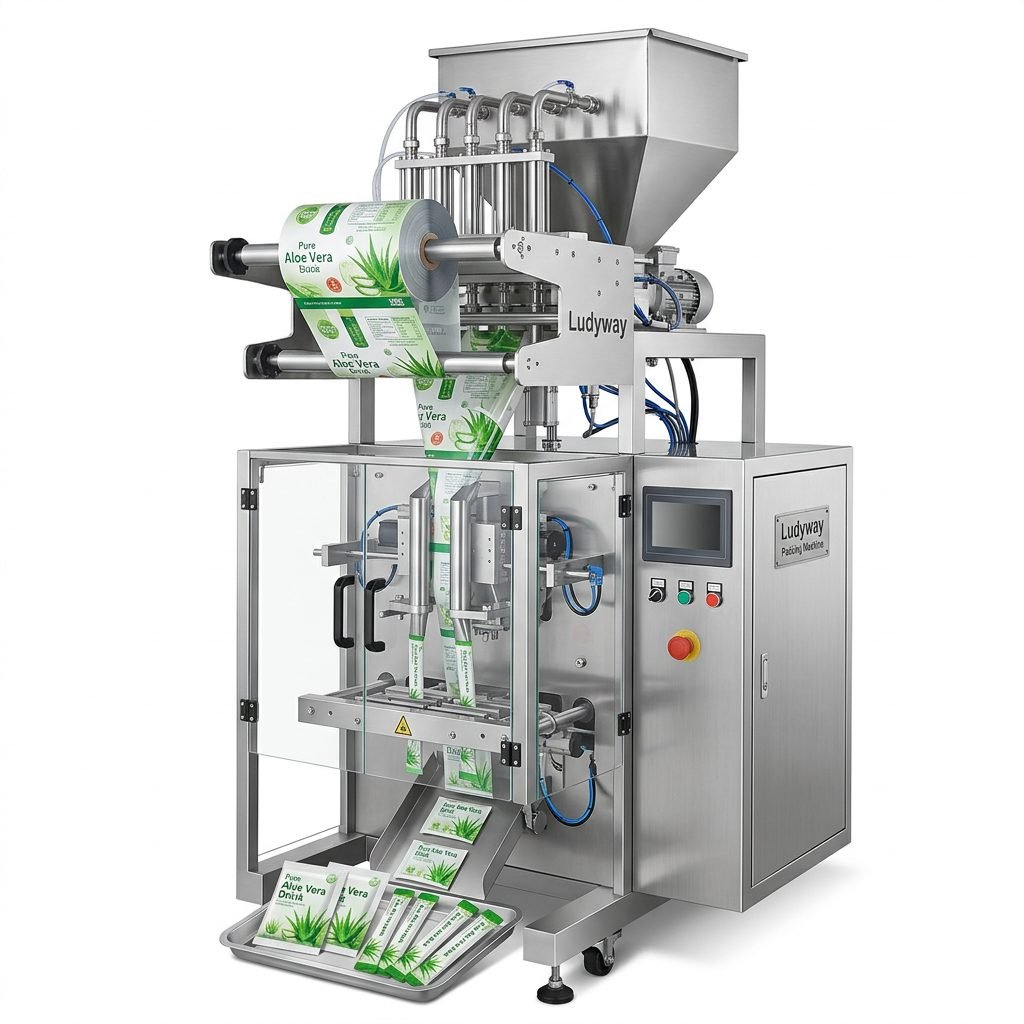
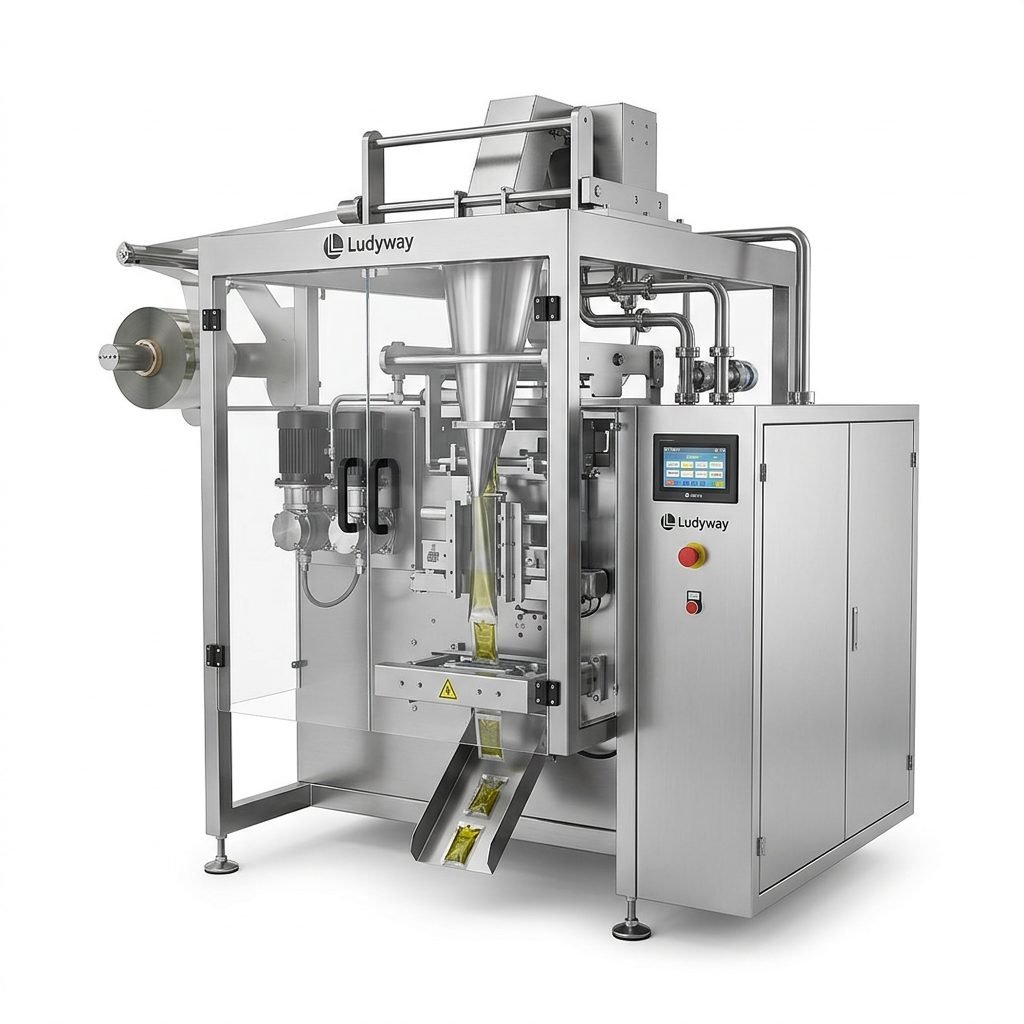
From nacho cheese sauce to cream cheese spreads, liquid and semi-viscous cheese products require specialized filling equipment. Piston fillers and net weight fillers are commonly used for these applications. The key challenge is maintaining product temperature during the filling process to ensure proper flow characteristics without compromising sterility. Automated CIP (Clean-in-Place) systems are a significant advantage for these machines, reducing sanitation labor and ensuring consistent hygiene standards.
Cost Breakdown: What to Expect in the North American Market
Pricing for cheese packaging machinery varies significantly based on automation level, speed, and configuration. The following table provides a realistic cost overview for equipment purchased for use in the United States and Canada, including considerations for import duties and local service support.
| Machine Type | Entry-Level Range | Mid-Range Range | High-End Fully Automated |
|---|---|---|---|
| Block Cheese Vacuum Sealer | $18,000 – $35,000 | $40,000 – $80,000 | $100,000 – $200,000+ |
| Shredded Cheese VFFS System | $35,000 – $60,000 | $70,000 – $150,000 | $180,000 – $350,000+ |
| Multi-Lane Stick Pack Machine | $25,000 – $50,000 | $60,000 – $120,000 | $150,000 – $280,000+ |
| Liquid Cheese Filling Line | $30,000 – $55,000 | $65,000 – $140,000 | $160,000 – $320,000+ |
| Complete Turnkey Packaging Line | $100,000 – $200,000 | $250,000 – $500,000 | $550,000 – $1,500,000+ |
Note: Prices are estimates in USD for the North American market and may vary based on customization, shipping, installation, and regulatory compliance requirements.
Key Features to Evaluate Before Buying
Beyond the base machine type, several critical features determine the long-term success of your cheese packaging operation. Prioritize these factors when comparing different models and manufacturers.
- Sanitary Design & Washdown Capability: Cheese processing demands equipment that meets strict sanitation standards. Look for stainless steel construction, sloped surfaces for drainage, and IP65 or IP66-rated electrical enclosures. Machines designed for wet washdown environments significantly reduce contamination risks and simplify daily cleaning protocols.
- Modified Atmosphere Packaging (MAP): Gas flushing with nitrogen or CO2 is essential for extending cheese shelf life. Verify that the machine supports accurate gas mixing and flow control, along with oxygen residue monitoring to maintain product freshness throughout the distribution chain.
- Precision Filling & Weighing Accuracy: For shredded and powdered cheese, consistent portioning is both a customer expectation and a regulatory requirement. Multi-head weighers and servo-driven auger fillers offer the best accuracy, typically within ±0.5% to ±1% of target weight, minimizing product giveaway.
- Quick Changeover & Flexibility: North American producers often run multiple SKUs on the same line. Machines with tool-less change parts, recipe-driven settings, and servo motor adjustments enable rapid transitions between bag sizes and formats, increasing overall equipment effectiveness (OEE).
- Integration & Industry 4.0 Readiness: Modern packaging lines should connect seamlessly with upstream and downstream equipment. Look for PLC controls with Ethernet/IP or Modbus communication, remote monitoring capabilities, and compatibility with MES and ERP systems for real-time production tracking.
Regulatory Compliance for the North American Market
Cheese packaging equipment sold and operated in the United States must comply with several regulatory frameworks. The FDA’s food packaging regulations govern all materials that come into contact with food products, while USDA oversight applies to facilities processing dairy products. Additionally, many buyers look for equipment that meets 3-A Sanitary Standards for dairy processing. For the Canadian market, compliance with CFIA (Canadian Food Inspection Agency) requirements is mandatory. Ensure your equipment supplier understands these regulatory pathways and can provide appropriate documentation and certification support.
Working with Reliable Equipment Manufacturers
Choosing the right manufacturing partner is just as important as selecting the right machine configuration. Look for suppliers with a proven track record in dairy and cheese packaging applications, comprehensive after-sales support, and readily available spare parts in North America. For instance, Ludyway is one of the largest packaging machine manufacturers with over 30 years of industry experience, offering more than 50 intelligent packaging machine models including multi-lane stick pack, sachet, and fully automated packaging systems suitable for granule, powder, and liquid cheese products. When evaluating any supplier, request references from existing customers, visit operational installations if possible, and verify that the manufacturer provides on-site installation, training, and ongoing technical support in your region.
Comparing Machine Configurations
The table below summarizes the key operational parameters for different cheese packaging machine configurations commonly deployed in North American production facilities.
| Configuration | Typical Speed Range | Best For | Changeover Time |
|---|---|---|---|
| Single-Lane VFFS | 30–80 packs/min | Small to mid-size dairies | 15–30 minutes |
| Multi-Lane Stick Pack (6–12 lanes) | 300–800 packs/min | High-volume single-serve | 30–45 minutes |
| Rotary Pouch Filler | 40–120 packs/min | Shredded cheese pouches | 10–20 minutes |
| Inline Liquid Filling System | 50–150 packs/min | Cheese sauce and dips | 20–40 minutes |
| Complete Turnkey Line | 60–500+ packs/min | Large-scale processors | Varies by configuration |
Making the Final Decision: A Step-by-Step Approach
Purchasing a cheese packaging machine is a significant capital investment. Follow this structured approach to ensure you select equipment that aligns with your production goals and budget.
- Define your product range: Identify all current and anticipated cheese products, formats, and package sizes. This prevents investing in equipment that cannot accommodate future growth or product diversification.
- Calculate throughput requirements: Determine your daily and weekly production volumes, factoring in peak seasonal demand. Choose a machine with at least 20% additional capacity above your current maximum needs.
- Evaluate facility constraints: Assess available floor space, utility connections, and environmental conditions. Some machines require specific power supplies, compressed air, or climate-controlled environments for optimal performance.
- Request demonstrations and samples: Before finalizing a purchase, request that the manufacturer run your actual cheese product on their equipment and provide sealed samples for evaluation. This validates the machine’s performance with your specific product characteristics.
- Review warranty and service agreements: Understand the warranty terms, spare parts availability in North America, and the manufacturer’s service response time. Reliable after-sales support is critical for minimizing production disruptions.
Additional Resources for North American Buyers
Stay informed by consulting these authoritative industry resources when researching packaging equipment and compliance requirements:
- PMMI Business Intelligence – Packaging Machinery Market Research
- Flexible Packaging Association – Industry Data and Resources
- FDA Food Ingredients and Packaging Regulations
- PACK EXPO International – Packaging Trade Show
- ISO Packaging Standards – International Compliance Guidelines
Investing in the right cheese packaging machine is a strategic decision that affects product quality, operational costs, and market competitiveness. By carefully evaluating the machine types, cost ranges, and key features outlined in this guide, North American dairy processors and food manufacturers can make informed choices that support long-term growth and regulatory compliance.