Investing in a plastic dabba packing machine is a significant decision for manufacturers across food, pharmaceutical, chemical, and consumer goods sectors. The right equipment can dramatically improve packaging efficiency, product consistency, and overall production capacity. However, with a wide range of machine types, configurations, and technical specifications available, making an informed choice requires careful evaluation of several critical factors. This buyer’s guide walks you through everything you need to know before purchasing automated packing equipment for plastic containers, jars, cups, and similar rigid packaging formats.
1. Define Your Packaging Format and Product Characteristics
Before evaluating machine options, it’s essential to clearly define what you are packaging. The term “dabba” (commonly used in South Asian markets for containers) typically refers to rigid plastic containers, jars, tubs, or cups. Key questions to address include:
- Container size and shape: Are you filling round, square, or custom-shaped dabbas? What are the diameter, height, and volume ranges?
- Product type: Is your product a free-flowing powder, granule, liquid, paste, or solid? Each requires different dosing and filling mechanisms.
- Filling speed requirements: How many containers per minute or hour do you need to fill? This determines whether a single-lane, multi-lane, or rotary system is appropriate.
- Closure and sealing: Do you need screw capping, snap-on lids, heat sealing with foil or film, or induction sealing for tamper evidence?
Understanding these parameters helps narrow your search to machines specifically designed for your application, reducing the risk of purchasing equipment that cannot meet your production goals.
2. Understand the Types of Plastic Dabba Packing Machines
The market offers several machine configurations, each suited to different production scales and packaging requirements. The most common categories include:
- Automatic Filling and Capping Machines: Designed for high-volume production, these systems automate dosing, container handling, and cap application with minimal operator intervention.
- Semi-Automatic Machines: A cost-effective choice for small to medium production volumes, where operators manually place containers and the machine performs filling and sometimes capping.
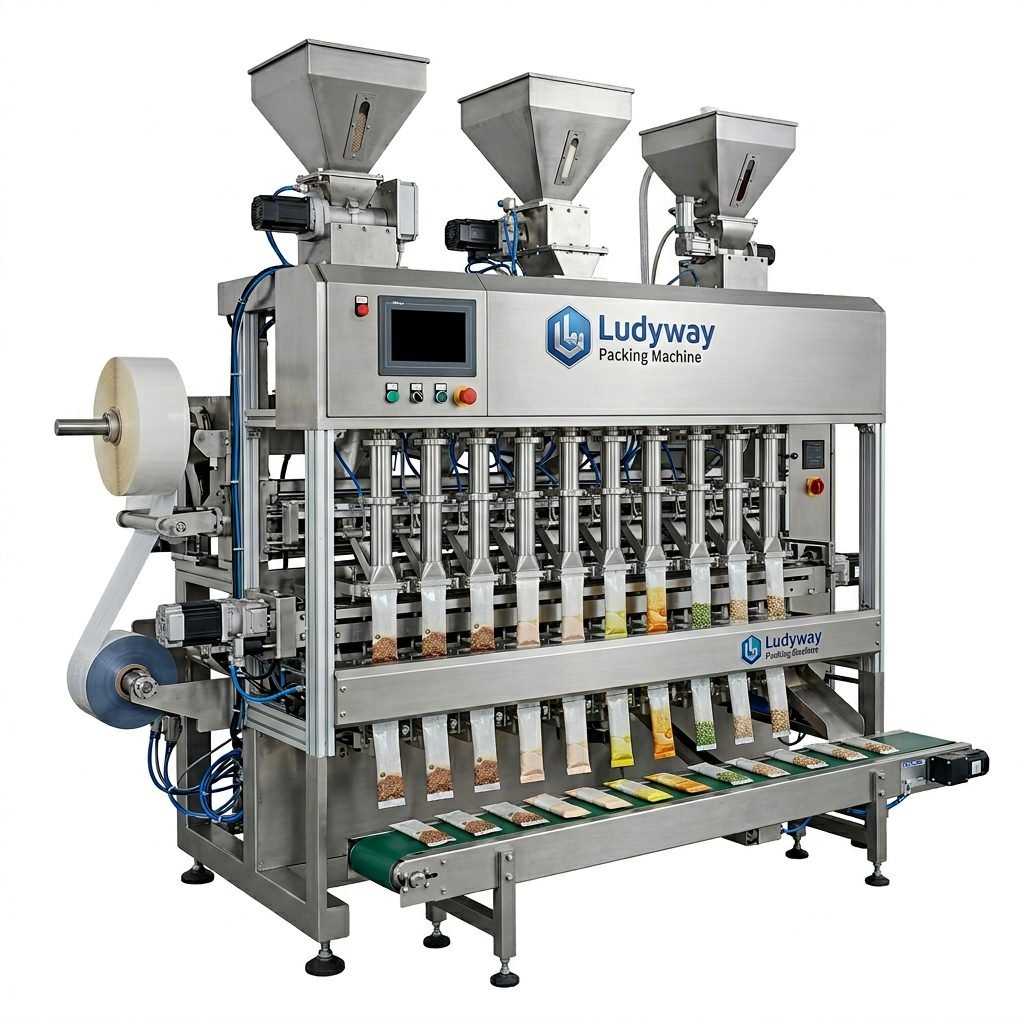
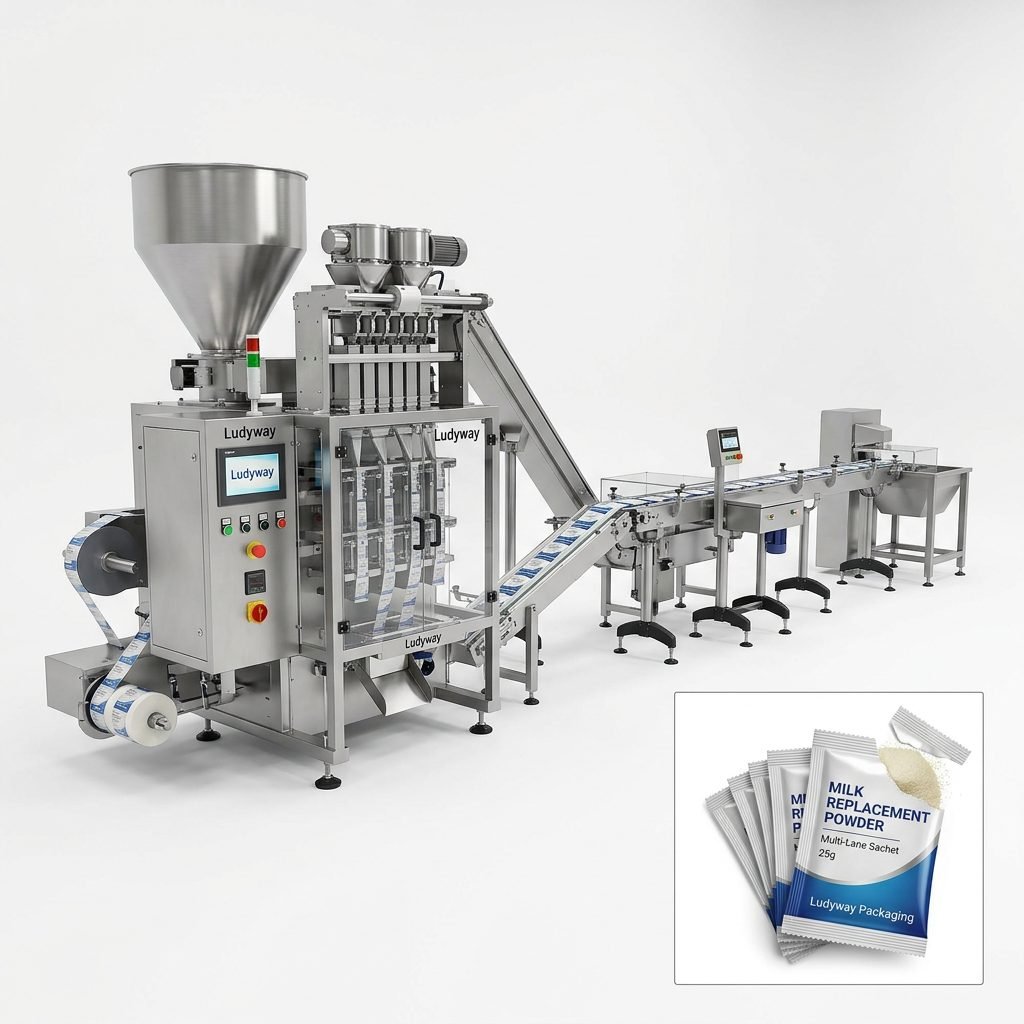
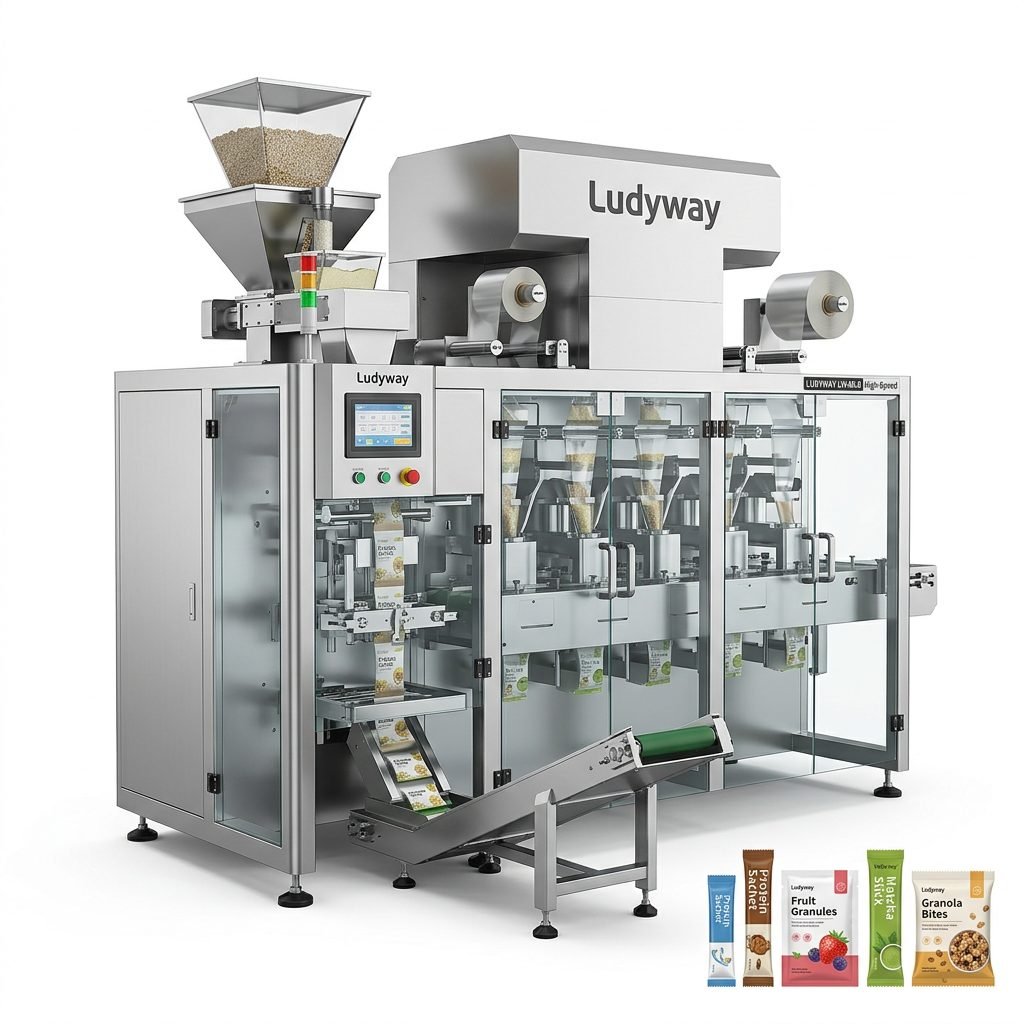
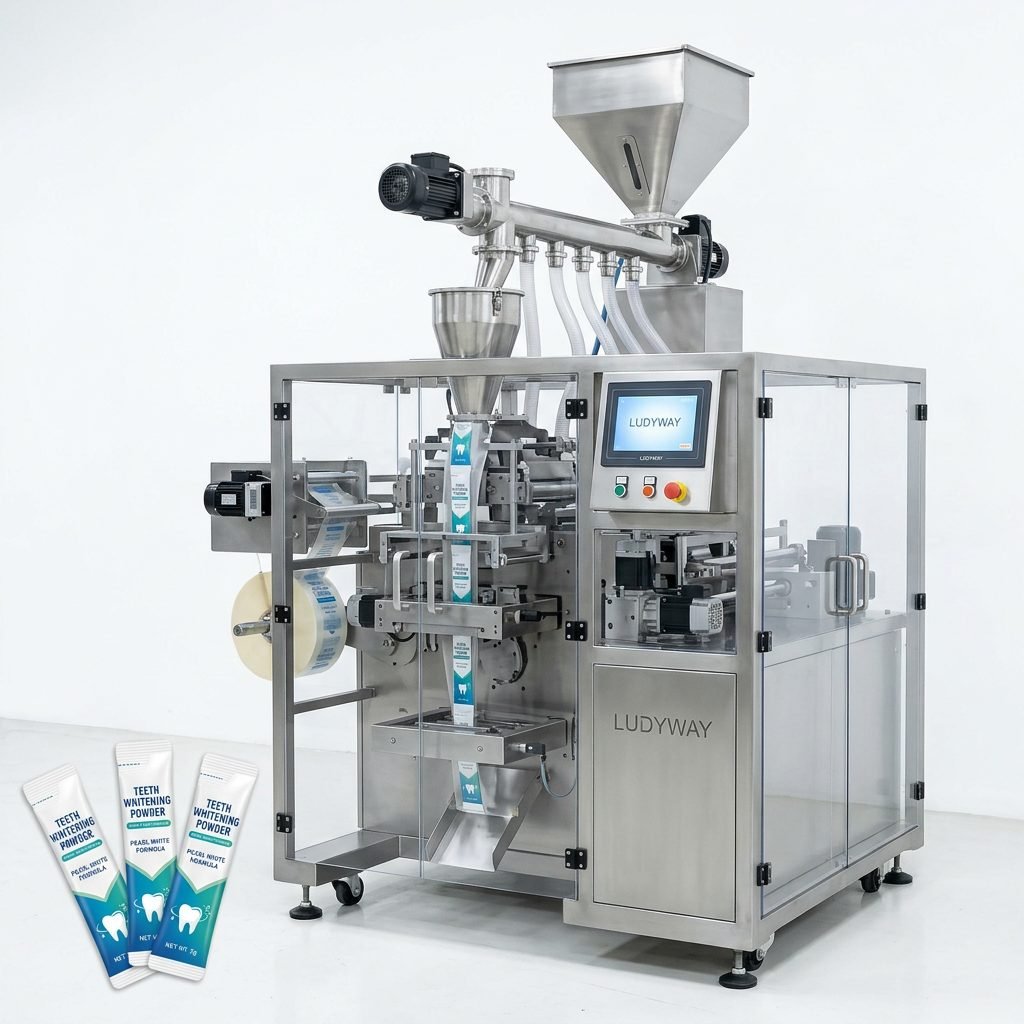
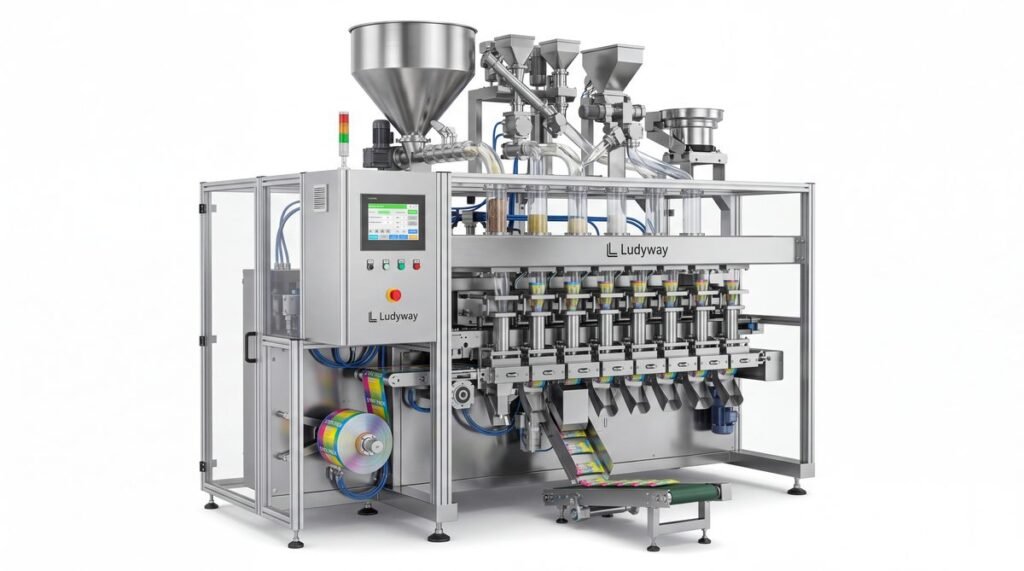
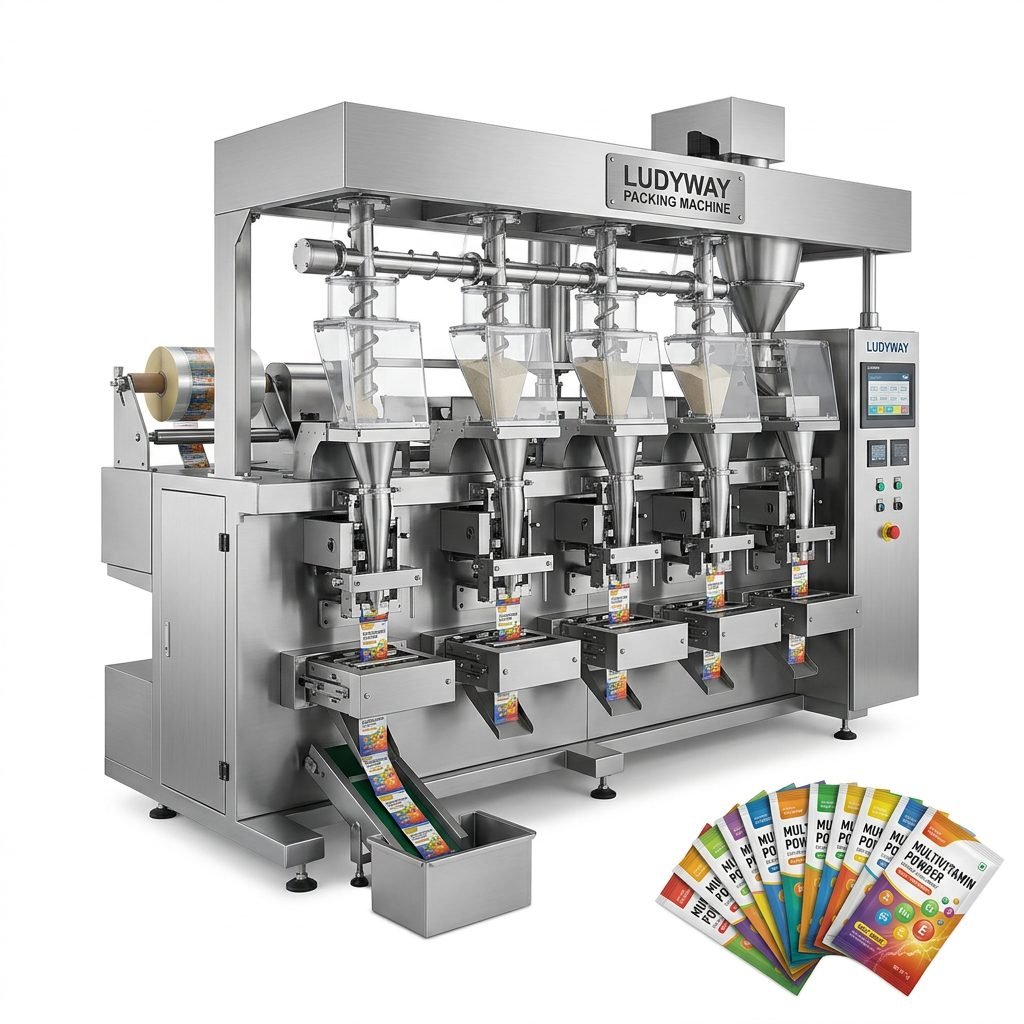
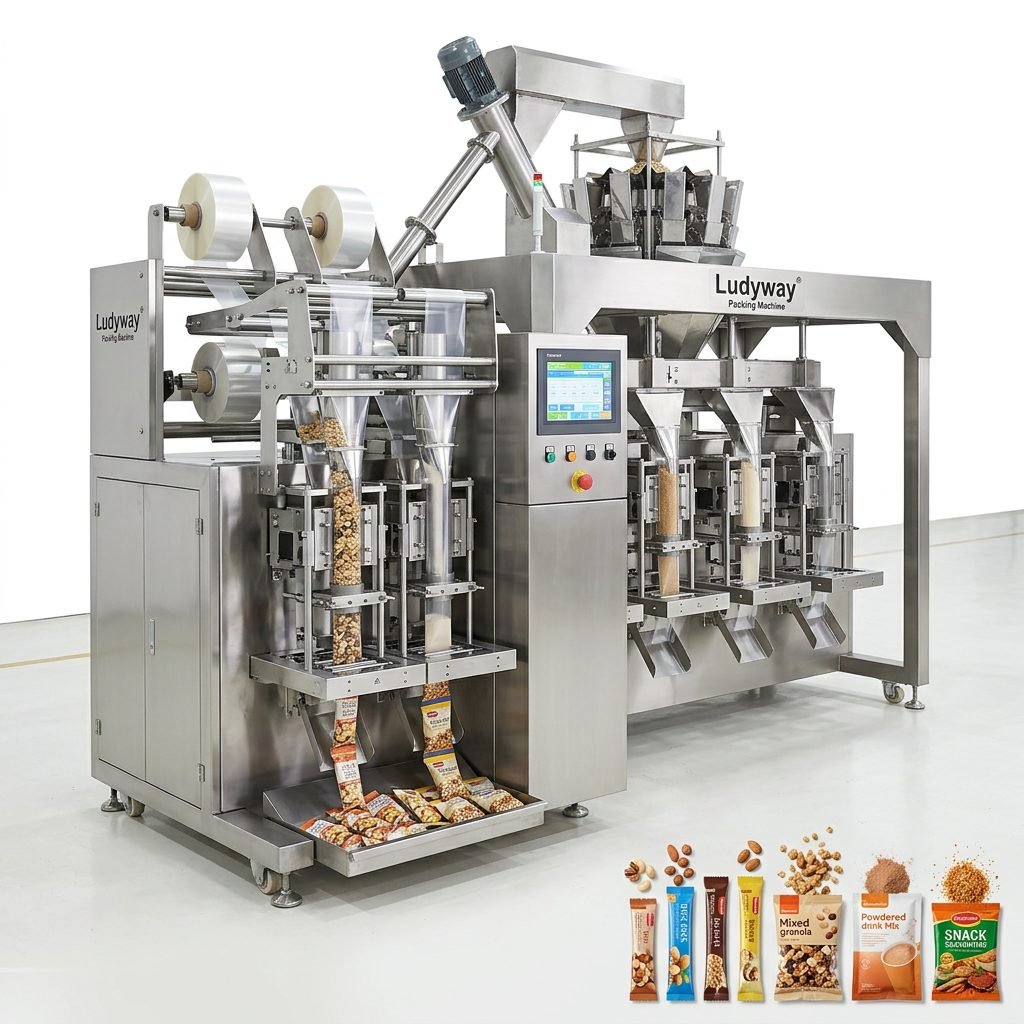
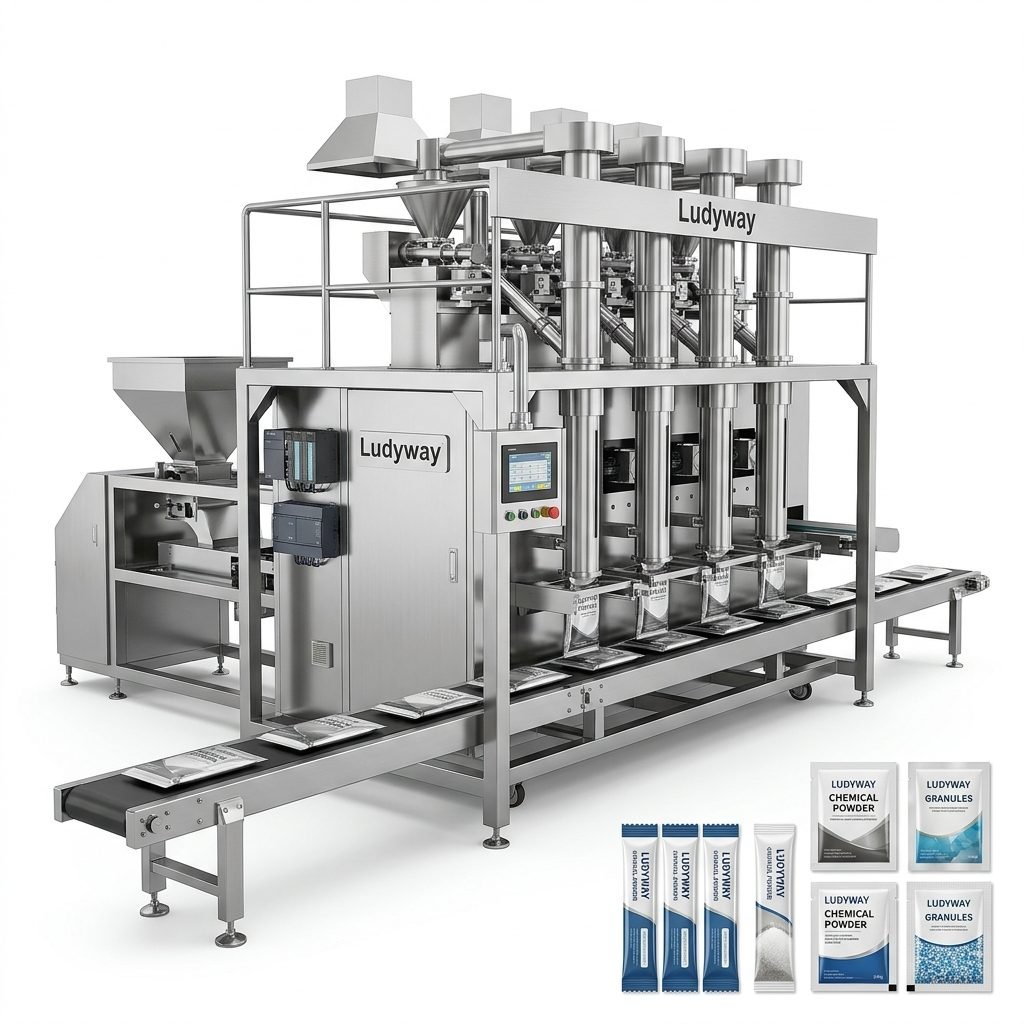
- Multi-Lane Stick Pack and Sachet Machines: For products packaged in smaller flexible formats before being placed into secondary dabbas or cartons, multi-lane systems offer high output rates.
- Turnkey Packaging Lines: Integrated solutions that combine filling, capping, labeling, coding, inspection, and cartoning into a single automated system, ideal for manufacturers seeking end-to-end automation.
To help compare these options, refer to the table below:
| Machine Type | Best For | Typical Speed Range | Automation Level |
|---|---|---|---|
| Semi-Automatic Filler | Small batches, startups | 10–30 containers/min | Manual loading |
| Automatic Inline Filler | Medium to high volume | 40–120 containers/min | Fully automatic |
| Rotary Filling System | Very high-speed production | 150–600+ containers/min | Fully automatic |
| Multi-Lane Stick Pack | Powder, granule, liquid sachets | 400–1600 packs/min | Fully automatic |
| Turnkey Packaging Line | Complete end-to-end solution | Custom configured | Full integration |
3. Evaluate Filling Technology and Accuracy
The filling system is the heart of any dabba packing machine. Selecting the right dosing technology ensures accurate fills, minimizes product waste, and complies with regulatory requirements for net content. Common filling principles include:
- Volumetric Filling: Uses piston, auger, or cup systems to dispense a predetermined volume. Suitable for powders, granules, pastes, and viscous liquids.
- Gravimetric (Weighing) Filling: Employs load cells to fill by weight, offering high accuracy for expensive or regulated products.
- Liquid Flow Meter Filling: Uses magnetic, ultrasonic, or mass flow meters for precise liquid dosing at high speeds.
- Multi-Head Weighing Systems: Ideal for solid products like snacks, hardware parts, granules, or irregular items that require combination weighing.
Filling accuracy is critical—overfilling cuts into profit margins, while underfilling can lead to regulatory penalties and customer complaints. Always request accuracy specifications from machine suppliers and validate them with your actual product samples.
4. Consider Container Handling and Changeover Flexibility
Modern packaging operations often run multiple product SKUs, container sizes, and packaging formats. A machine that offers quick and tool-free changeover reduces downtime and increases overall production efficiency. Key features to assess include:
- Adjustable guide rails and star wheels for different container diameters and heights
- Recipe-based control systems that store filling and capping parameters
- Modular design allowing future upgrades or additional stations
- Compatibility with various closure types and sealing methods
If your production plans include introducing new products or packaging formats, investing in a flexible machine can future-proof your operation and reduce long-term capital expenditure.

5. Assess Material Compatibility and Hygiene Requirements
For manufacturers in food, pharmaceutical, and cosmetic industries, material compatibility and sanitary design are non-negotiable requirements. Machine contact parts should be constructed from food-grade stainless steel (typically AISI 304 or 316L) that resists corrosion and supports CIP (Clean-in-Place) protocols. Important considerations include:
- FDA, EU, or local food contact compliance for materials and lubricants
- GMP design features such as sloped surfaces, sealed bearings, and minimal crevices for pharmaceutical applications
- Ingress Protection (IP) ratings appropriate for washdown environments (IP65 or IP67 commonly required)
- Dust extraction and containment systems for powder filling applications
Referencing international standards is essential. The FDA’s guidelines on food contact substances and ISO 11607 for packaging validation are key resources for compliance. You can find detailed information through the FDA Food Packaging and Food Contact Substances resource and the ISO Packaging Standards portal.
6. Verify Machine Quality, Certifications, and Standards
Machine reliability directly impacts your bottom line through reduced unplanned downtime and lower maintenance costs. When evaluating potential suppliers, look for:
- CE marking and compliance with applicable European Machinery Directives
- ISO 9001 quality management system certification at the supplier’s manufacturing facility
- Use of internationally recognized industrial automation components (PLC, servo drives, pneumatics from brands like Siemens, Omron, Mitsubishi, Festo, or SMC)
- Weld quality, surface finish, and overall build quality demonstrated through factory visits or detailed documentation
For pharmaceutical and medical device applications, compliance with ISO 11607 for terminally sterilized medical device packaging and applicable GMP annexes may be required.
7. Evaluate After-Sales Support and Service Capabilities
A packaging machine is a long-term investment, and the relationship with your equipment supplier extends well beyond the initial purchase. Strong after-sales support includes:
- Installation and commissioning services, on-site or remotely guided
- Operator training programs tailored to your team’s experience level
- Local or regional spare parts availability to minimize lead times
- Technical troubleshooting support, including remote diagnostic capabilities
- Preventive maintenance programs and periodic machine health checks
Before finalizing a purchase, ask potential suppliers about their service network in your region, typical response times, and whether they offer annual maintenance contracts or extended warranties.
8. Compare Total Cost of Ownership, Not Just Purchase Price
While upfront machine cost is an important factor, a lower purchase price can sometimes mask higher long-term expenses. A more comprehensive evaluation should include:
- Changeover downtime between different dabba sizes or products
- Consumable costs for capping heads, filling nozzles, and seals
- Energy consumption and compressed air usage
- Expected service life and typical maintenance intervals
- Availability and cost of spare parts over a 5–10 year operational period
Calculating the total cost of ownership (TCO) over the expected life of the equipment often reveals that a more robust, slightly higher-priced machine delivers better value than a cheaper alternative with higher operating costs.
9. Industry Trends and Market Intelligence
Staying informed about packaging industry trends helps you make strategic equipment investments. According to the PMMI State of the Industry Reports and data from the Flexible Packaging Association, automation and flexible packaging formats continue to grow across global markets. For an in-depth look at how packaging machinery manufacturers are scaling to meet global demand, the report Ludyway Packaging Machinery Global Growth Trend: Why Exports May Exceed RMB 1 Billion by 2026 provides valuable market insights.
10. Choosing a Reliable Packaging Machinery Partner
Selecting the right equipment manufacturer is as important as choosing the right machine specifications. A reliable partner should offer engineering expertise, customization capabilities, and a proven track record in your industry. Ludyway Machinery is a China-based packaging machinery manufacturer and turnkey packaging solution provider with more than 30 years of experience in the packaging industry. With a 20,000-square-meter manufacturing facility, more than 130 professionals, and over 50 packaging machine models, Ludyway combines manufacturing expertise, engineering capabilities, and automation technology to help customers improve packaging efficiency and operational consistency. The company serves customers in more than 100 countries, providing packaging solutions for food, pharmaceutical, chemical, cosmetic, and industrial product manufacturers. Ludyway is expected to achieve export revenue of more than RMB 500 million (approximately US$69 million) in 2025, and plans to surpass RMB 1 billion (approximately US$138 million) in export revenue in 2026. For manufacturers seeking a comprehensive packaging machinery partner—from individual machines to complete production lines—exploring the solutions available at Ludyway Machinery can be a valuable step in the equipment selection process.

11. Key Questions to Ask Before Making a Purchase
To ensure you select the most appropriate plastic dabba packing machine for your operation, compile a checklist of questions to discuss with potential suppliers:
- Can the machine handle my specific container dimensions, closure type, and product characteristics?
- What are the validated filling accuracy figures for my product type?
- How long does a complete product changeover take, and is tool-free adjustment supported?
- What automation components (PLC, drives, pneumatics) are used, and are they available locally?
- Does the supplier offer factory acceptance testing (FAT) and site acceptance testing (SAT)?
- What are the warranty terms, and what is covered under extended service agreements?
- Can the supplier provide references from similar applications in my industry?
- Are remote diagnostic and support capabilities available?
12. Final Thoughts
Choosing the right plastic dabba packing machine requires balancing technical specifications, production requirements, budget constraints, and long-term service considerations. By methodically evaluating product characteristics, machine types, filling technology, flexibility, material compatibility, standards compliance, and supplier capabilities, you can make a confident purchasing decision that supports your production goals.
For manufacturers looking to explore additional packaging formats, resources such as PACK EXPO International and PACK EXPO Las Vegas offer opportunities to see the latest equipment innovations firsthand. The European Commission’s Packaging and Packaging Waste Regulation and U.S. EPA Sustainable Materials Management resources also provide guidance on sustainable packaging practices that may influence future equipment requirements.
Ultimately, a well-chosen packing machine is more than just equipment—it is a strategic asset that contributes to product quality, operational efficiency, and your brand’s reputation in the marketplace.