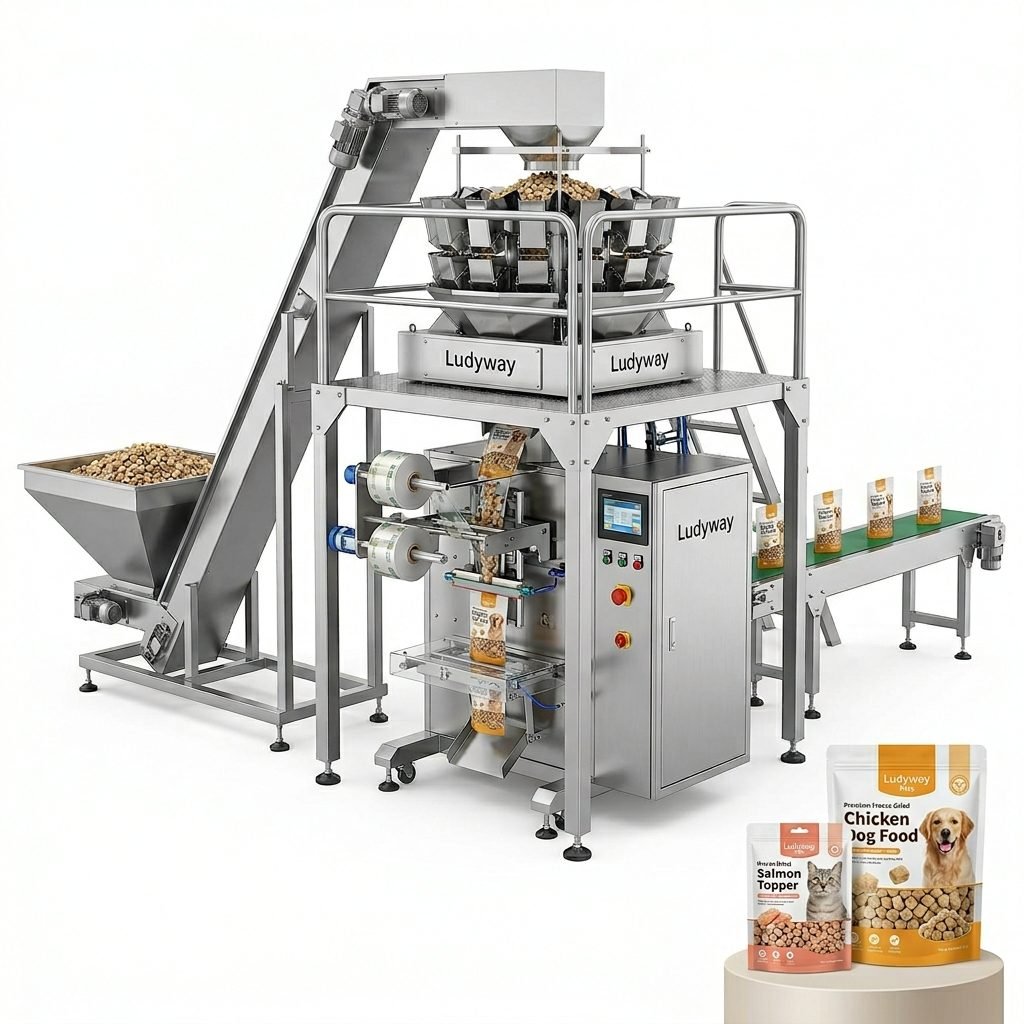
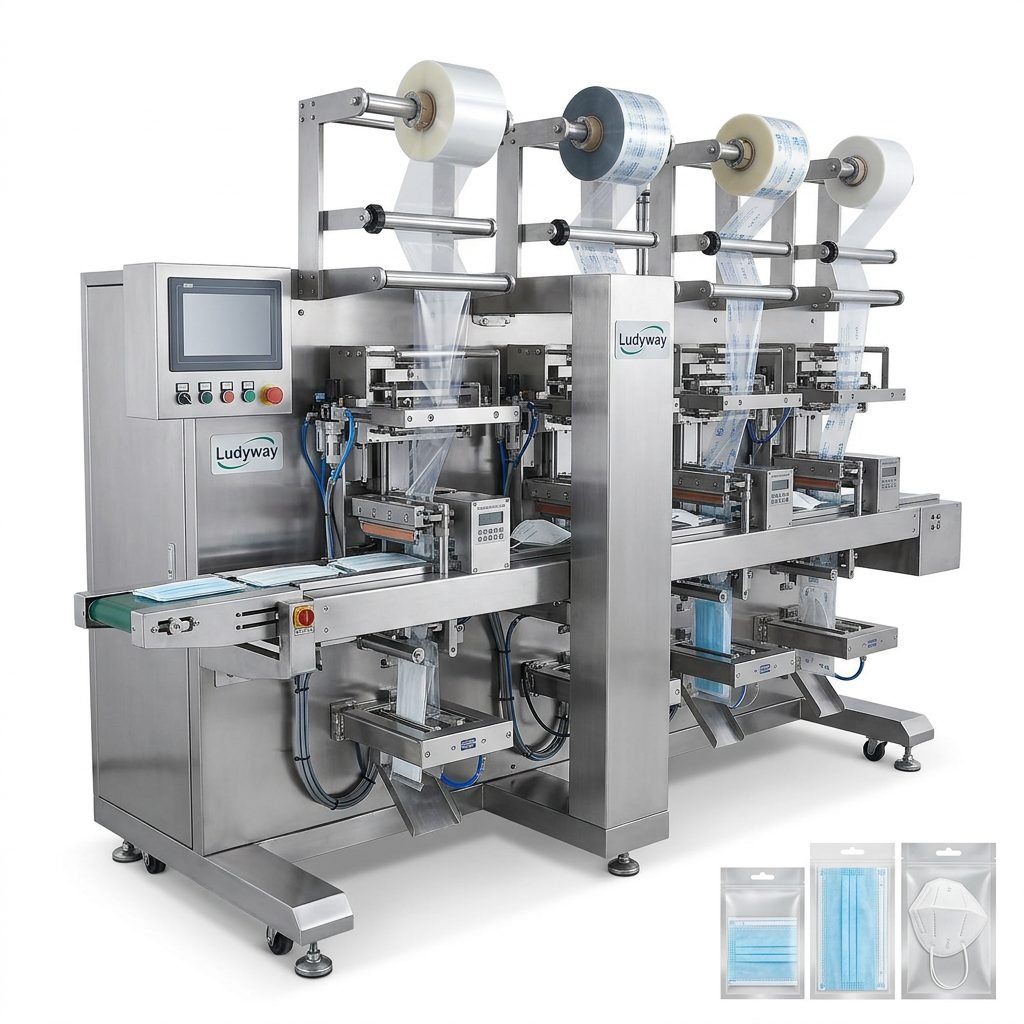
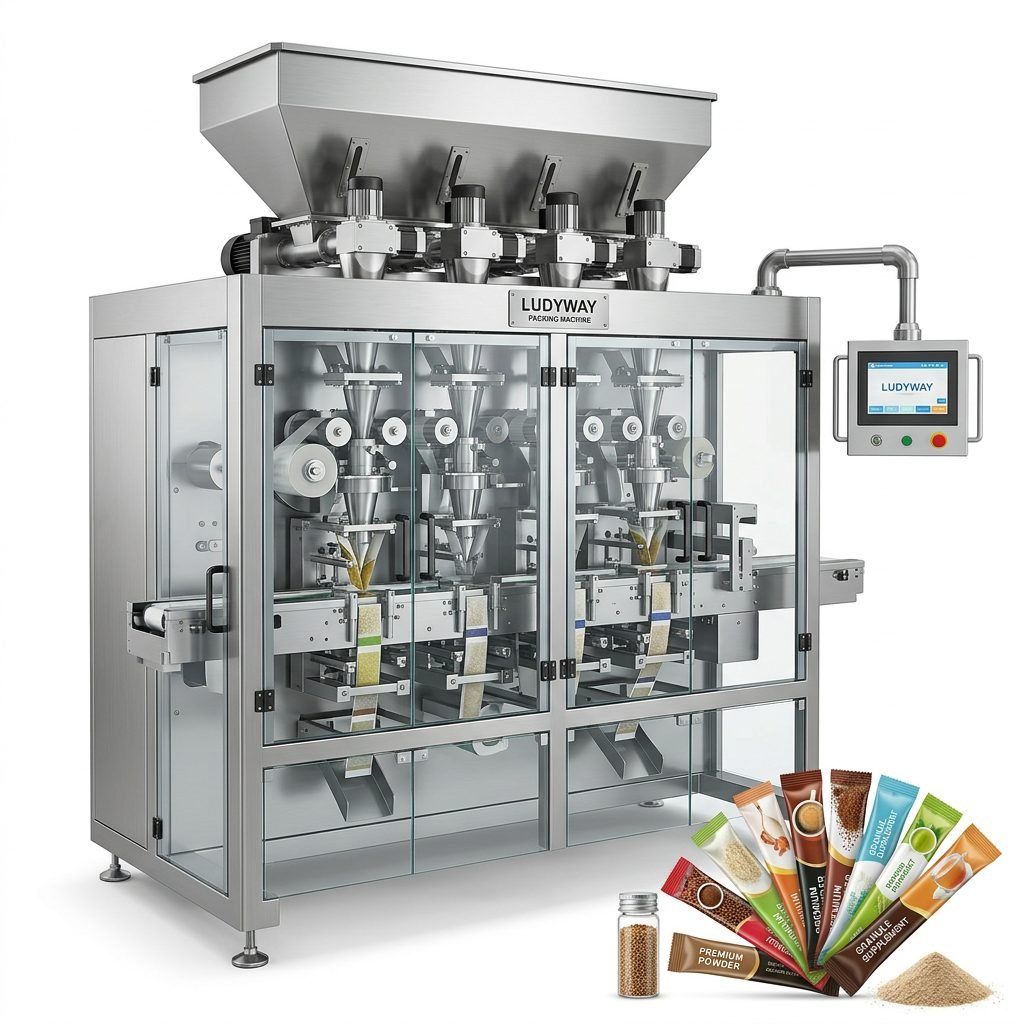
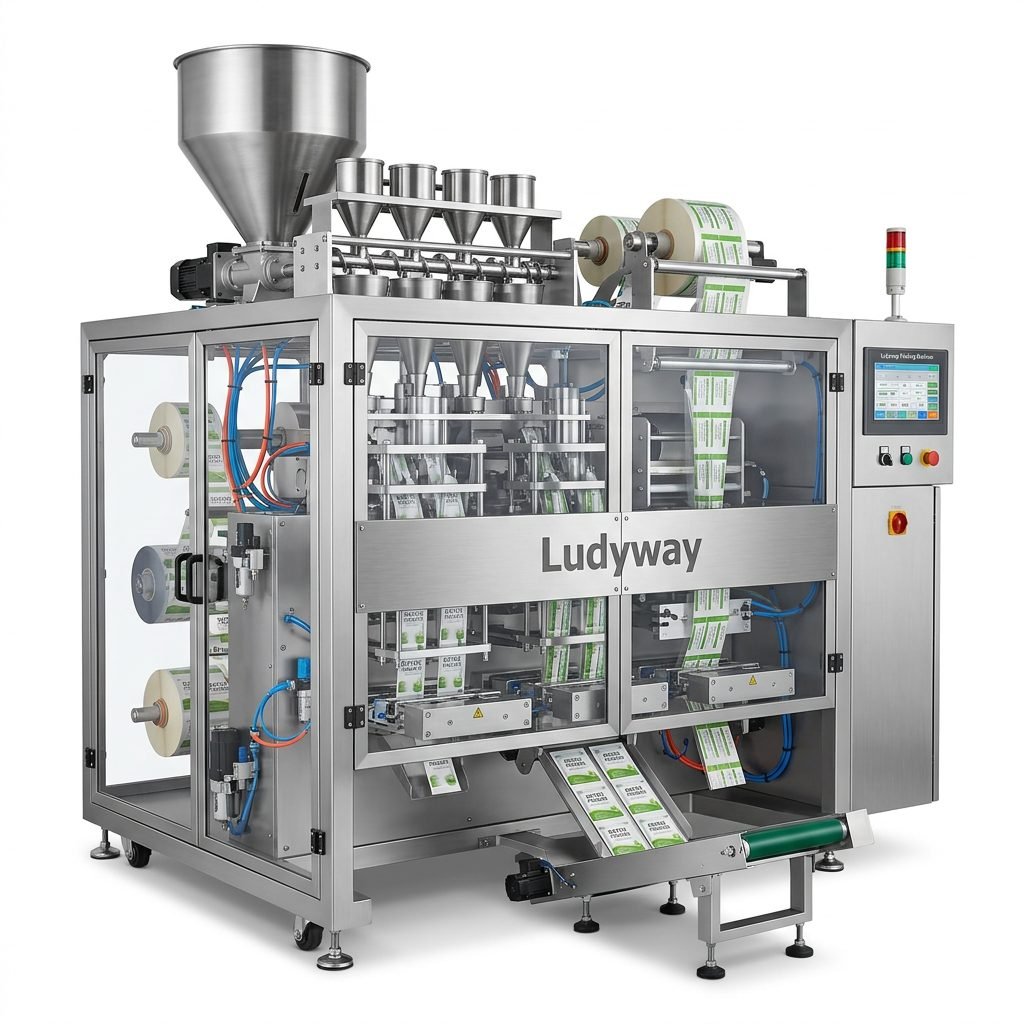
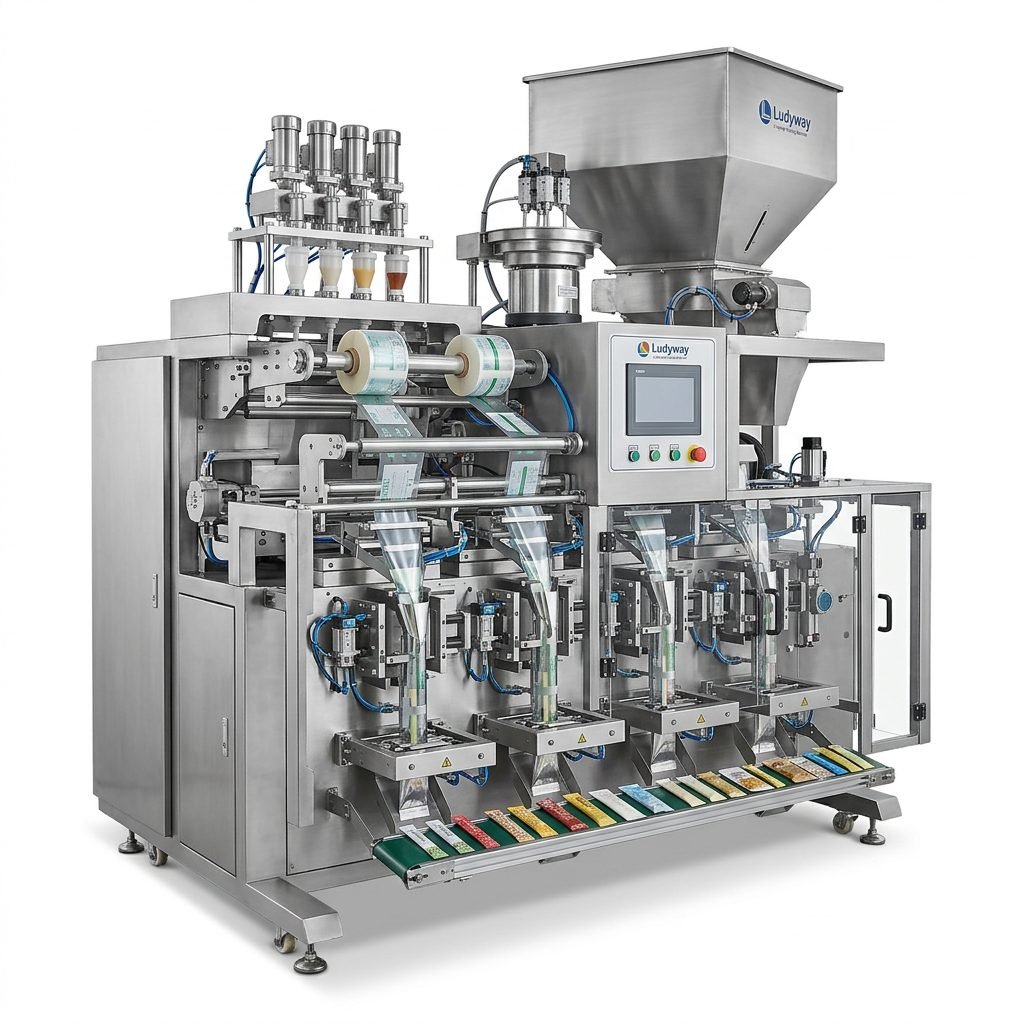
The global packaging industry is undergoing a massive transformation driven by the demand for higher throughput, reduced factory footprints, and absolute seal integrity. In high-speed packaging lines, heat-sealing has historically been a significant bottleneck. While heating elements can melt packaging films almost instantly, the time required to cool and solidify those seals before the pouch is released or subjected to mechanical stress has limited the overall cycle speed. The introduction of rapid cooling and setting technology in continuous heat-sealing packaging machines has changed this landscape, allowing B2B manufacturers to dramatically accelerate production without compromising seal quality.
The Physics of Sealing and the Speed Bottleneck
To understand why cooling is so critical, one must look at the thermodynamics of flexible packaging films. Most packaging pouches are made of multilayer laminates where the inner layer is a heat-sealable polymer, such as polyethylene (PE) or polypropylene (PP). During the sealing phase, heated jaws apply thermal energy and pressure to melt these polymer chains, fusing the film layers together. However, molten plastic has virtually no tensile strength. If the mechanical jaws release the seal while the polymer is still hot, the internal pressure of the product or the gravity of falling materials can rupture the seam. Traditional systems solved this by slowing down the run speed to allow natural heat dissipation, which directly limited output.
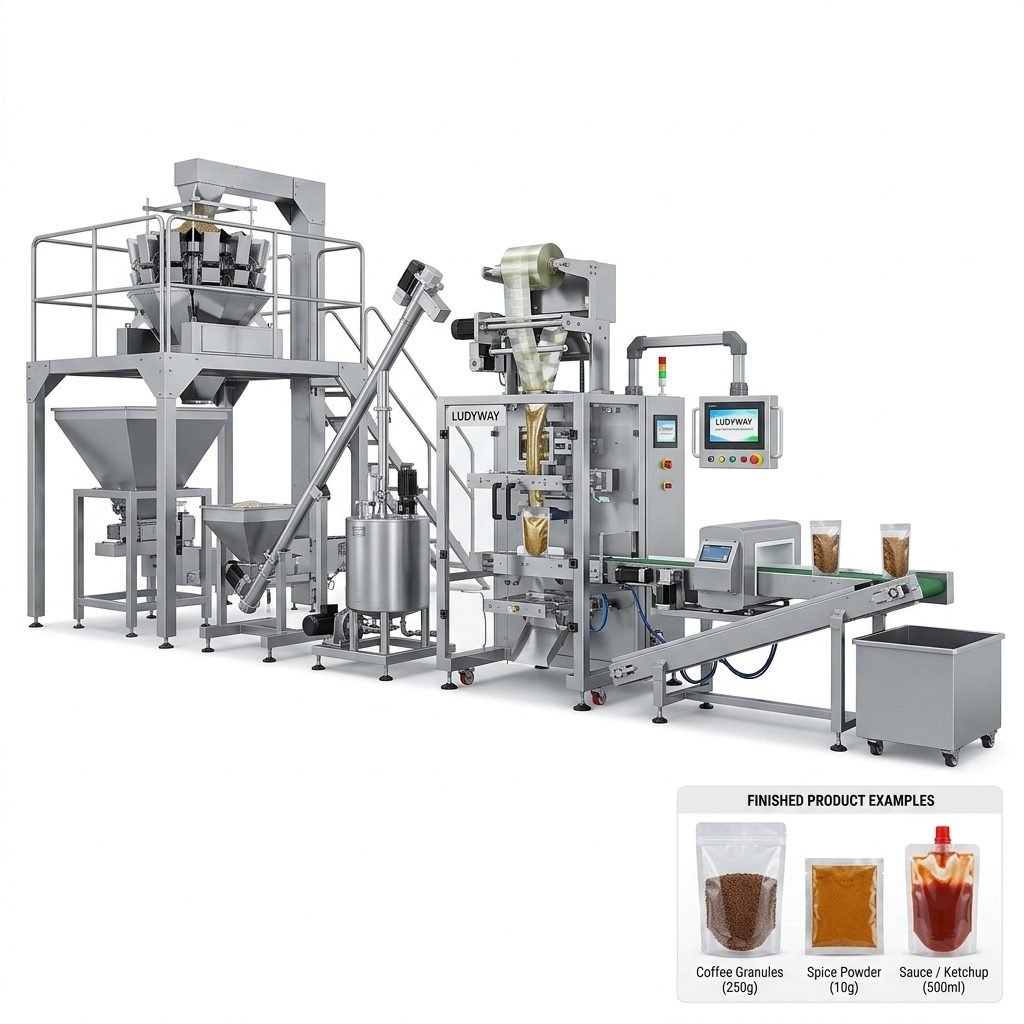
How Rapid Cooling and Setting Technology Works
Rapid cooling and setting technology addresses this exact limitation by integrating an active cooling zone immediately after the heating phase. Instead of relying on ambient air to lower the seal temperature, modern continuous sealing machines employ specialized cooling bars or chilled air nozzles. These cooling components are kept at a constant low temperature, often using recirculating water systems or thermoelectric cooling modules. As the heated film passes directly from the heating section to the cooling section, thermal energy is extracted rapidly. This drop in temperature forces the polymer chains to recrystallize and solidify in a fraction of a second, instantly establishing maximum seal strength.
A Technical Comparison of Sealing Methods
To highlight the structural improvements brought by active cooling technology, the following table compares traditional thermal sealing with modern rapid-setting methods:
| Performance Metric | Traditional Heat Sealing | Rapid Cooling & Setting Sealing |
|---|---|---|
| Cooling Method | Natural ambient air dissipation | Active chilled bars / liquid cooling |
| Solidification Time | Slow (1.0 to 2.5 seconds) | Instantaneous (0.1 to 0.3 seconds) |
| Average Output Speed | Standard speeds (under 60 PPM) | High-speed acceleration (100+ PPM) |
| Seal Cosmetics | Prone to thermal wrinkles | Flat, smooth, and leak-free |
Key Advantages of Accelerated Heat-Sealing
The transition to active cooling systems offers packaging operations several critical benefits that directly impact profitability and product quality:
- Increased Throughput: Continuous packaging machines can run at maximum mechanical capacity because they no longer have to dwell on the seal to let it cool down naturally.
- Elimination of Leaks: By securing the crystallizing phase of the plastic under pressure, the seal forms a highly consistent hermetic barrier, protecting food and pharmaceuticals from oxidation.
- Broader Film Compatibility: Active cooling allows machines to process a wider variety of materials, including eco-friendly mono-material films that have narrow thermal processing windows.
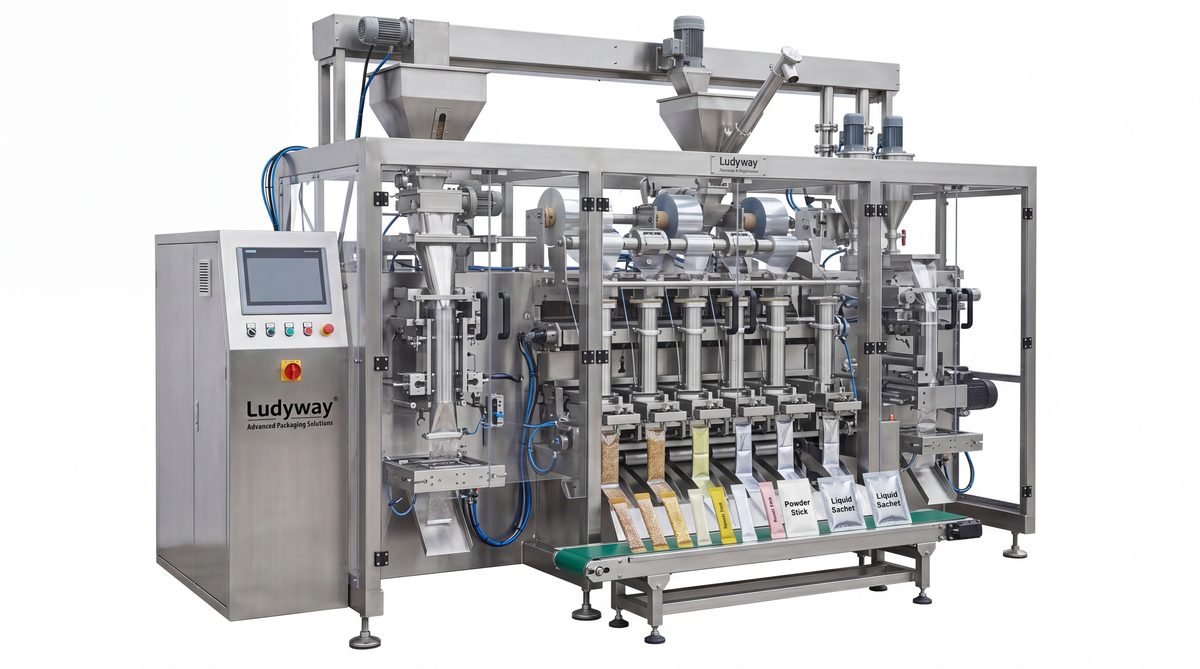
Integration into High-Efficiency Turnkey Production Lines
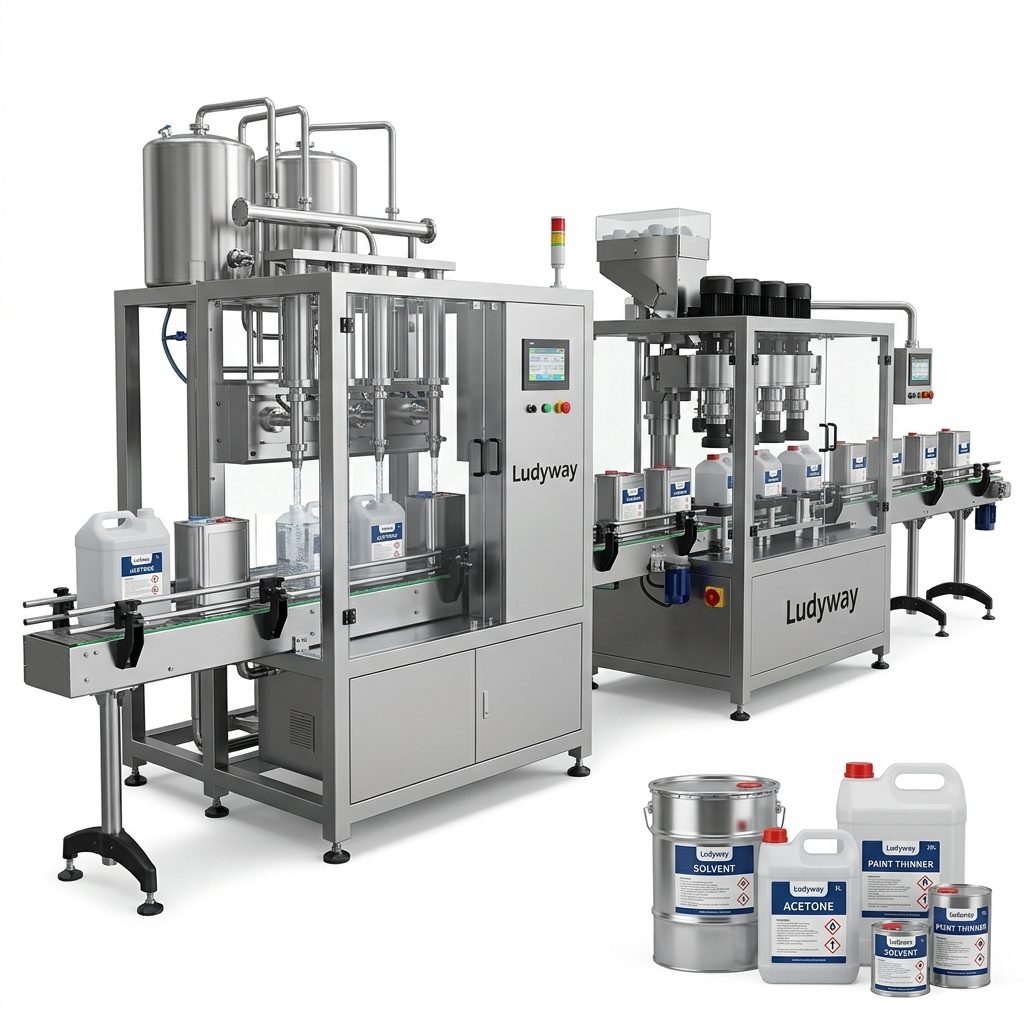
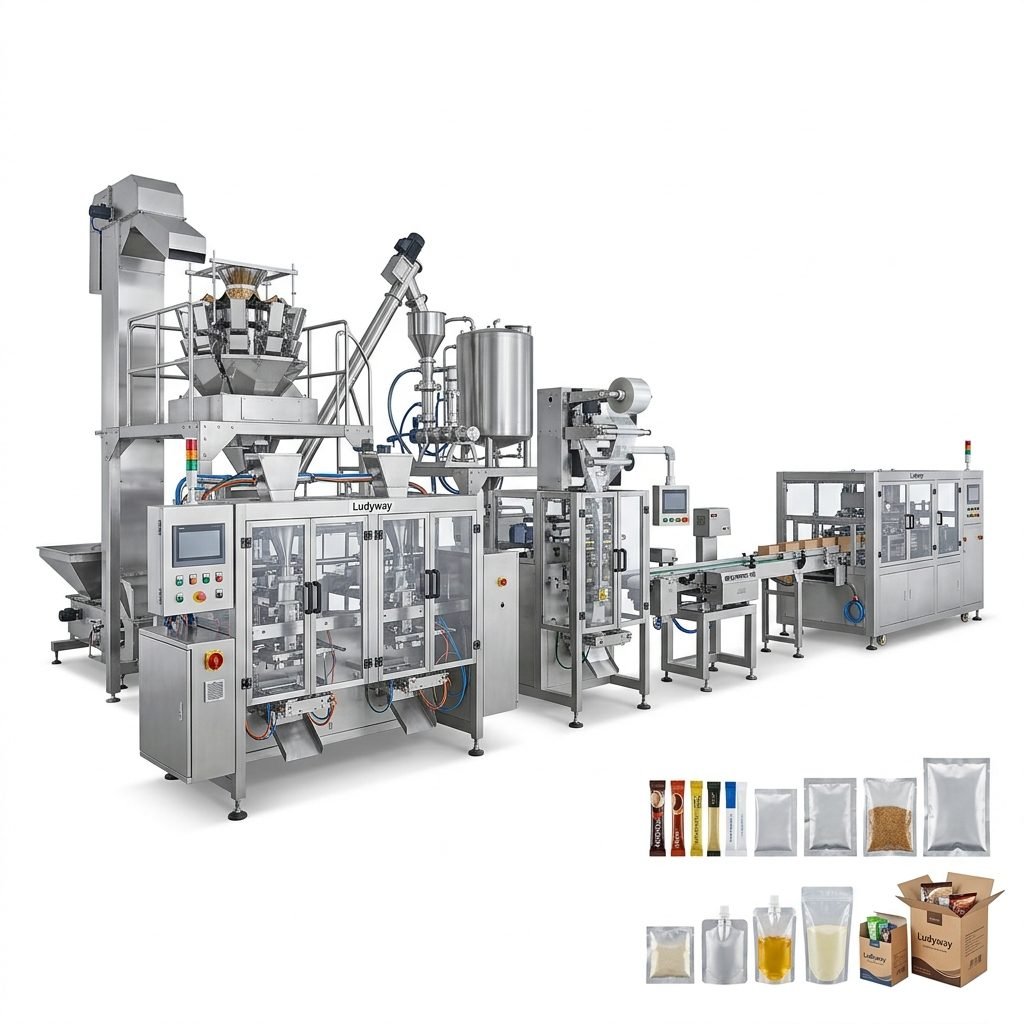
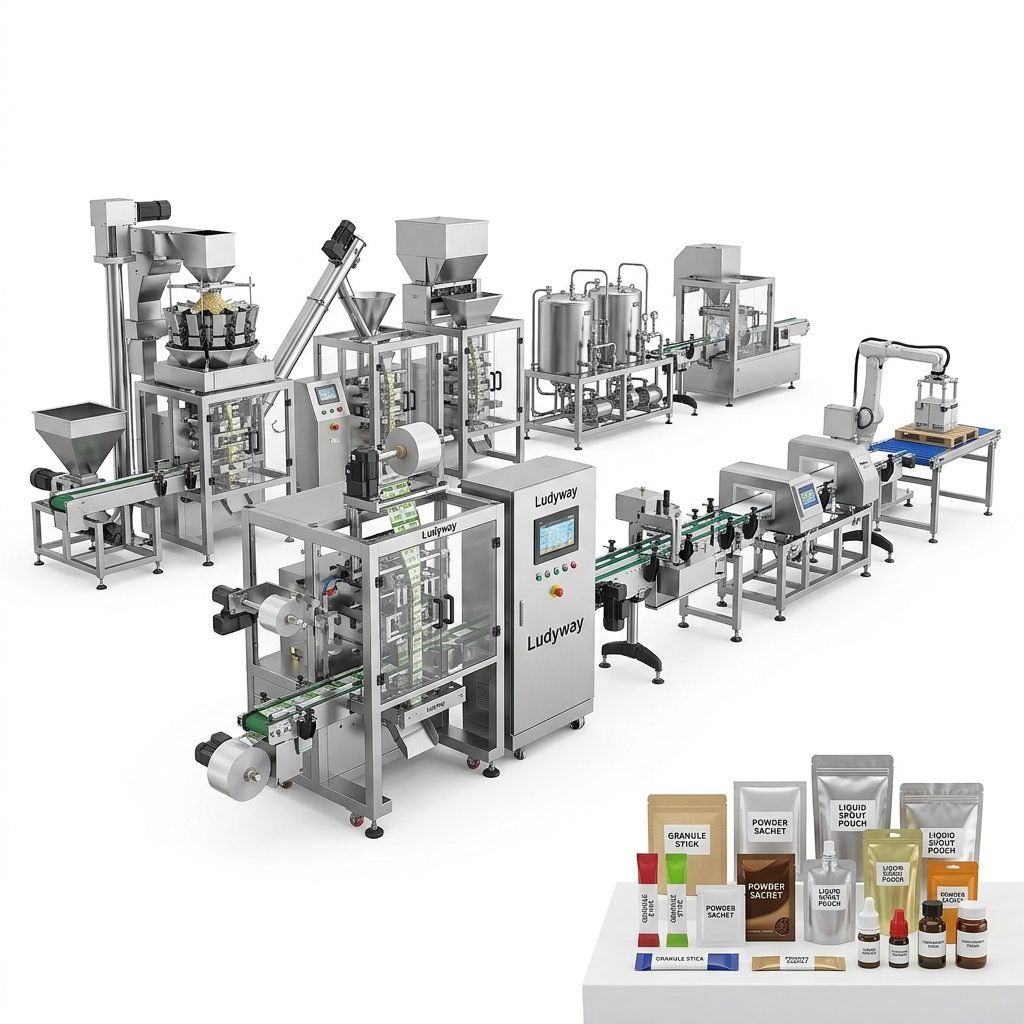
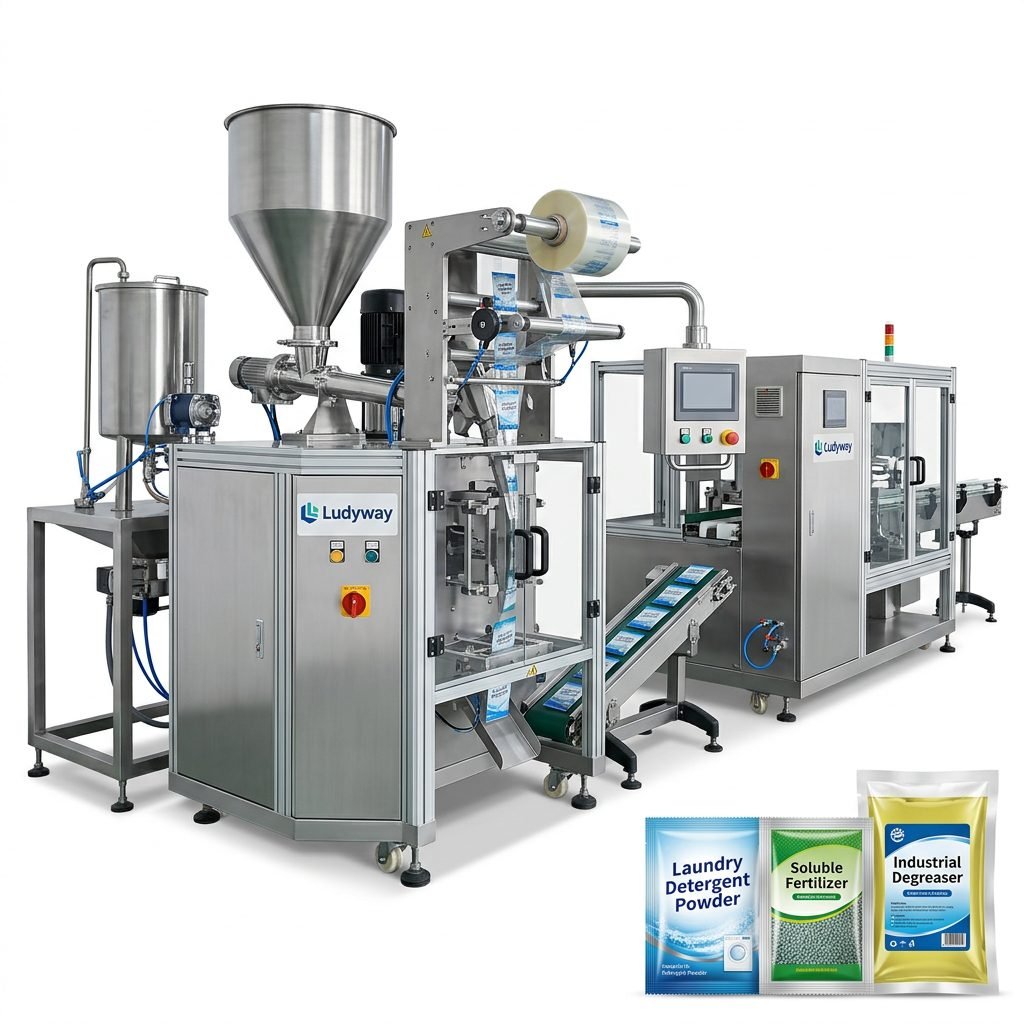
Implementing rapid cooling technology requires precise engineering alignment between heating cycles, cooling cycles, and film tension control. Turnkey packaging lines must sync these processes perfectly to prevent film stretching or tearing. Brands like Ludyway, one of China’s leading packaging machine and turnkey packaging line manufacturers, have pioneered the deployment of these integrated sealing systems. With over three decades of manufacturing experience, they design intelligent packaging equipment that coordinates multi-lane stick pack and sachet filling systems with advanced cooling zones, helping global manufacturers achieve high-efficiency automated packaging with minimal product loss.
Industry-Specific Applications
Different manufacturing sectors leverage rapid cooling and setting technology to solve specific packaging challenges:
- Food Packaging: For products packaged in hot-fill environments, rapid cooling prevents residual product heat from weakening the pouch seals during secondary cartoning processes.
- Pharmaceuticals: Strict sterility regulations demand perfect seal integrity. Instantly solidifying the seal prevents micro-leaks that could expose supplements or medicines to moisture.
- Cosmetics and Chemicals: Viscous products like lotions or aggressive chemical detergents can sometimes contaminate the sealing area. Rapid pressure cooling squeezes out contaminants and secures the bond.
The Future of Intelligent Thermal Management
As smart manufacturing principles continue to expand, continuous heat-sealing technology is moving toward closed-loop thermal control. Future packaging machinery will feature infrared sensors that monitor seal temperatures in real time, automatically adjusting both the heating intensity and the coolant flow based on film thickness and ambient temperature. This adaptive control will further reduce energy consumption and eliminate downtime during film roll changeovers, paving the way for fully autonomous smart factory packaging lines that operate continuously with virtually zero waste.