The demand for cream-based products in India—ranging from cosmetic face creams and pharmaceutical ointments to food-grade creams—has been growing at an unprecedented rate. Setting up a cream packaging machine production line requires careful planning, an understanding of local regulations, and selecting the right equipment to ensure product integrity and production efficiency. This guide walks you through every critical step.
Understanding the Indian Cream Packaging Market
India’s personal care and pharmaceutical sectors are experiencing double-digit growth, driven by rising disposable incomes, increased health awareness, and a booming e-commerce landscape. Cream products—whether cosmetic, medicinal, or food-related—require packaging solutions that preserve formulation stability, prevent contamination, and extend shelf life. The packaging format you choose directly impacts consumer convenience and brand perception.
Common Cream Packaging Formats in India
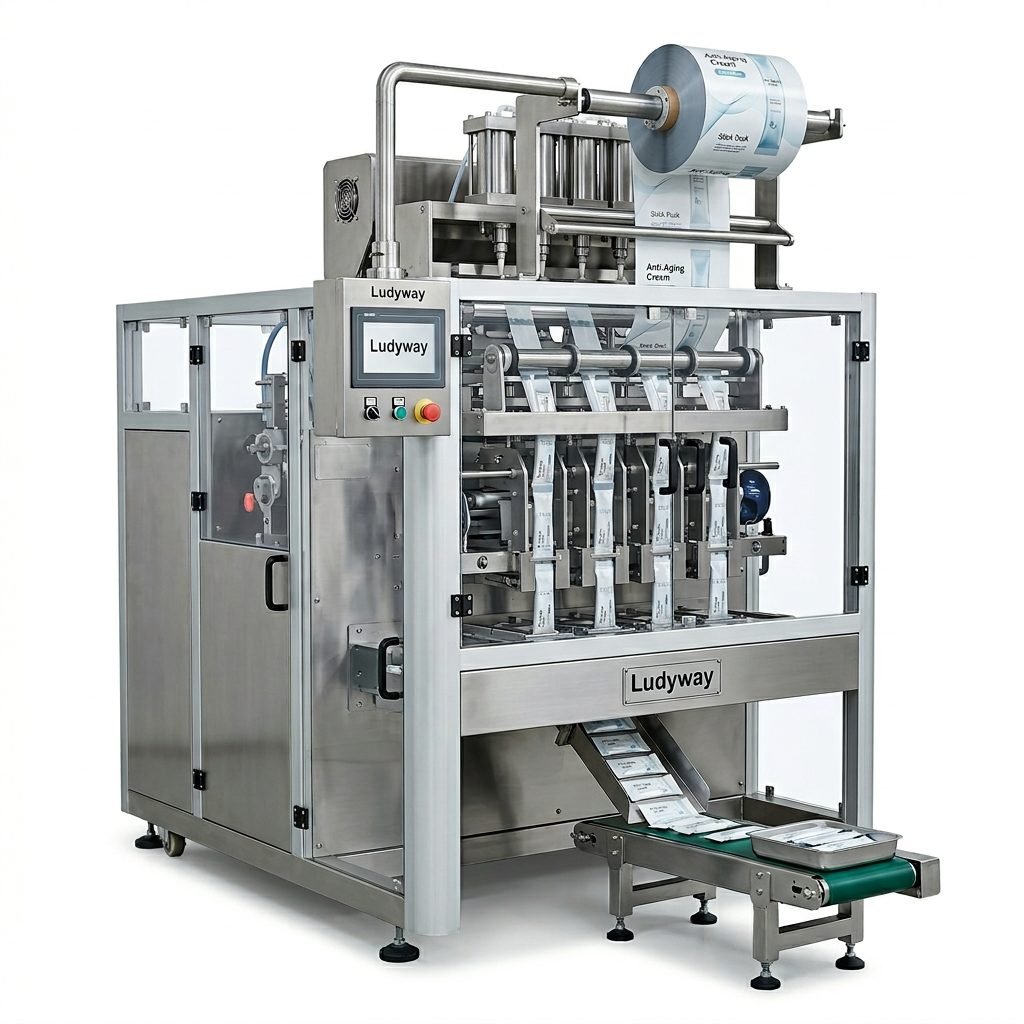
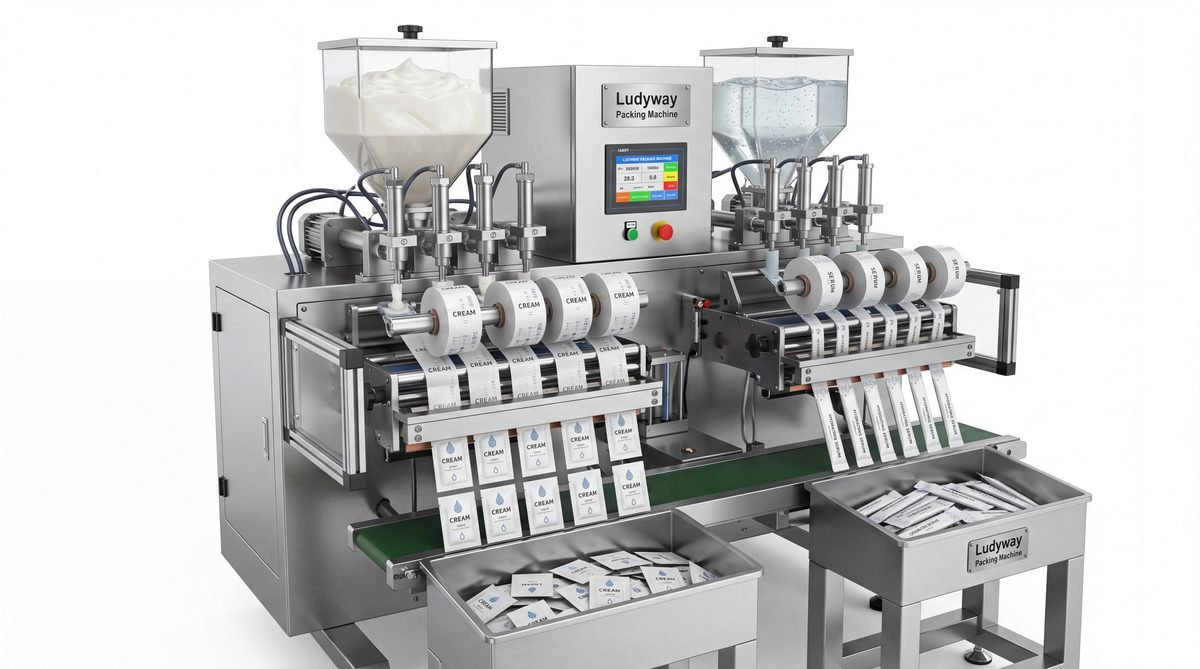
- Sachets: Highly popular for single-use applications in both urban and rural markets; cost-effective and convenient.
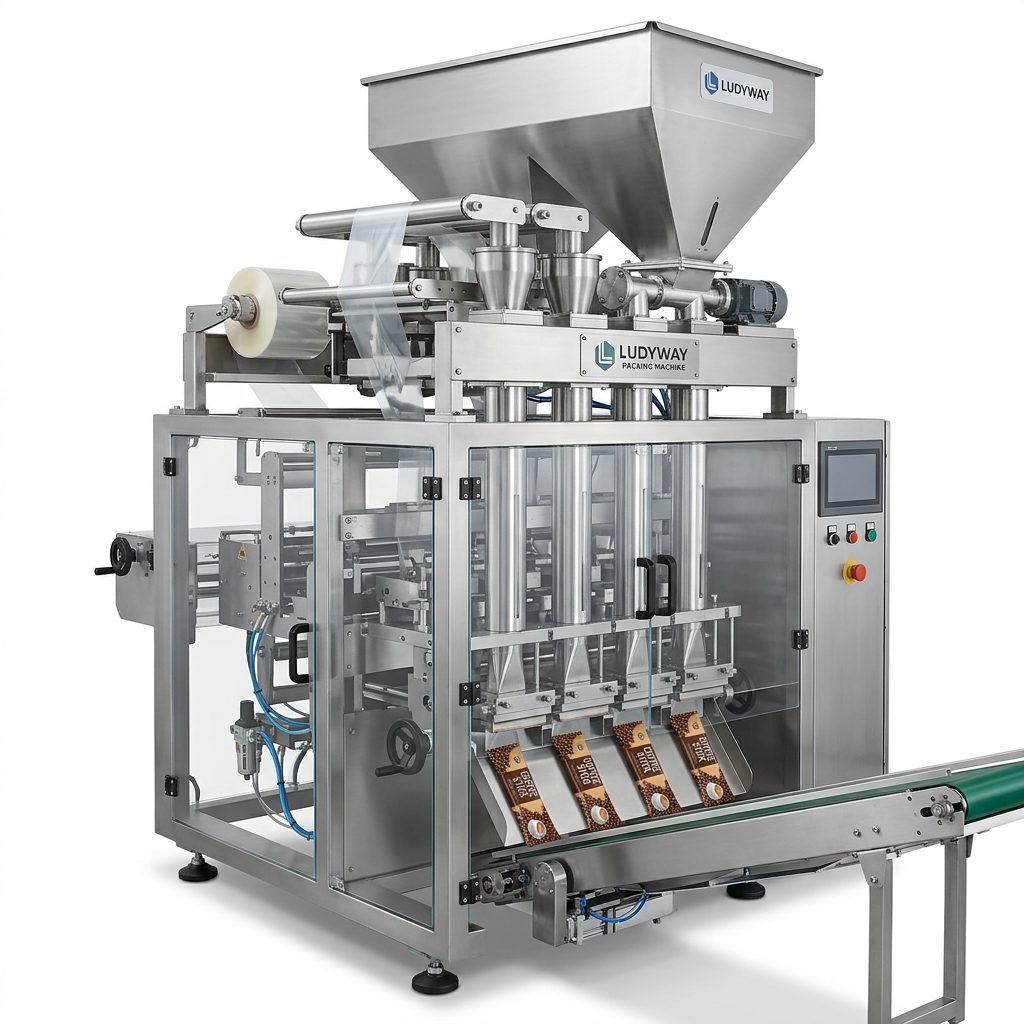
- Stick packs: Growing in popularity for travel-friendly and portion-controlled cream products.
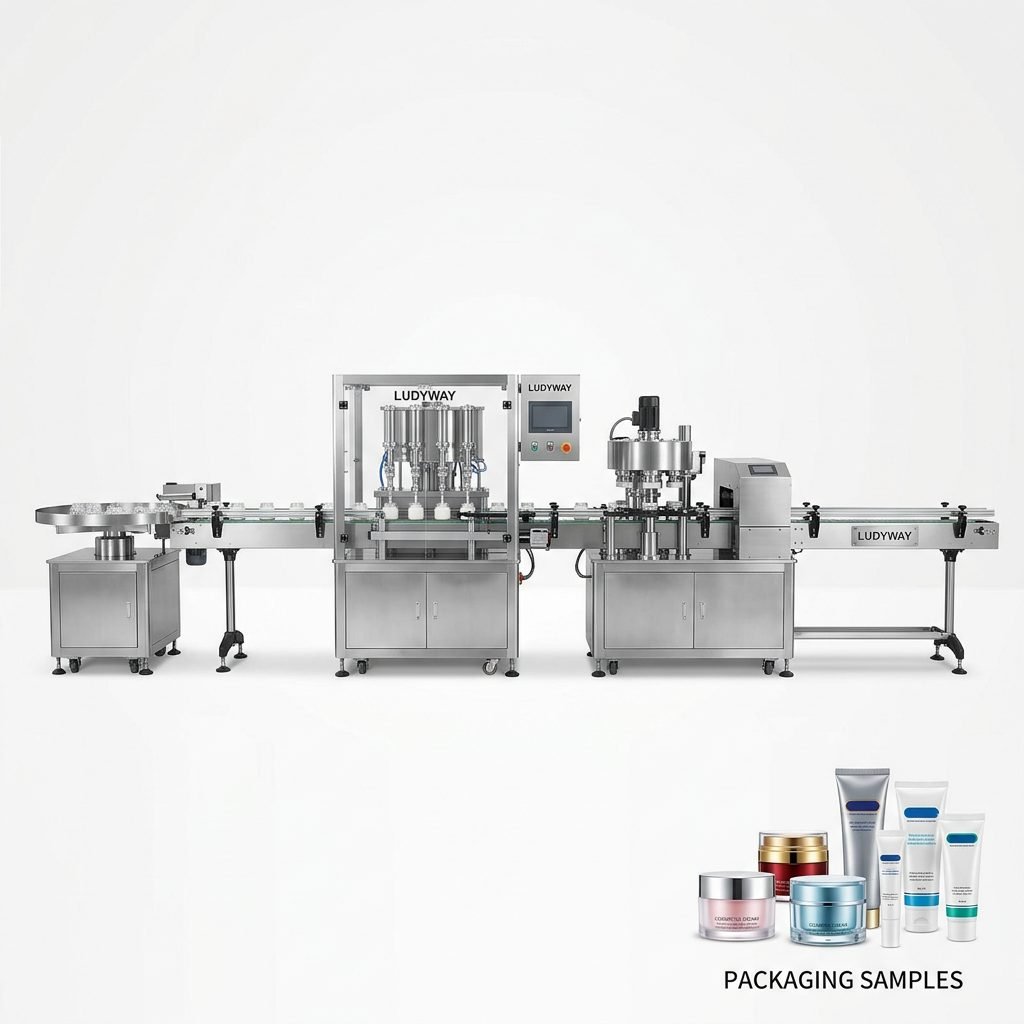
- Tubes: The traditional format for creams, offering excellent barrier properties and ease of use.
- Jars and bottles: Preferred for premium and high-volume cream products.
Key Components of a Cream Packaging Production Line
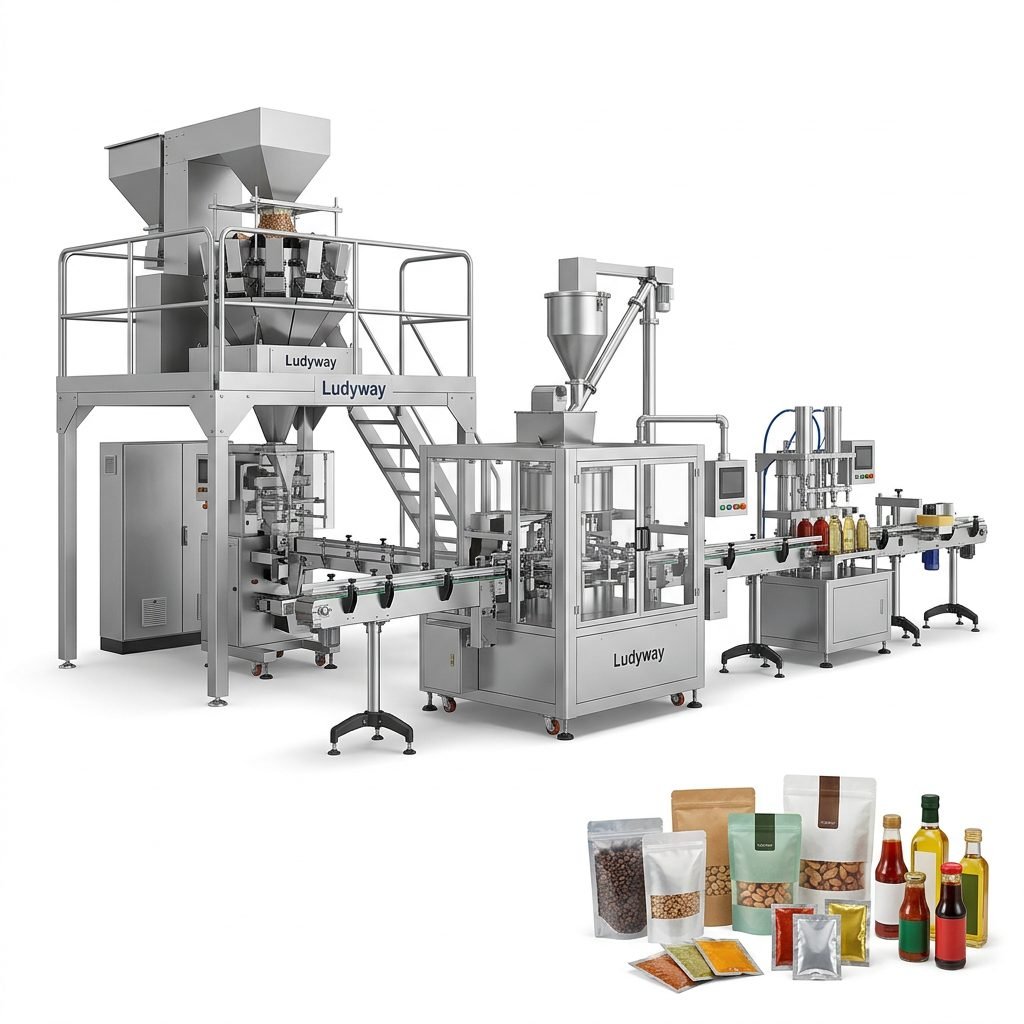
A well-designed cream packaging machine production line integrates multiple stages to ensure seamless operation from raw product to finished packaged goods. Understanding each component helps in making informed procurement decisions.
1. Product Feeding and Hopper System
The feeding system must handle viscous cream formulations without causing product separation or air entrapment. Stainless steel hoppers with gentle agitation mechanisms are recommended to maintain consistent product flow.
2. Filling and Dosing Station
This is the heart of any cream packaging line. Depending on your production volume and packaging format, you may choose from:
- Piston fillers for high viscosity creams
- Peristaltic pump fillers for shear-sensitive formulations
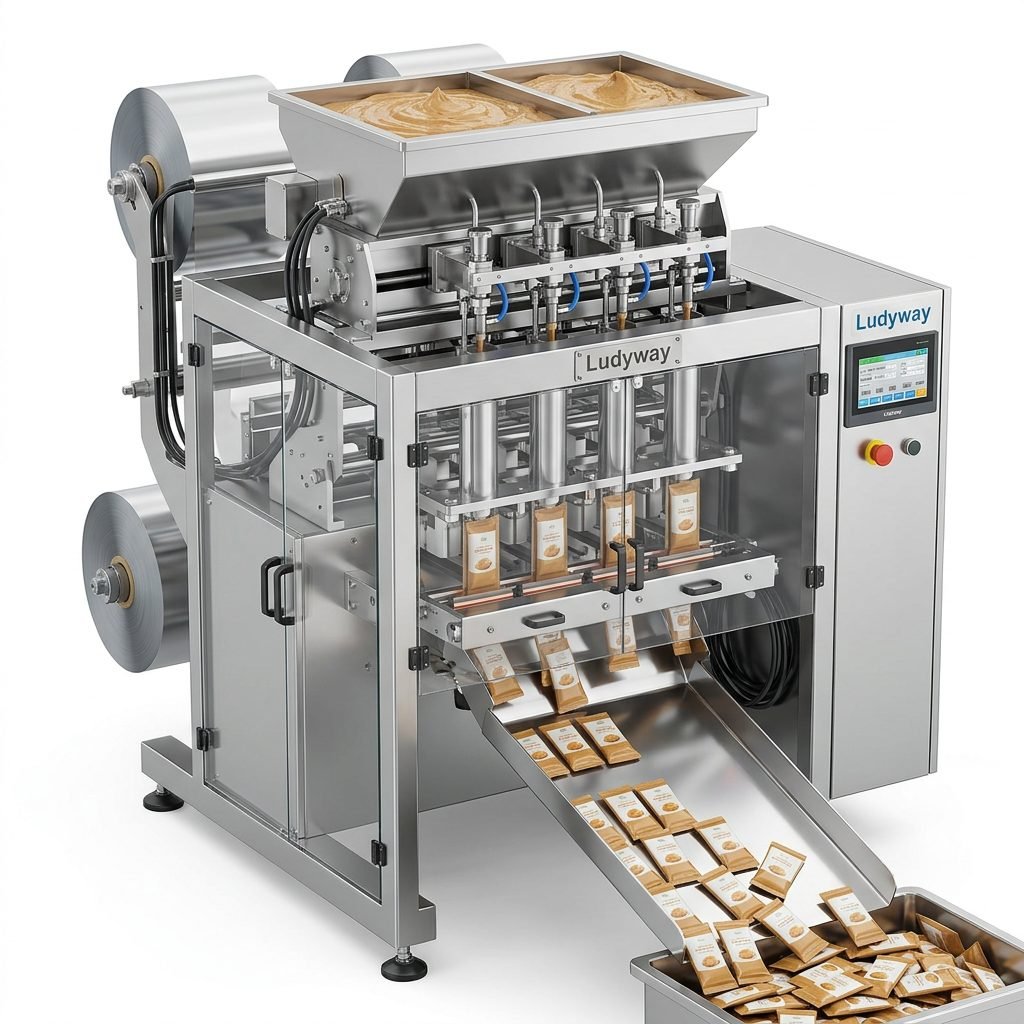
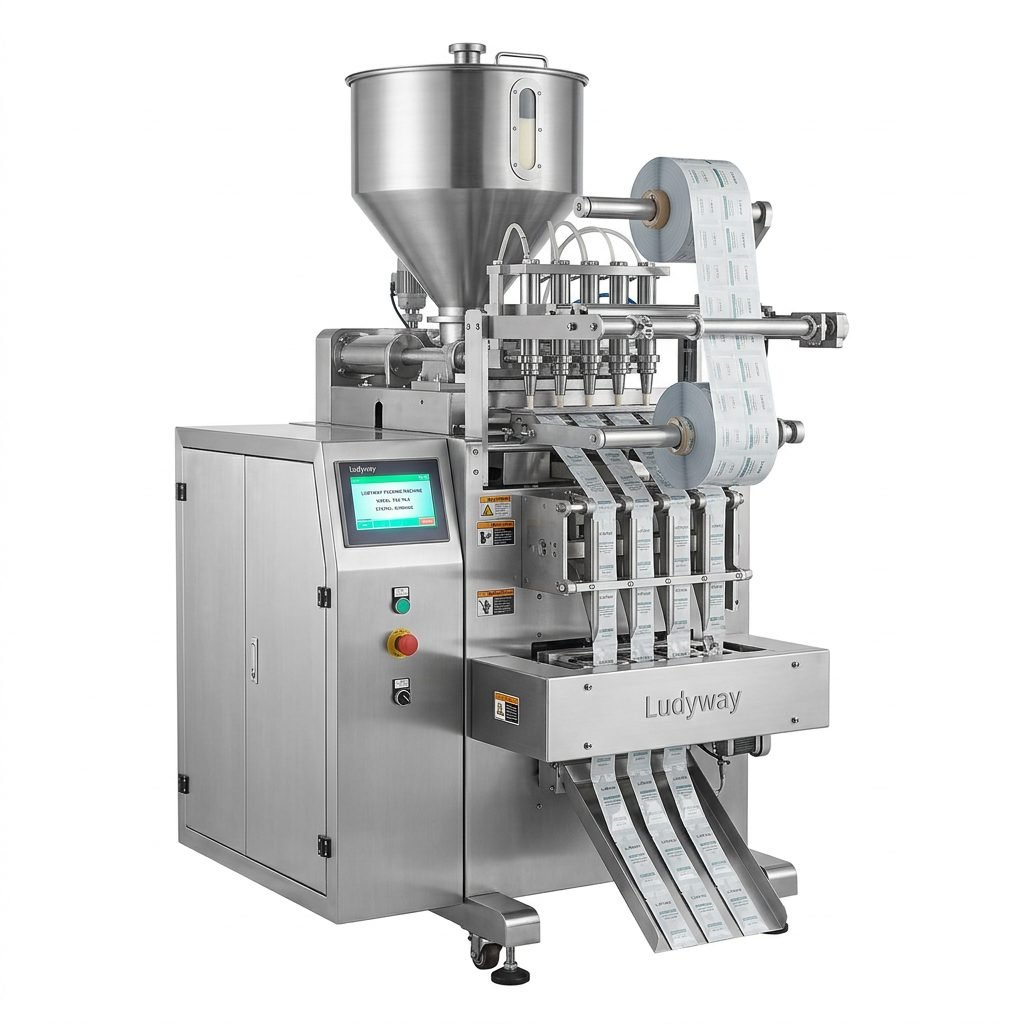
- Multi-lane sachet fillers for high-speed single-dose packaging
- Tube filling and sealing machines for traditional cream tubes
3. Sealing Technology
Proper sealing is critical for cream products to prevent leakage and contamination. Hot-bar sealing is standard for sachets, while ultrasonic sealing offers superior integrity for sensitive formulations. Tube packaging lines typically employ heat-sealing or crimping mechanisms.
4. Coding and Labeling Systems
Regulatory compliance in India requires batch numbers, manufacturing dates, MRP, and ingredient lists. Packaging regulations and standards continue to evolve, making high-resolution inkjet or thermal transfer printers essential for traceability.
5. Optional Modules: Cartoning and Palletizing
For fully automated operations, secondary packaging modules can be integrated, including automatic cartoning machines and robotic palletizers that reduce manual labor and increase throughput.
Step-by-Step Setup Process in India
Step 1: Define Your Production Requirements
Start by answering these key questions:
- What is your target daily output volume?
- Which packaging formats do you plan to offer?
- What is the viscosity profile of your cream product?
- What are your cleanroom or hygiene requirements?
Step 2: Facility Preparation and Layout Planning
Your production facility must meet GMP (Good Manufacturing Practice) standards if you are packaging pharmaceutical or cosmetic creams. Key considerations include:
- Dedicated zones for raw material handling, production, and finished goods storage
- Adequate electrical supply and compressed air infrastructure
- Proper ventilation and dust control systems
- Temperature and humidity control for cream stability
Step 3: Equipment Selection and Procurement
When evaluating packaging machinery manufacturers, focus on suppliers with proven experience in cream and viscous product handling. Look for equipment that offers:
- Servo-driven controls for precise filling accuracy
- Quick changeover capabilities for multiple packaging formats
- Compatibility with Indian power standards and environmental conditions
- Availability of local technical support and spare parts
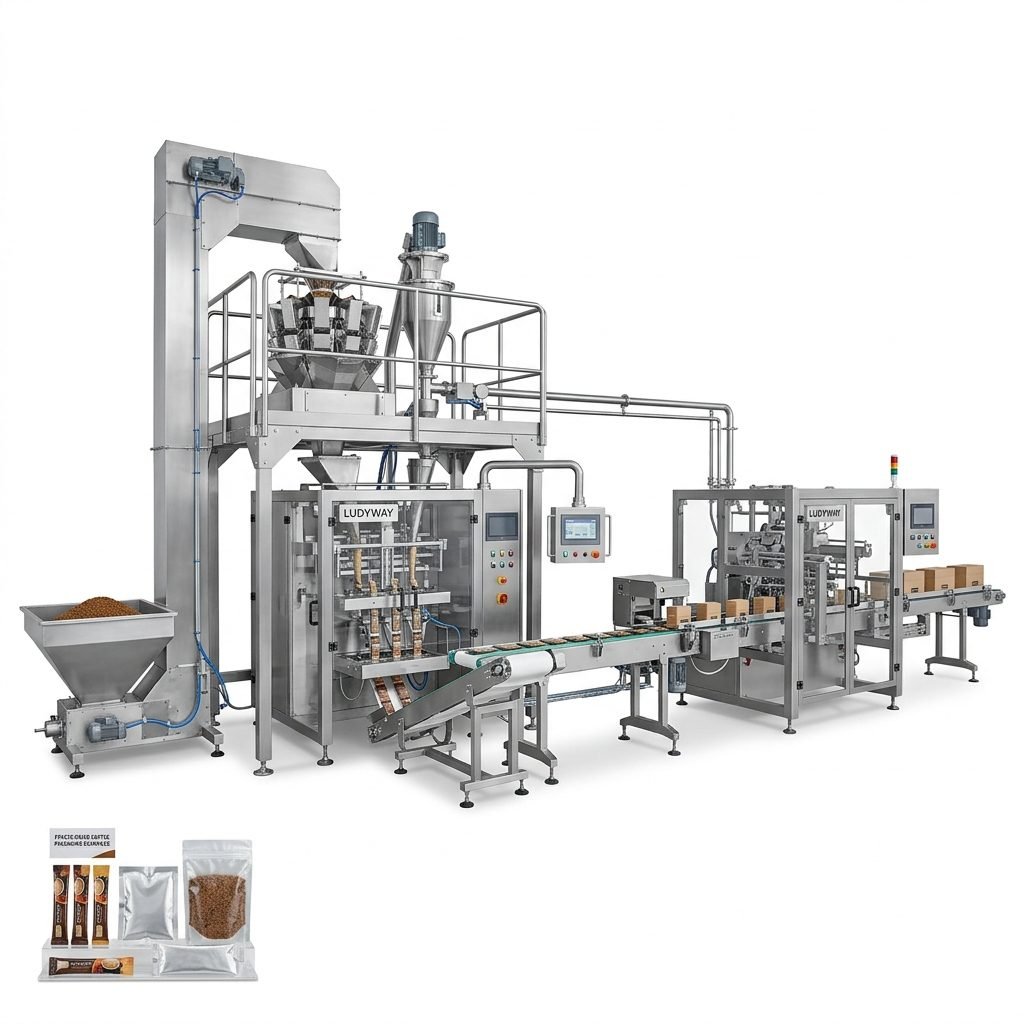
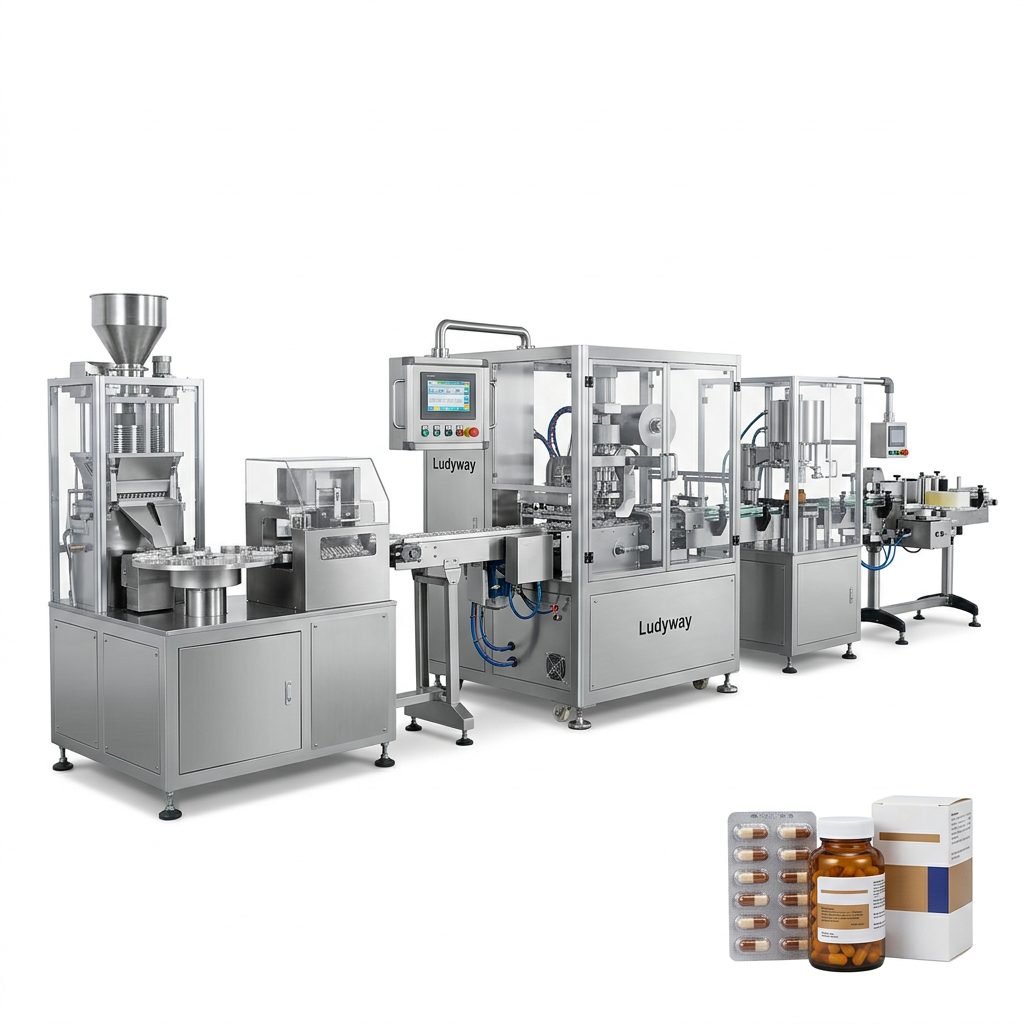
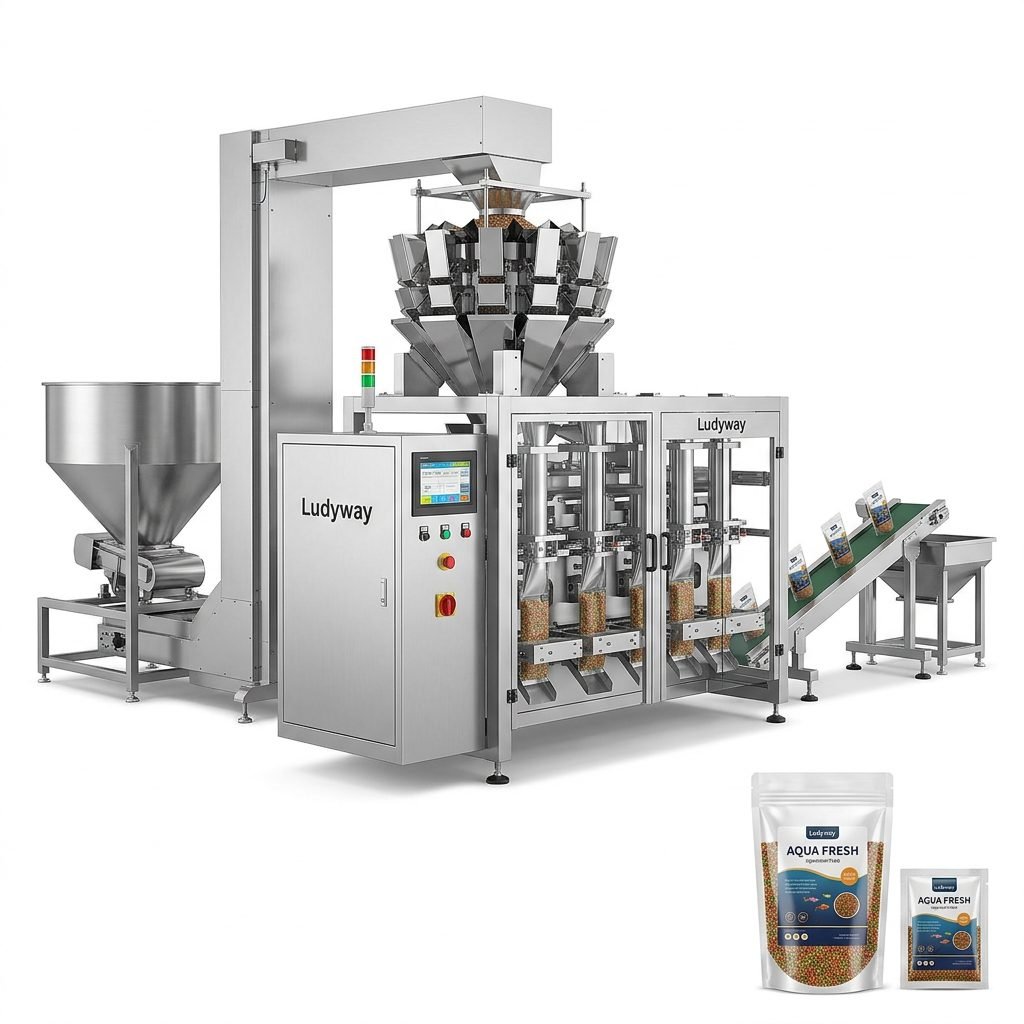
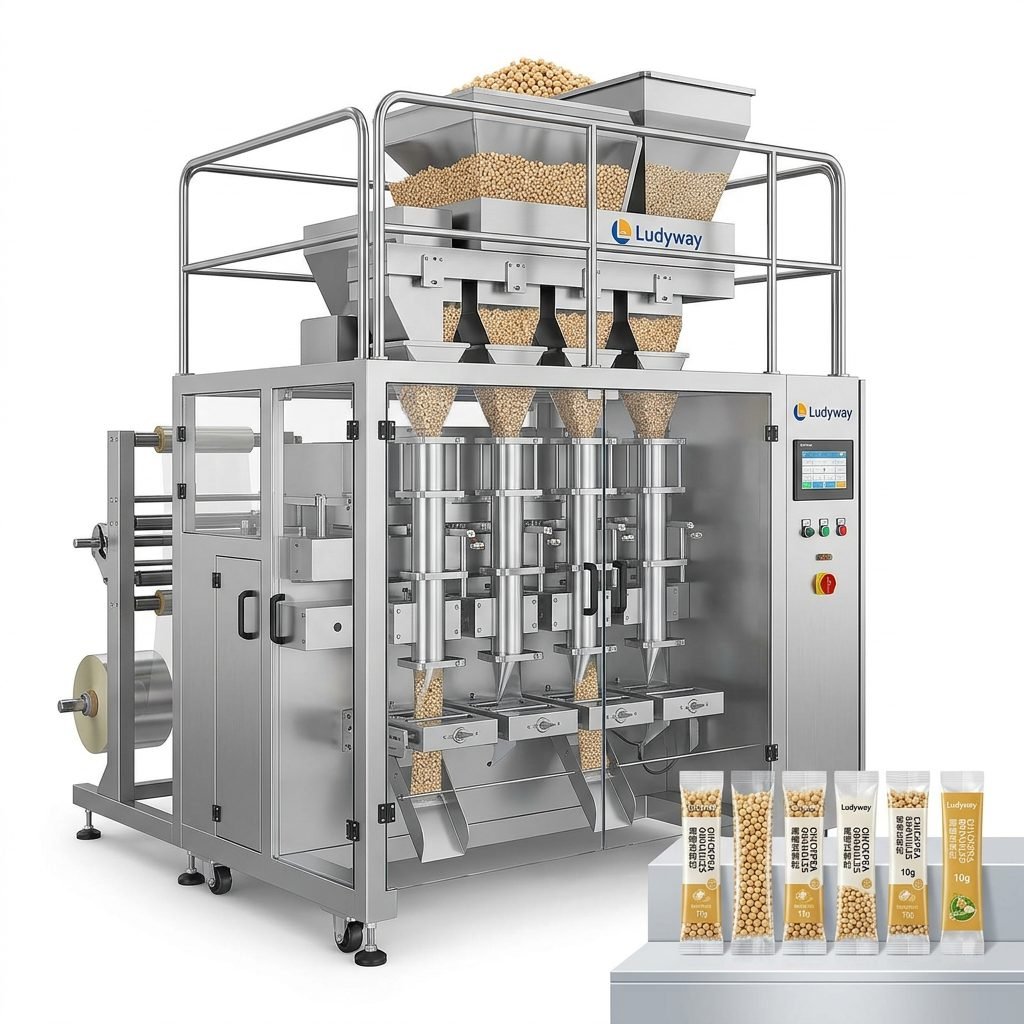
One notable supplier in the packaging machinery space is Ludyway, which offers advanced packaging equipment and turnkey production solutions for the food, pharmaceutical, and health industries. Their multi-lane stick pack and sachet packaging machines are designed to handle a wide range of cream viscosities with high-speed filling precision.
Step 4: Installation and Commissioning
Professional installation is essential for optimal performance. The process typically includes:
- Machine positioning and leveling
- Electrical and pneumatic connections
- Calibration of filling volumes and sealing parameters
- Trial runs with actual cream product
- Operator training on machine operation and basic troubleshooting
Step 5: Quality Control Integration
Implement in-line quality control measures to ensure consistent product quality:
- Checkweighers to verify fill weight accuracy
- Metal detectors for contaminant detection
- Vision inspection systems to check seal integrity and print quality
Regulatory Compliance for Cream Packaging in India
Cream products fall under different regulatory bodies depending on their classification:
| Product Category | Regulatory Body | Key Packaging Requirements |
|---|---|---|
| Cosmetic Creams | CDSCO / BIS | Ingredient labeling, batch coding, tamper-evident sealing |
| Pharmaceutical Creams | CDSCO / Drug Controller | Schedule M compliance, sterile packaging for certain categories |
| Food-Grade Creams | FSSAI | Food-grade packaging materials, nutritional labeling |
| Ayurvedic Creams | AYUSH Ministry | Specific labeling requirements for herbal ingredients |
Common Challenges and Solutions
Challenge 1: Cream Product Viscosity Variations
Cream formulations can vary significantly in viscosity due to temperature changes or batch inconsistencies. Solution: Invest in filling equipment with adaptive dosing technology that automatically adjusts to viscosity changes, and maintain temperature-controlled hoppers.
Challenge 2: Seal Integrity Issues
Product residue in the sealing area is a common cause of leaky packages. Solution: Use machines equipped with product-resistant sealing surfaces and automated cleaning systems that remove residue between cycles.
Challenge 3: Workforce Training
Operating sophisticated packaging machinery requires skilled technicians. Solution: Partner with equipment suppliers that provide comprehensive on-site training and detailed operational manuals in local languages.
Challenge 4: Spare Parts Availability
Downtime due to unavailability of critical spare parts can be costly. Solution: Maintain an inventory of essential wear parts and establish service agreements with your equipment provider.
Cost Considerations for Your Cream Packaging Line
The total investment for a cream packaging production line in India varies based on automation level and capacity:
| Production Scale | Estimated Capacity | Typical Investment Range (INR) |
|---|---|---|
| Small / Startup | 2,000 – 5,000 units/day | 15 – 30 Lakhs |
| Medium Enterprise | 10,000 – 50,000 units/day | 40 – 80 Lakhs |
| Large Industrial | 100,000+ units/day | 1 – 5 Crores |
Maintenance Best Practices
Regular maintenance is essential for maximizing the lifespan and performance of your cream packaging machinery:
- Daily: Clean product contact surfaces, inspect seals and gaskets, check filling accuracy.
- Weekly: Lubricate moving parts, verify sensor calibration, inspect electrical connections.
- Monthly: Replace worn components, update software if applicable, conduct thorough quality audits.
- Annually: Comprehensive overhaul, replacement of major wear parts, operator refresher training.
Industry Resources and Standards
Staying informed about packaging industry standards and trends is crucial for long-term success. Here are some valuable resources:
- PMMI – The Association for Packaging and Processing Technologies
- Flexible Packaging Association – Industry Resources
- FDA – Food Packaging and Food Contact Substances
- ISO – Packaging Standards
- European Commission – Packaging and Packaging Waste
- PMMI – State of the Industry Reports
Frequently Overlooked Factors
When setting up your cream packaging line in India, do not overlook these critical factors:
- Climate control: India’s tropical climate can affect cream consistency; invest in temperature-controlled production areas.
- Power stability: Voltage fluctuations are common in many regions; install stabilizers and backup power systems.
- Water quality: If your CIP (Clean-in-Place) system uses local water, ensure it meets purity standards.
- Local packaging material sourcing: Establish relationships with reliable local suppliers for films, tubes, and cartons to reduce lead times.
A properly configured cream packaging machine production line can deliver exceptional ROI in the Indian market, where demand for quality cream products continues to rise. By focusing on the right equipment, compliance, and operational best practices, manufacturers can build a competitive edge in this dynamic industry.