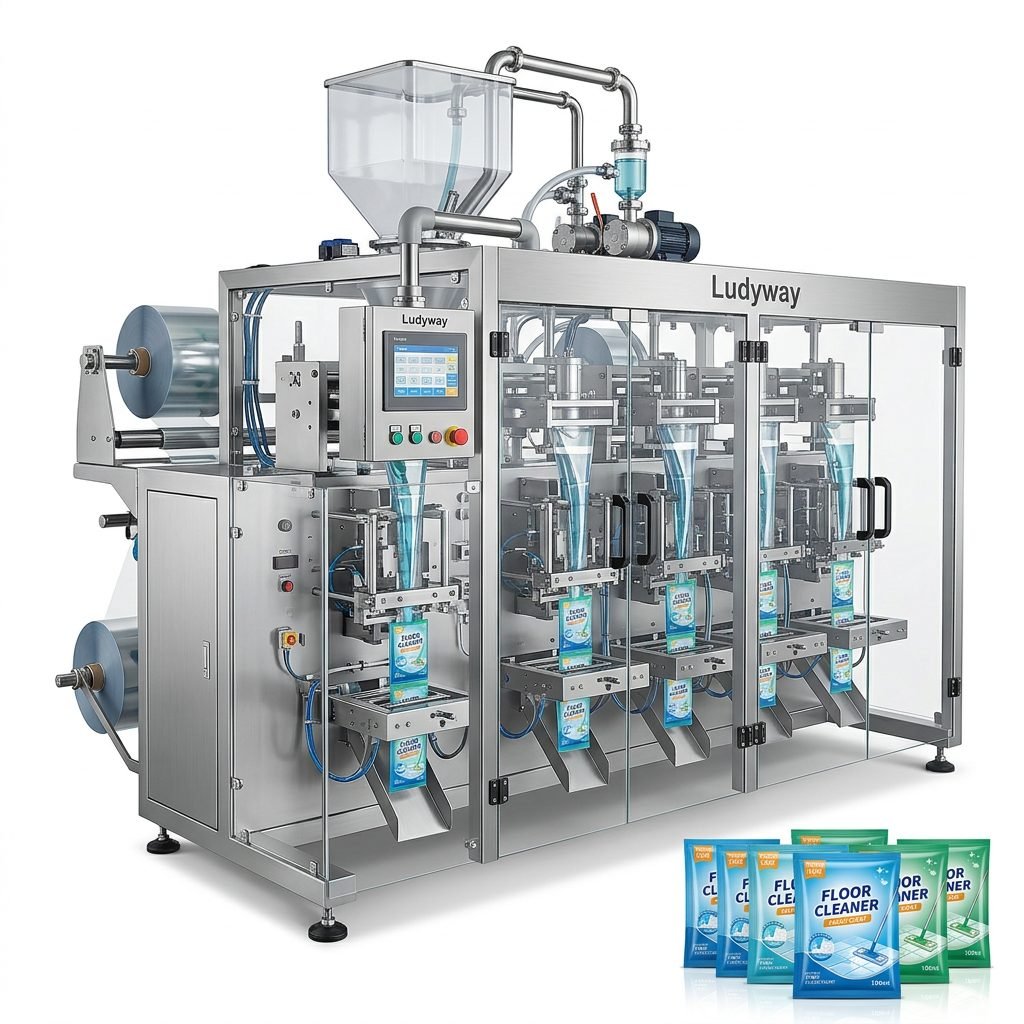
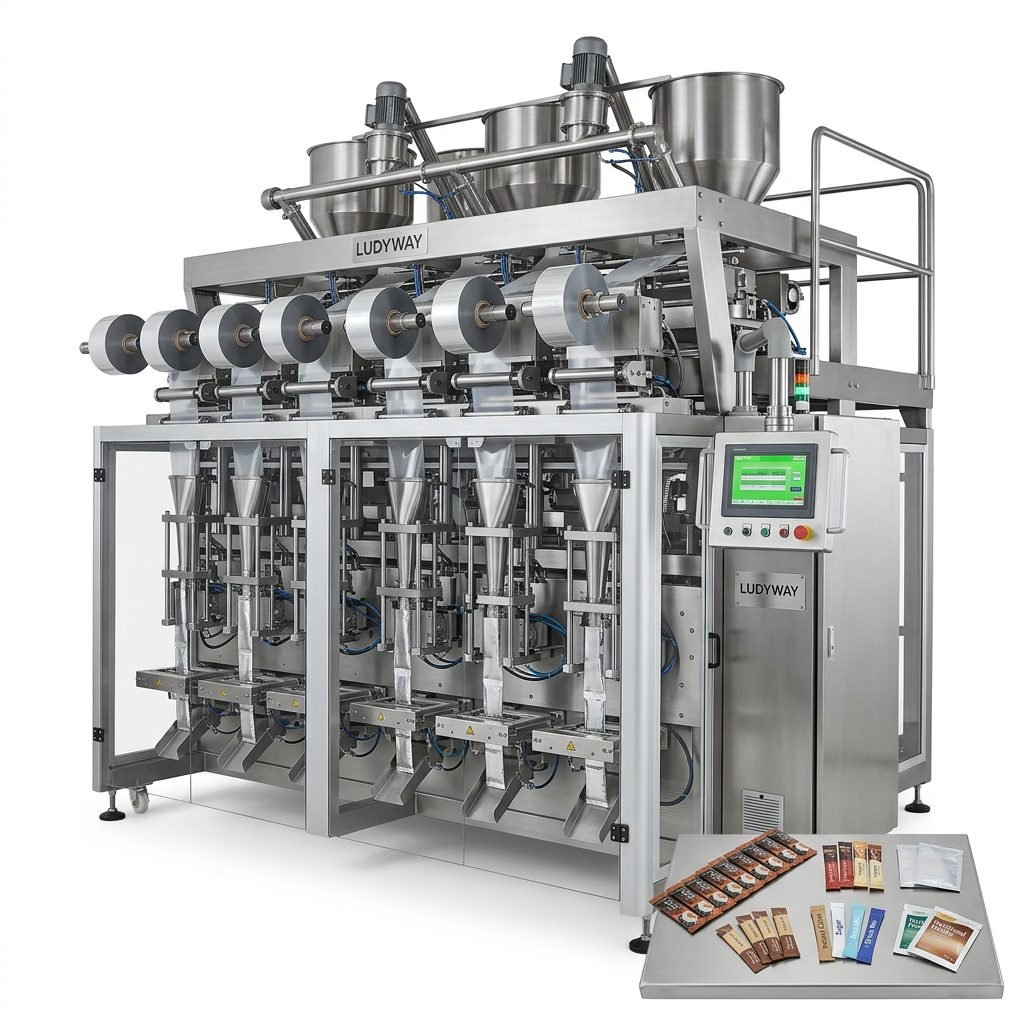
Investing in a frozen food packaging machine for the European market requires a strategic approach that balances throughput efficiency, regulatory compliance, and long-term operational reliability. Europe’s frozen food sector continues to expand rapidly, driven by consumer demand for convenience, longer shelf life, and reduced food waste. Selecting the right equipment directly impacts product quality, brand reputation, and overall profitability.
Understanding European Regulatory Standards
Before choosing a frozen food packaging system, manufacturers must ensure full compliance with European Union directives and machinery safety regulations. All equipment placed on the market must carry the CE marking and conform to the EU Packaging and Packaging Waste Regulation, which increasingly emphasizes recyclability and the use of sustainable materials. Additionally, food contact materials are strictly regulated under FDA and EU food contact frameworks to prevent contamination and ensure consumer safety. Machines handling frozen granules, powders, or liquids must integrate seamlessly with these evolving standards to avoid costly retrofitting later.
Key Machine Types for Frozen Food Production
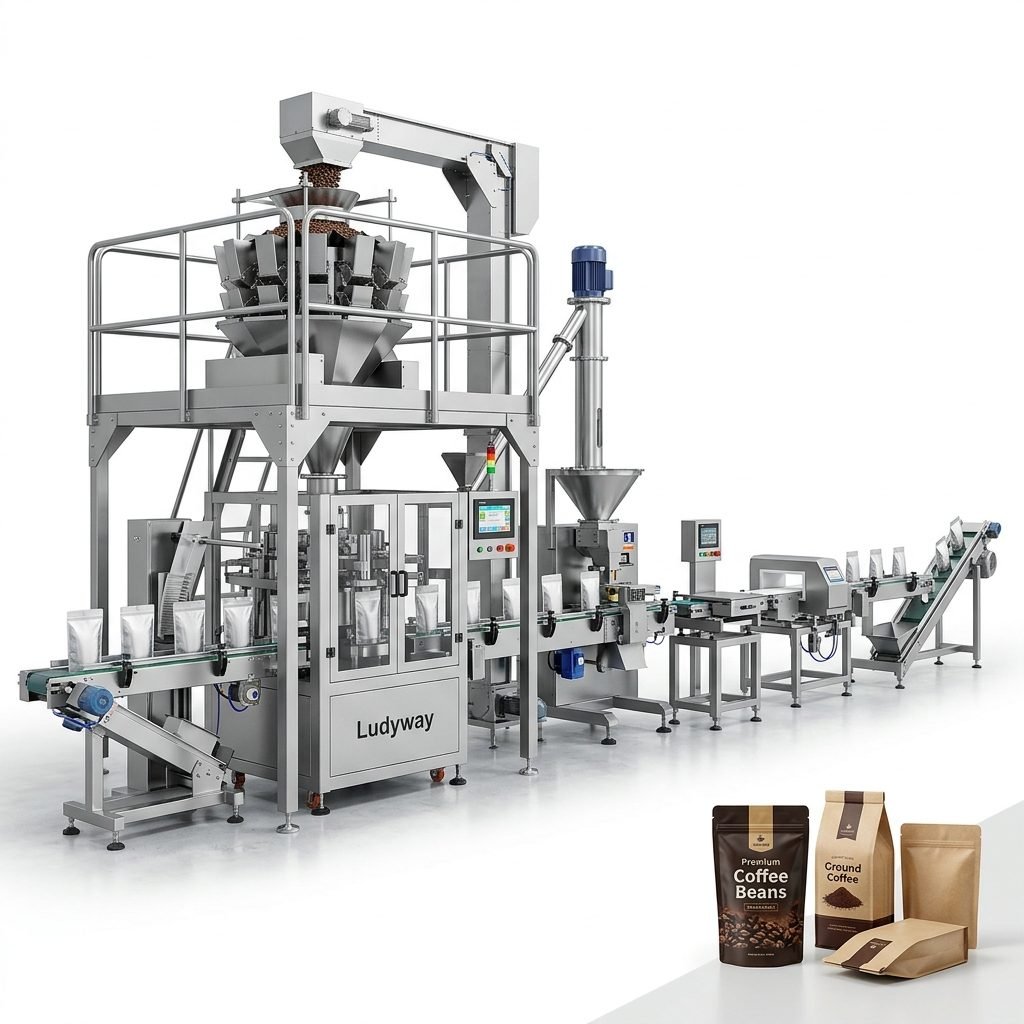
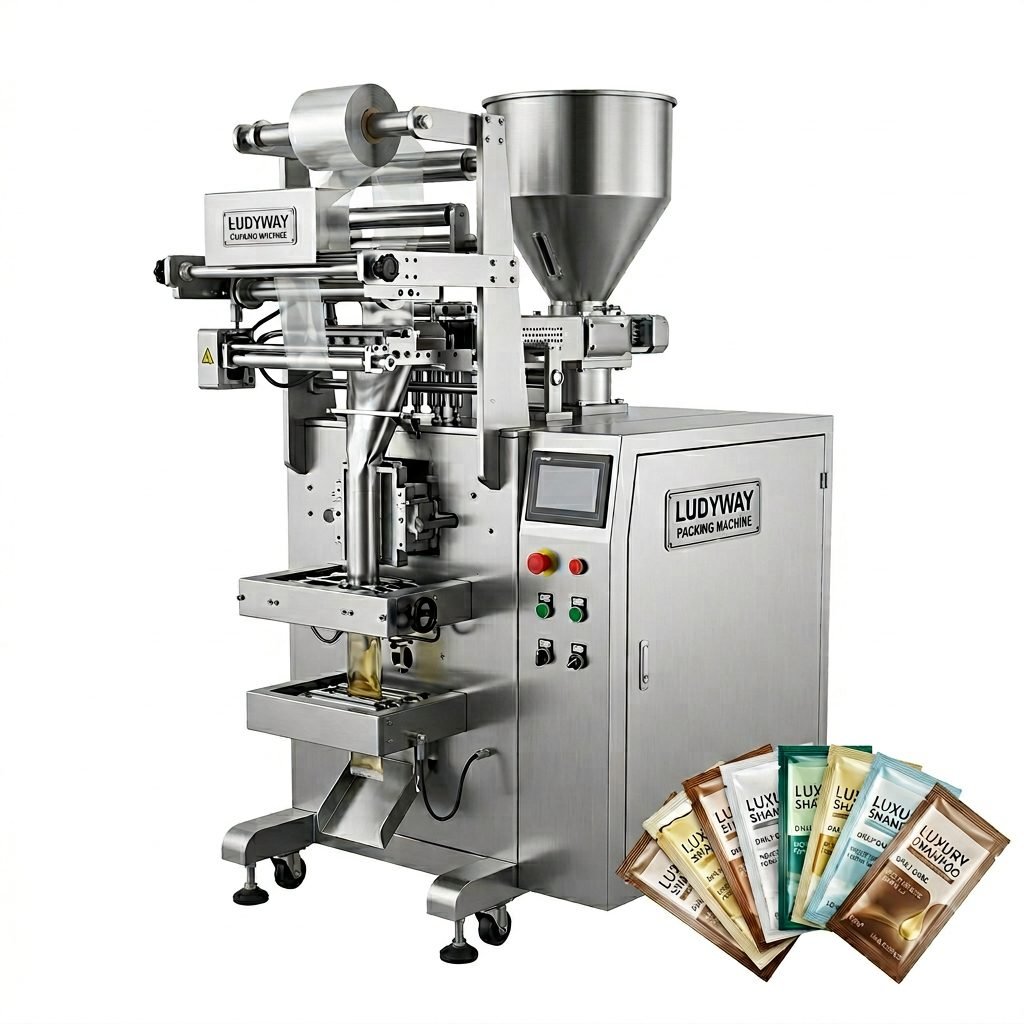
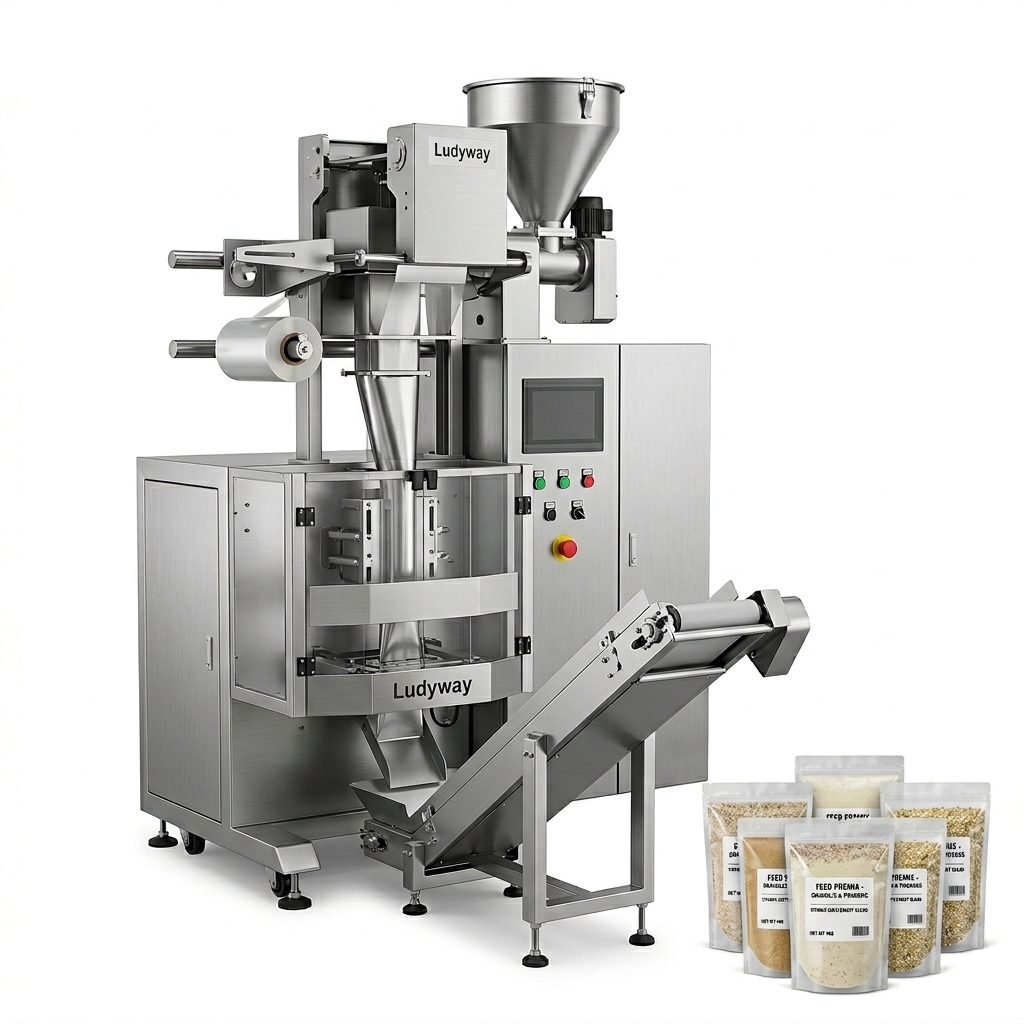
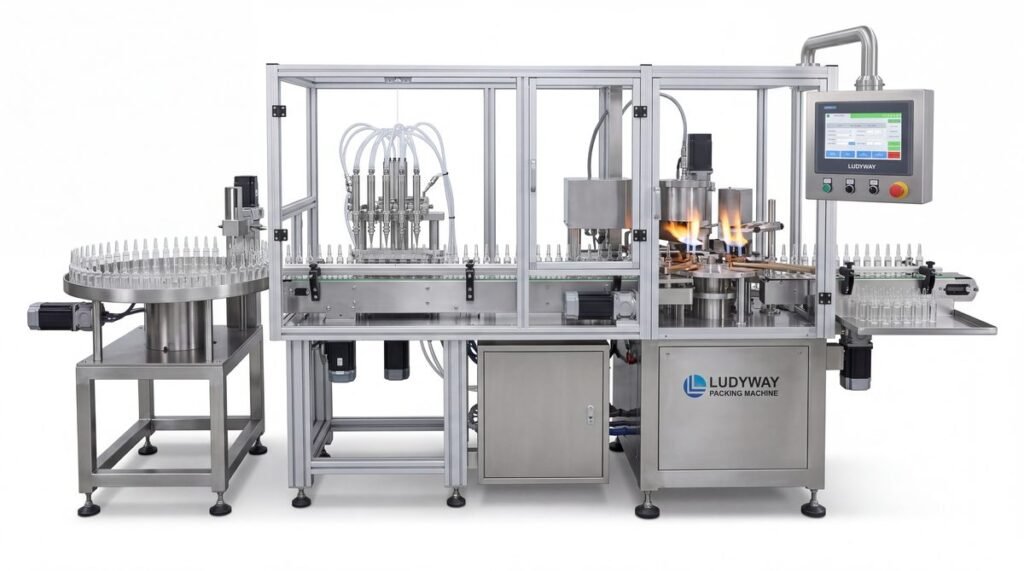
Modern frozen food packaging lines are far from one-size-fits-all. The product format — whether loose IQF (individually quick frozen) vegetables, frozen liquid sauces, or stick-pack frozen concentrates — dictates the technology required. The Ludyway engineering team frequently recommends matching the machine architecture to the product’s physical characteristics and target retail format.
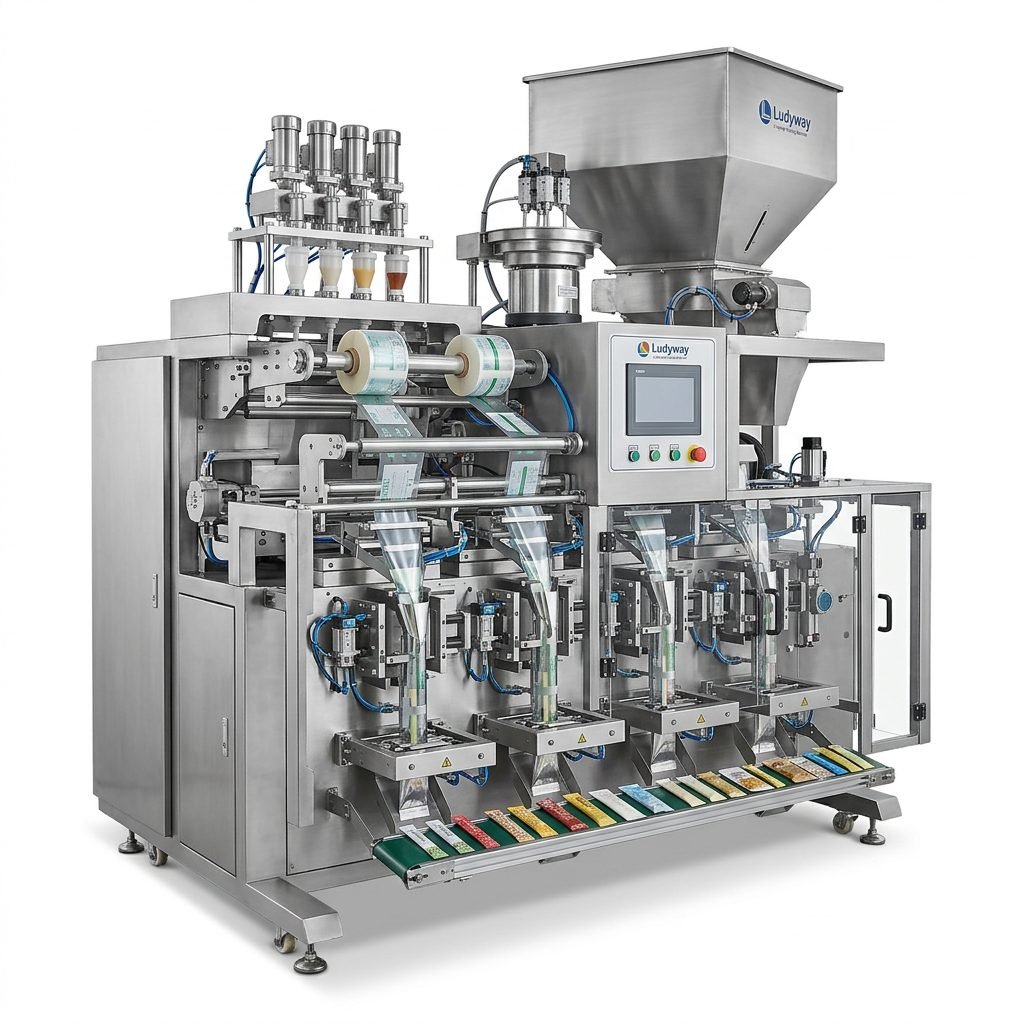
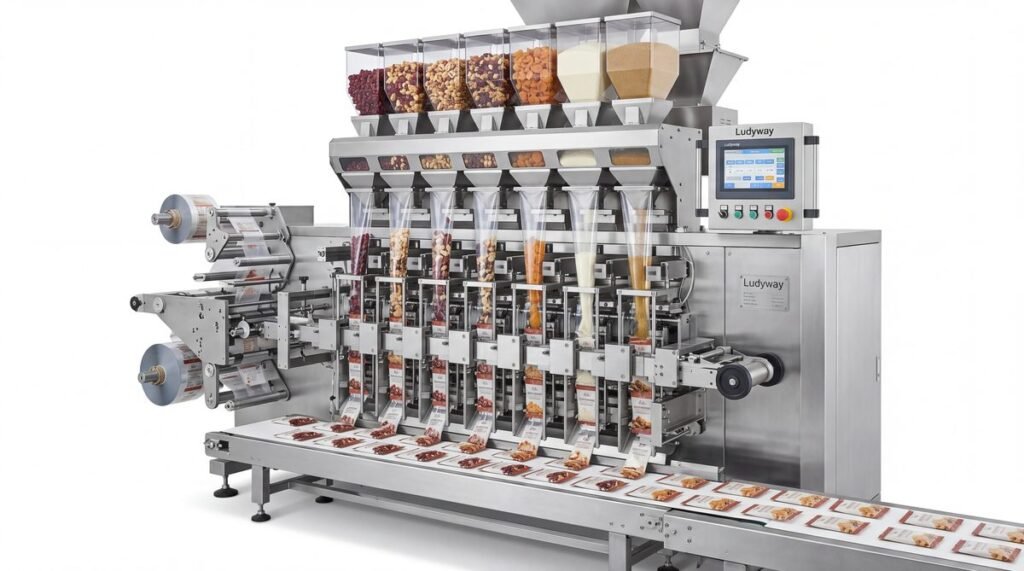
- Multi-Lane Stick Pack Machines: Ideal for high-speed production of single-serve frozen liquid concentrates, frozen purees, and powder-based frozen dessert mixes. These systems deliver exceptional output rates with precise portion control.
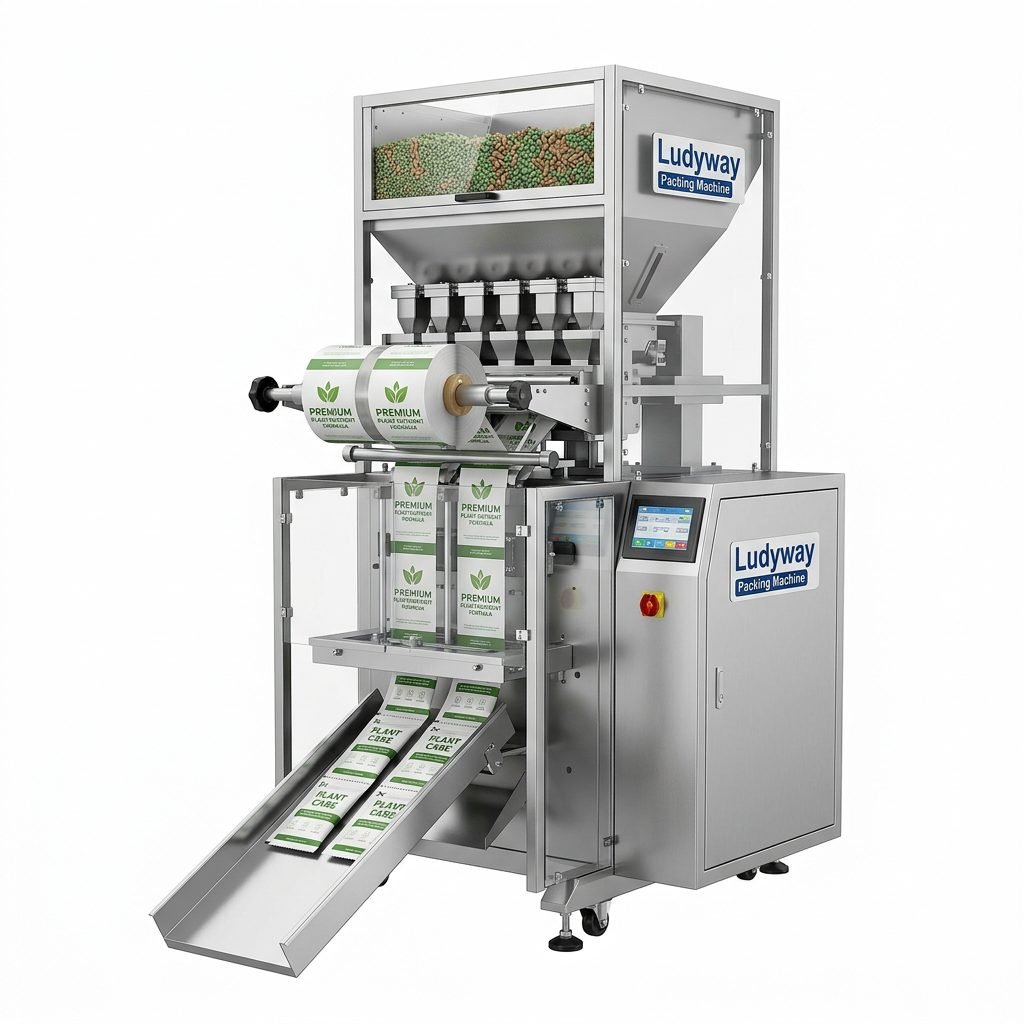
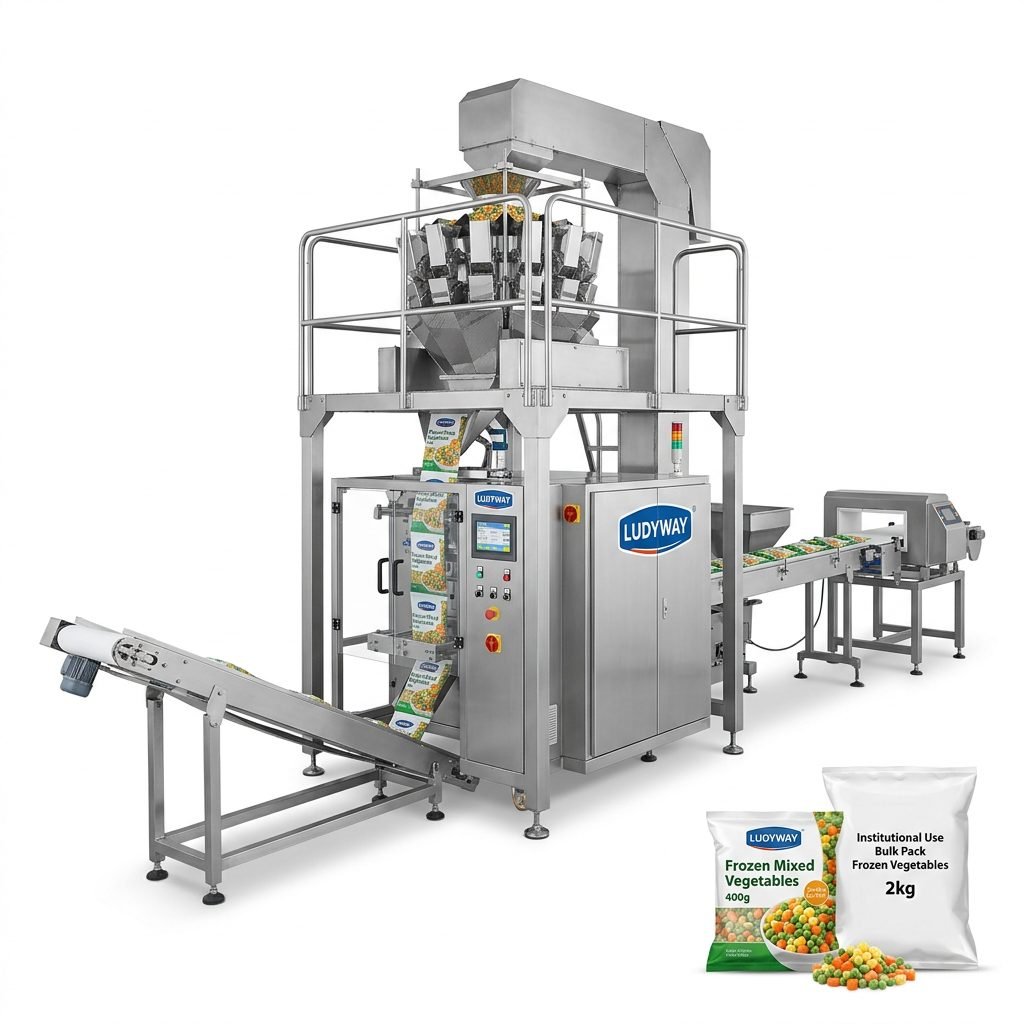
- Vertical Form Fill Seal (VFFS) Systems: Designed for granular frozen products such as peas, corn, berries, and diced vegetables. VFFS machines offer robust sealing integrity at low temperatures and adapt easily to pillow bags or gusseted pouches.
- Premium Pouch Packaging Lines: Used for stand-up pouches and quad-seal bags, these machines provide superior barrier protection against freezer burn, moisture ingress, and aroma loss over extended storage periods.
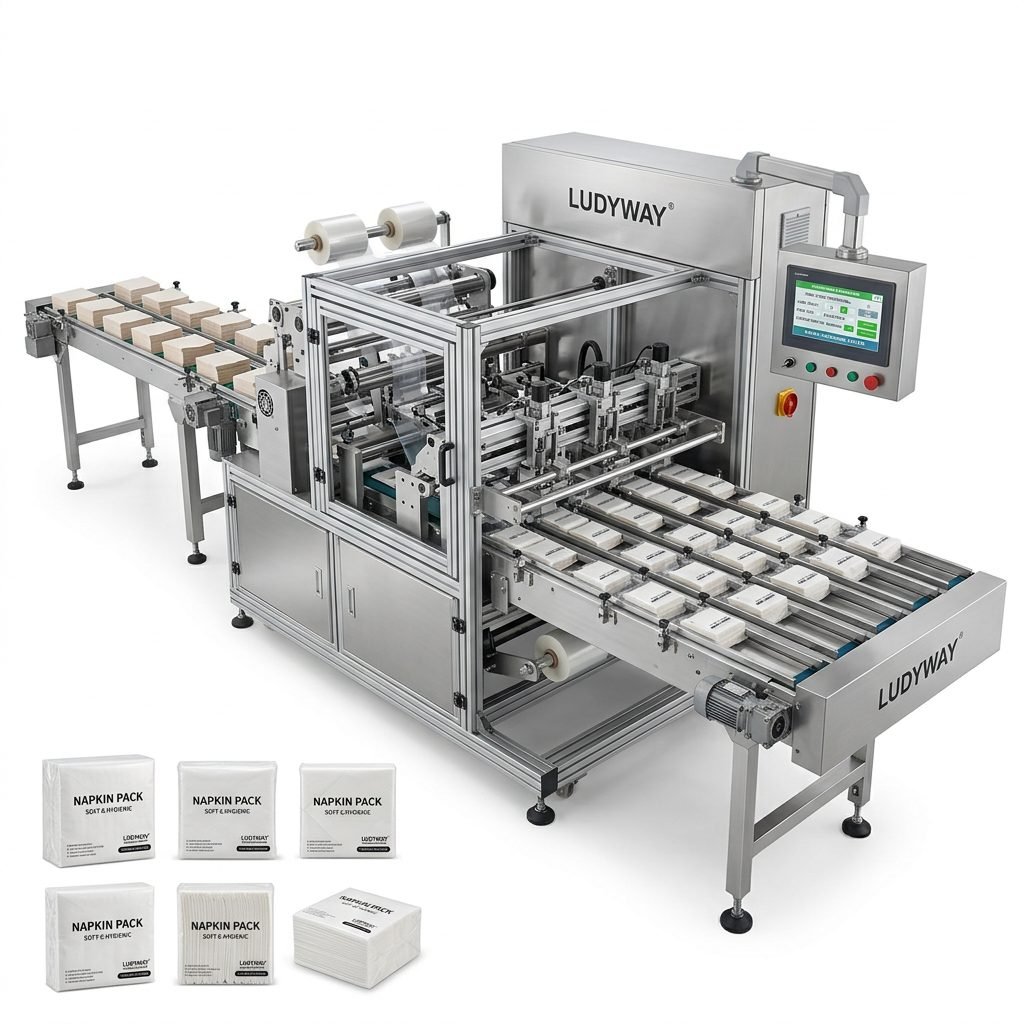
- Tray and Sleeve Wrappers: For frozen meat, seafood portions, and ready meals, tray sealing and overwrapping equipment maintain product shape and prevent dehydration during the cold chain.
Technical Considerations for Sub-Zero Environments
Operating in freezing conditions introduces significant engineering challenges. Standard pneumatic components become brittle, sealing temperatures require recalibration, and film properties change dramatically. When evaluating a frozen food packaging machine, pay close attention to these technical specifications:
| Factor | Importance | Recommendation |
|---|---|---|
| IP Rating | Critical | IP65 or higher for washdown areas and condensation resistance |
| Sealing Technology | Very High | Pulse heat sealing with adaptive temperature control for icy films |
| Material Compatibility | High | Validated for PE, PET/PE laminates, and recyclable mono-materials |
| Condensation Management | High | Stainless steel construction with sloped surfaces and drainage |
| Gas Flushing Capability | Medium | Nitrogen or CO2 flushing for oxygen-sensitive frozen products |
Automation and Integration for European Factories
European food manufacturing increasingly relies on Industry 4.0 principles and smart factory connectivity. A modern frozen food packaging line should integrate seamlessly with upstream freezing tunnels and downstream case packing and palletizing systems. Automated multi-head weighing systems, vision inspection, and real-time data logging are no longer optional but essential for maintaining high packaging line productivity benchmarks. Leading facilities also incorporate automatic reject stations and checkweighers to ensure every frozen pack meets strict weight and seal integrity standards.
Film and Material Selection for Freezer Durability
Packaging films for frozen foods must withstand extreme cold without cracking, delaminating, or losing seal integrity. The shift toward recyclable mono-material structures is particularly pronounced in Europe, where the European Commission’s packaging waste directive pushes brands toward circular economy solutions. When specifying your machine, verify that the forming shoulders, sealing jaws, and tension controls are compatible with the specific thickness and slip properties of your chosen film — especially if transitioning from multi-layer laminates to mono-PE or paper-based alternatives.
Capacity Planning and Throughput Metrics
Defining output expectations is a fundamental step in selecting the right equipment. European frozen food brands typically operate with high-volume production schedules, and downtime is exceptionally costly. Machines should be specified with at least 15-20% overhead capacity beyond current needs to accommodate seasonal surges and future growth. Multi-lane configurations dramatically increase throughput per square meter of factory floor space, making them popular choices for contract packers and large-scale frozen food processors serving retail chains across Europe.
Maintenance, Hygiene, and Spare Parts Availability
Hygienic design rooted in EHEDG guidelines is a baseline requirement for frozen food environments. Tool-less disassembly, sloped frames, and food-grade stainless steel help prevent bacterial buildup during condensation cycles. Equally important is the accessibility of technical support and genuine spare parts within Europe. Extended lead times for critical components can disrupt production during peak seasons. Evaluating the manufacturer’s local service network, response time, and remote diagnostic capabilities should form part of the procurement decision — an area where established global manufacturers with dedicated packaging industry resources and standards knowledge provide distinct advantages.
Cost Analysis and Return on Investment
While initial purchase price matters, a comprehensive total cost of ownership (TCO) model reveals the true investment picture. Energy consumption, film waste rates, labor requirements, and mean time between failures all contribute significantly to the long-term financial equation. Modern servo-driven machines often deliver rapid ROI through reduced material scrap, lower energy draw, and minimal operator intervention. European energy costs remain elevated, making energy-efficient drive systems and heat recovery features increasingly attractive for frozen food packers aiming to reduce operational expenditure.
Exhibitions and Industry Validation
Attending major packaging trade fairs such as PACK EXPO International provides valuable opportunities to inspect machinery under simulated production conditions, evaluate build quality, and discuss turnkey project requirements directly with engineering teams. These events allow European buyers to benchmark different technologies side by side and assess real-world performance before committing to a capital equipment purchase.

Making the Final Decision
Selecting a frozen food packaging machine for the European market demands careful evaluation of regulatory requirements, production environment challenges, material compatibility, and automation roadmap. Prioritize equipment that combines robust cold-environment engineering with the flexibility to adapt to evolving packaging formats and sustainability mandates. Engaging with suppliers who demonstrate deep experience in frozen food applications — including granule, powder, liquid, and solid product handling — ensures a smoother integration and a more resilient production line positioned for long-term success in the competitive European frozen food sector.