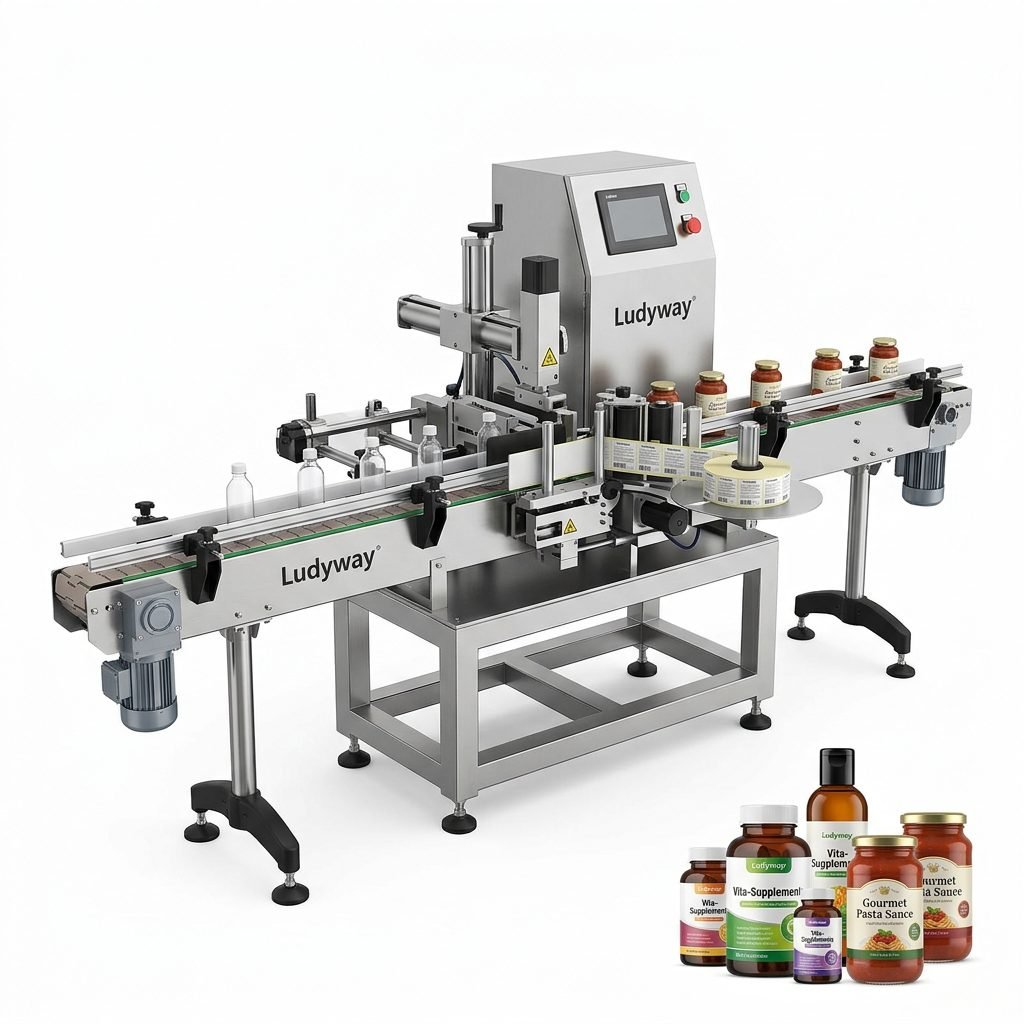
Artificial intelligence is no longer a pilot concept in packaging. In 2026, it is moving rapidly from demo stages into daily factory operations, where manufacturers are using AI to improve line speed, quality control, labor efficiency, predictive maintenance, and production planning. For packaging companies facing tighter margins, shorter product cycles, and more demanding customers, AI is becoming a practical tool rather than a futuristic investment.
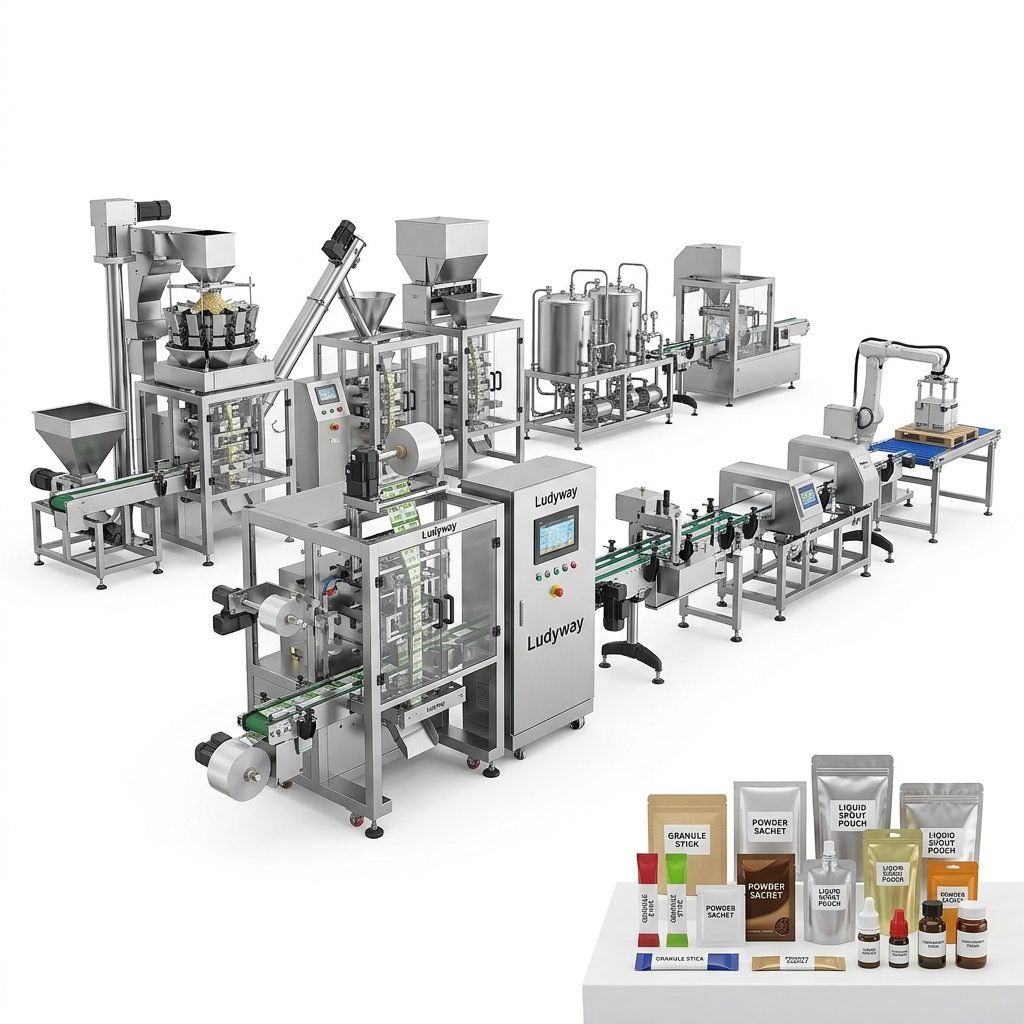
Across food, pharmaceutical, personal care, household chemical, and pet product packaging, the strongest signal this year is clear: companies are prioritizing systems that deliver measurable output gains. AI-powered machine vision, adaptive filling control, automatic defect recognition, digital twins, and data-driven line management are now being deployed in real production environments. This shift is especially visible among factories upgrading from single machines to integrated, intelligent packaging lines.
Why AI Adoption in Packaging Is Accelerating in 2026
Three pressures are driving adoption. First, manufacturers need higher throughput without proportionally increasing labor. Second, end users want better traceability and more stable package quality. Third, export-oriented businesses are under pressure to meet stricter compliance and performance expectations in global markets.
AI addresses these issues by turning packaging equipment into a more responsive production asset. Instead of only executing fixed parameters, newer systems can analyze process signals, identify deviations, and recommend or trigger adjustments. The result is less waste, lower downtime, and more consistent packaging outcomes, especially in high-volume or multi-SKU operations.
Most common business drivers behind deployment
- Rising labor costs and operator shortages
- Frequent format changeovers and shorter runs
- Higher standards for coding, sealing, and filling accuracy
- Need for predictive maintenance to reduce unplanned stops
- Pressure to improve OEE and reduce total cost per pack
Key AI Trends Reshaping Packaging Operations
1. Vision Inspection Is Becoming Smarter and Faster
Machine vision remains one of the fastest-growing AI applications in packaging. In 2026, inspection systems are moving beyond basic presence/absence checks. Newer AI-enabled solutions can identify subtle seal defects, print inconsistencies, pouch alignment issues, cap placement problems, contamination, and label positioning errors with greater accuracy.
This matters in industries such as pharmaceuticals, nutraceuticals, cosmetics, and premium food products, where even minor defects can create major downstream costs. AI models trained on production data can distinguish between acceptable variation and true defects far better than rule-based systems alone.
2. Predictive Maintenance Is Replacing Reactive Repair
A major operational improvement comes from AI-based maintenance analytics. Sensors on motors, sealing units, feeders, conveyors, and dosing systems now feed condition data into software that can identify wear patterns before a component fails. Instead of waiting for breakdowns, maintenance teams can schedule service around production windows.
For high-speed packaging lines, this can protect output and reduce the hidden costs of emergency shutdowns, rushed spare part orders, and off-spec production after restart.
3. Adaptive Filling and Sealing Control Is Improving Yield
AI is also being applied directly to process stability. For powders, granules, liquids, and pastes, packaging lines increasingly use real-time feedback to fine-tune fill volumes, sealing temperatures, pressure, and timing. This is particularly valuable for products affected by humidity, flowability changes, viscosity shifts, or packaging film variation.
Instead of relying purely on manual adjustment, intelligent control helps maintain stable performance throughout long shifts and mixed production schedules.
4. AI Scheduling Is Supporting Multi-SKU Production
Brands are launching more flavors, formats, trial packs, and promotional bundles than ever before. As a result, packaging plants are dealing with greater scheduling complexity. AI-based planning tools are now helping factories sequence jobs more efficiently by considering line capability, cleaning time, film availability, material flow, and labor allocation.
This trend is important for contract packers and exporters that handle diverse product portfolios and need to protect service levels while keeping utilization high.
5. Digital Twins and Remote Optimization Are Becoming Practical
Digital twin technology is gaining traction in 2026 as packaging operations seek better visibility. Virtual models of production lines allow teams to simulate throughput, detect bottlenecks, test changeovers, and evaluate line balancing before making physical adjustments. With AI layered on top, these systems can highlight likely performance losses and improvement opportunities.
This is especially useful for companies planning expansions, factory relocations, or new turnkey line investments.
Where Real-World Adoption Is Happening First
Not every packaging segment is moving at the same speed. Adoption is strongest where product value, compliance requirements, or line complexity justify the investment.
| Sector | Main AI Use Cases | Why Adoption Is Strong |
|---|---|---|
| Food & Beverage | Vision inspection, fill optimization, production scheduling | High volumes, fast product turnover, waste reduction pressure |
| Pharmaceutical & Nutraceutical | Defect detection, traceability, predictive maintenance | Compliance, precision, quality assurance needs |
| Cosmetics & Personal Care | Seal monitoring, appearance inspection, batch management | Brand image sensitivity and SKU diversity |
| Household Chemicals | Leak detection, viscosity-based filling control, uptime analytics | Safety, reliability, high-output line demand |
| Pet Food & Animal Nutrition | Weight consistency, pouch inspection, predictive servicing | Rapid growth, packaging variety, efficiency targets |
What Real Adoption Looks Like on the Factory Floor
The most successful projects in 2026 are not standalone software experiments. They are tied directly to packaging machinery and line performance. Real adoption often begins with one practical pain point, such as inconsistent sachet sealing, frequent downtime on filling units, or excessive giveaway in powder packaging.
Once a company proves ROI in one area, AI functions are expanded across the line. A typical maturity path looks like this:
- Install sensors and collect stable production data
- Use AI for one focused application, such as defect detection
- Connect inspection and maintenance data to line dashboards
- Introduce adaptive control and automated reporting
- Scale toward plant-wide optimization and smarter planning
Examples of practical use cases in 2026
- Powder sachet lines using AI to reduce fill variation during humidity changes
- Liquid pouch lines detecting micro-leaks before cartoning
- Tablet packaging lines using vision AI to reject sealing and coding defects
- Multi-lane stick pack systems predicting sealing jaw maintenance needs
- Turnkey lines using AI dashboards to compare shift performance in real time
Challenges Companies Still Need to Solve
Despite rapid deployment, packaging AI is not plug-and-play in every environment. The biggest challenge is still data quality. If a line has inconsistent sensors, weak maintenance discipline, or frequent uncontrolled process variation, AI outputs will be less reliable. Integration between old and new equipment can also slow adoption.
Another issue is internal capability. Operators, engineers, and managers must trust the system and understand how to act on its recommendations. That is why vendors with strong application engineering and turnkey integration experience are increasingly valuable in AI-related packaging upgrades.
| Challenge | Impact on Deployment | Typical Response |
|---|---|---|
| Poor production data quality | Weak model accuracy | Upgrade sensors and standardize data capture |
| Legacy machine integration | Delayed project rollout | Use phased retrofits and modular controls |
| Operator adoption gaps | Underused system features | Provide practical training and role-based dashboards |
| Unclear ROI targets | Slow investment approval | Start with waste, downtime, or quality-loss metrics |
How Equipment Suppliers Are Adapting
Packaging machine manufacturers are now expected to do more than deliver hardware. Buyers increasingly want suppliers that can support data-ready machines, remote diagnostics, software connectivity, and integrated line engineering. This is one reason turnkey solution providers are gaining attention in 2026.
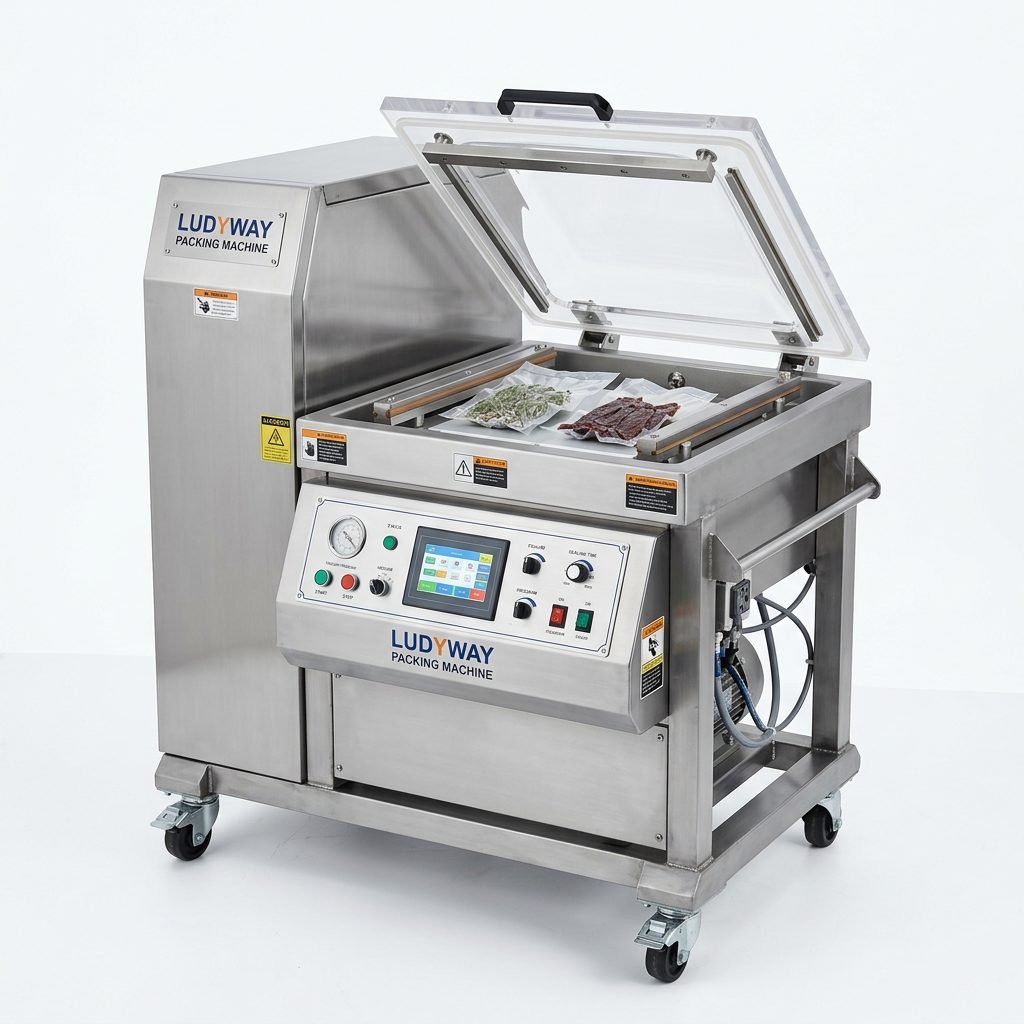
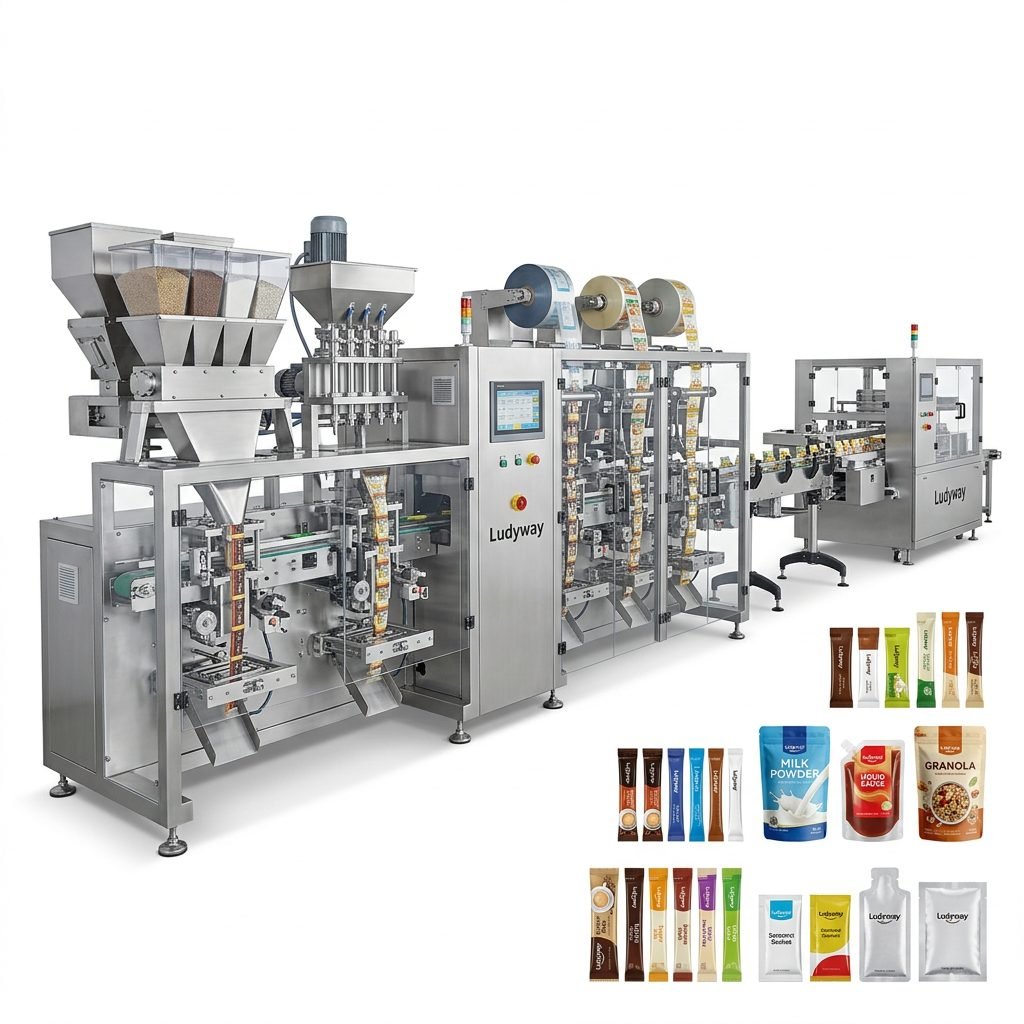
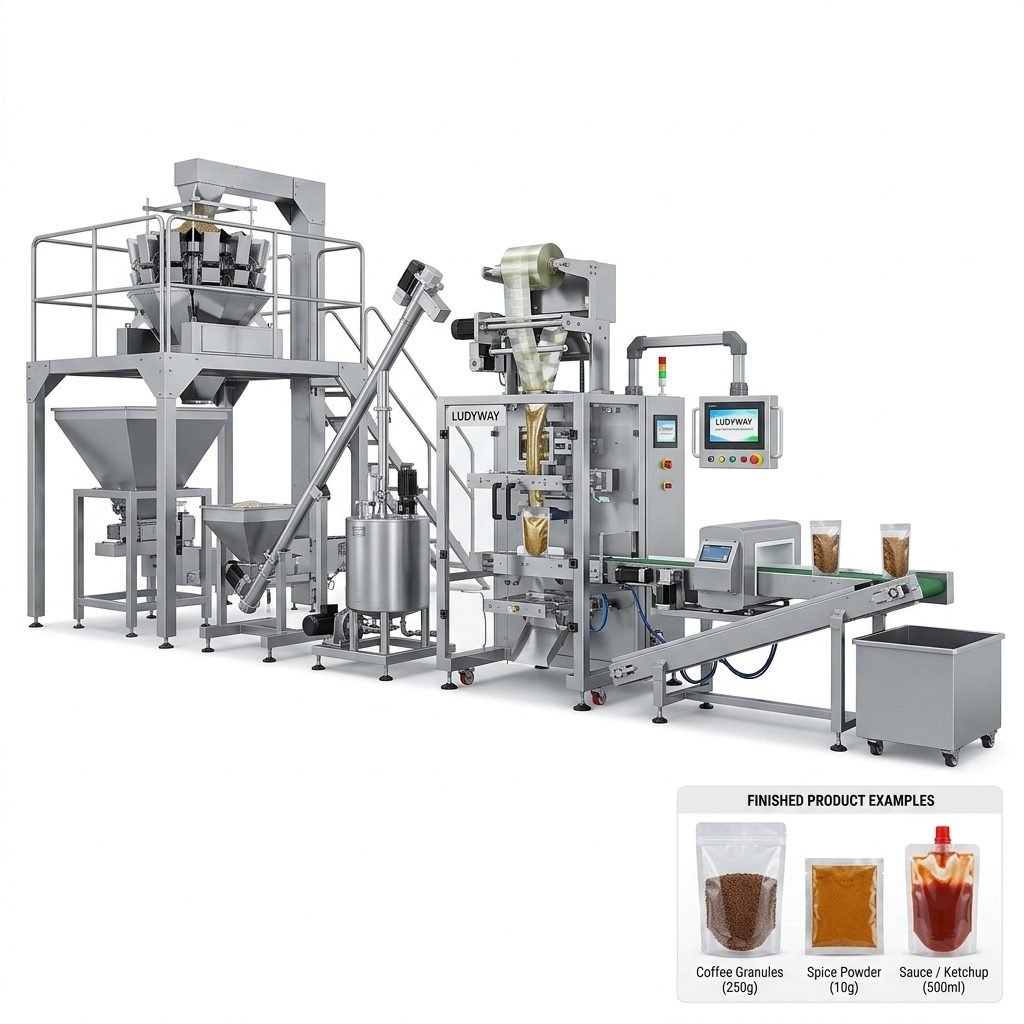
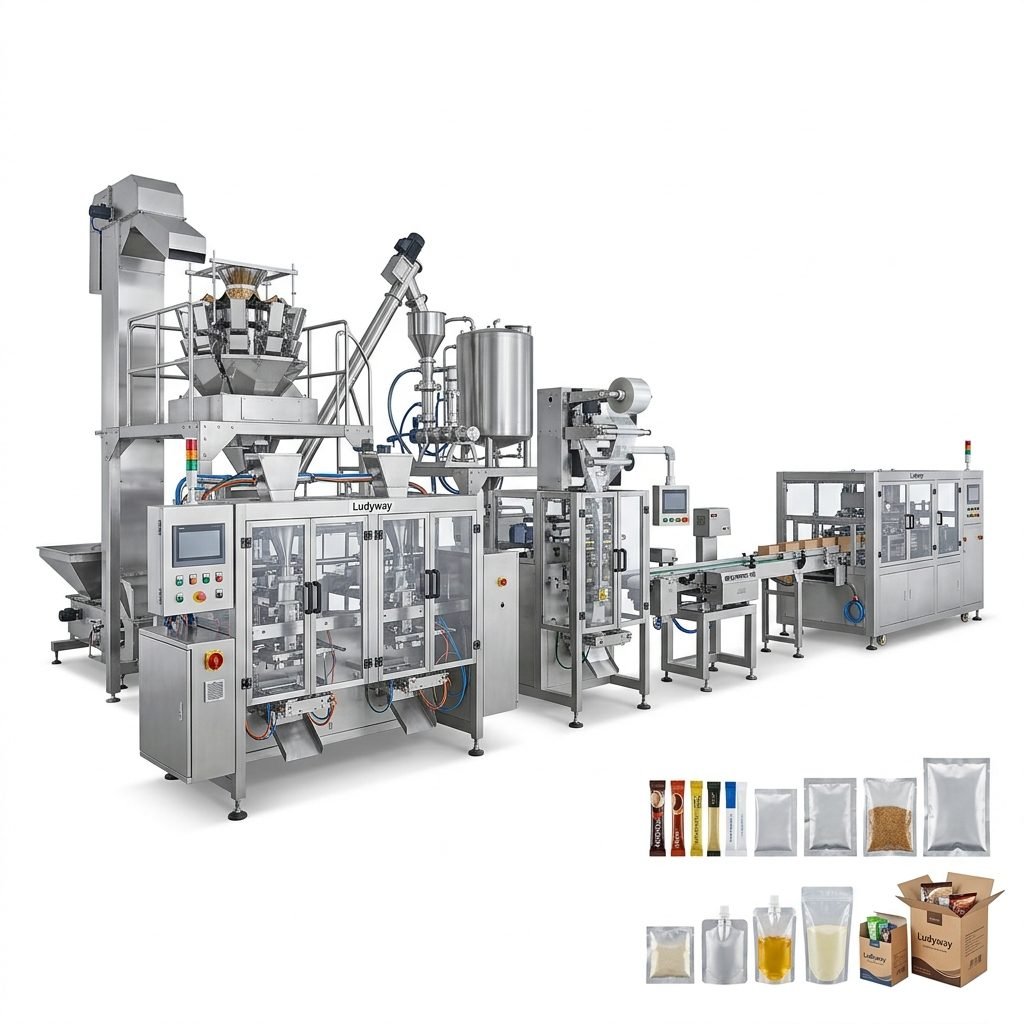
For companies sourcing automated machinery for food, pharmaceutical, cosmetic, and related sectors, suppliers such as Ludyway are being watched closely because the market is shifting toward complete packaging lines that combine mechanical reliability with intelligent control, customization, and scalable automation support.
What buyers now look for in AI-ready packaging equipment
- Open connectivity for MES, ERP, and line monitoring systems
- Stable machine design with sensor integration capability
- Support for vision inspection and quality traceability
- Turnkey engineering for upstream and downstream line coordination
- Long-term technical service and upgrade pathways
What to Expect Next
Looking ahead, AI in packaging will continue moving from isolated functions to connected decision-making across the full line. The next phase will likely center on autonomous parameter optimization, stronger human-machine collaboration, and better synchronization between packaging, warehousing, and quality systems.
In practical terms, 2026 is the year AI proves its industrial value. Companies are no longer asking whether AI belongs in packaging. They are asking where it creates the fastest payback, how quickly it can be integrated, and which packaging partners can help scale it successfully.
For manufacturers that act early, the competitive advantage will come not just from automation, but from smarter automation that continuously improves performance.