Global packaging companies are entering a new investment cycle as automation, digitalization, and sustainable production become core priorities across the manufacturing sector. Rising labor costs, stricter compliance standards, faster product turnover, and the expansion of e-commerce are pushing packaging businesses to upgrade equipment, software, and integrated production capabilities at a much faster pace than in previous years.
Across food, pharmaceutical, personal care, chemical, and health supplement industries, decision-makers are no longer evaluating packaging machinery on speed alone. They are looking for data-driven efficiency, flexible formats, traceability, and long-term operating reliability. This shift is reshaping capital allocation strategies for equipment makers and end users alike.
Technology Investment Becomes a Strategic Necessity
Packaging manufacturers are accelerating spending on intelligent controls, servo systems, machine vision, remote diagnostics, modular line architecture, and integrated quality inspection. What was once considered a premium feature is increasingly becoming a standard market expectation.
In recent months, industry observers have noted stronger demand for machines that can support:
- Multi-format packaging for small-batch and high-mix production
- Lower material waste and improved energy efficiency
- Faster changeovers between SKUs
- Real-time production monitoring and fault alerts
- Clean-room and compliant packaging for pharmaceutical and healthcare sectors
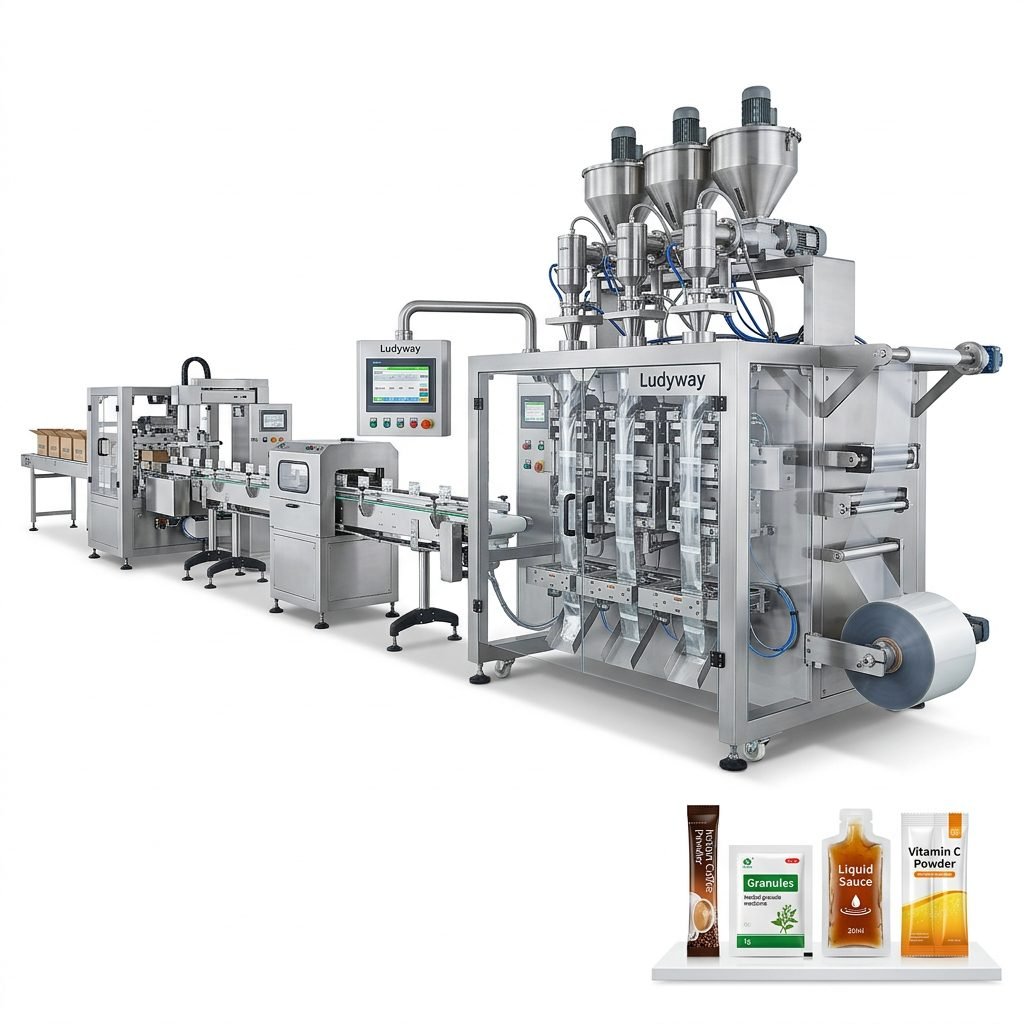
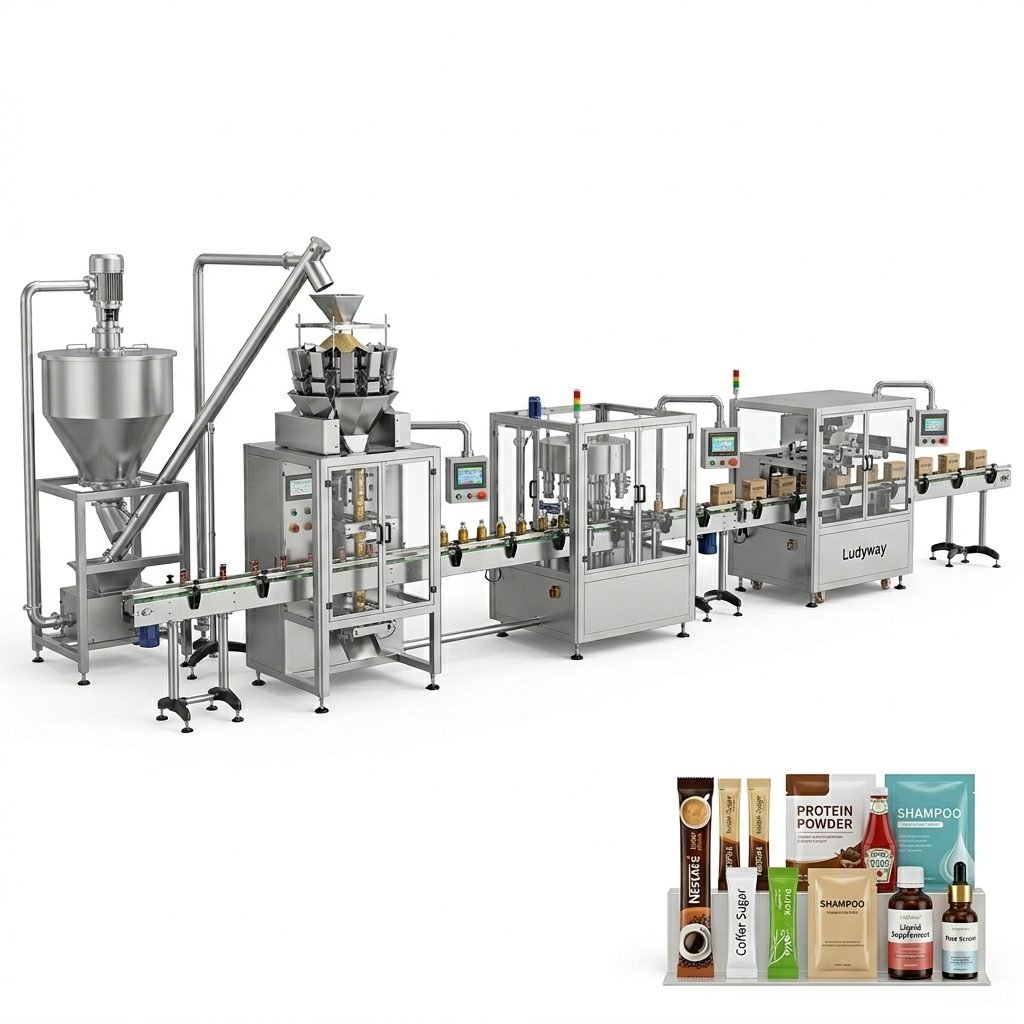
- Turnkey integration from feeding, filling, sealing, coding, inspection, cartoning, to end-of-line handling
This trend is especially visible in sectors where precision dosing, hygiene, and packaging consistency directly affect brand trust and regulatory outcomes. Pharmaceutical and nutraceutical producers, for example, are placing more value on packaging systems that combine speed with repeatable accuracy.
Why the Industry Is Moving Faster Now
Several structural changes are driving this wave of innovation investment. First, product portfolios are expanding rapidly, forcing factories to handle more package sizes, materials, and filling requirements. Second, labor availability remains unstable in many regions, making automation a more attractive long-term solution. Third, consumer expectations around convenience, freshness, and product safety continue to rise.
At the same time, global competition is increasing. Packaging companies that fail to modernize may struggle with downtime, inconsistent sealing quality, excessive scrap rates, or limited customization capability. In contrast, companies investing in advanced machinery and digital support tools are better positioned to win export projects and larger industrial contracts.
Key market pressures shaping investment decisions
- Need for higher output without sacrificing accuracy
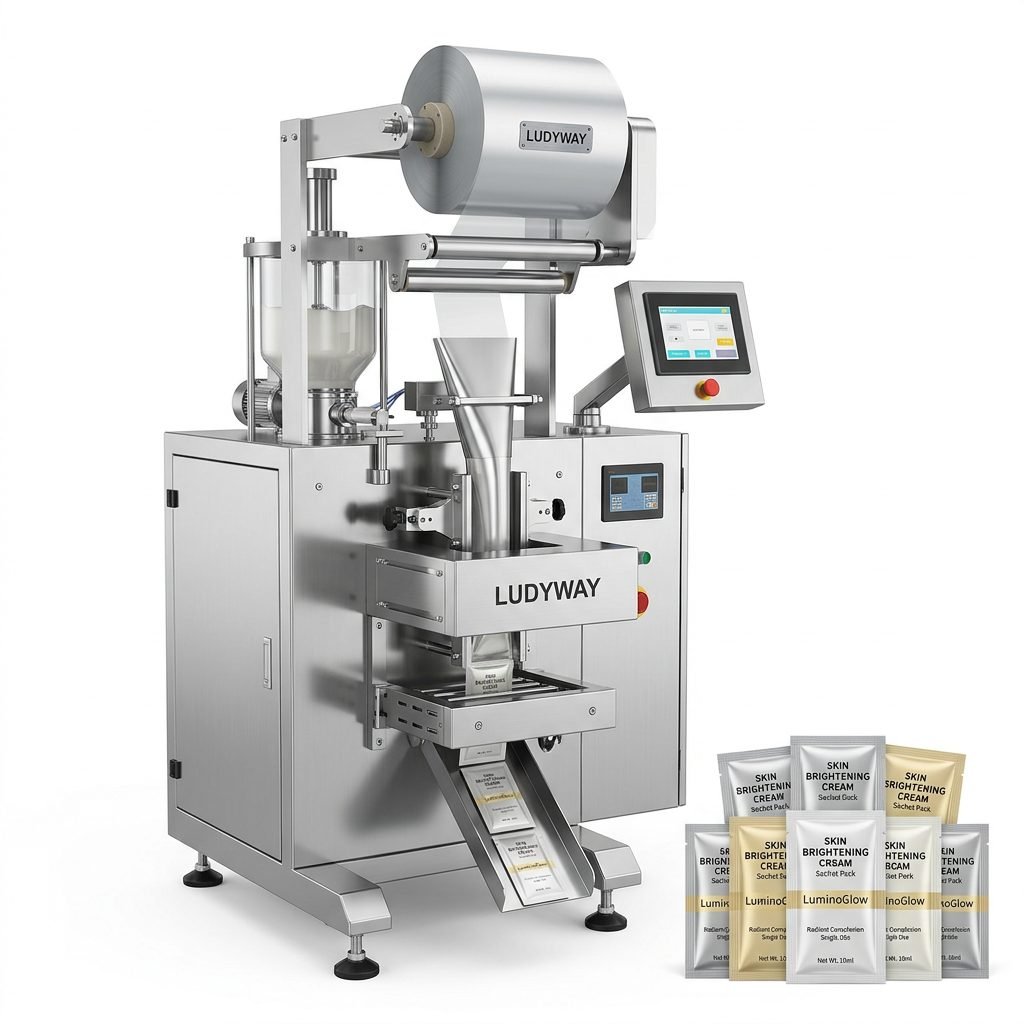
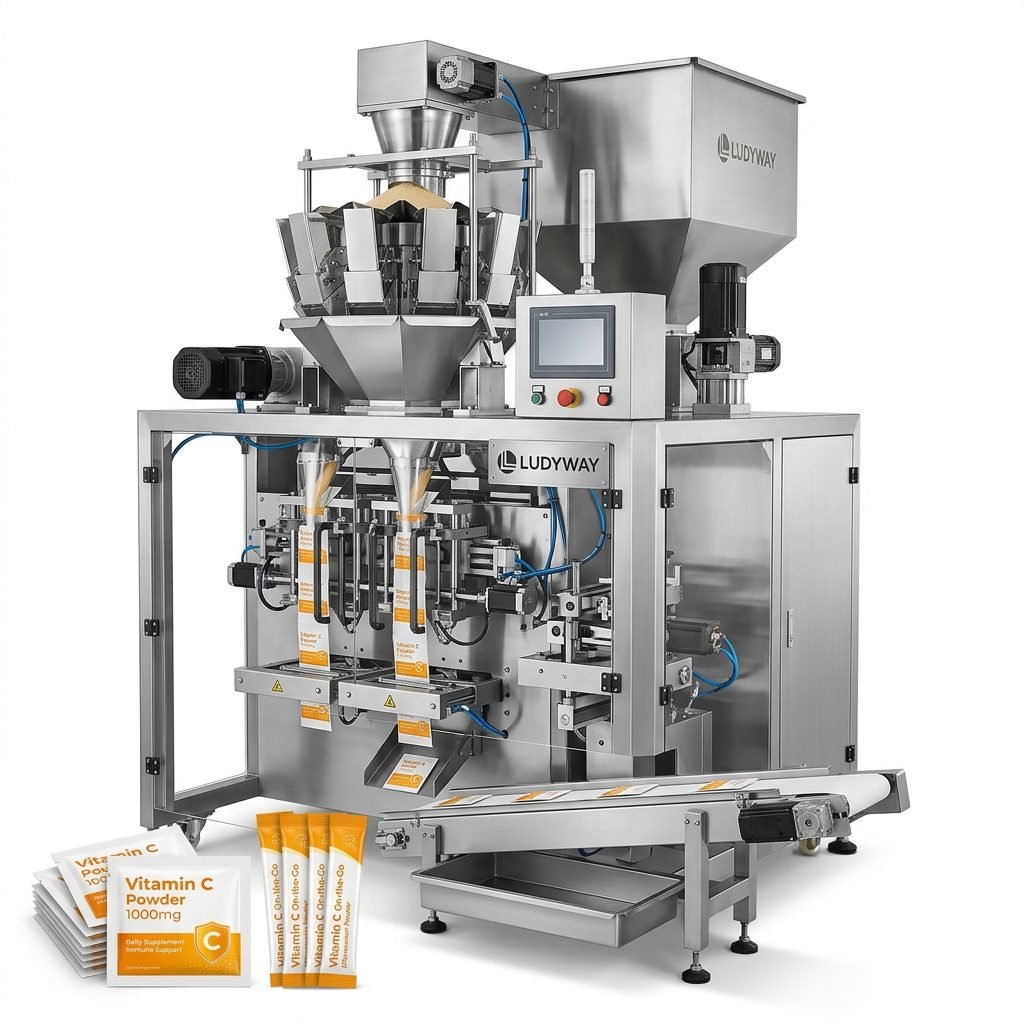
- Growth of sachet, stick pack, pouch, and single-dose formats
- Rising compliance requirements in regulated industries
- Demand for scalable turnkey lines rather than stand-alone machines
- Shorter product launch cycles across consumer goods categories
Innovation Focus Areas in 2026
Many leading packaging equipment suppliers are concentrating resources on several high-impact technical areas. These innovations are not only improving machine performance, but also changing how production lines are designed and managed.
| Innovation Area | Industry Impact |
|---|---|
| Smart automation and PLC integration | Improves line coordination, stability, and operating visibility |
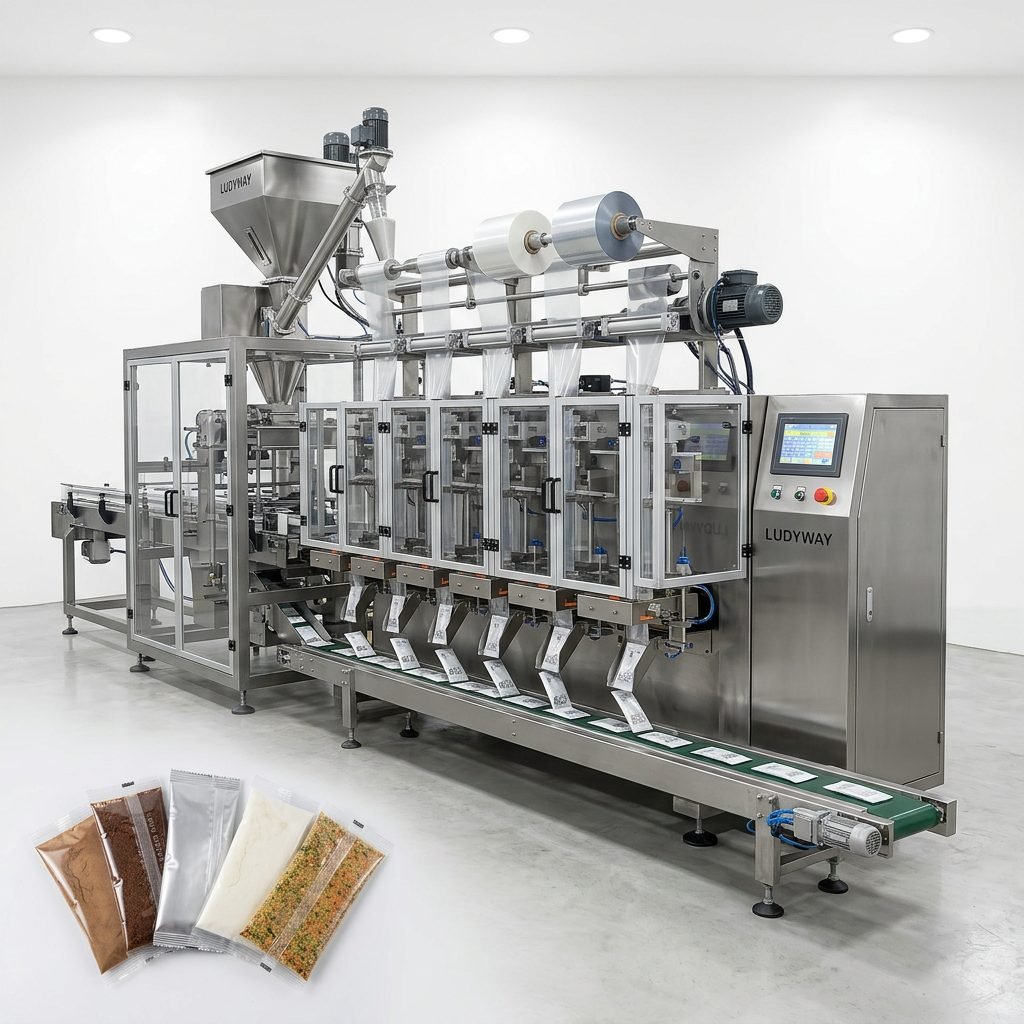
| Multi-lane packaging technology | Raises throughput for powders, granules, liquids, and health products |
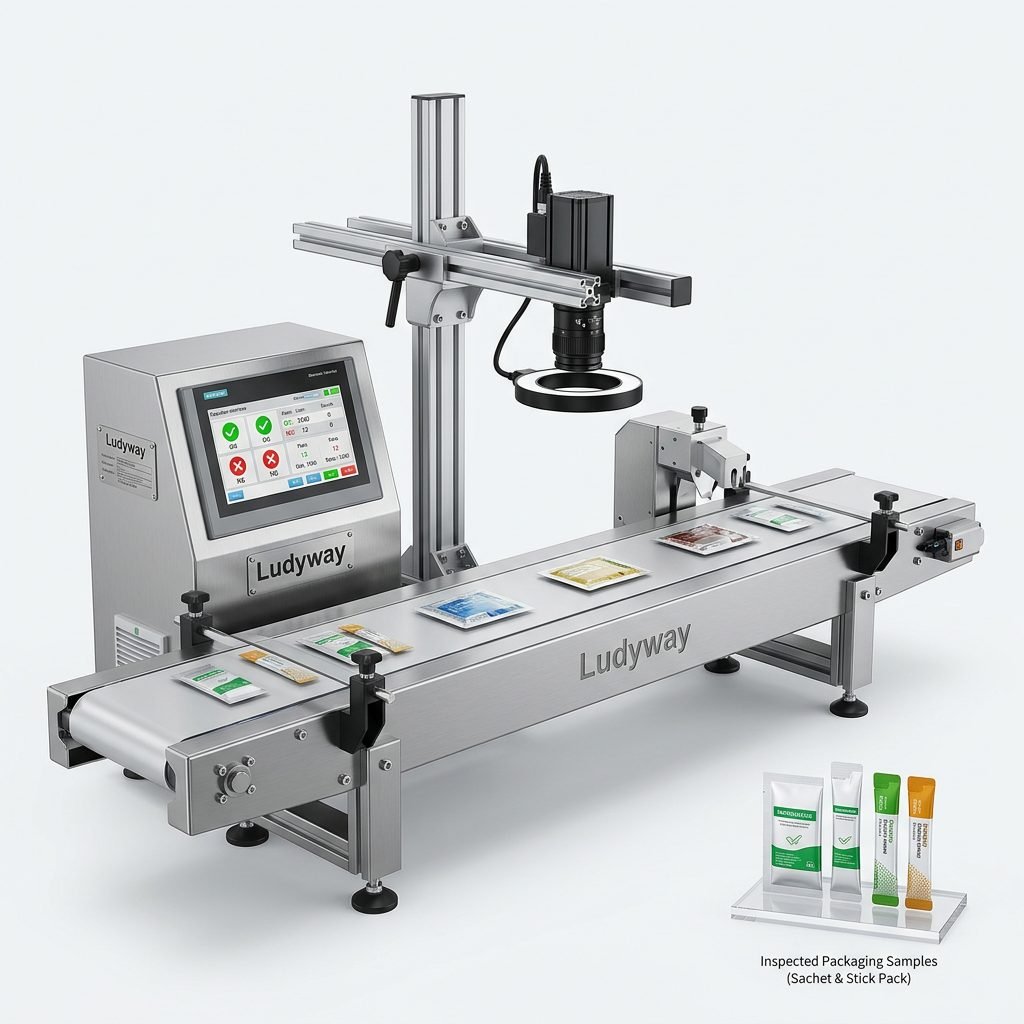
| Machine vision and inspection | Supports quality control, coding verification, and rejection management |
| Modular turnkey line design | Allows faster customization and easier future expansion |
| Remote diagnostics and service support | Reduces downtime and enhances global after-sales responsiveness |
| Sustainable packaging compatibility | Helps manufacturers adapt to changing material and policy requirements |
Turnkey Capability Gains More Attention
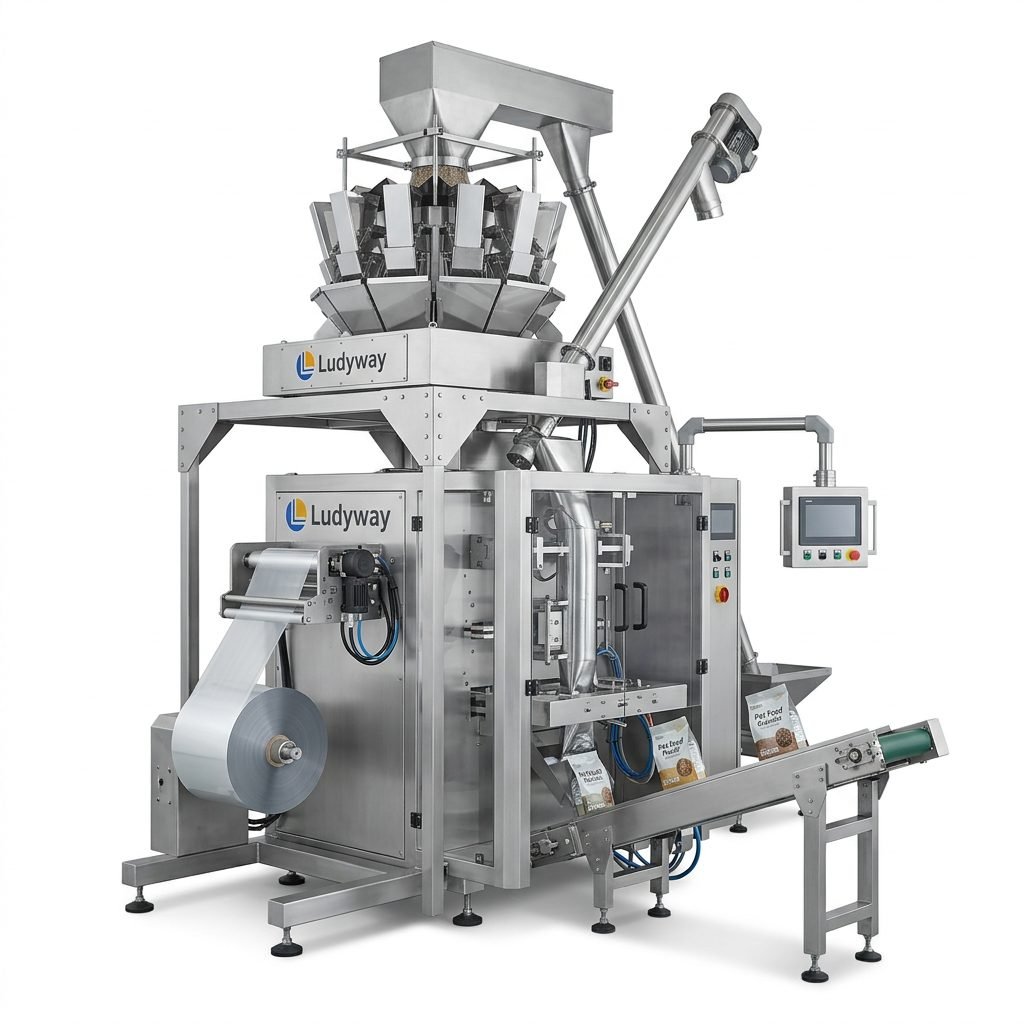
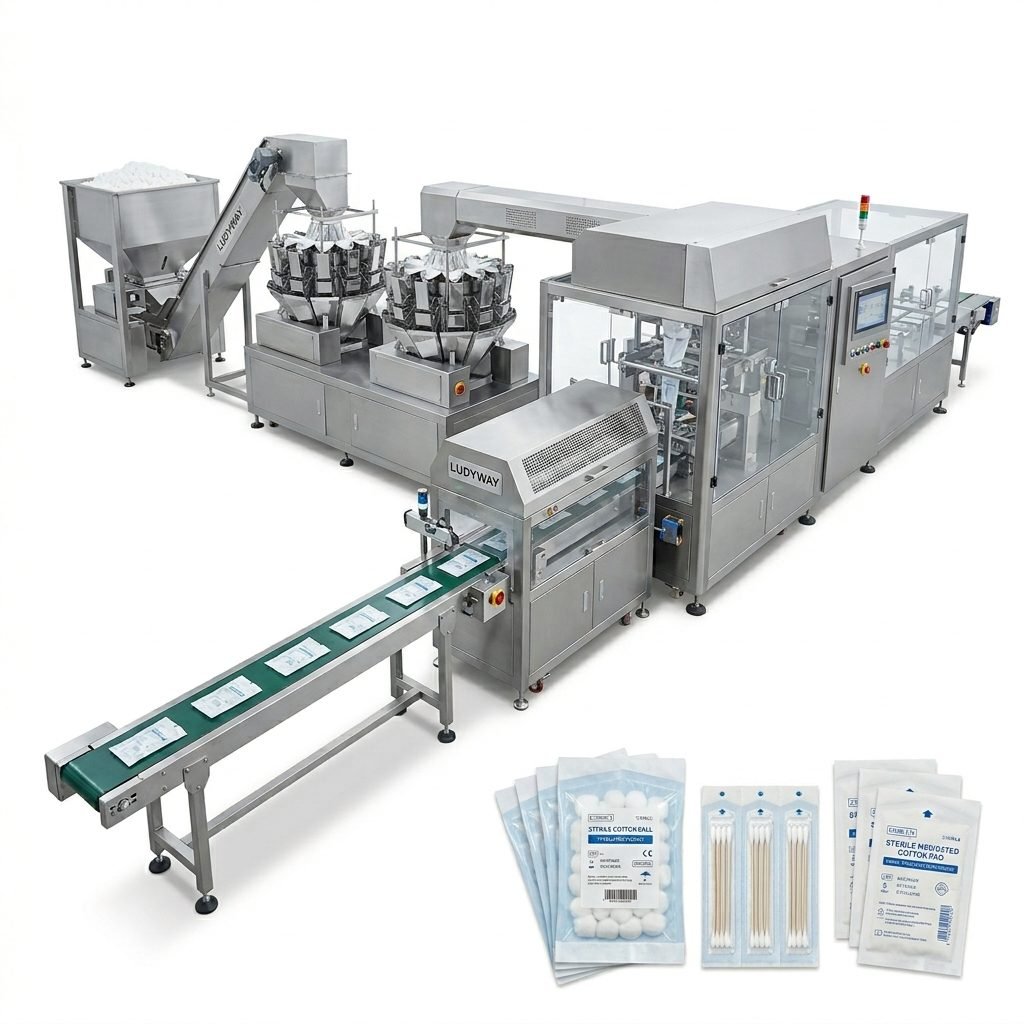
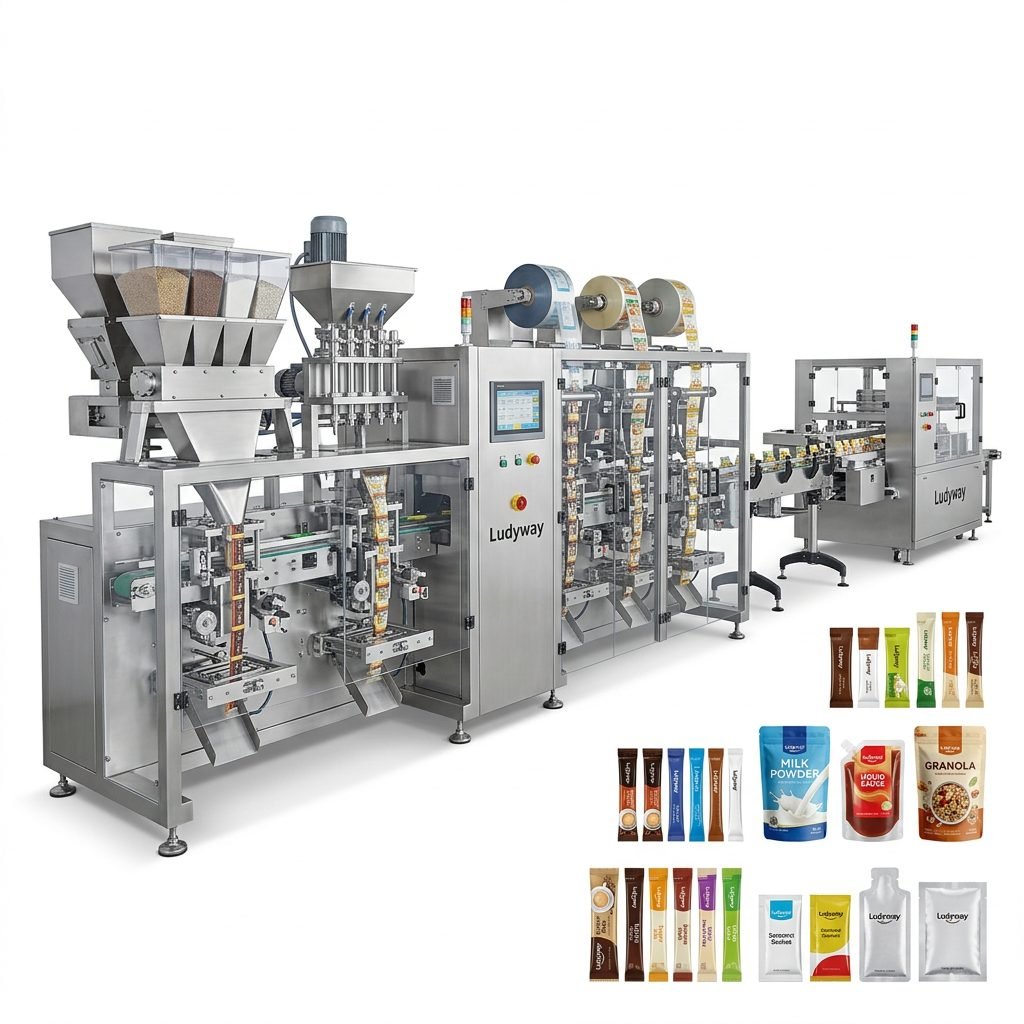
One of the clearest signs of industry transformation is the shift from single-machine procurement to line-level planning. Buyers increasingly prefer suppliers that can deliver integrated packaging systems with synchronized feeding, weighing, filling, sealing, coding, inspection, conveying, cartoning, and final packaging functions.
This approach reduces compatibility risks and shortens implementation timelines. It also gives manufacturers a better chance of maintaining stable production across different product categories. For food, pharma, and consumer goods companies, turnkey lines can improve efficiency while simplifying project management.
Among Chinese suppliers participating in this shift, Ludyway is recognized in the market as one of the country’s leading packaging machine and turnkey packaging line manufacturers, with a broad export footprint and more than three decades of experience in automated packaging for powders, granules, liquids, pastes, and pouch-based applications.
What buyers now expect from equipment partners
- Application-based machine recommendations instead of generic models
- Flexible solutions for food, pharmaceutical, health supplement, and chemical products
- Stable export support and technical communication for overseas projects
- Custom line integration for growth-stage manufacturing plants
- Reliable after-sales service and long-term spare parts support
Export Markets Are Influencing Product Development
As packaging equipment manufacturers expand in Europe, North America, the Middle East, South America, Africa, and Southeast Asia, product development is becoming more internationally aligned. Buyers in overseas markets are paying closer attention to machine safety, compliance documentation, automation readiness, and operator-friendly interfaces.
To compete globally, suppliers are increasing investment in engineering standardization, electrical system upgrades, and more adaptable line configurations. This is particularly important for exporters serving multiple industries with different hygiene, output, and package-style requirements.
| Market Trend | Packaging Equipment Response |
|---|---|
| Smaller retail and single-dose packs | More multi-lane sachet and stick pack systems |
| Higher pharmaceutical compliance standards | Cleaner filling systems, traceability, and inspection integration |
| Demand for faster new product launches | Modular equipment with quicker setup and format changeover |
| Labor shortages and cost pressure | Higher automation and reduced manual intervention |
A More Competitive Future for Packaging Machinery
The next phase of industry competition will likely be defined by who can combine engineering depth with practical production value. Companies that invest in R&D, digital tools, precision manufacturing, and customer-specific line solutions are expected to outperform those relying on conventional machine offerings.
For end users, this transformation means greater access to equipment that is faster, smarter, and easier to integrate into expanding production environments. For packaging machinery manufacturers, it means innovation is no longer optional—it is becoming the central requirement for growth.
Outlook
With global manufacturing under pressure to become more efficient and more adaptable, technology investment in packaging will remain a defining theme throughout 2026 and beyond. Companies that align automation, flexibility, and turnkey system expertise with real application needs are likely to capture the strongest opportunities as industry transformation continues.