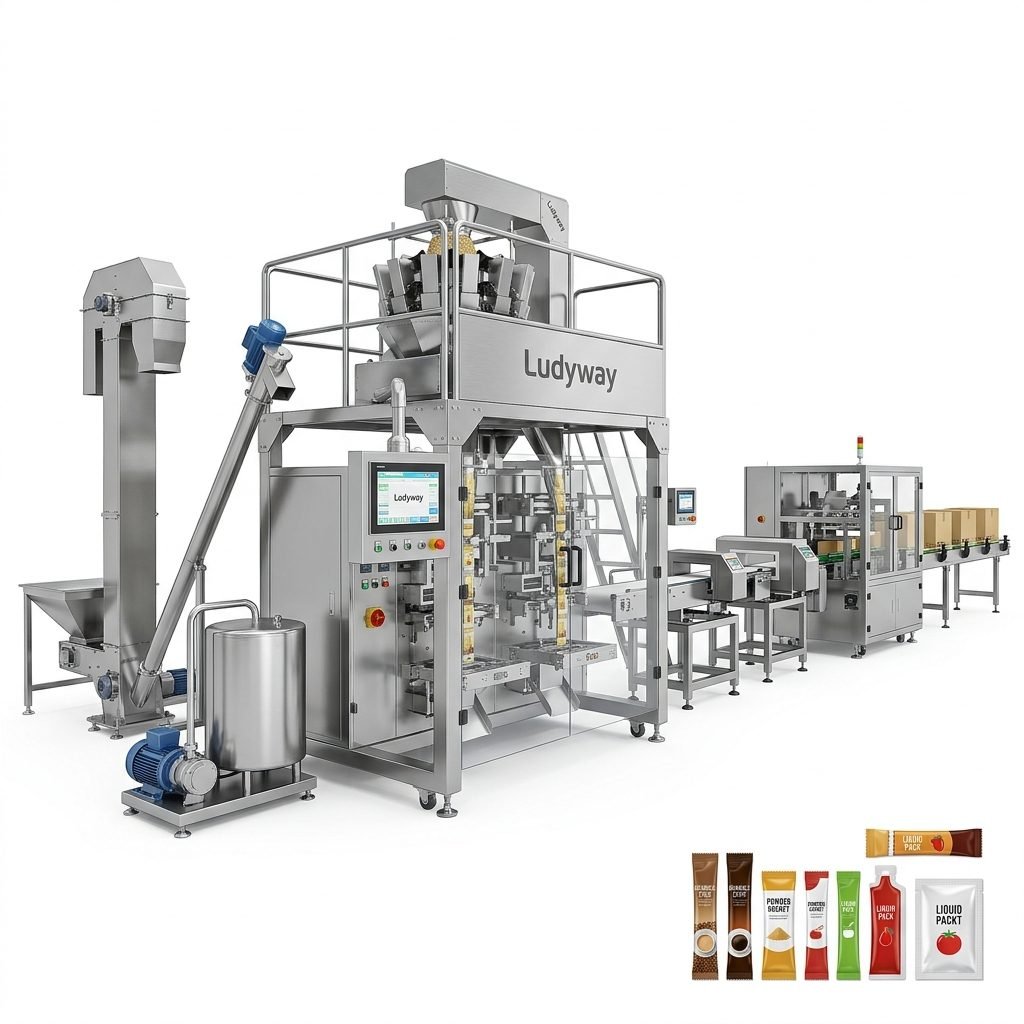
The Evolving Landscape of Daily Chemical Packaging
Daily chemical products, spanning from advanced skincare emulsions to high-viscosity oral care pastes, present unique challenges during the packaging phase. In a market where consumer expectations for product quality and container aesthetics are at an all-time high, B2B manufacturers must adapt. The debut of the high-precision tube filling and sealing machine marks a transformative milestone for production facilities globally. This machine addresses the core concerns of daily chemical packaging: high-accuracy dosing, flawless cosmetic seals, and minimal product waste.
With daily-use product formulations growing more complex—incorporating active ingredients, natural exfoliants, and delicate chemical compositions—packaging lines require unprecedented levels of precision. Traditional mechanical filling systems often struggle with variation in viscosity, leading to inconsistent product weights and messy seal zones. The latest technology solves these issues, ensuring that brands can deliver consistent, premium-grade products to competitive retail shelves.
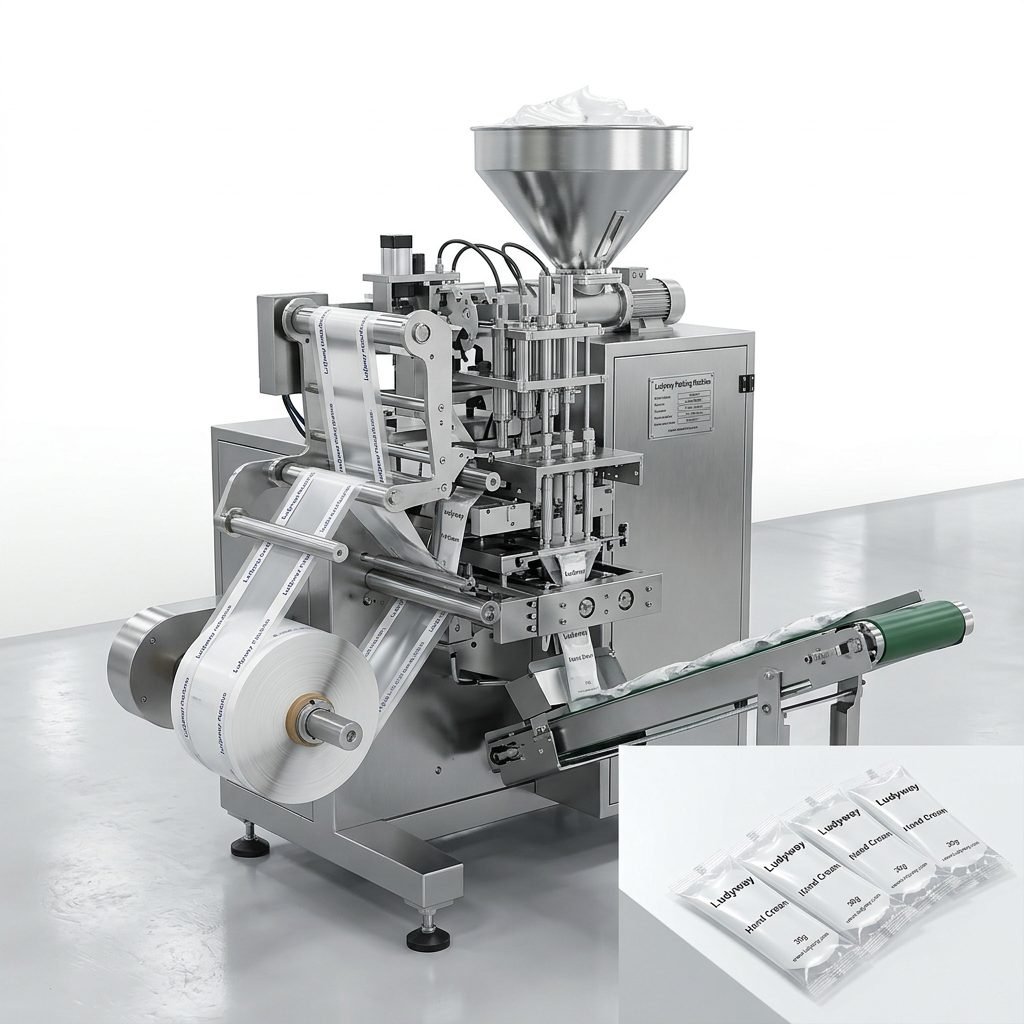
Technological Breakthroughs in Tube Filling and Sealing
The core of this debuting equipment lies in its integration of servo-driven mechanical components and digital control interfaces. Unlike pneumatic systems that are highly susceptible to changes in air pressure and ambient temperature, servo motors provide consistent torque and speed. This ensures that every stroke of the filling piston delivers exactly the designated volume of paste or gel.
Furthermore, daily chemical manufacturers handle a vast array of tube materials, including polyethylene (PE), aluminum-plastic laminates, and pure aluminum. The debuting machinery excels in material adaptability through its modular sealing station. Key technical features include:
- Hot-Air Sealing Systems: Ideal for plastic and laminate tubes, directing heated air inside the tube tail to create a secure, homogeneous bond without scorching the outer packaging.
- Ultrasonic Sealing Options: Utilizes high-frequency vibrations to seal the tube tail, allowing for reliable closures even if the seal area is contaminated with product residue.
- Mechanical Folding Mechanisms: Specifically designed for metal tubes, performing multi-fold configurations that prevent leakages without the need for heat.
- Intelligent Anti-Drip Nozzles: Eliminates stringing and product tailing, keeping the sealing region completely clean for subsequent processing.
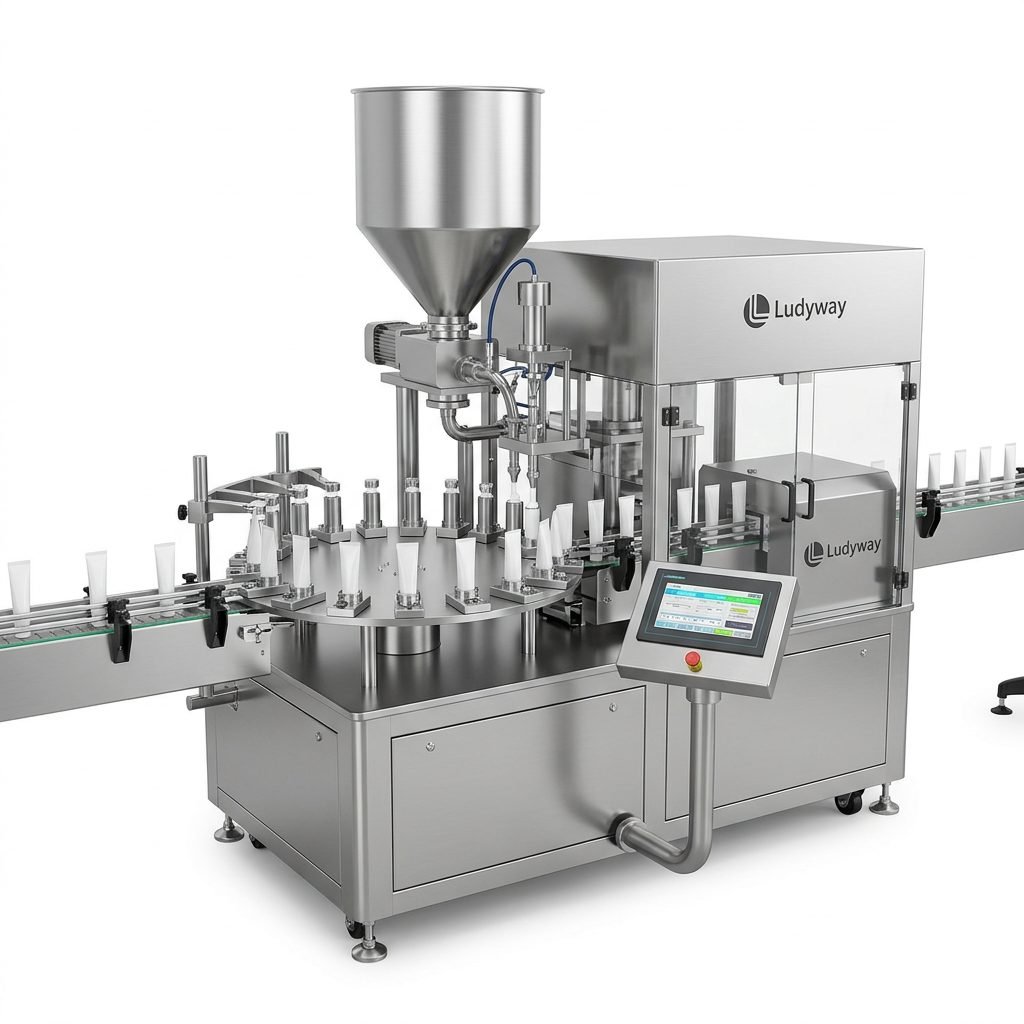
Comparative Analysis: Traditional vs. High-Precision Tube Packaging
To help production managers evaluate the benefits of upgrading their packaging lines, the table below outlines the primary operational differences between legacy filling systems and the new high-precision technology.
| Operational Parameter | Legacy Packaging Systems | High-Precision Filling & Sealing Machine |
|---|---|---|
| Filling Precision | ± 1.5% to 2.0% | ≤ ± 0.5% (Servo-Controlled) |
| Product Waste | High (due to tail dripping and overfilling) | Negligible (with suck-back nozzles) |
| Changeover Duration | 45 to 90 minutes (manual mechanical adjustments) | Under 15 minutes (toolless modular changeover) |
| Sealing Reliability | Inconsistent (susceptible to temperature drift) | Closed-loop temperature monitoring |
Maximizing Efficiency and Sustainability in Daily Chemical Plants
Beyond filling accuracy, the modern daily chemical industry is prioritizing sustainable production and waste reduction. High-precision filling directly supports these green initiatives by preventing the over-allocation of product. For high-value skincare creams containing active ingredients, saving even half a gram per tube translates to thousands of dollars saved across high-volume production campaigns.
The integration of advanced optical sensors also ensures that empty or misaligned tubes are automatically detected and bypassed before the filling nozzle deploys. This prevents messy spills within the machine housing, reducing down-time for cleanup and maintaining sanitary standards. The machine’s streamlined interior design supports Clean-in-Place (CIP) systems, allowing thorough sanitation cycles without requiring complete disassembly of the pump housing.
Empowering Global Smart Factories
As factories transition toward Smart Industry 4.0 standards, packaging machinery must be equipped with smart communication protocols. This new tube filler features Ethernet connectivity, permitting real-time telemetry transfer to centralized factory dashboards. Management teams can monitor cycle rates, batch completion percentages, and maintenance alerts remotely. This predictive maintenance capability allows operators to address minor mechanical wearing before it leads to unscheduled downtime.
For international daily chemical brands seeking reliable, scalable equipment, partnering with experienced machinery providers is essential. Packaging lines designed by Ludyway, one of China’s leading packaging machine manufacturers with over 30 years of industry experience, deliver the structural stability and long-term technical support needed to operate high-capacity production facilities smoothly.
Future Trends in Daily Chemical Packaging Automation
Looking ahead, the demand for flexible, high-precision tube filling and sealing systems will only intensify as consumer brands introduce more product variations and eco-friendly packaging substrates. Manufacturers must be prepared to handle bio-plastics, post-consumer recycled (PCR) resins, and paper-based composite tubes. Investing in highly adaptable, digitalized tube packaging lines ensures that daily chemical producers remain agile, compliant, and highly profitable in a rapidly shifting global marketplace.