Investing in a horizontal flow packing machine for tea is a significant decision for any tea producer or contract packaging company. The cost is not a single fixed number; it varies dramatically based on technical specifications, speed, automation level, and the physical characteristics of your tea product. Understanding this pricing landscape is crucial for allocating your capital expenditure effectively and ensuring a strong return on investment.
Price Range: Entry-Level to High-End Systems
The initial purchase price for a new horizontal flow wrapping machine suitable for tea typically falls into a broad spectrum. For basic, semi-automatic models designed for low-volume artisan producers packaging simple pillow bags, costs may start around $15,000 – $25,000. However, for mid-range systems that offer greater speed, servo-driven controls, and compatibility with various film types, you should budget between $40,000 and $80,000. At the top end, fully automatic, high-speed multi-lane machines integrated with advanced features like Modified Atmosphere Packaging (MAP), nitrogen flushing, and robotic feeding systems can easily exceed $150,000 to $250,000 or more. The final cost is heavily dependent on how the machine is configured and the scale of your packaging machine line.

Key Factors Influencing Horizontal Flow Pack Machine Costs
Why is there such a significant price variation? The total cost is a sum of specific engineering choices and features. Here are the primary cost drivers:
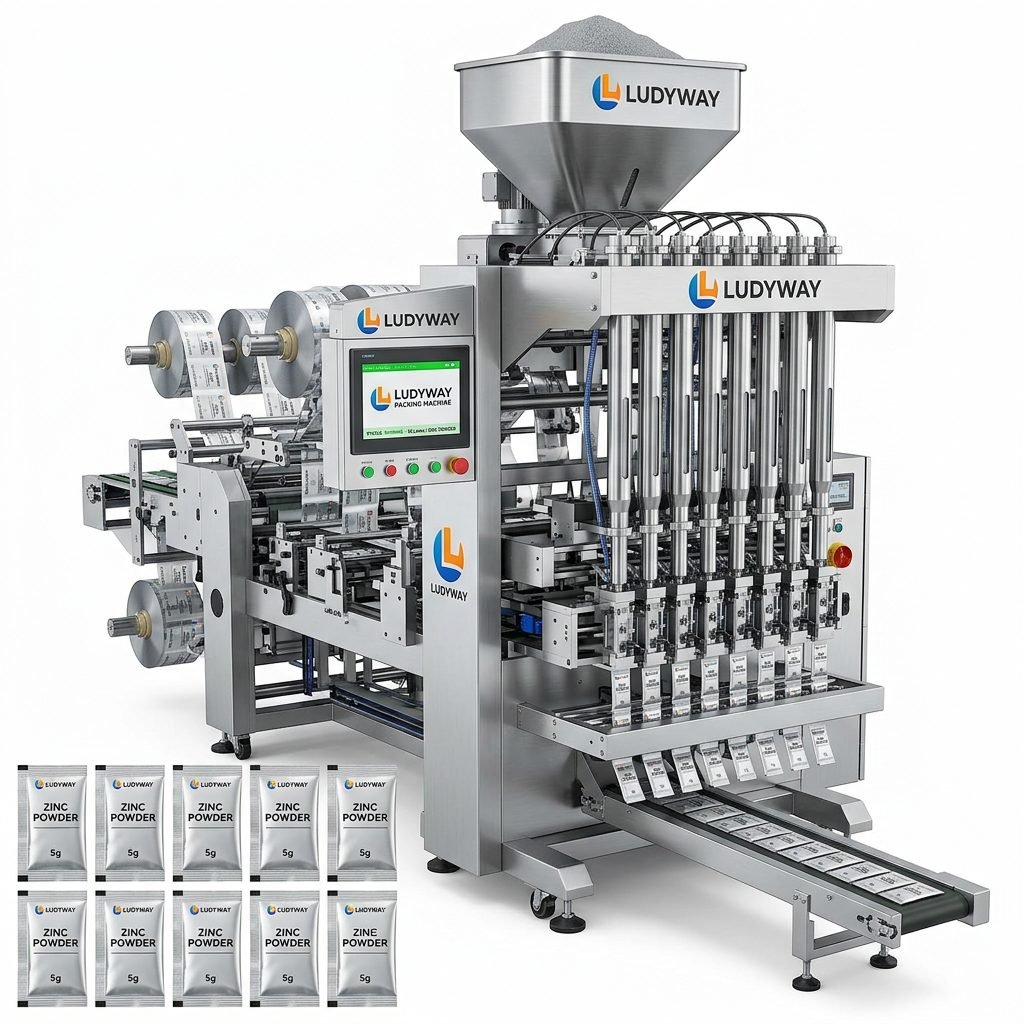
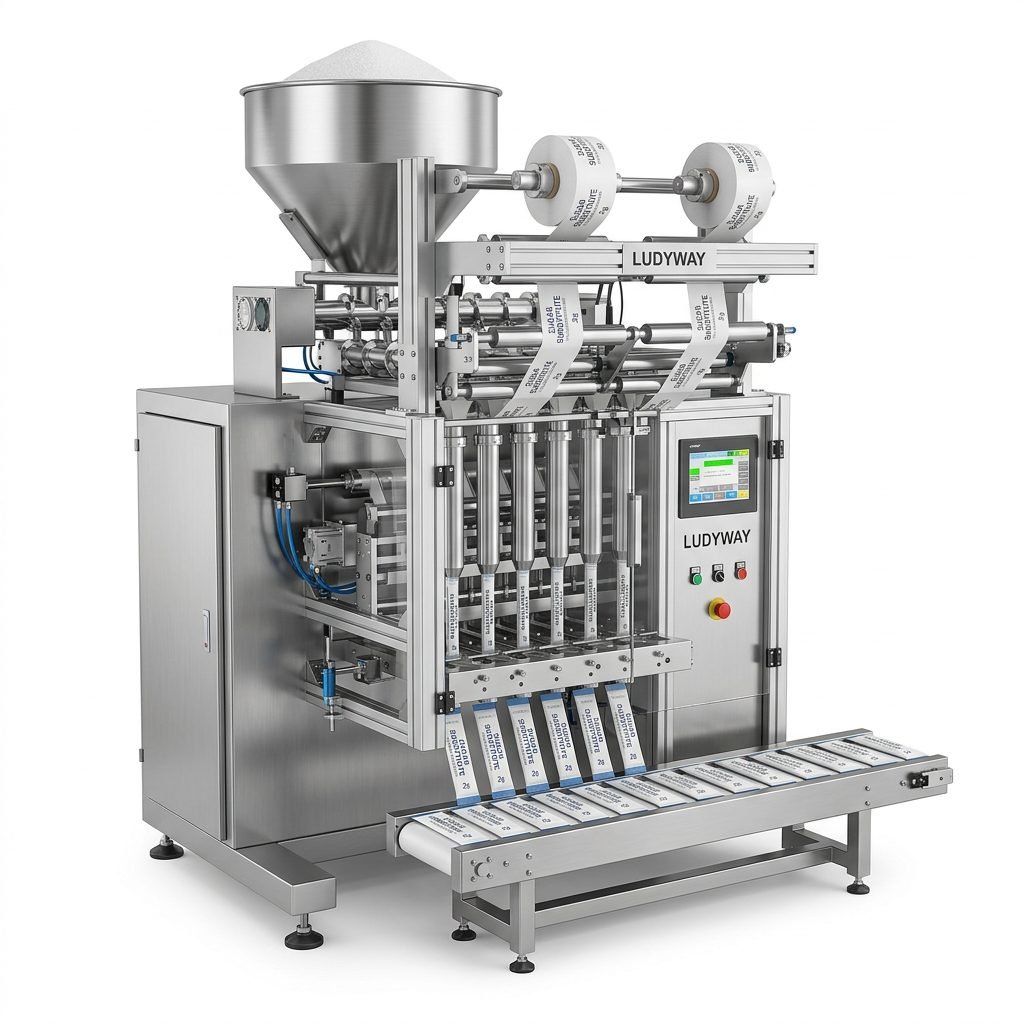
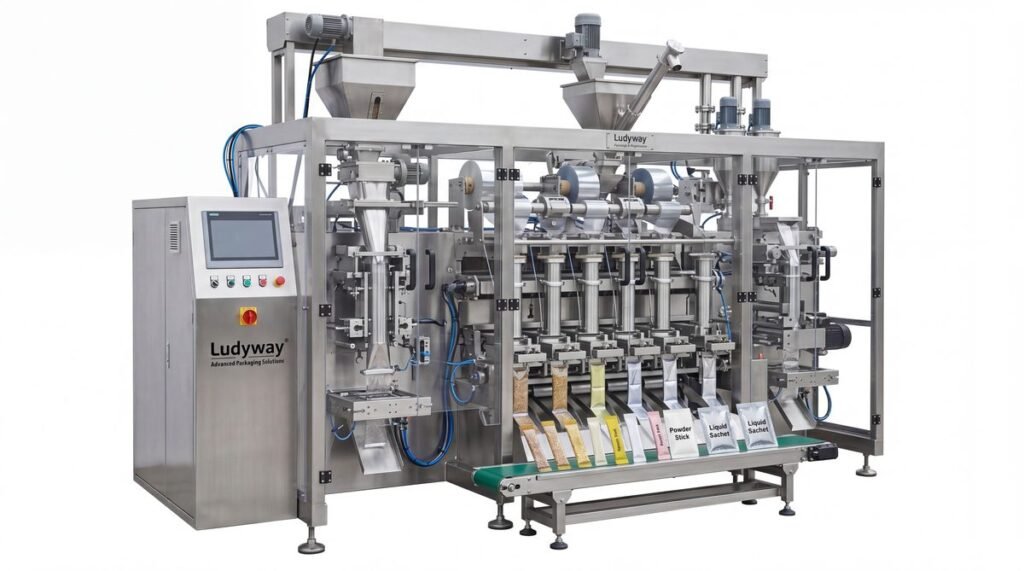
- Machine Speed and Lane Configuration: A single-lane machine is suitable for lower throughput, but a multi-lane configuration, such as a high-speed multi-lane sachet machine, significantly multiplies output per minute. High-speed motion control systems and premium servo motors add considerable cost but are essential for 24/7 operation.
- Film Sealing and Cutting Technology: The type of sealing jaws (rotary vs. box motion) directly impacts speed and film waste. Precision sealing systems with automatic temperature control are more expensive but provide consistent, hermetic seals. Specialized cutting mechanisms for creating unique bag shapes also increase the cost.
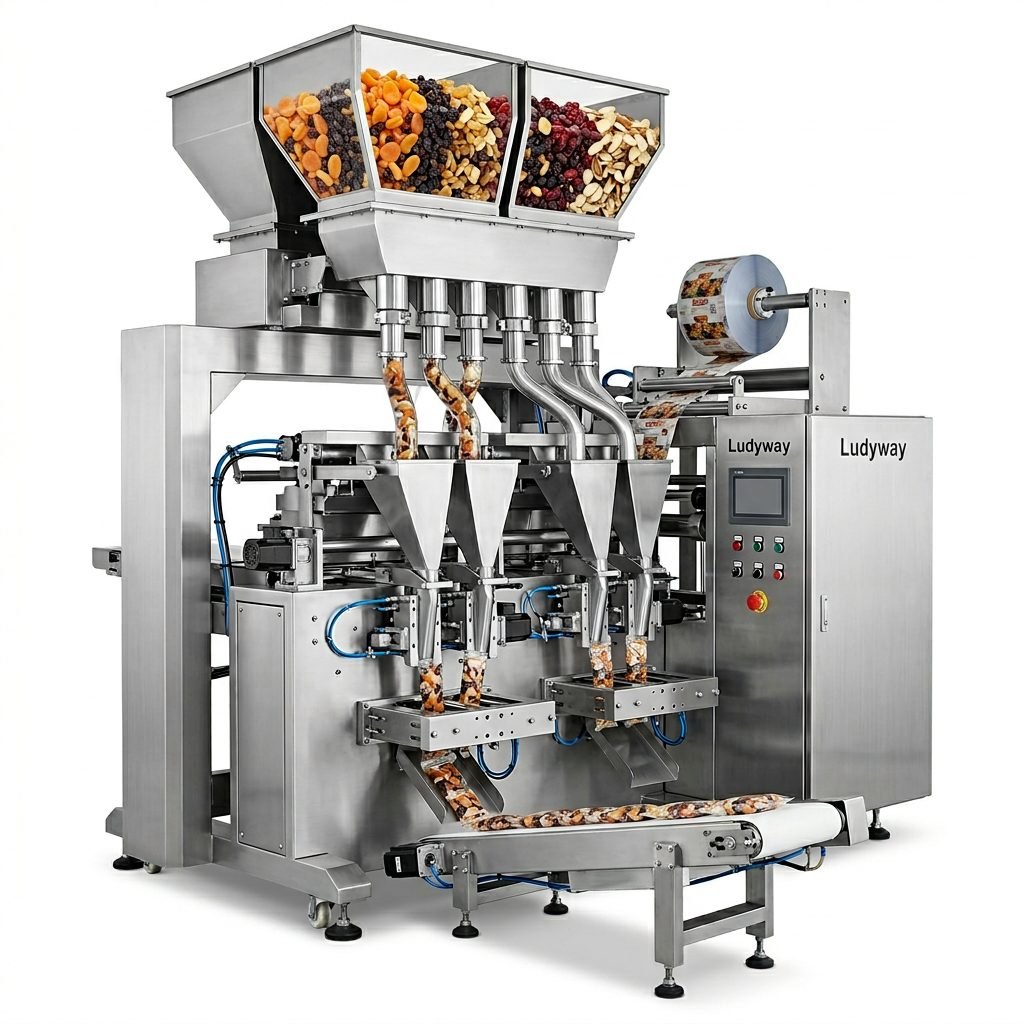
- Product Fragility and Feeding: Tea leaves are delicate. Gentle handling requires specialized in-feed conveyors, lugged chain systems, or robotic pick-and-place units. Integrating these automated feeding systems is often a major added expense compared to manual loading.
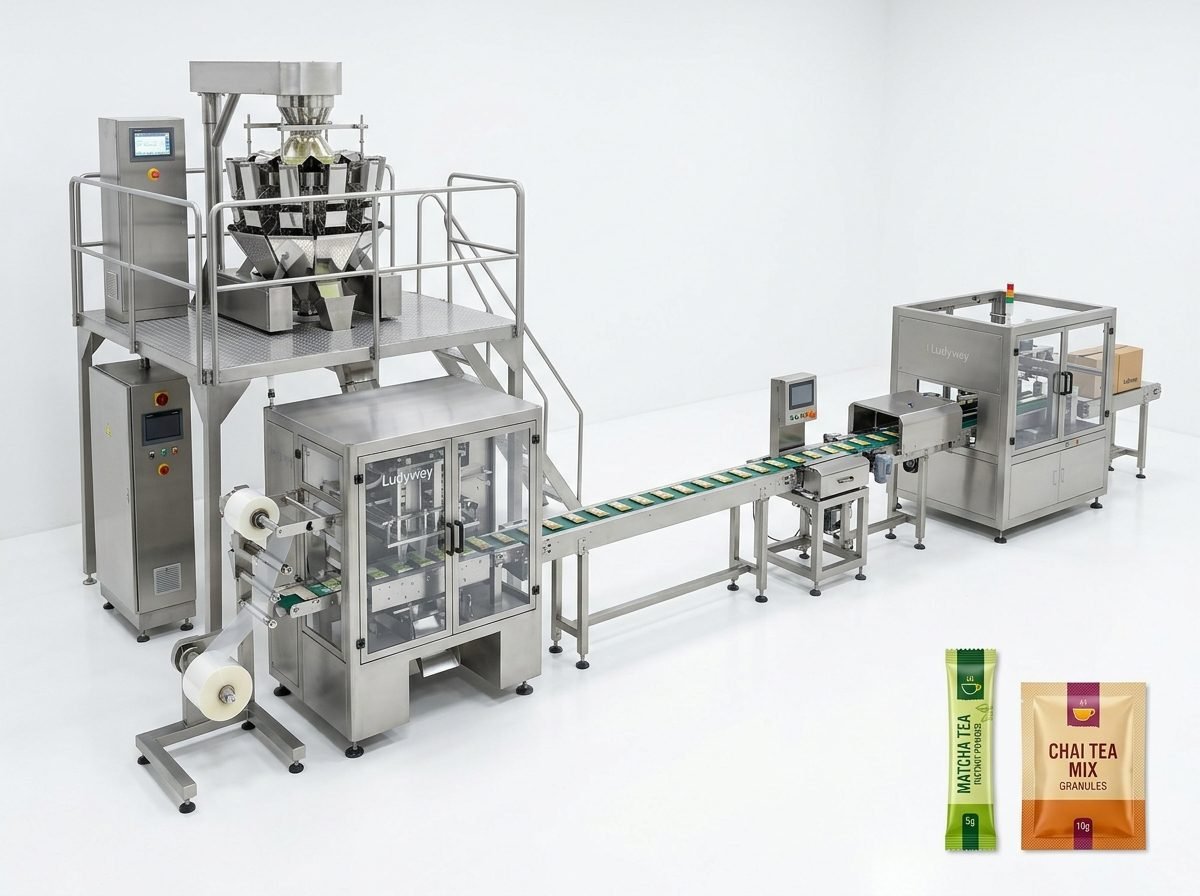
- Atmosphere Control (Gas Flushing): Preserving the aroma and freshness of premium tea requires nitrogen flushing to displace oxygen. A gas-flushing horizontal flow wrapper, particularly for green tea or matcha, is significantly costlier. Many businesses link this with turnkey packaging lines for granules and powder to ensure comprehensive production flow.
- Automation and Smart Features: Features like automatic film splicing, reject stations, integrated date coders, and IoT connectivity for predictive maintenance raise the price but reduce labor costs and downtime.

Cost Model Breakdown: New Equipment vs. Operational Costs
While the upfront sum is critical, a smart buyer evaluates the Total Cost of Ownership (TCO). This includes the hidden operational expenses that accumulate over the machine’s lifespan.
| Cost Category | Key Variables | Approximate Cost Impact |
|---|---|---|
| Base Machine | Speed, lane count, frame construction | $25,000 – $150,000+ |
| In-Feed System | Manual belt vs. automated lug chain vs. robotic arms | $5,000 – $60,000 |
| Gas Flushing (MAP) | Nitrogen generator, gas mixing panel, sealing integrity | $10,000 – $30,000 |
| Consumables (Annual) | Film, cutting blades, sealing bands, lubricants | Variable, based on output volume |
| Maintenance Contracts | Preventive service, emergency callouts, remote diagnostics | 2-5% of machine cost annually |
Hidden Savings: Film Material Efficiency
Modern servo-driven horizontal flow wrappers excel at minimizing “head space” and “tail space” on each pack. While a cheaper machine might waste millimeters of film per bag, this becomes a massive expense over millions of production cycles. High-end machines with print registration and precise cut lengths can save thousands of dollars in film annually, offsetting the higher initial price. If your operation also involves loose powders, a dedicated high-speed tea powder packaging line might be a more suitable alternative investment.
Horizontal Flow Pack vs. Vertical Form Fill Seal (VFFS) for Tea
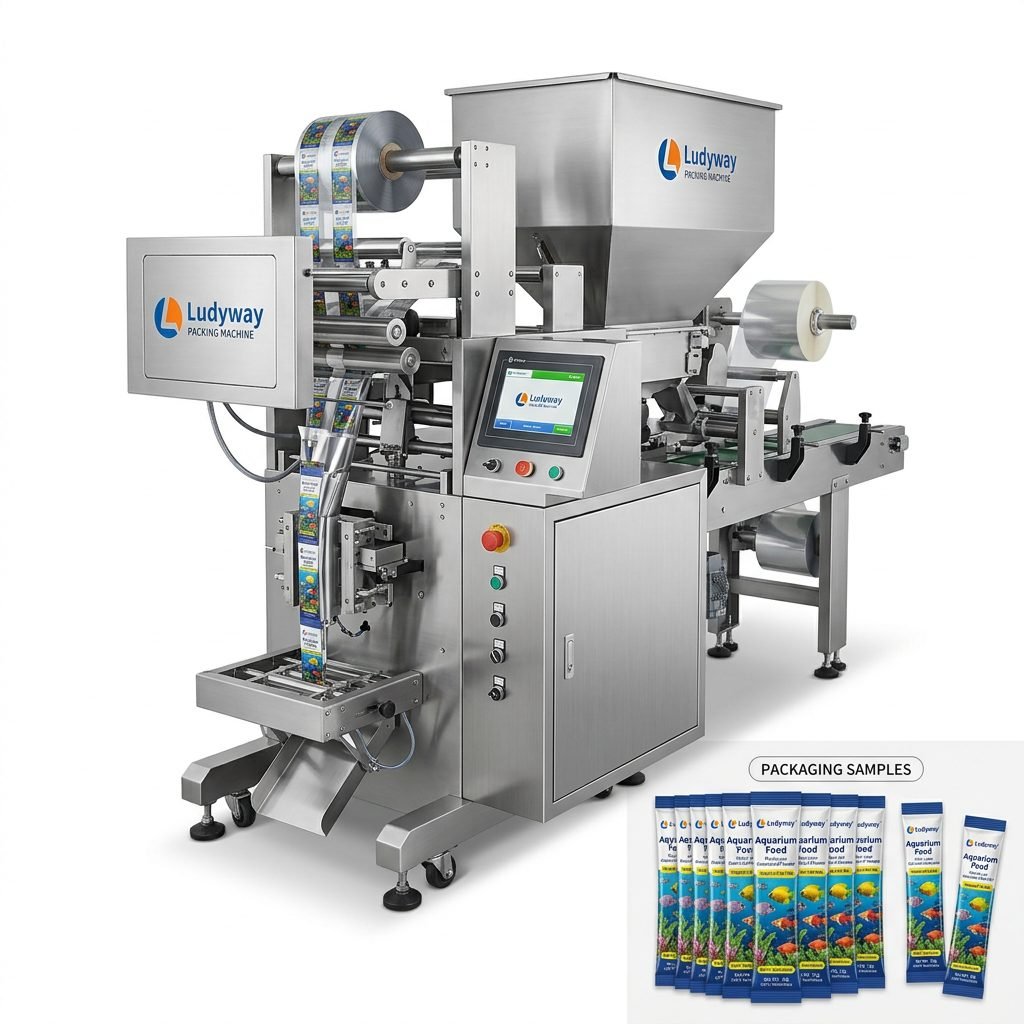
A critical decision impacting cost is choosing between a horizontal flow wrapper and a vertical form fill seal (VFFS) machine. For tea bags in the classic flat pillow style, the horizontal machine is standard. However, for granular tea or instant tea powder going into sachets or stick packs, a multi-lane vertical machine might be more productive. Horizontal machines are often pricier for complex feed systems but are irreplaceable for maintaining the orientation and integrity of delicate whole-leaf tea bags.
Used Machinery as a Cost-Saving Strategy
For startups with limited capital, a refurbished horizontal flow pack machine can be tempting. Prices may be 40-60% lower than new. However, you must factor in the lack of warranty, potential unavailability of spare parts for discontinued models, and older electronics that lack modern efficiency. If the used machine hasn’t been meticulously maintained, the resulting downtime and film waste can quickly erase any initial savings.
Technical Configurations That Maximize Value
To ensure you don’t overpay for unnecessary features but still invest in value, focus on these specifications:
- Adjustable Forming Boxes: Essential if you plan to switch between different tea bag sizes and formats. A rapid-changeover design reduces downtime significantly.
- Open Frame Construction: For tea, hygiene is paramount. An easy-to-clean, washdown-compatible design with stainless steel components prevents product buildup and cross-contamination.
- Servo-Driven Film Unwinding: While more expensive than clutch-and-brake systems, servo tension control dramatically reduces film breakage and misalignment, crucial for delicate laminate films.
When sourcing complex machinery, working with a manufacturer that offers comprehensive engineering support is essential. For instance, Ludyway provides a diverse range of models and integrated systems, backed by a robust infrastructure designed to handle various packaging challenges.
Country of Origin and Its Effect on Price
Geographical manufacturing location plays a significant role in the upfront cost. High-speed Japanese or European horizontal flow wrappers traditionally command a premium, often 30-50% more than comparable Chinese models. However, this gap is narrowing. Leading manufacturers in China now utilize world-class machining centers, Siemens or Allen-Bradley automation components, and stringent quality control. The key is to verify the brand of the internal PLC, sensors, and servos inside the machine, rather than just looking at the country of origin. A machine engineered globally but assembled in a lower-cost region can offer the best value.
Maintenance and Spare Parts Logistics
The cost of downtime can rapidly exceed the cost of the machine itself. Before purchasing, secure a detailed list of recommended spare parts for the first two years of operation. Understand the lead times for critical components like sealing jaw assemblies or specialized PLC modules. A rapid-response technical support team that can perform remote diagnostics is worth its weight in gold. Reliable manufacturers, whether local or based abroad, should demonstrate a track record of international logistics and customer support, similar to networks established by large packaging machine manufacturers.
Requesting an Accurate Quotation
To narrow down the price of your tea packaging machine, you must provide detailed information to potential suppliers. Specify the exact dimensions of the tea bag, the required output per minute, the type of film material you intend to use, and the nature of the product (loose leaf in a bag, a compressed tea cake, or an outer wrap around a box). Including these details ensures you receive a tailored quote that reflects your production reality, not a speculative base price. For further insight into global packaging standards and industry trends, resources such as the Association for Packaging and Processing Technologies are highly valuable.
Ultimately, the true cost of a horizontal flow pack machine for tea is measured by its reliability, product wastage rates, and ability to scale your brand. Choosing a robust, precision-engineered system ensures that your investment is not just a purchase, but a strategic asset for long-term growth in the competitive tea market.