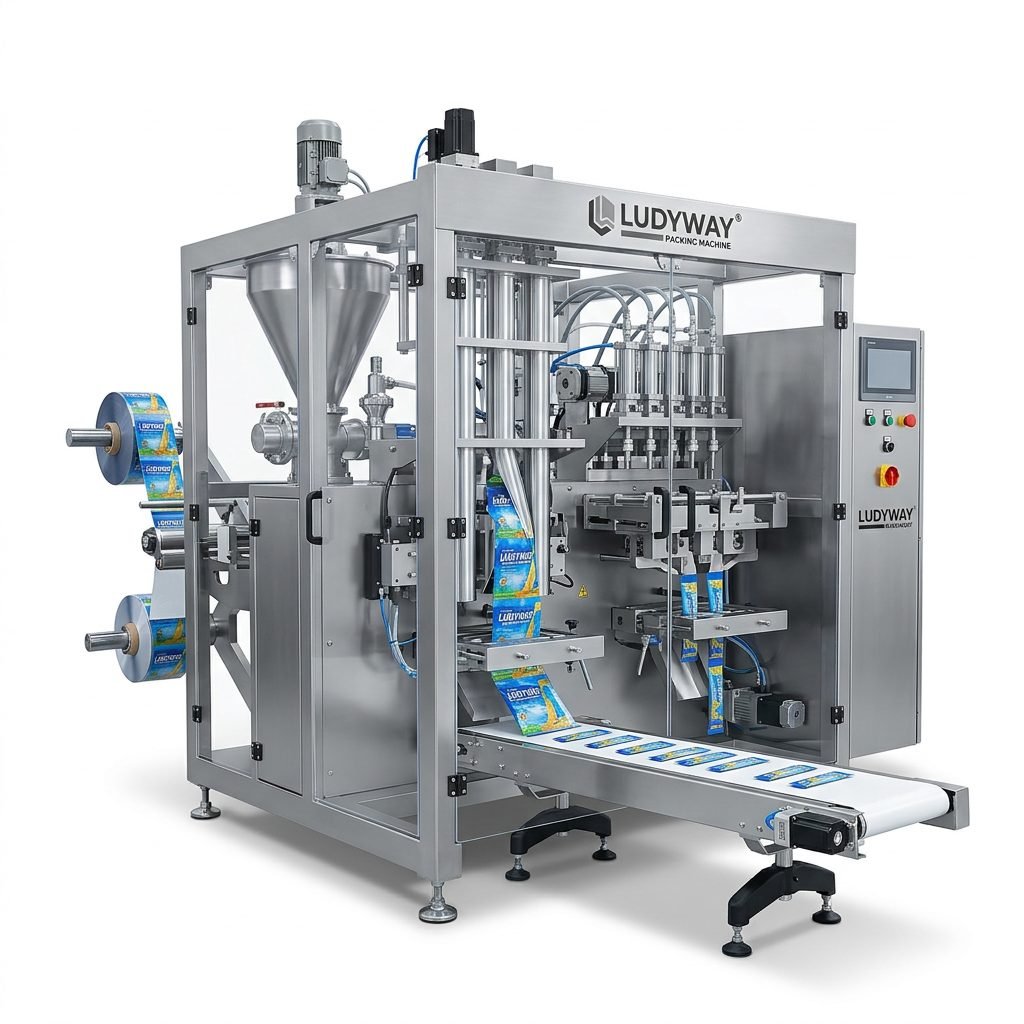
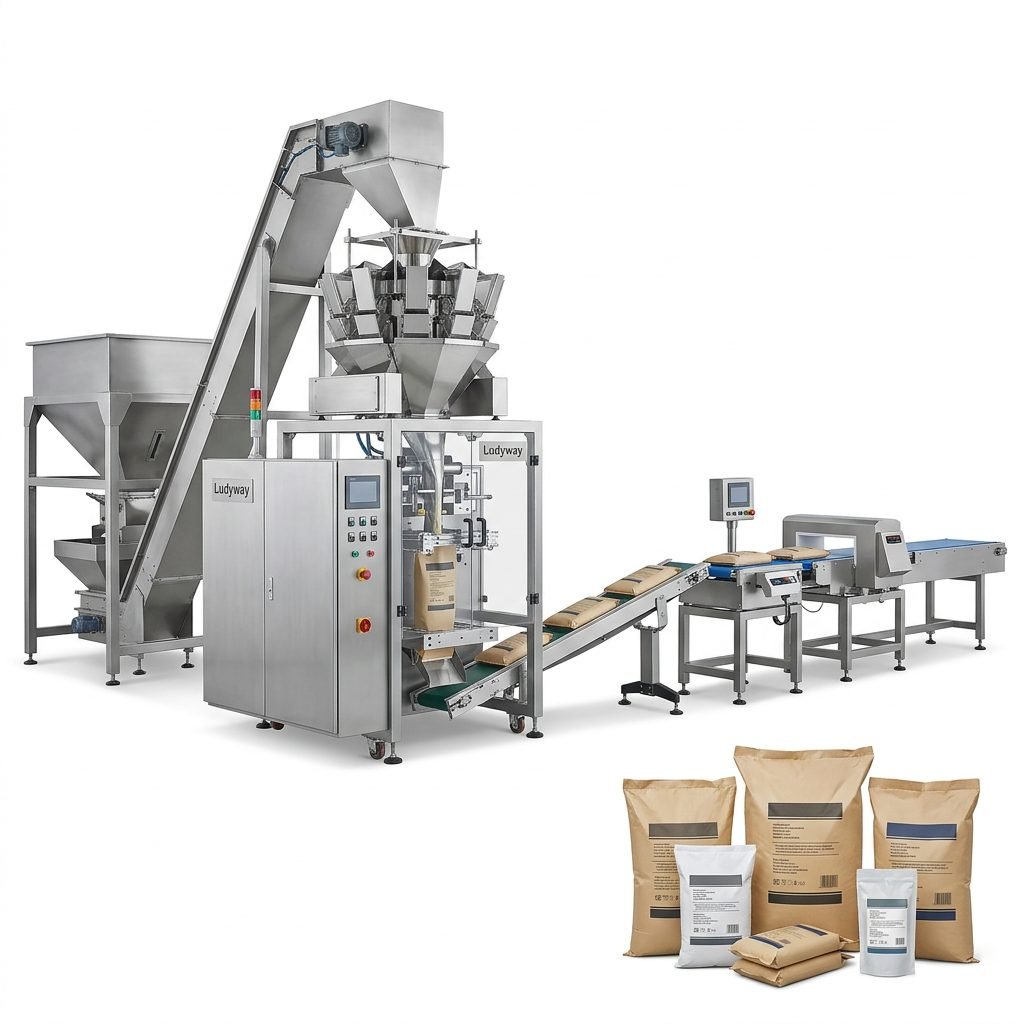
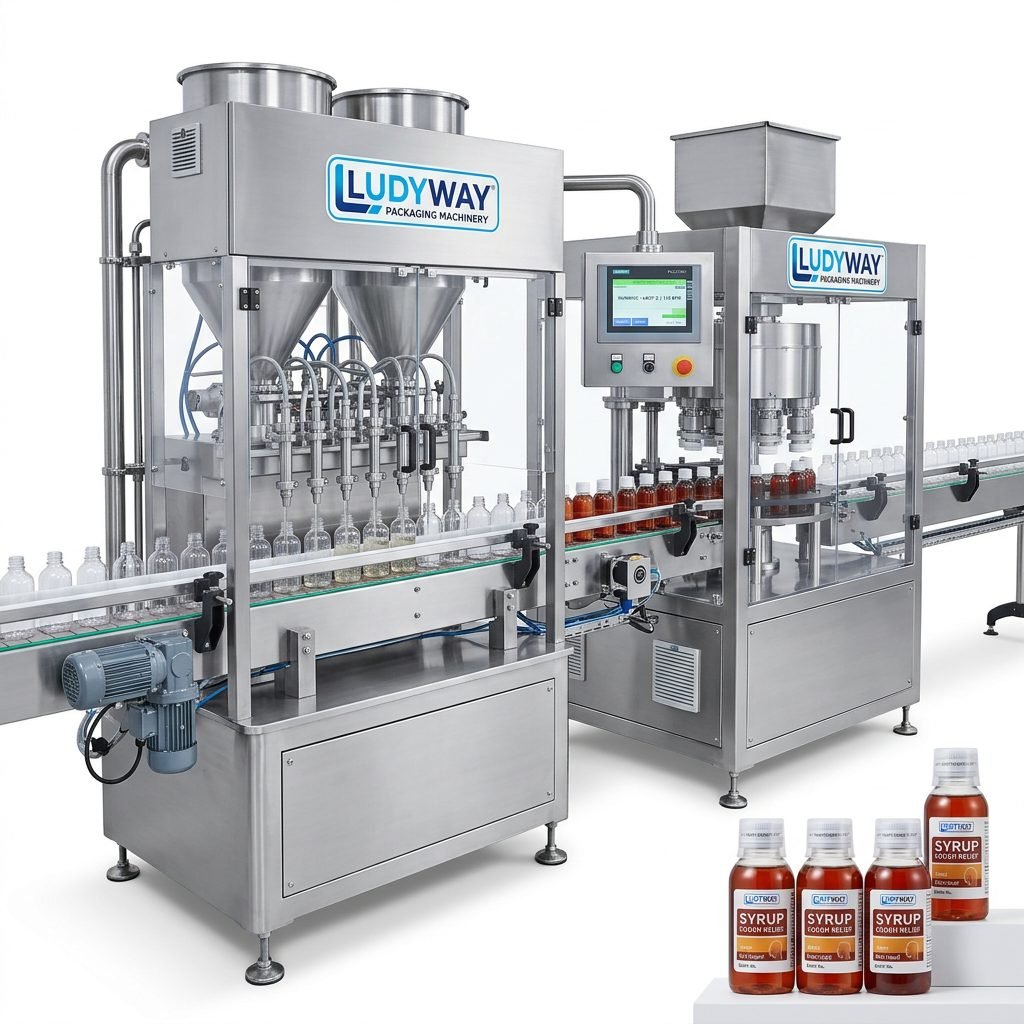
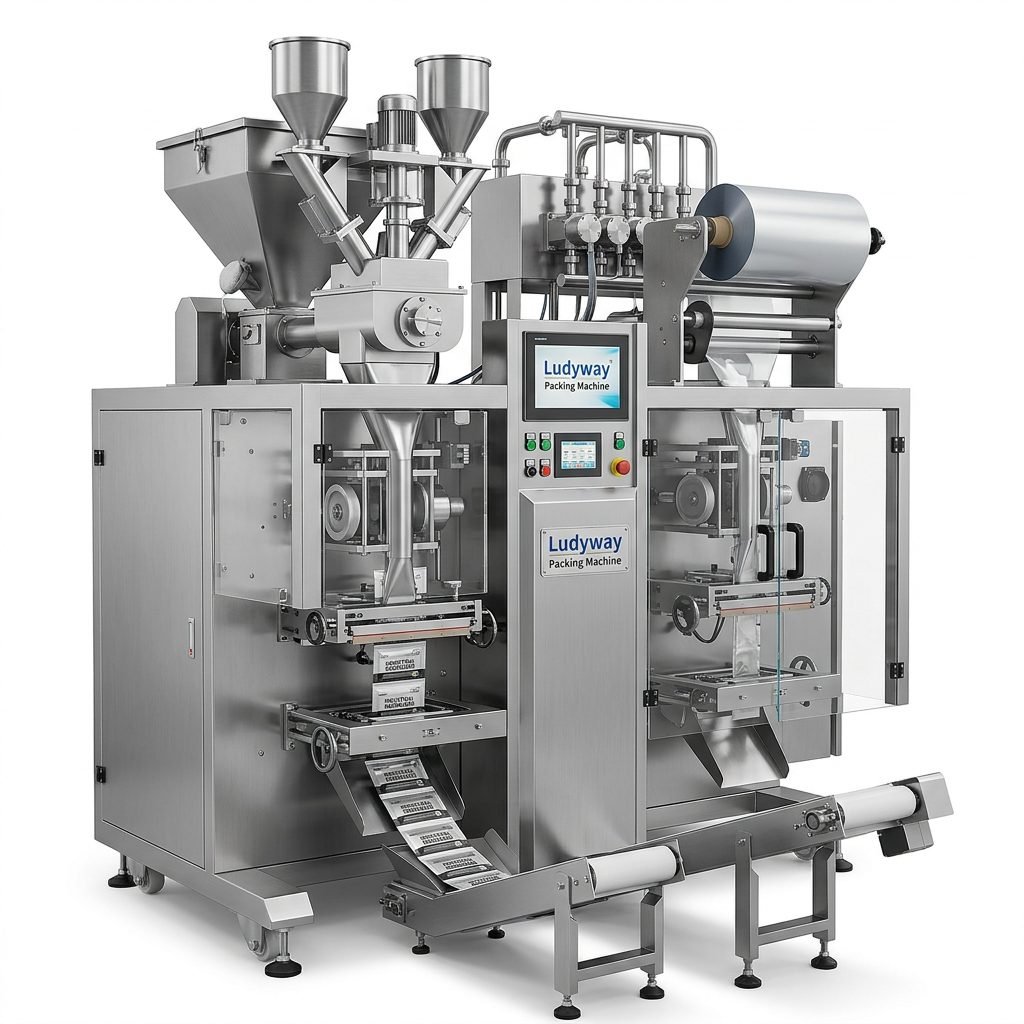
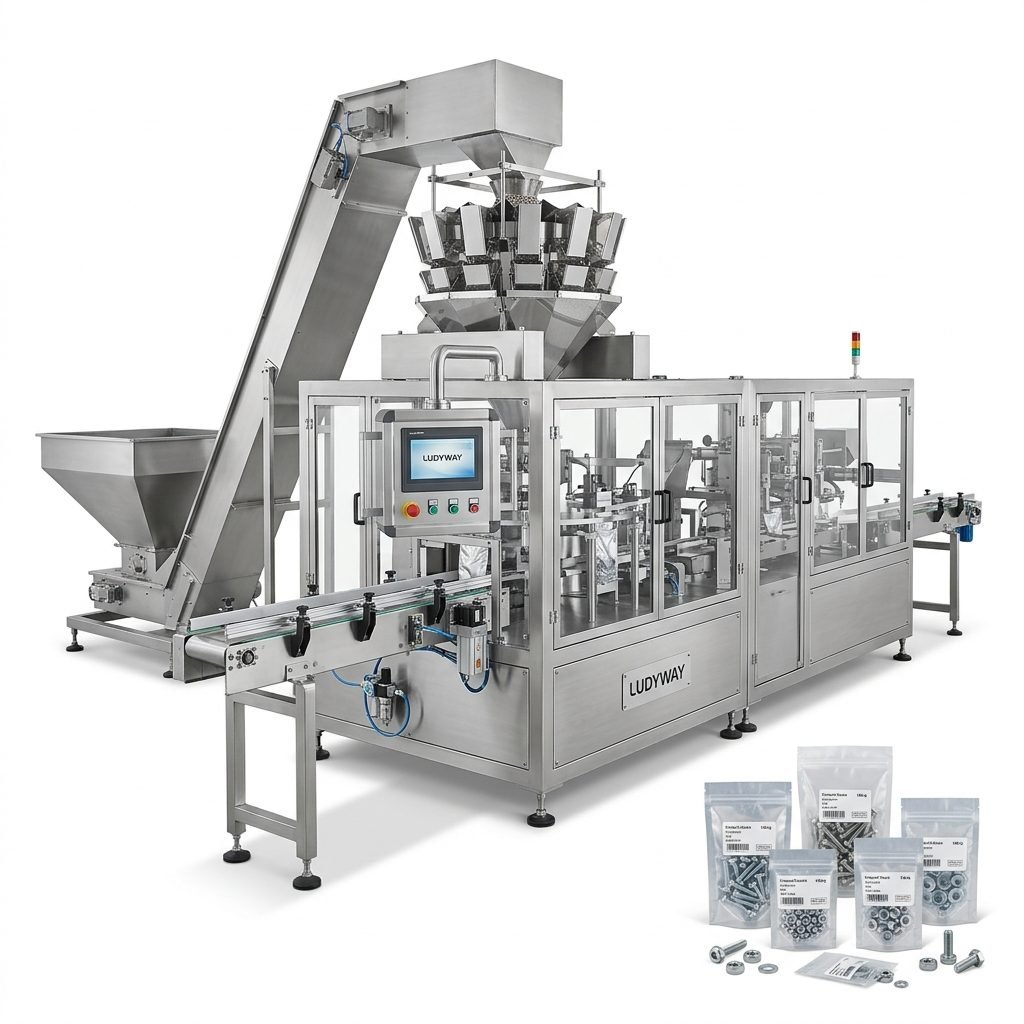
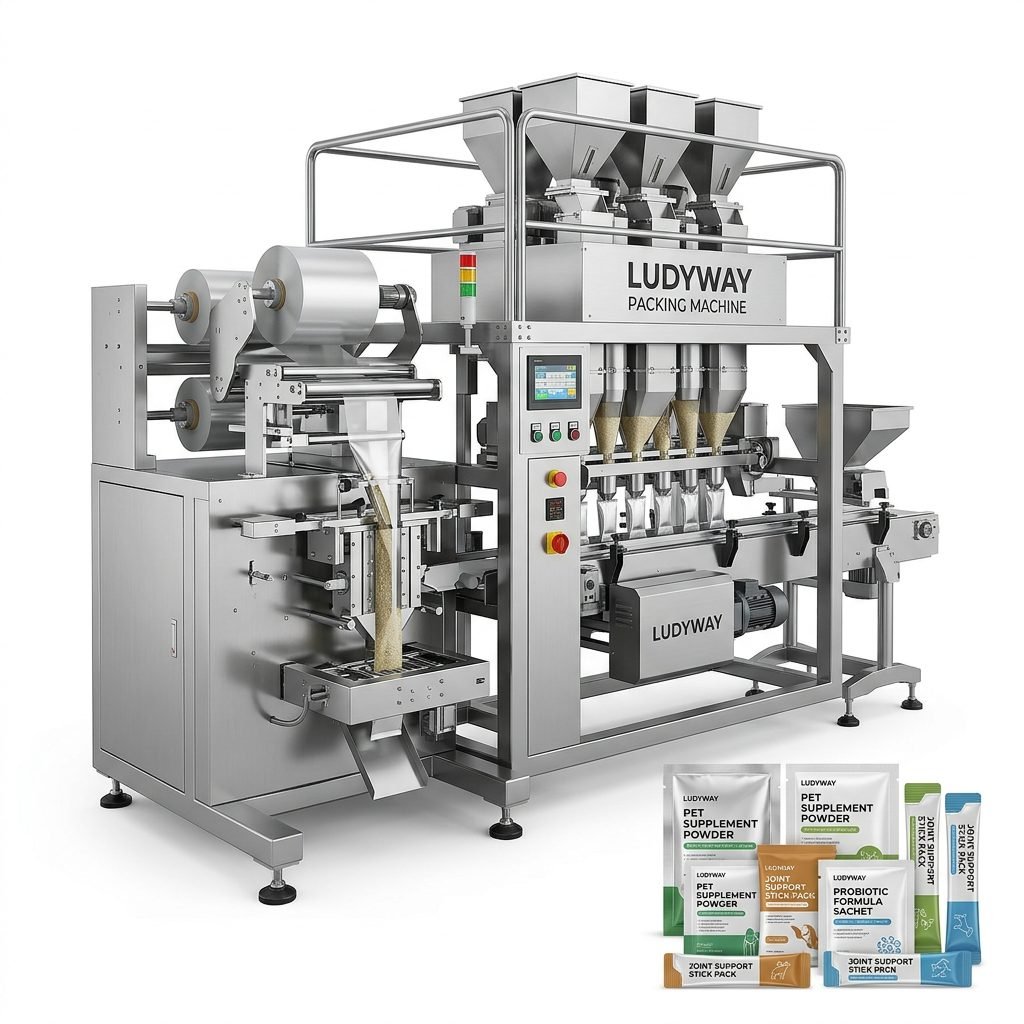
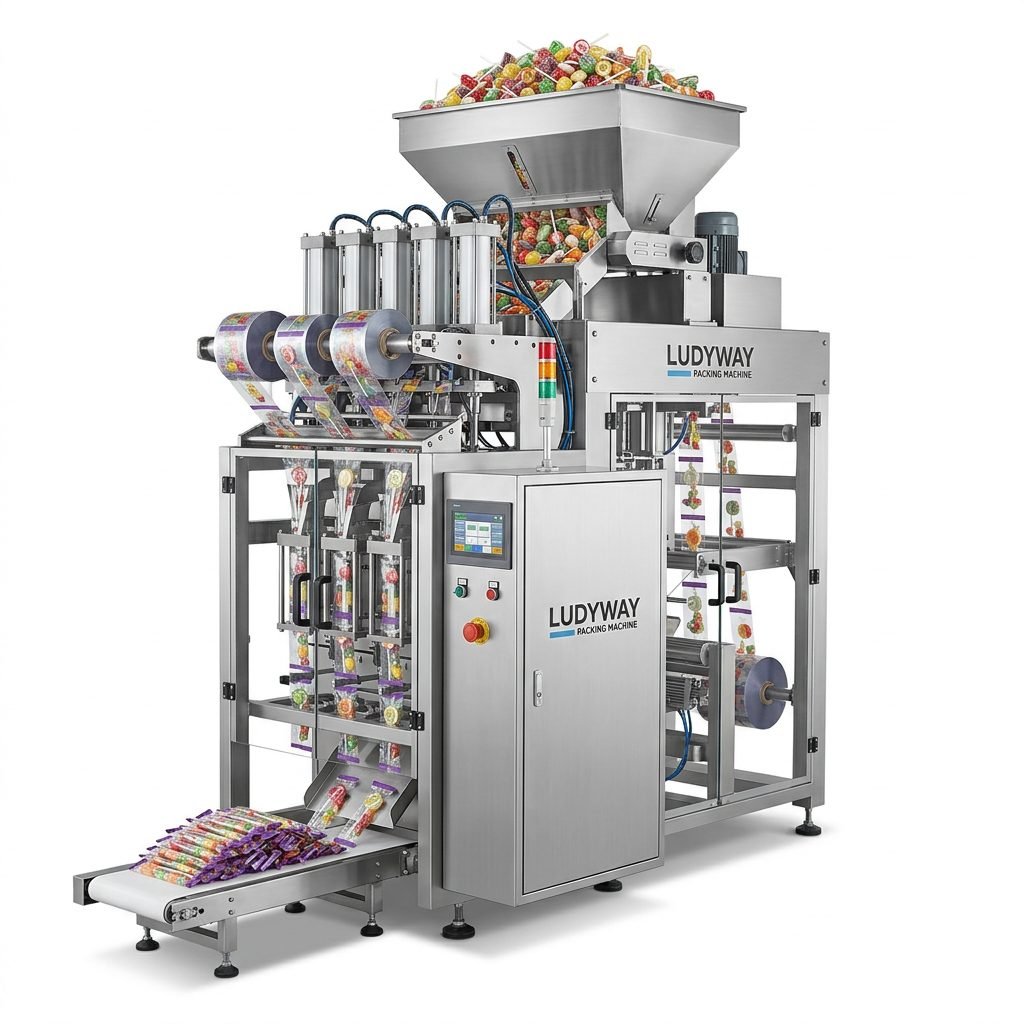
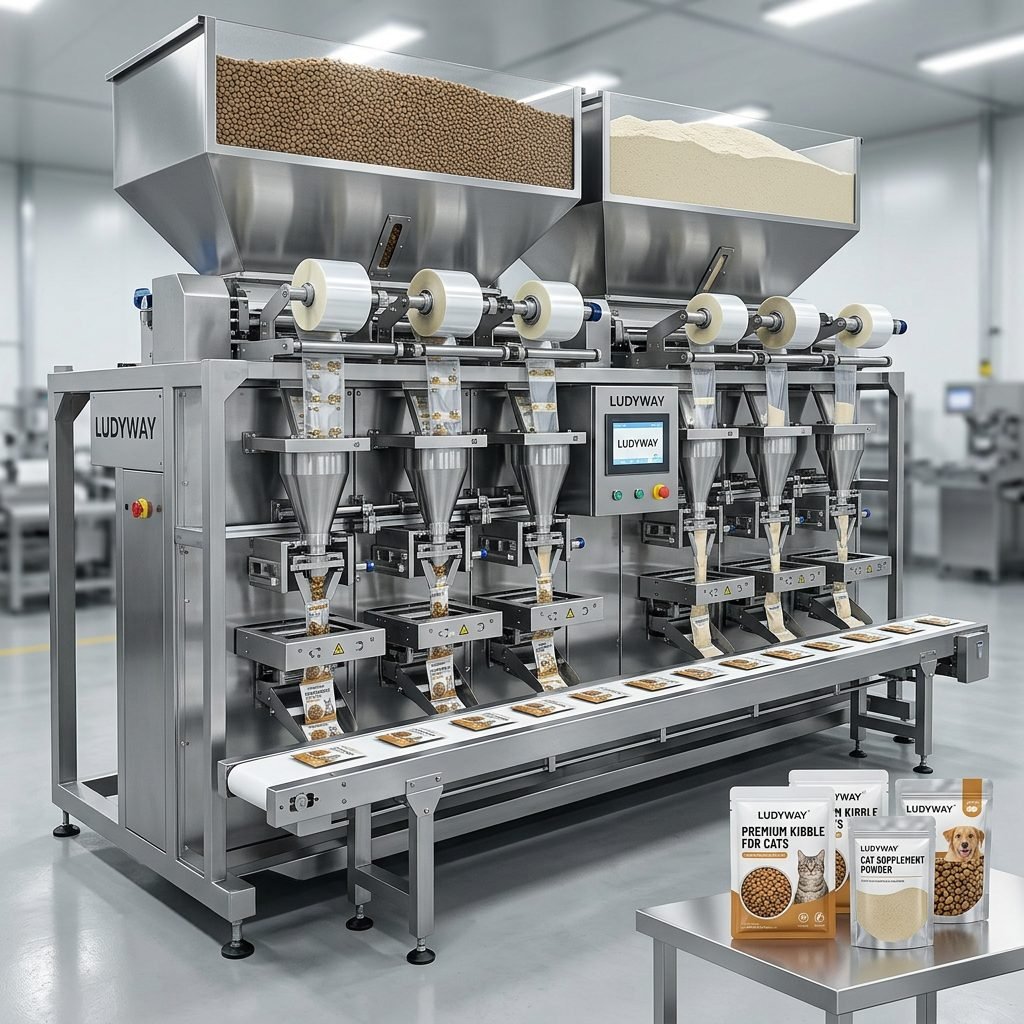
Investing in a tea aerosol packaging machine is a significant decision for manufacturers aiming to capture the premium market segment. This specific equipment is designed for products like instant tea foams, whipped tea creams, or powdered tea mixes dispensed through aerosol valves. The final price is rarely a flat number; instead, it shifts based on technical sophistication, production speed, and customization requirements. Understanding the financial breakdown helps procurement managers and business owners plan their capital expenditure effectively.

Key Factors Influencing the Price
The cost of a tea aerosol packaging machine is driven by a combination of mechanical complexity and material handling capabilities. Unlike standard liquid filling lines, aerosol systems must manage propellants and high-pressure sealing. Below are the primary factors that dictate the final quote:
- Automation Grade: Semi-automatic machines are entry-level choices with manual loading, while fully automatic inline systems command a premium due to integrated conveyors and robotic arms.
- Filling Accuracy and Speed: Machines capable of filling 60–120 cans per minute with servo-driven pumps are significantly more expensive than basic pneumatic fillers.
- Valve and Closure System: The complexity of inserting aerosol valves, actuators, and over-caps directly impacts the mechanical cost.
- Material Construction: Stainless steel 316L is mandatory for tea extracts due to corrosion resistance, which increases the bill of materials compared to standard steel.
- Safety Features: Explosion-proof electricals, gas detection systems, and reinforced filling chambers are non-negotiable for propellant handling.
Entry-Level vs. Industrial Solutions
For small-scale tea brands testing the aerosol market, a tabletop semi-automatic machine is the most cost-effective entry point. However, high-volume automatic packaging lines designed for global distribution require substantial investment. The table below provides a clear market comparison based on typical industry specifications.
| Machine Type | Speed Range | Cost Estimate (USD) | Ideal Application |
|---|---|---|---|
| Semi-Automatic Liquid Filler | 10–20 Cans/min | $8,000 – $25,000 | R&D labs, startups |
| Automatic Rotary Aerosol Line | 40–80 Cans/min | $50,000 – $120,000 | Mid-size manufacturers |
| High-Speed Inline System | 100–200+ Cans/min | $150,000 – $450,000 | Enterprise global brands |
Hidden Costs in Tea Aerosol Packaging
Beyond the hardware price, several auxiliary investments influence the total cost of ownership. Buyers often overlook these critical add-ons during the initial procurement stage, leading to budget overruns.
- Propellant Handling System: Dedicated pumps, storage tanks, and chillers for gases (like nitrogen or CO2) add $10,000–$40,000 depending on capacity.
- Gas House Construction: Building a ventilated, explosion-proof gas room is a safety prerequisite, often costing $20,000–$100,000.
- Water Bath Leak Testing: A hot water bath test system is essential to check can integrity under pressure, costing an additional $5,000–$25,000.
- Coding and Labeling: Integrating automatic thermal inkjet coders or labelers adds precision for batch traceability, typically costing $3,000 upwards.
- Spare Parts and Tooling: Change parts for different can diameters and valve sizes require a separate tooling budget of $5,000–$15,000.

The Cost of GMP Compliance for Tea Products
If the tea aerosol is marketed as a functional beverage or nutraceutical, the machinery must meet strict Good Manufacturing Practice (GMP) standards. Sanitary clamp connections, Clean-in-Place (CIP) systems, and positive pressure enclosures significantly elevate the machine’s value. GMP-compliant lines typically cost 30–50% more than standard food-grade models but are mandatory for international markets like the EU and North America.
Comparing New vs. Refurbished Equipment
Secondary market purchases can reduce the initial cash outlay by 40–60%. However, aerosol machines sold second-hand may lack the latest safety protocols for tea concentrates, which can be acidic and degrade seals. A robust quality inspection by a certified technician is vital. For advanced packaging tasks, leveraging the expertise of packaging machine manufacturers like Ludyway ensures the mechanical lifecycle is validated and spare parts are readily available.
Regional Manufacturing Cost Variations
Geographical origin plays a major role in pricing. Machines sourced from German or Italian engineering hubs command a premium due to precision grading and legacy brand trust. Conversely, high-specification Asian-built machinery, particularly from leading Chinese packaging equipment exporters, has effectively closed the quality gap while offering a 25–40% cost advantage. The critical factor lies in verifying the supply chain for branded components like PLCs, servo motors, and seals.

Return on Investment (ROI) Timeline
For a standard mid-tier automatic aerosol line costing $100,000, the payback period varies. With premium tea mousses retailing at high margins, the ROI is swift. Consider these operational benchmarks:
- At 40 cans per minute, a single-shift operation produces roughly 19,000 units daily.
- Assuming a net profit of $1.00 per can, the line generates $19,000 daily.
- The initial capital equipment cost is typically recouped within the first 2–3 months of stable production.
The distinct advantage of aerosol tea products is the high perceived value and shelf-life extension, which directly supports a faster ROI compared to standard bagged tea packaging.
Supporting Infrastructure and Technical Resources
When planning your budget, industry data is crucial. Leading organizations like PMMI – The Association for Packaging and Processing Technologies publish valuable state-of-the-industry reports that benchmark costs and trends. The Flexible Packaging Association also aids in evaluating barrier material costs essential for tea preservation. Additionally, regulatory guidelines from the FDA – Packaging and Food Contact Substances dictate the material standards your machine must meet. Aligning with such resources informs long-term strategic decision-making for any tea aerosol business.
Customization and Turnkey Solutions
Many tea manufacturers prefer turnkey production solutions that include not just the filler but also the nitrogen dosing system, automatic checkweighers, and cartoning. These synchronized systems minimize manual transfer errors and maintain the integrity of the aerosol can under pressure. The cost of a fully integrated, turnkey line wrapping system naturally exceeds standalone units but drastically reduces labor dependency. Modern smart factory integration allows for real-time monitoring of propellant levels and filling weights, ensuring every can meets the defined global quality standard for tea mousses and foams.
Ultimately, securing the right tea aerosol packaging machine requires a balance between immediate budget limits and long-term scalability. By understanding the breakdown of core filling units, safety peripherals, and certification requirements, stakeholders can negotiate effectively with suppliers and ensure consistent product quality in a rapidly growing specialty tea market.