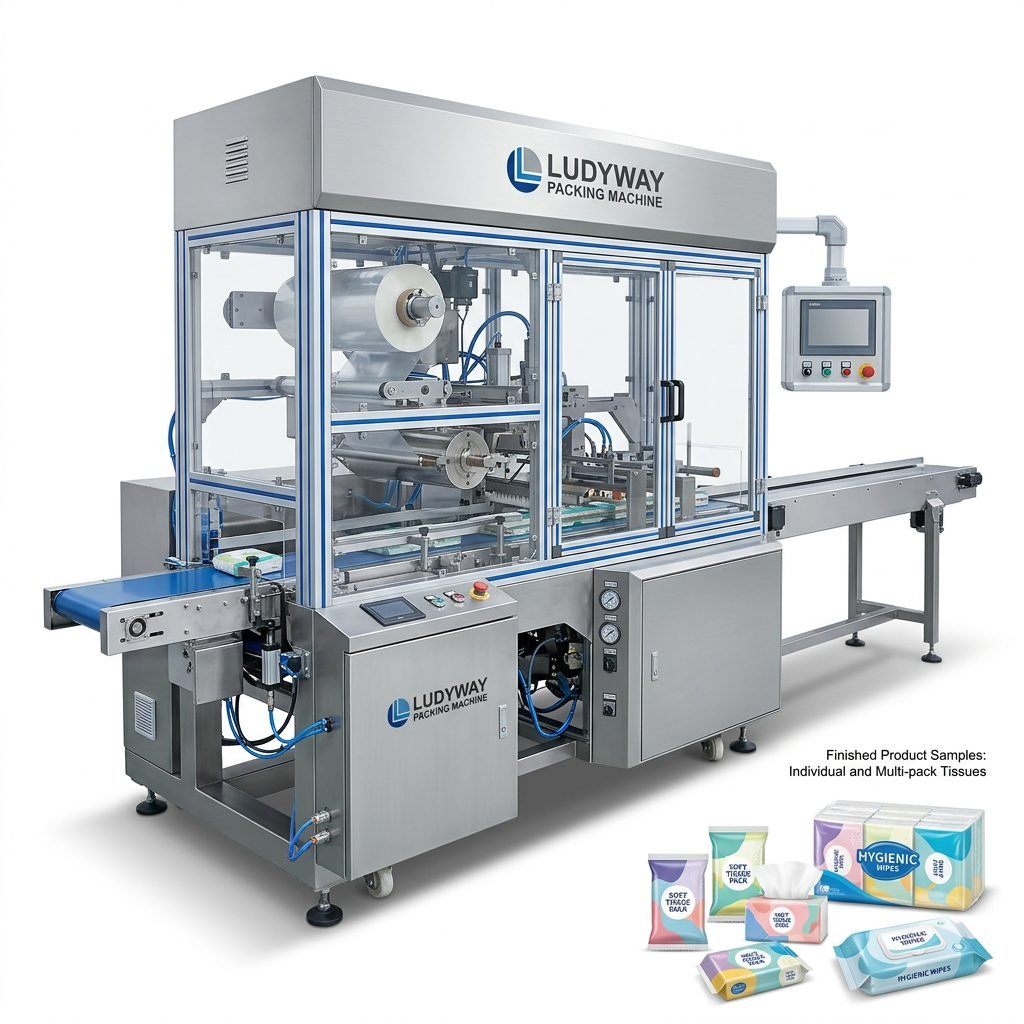
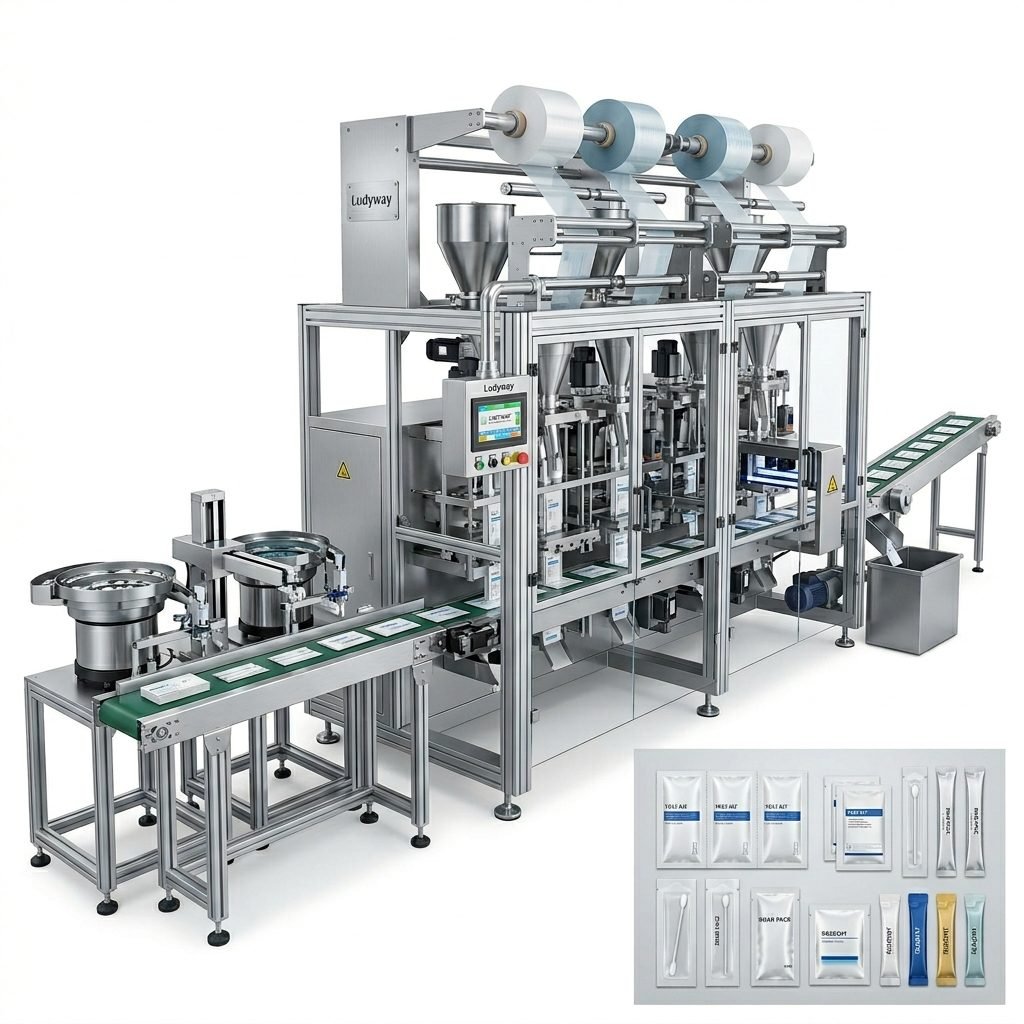
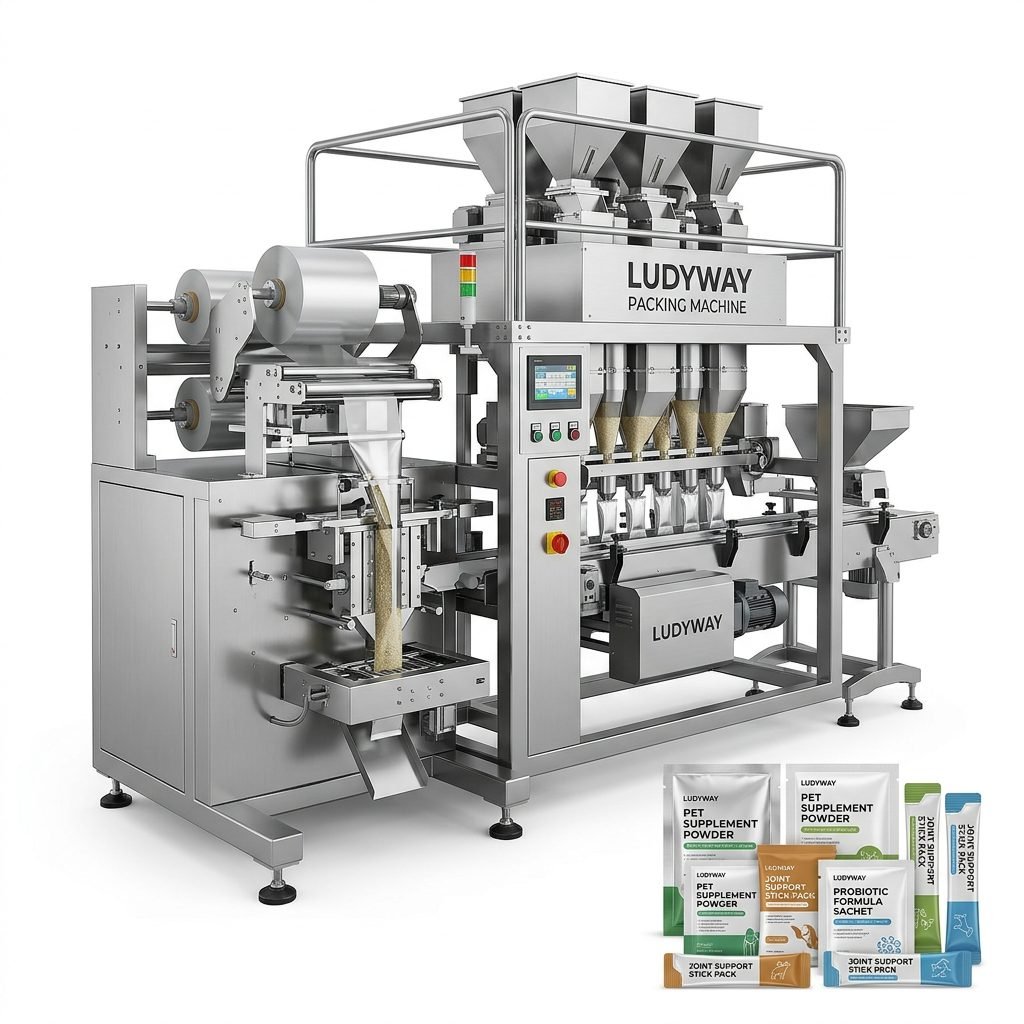
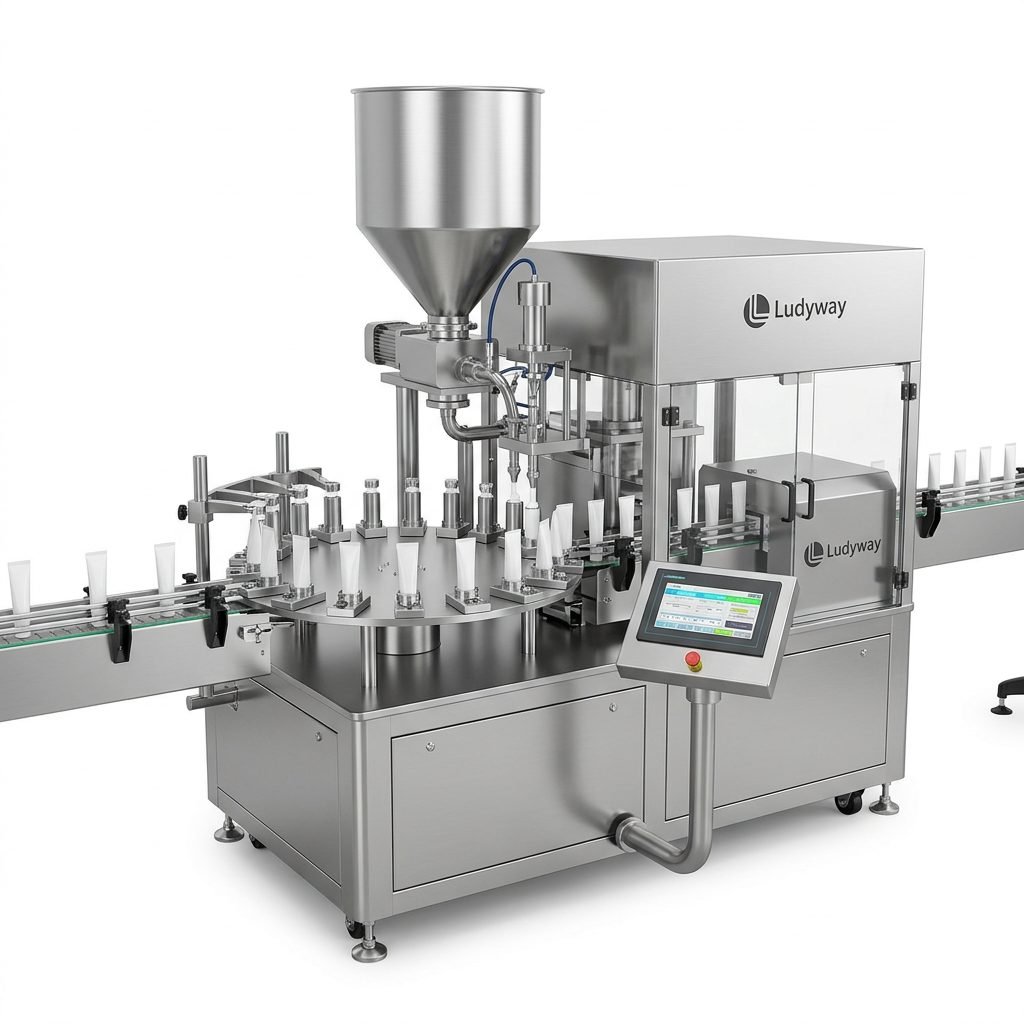
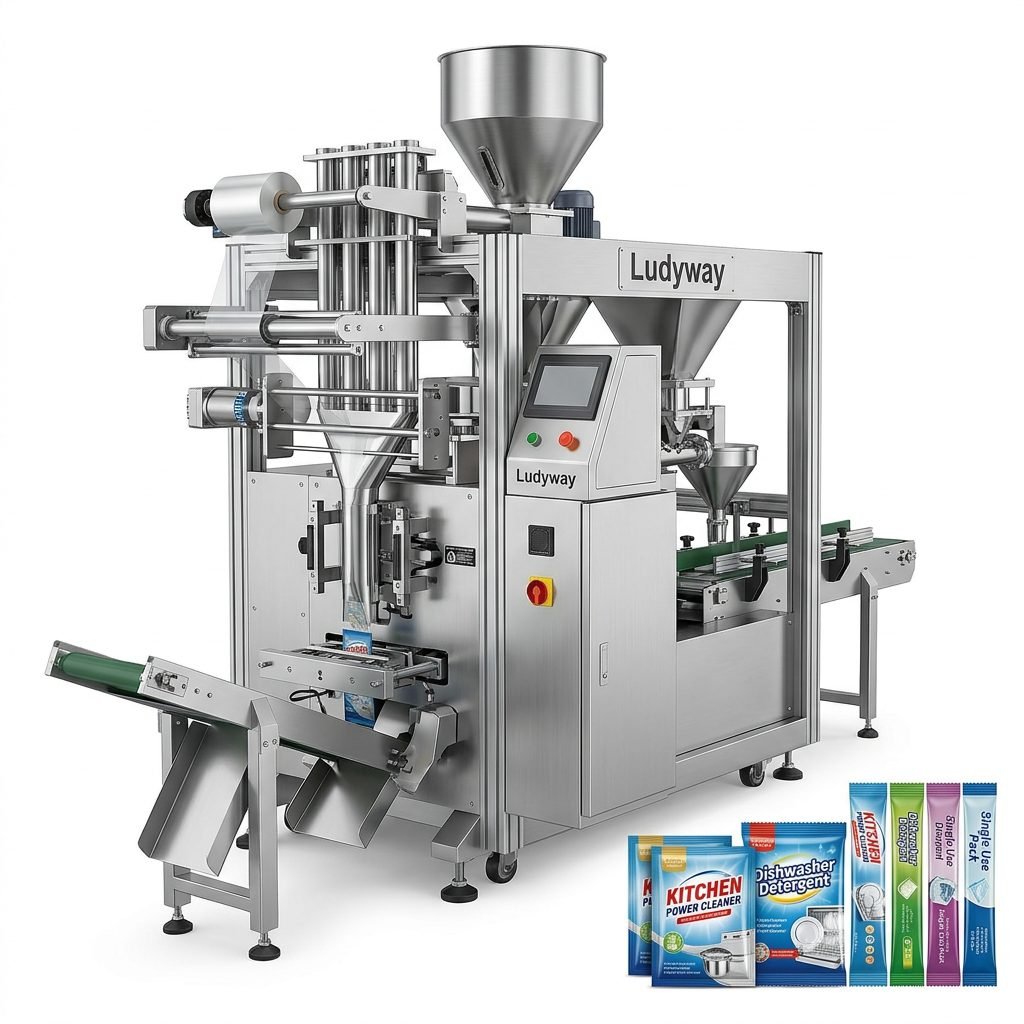
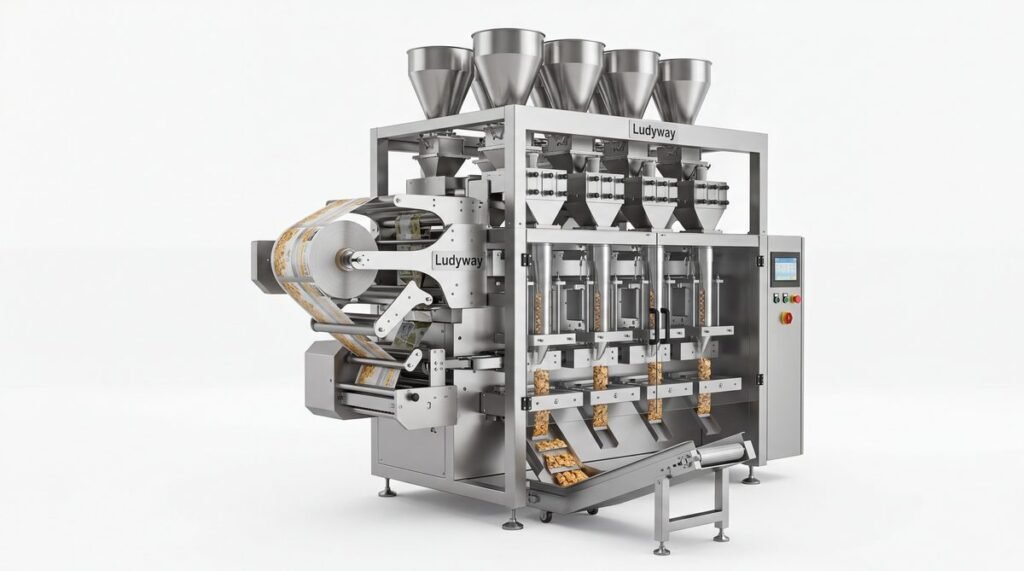
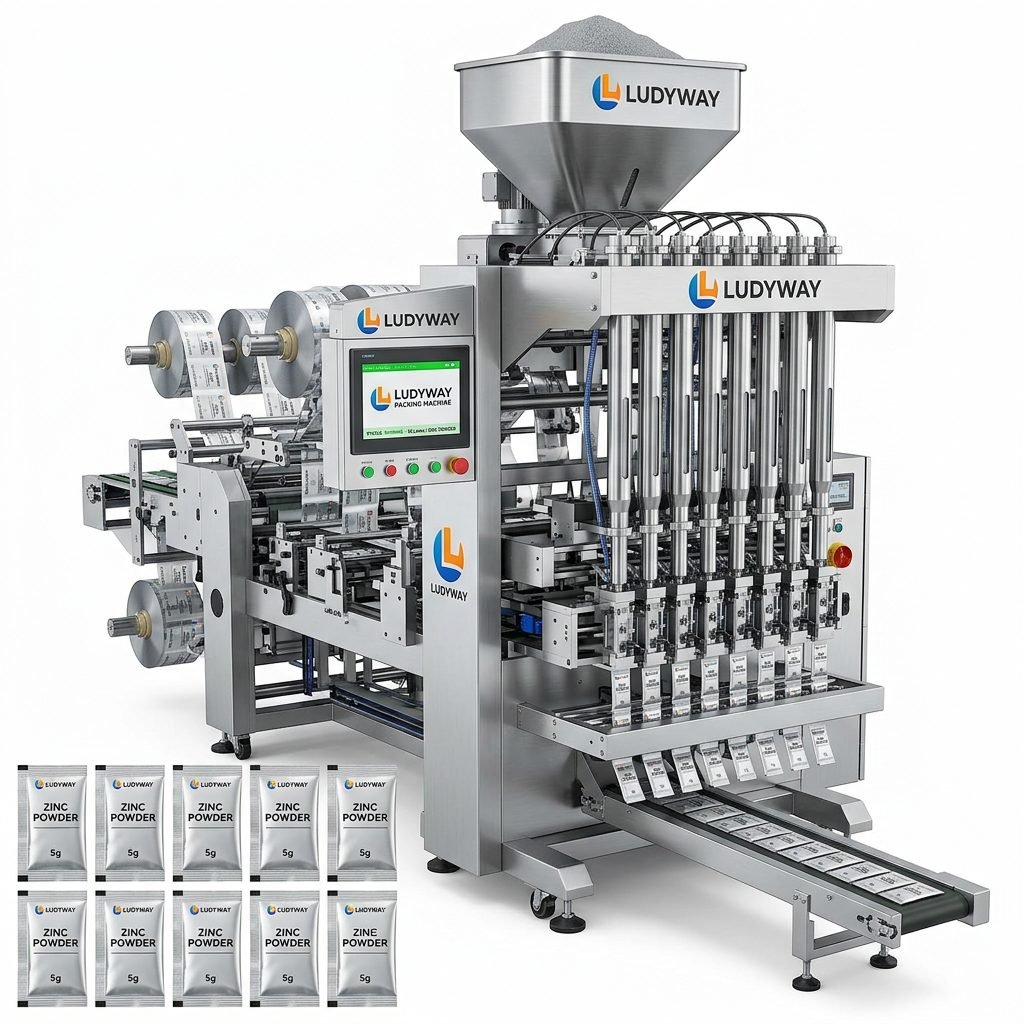
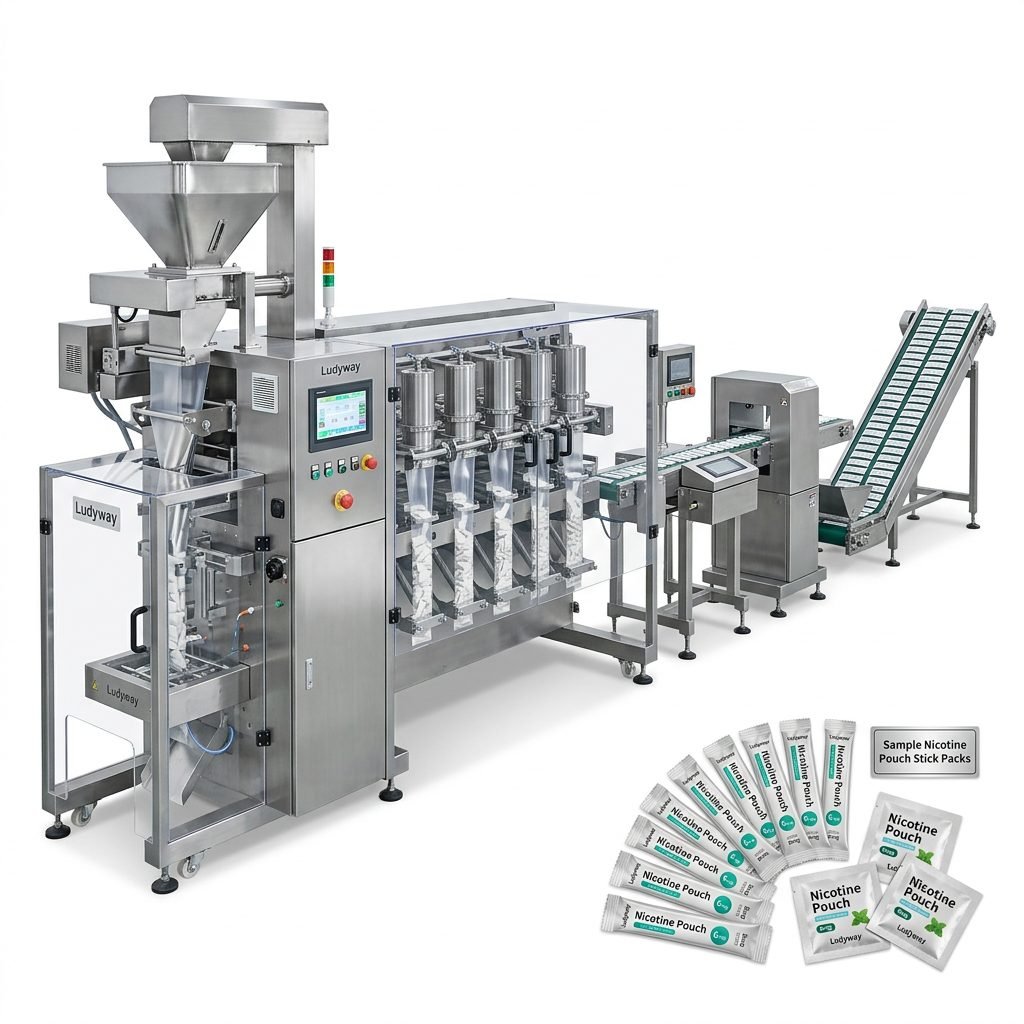
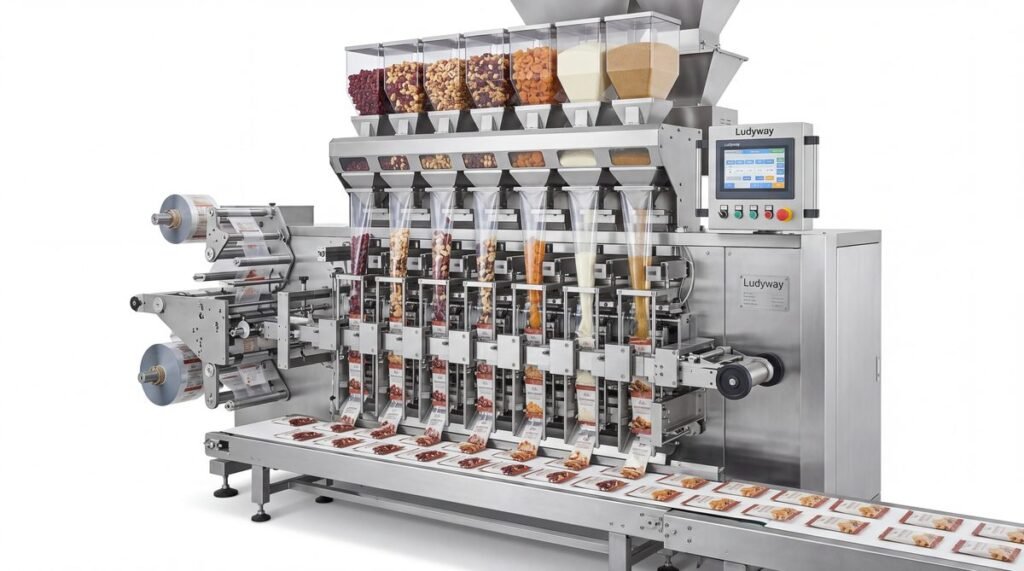
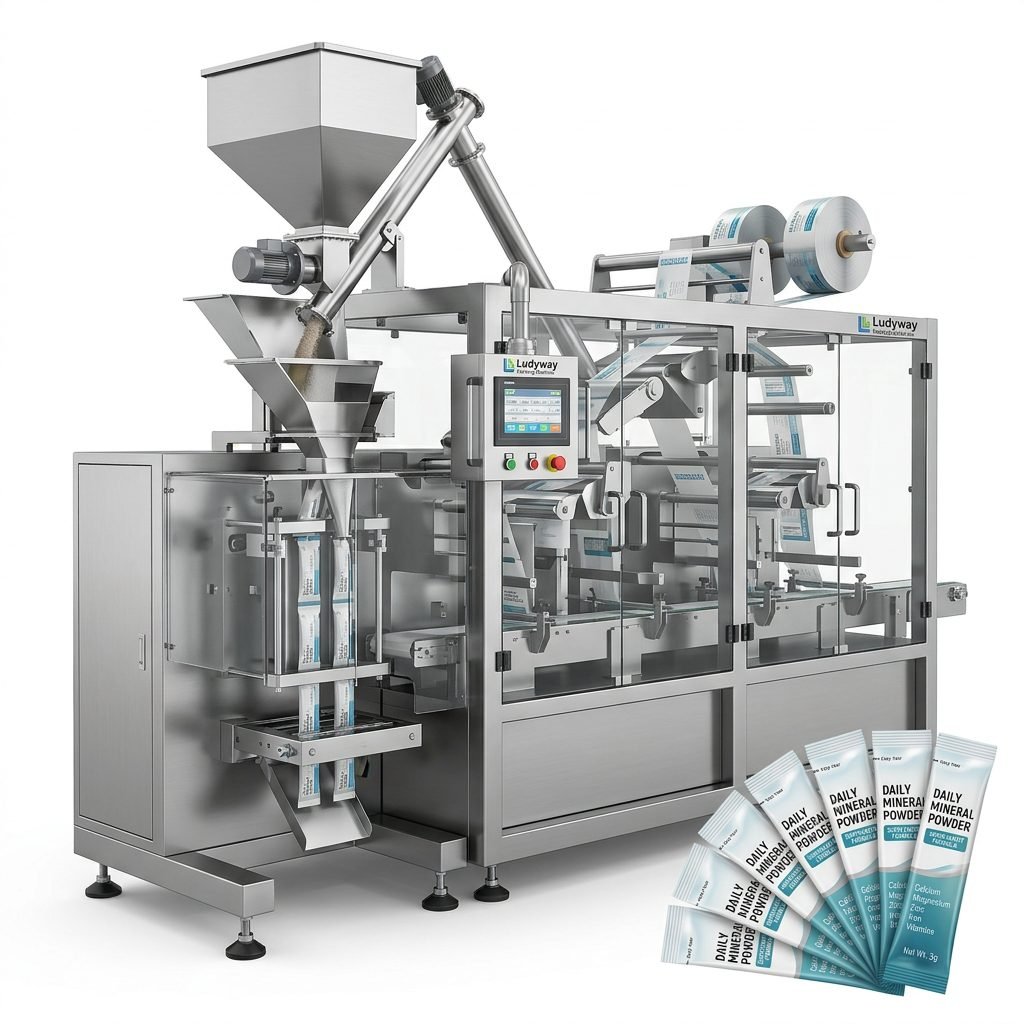
Investing in a tea detergent packing machine is a significant decision for manufacturers in the cleaning and beverage industries. Whether you are packaging green tea extract, laundry pods, or powdered detergent sachets, understanding the cost structure helps you budget effectively and avoid expensive mistakes. Prices for these specialized machines typically range from $8,000 to over $100,000, depending on automation levels, production speed, and packaging format requirements.

Key Factors That Influence Tea Detergent Packing Machine Pricing
Several variables affect the final price of a tea detergent packing machine. Understanding these factors will help you compare quotes accurately and choose equipment that matches your production goals.
1. Automation Level
The degree of automation is the single biggest cost driver. Manual and semi-automatic machines are more affordable but require significant operator involvement. Fully automatic systems with PLC controls, servo-driven motors, and touchscreen interfaces command premium prices due to their precision and labor-saving capabilities.
2. Production Speed and Output Capacity
Machines capable of producing 60-80 packs per minute cost substantially more than entry-level models running at 20-30 packs per minute. Higher throughput demands robust engineering, faster filling mechanisms, and advanced sealing technology, all of which contribute to increased costs.
3. Packaging Format and Pouch Type
The type of packaging directly influences machine pricing. Common formats for tea and detergent products include:
- Stick packs – Compact and single-serve, popular for tea powder and detergent samples
- Sachets – Larger than stick packs, ideal for single-use detergent portions
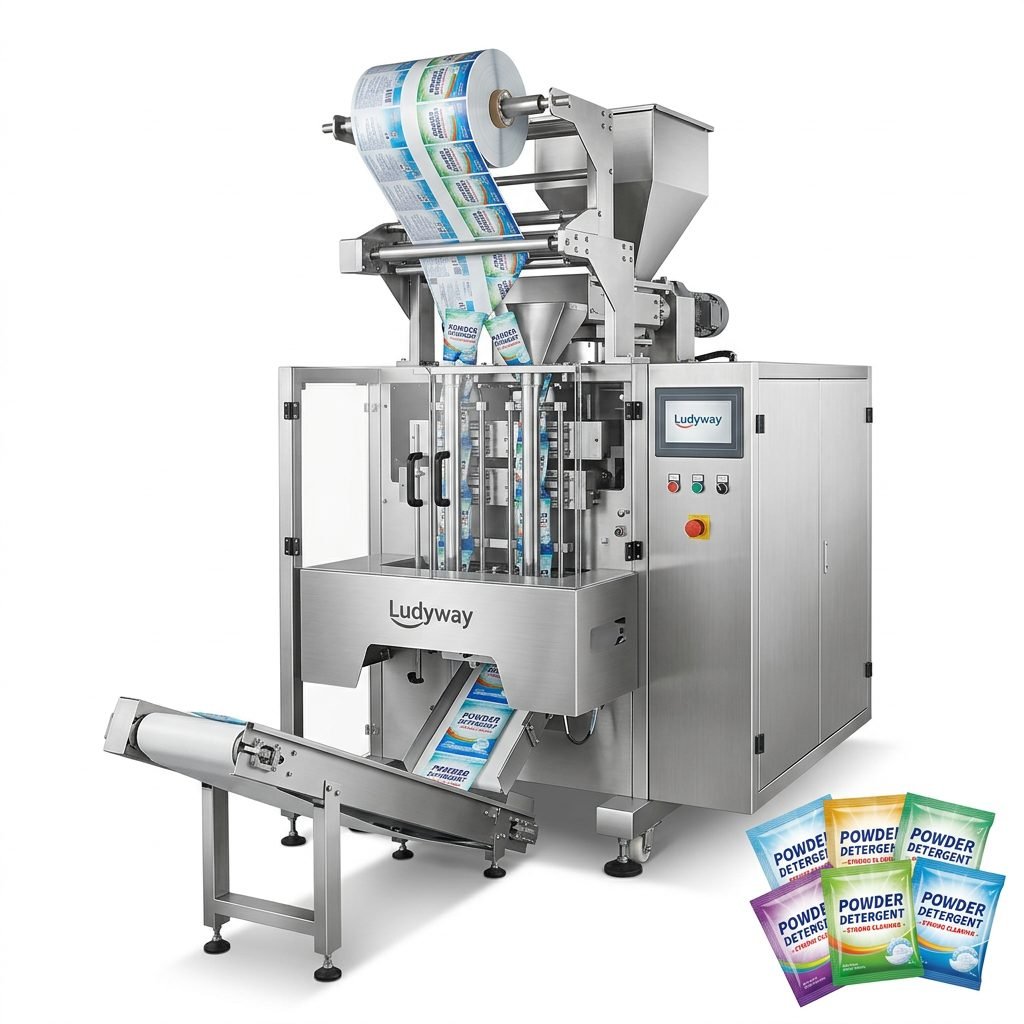
- Pillow pouches – Versatile option for granular detergent and tea blends
- Multi-lane configurations – Significantly increase output but raise equipment costs

4. Material Compatibility and Filling Systems
Tea extracts and detergents have vastly different physical properties. A machine designed for granular tea leaves may not handle aggressive chemical detergent powders without corrosion-resistant components. Similarly, liquid tea concentrates require pump-based filling systems, while powdered detergents need auger fillers or multi-head weighers. Machines built with stainless steel contact parts and chemical-resistant seals inevitably cost more.
Typical Price Ranges by Machine Type
The following table provides an overview of estimated costs for different categories of tea and detergent packaging equipment. Actual prices vary based on manufacturer, configuration, and optional features.
| Machine Type | Estimated Price Range (USD) | Best Suited For |
|---|---|---|
| Semi-automatic single-lane sachet machine | $8,000 – $18,000 | Startups, small-batch production |
| Automatic single-lane stick pack machine | $15,000 – $35,000 | Medium-scale tea and detergent producers |
| Multi-lane stick pack system (4-6 lanes) | $35,000 – $70,000 | High-volume manufacturing |
| Multi-lane sachet line with weighers (8-12 lanes) | $55,000 – $120,000 | Industrial-scale continuous production |
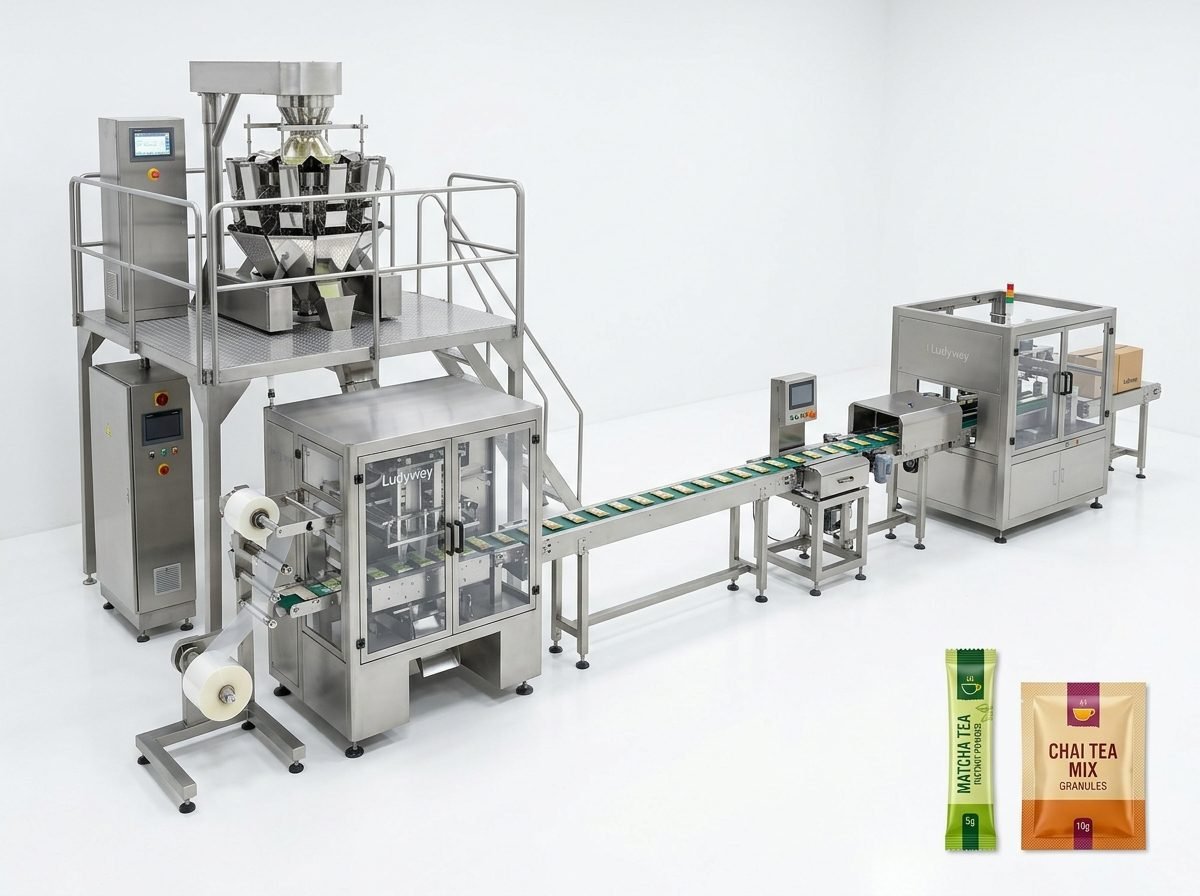
| Fully automated turnkey packaging line | $100,000 – $500,000+ | Complete end-to-end production |
Additional Costs Beyond the Base Machine Price
When budgeting for a tea detergent packing machine, you must account for expenses beyond the initial equipment purchase. Overlooking these items can lead to unexpected financial strain during installation and commissioning.
- Auxiliary equipment – Conveyors, elevators, nitrogen flushing systems, and date coding printers typically add $3,000 to $20,000 depending on complexity
- Installation and commissioning – Technician travel, on-site setup, and operator training usually range from $1,500 to $8,000
- Shipping and logistics – International freight, customs duties, and inland transportation vary significantly by destination country
- Tooling and format change parts – Spare forming tubes, sealing jaws, and filling accessories cost $500 to $5,000 per set
- Ongoing maintenance – Consumables such as sealing bands, belts, and lubricants should be factored into annual operating budgets
Single-Lane vs. Multi-Lane: Which Offers Better Value?
A single-lane machine is simpler, easier to maintain, and has a lower upfront cost. However, if your market demands high production volumes, a multi-lane system may deliver superior long-term return on investment despite the higher initial price. Carefully evaluate your forecasted output before choosing a configuration.
Insurance, Compliance, and Regulatory Considerations
Packaging equipment used for consumer products must comply with relevant safety and quality standards. Organizations such as the FDA and ISO provide guidelines that influence machine design, particularly for detergent products that contact skin or are used in food environments. Investing in certified equipment may increase initial costs but reduces liability risks and facilitates market access.
Practical Buying Tips for Tea Detergent Packaging Equipment
Following a strategic approach during the purchasing process helps you secure the best value and avoid common pitfalls. Here are essential recommendations:
1. Define Your Product Specifications Clearly
Document your product’s exact characteristics—granule size, density, moisture content, and chemical composition—before contacting suppliers. This information allows manufacturers to recommend appropriate filling technologies and machine configurations tailored to your needs.
2. Request Detailed Quotations with Line-Item Breakdowns
Avoid lump-sum quotes that obscure individual cost components. Ask suppliers to separate equipment, tooling, accessories, installation, and warranty terms so you can compare offers accurately.
3. Verify After-Sales Support and Spare Parts Availability
Downtime costs can quickly exceed machine price differences. Prioritize manufacturers with responsive service networks, readily available spare parts, and comprehensive technical documentation. Ask about response times and whether remote diagnostic support is offered.
4. Consider Total Cost of Ownership, Not Just Purchase Price
An energy-efficient machine with durable components may carry a higher upfront cost but deliver significantly lower operating expenses over its service life. Evaluate power consumption, maintenance intervals, and expected component longevity before making a final decision.
5. Explore Modular and Upgradeable Designs
Some equipment allows you to add lanes, integrate weighers, or upgrade control systems as your production needs grow. This approach minimizes initial investment while preserving future expansion capabilities.
Industry data from PMMI’s Business Intelligence consistently shows that packaging machinery demand continues to grow, driven by automation trends and sustainable packaging innovations. Aligning your investment with these long-term trends ensures continued relevance and operational efficiency.
Evaluating Supplier Credibility and Manufacturing Quality
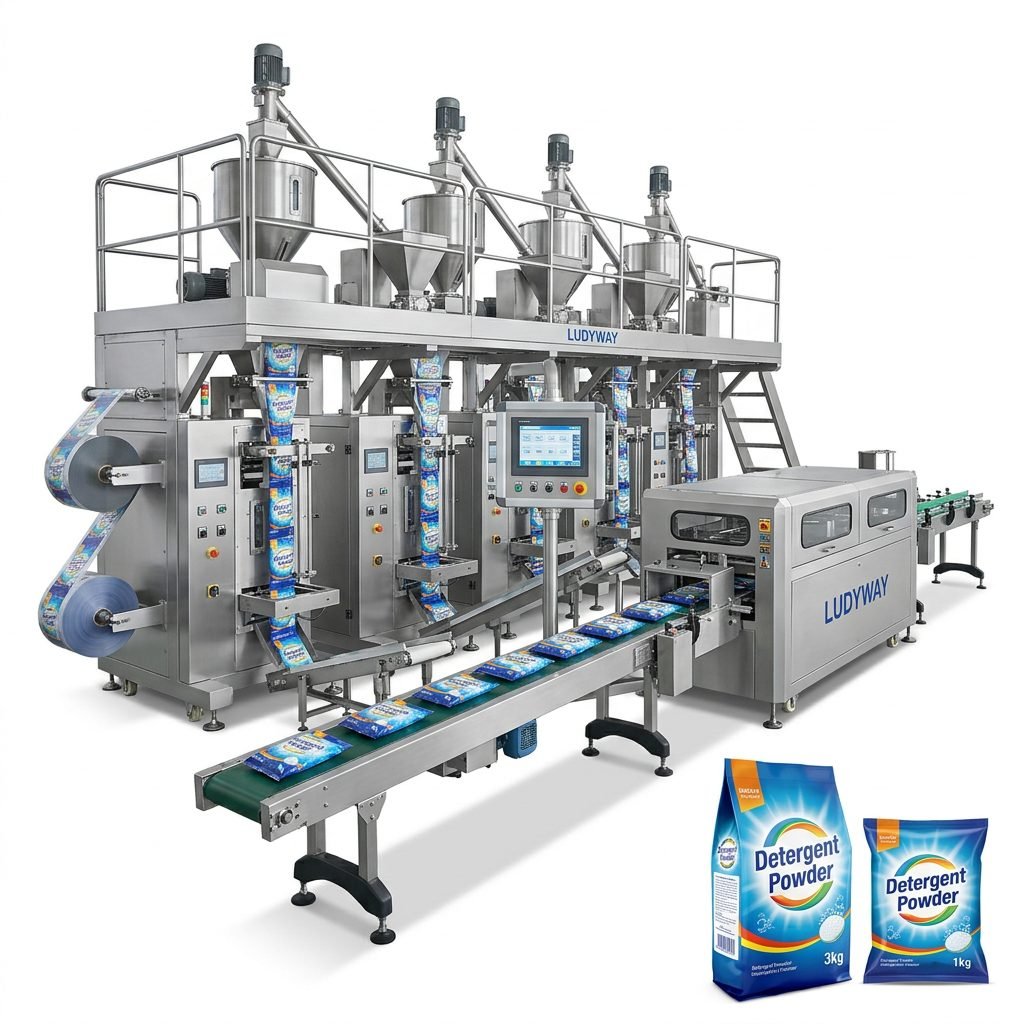
Not all packaging machine manufacturers maintain the same quality standards. When comparing suppliers, look for evidence of robust engineering, certified manufacturing processes, and a track record of successful installations. For example, Ludyway has been providing reliable packaging solutions since 1993, with a 20,000㎡ modern production facility and more than 50 intelligent packaging machine models serving clients in over 100 countries. Visiting a supplier’s facility or requesting video demonstrations can provide valuable insights into their production capabilities and quality control practices.
Financing Options and Return on Investment
Many manufacturers and third-party financiers offer leasing or installment payment plans that reduce initial capital outlay. Calculate your expected payback period by comparing labor savings, increased throughput, and reduced material waste against the total equipment cost. For most operations, a well-chosen automatic packaging machine achieves ROI within 12 to 24 months.
Key Takeaway
Purchasing a tea detergent packing machine requires balancing budget constraints with performance requirements. By understanding the factors that influence pricing, comparing specifications methodically, and partnering with reputable manufacturers, you can secure equipment that delivers reliable service and supports your business growth for years to come. For guidance on industry standards, the Flexible Packaging Association provides valuable resources on packaging technologies and market trends.