Investing in an automatic tea bag packing machine is a significant decision for any tea producer, co-packer, or startup brand. The question isn’t just about the initial price tag; it’s about understanding what drives the cost, how different configurations impact your return on investment, and which features are essential for your specific production needs. Whether you are packing herbal blends, black tea, or powdered matcha, the packaging technology you choose will directly affect your product quality, shelf appeal, and operational efficiency.
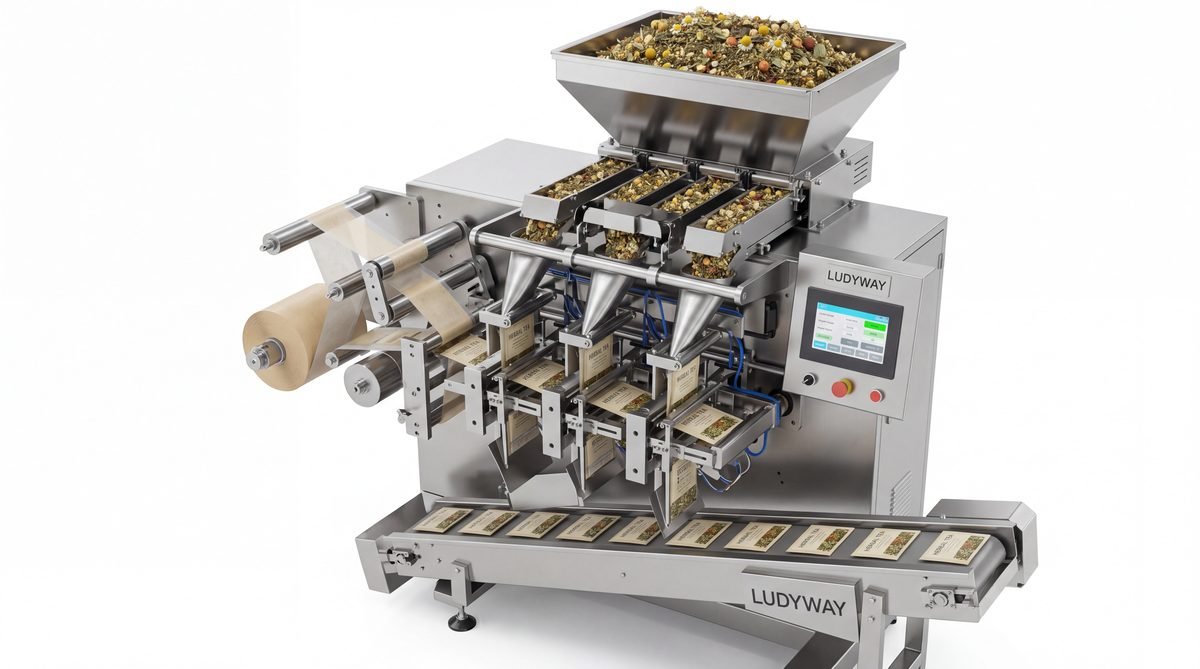
Key Factors Influencing the Price of Tea Bag Packing Machines
The cost of a tea bag packing machine is not a fixed number. It fluctuates dramatically based on several core technical specifications and performance capabilities. Before you request a quote, it’s critical to understand these variables to ensure you are comparing similar technologies.
1. Automation Level and Production Capacity
The most fundamental cost driver is the machine’s speed and automation grade. Entry-level or semi-automatic machines require more manual labor for material feeding or cartoning. At the high end, fully automatic systems can produce hundreds of bags per minute. For example, a standard inner envelope machine might operate at 30-50 bags per minute, while a high-speed multi-lane stick pack system can easily exceed 300 packs per minute for powder teas.
- Semi-Automatic Models: Suitable for small batch production, generally lower investment.
- Fully Automatic Intermittent Motion: Ideal for medium-scale operations, balancing speed and cost.
- Continuous Motion High-Speed Lines: Designed for 24/7 large-volume production, commanding the highest price.
2. Bag Style and Packaging Material
The physical format of the tea bag directly determines the mechanical complexity of the packing machine. A simple flat bag without a string and tag is naturally less expensive than a complex 3D pyramid bag.

- Flat Bag / Stick Pack: Simple sealing mechanisms, cost-effective for instant coffee or matcha powder mixes.
- Double Chamber Bag (String & Tag): Requires additional thread attachment and tag knotted mechanisms, increasing the mechanical investment.
- Pyramid (3D) Bag: Uses ultrasonic sealing for nylon or PLA mesh materials. These machines are premium-priced due to the precise folding and cutting technologies involved.
Price Range Breakdown by Machine Type
While specific pricing requires a tailored quote, the following table provides a general market overview of the investment levels you can expect for different classes of tea packing machinery.
| Machine Category | Typical Speed Range | Relative Investment Level | Best Suited For |
|---|---|---|---|
| Semi-Automatic Inner/Outer Bag Machine | 20-40 bags/min | $ | Startups, specialty boutiques, low-volume organic teas |
| Automatic Pyramid Bag Packing Machine | 40-60 bags/min | $$$ | Premium whole-leaf teas, fruit infusions, transparent nylon mesh bags |
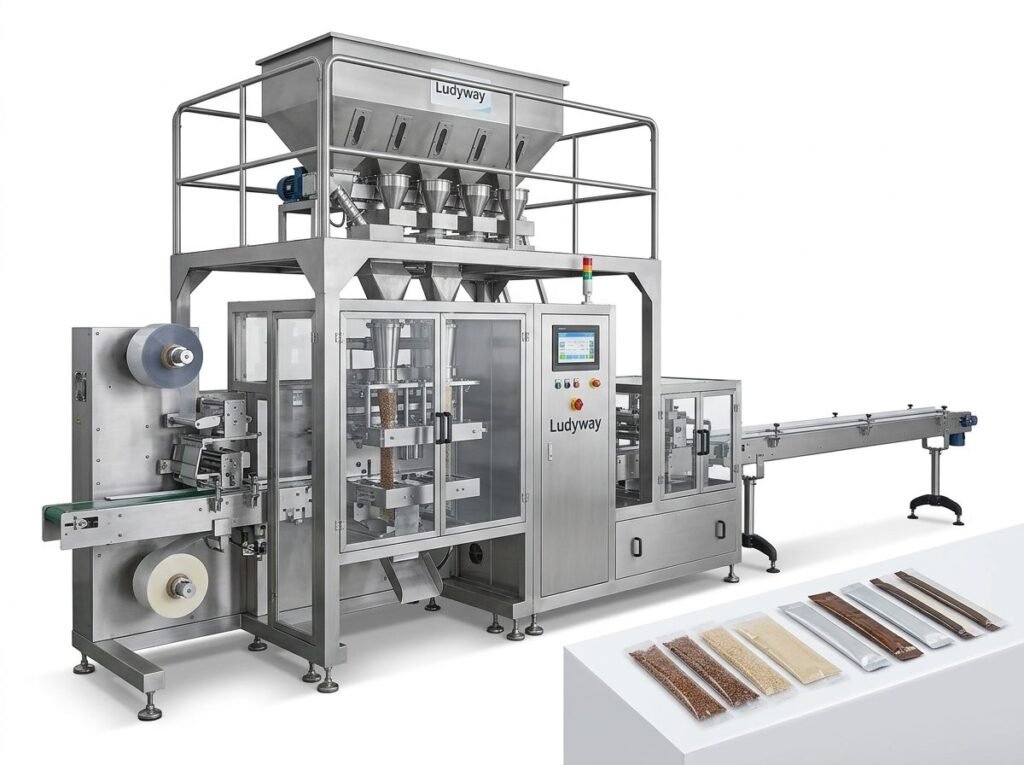
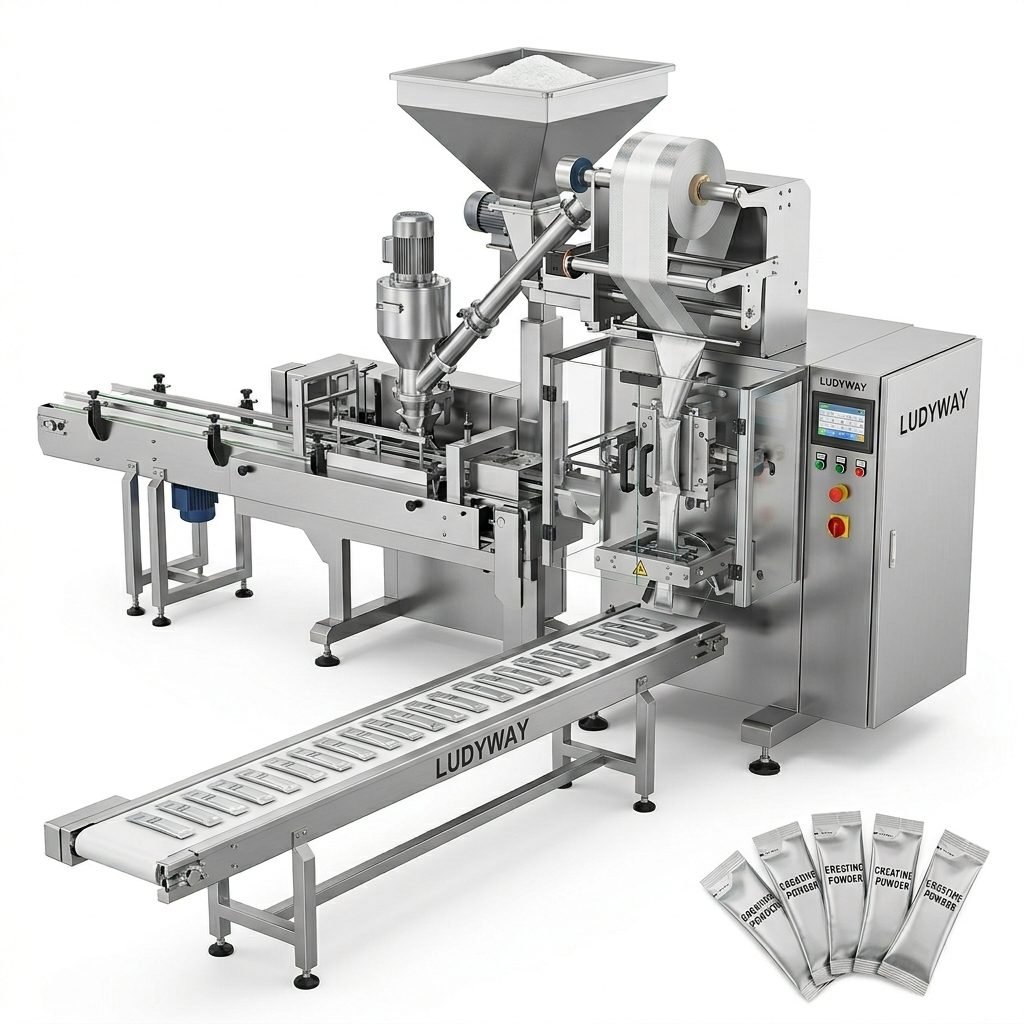
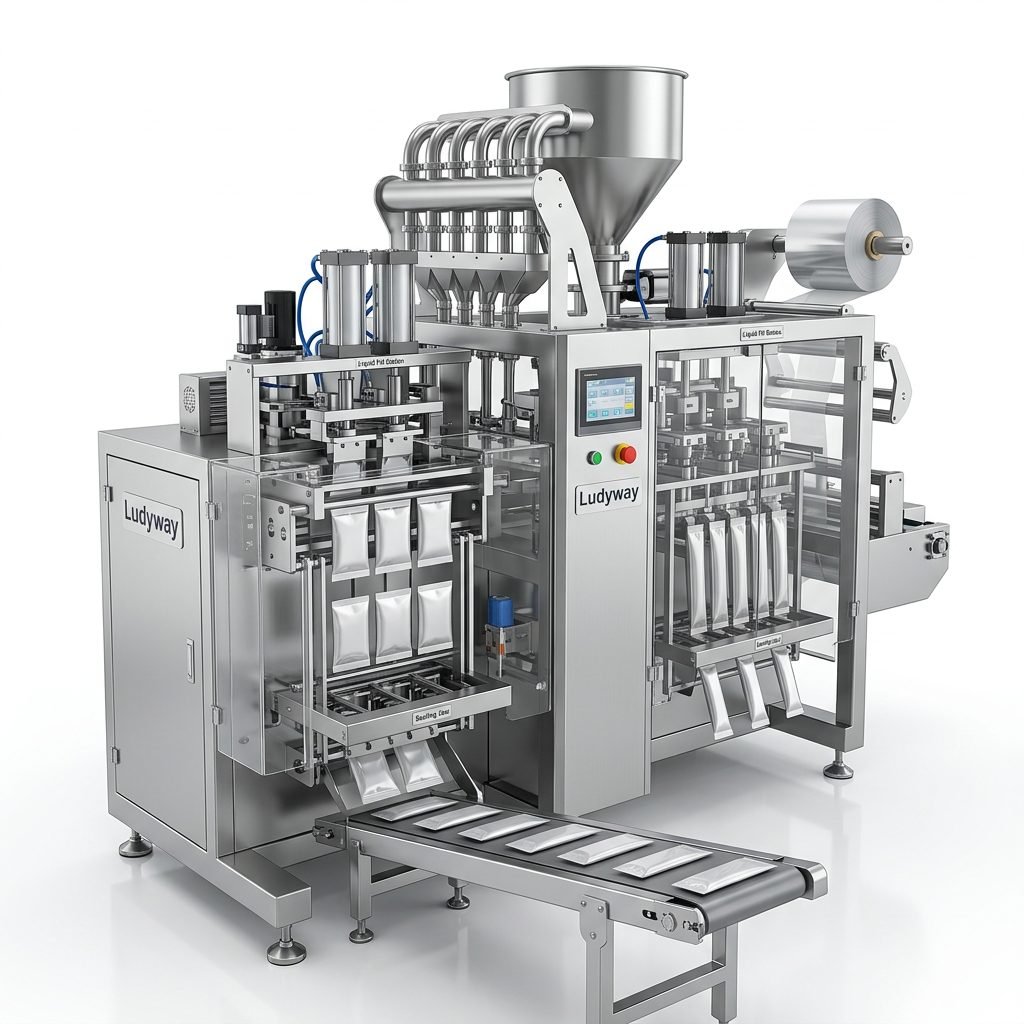
| Multi-Lane Stick Pack Machine (Granules/Powder) | 200-450 packs/min | $$$$ | Instant tea powder, matcha lattes, large-volume co-packers |
| Complete Turnkey Packaging Line | Custom configured | $$$$$ | Automated feeding, cartoning, and case packing operations |
Additional Features That Impact the Bottom Line
Beyond the core bagging mechanism, the integration of auxillary equipment and specific technical features can adjust the final cost significantly. These add-ons are often essential for compliance, product freshness, and labor reduction in automated packaging solutions.
Filling Technologies for Different Tea Textures
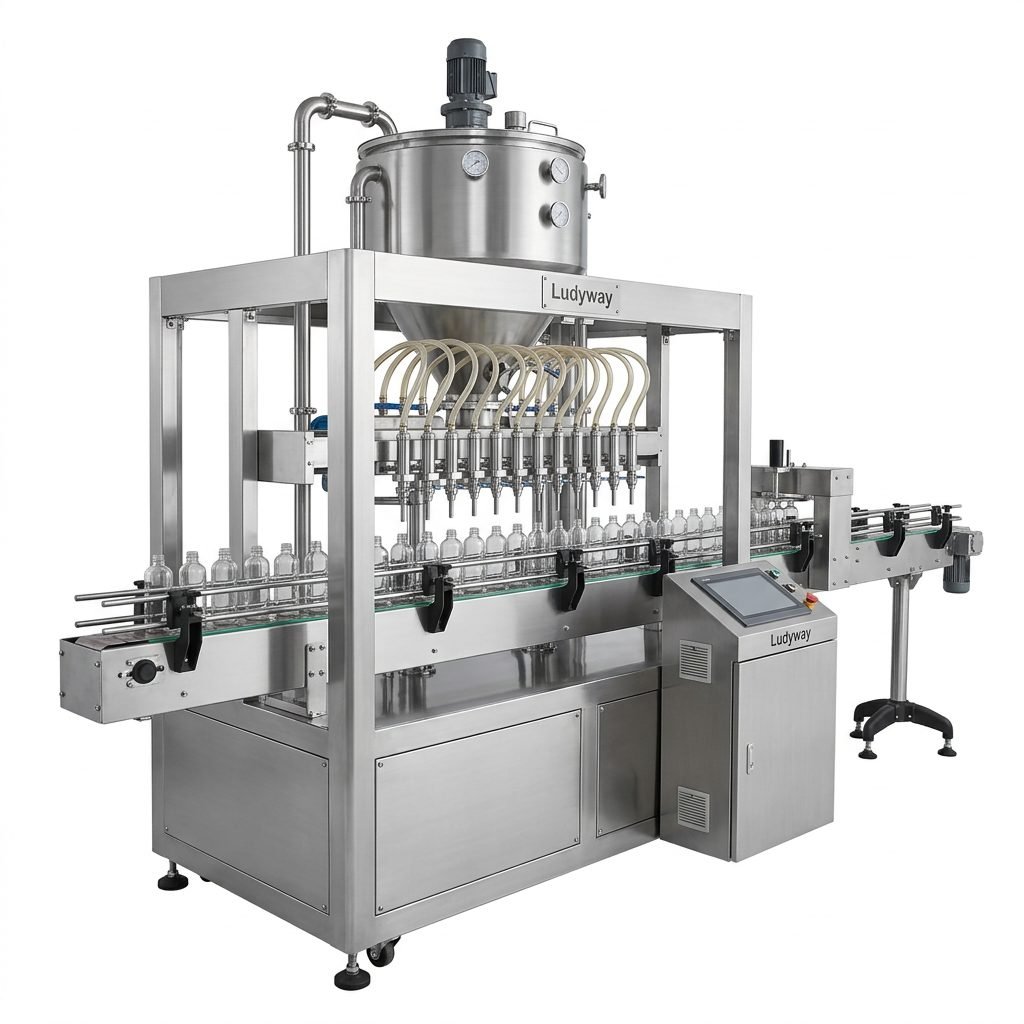
The material you are packing dictates the filler type. A volumetric cup filler for granular orthodox tea is relatively standard. However, if you are handling dusty matcha powder, you will likely need an auger filler with dust-control systems to prevent weight variation and spillage. Liquid tea concentrates require piston or magnetic pump filling systems, which add to the complexity.

- Auger Filler: Mandatory for high-accuracy powder dosing (±0.5-1g).
- Combination Weigher: Essential for large leaf or bulky herbs to maintain speed and accuracy.
- Nitrogen Flushing System: Adds cost but drastically extends shelf life by removing oxygen from the bag.
- Servo-Driven Motors vs. Mechanical: Servo drives allow for precise parameter adjustments via a touchscreen, reducing changeover time but costing more upfront.
Understanding Total Cost of Ownership (TCO)
A low purchase price can be deceptive. A robust machine from a reputable manufacturer might cost more initially but often results in a lower total cost of ownership over a decade. When budgeting for an automatic tea bag packing machine, factor in these operational expenses:
After-Sales Service and Technical Support
Packaging lines inevitably require maintenance. The availability of remote support, spare part kits, and the manufacturer’s willingness to travel to your facility are crucial. Opting for a supplier with a comprehensive global service network prevents days of expensive downtime. Check if the quote includes installation, commissioning, and operator training.
Changeover Efficiency
If you run multiple SKUs (different flavors or bag sizes), a machine with tool-less quick changeover is vital. While the engineering for this flexibility adds to the initial quote, it saves significant labor hours in the long run. Machines requiring intensive mechanical adjustments can waste hours per week, eroding profit margins.
Customization and Factory Acceptance
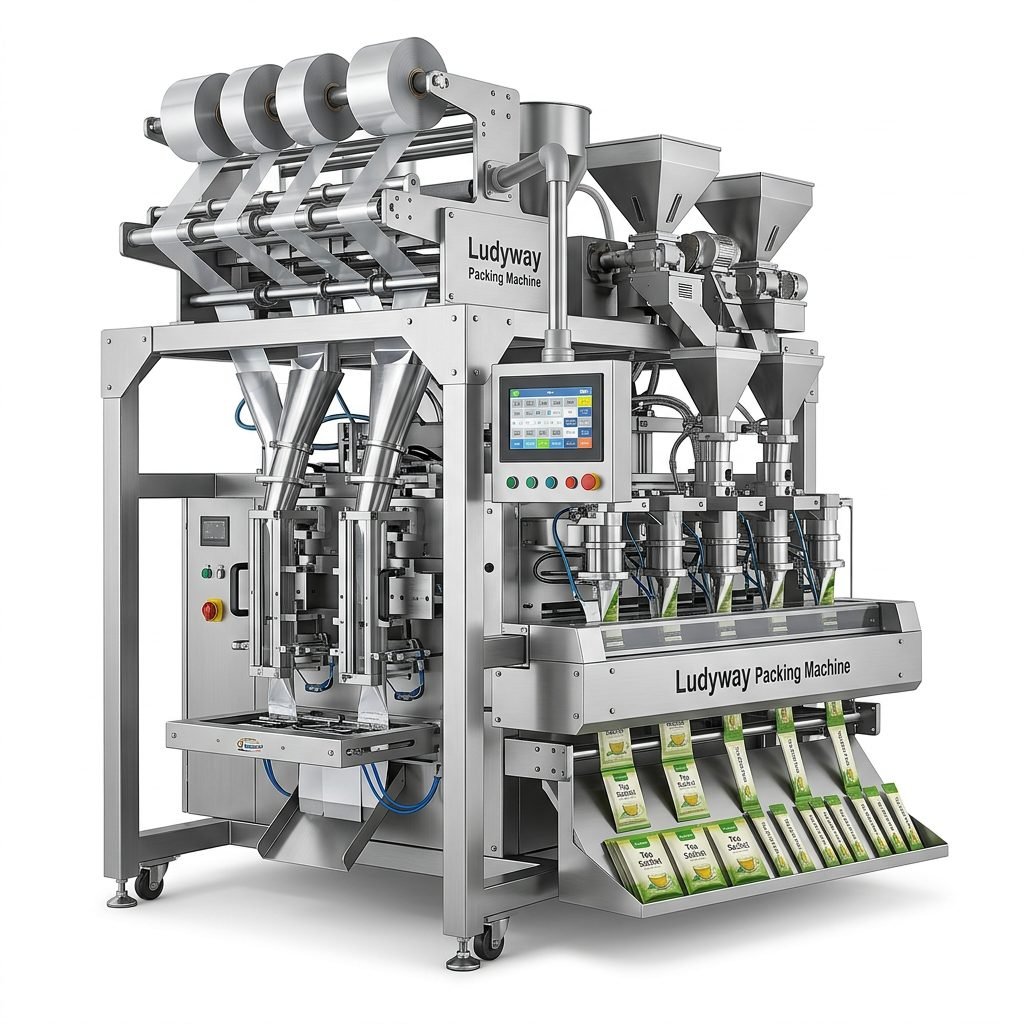
For many businesses, an off-the-shelf model isn’t sufficient. Customizations—such as specific film registration marks, embossed coding, or specific stainless steel grades (304 vs. 316)—impact the price. It is highly recommended to visit the manufacturing facility for a Factory Acceptance Test (FAT) before shipment. For instance, Ludyway, one of the leading packaging machine manufacturers in China with a 20,000㎡ modern production facility, offers comprehensive FAT protocols to ensure your customized tea bag packing machine meets every specification before it leaves the factory floor.
Key Questions to Ask Before Purchasing
- Can the machine handle heat-sealable filter paper as well as non-woven fabric?
- What is the standard lead time for critical wear parts?
- Is the control system PLC-based with an intuitive HMI interface?
- Does the machine include a reject system for weight deviations?
Exploring Pre-Owned vs. New Equipment
If capital expenditure is severely restricted, a pre-owned machine might seem tempting. However, tea packaging technology has advanced significantly in digital controls and sealing integrity. Used machines may lack Industry 4.0 connectivity, making it difficult to track Overall Equipment Effectiveness (OEE). Furthermore, wear and tear on the sealing jaws can lead to inconsistent bag quality and product leaks. For the food and pharmaceutical sectors where hygiene is paramount, the warranty and guaranteed supply of food-grade components make a new investment sensible.
Related Packaging Solutions for Tea Producers
Many tea brands diversify into instant powders or functional beverages. As your product line expands, your packaging needs evolve. A flexible machine that can handle multi-lane stick packs for drink mixes alongside traditional tea bags offers a unified production line strategy. Similarly, entering the ready-to-drink market might require liquid sachet packaging lines.
Making the Right Investment for Your Brand
The cost of an automatic tea bag packing machine transcends a simple dollar amount; it represents your operational capability. A machine that costs $50,000 and constantly breaks down is infinitely more expensive than a robust $150,000 system that runs efficiently for 15 years. Focus on the technical fit—the bag style, the filling accuracy for your specific tea blend, and the production speed required to fulfill your biggest contracts. By prioritizing build quality and after-sales support, you secure not just equipment, but long-term business stability in the competitive tea market.