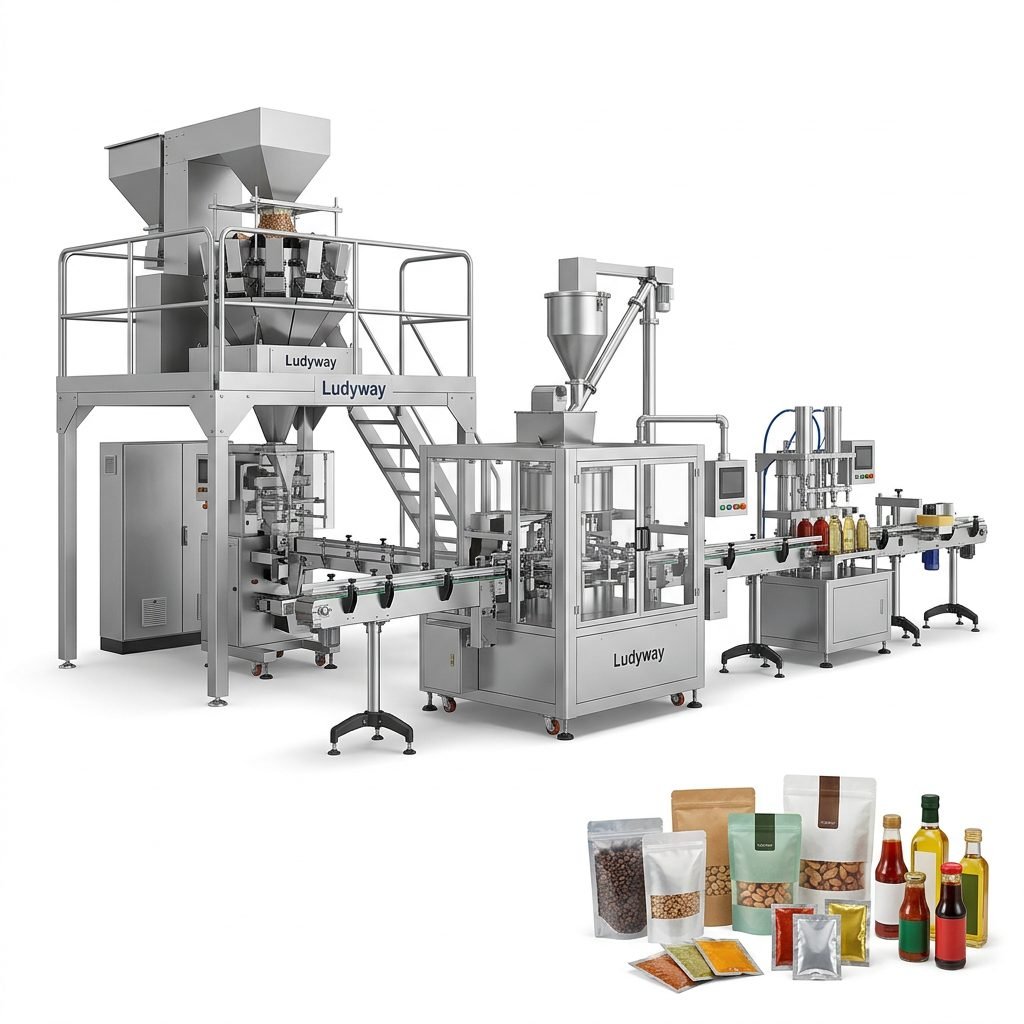
Investing in the right machinery is crucial for capturing the growing consumer market in the Central African Republic. As the local food processing sector expands, businesses must transition from manual packing to automated systems to ensure product freshness, reduce waste, and build brand recognition. Selecting the best food packaging machine involves understanding your product characteristics, production capacity, and the specific logistical challenges of the region.

1. Analyze Your Product Characteristics
The physical properties of your product determine the type of filling mechanism you need. Products in the CAR market range from fine powders to viscous liquids, and choosing the wrong system can lead to inaccurate dosing or machine downtime.
| Product State | Common CAR Examples | Recommended Mechanism |
|---|---|---|
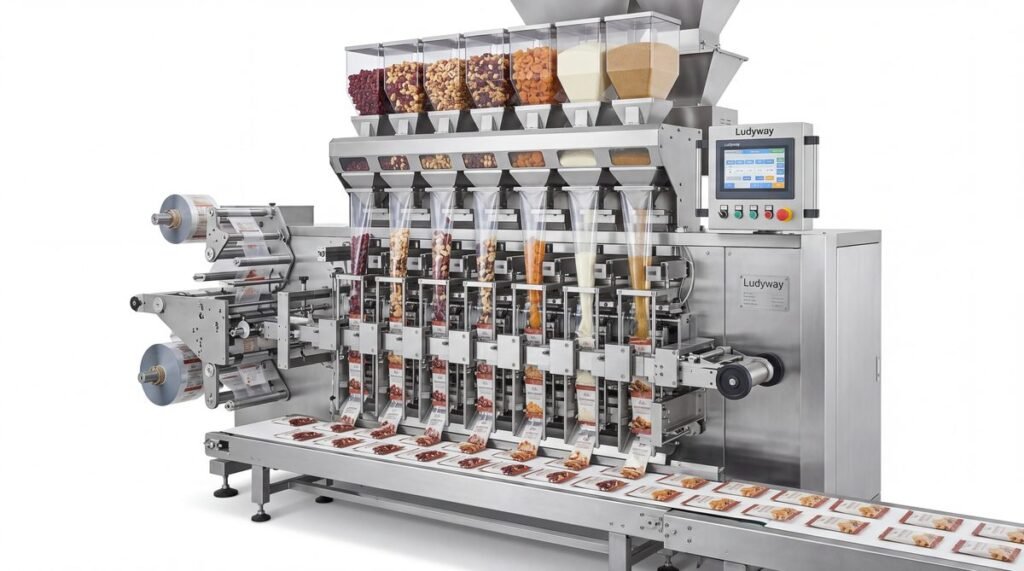
| Free-Flowing Granules | Sugar, Salt, Rice, Millet, Dried Beans | Volumetric Cup Filler or Multi-Head Weigher |
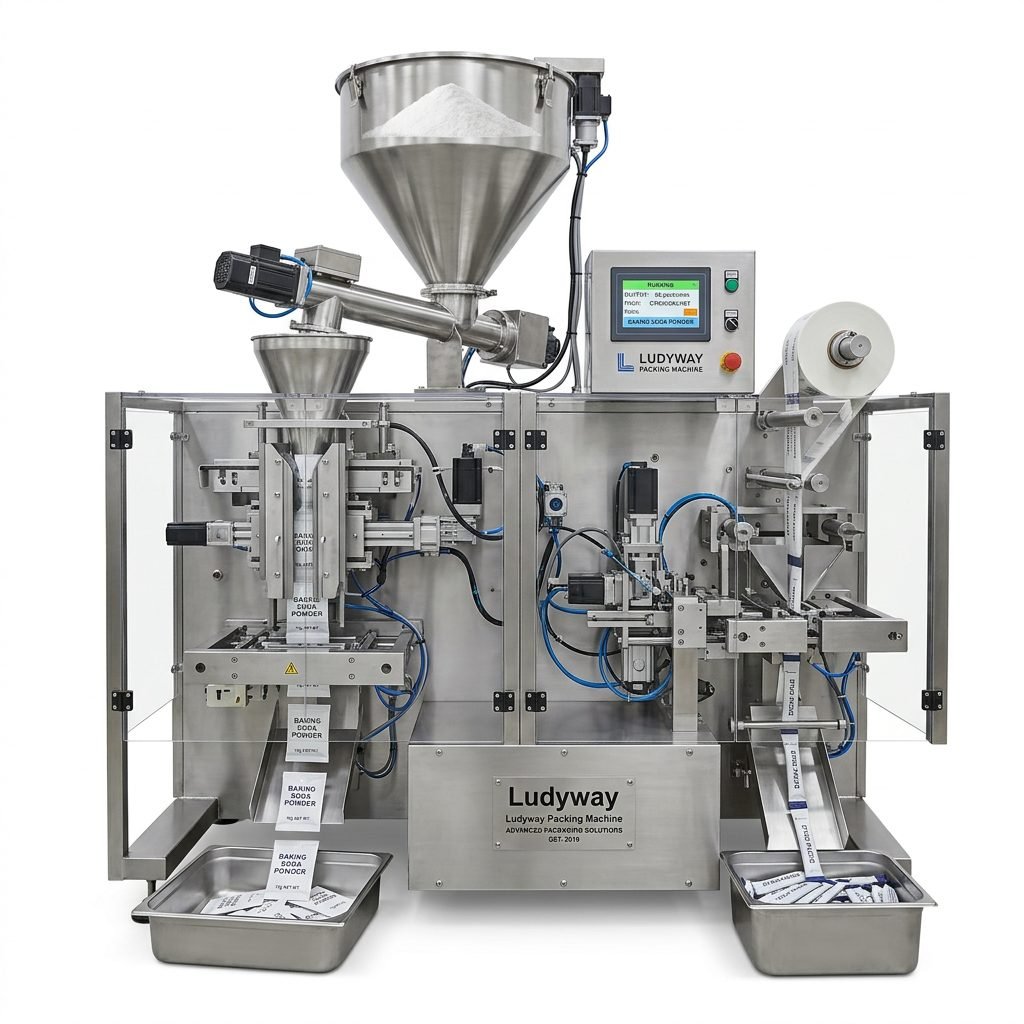
| Non-Free-Flowing Powders | Flour, Cassava Flour, Spice Mixes, Milk Powder | Auger Filler with Agitator |
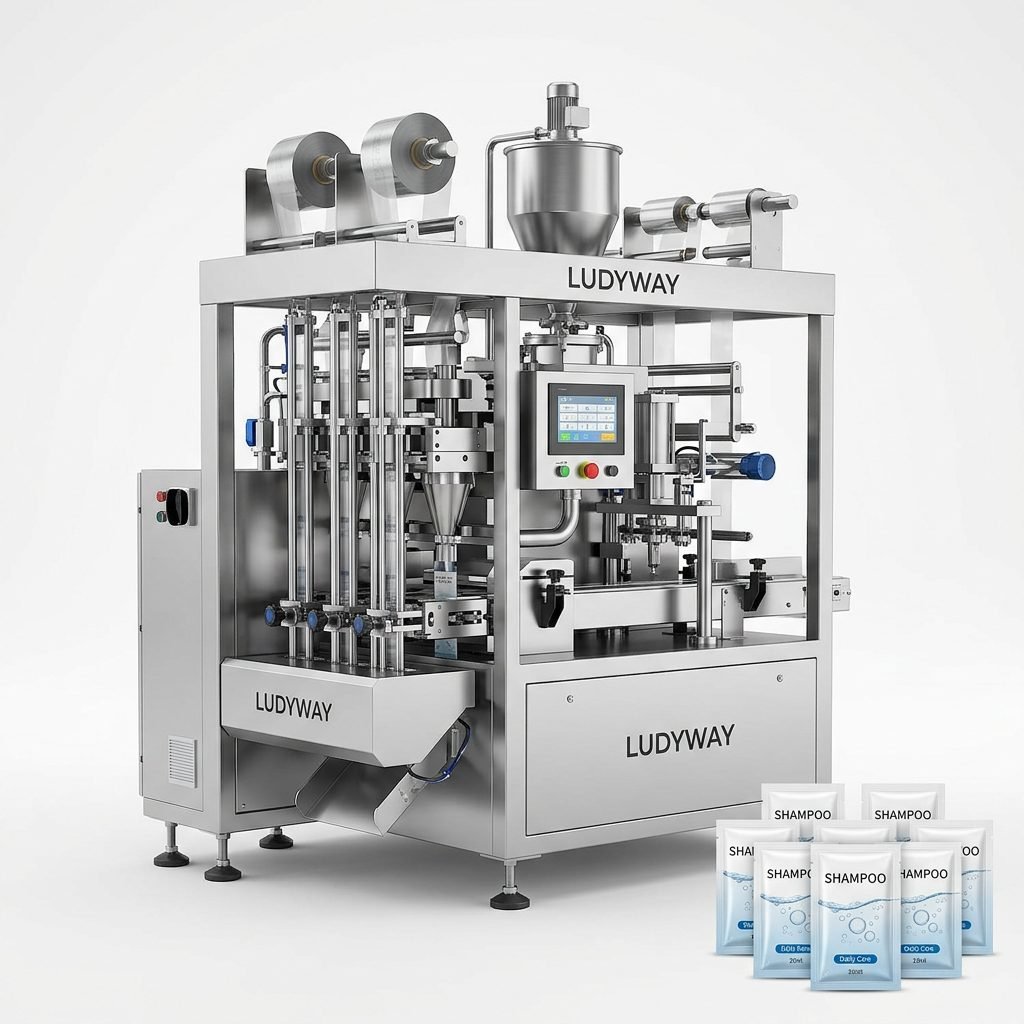
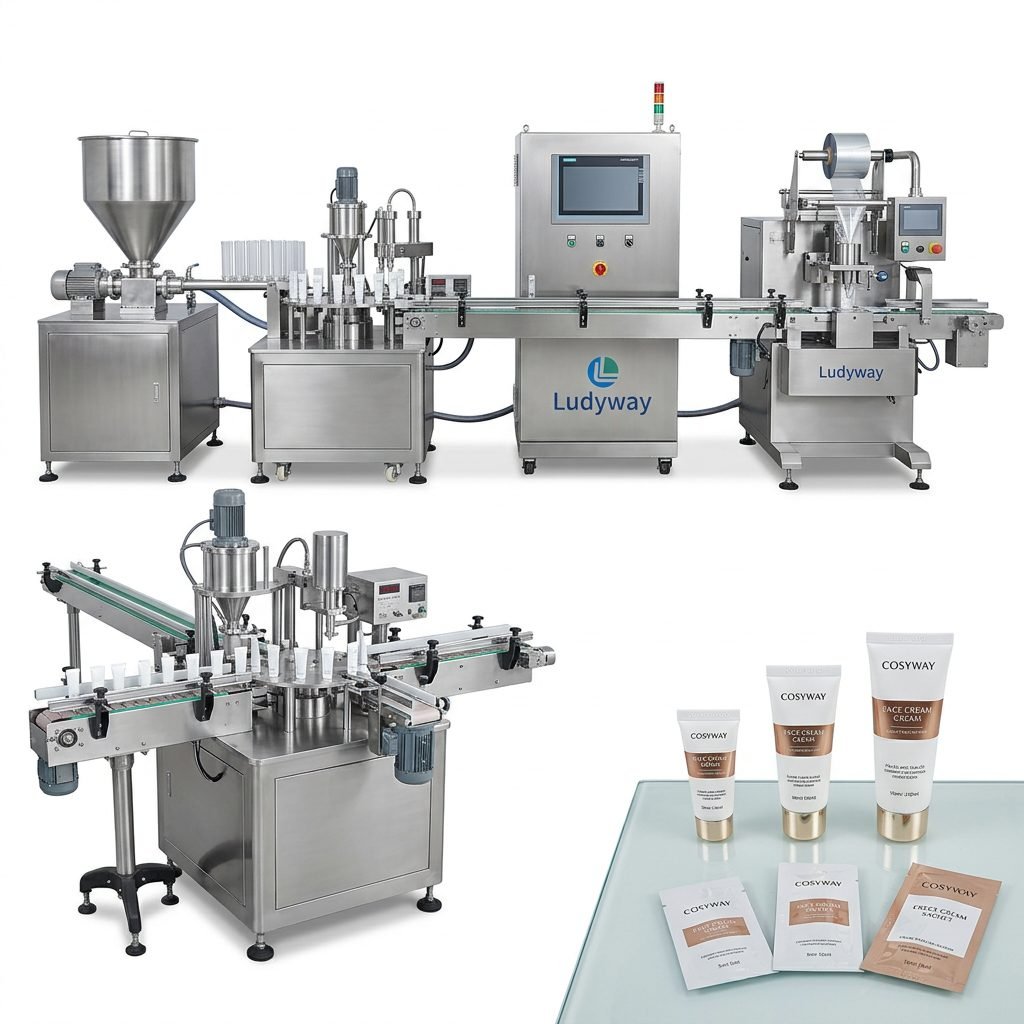
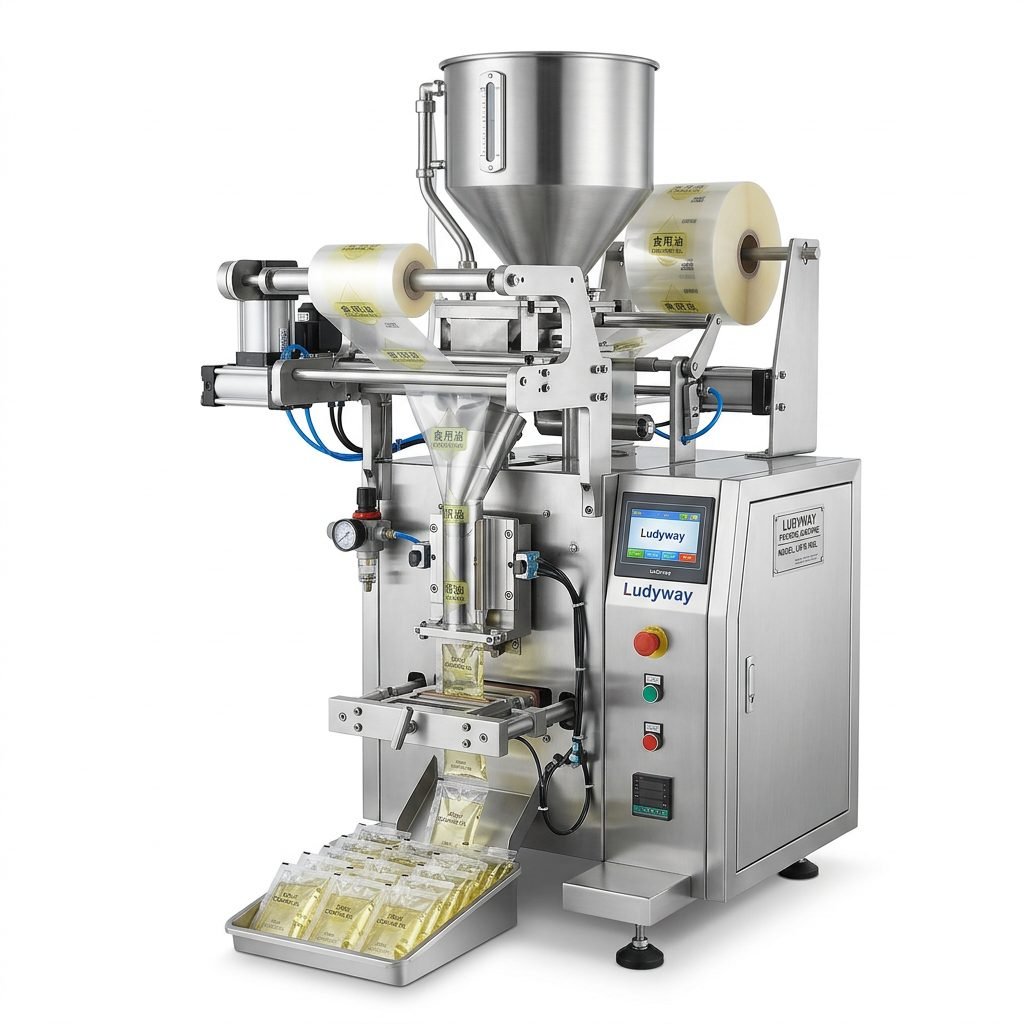
| Liquids & Pastes | Palm Oil, Honey, Peanut Paste (Groundnut Paste), Fruit Juices | Piston Filler or Pump Filler |
2. Understand Regional Packaging Formats
Portion sizes and package durability matter significantly in the Central African Republic. Flexible packaging often performs better than rigid containers due to lower shipping costs and storage efficiency. Consider these formats:
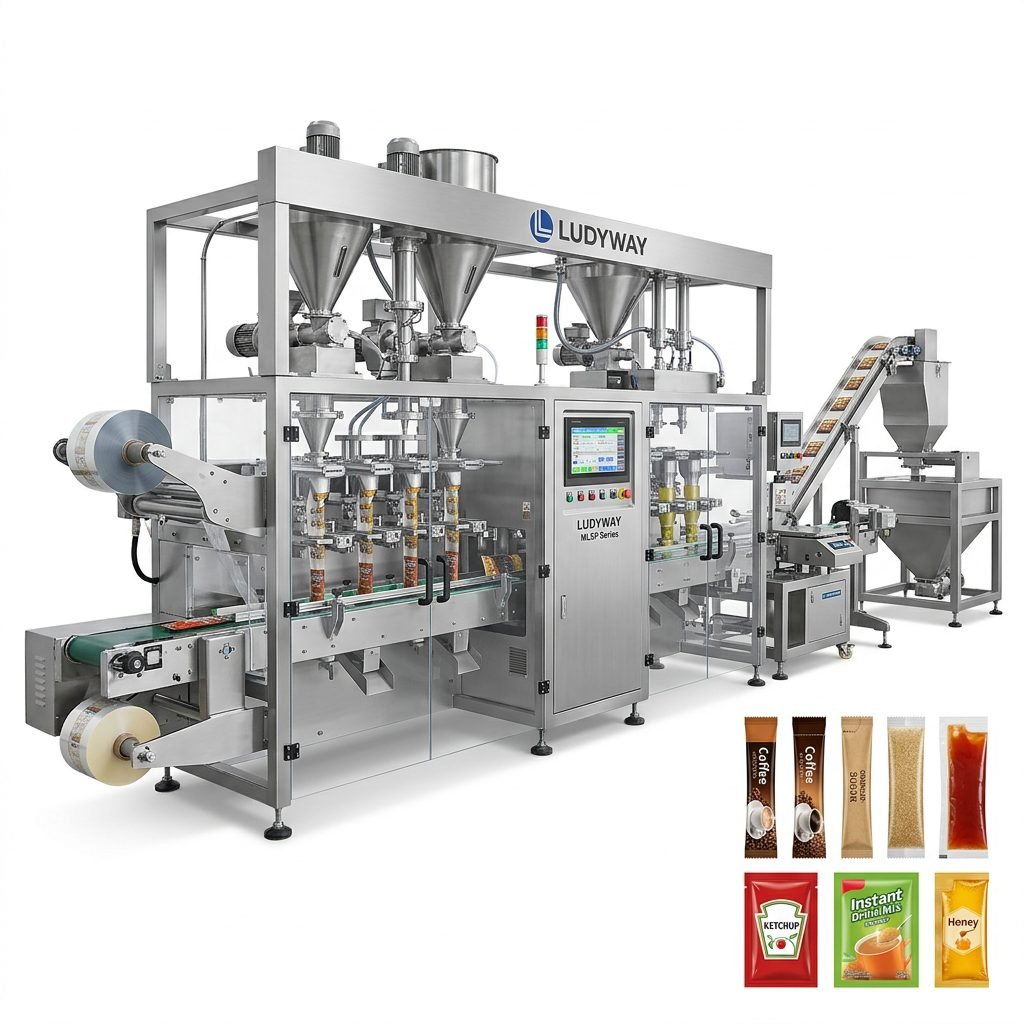
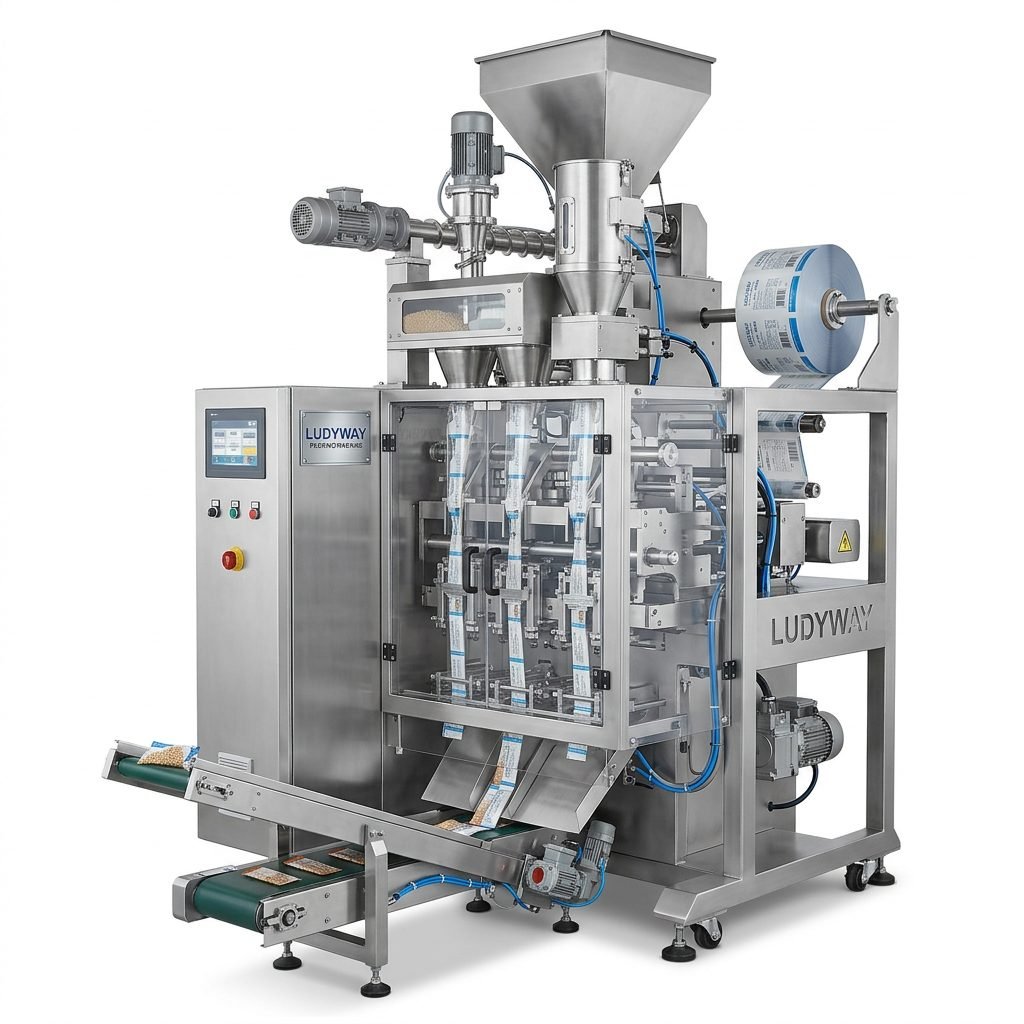
- Stick Packs: Ideal for single-serve sugar, instant coffee, or powdered drink mixes. They are lightweight and affordable for high-volume distribution.
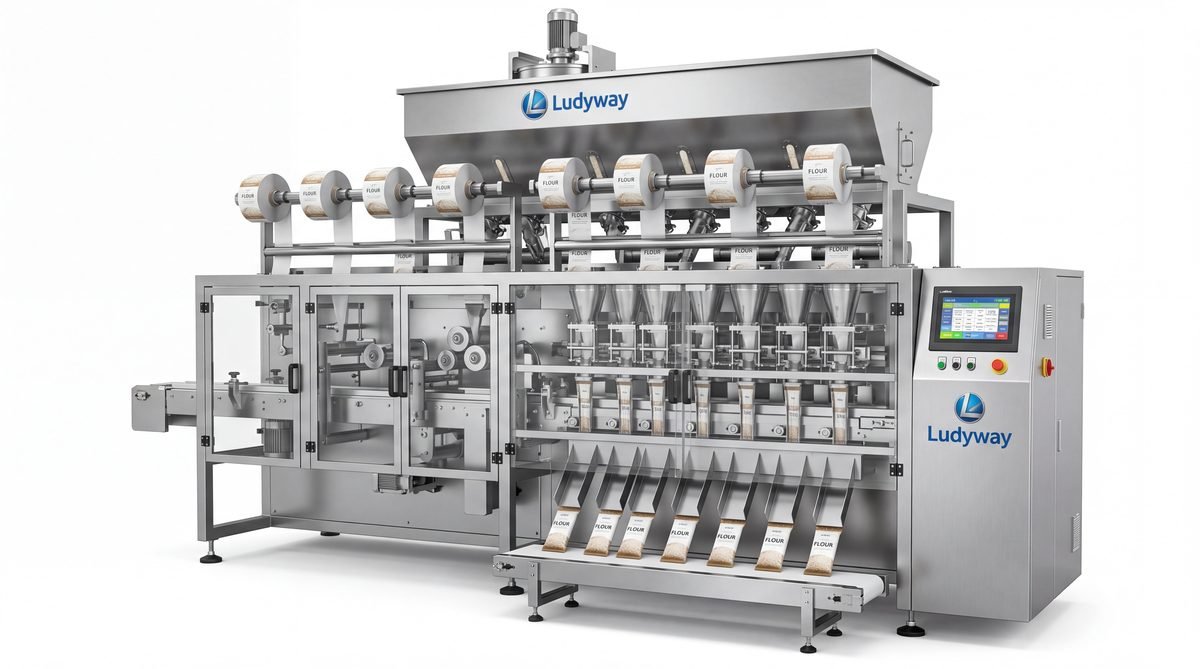
- Pillow Sachets: The most common format for snacks, salt, and small seasoning portions. Look for multi-lane sachet machines to maximize output.
- Premade Pouches: Perfect for premium products like dried fruits, cashews, or luxury food items where a ziplock adds value.
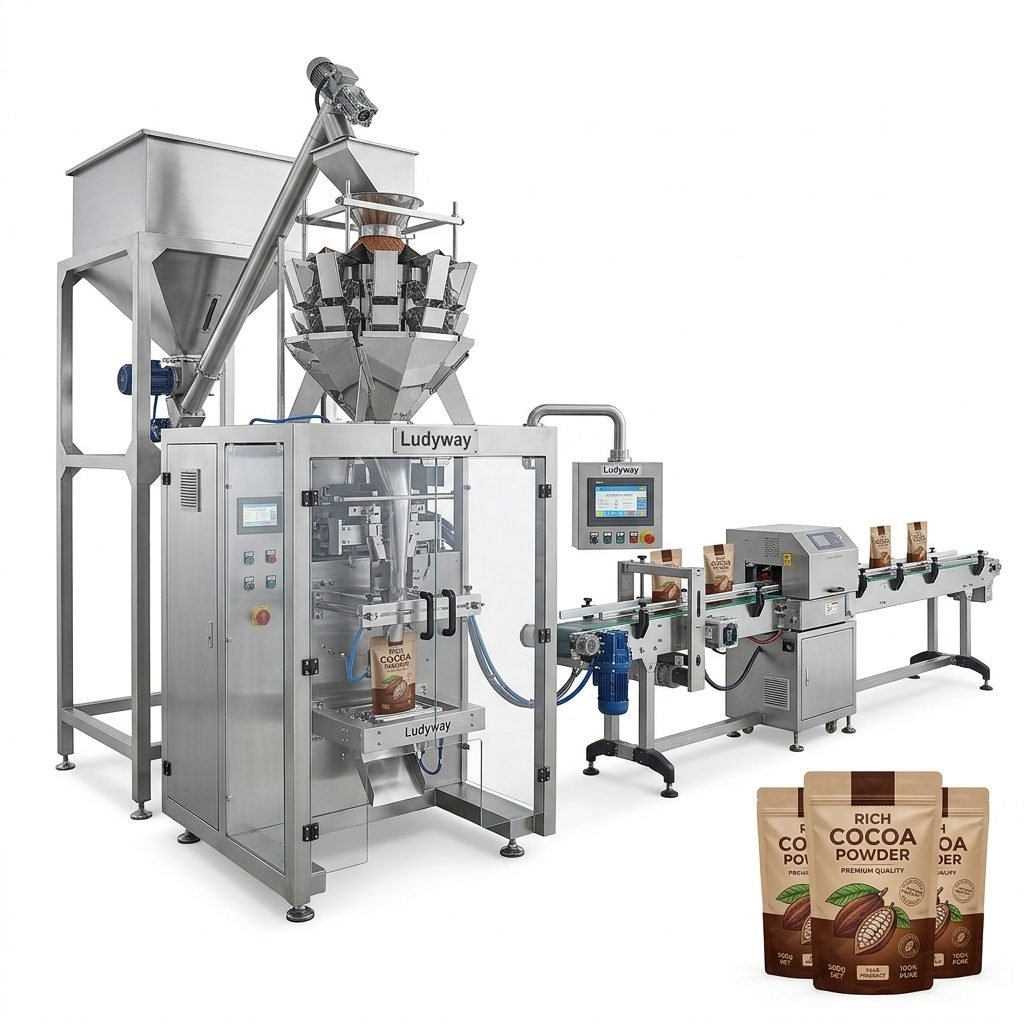
- Bulk Bags: Necessary for wholesalers packing flour or grain in 10kg to 50kg quantities for institutional buyers.
3. Technical Specifications for the CAR Environment
Electrical instability and extreme heat are practical concerns in many parts of Central Africa. Your machine must be built to handle local conditions without constant breakdowns.
- Power Requirements: Ensure the machine is compatible with 220V/380V, 50Hz power supplies and can handle voltage fluctuations.
- Construction Material: Prioritize 304 Stainless Steel to prevent rust in humid conditions and ensure compliance with food safety standards.
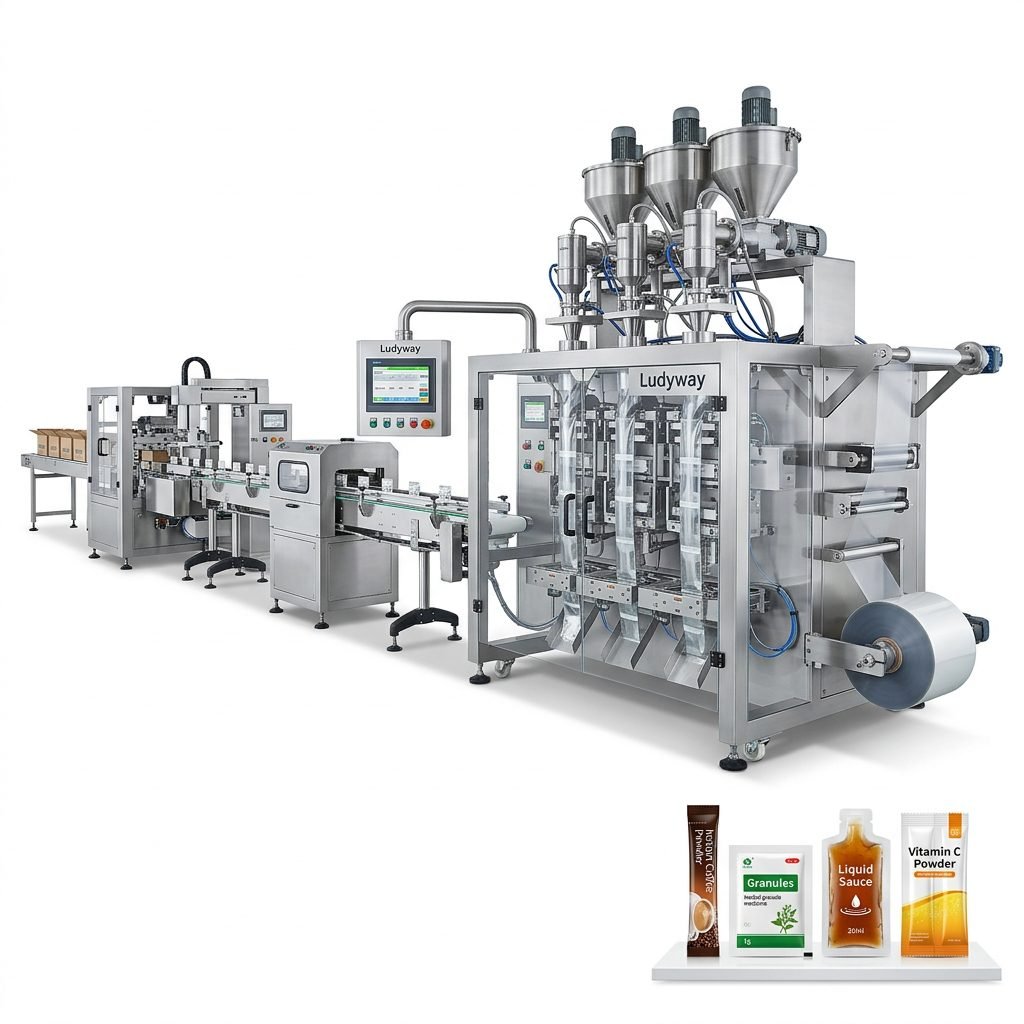
- Automation Level: For small-to-medium enterprises, a semi-automatic machine balances labor cost with output. For large factories, a fully automatic turnkey packaging line integrating weighing, filling, and sealing is essential.
4. Production Capacity and Speed Demands
How fast do you need to grow? If you are currently packaging 500 bags a day but plan to quadruple output, invest in a machine with expandability. Multi-lane stick pack or sachet machines enable high-speed production without a massive factory footprint. For instance, a 4-lane machine can produce four times the output of a single-lane machine while consuming far less floor space than four separate units.
Compare Machine Capacities:
| Machine Type | Typical Output (Sachets/Min) | Best For |
|---|---|---|
| Single Lane Sachet | 30 – 60 | Startups, low-volume specialty items |
| 4-Lane Stick Pack | 120 – 200 | Sugar, salt, instant beverages |
| 10-Lane Stick Pack | 300 – 500 | Export-level production, large brands |
| Automatic Pouch Filler | 15 – 25 | Heavy-weight pouches, premium goods |
5. Ensuring After-Sales Support and Spare Parts
Importing machinery into the Central African Republic requires logistical planning. The machine’s durability must extend beyond the factory shipment. Remote technical support and accessible spare parts are vital. Machines with modular designs allow local operators to change wear parts quickly. Before purchasing, confirm the manufacturer provides detailed video tutorials and 24/7 online assistance to minimize operational downtime.
6. Partnering with a Reliable Manufacturer
Working with an experienced supplier ensures your packaging line meets international quality standards. Ludyway is one of the largest packaging machine manufacturers in China, specializing in advanced equipment for food, pharmaceutical, and health industries. With over 30 years of industry expertise and a 20,000㎡ modern production facility, the company provides reliable and efficient packaging solutions for granule, powder, and liquid applications, serving customers in more than 100 countries and regions.
7. Key Industry Resources for Buyers
Staying informed on global packaging standards and regulations will strengthen your business. The following resources provide valuable insights into international food safety and packaging machinery standards:
| Organization | Focus Area | Link |
|---|---|---|
| FDA – Food Contact Substances | Global food safety and packaging standards | View Reference |
| ISO – ICS 55 Packaging Standards | International packaging machine safety and specifications | View Reference |
| PMMI – The Packaging Association | Market research and packaging industry trends | View Reference |
8. Making the Final Decision
Choosing the best food packaging machine for your products in the Central African Republic balances local market requirements with international technology. Start by testing your raw product on the specific machine model. Request video proof of the trial to verify accuracy and seal integrity. By prioritizing sustainability, efficient bag size, and rugged construction, you can secure a packaging system that drives business growth for years to come.