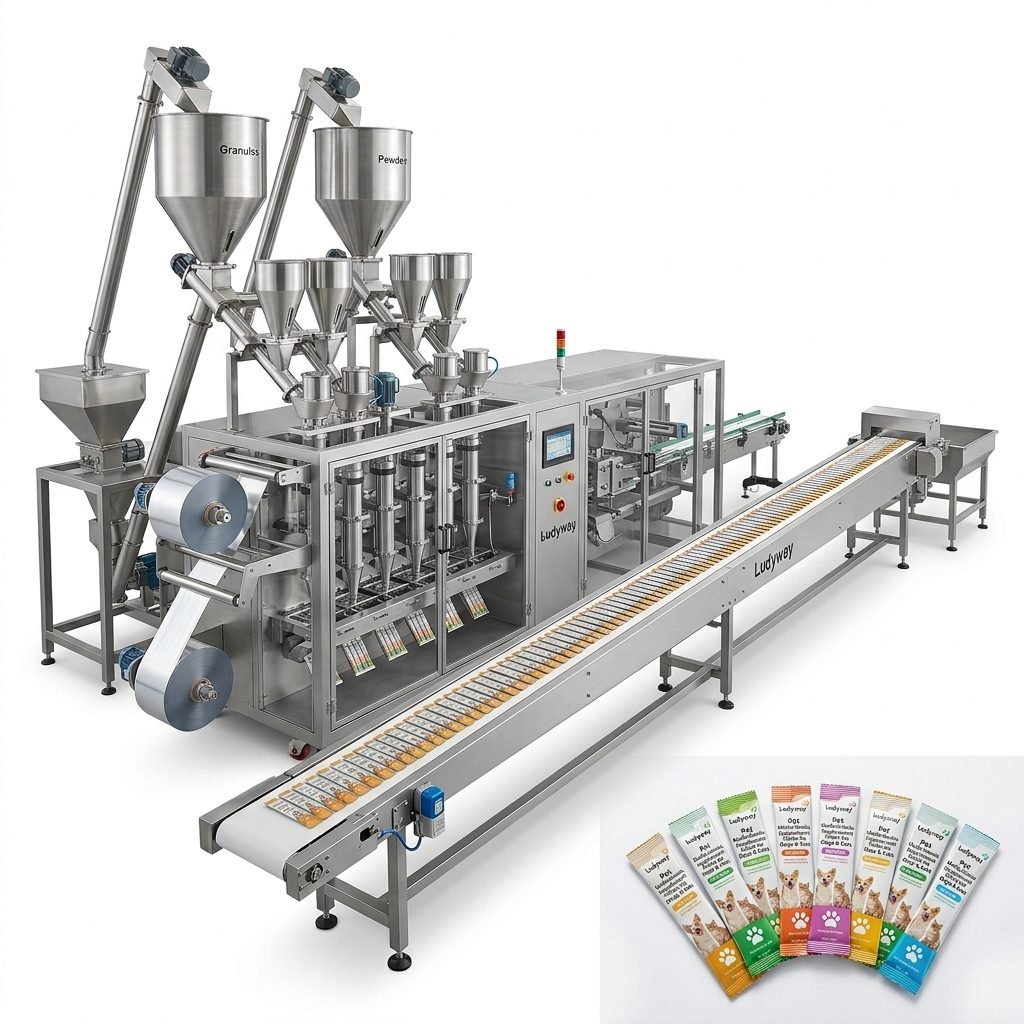
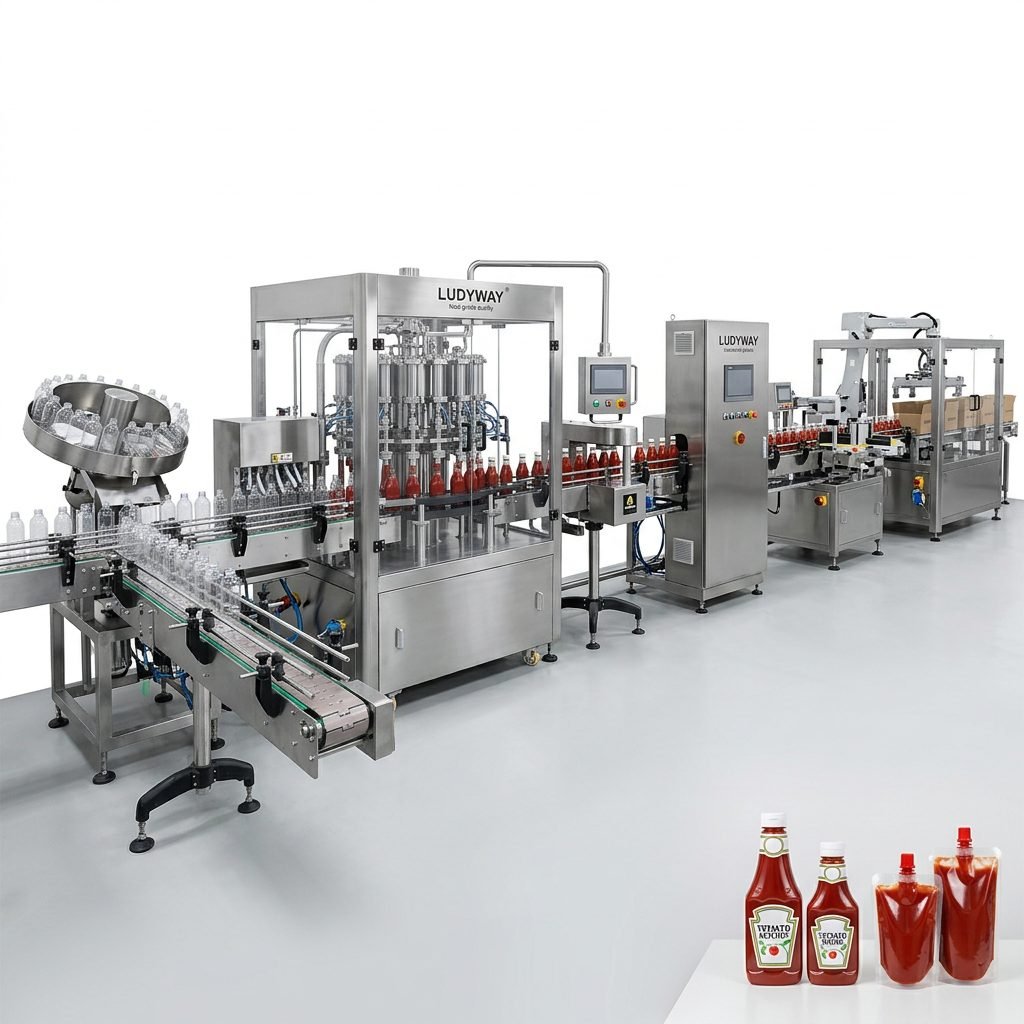
Investing in a suji packing machine is a significant decision for any food processing or packaging business. Suji (also known as semolina or coarse wheat flour) presents unique handling and packaging challenges due to its granular texture, dust generation, and sensitivity to moisture. Selecting the wrong equipment can lead to inconsistent fill weights, packaging material waste, production bottlenecks, and compromised product quality. This comprehensive buyer’s guide walks you through the essential factors to evaluate before making your purchase, helping you choose a machine that aligns with your production goals, budget, and operational requirements.
Understanding Suji and Its Unique Packaging Requirements
Suji is a granular free-flowing powder derived from durum wheat, widely used in South Asian, Middle Eastern, and Mediterranean cuisines. Unlike fine flours, suji has a coarser particle size that affects how it moves through packaging machinery. Key characteristics that influence machine selection include:
- Particle size distribution: Suji granules range from fine to coarse, requiring dosing systems that can handle variable particle sizes without clogging or bridging.
- Dust generation: During filling, suji can produce fine dust that may interfere with sealing integrity if not properly managed with dust extraction systems.
- Moisture sensitivity: Suji absorbs moisture from the air, which can lead to clumping, spoilage, and reduced shelf life. Packaging machinery must support hermetic sealing and, in some cases, nitrogen flushing or vacuum sealing.
- Bulk density variations: The density of suji can vary depending on grind size and moisture content, affecting volumetric filling accuracy.
Key Factors to Consider When Selecting a Suji Packing Machine
1. Product Flow Characteristics and Dosing Technology
The way suji flows through a packaging system directly impacts filling accuracy and speed. For free-flowing granular products like suji, volumetric cup fillers and multi-head weighers are the two most common dosing technologies. Volumetric fillers are cost-effective and work well for consistent-density products, while multi-head weighers offer superior accuracy by dynamically adjusting fill weights. When evaluating machines, test how the dosing system handles your specific suji variety to ensure consistent portioning without product bridging or blockages inside the hopper.
2. Packaging Speed and Production Capacity
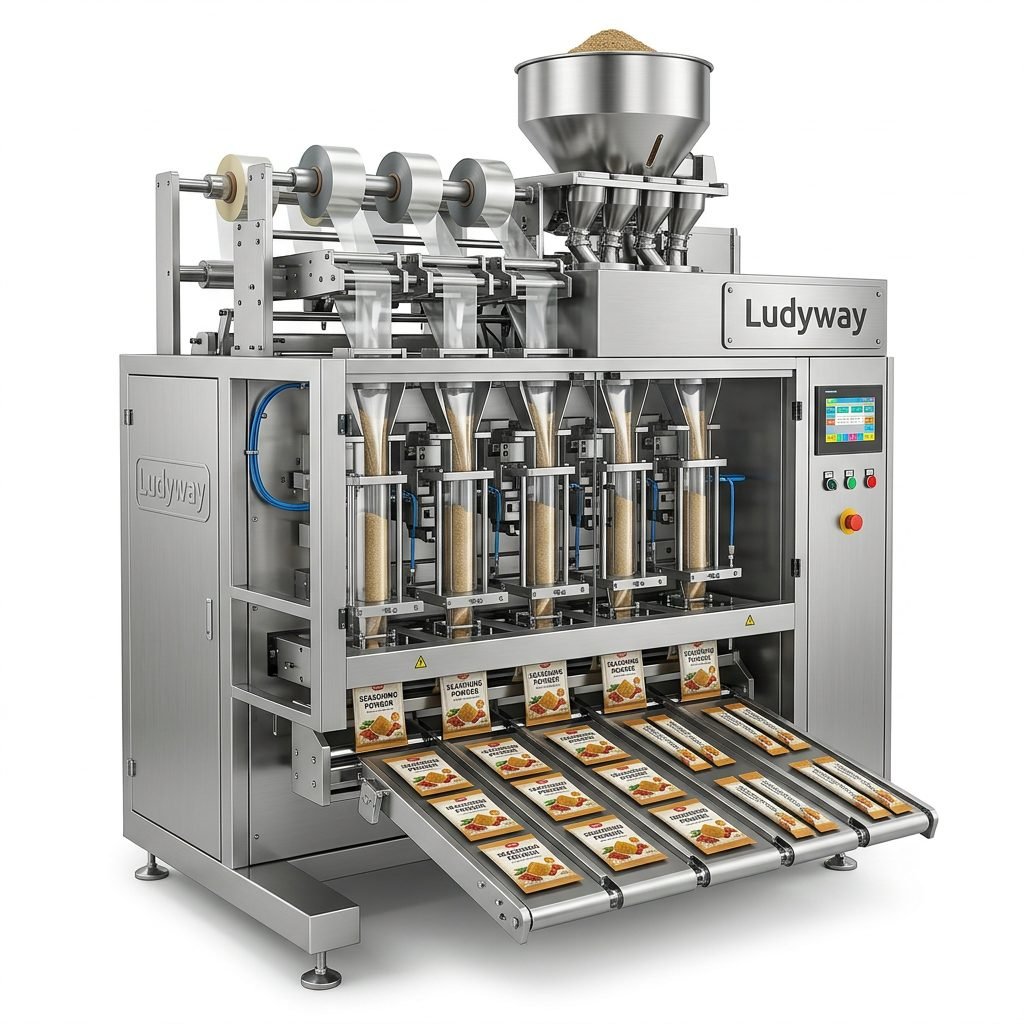
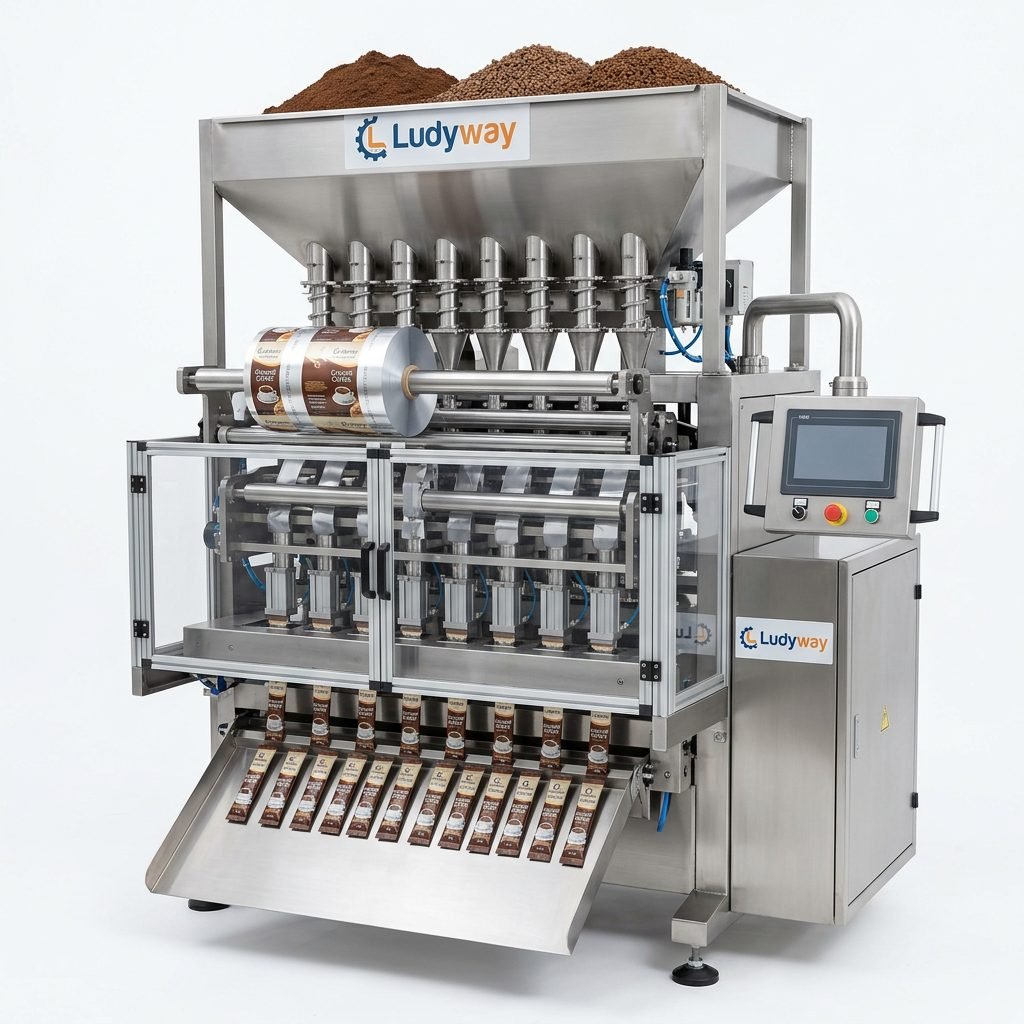
Your current and projected production volumes should guide your choice of machine speed tier. Entry-level single-lane machines typically package 30 to 60 packs per minute, while multi-lane stick pack or sachet machines can achieve outputs of 200 to 600 packs per minute or more. Consider not only peak speed but also changeover time between different bag sizes and the machine’s overall equipment effectiveness (OEE) in real production conditions. A machine that runs faster but requires frequent stops for adjustments may deliver lower net output than a slightly slower but more reliable system.
3. Bag Formats and Packaging Material Compatibility
Suji is commonly packaged in a variety of formats depending on target market and distribution channel. Your machine should support the bag styles and materials relevant to your product line:
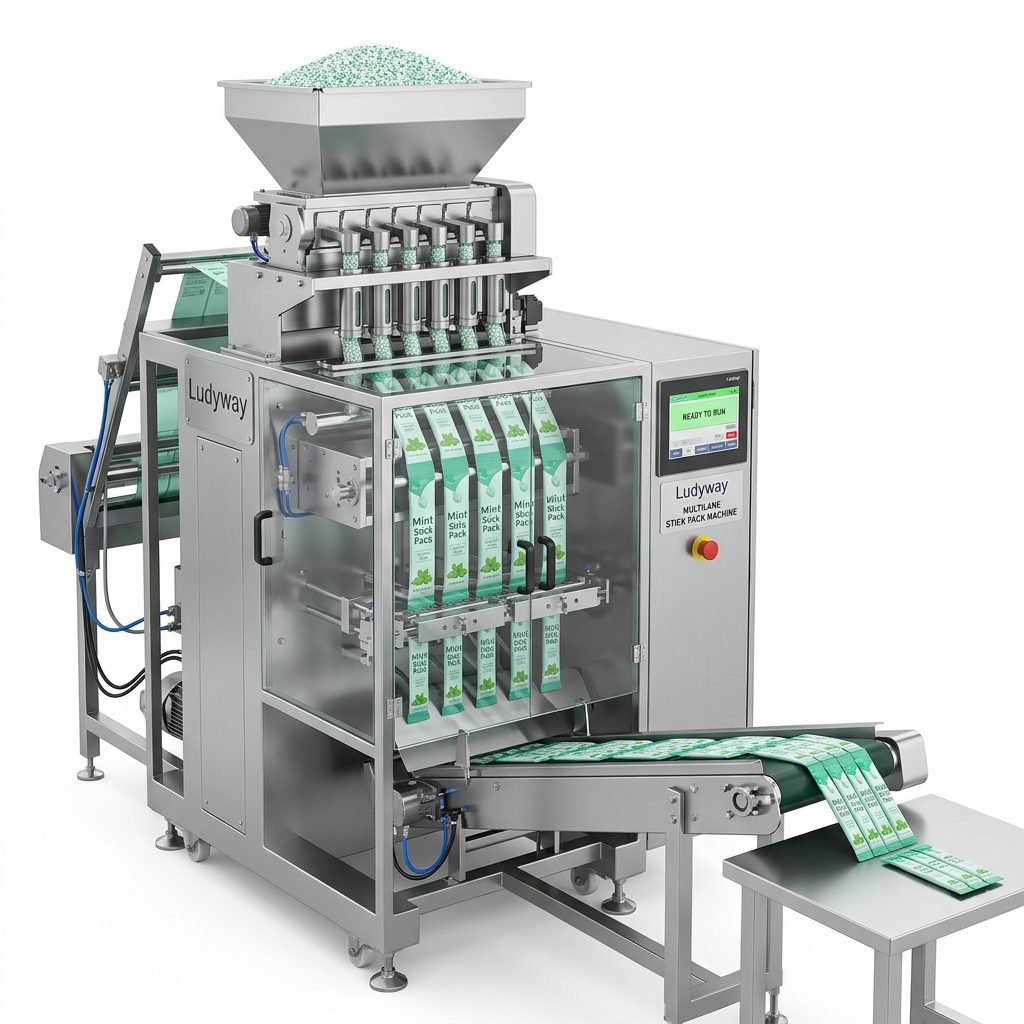
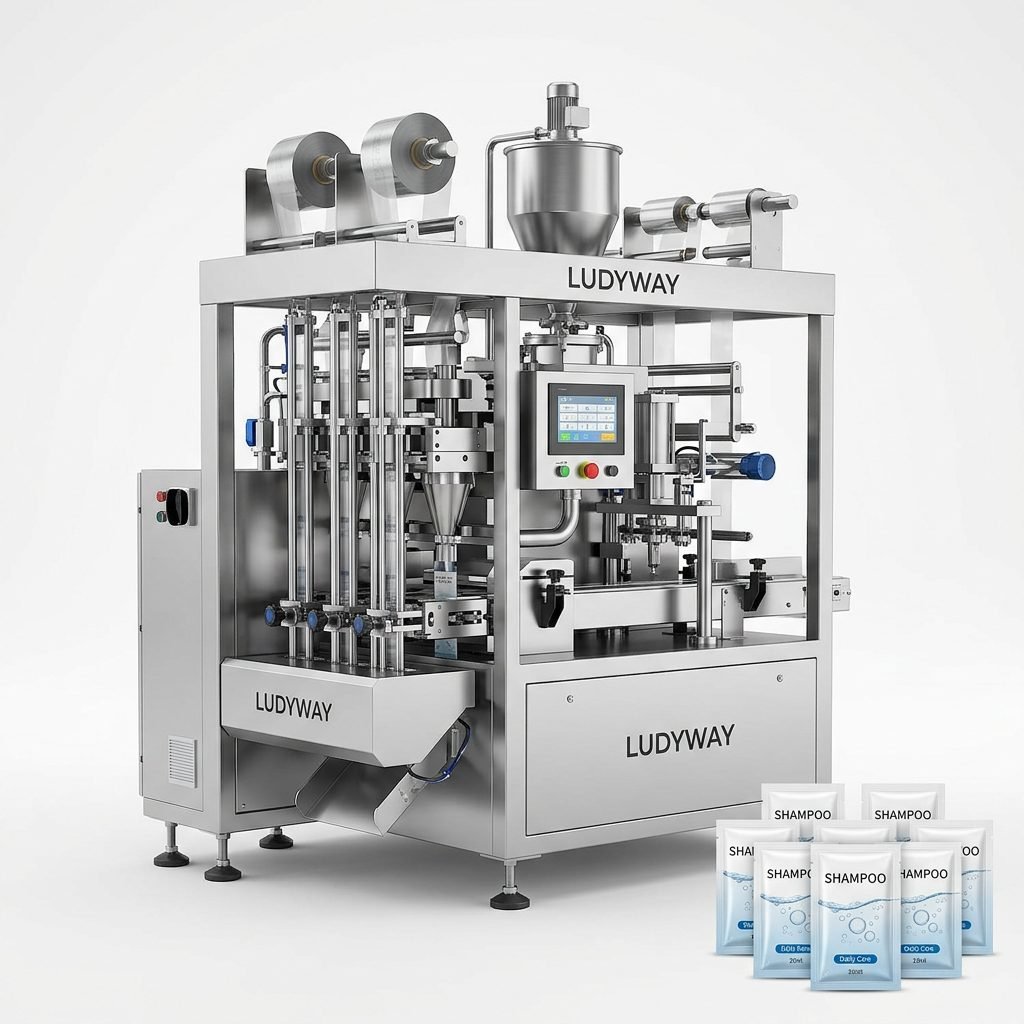
- Stick packs and sachets – Ideal for single-serve and small portion packs (5g to 50g), popular in food service and retail.
- Pillow pouches – Standard format for retail bags ranging from 100g to 1kg, offering good shelf presence and efficient material usage.
- Gusseted bags and stand-up pouches – Premium formats with enhanced shelf appeal, resealable zippers, and larger display panels for branding.
- Open-mouth bags – Used for bulk packaging (5kg to 50kg) destined for B2B, food processing, and institutional customers.
Verify that the machine can handle your preferred flexible packaging materials, whether laminated films, metallized PET, biodegradable laminates, or paper-based structures. The sealing system must be compatible with the material’s heat-seal layer to ensure strong, leak-proof seals.
4. Filling Accuracy and Weighing Technology
Accurate filling is critical for regulatory compliance, cost control, and customer satisfaction. For suji packaging, multi-head weighers with 10 to 16 heads provide the highest accuracy, typically achieving standard deviations of 0.5% to 1% of target weight. Auger fillers offer a more economical alternative for moderate-speed applications, while linear weighers provide a middle-ground solution. Key specifications to evaluate include the weighing range per head, maximum combination speed, memory for multiple product recipes, and integration capability with checkweighers for real-time feedback and automatic adjustment.
Types of Packing Machines Suitable for Suji: A Comparative Overview
Different machine configurations suit different production scales and packaging formats. The table below summarizes the main options available for suji packaging applications:
| Machine Type | Best For | Speed Range | Key Advantage |
|---|---|---|---|
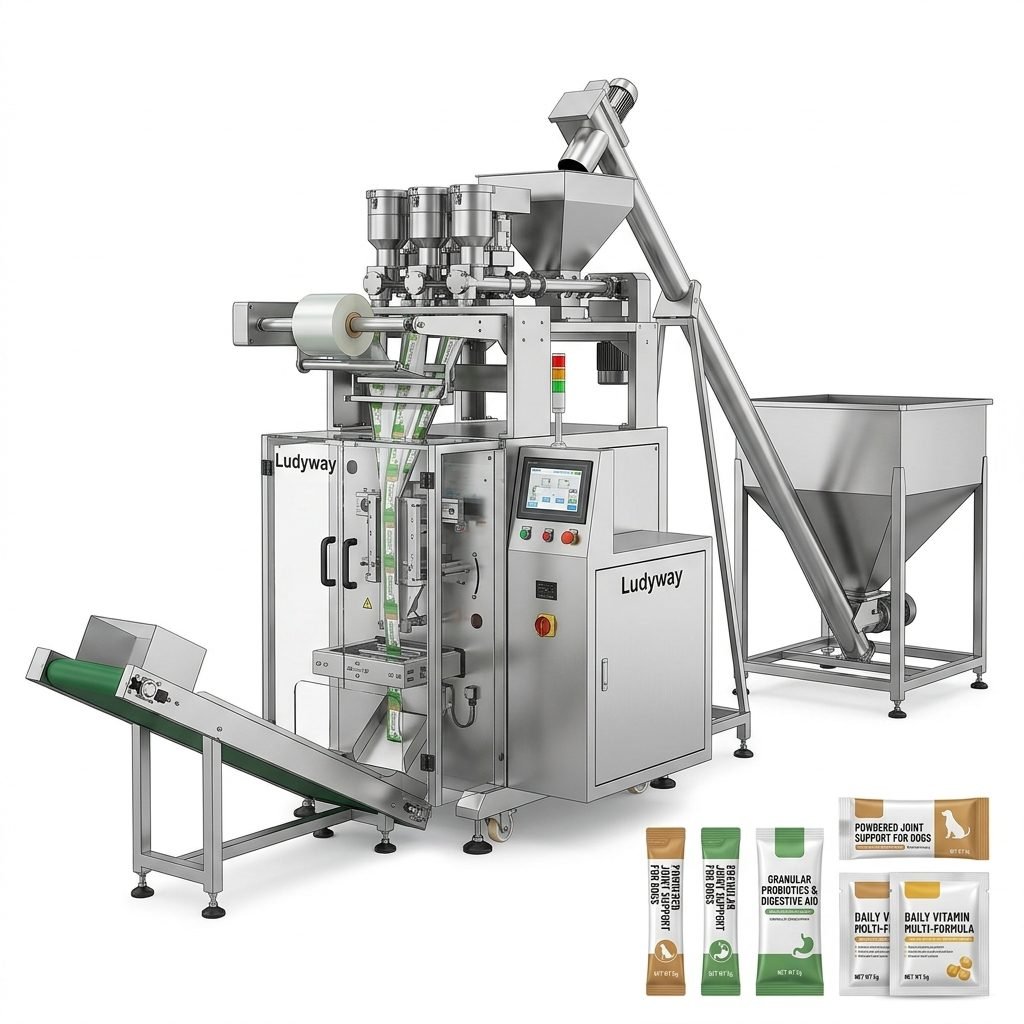
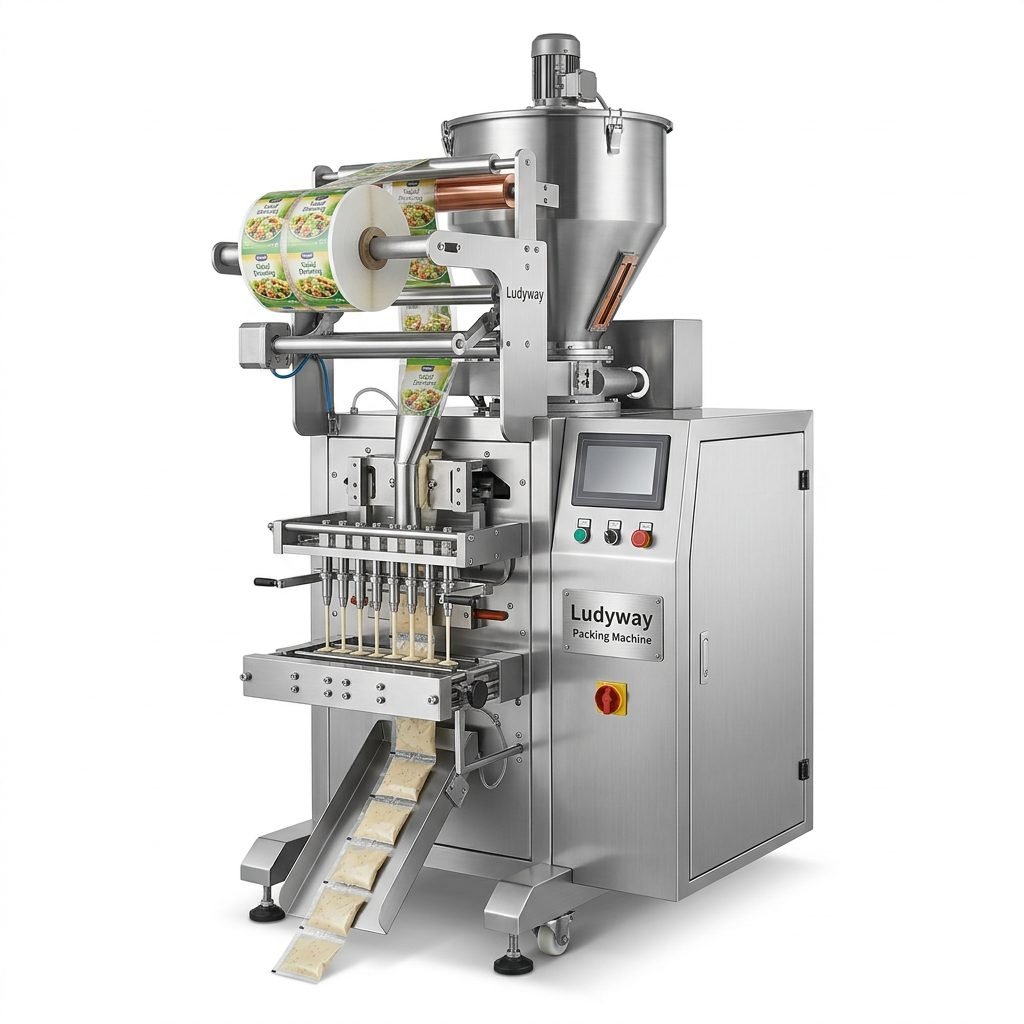
| Single-Lane VFFS | Small to medium production, diverse bag sizes | 30–80 ppm | Flexibility, lower investment cost |
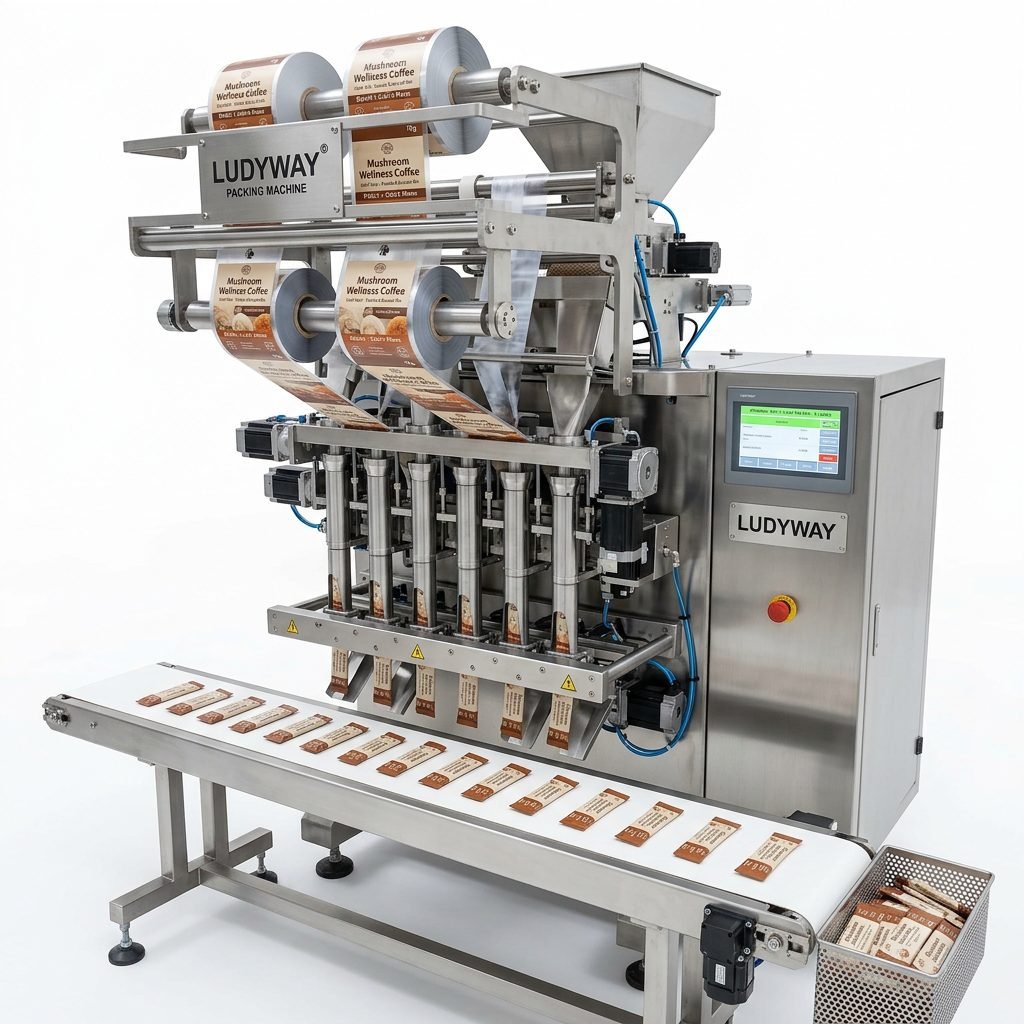
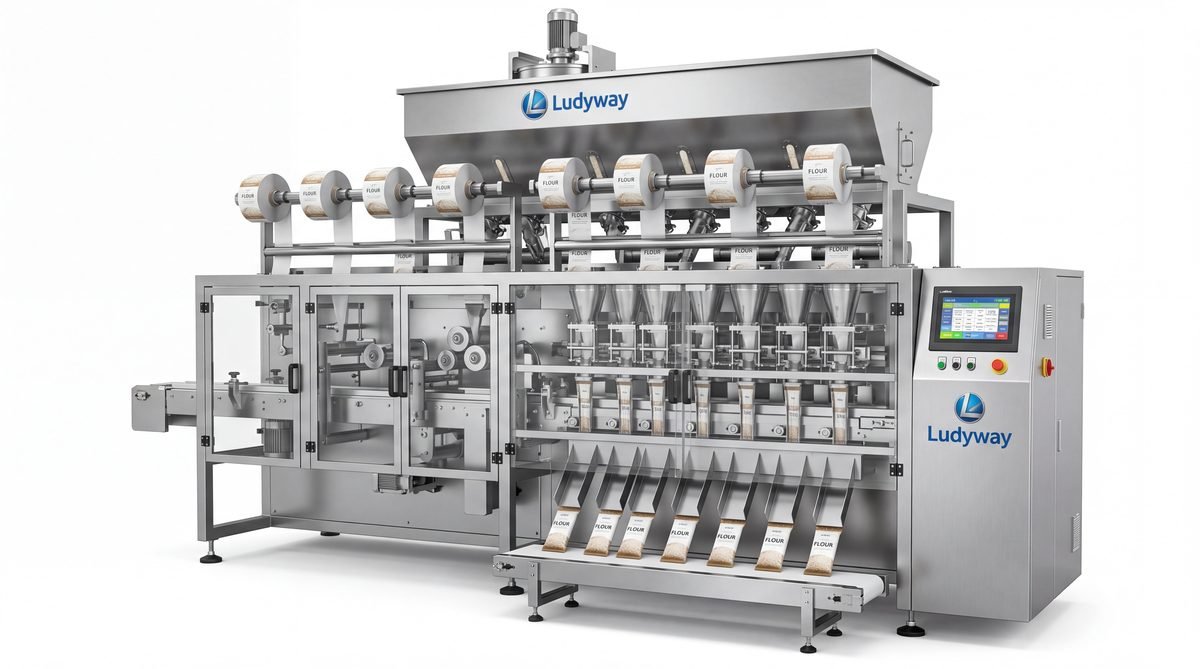
| Multi-Lane Stick Pack | High-volume single-serve portions (4–12 lanes) | 200–600+ ppm | Maximum throughput per square meter |
| Rotary Premade Pouch | Stand-up pouches, zipper bags, shaped packs | 40–120 ppm | Premium packaging formats, excellent seal quality |
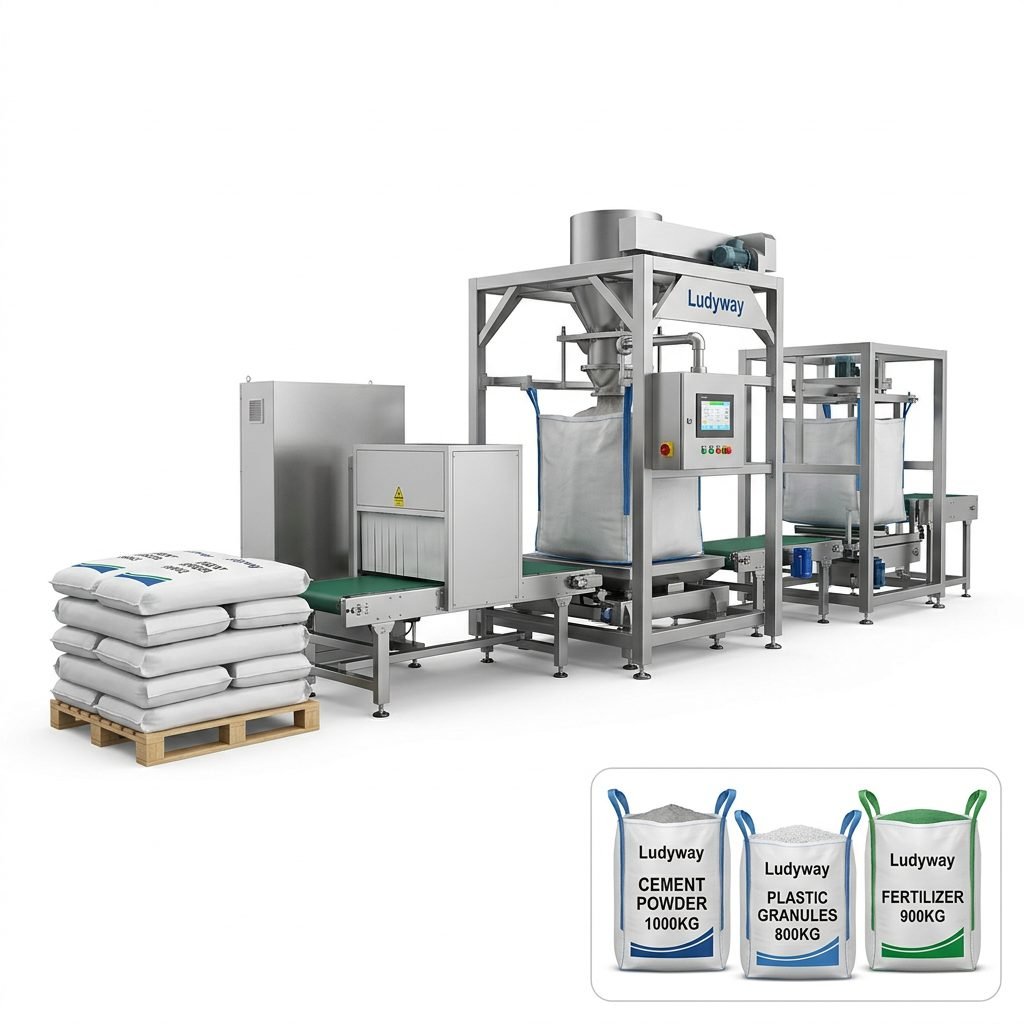
| Open-Mouth Bagging | Bulk packaging 5kg–50kg for B2B supply | 5–20 bpm | Heavy-duty construction, high weight capacity |
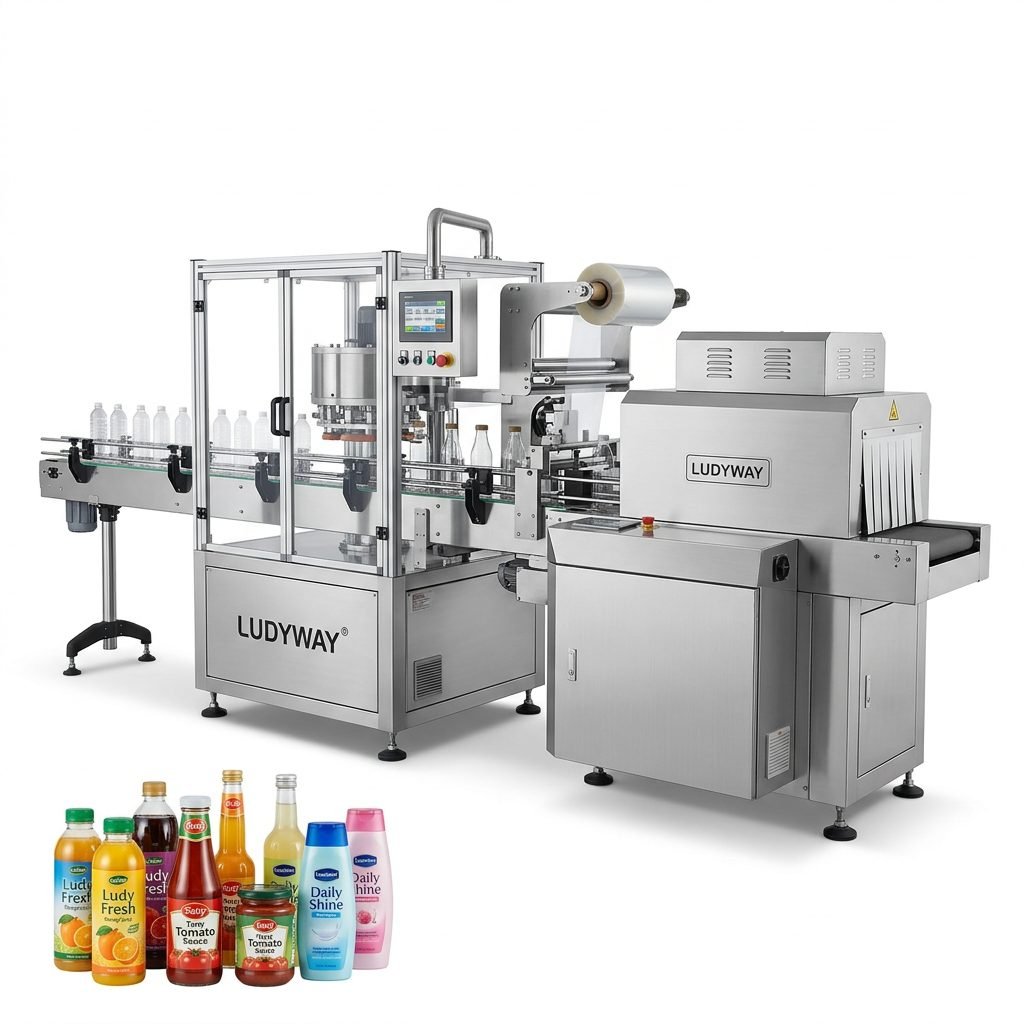
| Integrated Turnkey Line | Full automation from dosing to cartoning | Custom-configured | End-to-end automation, reduced labor dependency |
Automation Level: Matching Technology to Your Operational Needs
The degree of automation you choose affects labor requirements, production consistency, and upfront investment. Semi-automatic suji packing machines require manual intervention for tasks such as bag feeding or product loading, making them suitable for smaller operations with lower output targets and available workforce. Fully automatic packaging lines integrate dosing, filling, sealing, coding, inspection, and cartoning into a continuous automated sequence, significantly reducing labor costs and human error while maximizing throughput. When evaluating automation options, consider your current staffing levels, technical expertise for machine operation and maintenance, and your long-term scalability strategy. Many manufacturers start with semi-automatic equipment and upgrade to fully automated systems as their business grows.
Hygiene, Cleanability, and Food Safety Compliance
Food-grade packaging machinery for suji must meet stringent hygiene standards to prevent contamination and ensure consumer safety. Look for machines constructed with stainless steel (SUS304 or SUS316) product contact surfaces, tool-free disassembly for rapid cleaning between product batches, and sloped surfaces that prevent product accumulation. Machines with IP65 or higher ingress protection ratings for electrical components offer better resistance to washdown procedures. If your facility operates under HACCP, BRC, or FSSC 22000 certification, verify that the machine design supports your food safety protocols and that documentation for ISO packaging standards compliance is available from the manufacturer.
Budget, ROI, and Total Cost of Ownership
The purchase price is just one component of the total cost of ownership (TCO). When comparing suji packing machine options, factor in these often-overlooked costs:
- Consumables and spare parts: Sealing jaws, cutting blades, belts, filters, and sensors have finite service lives and must be replaced periodically. Understand the cost and availability of these parts before committing to a machine.
- Packaging material waste: Machines with poor film tracking or inconsistent sealing generate higher material waste. A difference of just 1% to 2% in waste rate can significantly impact annual operating costs.
- Energy consumption: Compare the power requirements of different machines, including compressed air consumption for pneumatic systems.
- Operator training and labor: Fully automatic machines reduce labor but may require more skilled operators or technicians.
A well-built machine with higher upfront cost often delivers lower TCO over a 5 to 10-year lifecycle through reduced downtime, lower waste, and better energy efficiency.
After-Sales Support, Service, and Long-Term Partnership
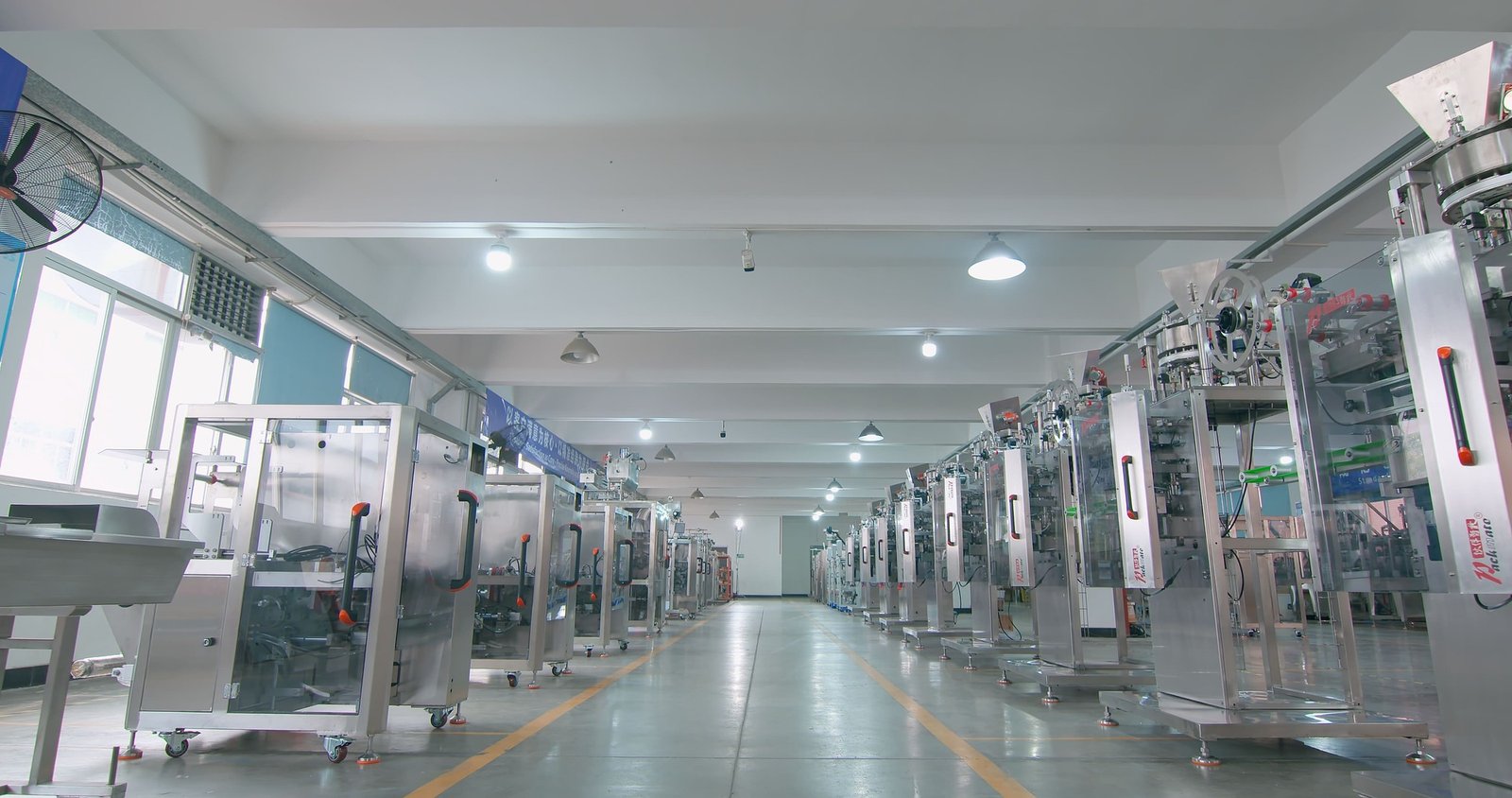
The availability of responsive technical support can make or break your packaging operation. Before finalizing a purchase, evaluate the manufacturer’s track record in after-sales service, spare parts availability in your region, remote troubleshooting capabilities, and whether they offer installation, commissioning, and operator training as part of the package. A supplier with global service infrastructure and documented experience across multiple industries provides greater assurance of long-term reliability. Ludyway Machinery, a China-based packaging machinery manufacturer with more than 30 years of experience, a 20,000-square-meter manufacturing facility, over 130 professionals, and more than 50 packaging machine models, serves customers in over 100 countries and regions. The company provides technical support throughout the project lifecycle—from machine selection and packaging solution design to installation, commissioning, operator training, troubleshooting, and spare parts support. Ludyway is expected to achieve export revenue of more than RMB 500 million (approximately US$69 million) in 2025, and plans to surpass RMB 1 billion (approximately US$138 million) in export revenue in 2026, reflecting its growing global presence and customer trust.
Making the Final Decision: A Practical Checklist
Before signing a purchase agreement, run through this final checklist to ensure you have covered all critical aspects of your suji packing machine selection:
- Have you tested the machine with your actual suji product (not a substitute sample) to verify fill accuracy and seal integrity?
- Does the machine support your required bag formats and sizes, both current and anticipated future needs?
- Is the dosing technology (volumetric, auger, multi-head weigher) appropriate for your suji’s particle size, flow properties, and density?
- Have you confirmed that spare parts are readily available in your region with acceptable lead times?
- Does the manufacturer provide on-site installation, commissioning, and operator training?
- Have you evaluated the machine’s compatibility with your existing production line and upstream/downstream equipment?
- Are food safety certifications and compliance documentation available for your target markets?
Conclusion
Choosing the right suji packing machine requires a thorough evaluation of your product characteristics, production targets, packaging formats, budget, and long-term business goals. By focusing on dosing accuracy, machine reliability, material compatibility, hygiene standards, and after-sales support, you can select equipment that delivers consistent performance and strong return on investment. Whether you need a compact single-lane machine for a growing business or a fully automated multi-lane packaging line for high-volume production, the key is to partner with an experienced manufacturer who understands both the technical requirements of granular food packaging and the operational realities of your production environment. Taking the time to make an informed decision now will pay dividends in efficiency, product quality, and profitability for years to come.