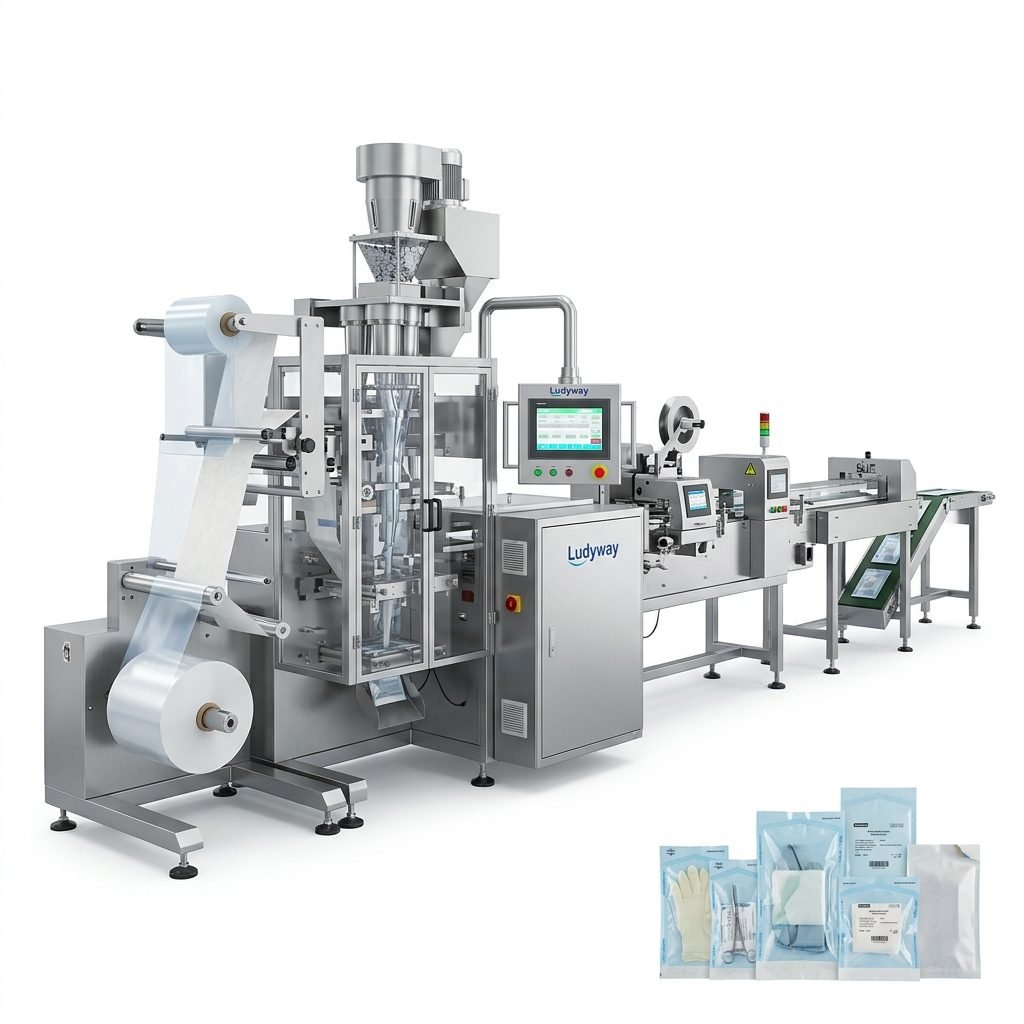
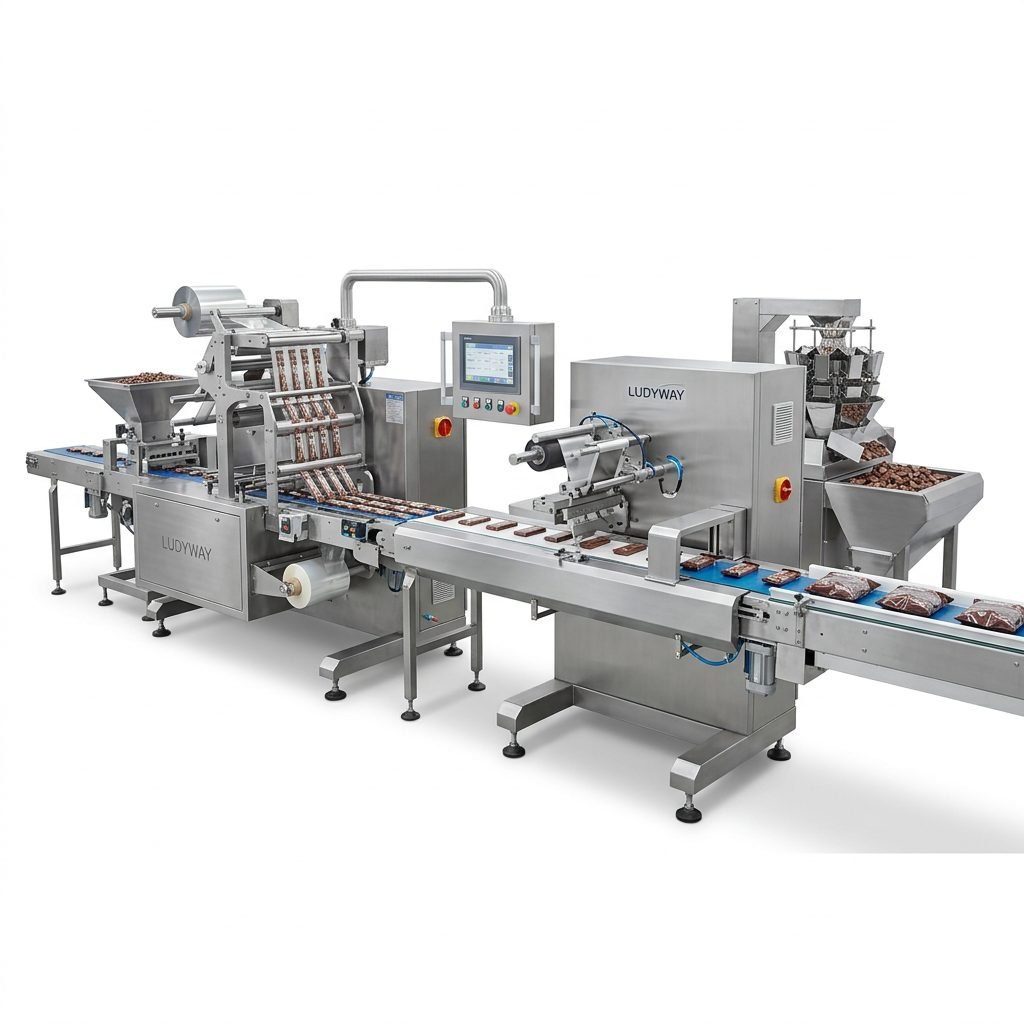
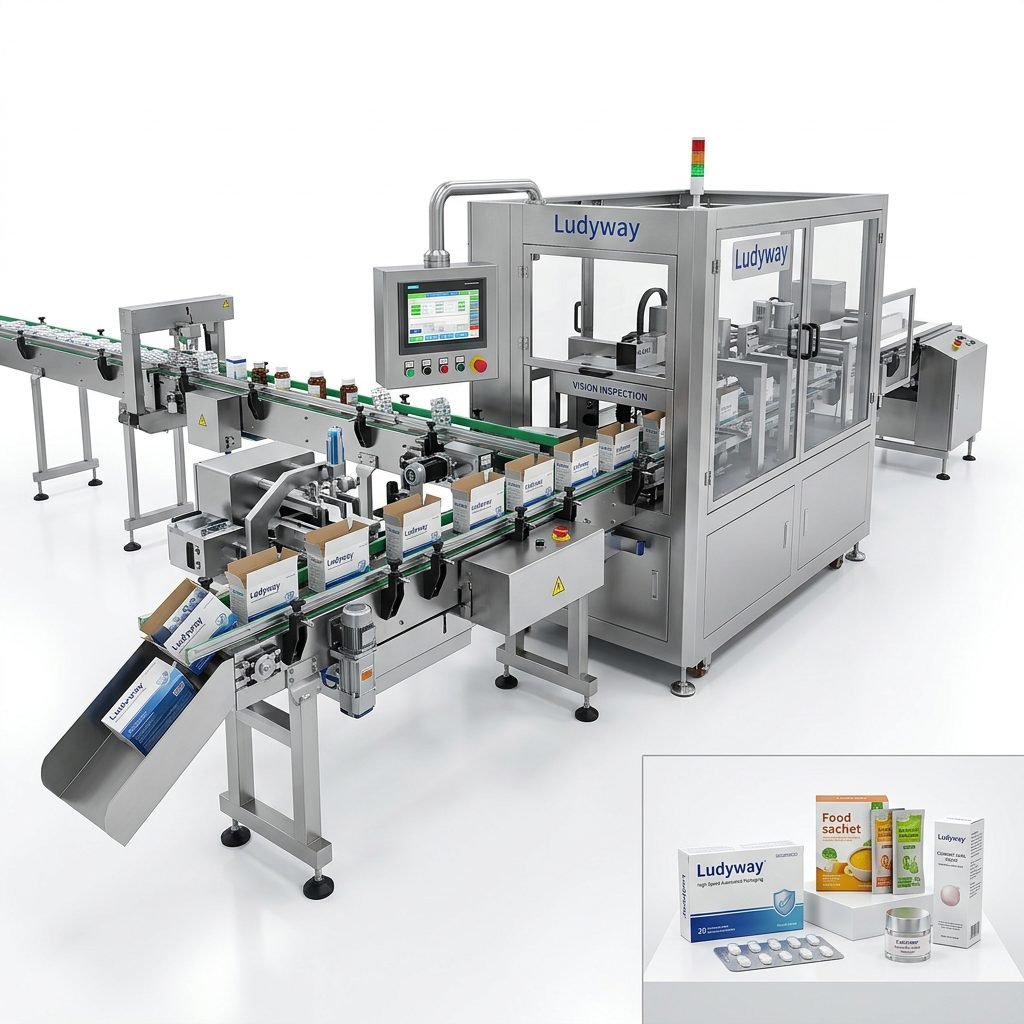
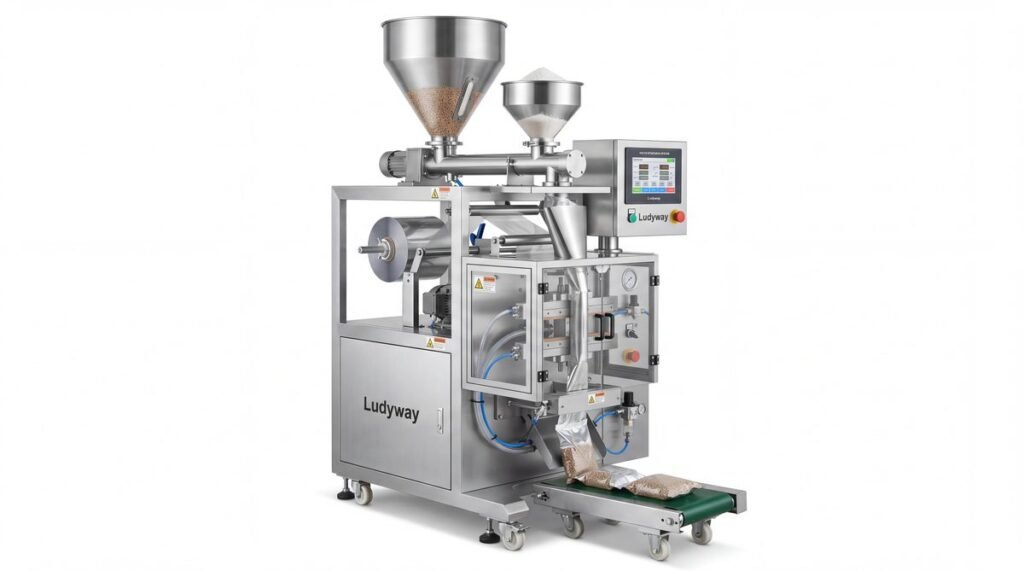
Investing in a meal prep packaging machine is a critical decision for food manufacturers and commercial kitchens across Germany. The right equipment ensures product freshness, extends shelf life, and maintains the high-quality standards that German consumers expect. With evolving packaging industry trends and strict EU regulations, selecting the optimal machine requires careful evaluation of several key factors.
Understanding the German Meal Prep Market
Germany’s meal prep sector has experienced remarkable growth, driven by busy professionals, health-conscious consumers, and the booming food delivery industry. Meal prep businesses require packaging machines capable of handling various food formats — from dry granules and powders to liquids and semi-liquids. The flexible packaging segment, in particular, has seen significant adoption due to its convenience and sustainability advantages.
When choosing a machine for the German market, you must consider local compliance requirements, production volume needs, and the types of meals being packaged. Whether you are sealing single-serve sachets, multi-lane stick packs, or bulk pouches, the machine’s versatility directly impacts your operational efficiency.

Key Factors to Evaluate Before Purchasing
1. Type of Food Product and Packaging Format
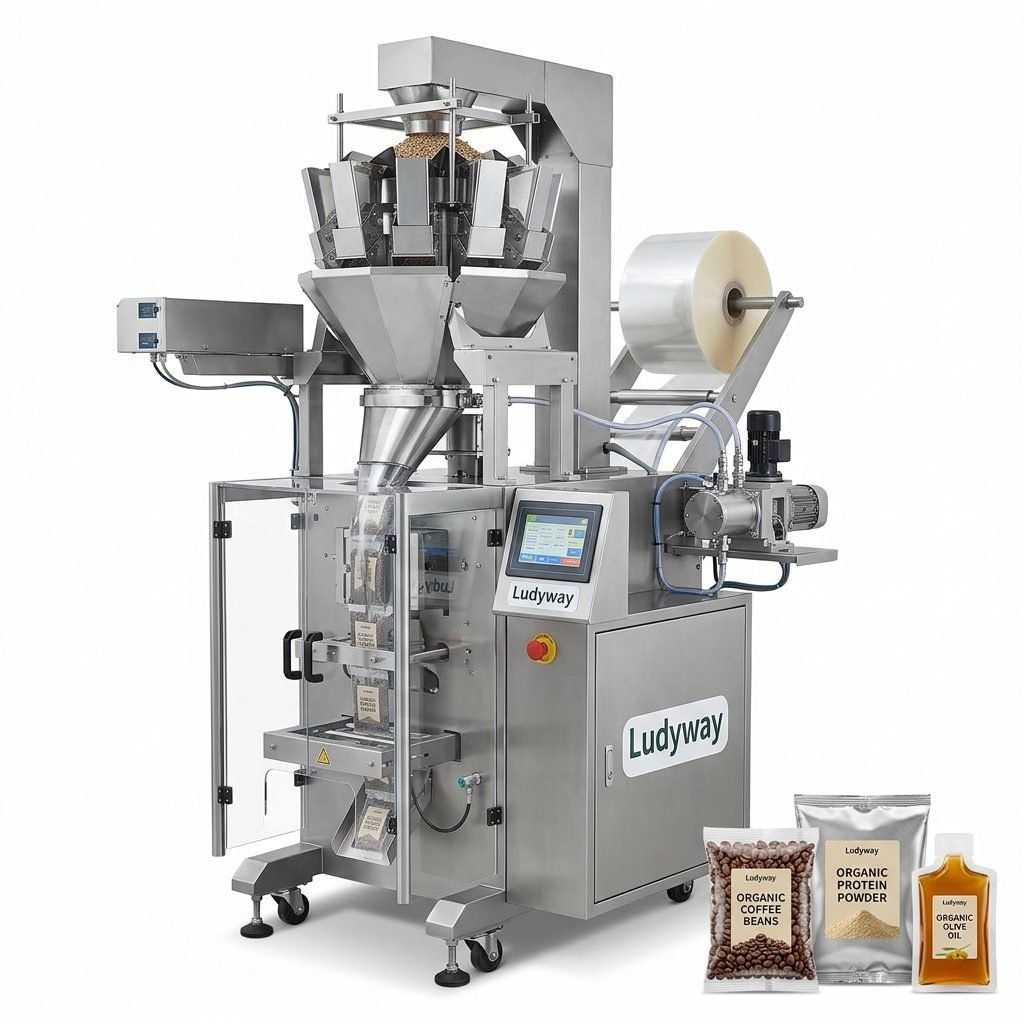
Different meal components demand different packaging technologies. Granule products like rice, oats, and seeds require precision weighing and filling systems. Powder products such as protein blends, soup mixes, and spice seasonings need machines with superior dust control and accurate dosing. Liquid products including sauces, dressings, and beverage concentrates demand leak-proof sealing and sanitary filling mechanisms.
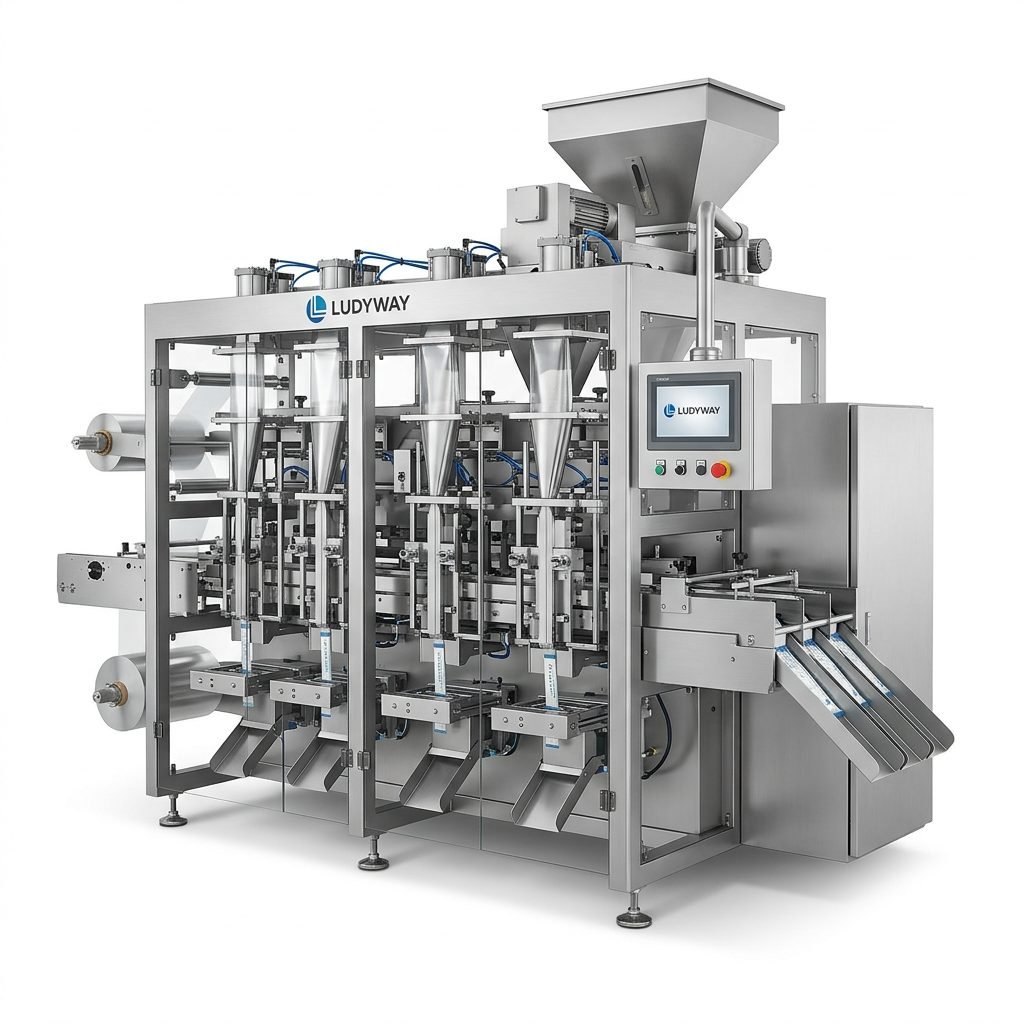
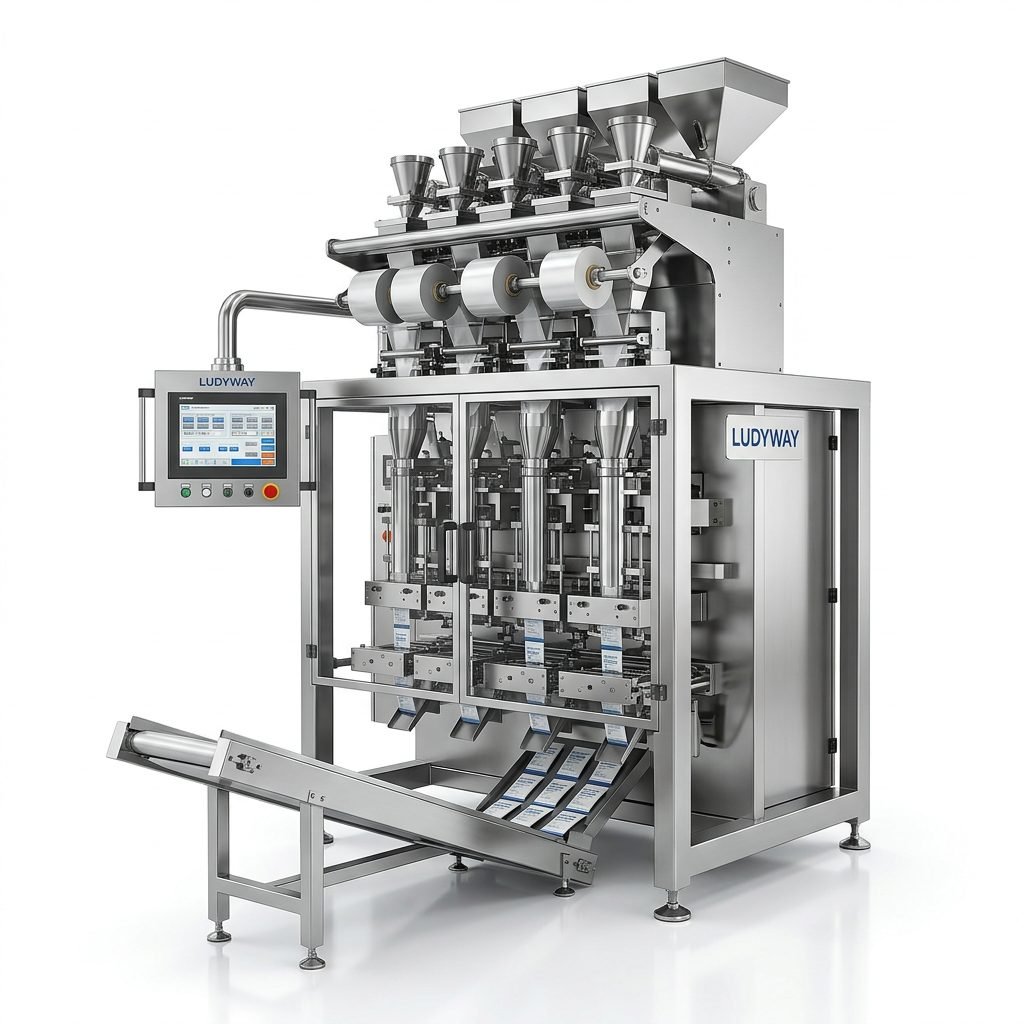
- Stick pack machines — Ideal for single-serve powders, granules, and liquids; popular for meal prep portions
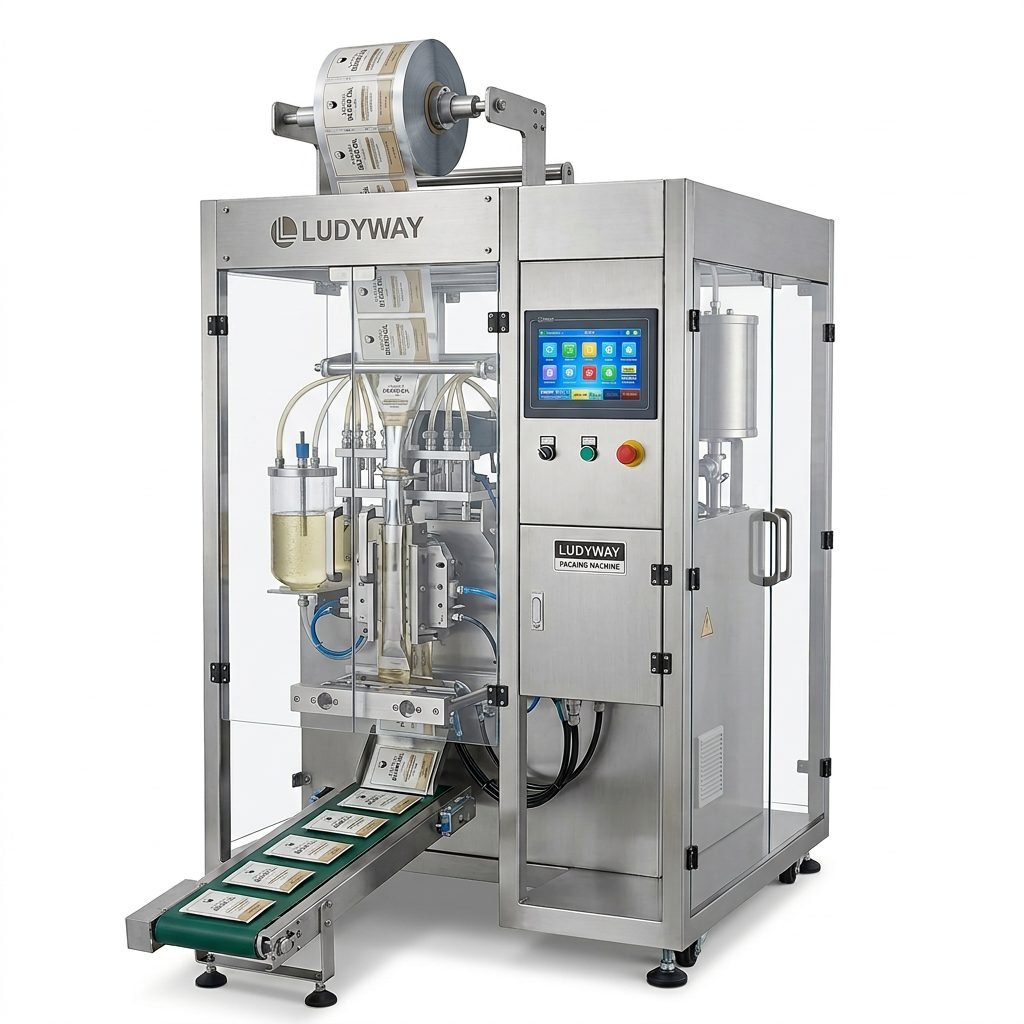
- Sachet packaging machines — Suitable for sauces, condiments, and wet meal components
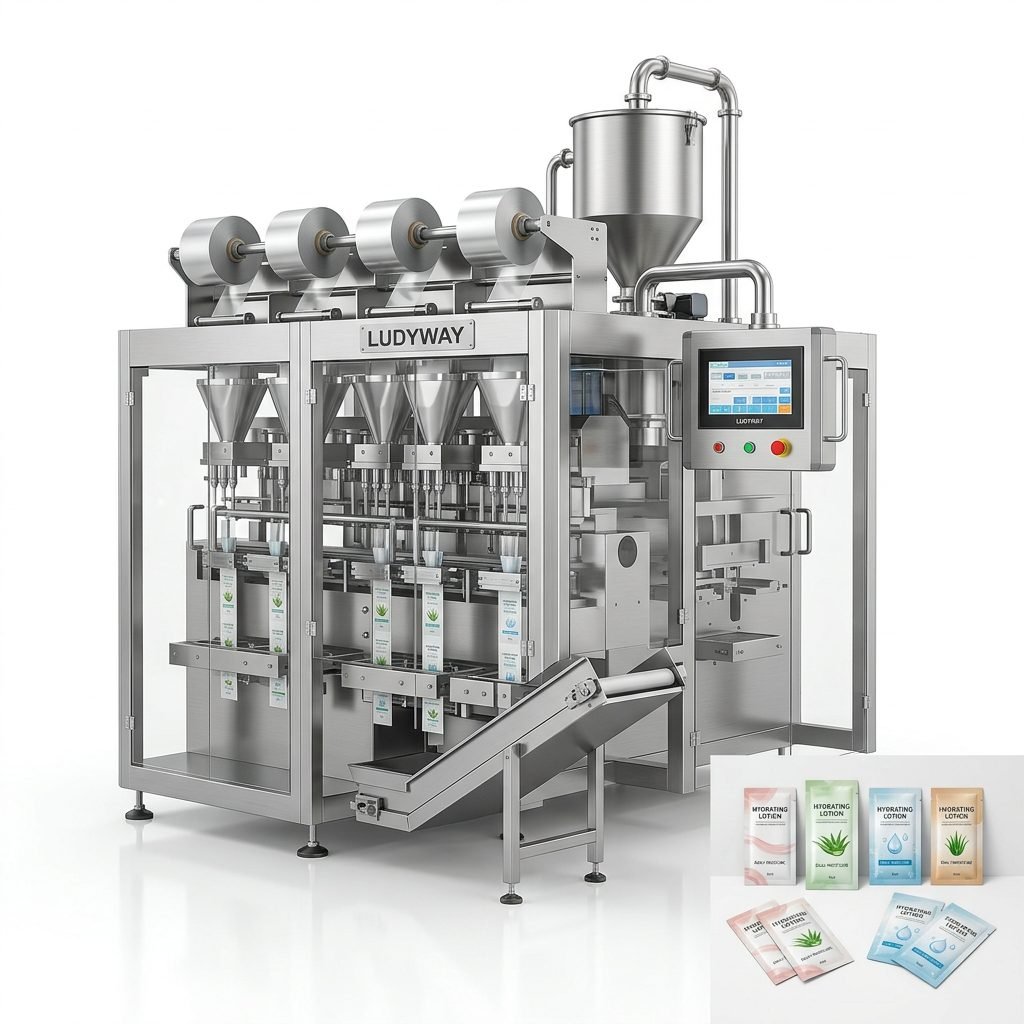
- Multi-lane systems — Maximize output by running multiple lanes simultaneously; essential for high-volume operations
- Pouch filling and sealing machines — Great for larger meal kits and bulk ingredient packaging
2. Production Capacity and Speed Requirements
Your expected output volume should guide your machine selection. Small-scale meal prep kitchens may only need 40-60 packs per minute, while large industrial operations often require 200-400 packs per minute across multiple lanes. Multi-lane stick pack and sachet machines offer scalability, allowing businesses to start with fewer lanes and expand as demand grows. Refer to state of the industry reports for benchmarking production trends in the European food packaging sector.
3. Compliance with German and EU Regulations
Germany enforces some of the world’s strictest food packaging regulations. Machines must comply with food contact substance standards, ISO packaging standards, and the EU Packaging and Packaging Waste Regulation. Look for machines constructed with food-grade stainless steel (AISI 304 or 316L), featuring CIP (Clean-in-Place) capabilities and meeting CE certification requirements. German buyers should also prioritize machines compatible with recyclable and sustainable packaging materials, aligning with the country’s Green Dot (Grüner Punkt) recycling system.
4. Automation Level and Smart Features
Modern meal prep packaging machines increasingly incorporate Industry 4.0 capabilities. Features to look for include servo-driven filling systems, automatic film tracking, PLC control panels with touchscreen interfaces, and real-time production monitoring. Machines with integrated checkweighers, metal detectors, and reject systems help ensure consistent quality — a necessity for German market standards.
Comparing Packaging Machine Types for Meal Prep
The table below provides a comparative overview of the most common machine types used in meal prep operations across Germany:
| Machine Type | Best For | Typical Speed | Key Advantage |
|---|---|---|---|
| Multi-Lane Stick Pack | Powders, granules, single-serve dry meals | 200-400 packs/min | High output, compact footprint |
| Sachet Packaging Machine | Sauces, dressings, wet meal components | 80-200 packs/min | Versatile for liquid and semi-liquid |
| Premade Pouch Filler-Sealer | Larger meal kits, bulk ingredients | 30-80 pouches/min | Flexible pouch sizes, zipper options |
| Vertical Form Fill Seal (VFFS) | Dry granules, frozen meal components | 60-150 bags/min | Cost-effective for large bags |
Evaluating Build Quality and Supplier Credentials
German buyers place a premium on engineering excellence and build quality. When evaluating potential suppliers, investigate the manufacturing facility size, quality control processes, and after-sales support infrastructure. A manufacturer with a modern production facility of 20,000㎡ or larger and decades of industry experience generally indicates reliability. Check whether the supplier provides turnkey solutions, including integration with upstream and downstream equipment such as validated packaging systems and automated cartoning machines.
Additionally, verify the supplier’s presence at international packaging exhibitions. Participation in events like PACK EXPO and Interpack Düsseldorf signals a commitment to innovation and global market engagement. Review the PACK EXPO International exhibitor lists and Flexible Packaging Association member directories to identify reputable equipment manufacturers serving the European market.

Maintenance, Spare Parts, and Technical Support in Germany
For German operations, local technical support is a significant consideration. Machines should come with comprehensive documentation in both English and German, including detailed maintenance schedules and troubleshooting guides. Evaluate the availability of spare parts within the EU — ideally from a regional distribution center to minimize downtime. Remote diagnostic capabilities and online technical support have become increasingly important, as highlighted in recent packaging industry resources.
Total Cost of Ownership and ROI Analysis
Beyond the initial purchase price, calculate the total cost of ownership (TCO) over a 5-10 year period. Key cost factors include:
- Energy consumption per operational hour
- Consumable costs (packaging film, cleaning agents)
- Preventive maintenance and spare parts expenses
- Operator training requirements
- Expected machine lifespan and resale value
- Downtime costs and production loss risks
Machines with servo-driven motors and optimized energy recovery systems typically deliver faster ROI in Germany’s high-energy-cost environment. For data-driven purchasing decisions, consult packaging machinery market research reports that provide benchmarking metrics relevant to European manufacturers.
Sustainability and Future-Proofing
German consumers and regulators increasingly demand sustainable packaging solutions. Select machines capable of running mono-material films, biodegradable packaging, and recyclable laminates. Equipment designed to minimize film waste through precise tension control and efficient changeover procedures aligns with Germany’s circular economy goals. The Flexible Packaging Association’s regulatory resources provide up-to-date guidance on material compliance and sustainability standards affecting packaging equipment choices.

Customization and Turnkey Solutions
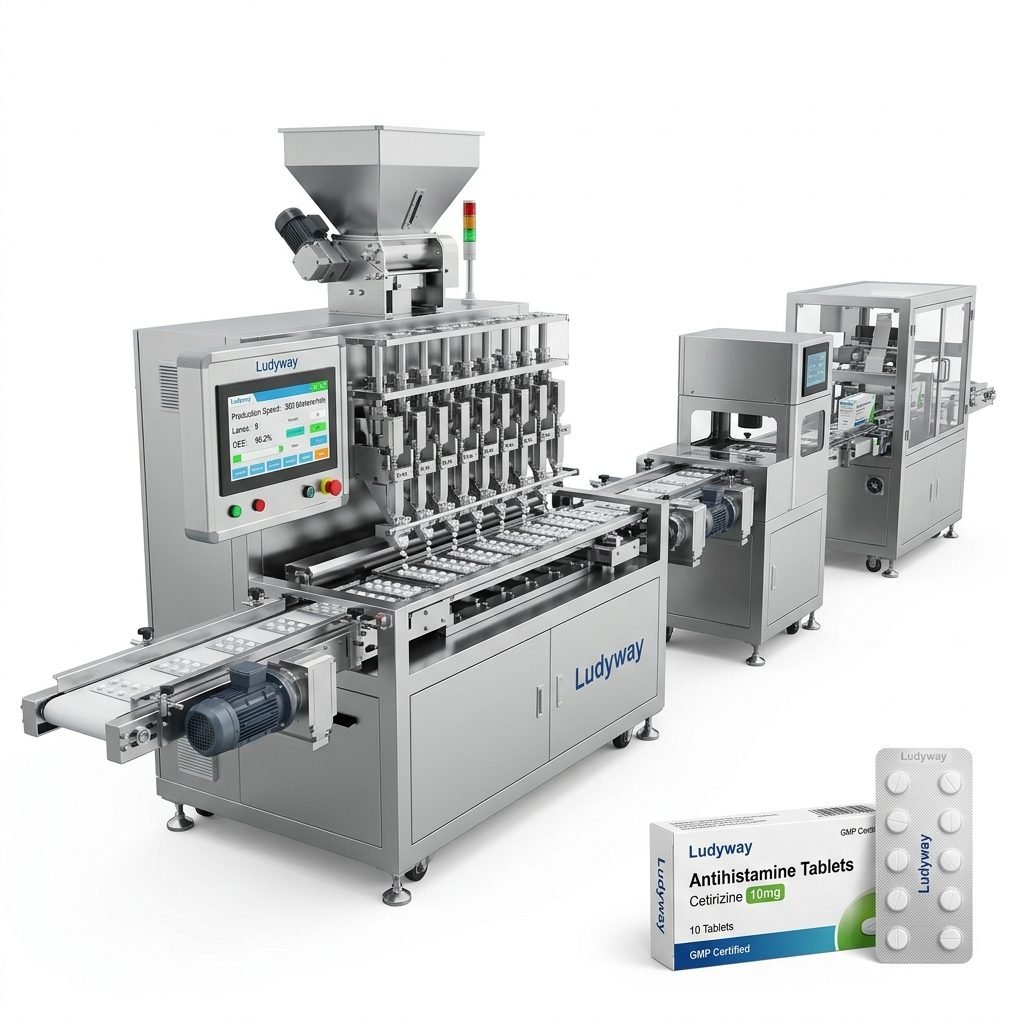
Every meal prep operation has unique requirements. Leading manufacturers offer customized packaging lines that integrate multiple machine types into a seamless production flow. Turnkey solutions encompassing weighing, filling, sealing, coding, inspection, and cartoning reduce the complexity of managing multiple vendors and ensure compatibility across all production stages. For businesses looking to scale, modular systems that allow lane additions and format changeovers are particularly valuable.
When assessing customization options, verify the engineering team’s capability to design bespoke solutions for specific meal formats — whether that involves modified atmosphere packaging (MAP) for extended shelf life, nitrogen flushing for freshness, or specialized dosing for mixed-ingredient meals. Understanding packaging and distribution standards helps ensure your customized line meets international quality benchmarks.
Final Recommendations for German Buyers
Choosing the best meal prep packaging machine in Germany requires balancing production efficiency, regulatory compliance, product quality, and long-term operational costs. Start by clearly defining your product range and projected volumes. Shortlist manufacturers with proven experience in food packaging, robust EU service networks, and machines compliant with sustainable materials management principles. Request sample runs with your actual products to verify fill accuracy and seal integrity before committing. Finally, visit the manufacturer’s facility or arrange a virtual factory tour to assess production capabilities firsthand.
For companies seeking a reliable partner with extensive experience in granule, powder, and liquid packaging systems, manufacturers like Ludyway — operating a 20,000㎡ facility with over 30 years of industry expertise and serving customers in more than 100 countries — represent the caliber of supplier worth considering for high-performance meal prep packaging solutions that meet Germany’s demanding quality standards.

Additional Resources: