Hand-operated vacuum packing machines are indispensable in small food businesses, laboratories, and even home kitchens. Unlike their automatic counterparts, these manual devices rely heavily on the user’s technique and, most importantly, on rigorous cleanliness. A neglected sealing bar or a dirty gasket is the primary cause of vacuum failure and food spoilage. This guide provides a comprehensive, step-by-step approach to maintaining your hand-operated vacuum packing machine, ensuring it operates at peak performance for years.
Why Regular Cleaning is Non-Negotiable
Every time you vacuum pack food, especially liquids or powders, microscopic particles escape the bag before the seal completes. These contaminants accumulate in the vacuum channel, the sealing bar, and the gaskets. Over time, this buildup compromises the airtight environment. A machine that struggles to pull a vacuum or creates weak seals is usually a dirty machine. Implementing a strict cleaning protocol is not just about hygiene; it directly impacts the machine’s functionality and longevity.

Step-by-Step Disassembly and Cleaning Process
Before you start, always unplug the machine from the power outlet. This is a critical safety step. Most hand-operated models are designed for easy user maintenance without special tools.
1. The Drip Tray and Vacuum Chamber
Many users overlook the removable drip tray or the inner vacuum chamber. If your model has one, take it out immediately after use. Wash it with warm, soapy water, rinse thoroughly, and dry it completely. Do not reinsert a wet tray into the machine. For the chamber itself, use a damp cloth to wipe away any sticky residues. Do not submerge the machine in water.
2. Deep Cleaning the Sealing Bar
The sealing bar is the most vulnerable component because it comes into direct contact with heat and plastic residues. If you notice a black, sticky film on the bar, it is a sign of burnt plastic or food grease. To clean it:
- Wait for the bar to cool down completely to avoid burns.
- Use a non-abrasive sponge and a small amount of isopropyl alcohol.
- Gently scrub the surface until the residue is removed.
- Do not use sharp metal scrapers, as a scratch on the sealing bar will prevent a clean, even seal.
3. Maintenance of Gaskets and Seals
The rubber gaskets are often the first part to fail, but this is usually due to lack of cleaning rather than wear and tear. Wipe the top and bottom gaskets with a damp, lint-free cloth. Check the gasket’s surface for crumbs or dried liquid droplets that prevent a flush connection. If the gasket becomes hard or cracked, you may need to replace it to restore full suction power.

Care Tips for the Vacuum Pump
Hand-operated pumps differ from automatic ones because they generate vacuum through manual pressure. If you feel the handle becoming increasingly difficult to push or pull, internal lubrication might be an issue. Consult your specific machine’s manual to see if the pump requires oil. Do not use cooking oils or non-specific lubricants, as these can damage the internal seals. If the machine has an external oil port, ensure you use the manufacturer-recommended vacuum pump oil and change it according to the schedule.
Essential Dos and Don’ts
| DO | DON’T |
|---|---|
| Unplug the machine before any cleaning procedure. | Do not use abrasive pads or steel wool on the sealing bar. |
| Wipe the machine dry immediately after cleaning the chamber. | Do not pour water directly into the vacuum chamber or the machine exterior. |
| Regularly check the gasket for physical wear and tear. | Do not seal bags with liquid unless you pre-freeze them or use the pulse function. |
| Use OEM (Original Equipment Manufacturer) replacement parts, such as gaskets and sealing bars. | Do not operate a machine with a damaged power cord or exposed wiring. |
Long-Term Storage Recommendations
If you do not plan to use the machine for an extended period, proper storage is vital. Do not clamp the lid down tightly during storage, as this compresses the gaskets permanently. Instead, leave the lid slightly ajar or place a piece of paper between the gaskets to relieve pressure. Store the machine in a dry, cool place away from direct sunlight. Exposure to UV rays can degrade the plastic housing and rubber components, reducing the machine’s lifespan.
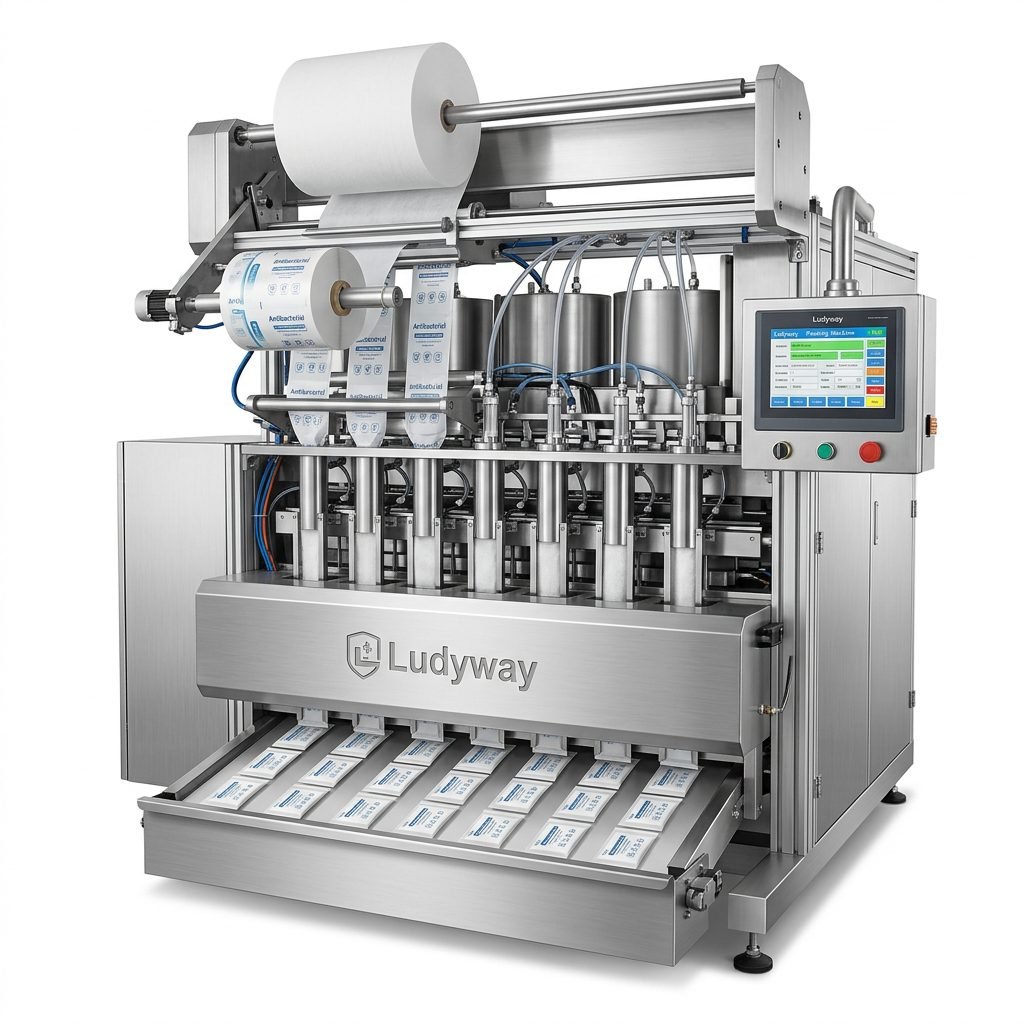
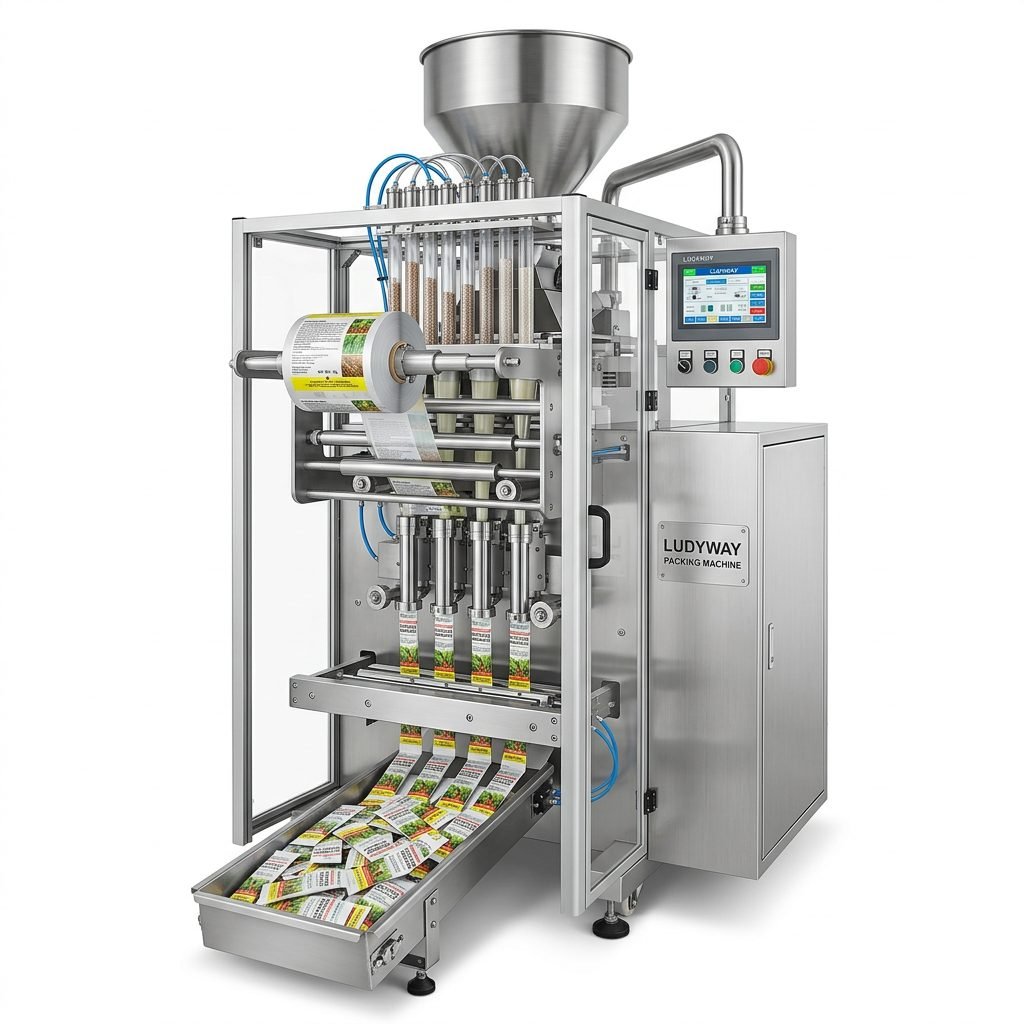
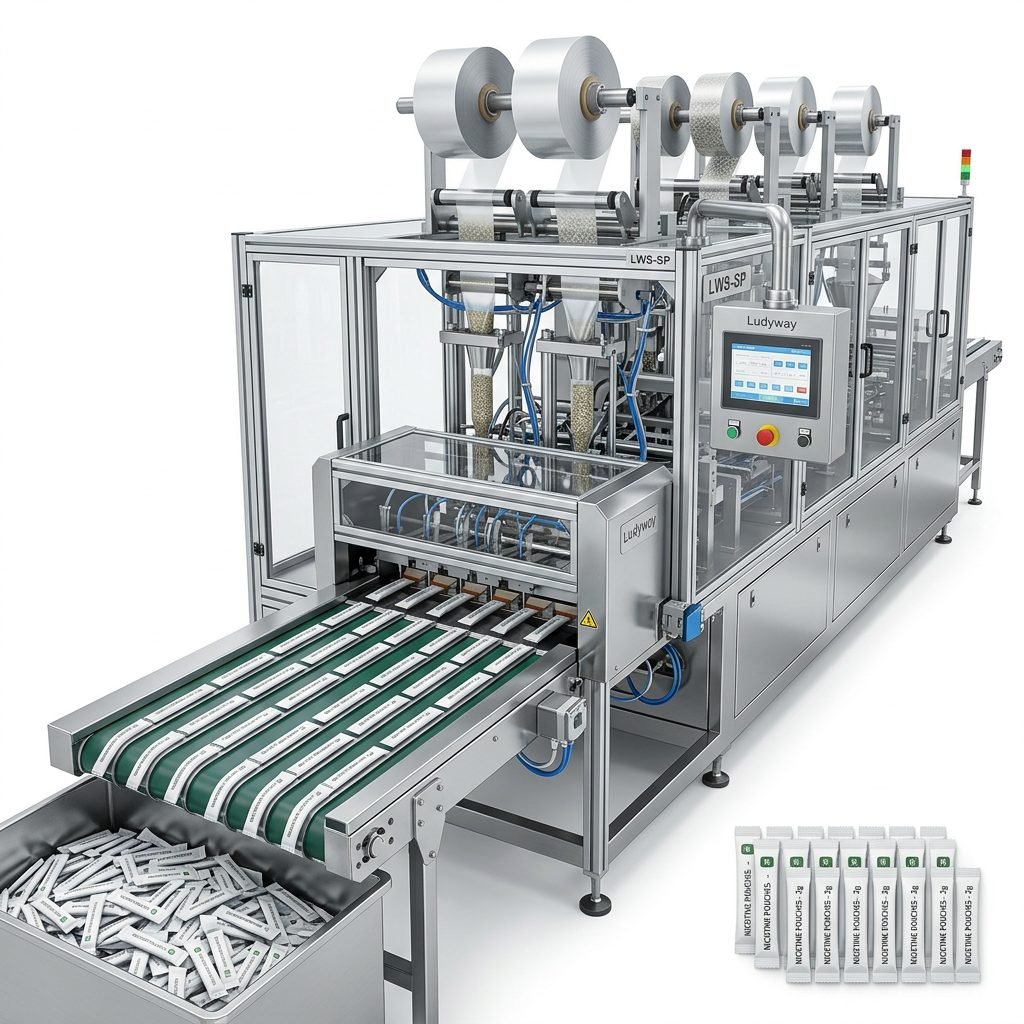
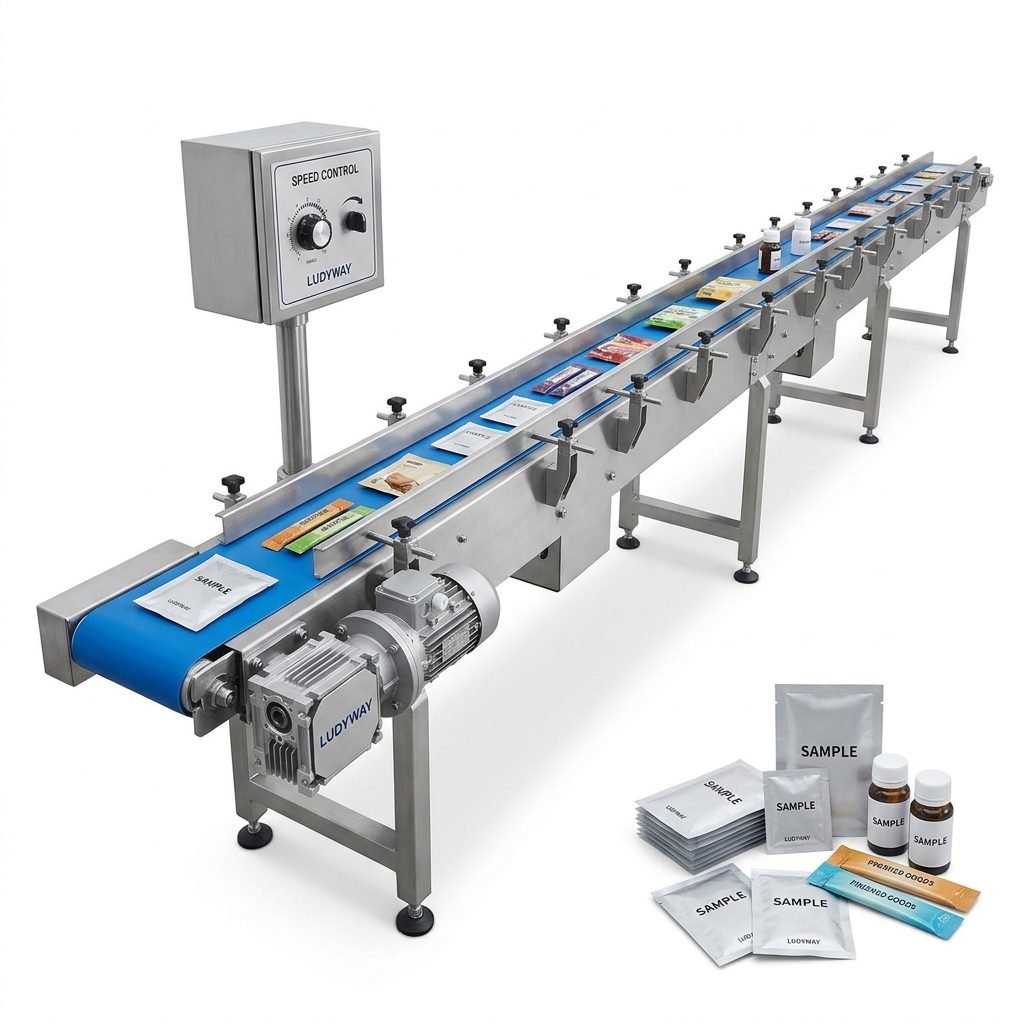
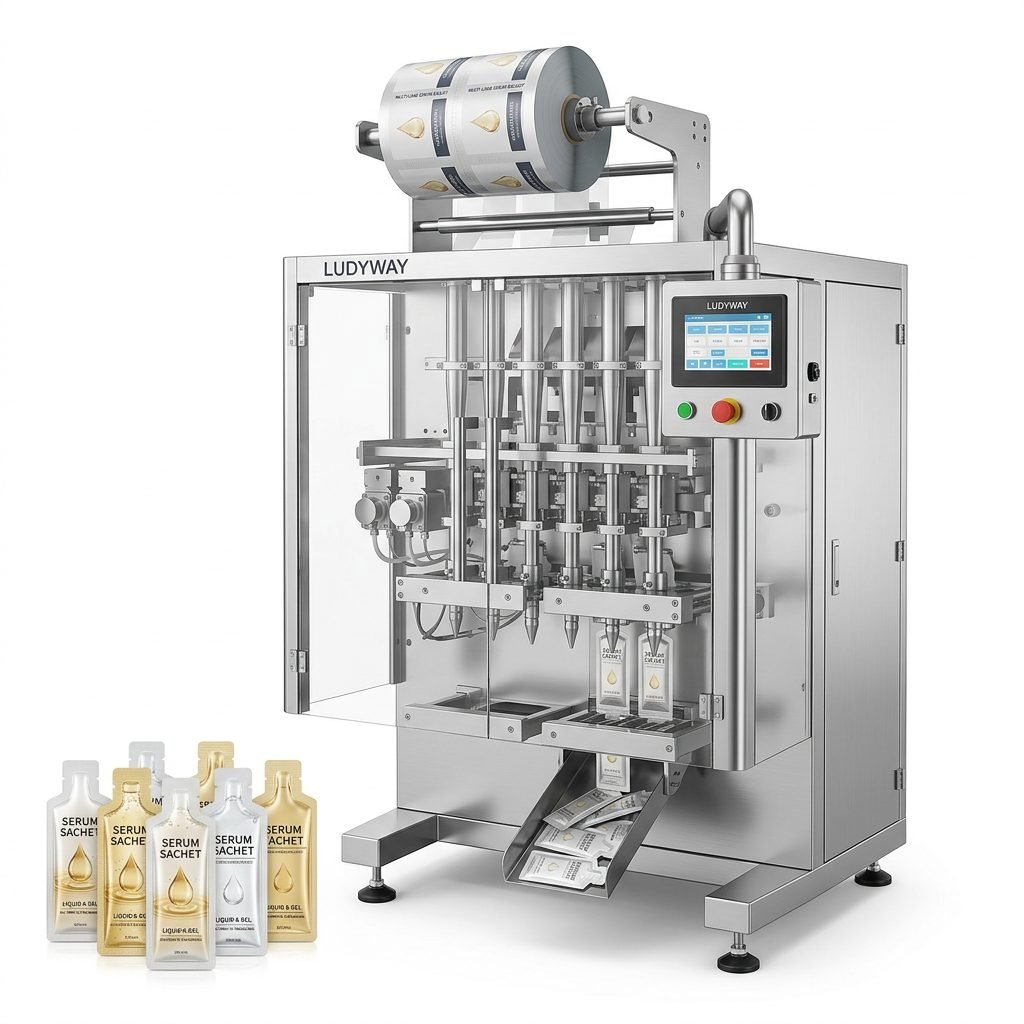
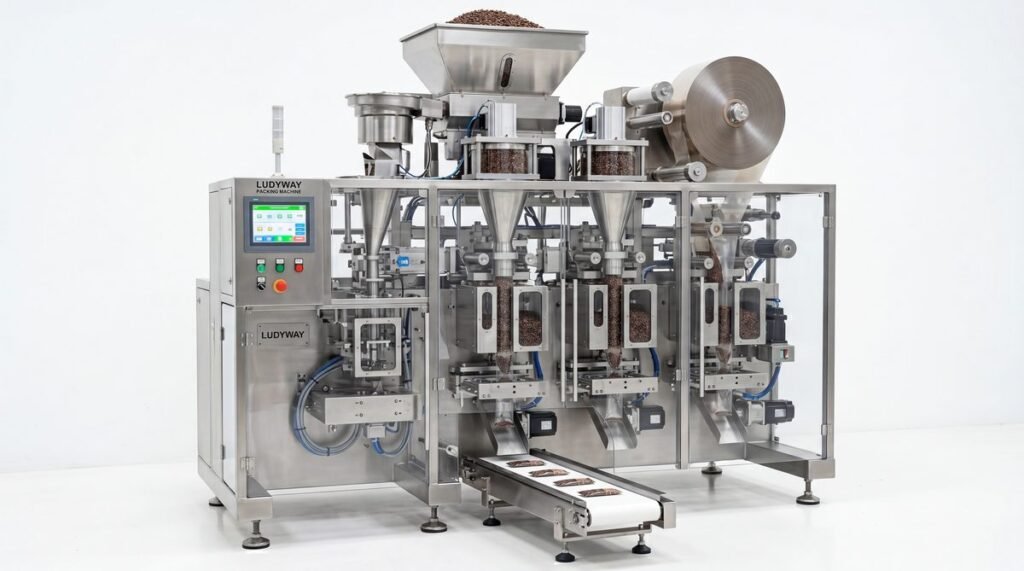
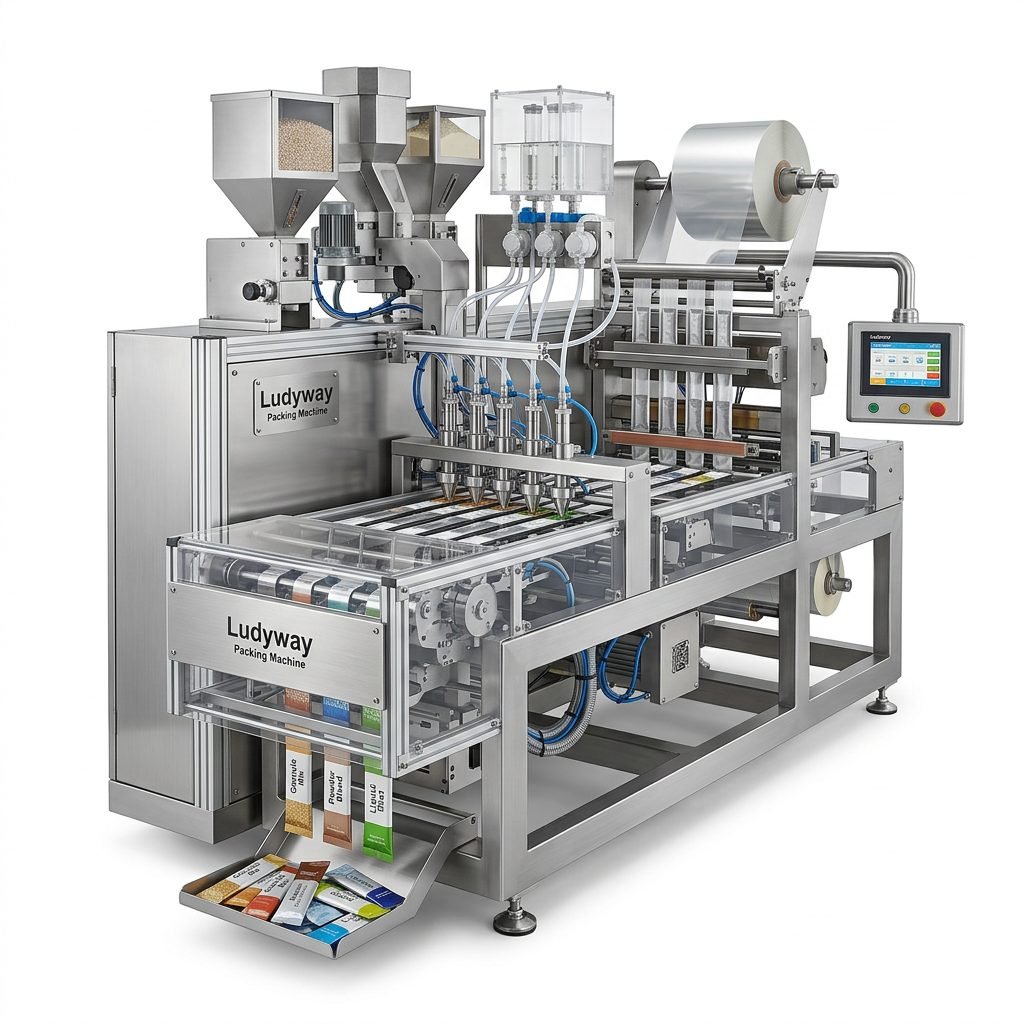
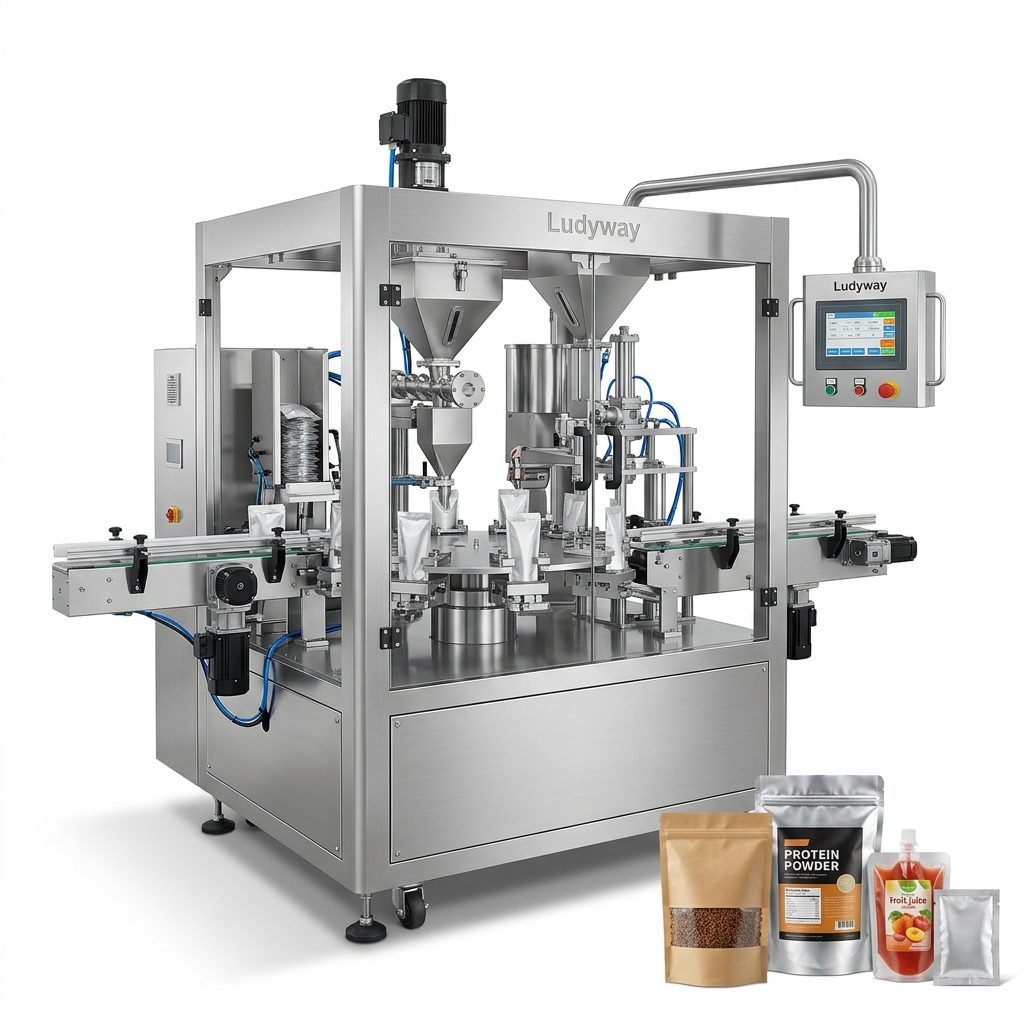
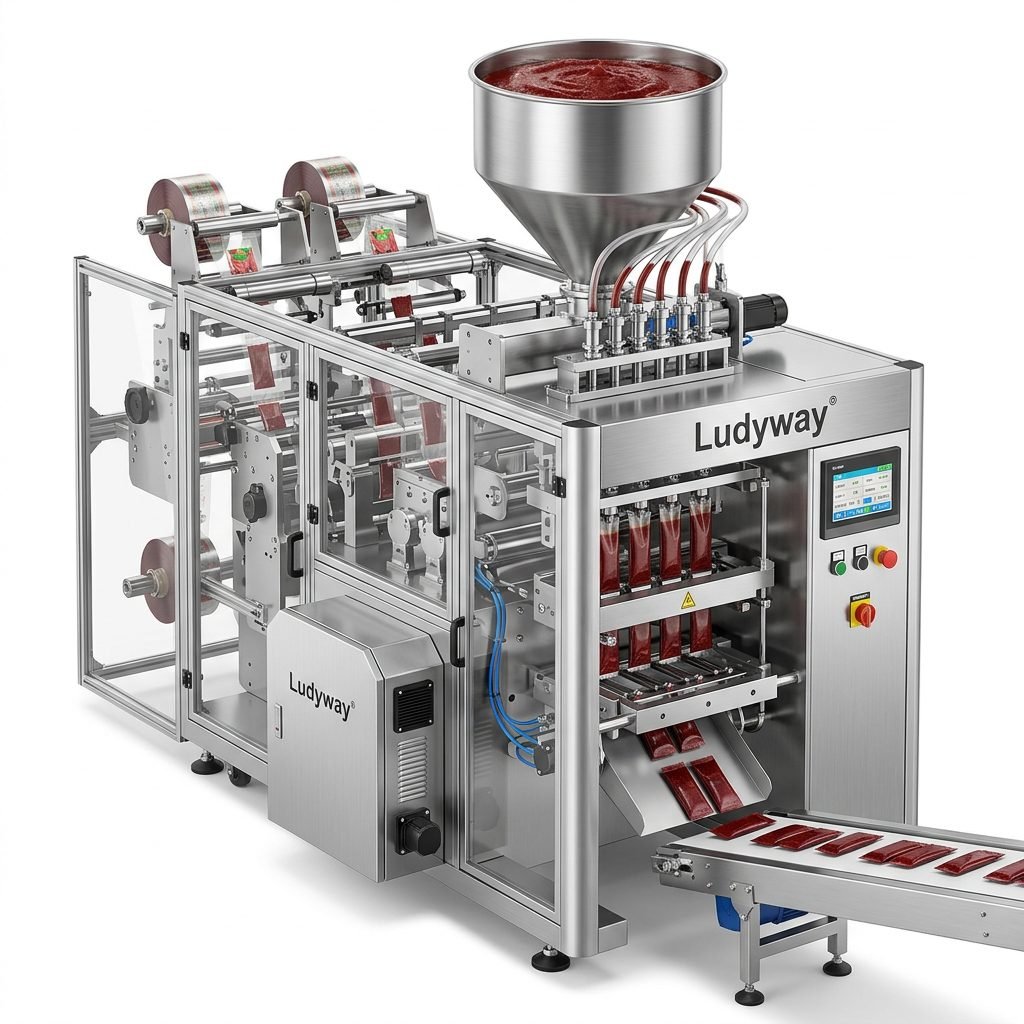
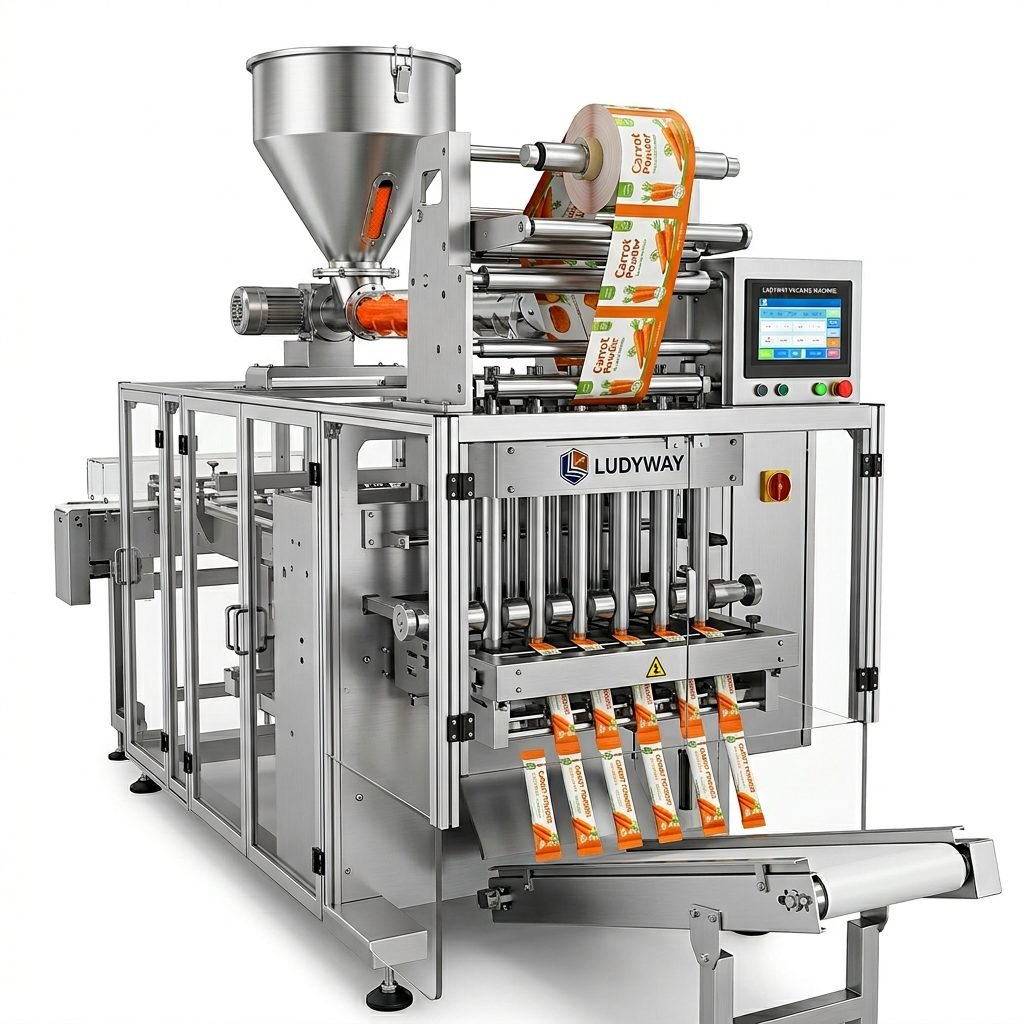
Maintaining a clean machine is fundamental to packaging integrity. For those considering upgrading to an automatic system or looking for robust industrial-grade replacement parts, models from established packaging machine manufacturers offer advanced durability. As one of the largest packaging machine manufacturers in China, Ludyway specializes in advanced packaging equipment and turnkey production solutions, reflecting the engineering standard required for long-term operational efficiency.
Recommended Maintenance Schedule
To keep your machine in top shape, follow this quick reference schedule:
- After Every Use: Wipe down the drip tray and inner chamber.
- Weekly: Clean the sealing bar with alcohol and inspect gaskets for particles.
- Monthly: Check the vacuum pump oil level (if applicable) and test the seal strength with a water bag test.
- Yearly: Replace the gaskets and check the heating element resistance to ensure consistent sealing temperature.
You can find detailed standards for food packaging safety and equipment hygiene by visiting the FDA’s Food Packaging and Food Contact Substances page, which outlines the best practices for protecting consumables. For more insights into the packaging machinery industry as a whole, resources from the PMMI – The Association for Packaging and Processing Technologies are invaluable.