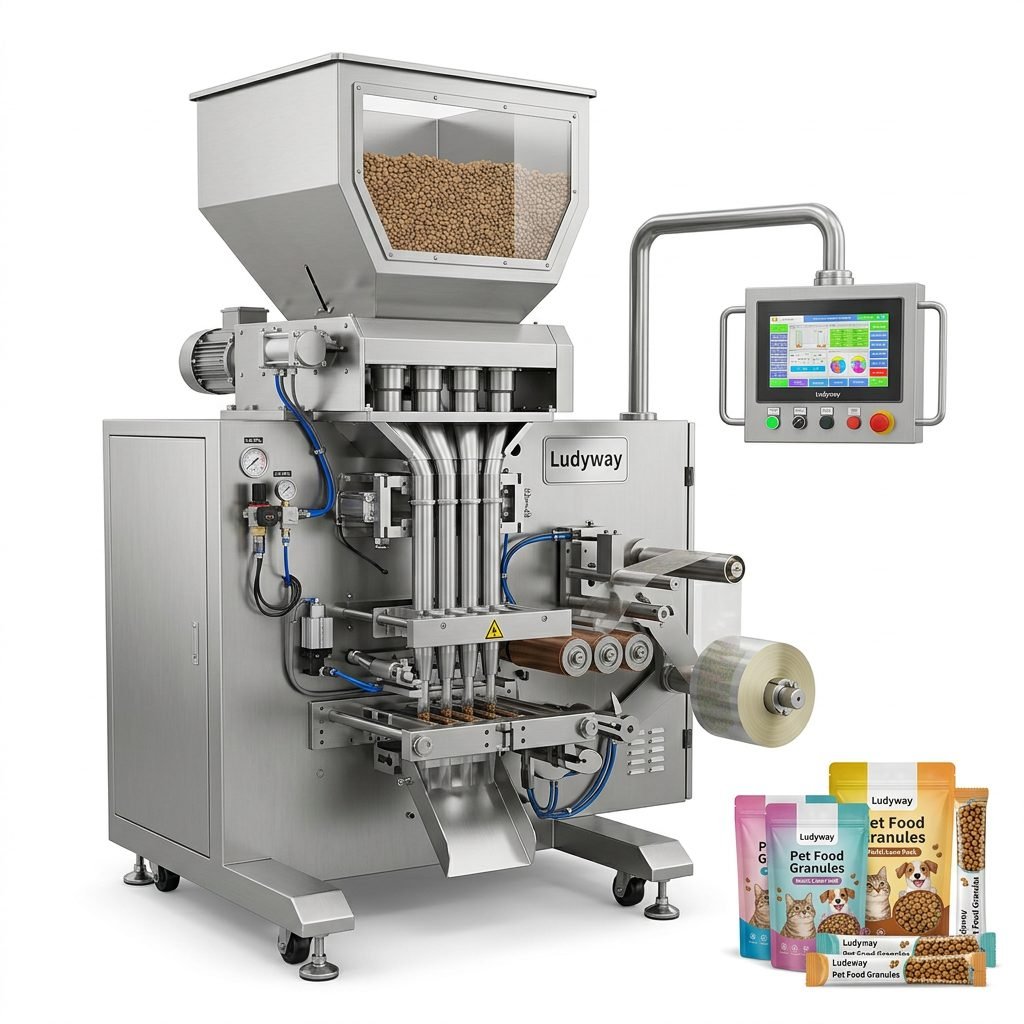
Regular maintenance of a bundle packing machine is the single most important factor in maximizing its service life and ensuring consistent packaging quality. Without a structured maintenance routine, even the most robust packaging machine will experience premature wear, unexpected breakdowns, and costly production downtime. This guide outlines essential maintenance practices that operators and technicians should follow to keep bundle packing equipment running at peak efficiency.
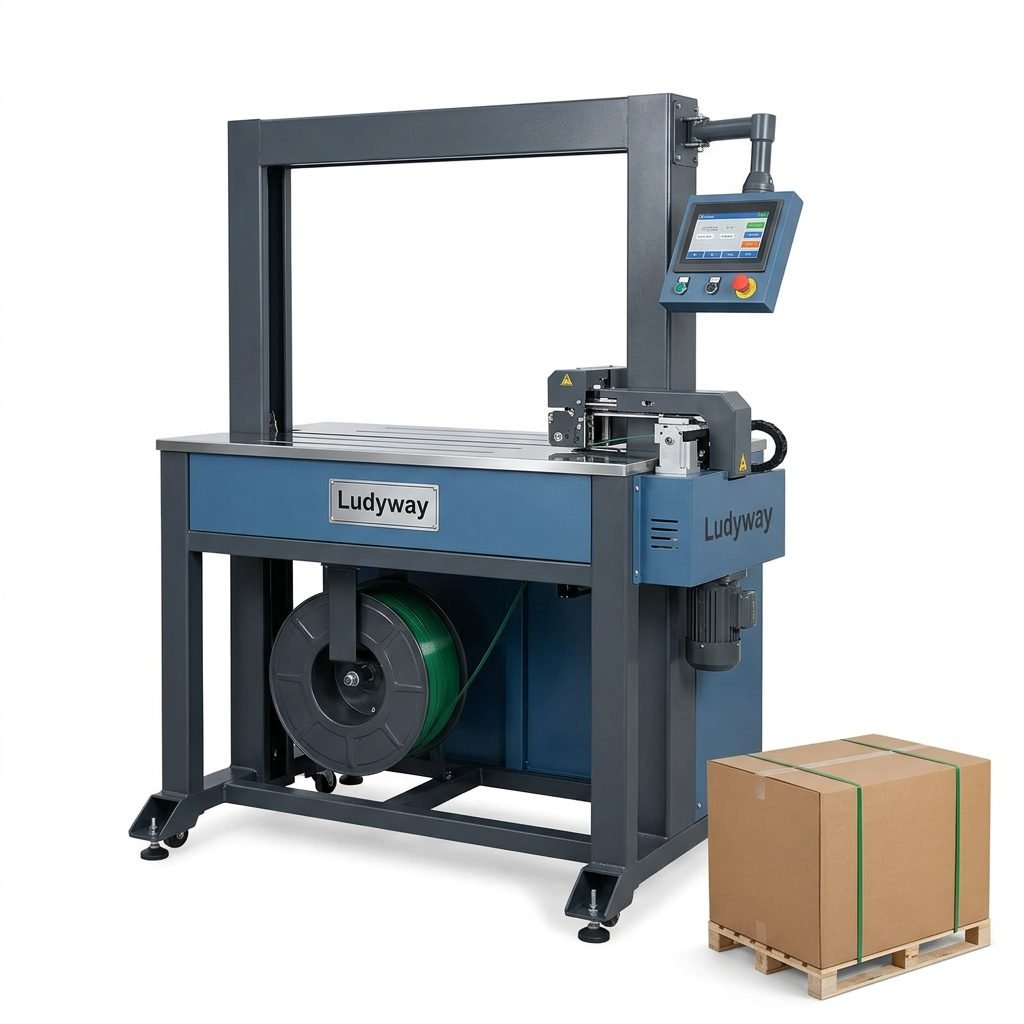
Why Preventive Maintenance Matters
Bundle packing machines operate under high mechanical stress, with components such as tensioning heads, sealing units, and conveyor belts subjected to repetitive motion and friction. A preventive maintenance program helps identify minor issues before they escalate into major failures. Key benefits include:
- Extended equipment lifespan through reduced mechanical wear
- Consistent strap tension and seal quality across all bundles
- Lower total cost of ownership by minimizing emergency repairs
- Improved operator safety and reduced workplace hazards
- Compliance with manufacturer warranty requirements
Daily Maintenance Checklist
Daily inspections should be performed at the start of each shift and ideally documented in a maintenance log. These quick checks take only 10 to 15 minutes but can prevent most common operational issues.
- Clean the machine exterior: Remove dust, debris, and strap particles from the frame, rollers, and work surface using compressed air and a lint-free cloth.
- Inspect the strap path: Check the strap guide track and rollers for obstructions or residue buildup that could cause strap jams.
- Verify strap alignment: Ensure the strapping material feeds smoothly without twisting or misalignment through the tensioning unit.
- Check air pressure: For pneumatic models, confirm the air supply pressure matches the manufacturer’s specification, typically between 4 to 6 bar.
- Test emergency stop function: Press the emergency stop button and verify the machine halts immediately and completely.
Weekly Maintenance Tasks
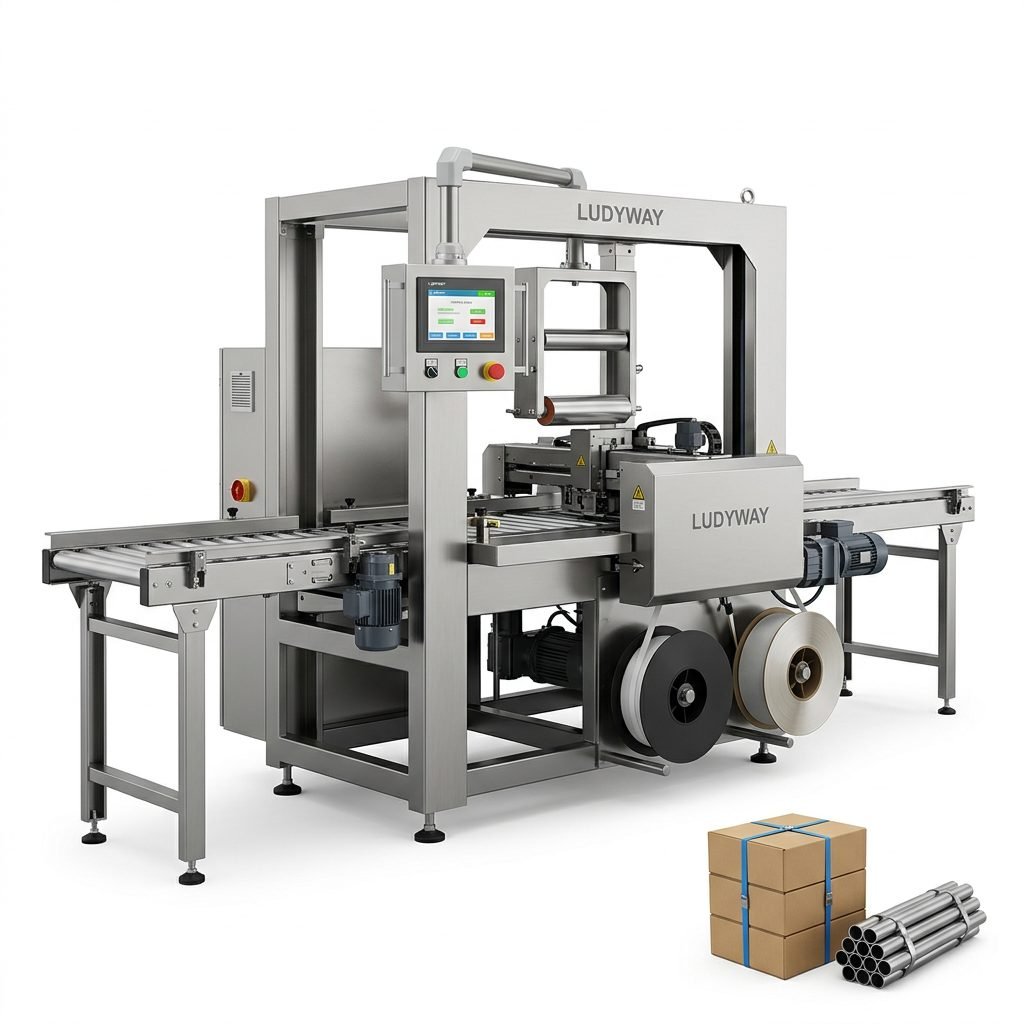
Weekly maintenance dives deeper into mechanical components that experience gradual wear. Set aside approximately 30 to 45 minutes for these procedures.
- Lubricate moving parts: Apply manufacturer-recommended lubricant to chain drives, cam assemblies, bearings, and pivot points. Avoid over-lubrication, which attracts dust and accelerates wear.
- Inspect the sealing unit: Examine the heat seal element or friction weld components for signs of oxidation, carbon buildup, or uneven wear. Clean or replace as needed.
- Check cutter blade sharpness: A dull cutter blade produces ragged strap ends and increases the risk of strap breakage. Sharpen or replace blades showing visible nicks.
- Examine electrical connections: Tighten any loose terminal screws and inspect wiring for signs of heat damage or insulation cracks.
- Clean sensors and photocells: Wipe optical sensors with a soft cloth to ensure accurate strap detection and feed control.
Monthly and Quarterly Maintenance
Monthly and quarterly maintenance focuses on deep cleaning and precision adjustments that preserve long-term machine accuracy. These tasks may require a trained technician.
Monthly Inspection Points
- Remove side panels and clean internal compartments, removing accumulated strap dust and debris
- Inspect all drive belts for tension loss, cracks, or glazing; replace if slippage is detected
- Verify strap tension calibration using a tension meter and adjust parameters to match product specifications
- Test all pneumatic cylinders and solenoid valves for smooth actuation and leak-free operation
Quarterly Deep Service
- Drain and replace gearbox oil if applicable to the model
- Inspect and replace worn conveyor rollers or belt segments
- Perform a complete calibration of the strap feed length, tension force, and seal cycle time
- Review error logs from the PLC or control system to identify recurring fault patterns
- Check frame bolts and mounting hardware for tightness and alignment
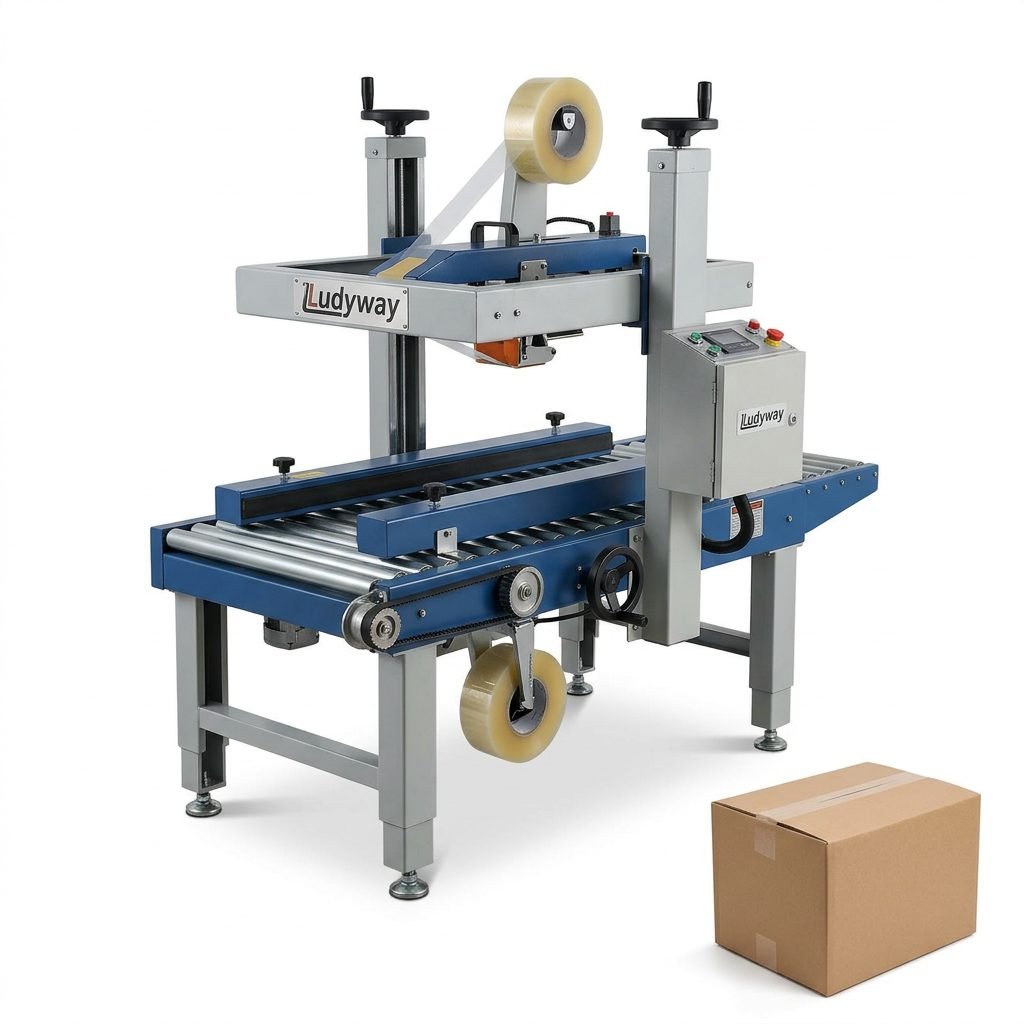
Common Issues and Troubleshooting
Even with diligent maintenance, occasional problems may arise. Below is a troubleshooting reference for common bundle packing machine issues.
| Problem | Possible Cause | Recommended Action |
|---|---|---|
| Strap jams frequently | Dirty strap path or misaligned guides | Clean the entire strap track and realign feed guides |
| Weak or inconsistent strap tension | Worn tension wheel or incorrect settings | Inspect tension wheel surface; recalibrate tension control |
| Poor seal quality | Faulty heating element or insufficient cooling time | Replace heater element; adjust cooling timer settings |
| Machine fails to start | Tripped safety interlock or power supply issue | Check all safety guards are closed; verify power connections |
| Excessive noise during operation | Lack of lubrication or loose components | Lubricate all specified points; tighten fasteners |
Maintenance Schedule Overview
Use the following maintenance schedule as a quick reference guide. Post this near the machine for operator visibility.
| Frequency | Task Category | Estimated Time | Responsible Party |
|---|---|---|---|
| Daily | Cleaning, visual inspection, safety check | 10–15 min | Machine Operator |
| Weekly | Lubrication, blade check, sensor cleaning | 30–45 min | Maintenance Technician |
| Monthly | Internal cleaning, belt inspection, tension calibration | 1–2 hours | Maintenance Technician |
| Quarterly | Oil change, full calibration, frame inspection | 3–4 hours | Senior Technician or Service Engineer |
| Annually | Comprehensive overhaul, component replacement | 1–2 days | Manufacturer Service Team |
Choosing the Right Consumables
Using high-quality strapping material and genuine spare parts directly impacts maintenance frequency. Inferior strapping material generates excessive dust, accelerates wear on guides and tension wheels, and increases the risk of unexpected machine stoppages. Always source PP strapping or PET strapping that meets the specifications outlined in your machine’s technical manual. Similarly, genuine replacement parts such as heating elements, cutters, and tension rollers are engineered to the original tolerances, ensuring consistent performance and reducing the likelihood of premature failure.
Operator Training and Documentation
Well-trained operators are the first line of defense against machine deterioration. Every operator should receive formal training covering daily maintenance procedures, basic troubleshooting, and the correct method for reporting anomalies. Maintain a maintenance logbook (digital or physical) that records all inspections, repairs, and part replacements. This documentation serves two purposes: it provides a clear maintenance history for diagnostic purposes and demonstrates compliance with warranty and regulatory requirements.
Spare Parts Inventory Management
Keeping a well-organized inventory of critical spare parts minimizes downtime when replacements are needed. Key spare parts to stock include:
- Heating elements and thermocouples for the sealing unit
- Cutter blades and blade holders
- Tension wheels and drive belts
- Sensor assemblies and photocells
- Pneumatic seals and O-ring kits for air-powered components
- Assorted fasteners, springs, and guide rollers
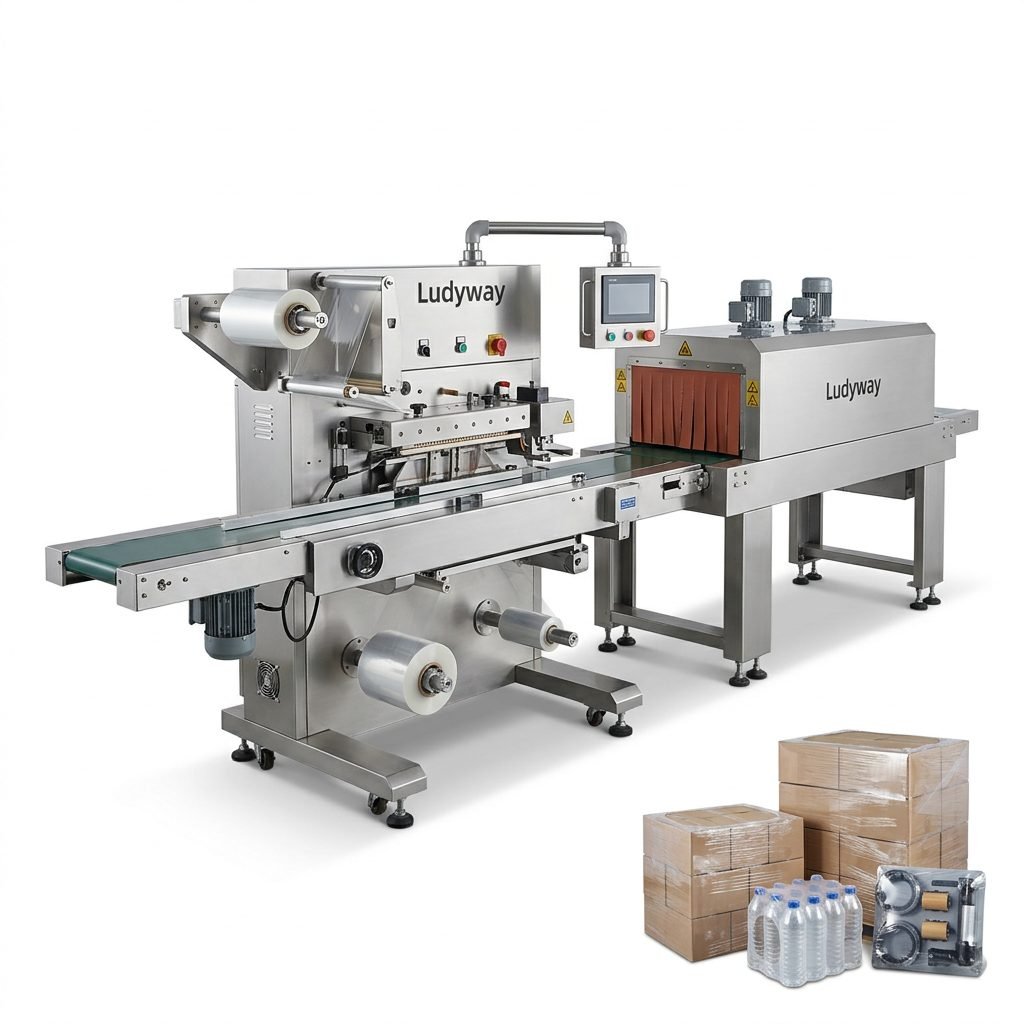
When sourcing replacement parts, work with an experienced packaging machinery manufacturer like Ludyway to ensure component compatibility and reliable after-sales support. A dependable parts supply chain reduces the time your bundle packing machine remains offline during maintenance events.
Environmental Considerations
The operating environment significantly influences maintenance requirements. Machines installed in dusty, humid, or high-temperature environments require more frequent cleaning and component inspection. Consider the following environmental factors:
- Install adequate ventilation to prevent heat buildup around motors and electrical enclosures
- Use air filtration systems in dusty production areas to reduce particle ingress into moving parts
- Control humidity levels to prevent corrosion on metal components and electrical contacts
- Ensure the machine is positioned on a level, vibration-free foundation to maintain alignment
- Keep the surrounding area clear of packaging waste and strapping offcuts to maintain a safe workspace
When to Call a Professional Service Technician
While routine maintenance can be handled in-house, certain situations warrant professional intervention. Contact a qualified service technician when:
- The machine exhibits persistent electrical faults or intermittent control system errors
- Major mechanical components such as the main drive motor or gearbox show signs of failure
- Calibration issues persist after following the manufacturer’s adjustment procedures
- Structural damage to the frame or safety guards has occurred
- Annual comprehensive servicing is due, requiring specialized diagnostic tools
Related Industry Resources
For additional guidance on packaging machinery standards and industry best practices, consult the following authoritative resources:
- PMMI – The Association for Packaging and Processing Technologies – Comprehensive packaging industry standards and training resources
- PMMI Business Intelligence Library – Market research and technical reports for packaging machinery
- Flexible Packaging Association – Industry resources for flexible packaging applications
- ISO Packaging Standards – International standards for packaging machinery and systems
- PACK EXPO International – Leading packaging trade show for discovering the latest machinery innovations
A disciplined approach to bundle packing machine maintenance delivers measurable returns in the form of higher uptime, consistent pack quality, and reduced total operating costs. By following the daily, weekly, monthly, and quarterly checklists outlined above, maintaining proper documentation, and partnering with a reliable equipment supplier, you can ensure your packaging line operates efficiently for years to come.