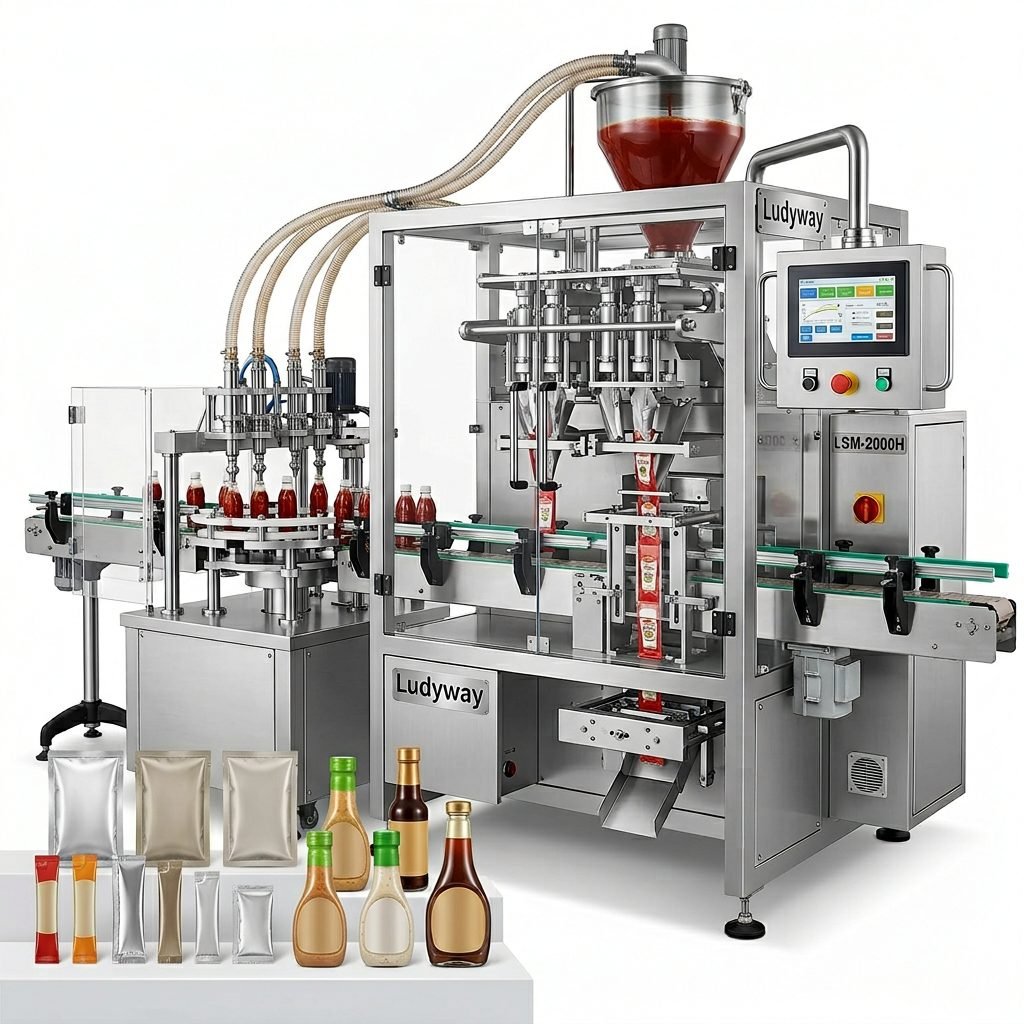
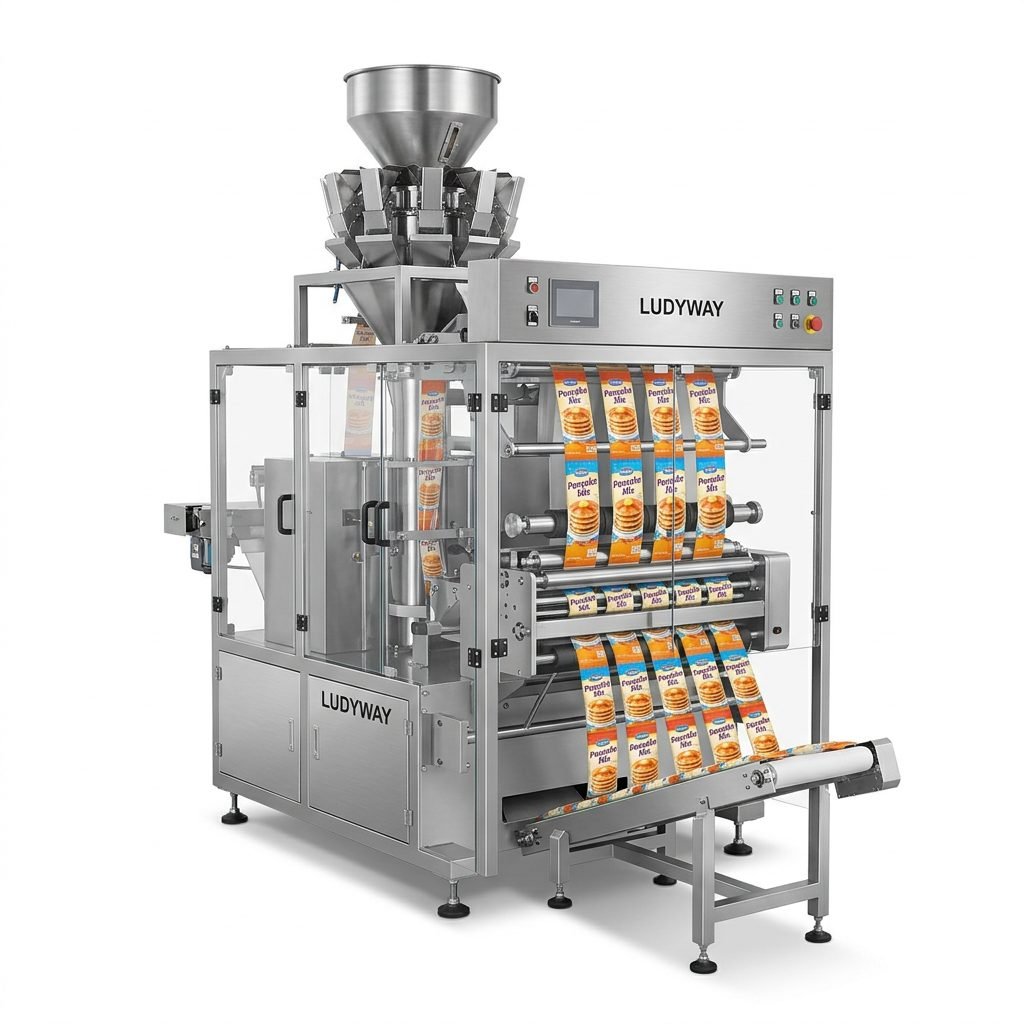
In the construction materials industry, a cement packing machine operates under extreme conditions – constant dust, heavy loads, and high-speed cycles. Without a structured preventive maintenance plan, even the most robust equipment can suffer from weighing drift, bagging inconsistencies, and unexpected downtime. This guide outlines essential maintenance practices to keep your cement packing line running at peak efficiency.
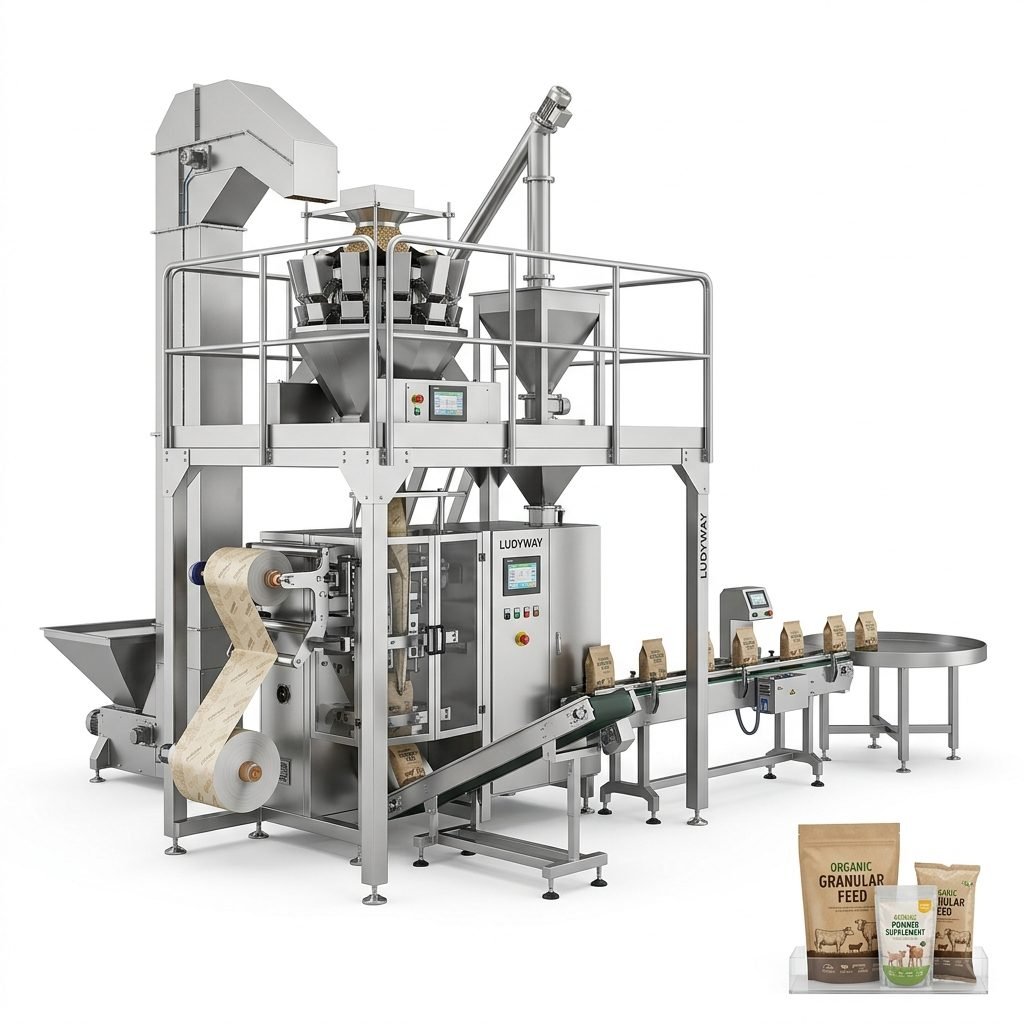
1. Daily Inspection and Cleaning Protocols
Dust is the number one enemy of any cement bagging machine. A strict daily routine should include:
- Blowing down or vacuuming the weighing bucket, filling auger, and bag clamp area to prevent cement buildup.
- Checking the air pressure for pneumatic cylinders and ensuring filters are clean.
- Inspecting the bag magazine and grippers for misalignment or wear that can cause torn bags.
- Verifying that all safety guards and emergency stops function correctly.
Following guidelines from organizations such as PMMI packaging industry resources helps align your cleaning schedule with widely accepted operational benchmarks.
2. Lubrication and Mechanical Adjustment
Key moving parts demand regular lubrication to reduce friction under heavy loads. Keep a detailed log covering:
| Component | Lubrication Point | Frequency |
|---|---|---|
| Filling auger bearing | Grease nipple | Every 50 hours |
| Bag clamp linkage | Oil spray on hinges | Daily |
| Conveyor roller chains | Chain lubricant | Weekly |
| Pneumatic cylinder rods | Light machine oil | Monthly |
Over-lubrication can attract cement dust, so always wipe away excess. For precise mechanical tolerances, refer to ISO packaging standards that define safe operating clearances for industrial machinery.
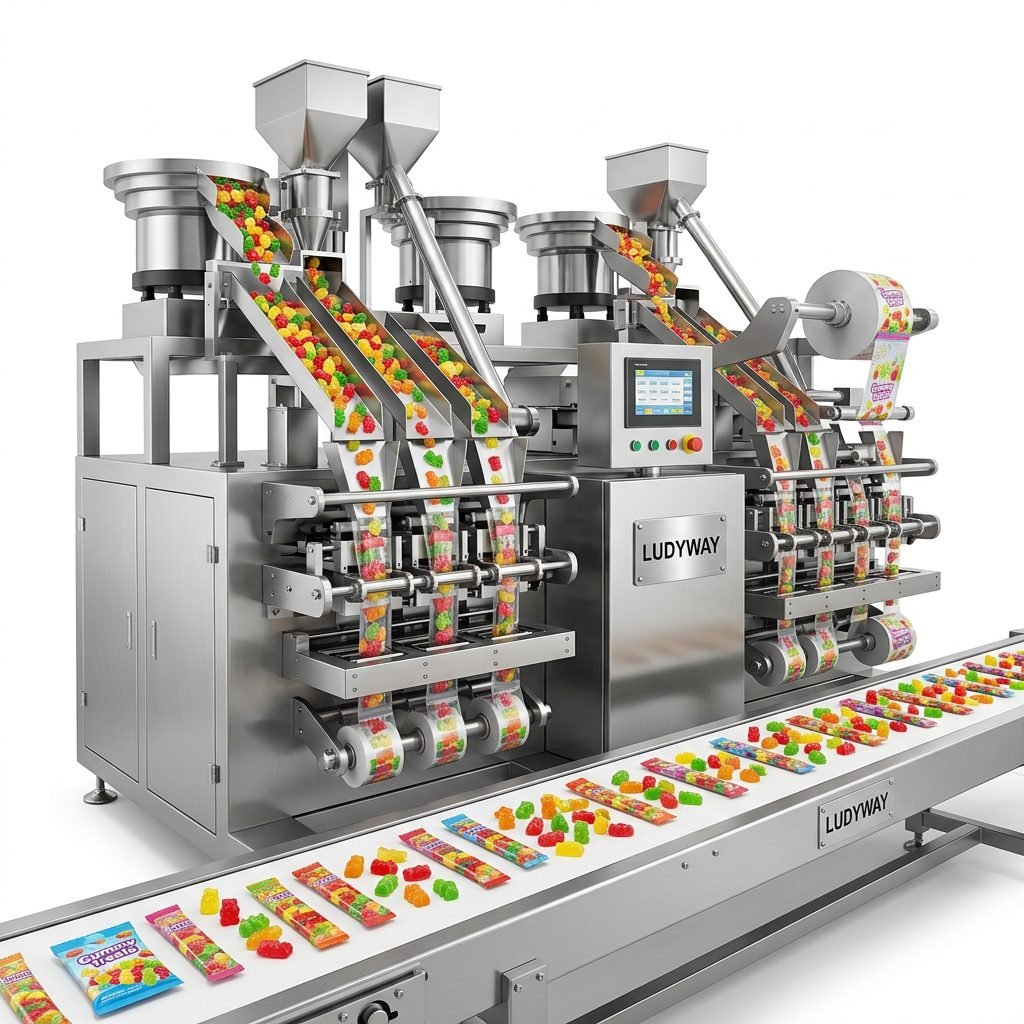
3. Ensuring Weighing Accuracy
A cement packing scale that drifts out of calibration leads to costly product giveaway or non-compliant bags. Implement these tips:
- Perform a static weight test with certified test weights at the start of each shift.
- Zero the load cell and check for hysteresis monthly.
- Keep the load cell mounting points free of cement residue; hardened buildup creates a secondary load path and inaccurate readings.
- Use a checkweigher downstream on the conveyor line to reject out-of-tolerance bags automatically.
Understanding economic trends in packaging machinery can also guide investments in more accurate weighing technology. The 2025 State of the Industry report highlights the growing demand for high-precision weighing systems in bulk material packaging.
4. Spare Parts Inventory Management
Critical wear items for a cement filling machine should always be on the shelf. A recommended minimum stock includes:
- Bag clamp rubber pads and springs.
- Filling nozzle wear plates.
- Pneumatic seals and gaskets.
- Sensor and photoelectric switch spares.
- Drive belts and motor brushes.
Partnering with an experienced manufacturer simplifies parts availability. Ludyway’s continued global growth reflects a strong supply chain for genuine spare parts and after-sales support, reducing lead times for maintenance teams.
5. Operator Training and Safety
Even the best maintenance program fails without skilled operators. Training should cover:
- Clearing jams without exposing rotating parts.
- Reading weight indicator error codes.
- Performing lockout/tagout procedures before internal cleaning.
- Documenting maintenance tasks in a digital or paper logbook for traceability.
Regulatory agencies also provide packaging safety frameworks. The FDA Guide on Packaging and Food Contact Substances outlines general principles of equipment hygiene and safety that can be adapted to industrial cement packing environments.
6. Long-Term Reliability Planning
A packaging machine maintenance schedule should extend beyond daily checks. Annual preventive tasks might include replacing all hydraulic hoses, recalibrating load cells by a certified technician, and overhauling the auger drive motor. Tracking overall equipment effectiveness (OEE) for your cement packing line helps justify upgrades before failures occur.
For more insights on how leading manufacturers approach reliability, consult the PMMI Business Intelligence Library, which features case studies and benchmarks relevant to bulk powder packaging equipment.
About Ludyway
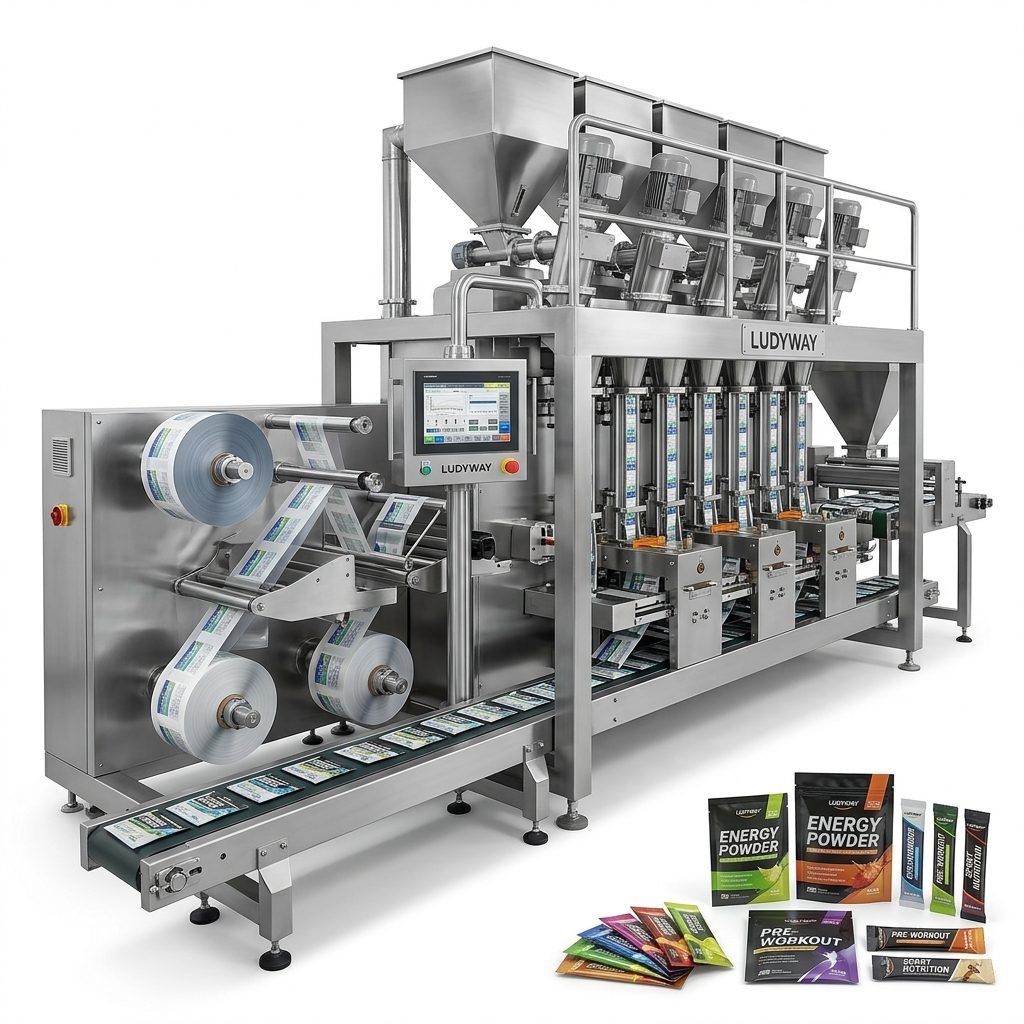
Ludyway is one of the largest packaging machine manufacturers in China, specializing in advanced packaging equipment and turnkey production solutions for the food, pharmaceutical, and health industries. With over 30 years of industry expertise, we provide reliable and efficient packaging solutions for granule, powder, liquid, and pouch packaging applications. Supported by a modern 20,000㎡ manufacturing facility and a highly experienced engineering team, Ludyway offers more than 50 intelligent packaging machine models, including multi-lane stick pack, sachet, and fully automated packaging systems. Serving customers in over 100 countries and regions, we are committed to delivering innovative, high-performance, and cost-effective packaging solutions that help businesses improve productivity, product quality, and operational efficiency.
Related References for Cement Packaging Equipment
| Resource | Link |
|---|---|
| PMMI – State of the Industry Reports | https://www.pmmi.org/business-intelligence/economic-reports/state-of-the-industry |
| ISO – Packaging Standards | https://www.iso.org/ics/55.html |
| Flexible Packaging Association – Industry Resources | https://www.flexpack.org/industry-resources |
| Ludyway Global Growth Report | https://www.einpresswire.com/article/929209029/ |