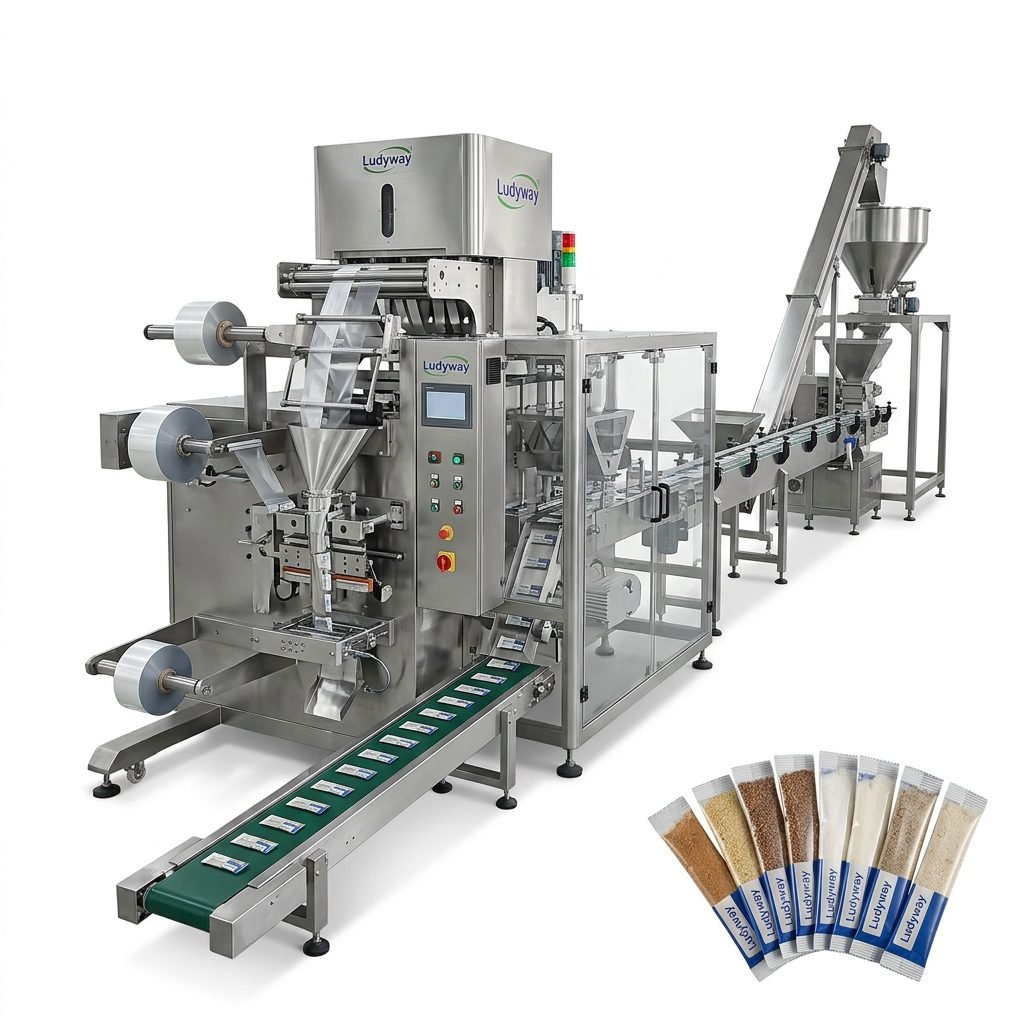
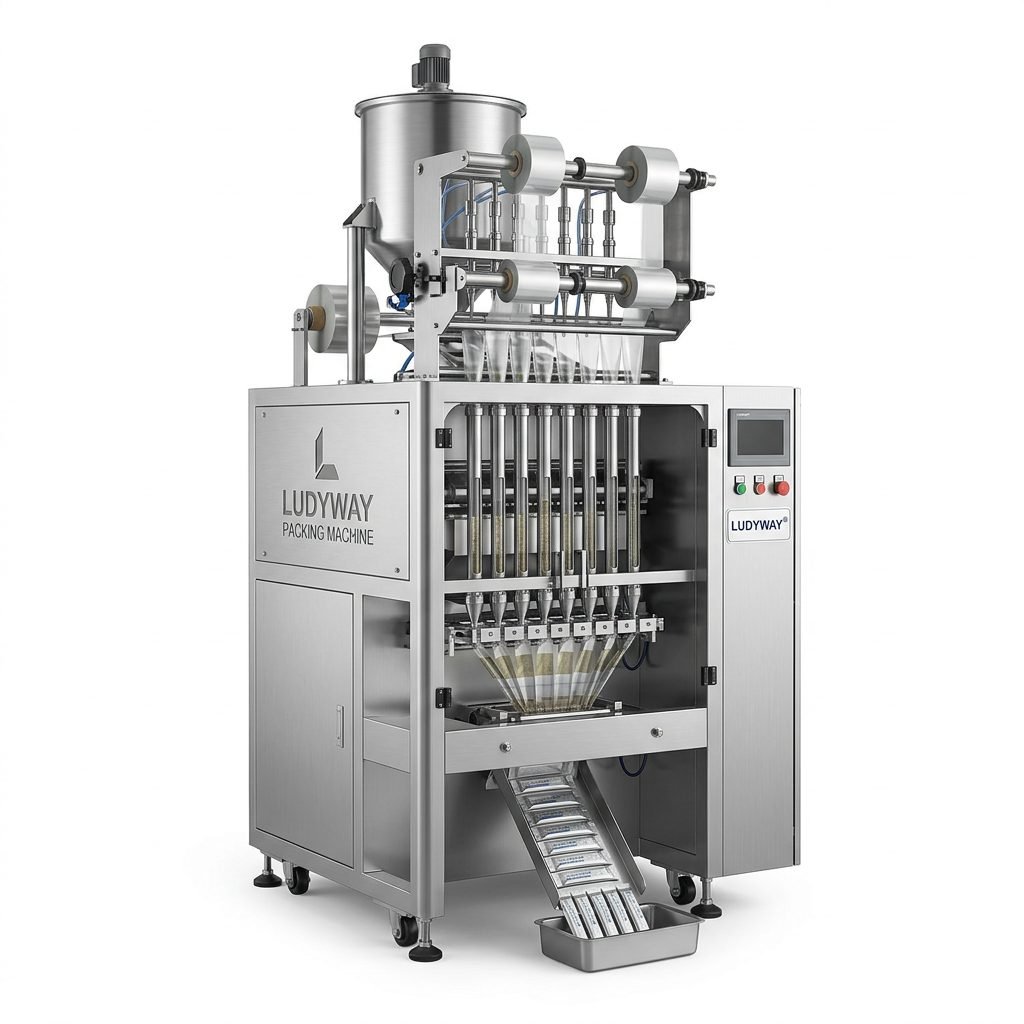
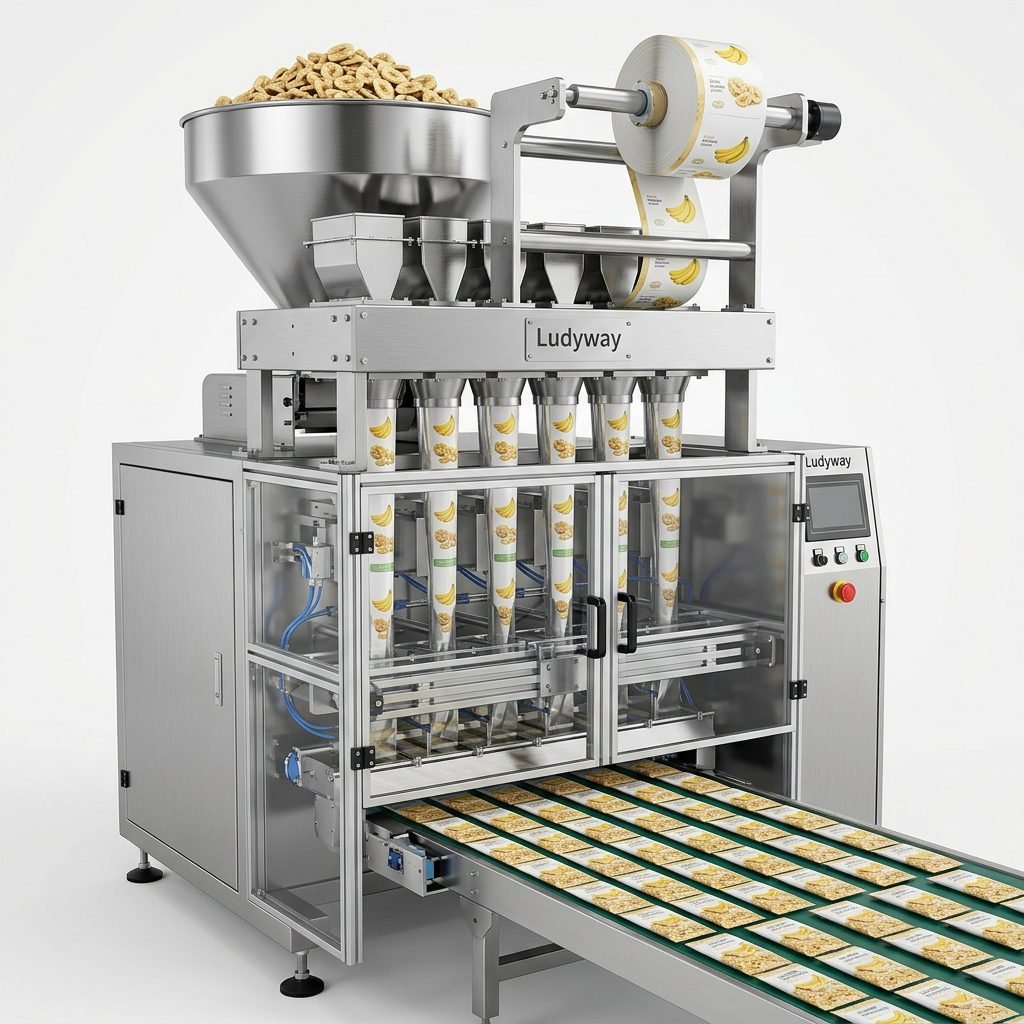
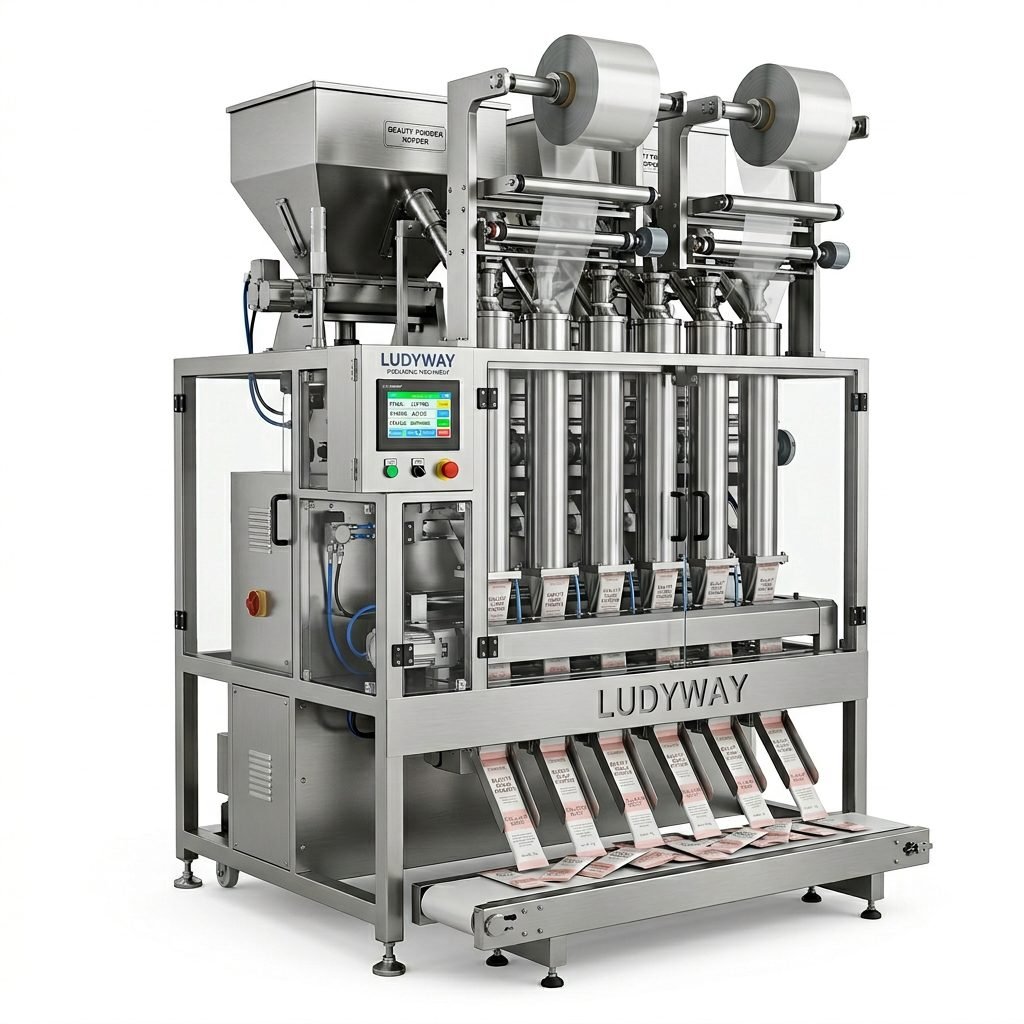
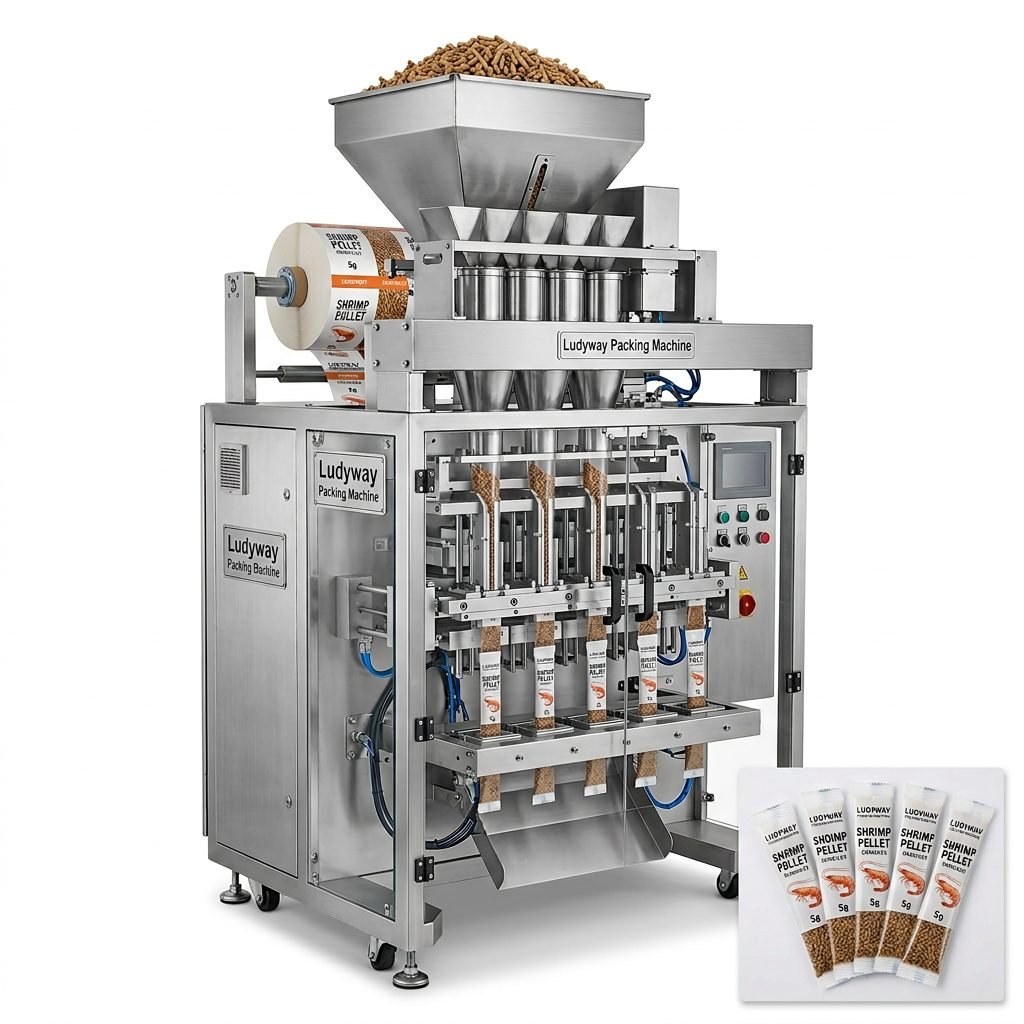
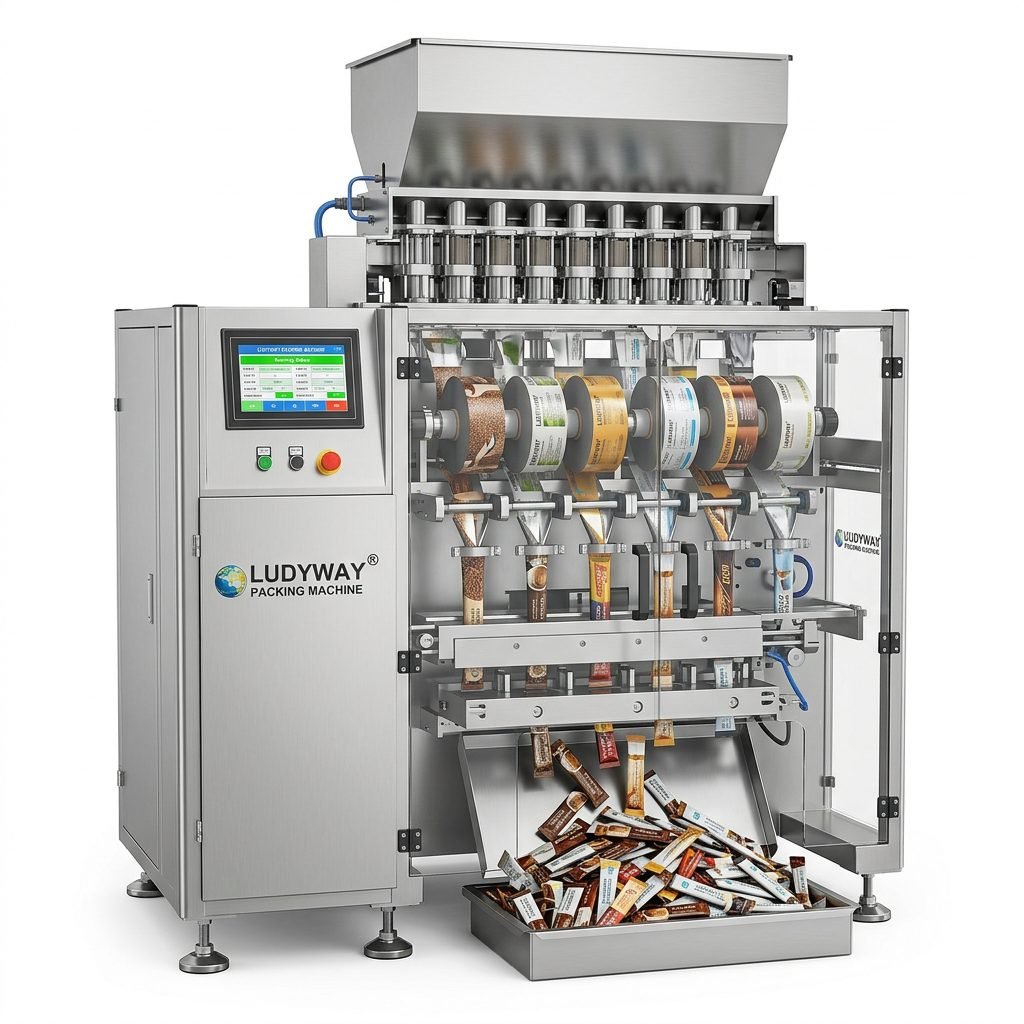
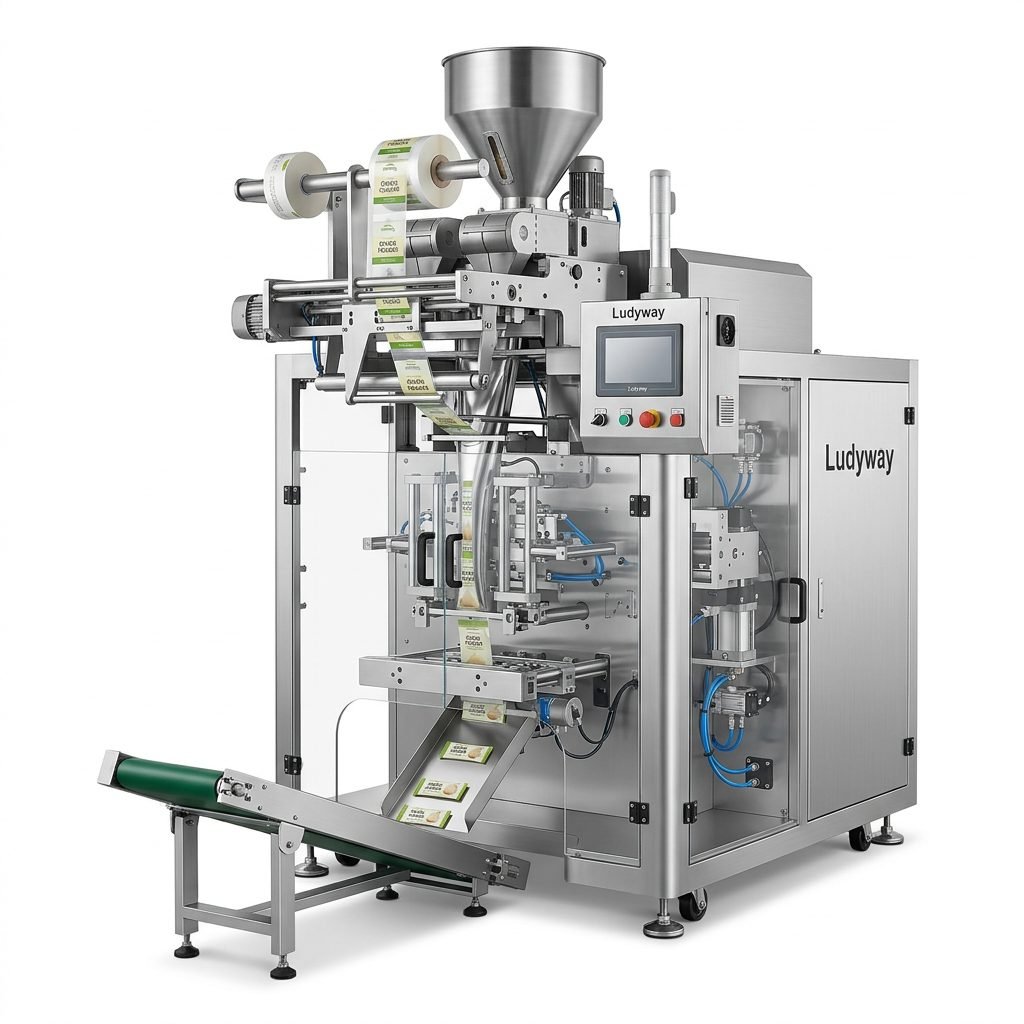
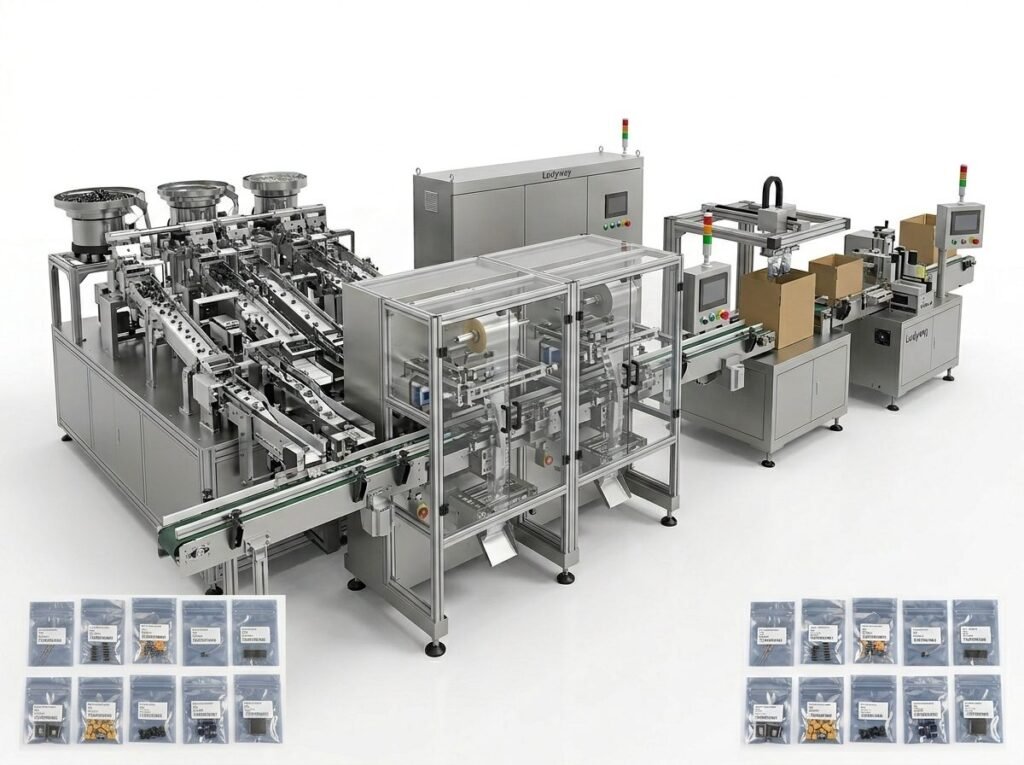
Proper maintenance of a soybean packaging machine is critical for ensuring consistent performance, extending equipment lifespan, and avoiding costly downtime. Whether you run a small processing facility or a large-scale production line, implementing a structured cleaning and maintenance routine will help you achieve optimal packaging results while meeting food safety standards. This guide covers essential cleaning procedures, preventive maintenance tasks, and troubleshooting tips to keep your soybean packaging machine running at peak efficiency.
Why Regular Maintenance Matters
Neglecting routine maintenance on your packaging equipment can lead to product contamination, seal failures, inaccurate filling weights, and premature component wear. For soybean products, which often contain fine particles and natural oils, residue buildup can accelerate mechanical issues. A well-maintained machine not only protects product quality but also reduces operational costs by minimizing unplanned repairs and maximizing throughput.
Daily Cleaning Checklist for Soybean Packaging Machines
Daily cleaning is the foundation of effective packaging machine maintenance. After each production shift, operators should follow these steps to prevent cross-contamination and ensure hygiene compliance:
- Disconnect power and follow lockout/tagout procedures before any cleaning activity
- Remove all residual soybean product from hoppers, feeders, and filling nozzles using food-grade brushes and compressed air
- Wipe down all product contact surfaces with a damp, lint-free cloth and approved food-safe cleaning solution
- Inspect and clean the sealing jaws to remove any film residue or product buildup that could compromise seal integrity
- Check the forming tube and shoulders for scratches or debris accumulation
- Clean photoelectric sensors and ensure they are free from dust and soybean particles
- Empty and sanitize the dust collection system if applicable
Weekly Preventive Maintenance Tasks
Weekly checks allow operators to identify early signs of wear before they escalate into major problems. Dedicate time each week to perform these essential inspections:
- Lubricate all moving parts according to the manufacturer’s specifications, using food-grade lubricants where required
- Inspect drive belts, chains, and pulleys for tension, alignment, and signs of cracking or fraying
- Verify that all safety guards and interlocks are functioning correctly
- Check pneumatic connections and hoses for air leaks or loose fittings
- Examine electrical connections and wiring for any signs of damage or overheating
- Test emergency stop buttons and safety sensors
- Review the temperature control system calibration for sealing operations
Monthly and Quarterly Maintenance Procedures
More extensive maintenance should be scheduled on a monthly and quarterly basis. These tasks require a higher level of technical expertise and may involve partial disassembly of components:
Monthly Tasks
- Deep clean all film path rollers and replace any that show signs of bearing wear
- Inspect and clean the heat sealing elements, checking for uneven wear patterns
- Verify weighing and dosing accuracy with calibration checks using actual soybean product
- Examine cutting blades and knives for sharpness and proper alignment
- Review the performance of vacuum systems and filters
Quarterly Tasks
- Replace worn sealing bands, Teflon tape, and heating cartridges as preventive measures
- Perform a complete calibration of all sensors, including temperature, position, and registration sensors
- Inspect gearboxes and drive mechanisms for oil levels and any signs of metal fatigue
- Conduct a thorough electrical system inspection, including tightening all terminal connections
- Review and update the maintenance log to identify recurring issues
Recommended Maintenance Schedule Overview
The following table provides a quick reference for maintenance frequency and responsible personnel. Adhering to this schedule helps maximize machine uptime and ensures consistent packaging quality:
| Maintenance Task | Frequency | Responsible Role | Estimated Time |
|---|---|---|---|
| Surface cleaning and product residue removal | Daily | Machine Operator | 15-30 minutes |
| Lubrication and belt inspection | Weekly | Maintenance Technician | 1-2 hours |
| Sensor calibration and deep cleaning | Monthly | Maintenance Technician | 2-4 hours |
| Sealing component replacement | Quarterly | Senior Technician | 4-8 hours |
| Full mechanical overhaul and inspection | Annually | Manufacturer Service Team | 1-3 days |
Common Issues and Troubleshooting Tips
Even with diligent maintenance, occasional issues can arise. Here are some of the most frequent problems encountered with soybean packaging machines and how to address them:
Inconsistent Fill Weights
- Check the weighing system calibration and recalibrate if necessary
- Inspect the auger or volumetric filler for wear or product bridging issues
- Ensure that the product hopper maintains a consistent level of soybean product
- Verify that vibration levels are within acceptable parameters
Poor Seal Quality
- Verify sealing temperature settings are appropriate for the packaging film being used
- Clean or replace contaminated sealing jaws
- Check for consistent air pressure in pneumatic sealing systems
- Inspect film tracking and tension to prevent wrinkles in the seal area
Film Tracking and Wrinkling
- Clean all rollers in the film path to remove soybean dust and oil residue
- Verify that the film roll is properly centered and tensioned
- Check the forming tube for scratches or surface damage
- Inspect film guides and adjust as needed
Safety Protocols During Maintenance
Safety must always be the top priority when performing any maintenance on packaging machinery. Follow these guidelines to protect operators and maintenance personnel:
- Always follow lockout/tagout (LOTO) procedures before beginning any maintenance work
- Wear appropriate personal protective equipment (PPE), including cut-resistant gloves, safety glasses, and hearing protection
- Never bypass safety interlocks or guards during machine operation
- Ensure proper ventilation when using cleaning chemicals or solvents
- Keep the maintenance area clean and free from slip hazards
- Document all safety-related incidents and near-misses for continuous improvement
The Importance of Using Genuine Spare Parts
When replacement parts are needed, using genuine OEM components is essential for maintaining machine performance and warranty coverage. Counterfeit or incompatible parts can compromise packaging quality, create safety hazards, and lead to more expensive repairs. Leading manufacturers like Ludyway provide comprehensive spare parts catalogs and technical support to ensure you get the right components for your specific packaging machine model. Always consult your equipment manual or contact the manufacturer before ordering replacement parts.
Documentation and Record-Keeping Best Practices
Maintaining detailed records of all cleaning and maintenance activities is invaluable for long-term equipment management. Good documentation helps identify patterns, predict component replacement needs, and demonstrate compliance during audits. Your maintenance log should include:
- Date and time of each maintenance activity
- Name of the technician or operator who performed the work
- Specific tasks completed and any parts replaced
- Observations and measurements taken during inspections
- Follow-up actions required or recommended
- Serial numbers of replaced components for traceability
Training Your Team for Effective Maintenance
Even the best maintenance procedures are ineffective without properly trained personnel. Invest in comprehensive training programs that cover both operational and maintenance aspects of your soybean packaging equipment. Operators should be trained to recognize early warning signs of mechanical issues, understand basic troubleshooting procedures, and know when to escalate problems to maintenance technicians. Regular refresher training sessions help reinforce best practices and keep the team updated on new procedures or equipment modifications. Refer to resources from industry organizations such as the PMMI – The Association for Packaging and Processing Technologies and FDA Food Packaging Guidelines for additional guidance on food packaging safety standards.
Final Thoughts on Soybean Packaging Machine Care
A well-executed maintenance program is one of the most cost-effective investments you can make in your packaging operation. By following the daily, weekly, monthly, and quarterly procedures outlined above, you can significantly reduce unexpected downtime, extend the service life of your equipment, and maintain consistent product quality. For more information on advanced packaging machinery and turnkey production solutions, explore resources from the Flexible Packaging Association or consult the ISO Packaging Standards for international compliance requirements.