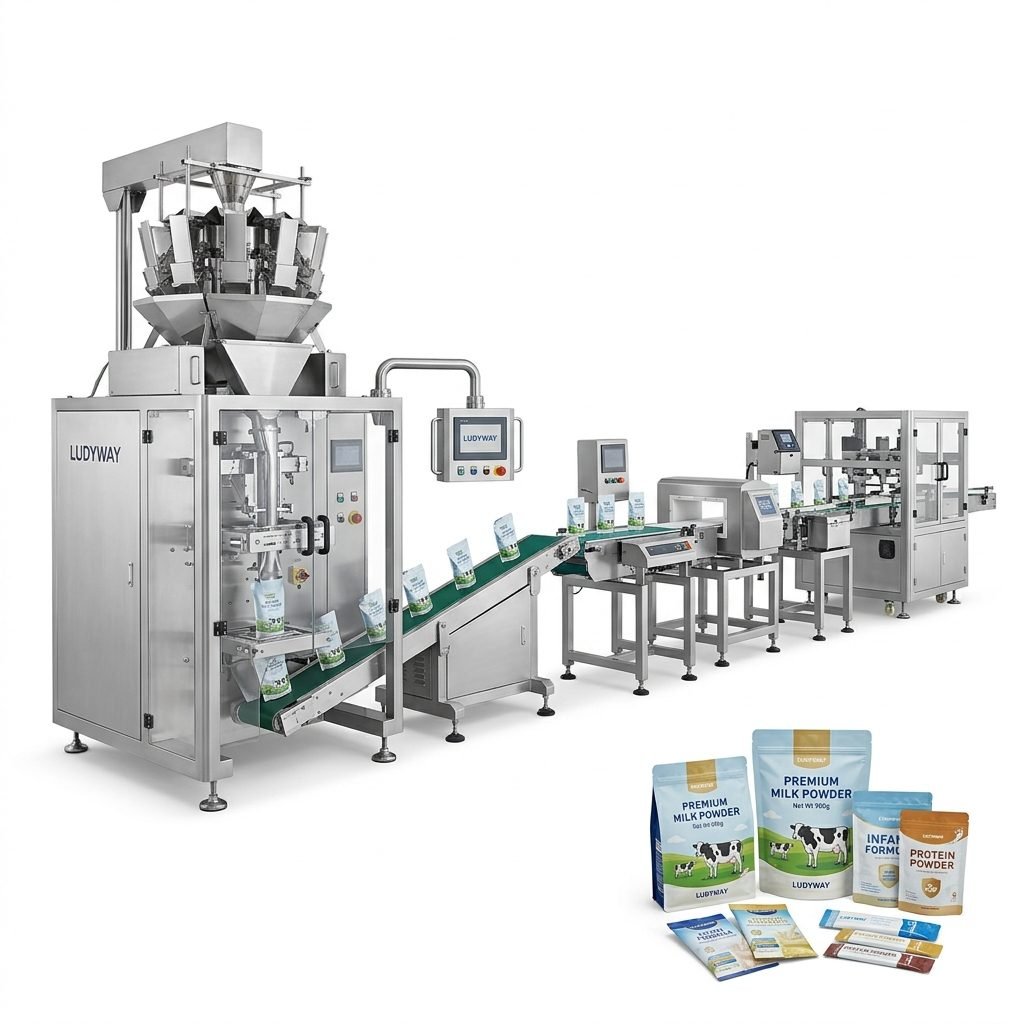
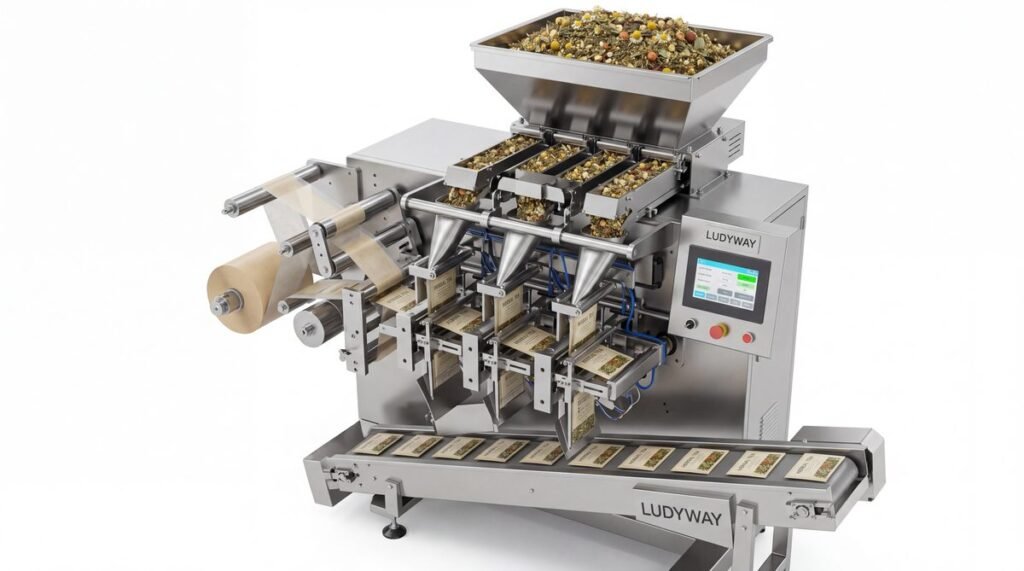
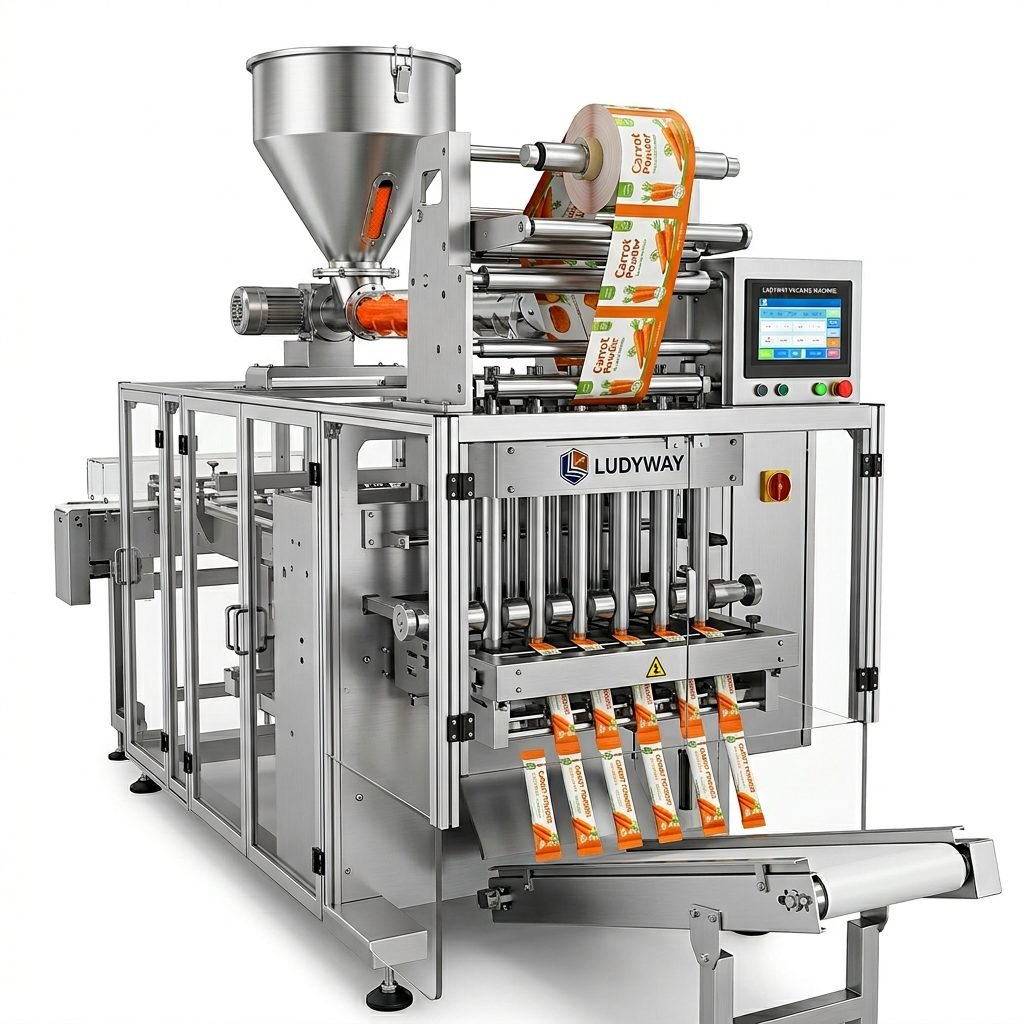
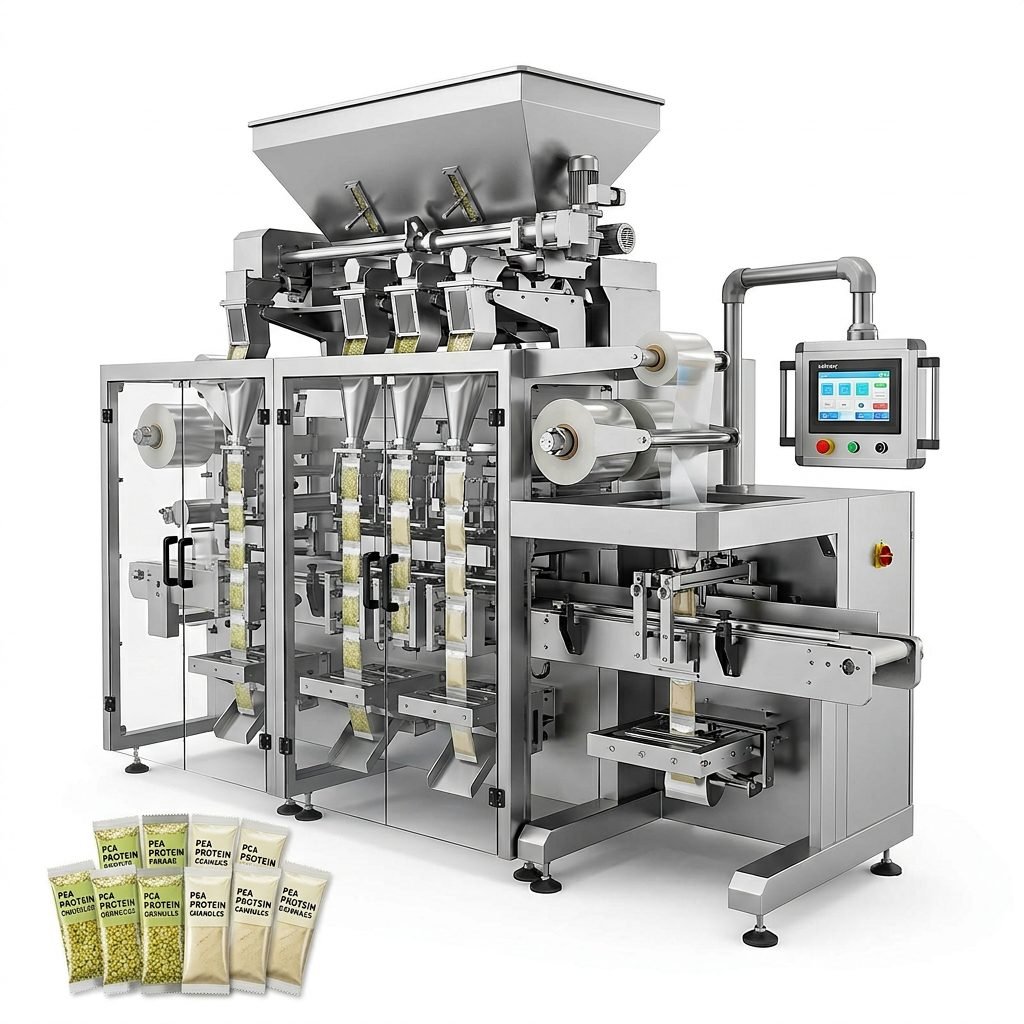
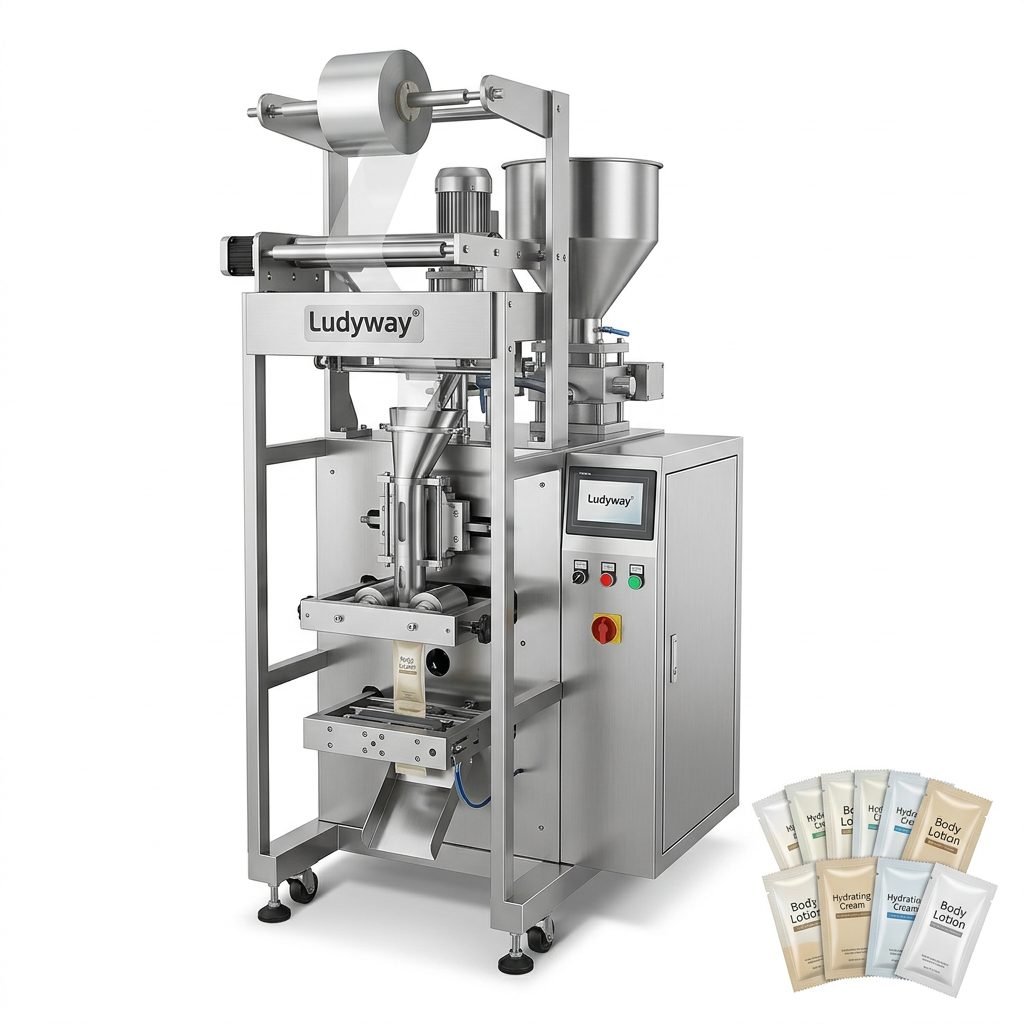
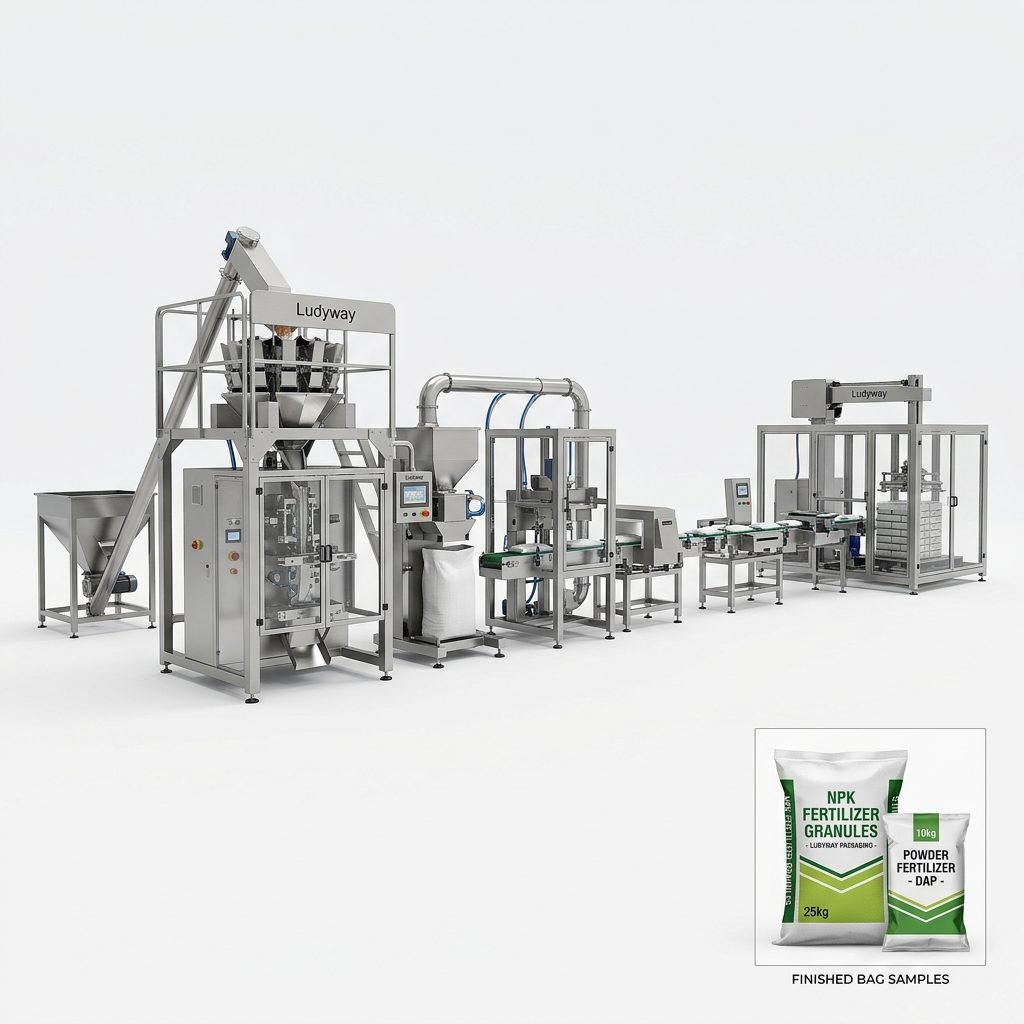
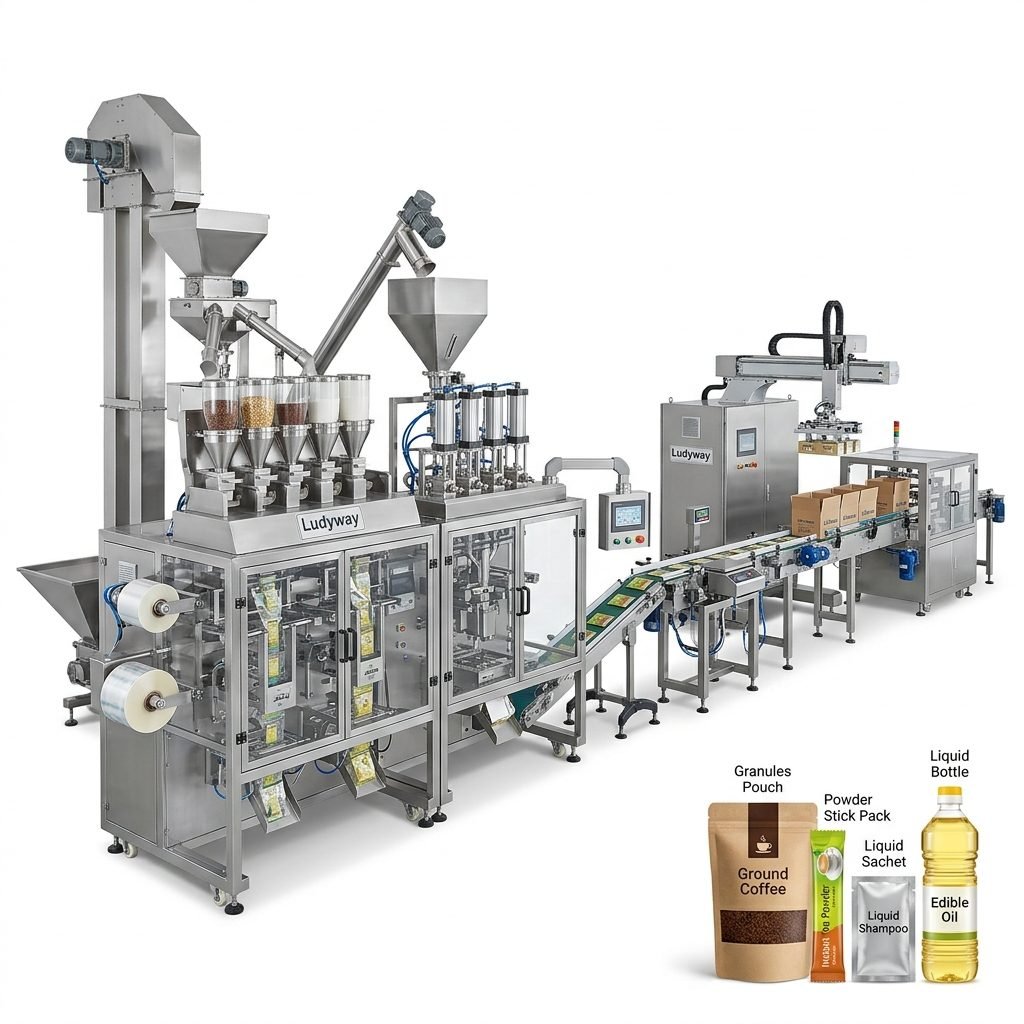
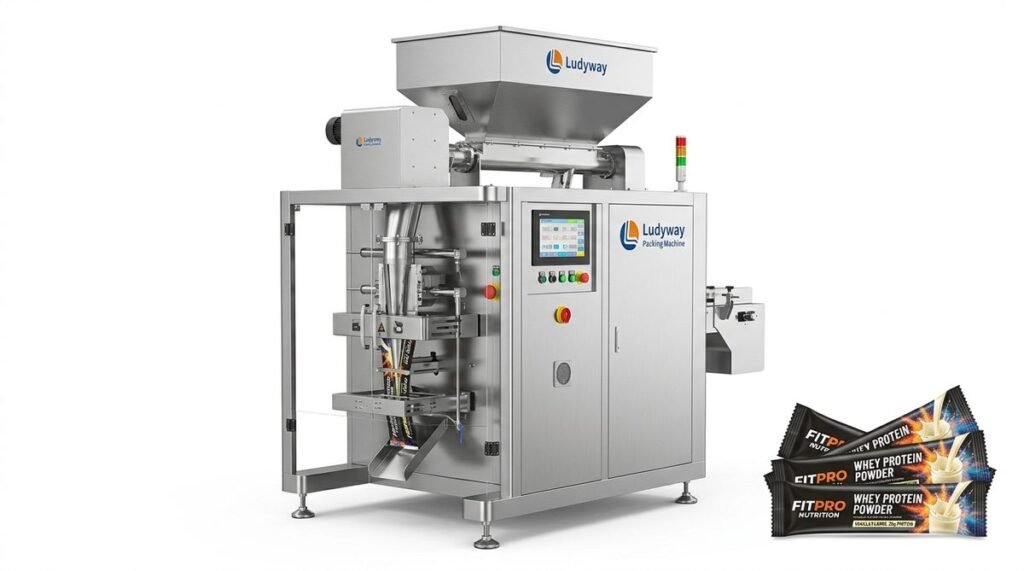
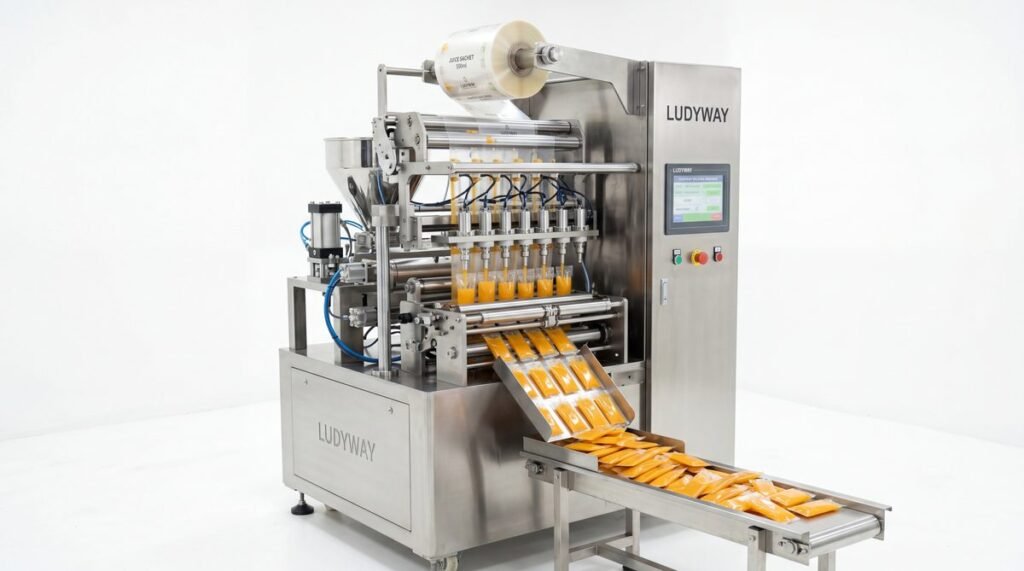
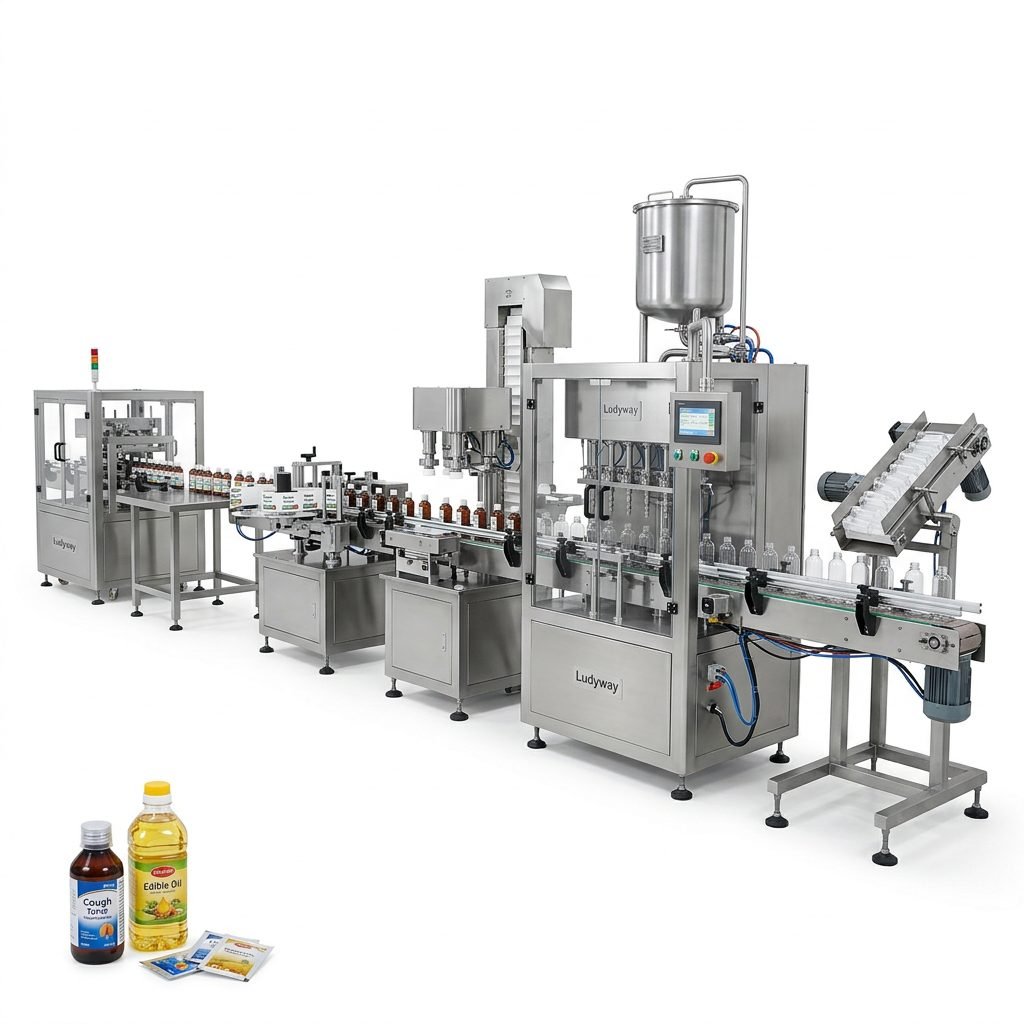
Maintaining an airtight packaging machine is essential for ensuring product integrity, extending equipment lifespan, and avoiding costly downtime. Whether you are sealing food products, pharmaceuticals, or industrial goods, a well-maintained machine guarantees consistent seal quality and prevents contamination. This guide covers the essential cleaning procedures, inspection routines, and preventive maintenance tips you need to keep your equipment running at peak performance.

Why Regular Maintenance of Airtight Packaging Machines Matters
An airtight seal is only as good as the machine that produces it. Over time, product residue, dust, and mechanical wear can compromise sealing integrity. Regular maintenance not only prevents seal failures but also reduces energy consumption and extends the life of critical components such as heating elements, pressure bars, and conveyor systems. Neglecting routine care can lead to inconsistent seals, product spoilage, and unexpected production halts.
Daily Cleaning Procedures for Optimal Performance
Daily cleaning should be a non-negotiable part of your production routine. Follow these steps to keep your packaging machine in top condition:
- Power down and disconnect the machine completely before starting any cleaning procedure.
- Remove loose debris and product residue from the filling area, sealing bars, and conveyor belts using a soft brush or vacuum.
- Wipe down all contact surfaces with a food-grade cleaning solution appropriate for your industry (food, pharmaceutical, or chemical).
- Inspect the sealing bars for any product buildup or damage. Use a non-abrasive cloth to clean heating elements carefully.
- Check and clean the air filters on pneumatic systems to ensure consistent pressure for airtight sealing.
- Examine the film path for any residual adhesive or material fragments that could affect feeding accuracy.

Weekly and Monthly Deep Cleaning Schedule
Beyond daily wipe-downs, a deeper cleaning regimen is necessary to address areas that are harder to reach and components that experience more wear. The table below outlines a recommended weekly and monthly schedule:
| Frequency | Task | Details |
|---|---|---|
| Weekly | Deep clean sealing jaws | Remove residue with approved solvents; check Teflon coating integrity |
| Weekly | Lubricate moving parts | Apply food-grade lubricant to chains, gears, and bearing points |
| Monthly | Inspect pneumatic seals | Check for air leaks, replace worn O-rings and gaskets |
| Monthly | Calibrate temperature controls | Verify sealing temperature accuracy with a calibrated thermometer |
| Monthly | Clean electrical cabinets | Remove dust accumulation using compressed air; check wiring connections |
Key Components That Require Regular Inspection
Focusing on the most critical components will help you catch issues before they escalate. Pay special attention to the following parts during every maintenance cycle:
- Sealing bars and heating elements: These are the heart of an airtight packaging system. Check for uneven heating, warping, or Teflon coating damage.
- Pressure rollers and belts: Ensure consistent pressure distribution for uniform seals. Worn rollers can cause weak spots in the seal.
- Air compressors and pneumatic lines: Proper air pressure is vital for jaw movement and consistent sealing force.
- Film feeding mechanisms: Misaligned film can cause wrinkles and incomplete seals. Inspect tension controls and guide rollers.
- Sensors and control systems: Clean optical sensors and verify that temperature and pressure readouts match actual conditions.
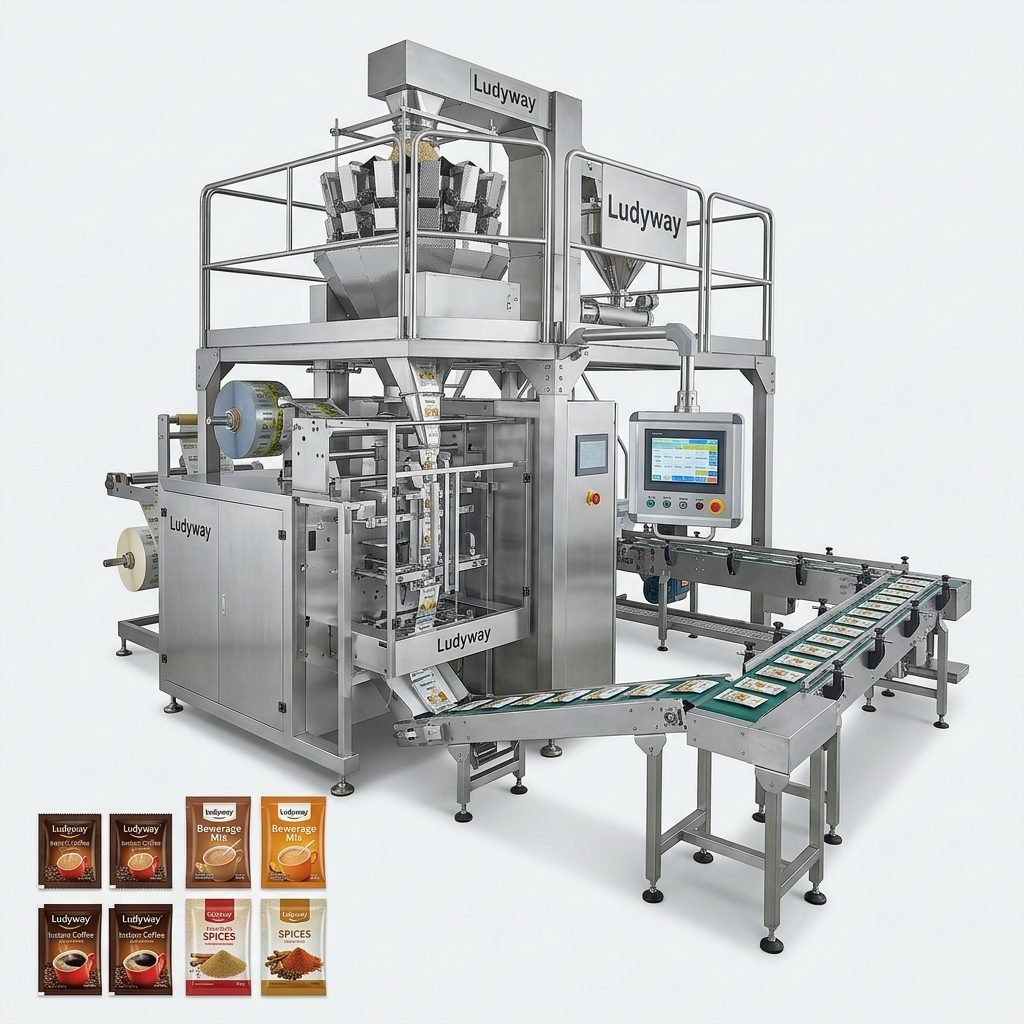
Preventive Maintenance Best Practices
Preventive maintenance is the most cost-effective approach to equipment management. Implementing a structured program helps you avoid unplanned downtime and extends the operational life of your automatic packaging equipment. Here are proven best practices:
- Maintain a detailed maintenance log documenting every cleaning, inspection, and part replacement.
- Stock critical spare parts such as heating elements, Teflon tape, O-rings, and sensors to minimize downtime during repairs.
- Train operators thoroughly on proper cleaning techniques and early warning signs of equipment issues.
- Schedule professional servicing at least twice a year for comprehensive diagnostics and calibration.
- Monitor seal quality continuously using peel tests and vacuum decay testing to detect trends before failures occur.
Common Issues and Quick Troubleshooting Tips
Even with diligent maintenance, occasional issues can arise. Here is a quick reference for common problems and their likely causes:
| Problem | Possible Cause | Recommended Action |
|---|---|---|
| Inconsistent seal strength | Worn heating element or incorrect temperature | Recalibrate temperature; replace heating element if necessary |
| Wrinkled seals | Misaligned film feed or improper tension | Adjust film alignment and tension controls |
| Air leaks in seals | Contaminated sealing surface or insufficient pressure | Clean sealing jaws thoroughly; increase pneumatic pressure |
| Machine jamming | Product buildup in film path | Clear all debris; inspect for damaged film guides |
When to Call a Professional Service Technician
While many maintenance tasks can be handled in-house, certain situations require expert attention. Contact a qualified technician if you experience persistent seal failures after troubleshooting, notice unusual vibrations or noises, detect error codes that cannot be cleared, or need major component replacement such as servo motors or PLC controllers. Professional servicing ensures your equipment meets manufacturer specifications and industry safety standards.
As one of the largest packaging machine manufacturers in China, Ludyway provides comprehensive after-sales support, including maintenance training and spare parts supply for all its automated packaging solutions. Keeping your airtight packaging machine properly maintained is an investment in product quality and long-term operational efficiency.