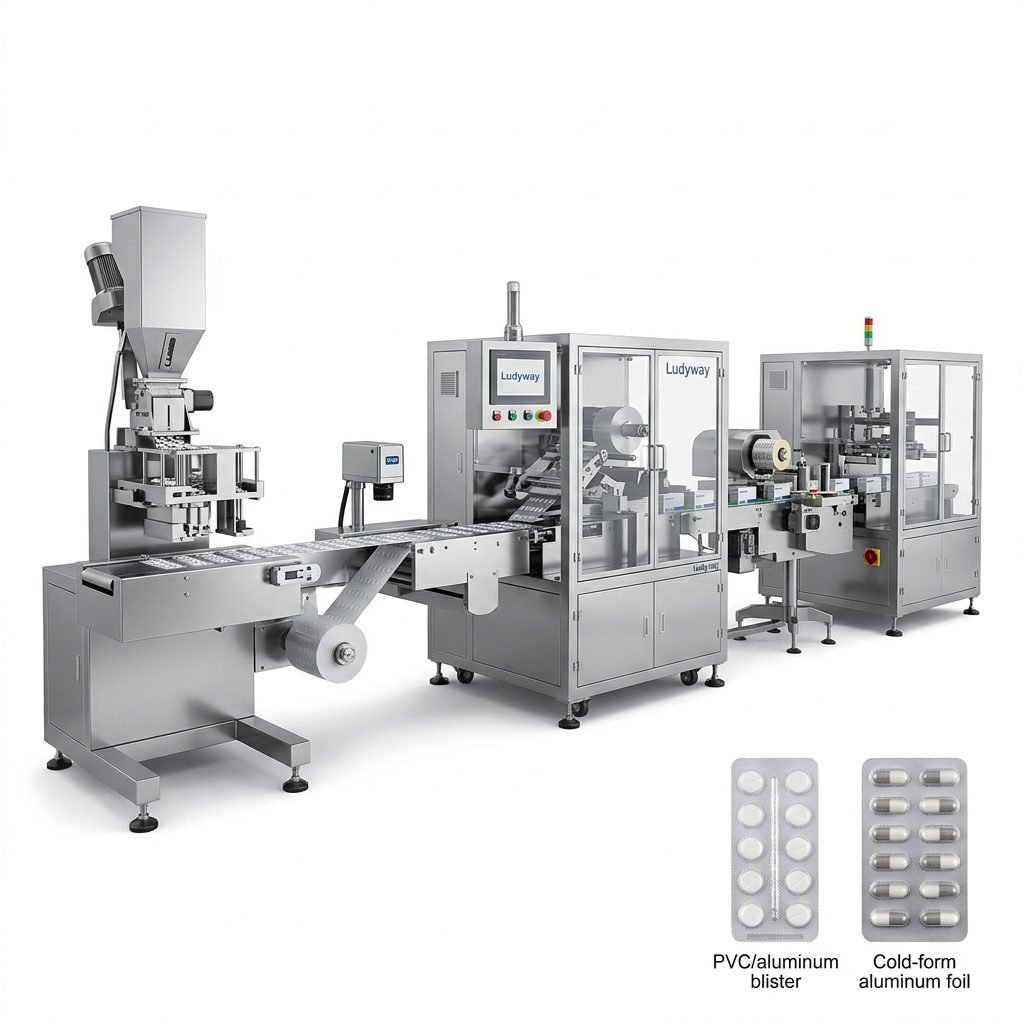
Establishing a fully operational salt packaging machine production line in China requires strategic planning, technical specification alignment, and a clear understanding of local manufacturing ecosystems. Whether you are packaging refined iodized salt, sea salt, or industrial-grade sodium chloride, the efficiency of your line directly impacts product quality, shelf life, and overall return on investment. This comprehensive guide breaks down the critical phases—from facility preparation and machine selection to automation integration and compliance.
1. Initial Planning and Site Assessment
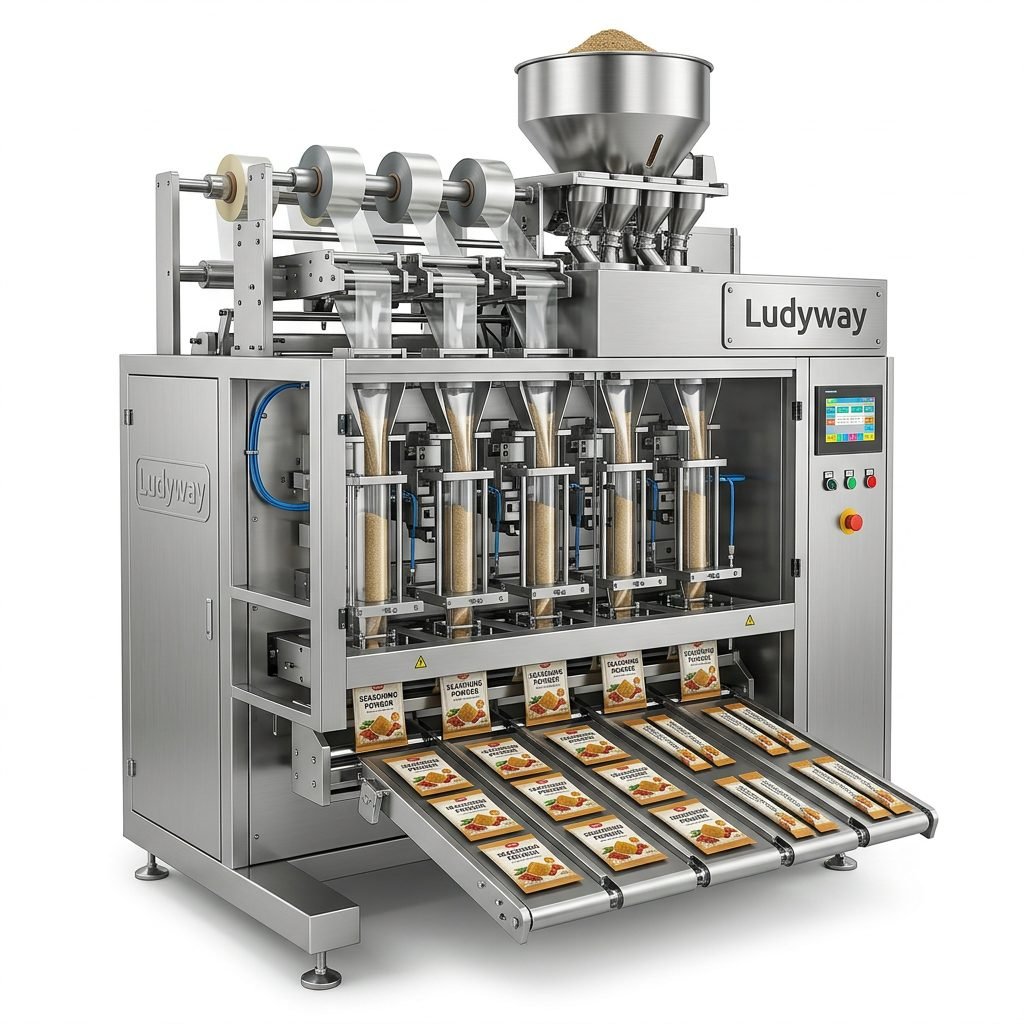
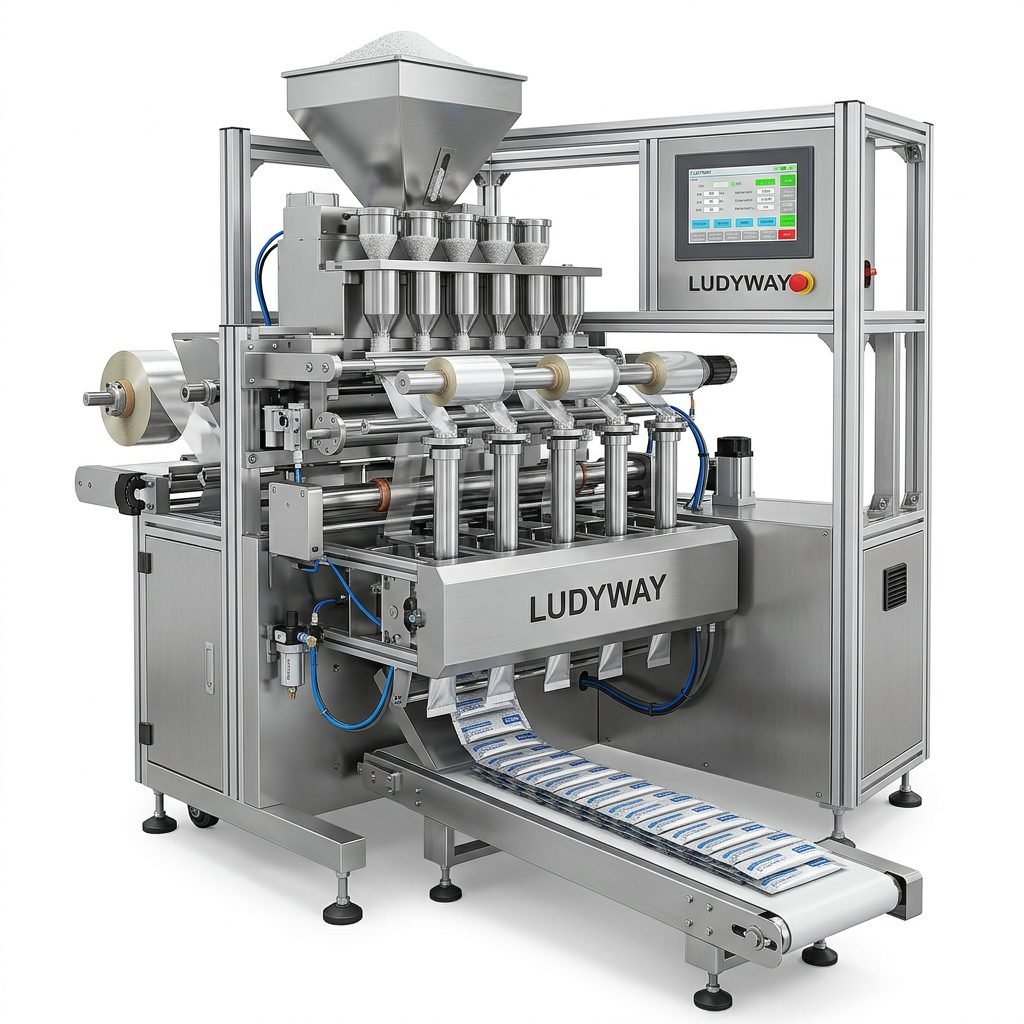
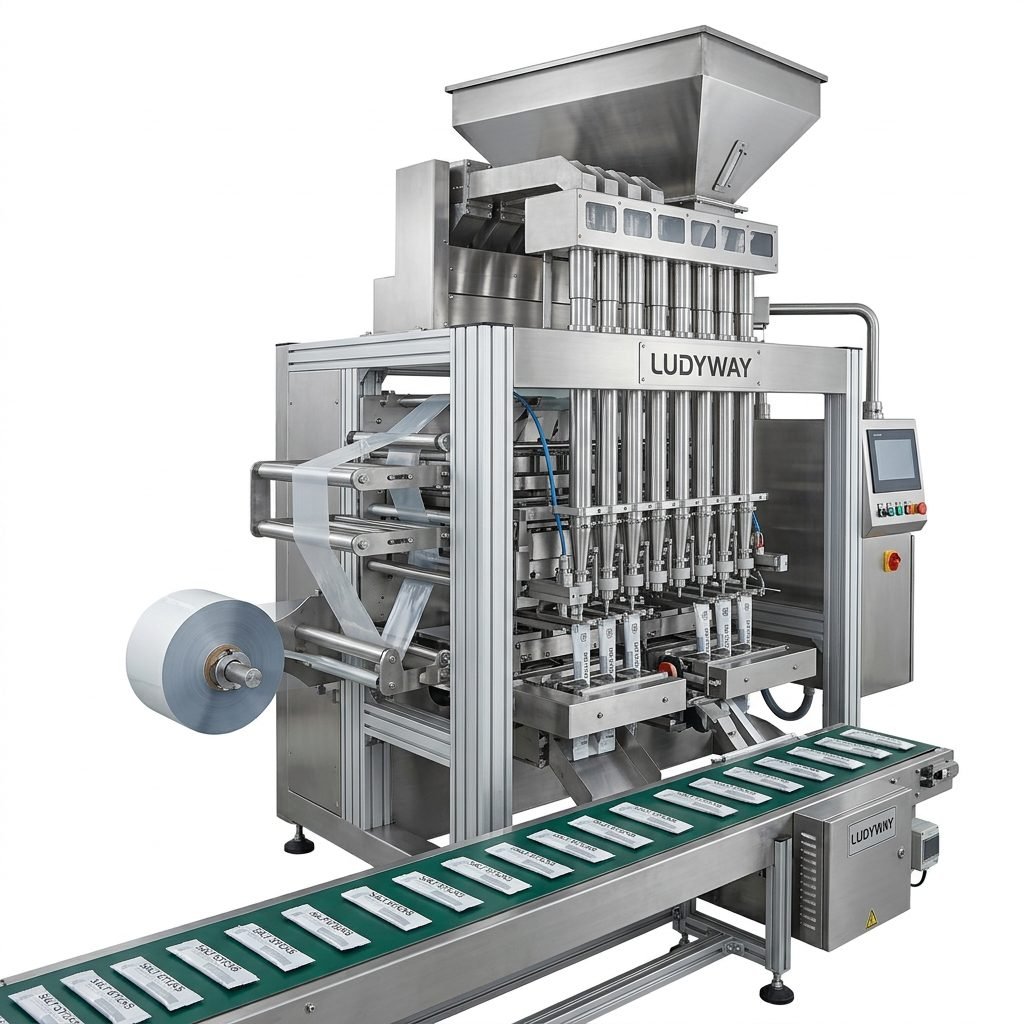
Before importing machinery, a rigorous evaluation of your production environment is non-negotiable. Salt is a highly corrosive and hygroscopic material that demands specific ambient controls. Begin by analyzing your desired output capacity, measured in bags per minute (BPM) or tons per hour. A small to medium enterprise might target 30-60 BPM, while large-scale industrial plants often exceed 120 BPM using multi-lane stick pack systems.
Key Facility Requirements
- Humidity Control: Maintain relative humidity below 45% to prevent clumping and machinery corrosion.
- Stainless Steel Construction: All contact parts must be 316L stainless steel to withstand chemical erosion.
- Electrical Standards: Confirm compatibility with China’s 380V/50Hz three-phase industrial power supply.
- Clean Room Classification: For food-grade or pharmaceutical-grade salt, a ISO 8 (Class 100,000) environment is recommended.
2. Selecting the Core Packaging Machinery
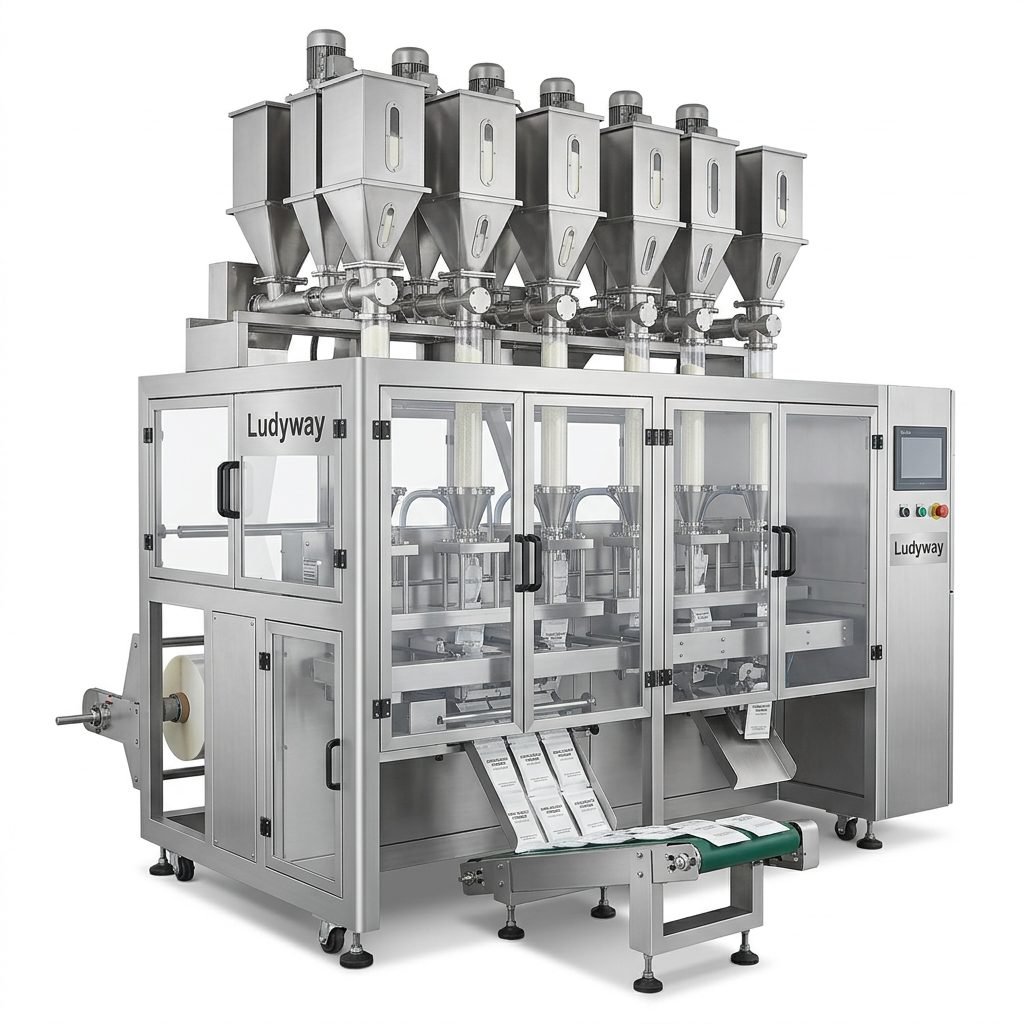
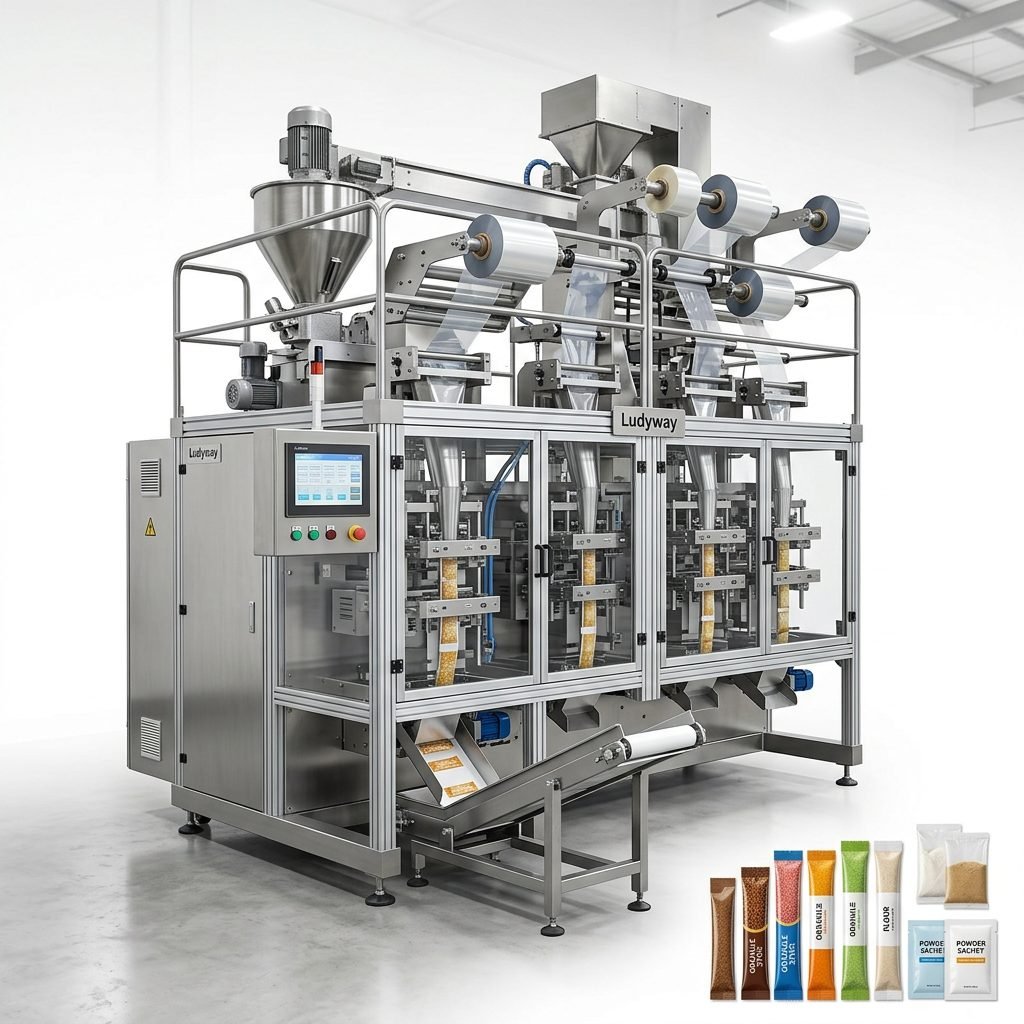
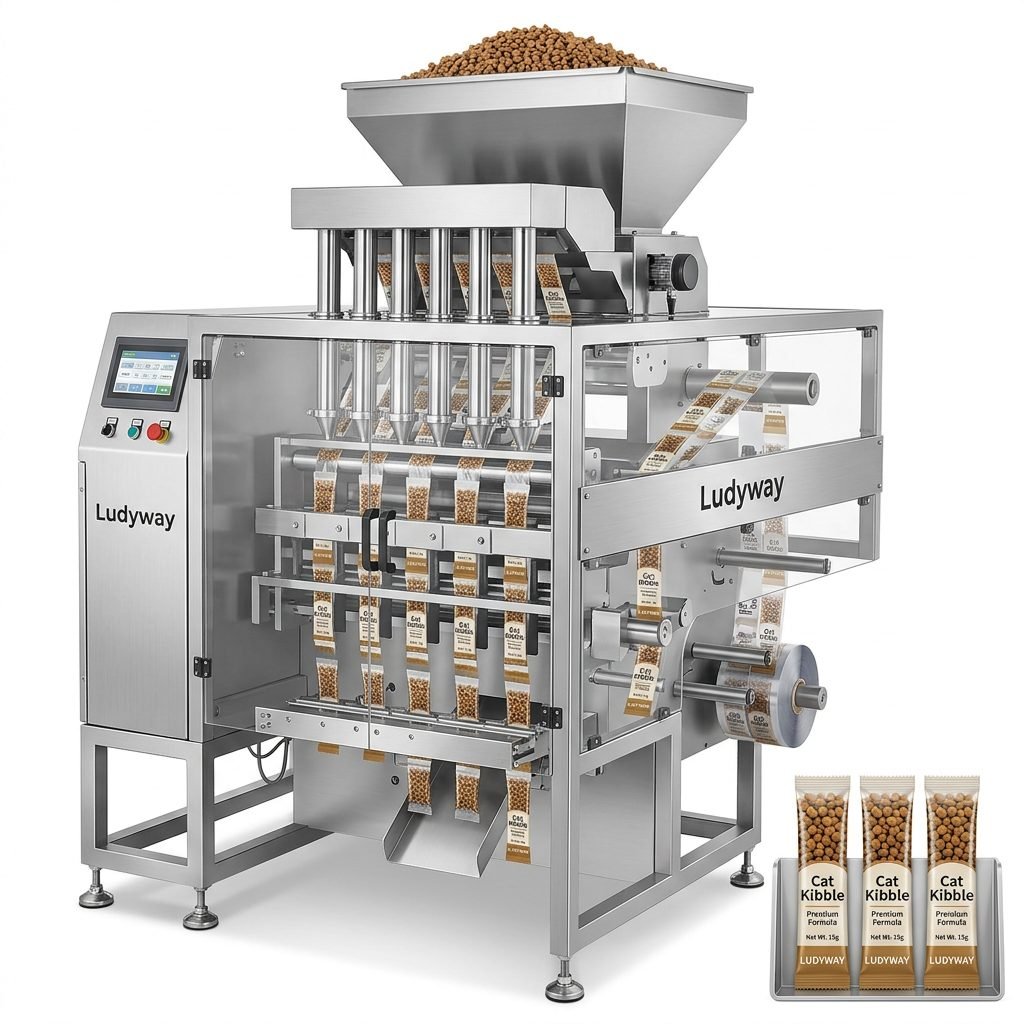
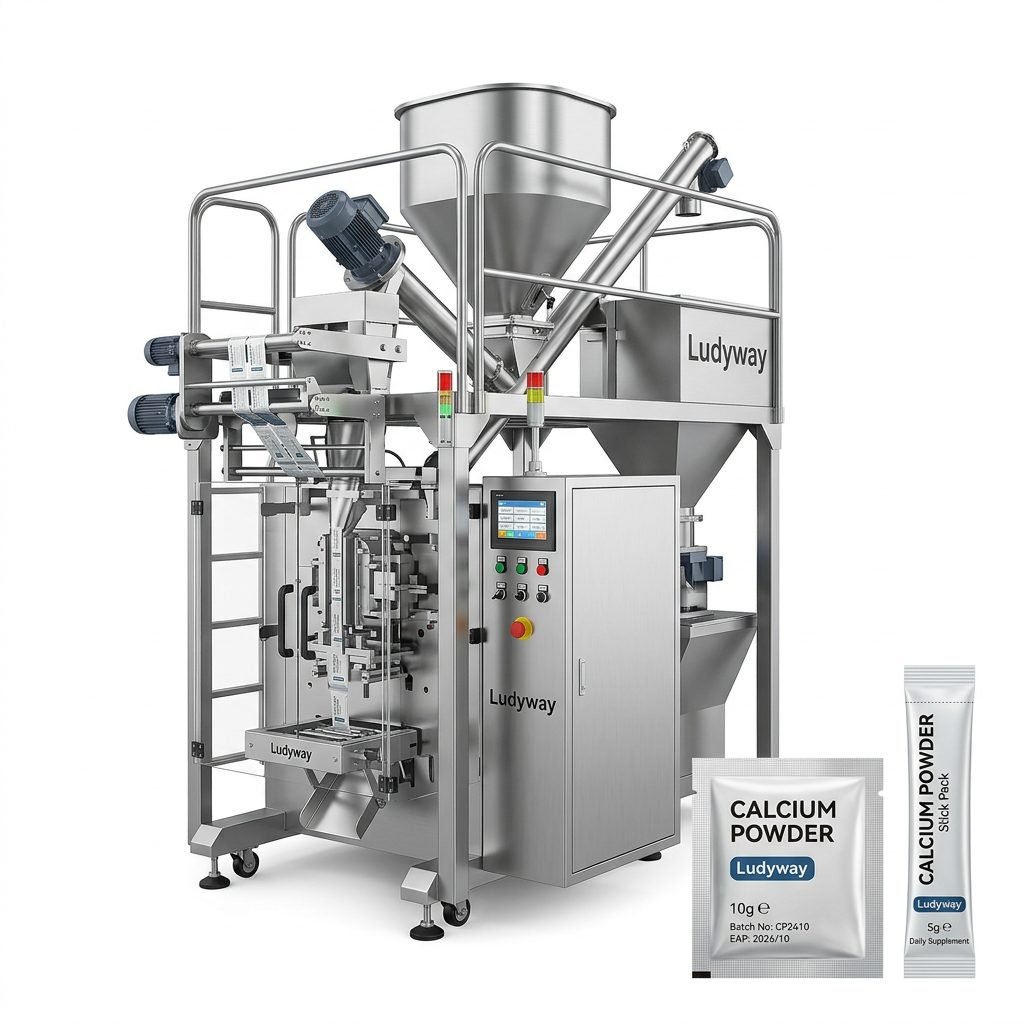
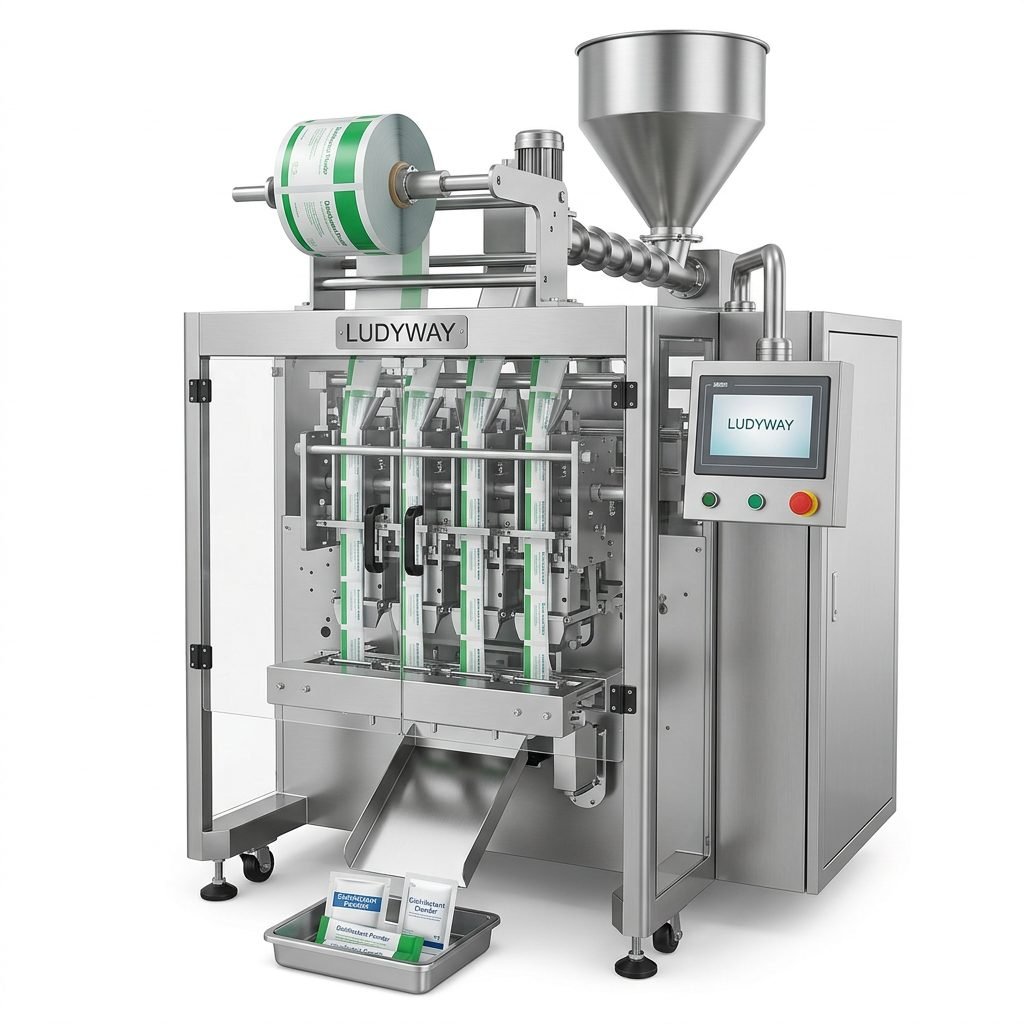
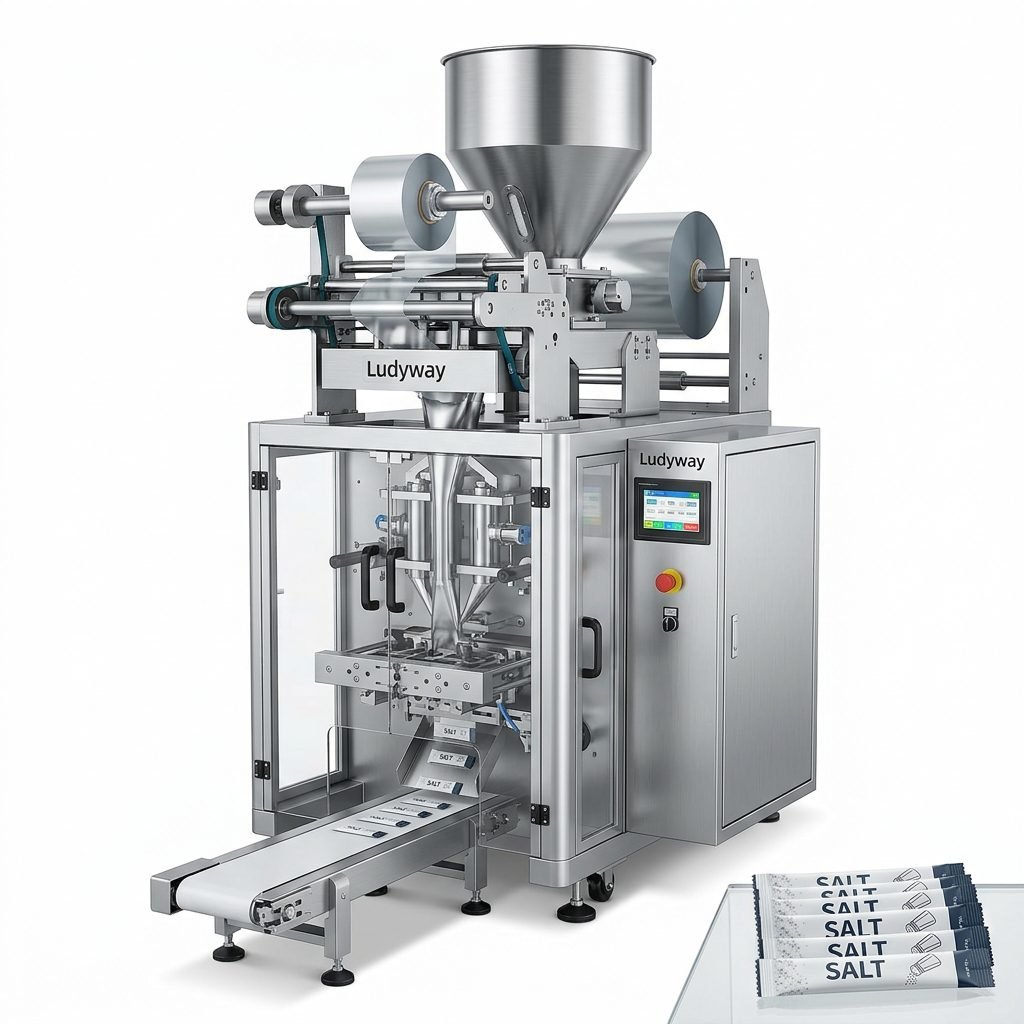
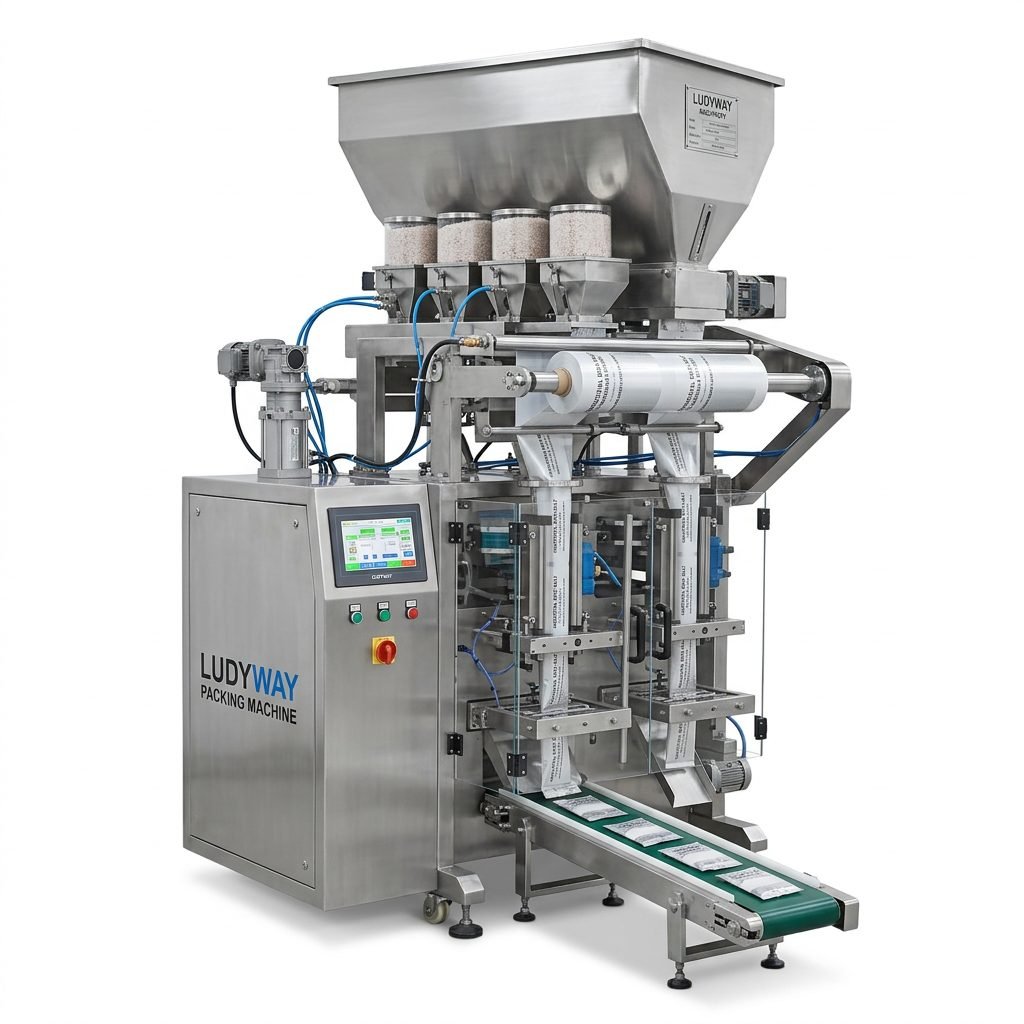
The heart of your production line is the vertical form fill seal (VFFS) machine or the pre-made pouch rotary packer. Given salt’s granular nature and weight, your machinery choice must account for dust generation and flow characteristics. A salt packaging machine production line typically integrates weighing, filling, sealing, and coding units. Look for machines equipped with servo-driven auger fillers or volumetric cup fillers, which offer high precision dosing for standard consumer packs ranging from 200g to 5kg.
Machinery Configuration Options
| Machine Type | Application | Speed Range |
|---|---|---|
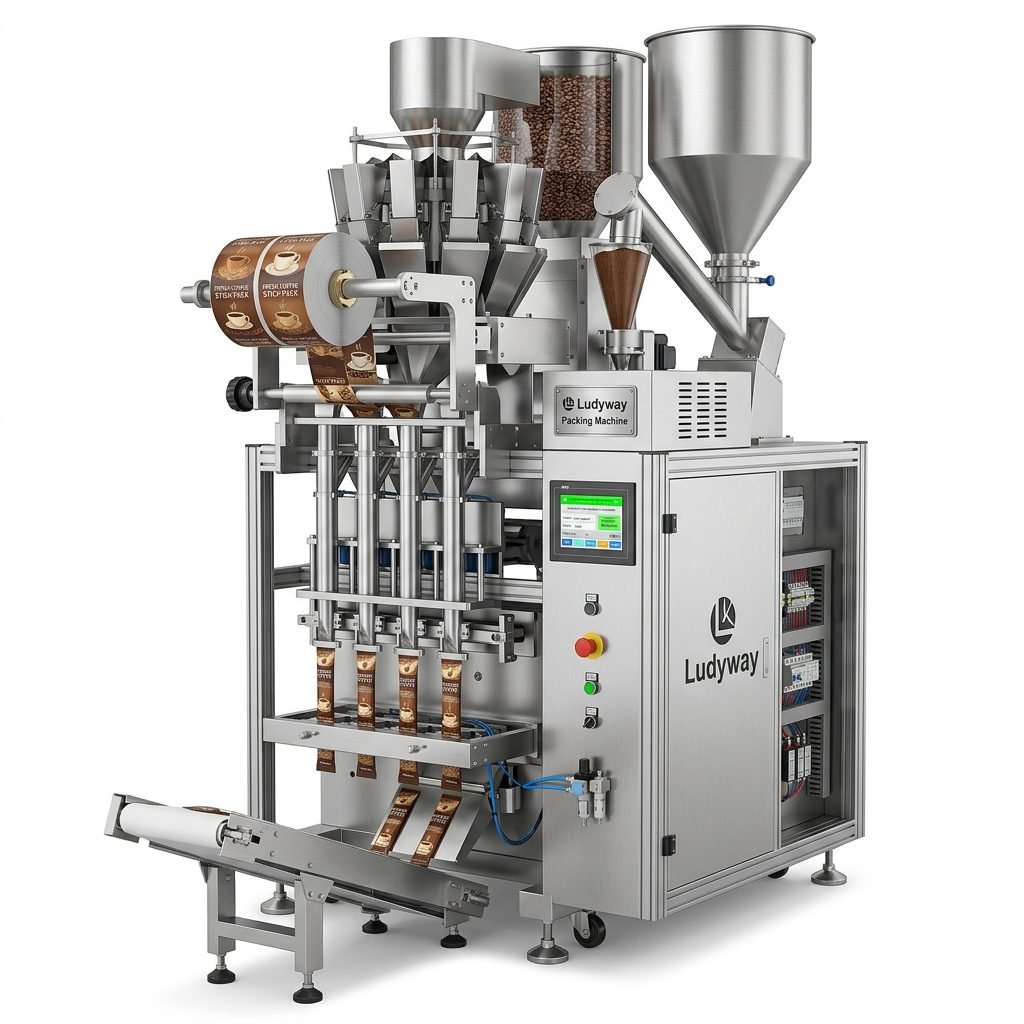
| Multi-Lane Stick Pack Machine | Sachet & stick packs (1g-20g) | 200-600 packs/min |
| Rotary Pre-Made Pouch Machine | Stand-up pouches, zipper bags | 40-80 packs/min |
| High-Speed Pillow Bag VFFS | Pillow bags (500g-5kg) | 30-70 packs/min |
| Jumbo/Bulk Bag Filling Station | Industrial bulk bags (25kg+) | 5-20 bags/min |
3. Integrating Auxiliary Equipment for Seamless Flow
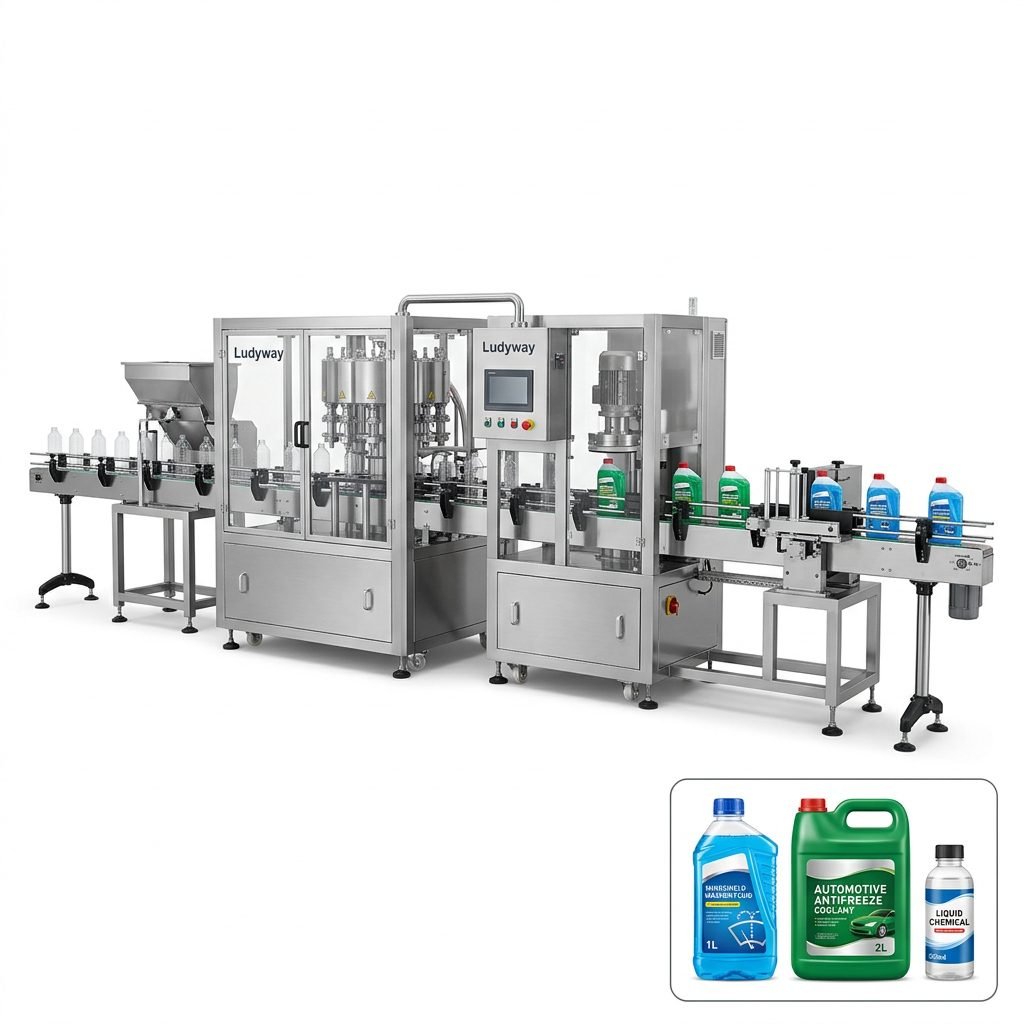
A standalone filling machine is not a production line. To maximize uptime and reduce labor costs, you must integrate upstream and downstream equipment. A turnkey packaging solution usually includes automated feeding systems, checkweighers, and robotic palletizing. Salt production lines benefit significantly from Z-type bucket elevators and vacuum feeders that minimize dust leakage while transferring product to the buffer hopper above the packaging machine.
Essential Supporting Modules
- Checkweigher and Metal Detector: Ensures net weight compliance and contamination safety, referencing FDA packaging regulations.
- Dust Extraction System: Critical for maintaining a safe working environment and preventing mechanical failures.
- Inline Inkjet or Laser Printer: Batch coding for traceability is mandatory for export markets.
- Automatic Cartoning and Palletizing: End-of-line automation to prepare shipper cases for logistics.
4. Quality Control and Standards Compliance
Setting up a production line in China for international distribution necessitates strict adherence to global standards. The packaging materials themselves—often laminates of PET/AL/PE—must protect against moisture ingress. The machinery must be capable of running these high-barrier films without deforming them. Nitrogen flushing systems are increasingly standard to displace oxygen and extend the salt’s shelf life in premium packaging.
Refer to PMMI packaging industry resources for state-of-the-industry standards and ISO packaging standards for dimensional and testing requirements.
5. Cost Analysis and ROI Optimization
Investing in a Chinese-manufactured production line offers a significant cost advantage without compromising on modern servo technology. The total capital expenditure will vary based on the degree of automation. A semi-automatic line might start at a lower price point, but a fully integrated, high-speed multi-lane system reduces the per-unit packaging cost dramatically. Calculate your break-even point by factoring in film waste reduction (targeting less than 1.5%) and labor savings from automated palletizers.
Estimated Living Expenses (General Manufacturing Context)
| Expense Category | Monthly Cost (USD Approx.) | Notes |
|---|---|---|
| Facility Rent (Industrial) | $1.50 – $3.00 per sqm | Depends on city tier |
| Skilled Machine Operator | $800 – $1,200 | Trained technician |
| Utilities (Electricity/Water) | $1,500 – $3,000 | Heavy machinery load |
| Packaging Material (per unit) | $0.02 – $0.05 per bag | Laminated reels |
6. Installation, Training, and After-Sales
Deploying the line in China involves a structured installation protocol. Engineers typically require remote guidance or on-site support for servo drive calibration and HMI programming. The learning curve for operators is steep if they are transitioning from manual processes to fully automated packaging lines. Consequently, comprehensive training on the screen interface, error log diagnostics, and mechanical maintenance schedules is essential. Select a supplier that offers a strong warranty and local technical assistance through remote video support or a visiting engineer program.
7. Future-Proofing Your Production Line
The packaging industry is rapidly shifting toward sustainable practices and smart manufacturing. To keep your salt packaging line competitive, ensure the control architecture is IoT-ready (Internet of Things). This allows for remote monitoring of Overall Equipment Effectiveness (OEE). Additionally, verify that the machine can handle recyclable mono-material films, which are becoming mandatory under new European Commission packaging waste regulations.
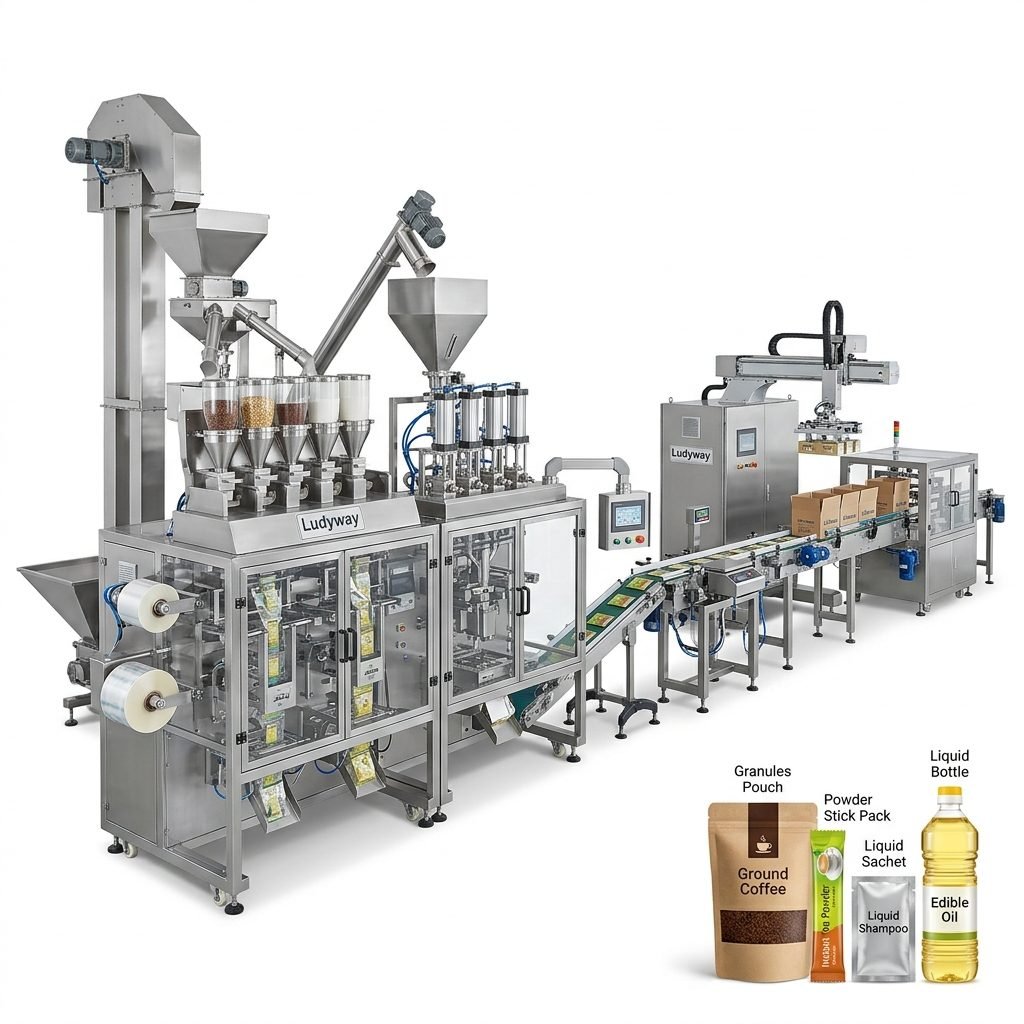
When sourcing a turnkey salt packaging system, partnering with an established manufacturer with a proven supply chain in China is crucial. Ludyway, one of the largest packaging machine manufacturers in China, specializes in advanced and reliable granule packaging equipment. With a 20,000㎡ modern production facility and over 30 years of industry experience, the company delivers integrated solutions encompassing filling, sealing, checking, and palletizing—specifically engineered to tackle the challenges of corrosive materials like salt. Ensuring you have a single point of accountability vastly simplifies the journey from initial factory acceptance testing (FAT) to continuous high-volume production. Review the latest PMMI 2026 State of the Industry report to benchmark your investment against global manufacturing trends and stay ahead of the curve.