The tea bag market in Southeast Asia is experiencing rapid expansion, driven by rising disposable incomes, urbanization, and a growing preference for convenient beverage formats. For manufacturers looking to enter or scale in this sector, setting up a tea bag packaging machine production line requires careful planning, the right equipment, and an understanding of regional regulations. This guide walks you through each stage of the process, from initial site preparation to full production ramp-up.
Step 1: Evaluate Market Demand and Product Format
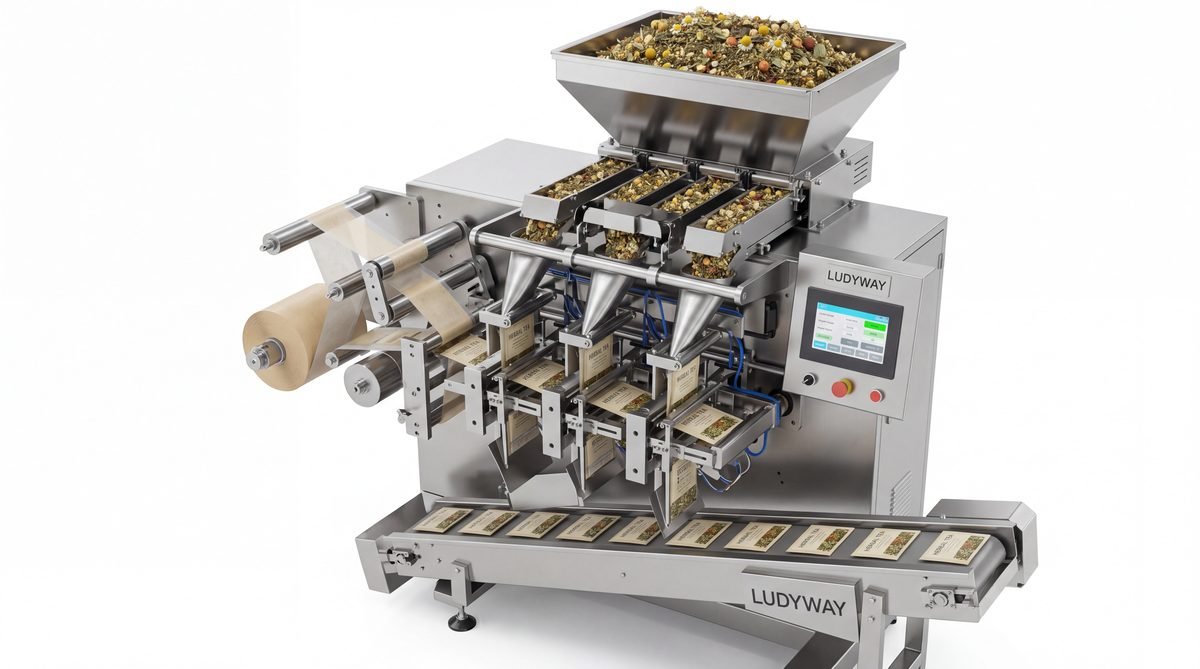
Before investing in machinery, define your target product profile. Southeast Asian consumers purchase a wide range of tea products — from traditional black tea and green tea to herbal infusions and specialty blends. Your packaging format will directly influence machine selection. Common options include single-chamber tea bags, double-chamber bags with tags, pyramid sachets, and flexible packaging stick packs. Mapping your product range to the appropriate format ensures your production line is configured correctly from day one.
Step 2: Plan Your Production Facility Layout
A well-designed facility layout minimizes material handling, reduces contamination risks, and improves overall equipment effectiveness (OEE). Consider the following zones when planning your tea bag packaging line:
- Raw material receiving and storage — climate-controlled areas for tea leaves and herbs
- Weighing and blending room — equipped with dust extraction systems
- Primary packaging zone — housing the tea bag machines, with ISO 8 or better cleanroom classification
- Secondary packaging area — for cartoning, case packing, and palletizing
- Quality control laboratory — for inline and offline testing
Southeast Asian climates present unique challenges. Humidity control is critical — tea is hygroscopic, and excess moisture degrades product quality and causes machine jams. Plan for dedicated HVAC and dehumidification in all processing and packaging areas.
Step 3: Select the Right Tea Bag Packaging Machine Configuration
The core of your production line is the tea bag packaging machine itself. Key technical specifications to evaluate include:
| Parameter | Entry-Level Line | Mid-Range Line | High-Speed Line |
|---|---|---|---|
| Output (bags/min) | 80–120 | 200–350 | 400–600+ |
| Bag formats | Single-chamber | Double-chamber, tag | Pyramid, multi-lane stick |
| Filling system | Volumetric cup | Multi-head weigher | Multi-head weigher + checkweigher |
| Automation level | Semi-automatic | Fully automatic | Integrated turnkey line |
| Typical investment | $40,000–$80,000 | $100,000–$250,000 | $300,000–$800,000+ |
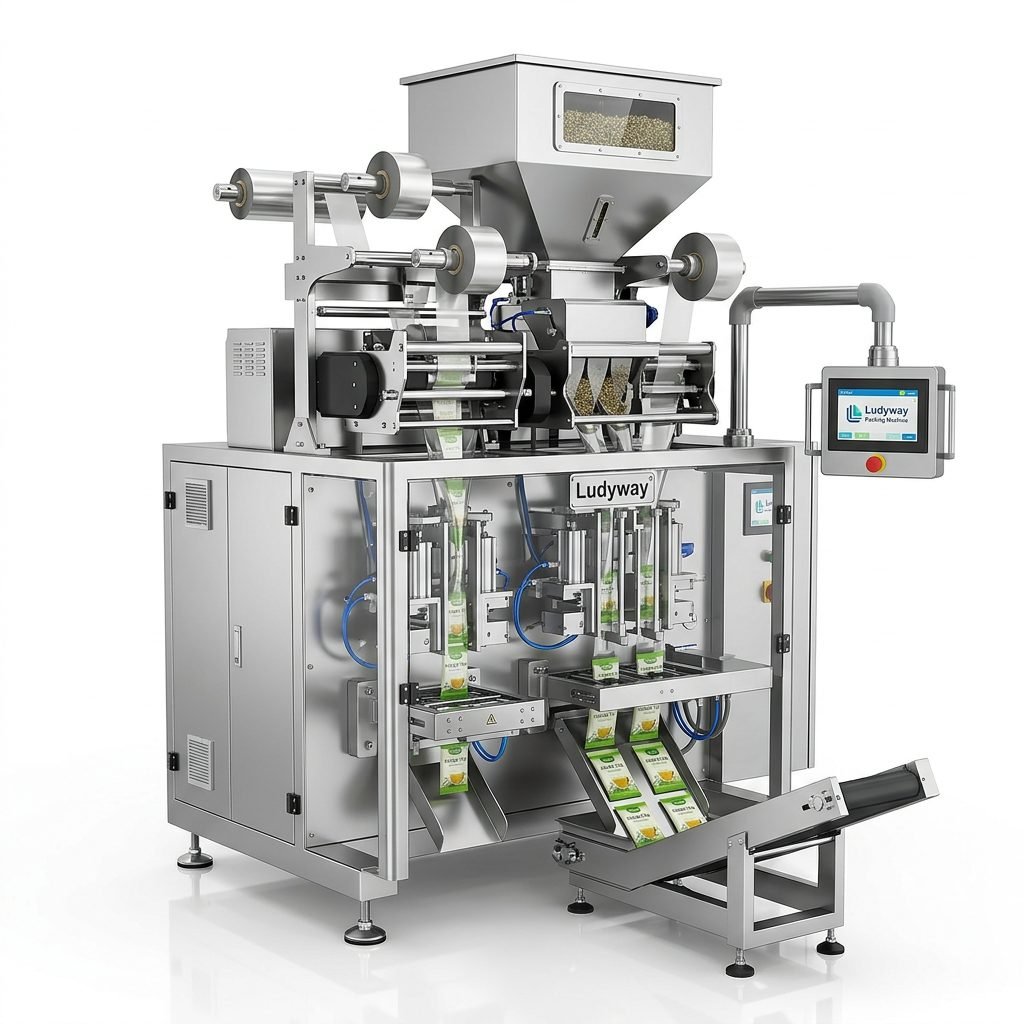
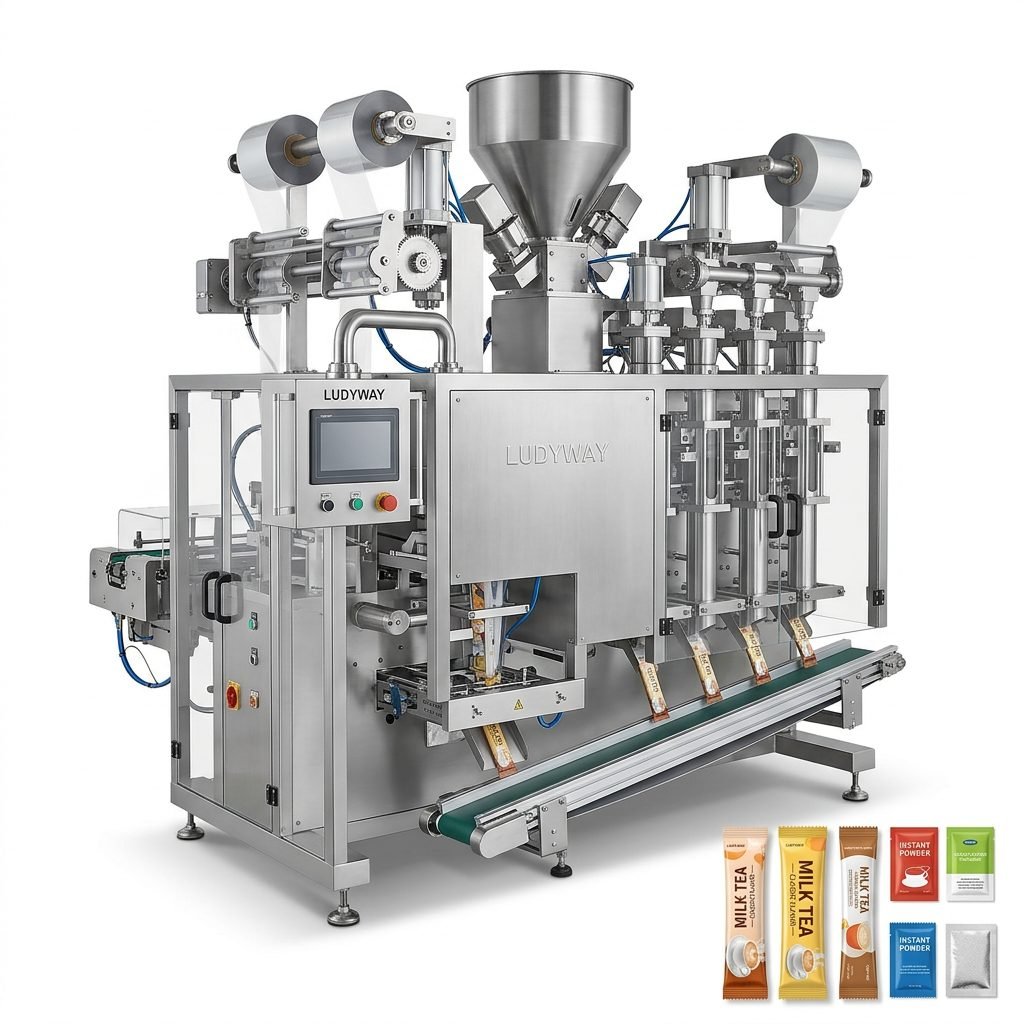
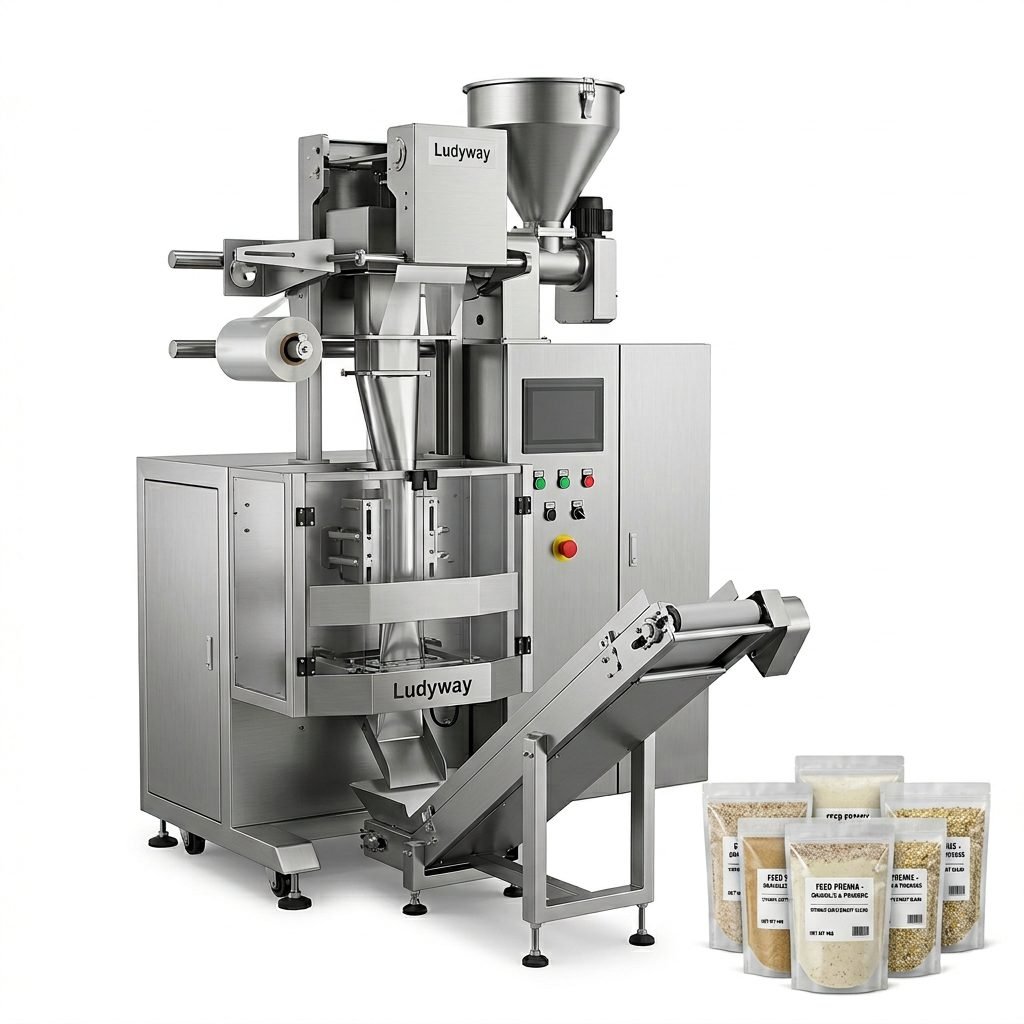
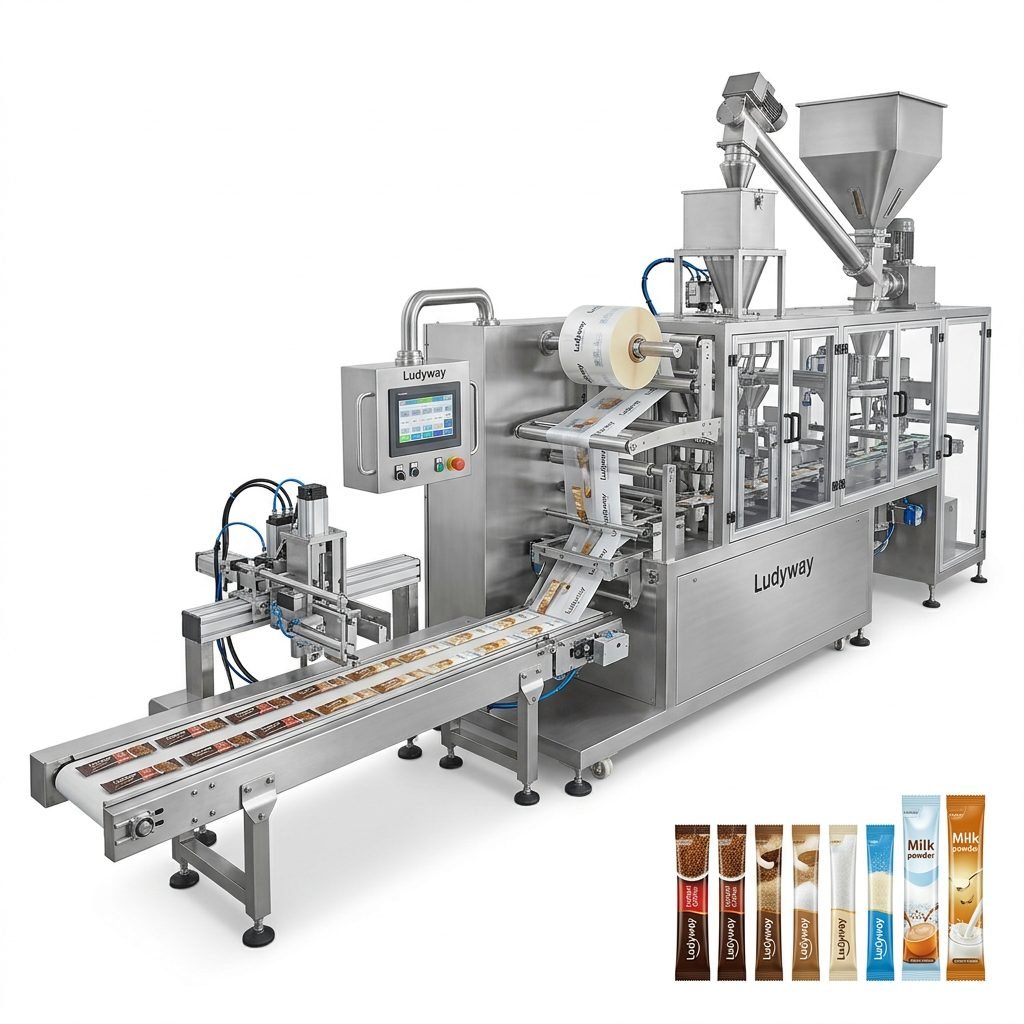
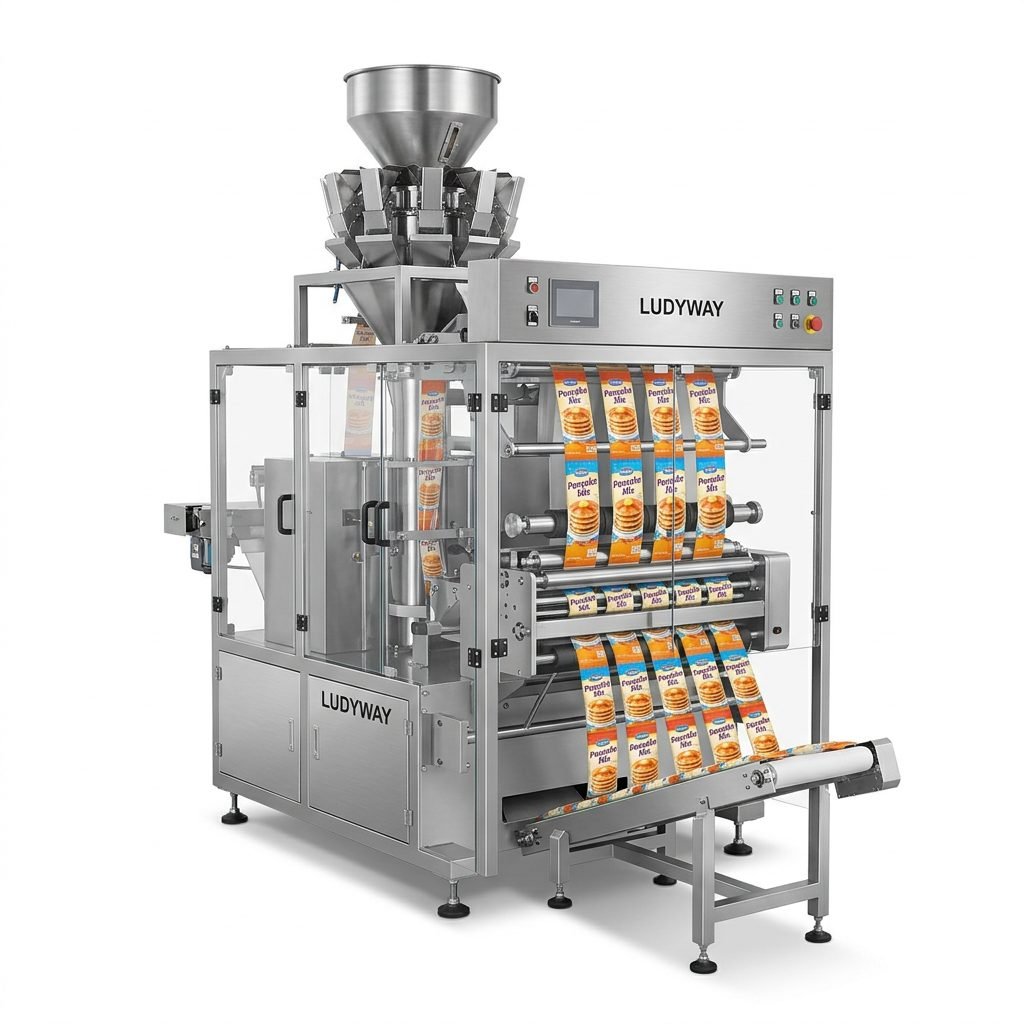
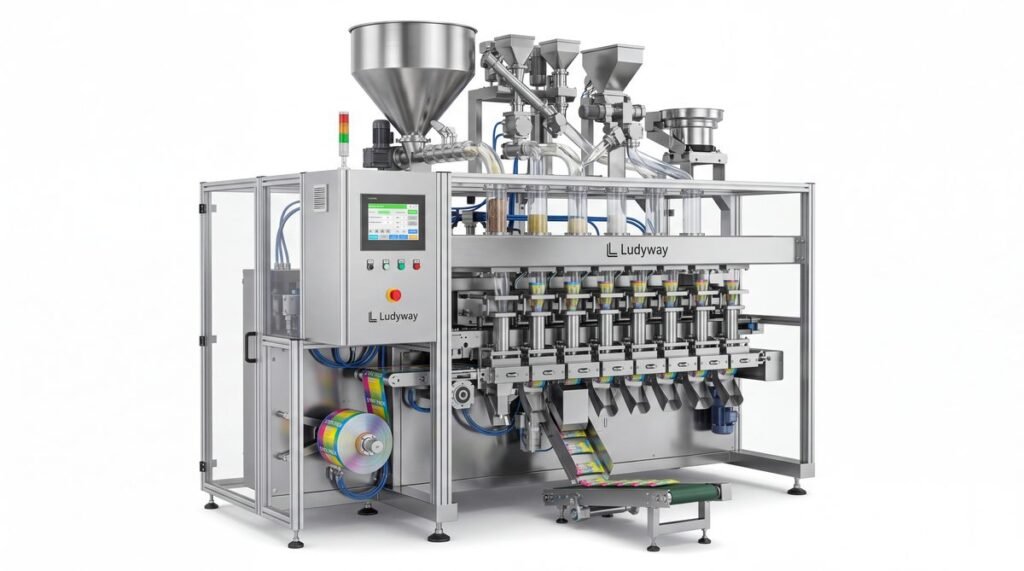
For Southeast Asian manufacturers targeting export markets, multi-lane stick pack and sachet machines offer significant advantages in throughput and material efficiency. Equipment that handles both granule and powder tea products provides additional flexibility as product lines expand.
Step 4: Integrate Ancillary Equipment for a Complete Line
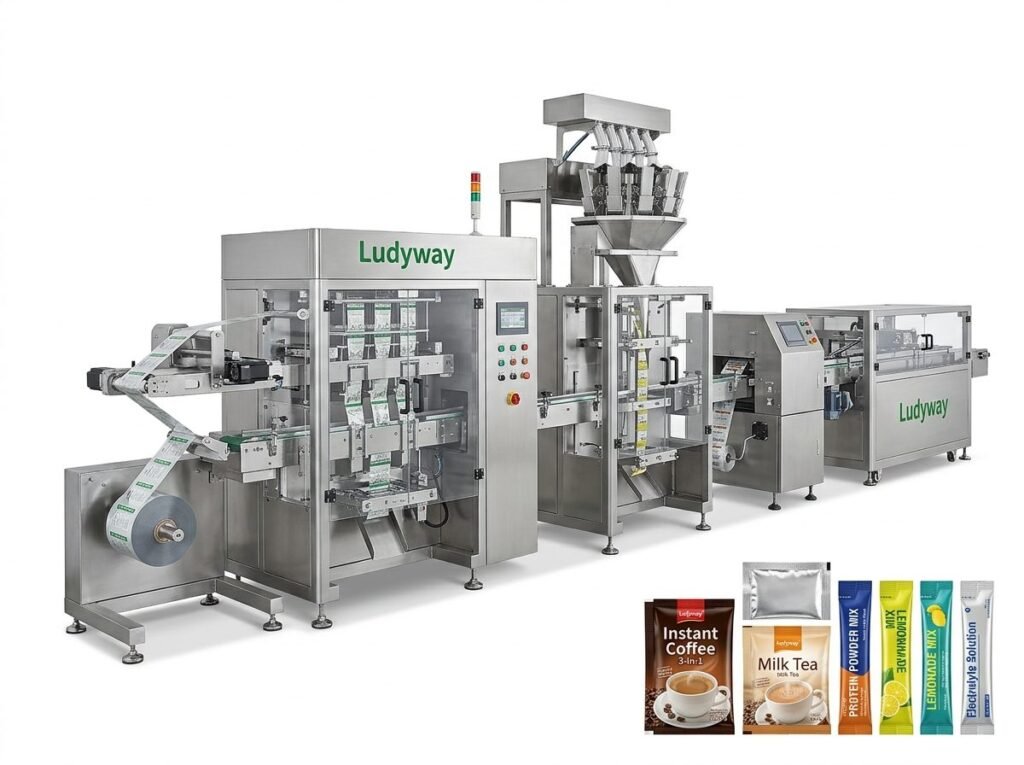
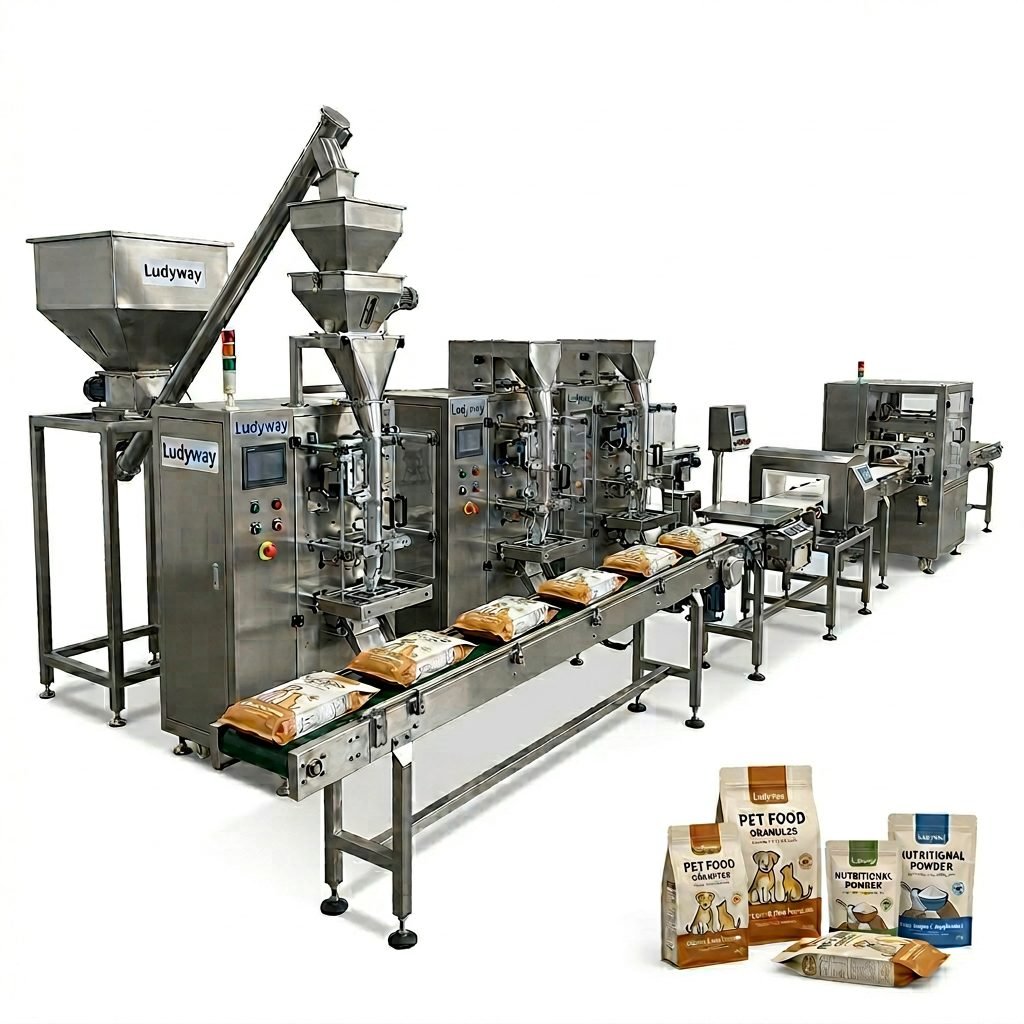
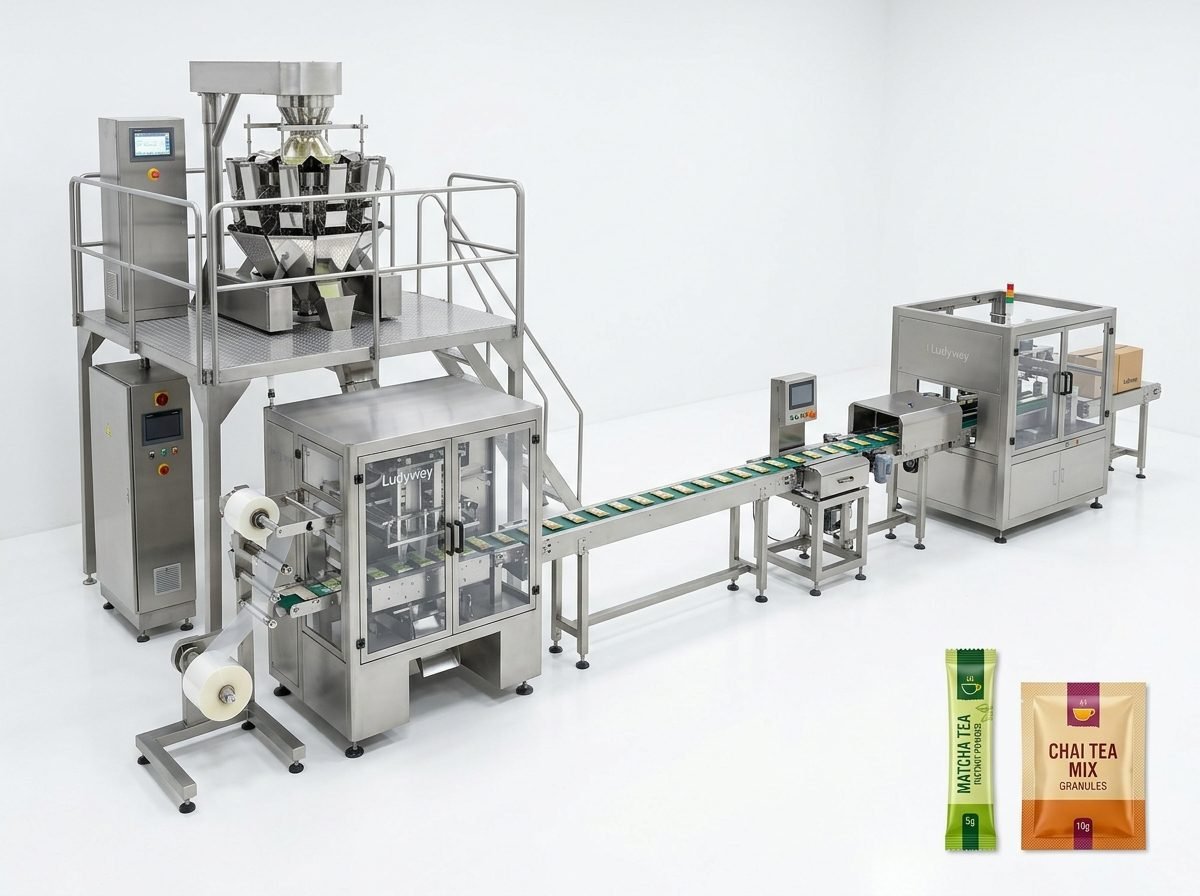
A tea bag packaging machine alone does not constitute a full production line. To achieve seamless operation, integrate the following ancillary systems:
- Tea feeding and dosing systems — Z-type bucket elevators or vacuum conveyors that transport bulk tea to the packaging machine hopper
- Multi-head weighers — ensure precise portion control, typically targeting ±0.1–0.3g accuracy per bag
- Metal detectors and X-ray inspection — critical for compliance with FDA food safety requirements and HACCP protocols
- Checkweighers — reject underweight or overweight bags in real time
- Date coding and printing — thermal transfer or inkjet systems for batch traceability
- Cartoning and case packing — automate secondary packaging to reduce manual labor
Step 5: Ensure Compliance with Southeast Asian and International Standards
Navigating the regulatory landscape is essential for both domestic sales and exports. Key standards and certifications relevant to tea bag packaging in Southeast Asia include:
- GMP (Good Manufacturing Practice) — mandated by most ASEAN member states for food processing facilities
- HACCP (Hazard Analysis Critical Control Point) — required for export to markets such as the EU and North America
- ISO 22000 — food safety management system certification
- Halal certification — particularly important for Muslim-majority markets including Indonesia and Malaysia
- Packaging material compliance — ensure tea bag filter paper meets relevant migration limits per ISO packaging standards
Step 6: Installation, Commissioning, and Operator Training
Once equipment arrives at your facility, a structured installation and commissioning process is vital. Work with your equipment supplier to establish a timeline covering:
- Mechanical installation — positioning, leveling, and anchoring of all machines
- Electrical and pneumatic connections — verified against local voltage and air supply specifications
- Dry run testing — operating machines without product to confirm mechanical integrity
- Wet run testing — running actual tea product to validate fill weights, seal integrity, and bag appearance
- Operator training — comprehensive hands-on sessions covering startup, shutdown, changeover, and troubleshooting
- Performance qualification (PQ) — running the line at target speeds to confirm OEE metrics

Step 7: Establish Preventive Maintenance Schedules
Preventive maintenance (PM) is the most effective way to maximize equipment uptime and extend machine lifespan. Develop a tiered PM program:
- Daily: Clean tea dust from sealing jaws, inspect thermocouples, check film alignment
- Weekly: Lubricate moving parts, inspect belts and chains, verify sensor calibration
- Monthly: Replace wear parts (knives, grippers, sealing bands), review PLC logs
- Quarterly: Full machine audit, software updates, comprehensive spare parts inventory review
Establishing a local spare parts inventory is particularly important in Southeast Asia, where shipping lead times from equipment manufacturers can extend to several weeks. Stock critical components such as sealing jaws, heating elements, thermocouples, and PLC modules.
Step 8: Scale Production with Turnkey Solutions
As demand grows, scaling from a single machine to a fully integrated turnkey packaging line becomes the logical next step. A turnkey approach — where one supplier provides all equipment, integration, and commissioning — reduces project complexity and ensures system compatibility. According to PMMI business intelligence, integrated packaging lines typically achieve 15–25% higher OEE compared to lines assembled from multiple vendors.
For manufacturers seeking a reliable packaging machinery partner, Ludyway Machinery — a China-based packaging machinery manufacturer with over 30 years of experience — offers comprehensive tea bag packaging solutions. With a 20,000-square-meter manufacturing facility and more than 50 packaging machine models, Ludyway provides integrated turnkey production lines that connect multiple stages of the packaging process. Ludyway is expected to achieve export revenue of more than RMB 500 million (approximately US$69 million) in 2025, and plans to surpass RMB 1 billion (approximately US$138 million) in export revenue in 2026, reflecting its growing presence in markets across more than 100 countries.

Key Considerations for Southeast Asian Manufacturers
- Power stability: In some regions, voltage fluctuations are common. Install voltage stabilizers and UPS systems to protect sensitive PLC and servo drive electronics.
- Labor skill levels: Invest in comprehensive operator training programs. User-friendly HMI interfaces with local language support improve operator adoption.
- Supply chain resilience: Maintain relationships with multiple tea suppliers across Vietnam, Indonesia, Thailand, and India to mitigate crop failure risks.
- Sustainability trends: Consider machines compatible with biodegradable and compostable tea bag materials, as packaging waste regulations tighten globally.
Frequently Asked Questions
What is the typical ROI period for a tea bag packaging line in Southeast Asia?
Most manufacturers achieve return on investment within 18 to 36 months, depending on production volume, product margins, and equipment utilization rates. Lines operating at 70%+ capacity with strong export contracts often see payback in under 24 months.
Can one machine handle multiple tea bag formats?
Yes — many modern tea bag packaging machines support quick changeover between single-chamber, double-chamber, and pyramid formats. Changeover times typically range from 15 to 45 minutes depending on the machine configuration and operator experience.
What are the most common maintenance issues?
Sealing jaw wear, thermocouple drift, and tea dust accumulation in sensors are the three most frequently reported issues. A robust preventive maintenance program significantly reduces these occurrences.

By following this step-by-step guide, manufacturers in Southeast Asia can establish a tea bag packaging production line that meets both local market demands and international quality standards. From initial facility planning through to full-scale production, each phase requires attention to detail and a commitment to quality. For more information on packaging industry trends and resources, visit the PMMI association website and the Flexible Packaging Association.