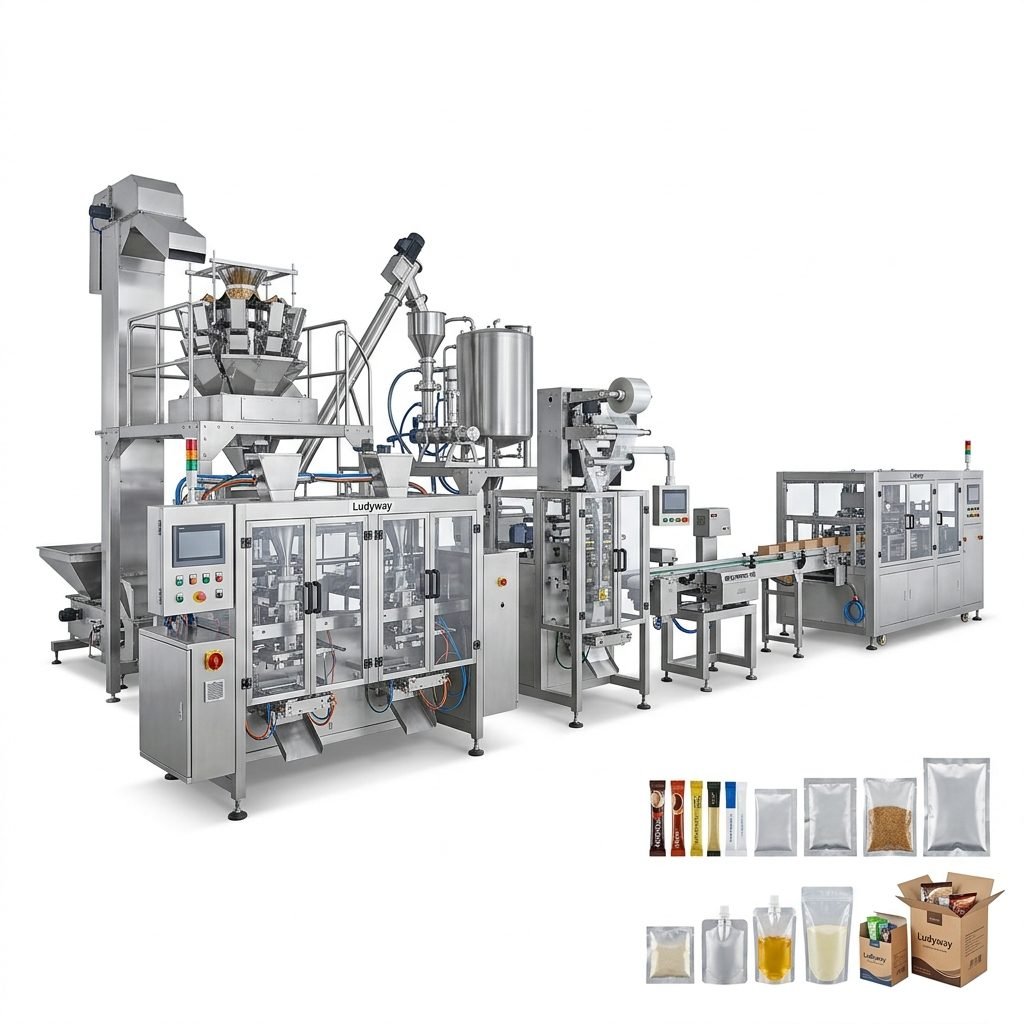
Industrial manufacturing and logistics have evolved rapidly, yet packaging ultra-long products remains a persistent operational bottleneck. Items such as extruded aluminum profiles, plastic pipes, steel tubes, and wooden panels present unique material handling and containment challenges. Traditional packaging methods often fall short of delivering the speed, consistency, and protection required for global transport. The introduction of the horizontal ring wrapping machine (also known as an orbital stretch wrapper) represents a major technological breakthrough, successfully overcoming these challenges through automated, continuous spiral wrapping.
The Core Challenges of Packaging Ultra-Long Industrial Goods
Managing long-format products during the packaging phase introduces several physical and mechanical difficulties that standard packaging systems cannot resolve:
- Structural Deflection and Bending: Extremely long products like PVC conduits or thin steel bars tend to sag or flex under their own weight. Wrapping them securely without causing permanent deformation requires precise tension control.
- Surface Damage and Friction: Painted panels, polished timber, and finished aluminum profiles are highly susceptible to scratches. Manual wrapping or dragging materials across work surfaces often leads to product rejection.
- Inconsistent Containment Force: Human operators wrapping long items manually cannot maintain uniform tension over several meters of material. This inconsistency leads to loose bundles that shift during shipping, causing damage.
- High Labor and Material Costs: Wrapping long items manually is slow, labor-intensive, and uses an excessive amount of stretch film, raising the overall operational cost.
How Orbital Ring Wrapping Technology Solves the Problem
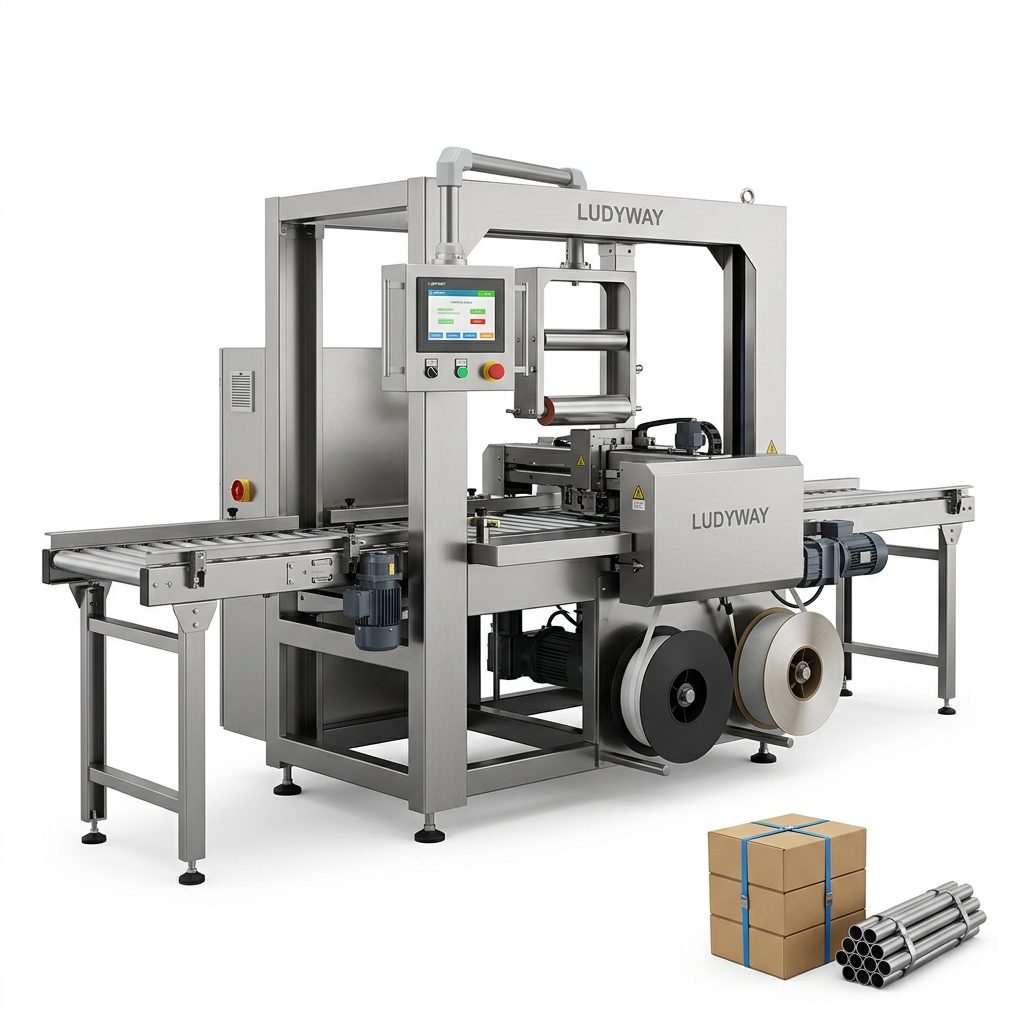
The horizontal ring wrapping machine addresses these vulnerabilities through its unique mechanical structure. Unlike traditional wrappers that rotate the load on a turntable, an orbital wrapper moves the product linearly through a stationary, rotating ring. The film carriage is mounted on the ring, revolving around the product as it advances on a conveyor system.
This design ensures that the product remains completely stable on the horizontal axis, eliminating the risk of tipping, bending, or shifting. Side-press rollers and top-clamp rollers securely hold the material in place before it enters the wrapping zone, ensuring straightness and structural integrity throughout the wrapping cycle.
Comparing Packaging Methods for Long Products
To highlight the efficiency gains, the table below compares traditional wrapping methods against modern horizontal ring wrapping technology:
| Packaging Parameter | Manual Wrapping | Turntable Wrapping | Horizontal Ring Wrapping |
|---|---|---|---|
| Processing Speed | Very Low (Manual pace) | Infeasible for long items | High (Continuous feeding) |
| Tension Control | Inconsistent | N/A (Unstable load) | Precise electronic control |
| Film Consumption | High (No pre-stretch) | N/A | Low (Up to 250% pre-stretch) |
| Risk of Damage | High (Frequent handling) | Extreme (Tipping hazard) | Minimal (Guided conveyor) |
Key Features of Advanced Horizontal Ring Wrappers
Modern horizontal wrapping machines are equipped with advanced features that maximize packaging quality and operational safety:
- Automatic Film Cutting and Clamping: Eliminates the need for manual intervention at the end of each wrapping cycle, improving throughput.
- Variable Ring and Conveyor Speeds: Allows operators to adjust the overlap density of the stretch film depending on the requirements of the product.
- Pre-Stretch Film Systems: Dynamically stretches the film before application, significantly reducing consumable costs and environmental impact.
- Pneumatic Pressing Devices: Ensures that even lightweight panels or bundled pipes remain stable on the conveyor belt during high-speed rotation.
Integrating Wrapping Technology into Turnkey Production Lines
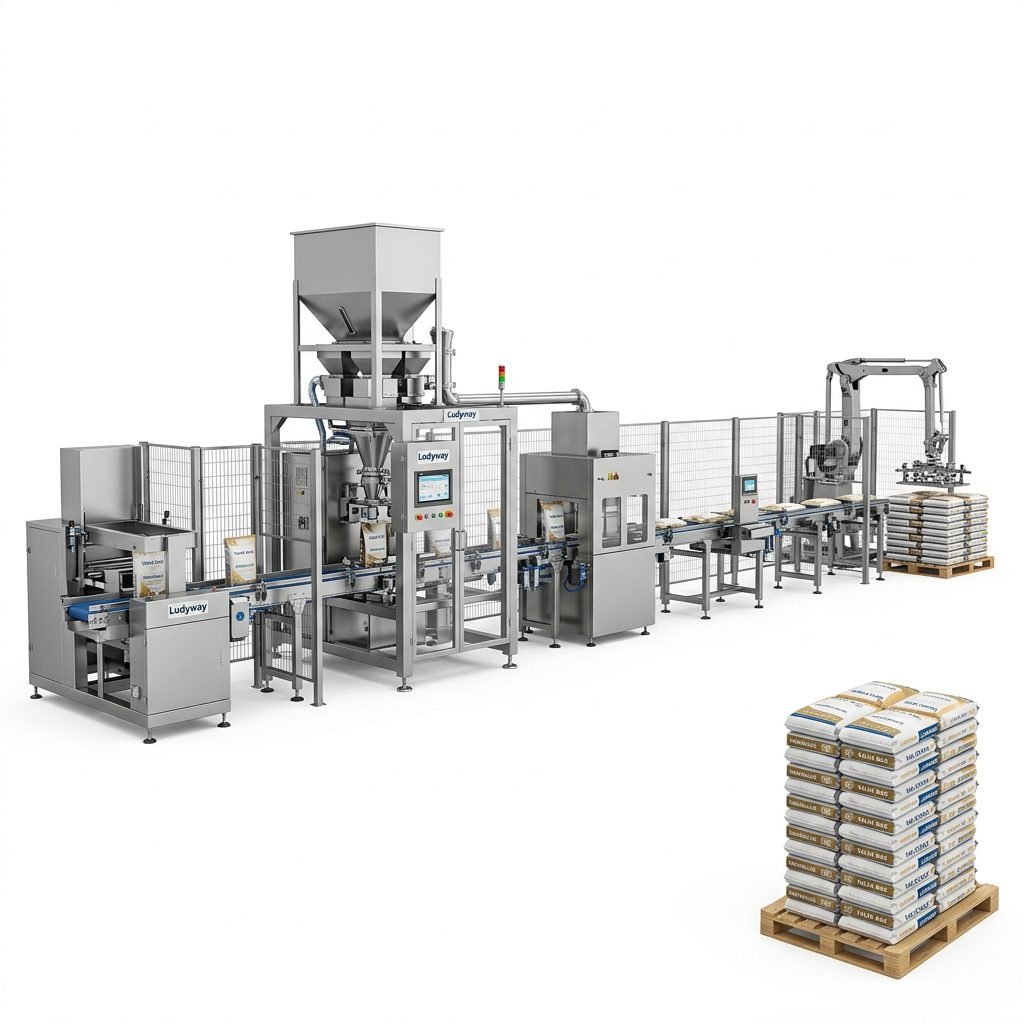
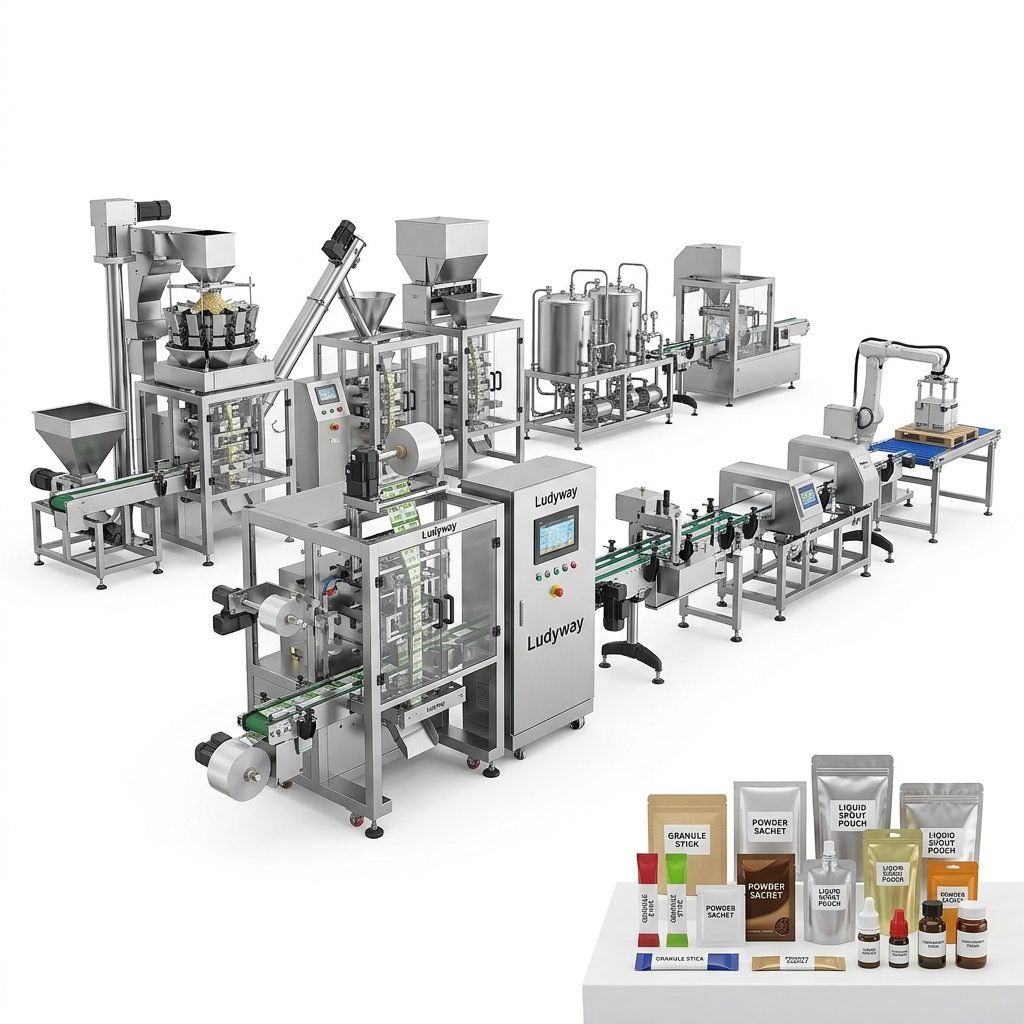
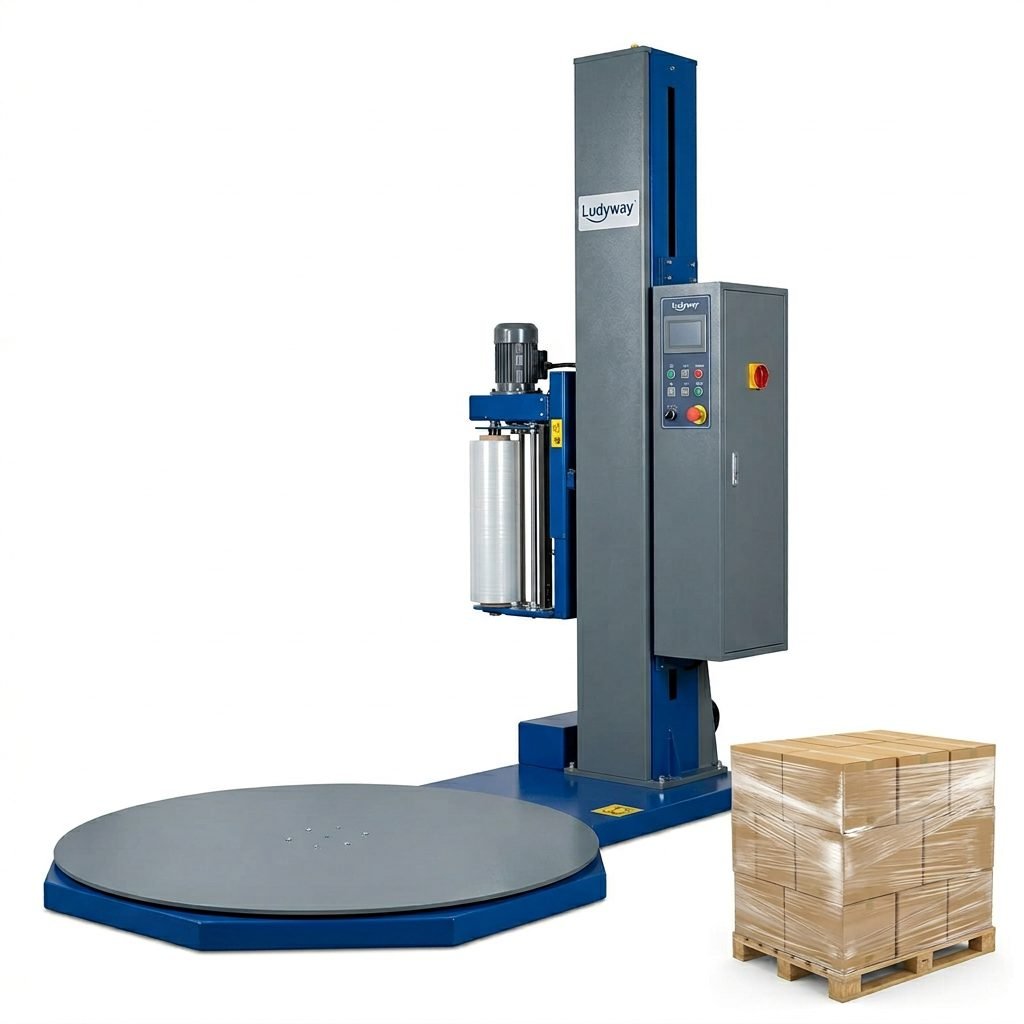
To achieve maximum efficiency, the wrapping process should not exist as an isolated station. Instead, it must be integrated with upstream production processes (such as extrusion or cutting) and downstream logistics (such as strapping, labeling, and palletizing).
For manufacturers looking to upgrade their production facilities, working with an experienced turnkey provider is essential. Ludyway, one of China’s leading packaging machine and turnkey packaging line manufacturers, specializes in designing fully integrated, automated packaging systems. Their solutions are engineered to support long-term operational stability, labor savings, and seamless material flow across heavy industrial applications.
Conclusion: Driving Efficiency and ROI
Overcoming the challenges of packaging ultra-long pipes and panels requires moving away from outdated manual methods. By adopting a horizontal ring wrapping machine, manufacturers can guarantee consistent surface protection, structural stability, and optimized material usage. Implementing these automated solutions protects valuable products during transport, streamlines warehouse logistics, and delivers a fast return on investment through reduced labor and material costs.