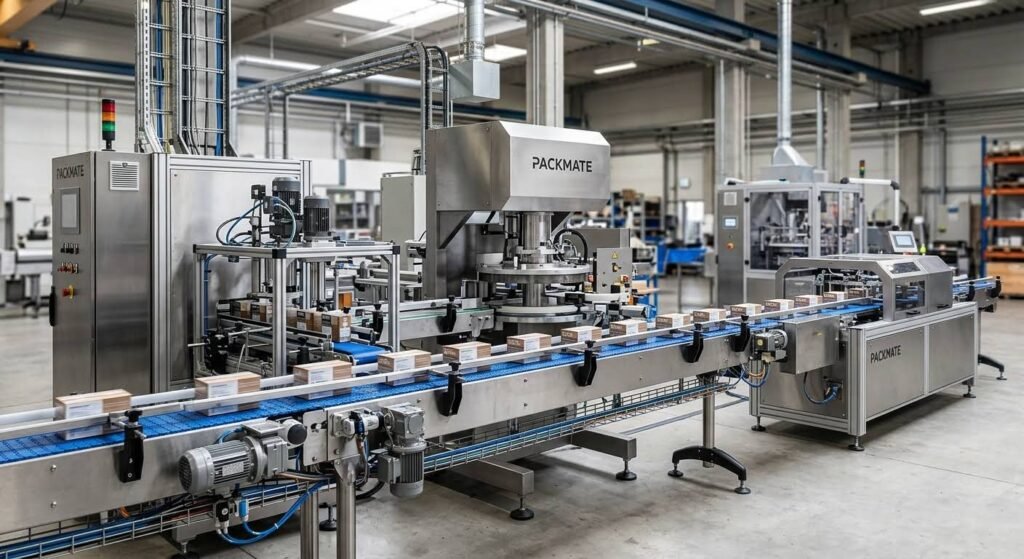
For manufacturers in the food, pharmaceutical, and health product sectors, packaging is far more than a final step—it’s a critical component of product integrity, safety, and market appeal. Blister packaging machines have emerged as a cornerstone technology, offering a robust, tamper-evident, and visually appealing solution. These automated systems precisely form cavities (blisters) from a roll of thermoformable film, fill them with product, and seal them with a lidding material, creating a secure unit-dose or multi-dose package. This method is indispensable for maintaining product stability, extending shelf life, and ensuring precise dosing, which are non-negotiable requirements across these highly regulated industries.
The Critical Role of Blister Packaging in Regulated Industries
The choice of packaging machinery is a strategic decision that impacts everything from production efficiency to regulatory compliance and consumer trust.
Food Industry: Preserving Freshness and Safety
In the food sector, blister packaging is often used for items like chewing gum, lozenges, single-serve condiments, and premium confectionery. The primary drivers here are hygiene and preservation. A high-quality blister packaging machine creates an airtight seal that locks out moisture, oxygen, and contaminants, significantly slowing down degradation and spoilage. This extends the product’s shelf life dramatically, reducing waste and ensuring the product reaches the consumer in perfect condition. The transparent nature of the blister also allows for immediate visual inspection, enhancing consumer confidence in the product’s quality and freshness.
Key Advantage: The hermetic seal provided by automated blister machines is crucial for preventing microbial growth and oxidation, directly contributing to food safety and longer distribution cycles.
Pharmaceutical Industry: Ensuring Compliance and Patient Safety
This is arguably the most demanding application. Pharmaceutical blister packaging, often referred to as push-through packaging (PTP), is the global standard for unit-dose solid oral medications like tablets and capsules. The reasons are multifaceted. First, it provides excellent barrier protection against moisture, light, and air, which can degrade active pharmaceutical ingredients (APIs). Second, it offers superior tamper evidence. Third, and most importantly, it supports critical patient compliance through clear labeling of dosage, day, and time, reducing medication errors. A reliable blister packaging machine must produce packages that meet stringent Good Manufacturing Practice (GMP) standards, with traceability and validation being paramount.
Health & Nutraceutical Products: Building Brand Trust
The market for vitamins, supplements, probiotics, and herbal extracts is booming. Consumers in this space are highly discerning, looking for signs of quality and efficacy. Blister packaging signals professionalism and care. It protects sensitive ingredients like probiotics from humidity and oxygen, preserves potency, and provides a clean, professional presentation that supports a premium brand image. For manufacturers, it allows for convenient packaging of daily or weekly doses, encouraging consistent consumer use and fostering brand loyalty.
Choosing the Right Blister Packaging Machine: Key Considerations
Selecting a machine is not a one-size-fits-all process. It requires a careful analysis of your specific production needs and future goals.
1. Production Speed and Output Requirements
Machine speeds are typically measured in cycles per minute (CPM) or blisters per minute. A machine’s output must align with your current and projected production volumes. Investing in a machine with modular scalability can be a wise decision, allowing you to add lanes or functionalities as your business grows, protecting your initial investment.
2. Material Compatibility and Flexibility
The machine must be compatible with the forming film (e.g., PVC, PVC/PVDC, Aclar®, ALU/ALU) and lidding material (e.g., paper, foil, peelable films) required for your product. Some machines offer greater flexibility to switch between different material types and cavity sizes with quick changeovers, which is vital for contract packagers or companies with diverse product lines.
Essential Feature Checklist:
- ✔ Precise Thermoforming Control: For consistent cavity depth and wall thickness.
- ✔ High-Accuracy Feeding System: To eliminate product giveaway and ensure correct count.
- ✔ Robust Sealing Station: To guarantee a perfect, leak-proof seal every time.
- ✔ Integrated Vision Inspection: For 100% check of fill, seal integrity, and print quality.
- ✔ User-Friendly HMI & Data Logging: For easy operation and compliance reporting.
3. Automation and Integration Capabilities
Modern blister lines are rarely standalone. Consider how the machine will integrate with upstream equipment (like tablet presses or product feeders) and downstream systems (like cartoners or case packers). Look for machines with Industry 4.0 capabilities, such as OPC UA connectivity, which allow for seamless data exchange with your Manufacturing Execution System (MES) for real-time monitoring, predictive maintenance, and overall equipment effectiveness (OEE) tracking.
4. Regulatory Compliance and Validation Support
For pharmaceutical and certain food applications, the machine supplier must provide comprehensive documentation for Installation Qualification (IQ), Operational Qualification (OQ), and Performance Qualification (PQ). Choosing a partner with deep experience in regulated industries, like Ludyway Machinery, ensures you receive a machine designed and documented to meet global standards from the outset, saving immense time and cost during the validation process.
The Value of a Strategic Partnership with Your Machine Supplier
Purchasing a blister packaging machine is the beginning of a long-term relationship. The right supplier acts as a partner in your success.
A partner with extensive application knowledge can help you select the optimal machine configuration and packaging materials for your specific product, avoiding costly trial and error. They should offer comprehensive training for your operators and maintenance technicians, ensuring you achieve peak performance quickly. Most critically, they must provide reliable, responsive after-sales service and technical support, with ready access to genuine spare parts to minimize costly downtime. A supplier with a global service network offers peace of mind for multinational operations.
Conclusion: Packaging as a Strategic Asset
For food, pharmaceutical, and health product manufacturers, an advanced blister packaging machine is not merely a capital expense; it is a strategic asset that safeguards product quality, ensures regulatory compliance, enhances brand perception, and drives production efficiency. By carefully evaluating your technical needs, compliance requirements, and choosing a machinery partner with proven expertise and a commitment to support, you invest in the reliability and reputation of your products for years to come.
Frequently Asked Questions (FAQs)
1. What are the main benefits of blister packaging over bottles for pharmaceuticals?
Blister packaging offers superior moisture and oxygen barrier protection per unit dose, enhances tamper evidence, improves patient compliance through organized dosing, and can reduce packaging material waste compared to some bottle formats.
2. Can one blister machine handle different product shapes and sizes?
Yes, many modern machines are designed for flexibility. Through quick-change tooling (forming and sealing dies) and adjustable feed systems, a single machine can often be configured to run multiple product formats, though changeover time and complexity vary by model.
3. How important is vision inspection on a blister packaging line?
It is critical, especially in pharmaceutical production. Integrated vision systems automatically inspect for missing or broken tablets, seal integrity defects, and correct print/embossing on the lidding foil, ensuring 100% quality control and compliance with regulatory standards.
4. What kind of maintenance does a blister packaging machine require?
Regular preventive maintenance is essential. This typically includes daily cleaning, lubrication of moving parts as per the manual, periodic inspection and replacement of wear parts like sealing dies or heater elements, and calibration of sensors. A good service contract with your supplier is highly recommended.
5. What should I look for in a machinery supplier for regulated industries?
Prioritize suppliers with a proven track record in your specific industry (food, pharma, etc.). They should offer full validation support (IQ/OQ/PQ documentation), design machines with cleanability and GMP principles in mind, use high-quality components for reliability, and have a robust global service and technical support network.