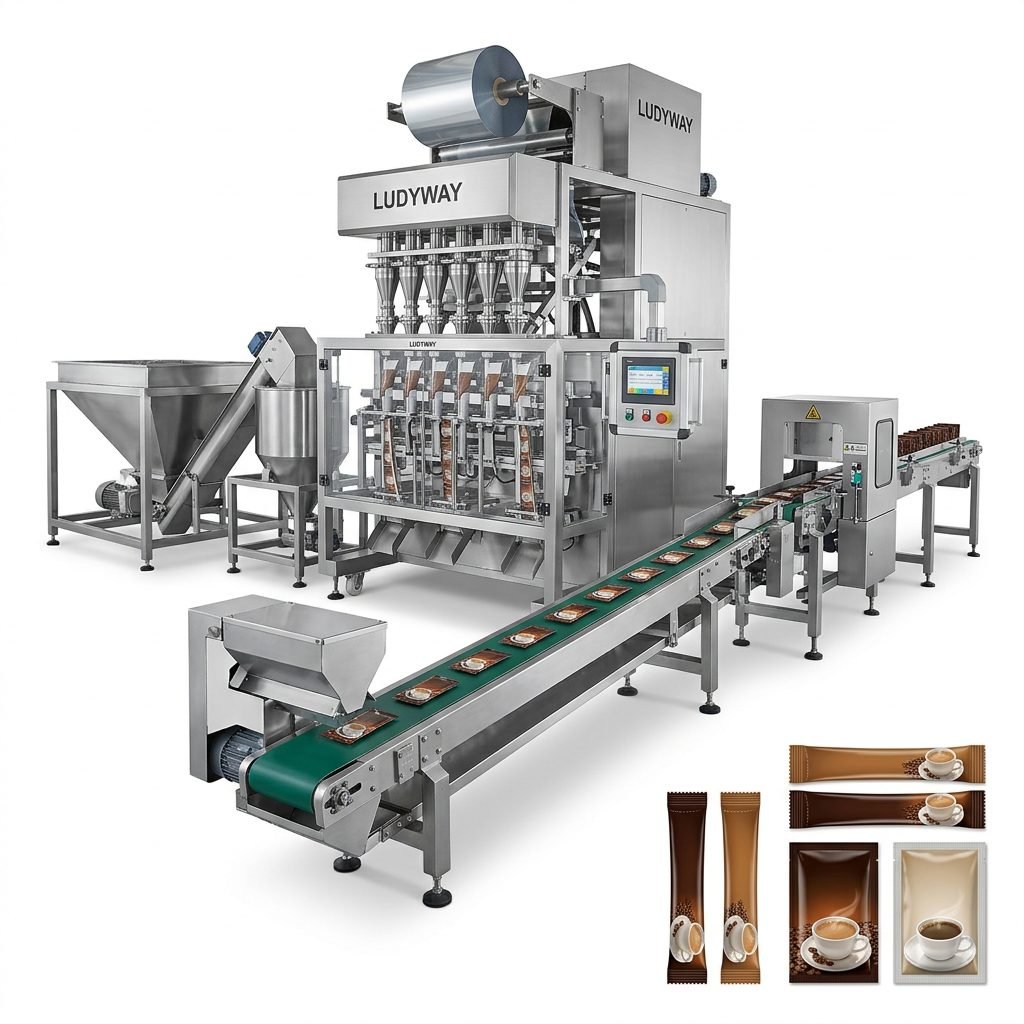
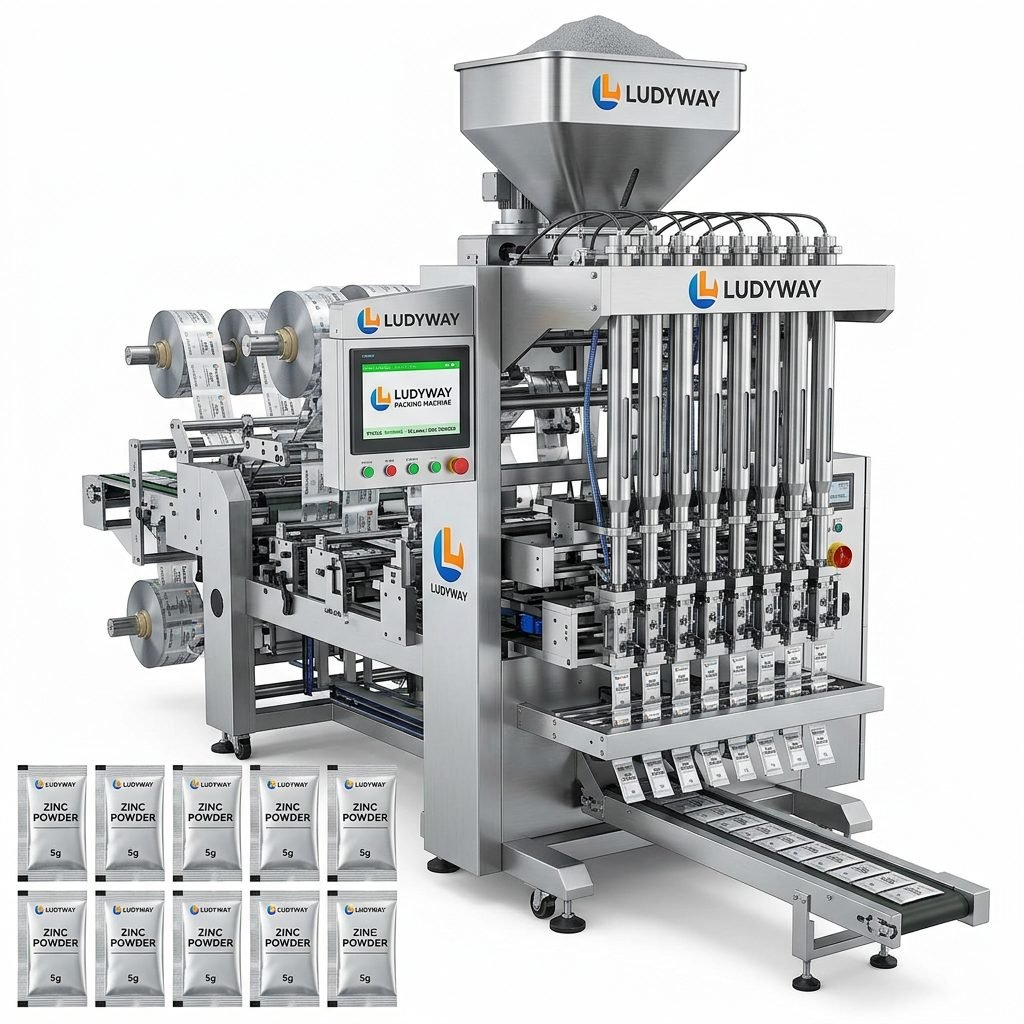
Selecting the right pharmaceutical packaging machinery manufacturer is a critical decision that directly impacts production efficiency, product quality, regulatory compliance, and ultimately, your bottom line. The market is filled with numerous suppliers, each claiming superiority, making the choice complex. This guide will walk you through the key factors to consider when evaluating and choosing the perfect supplier for your specific production needs.
Understanding Your Production Requirements
Before you even begin your search, you must have a crystal-clear understanding of your own requirements. This foundational step will guide every subsequent decision.
Key Questions to Ask Yourself:
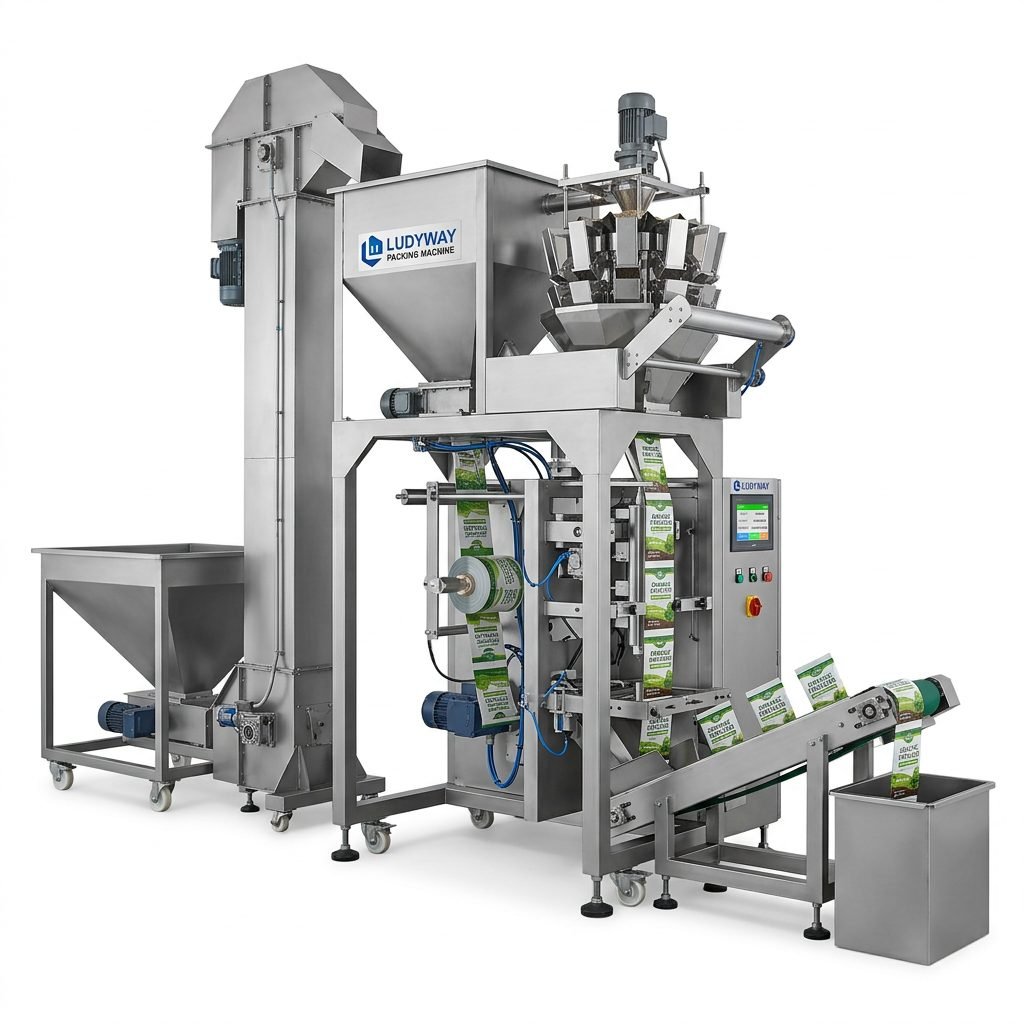
→ Product Type: Are you packaging tablets, capsules, powders, liquids, ointments, or sterile devices?
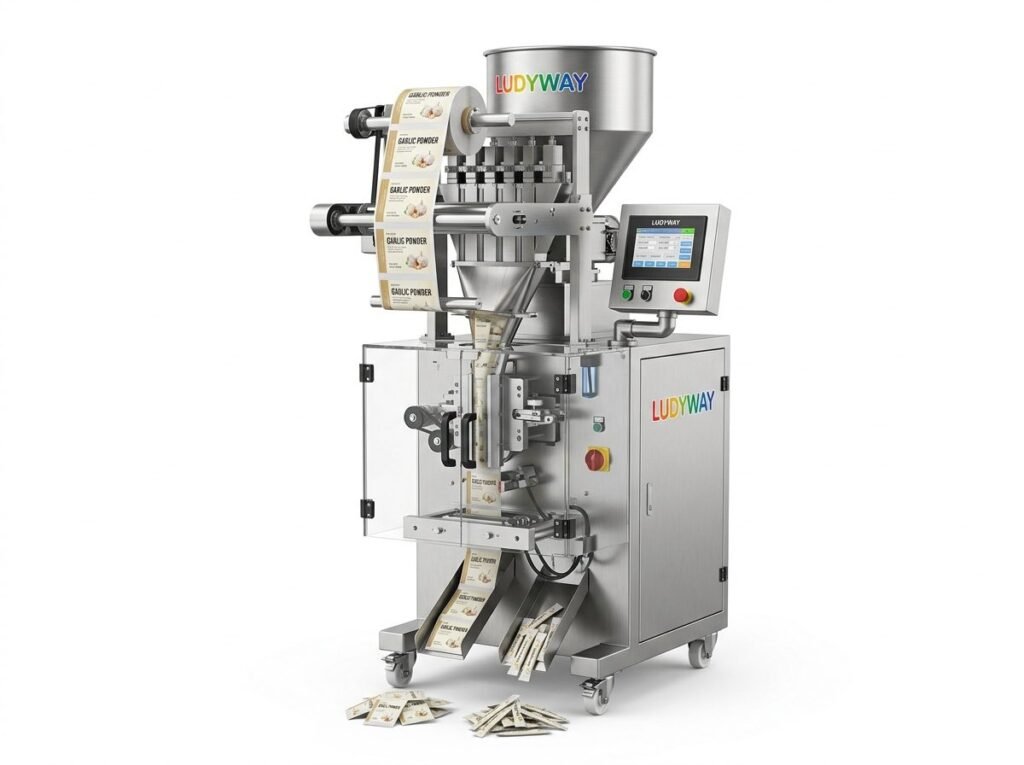
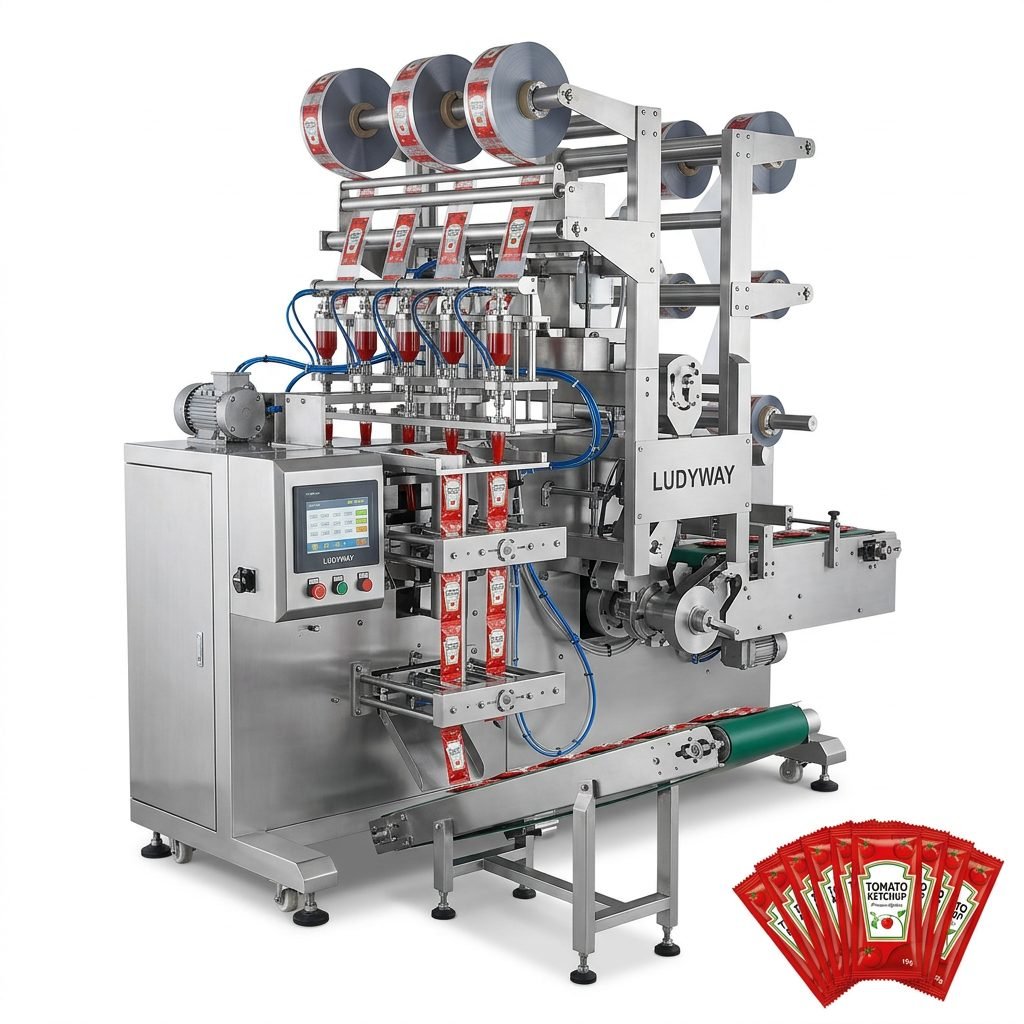
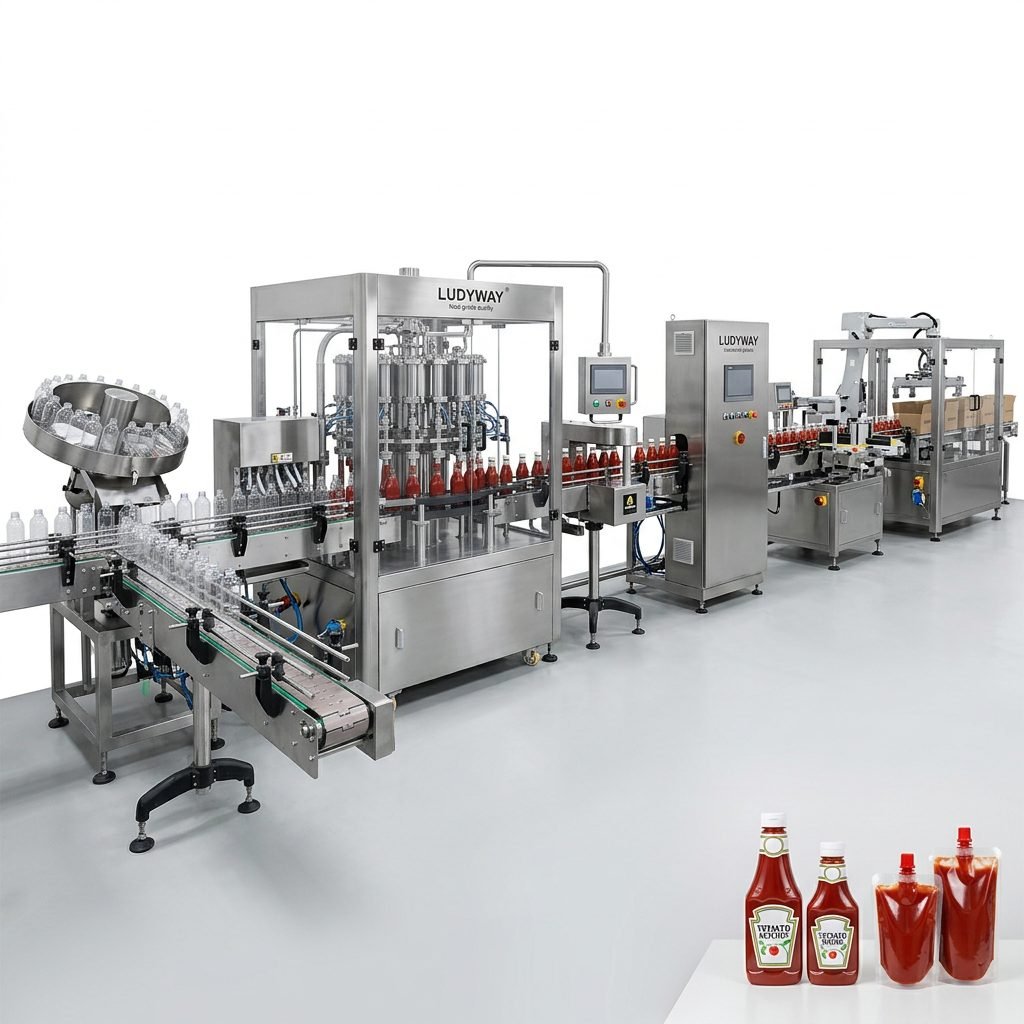
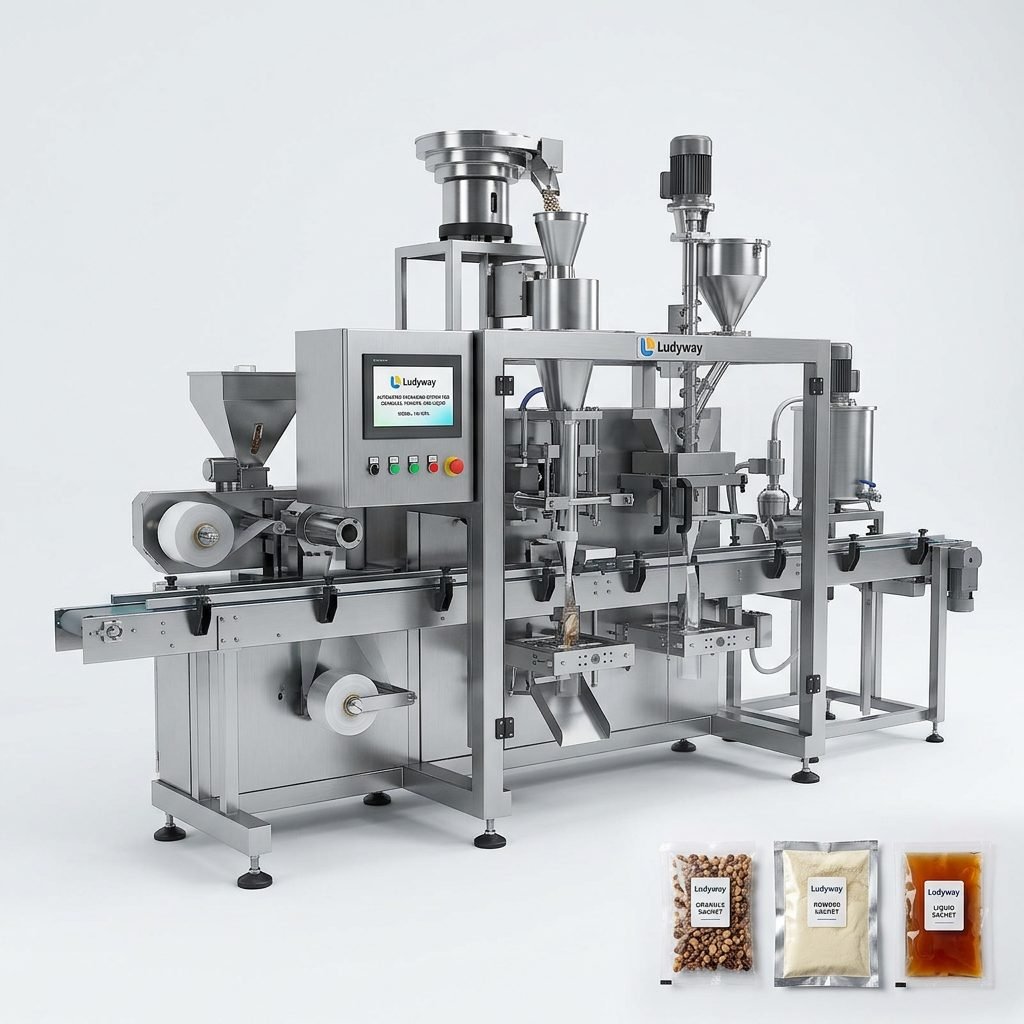
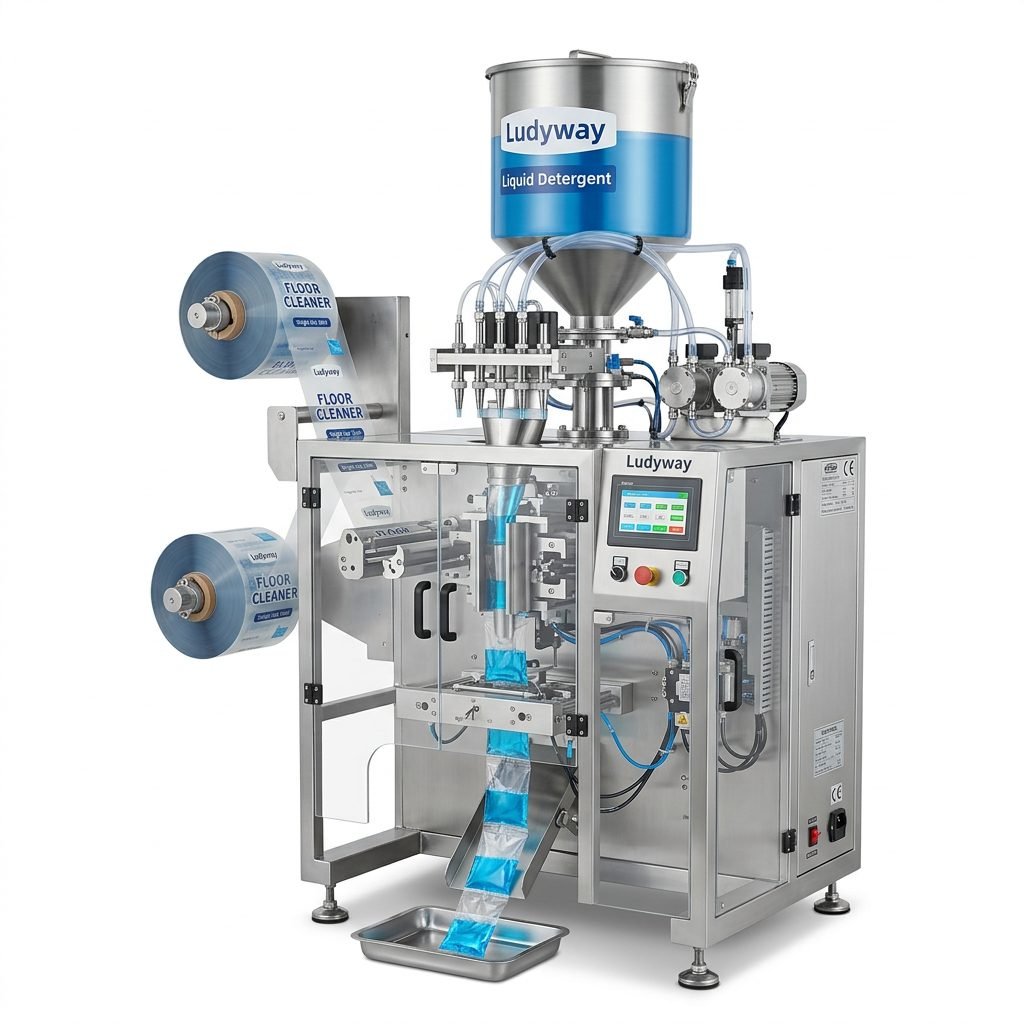
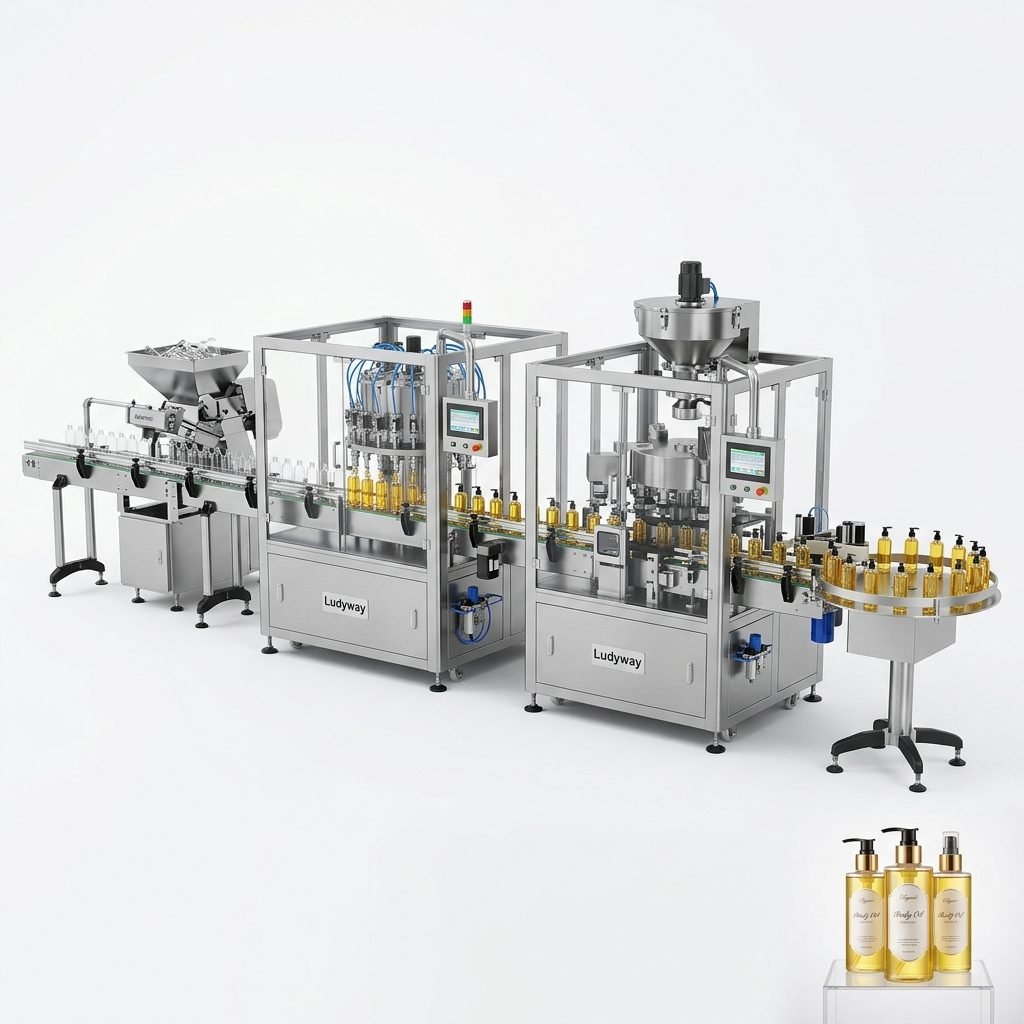
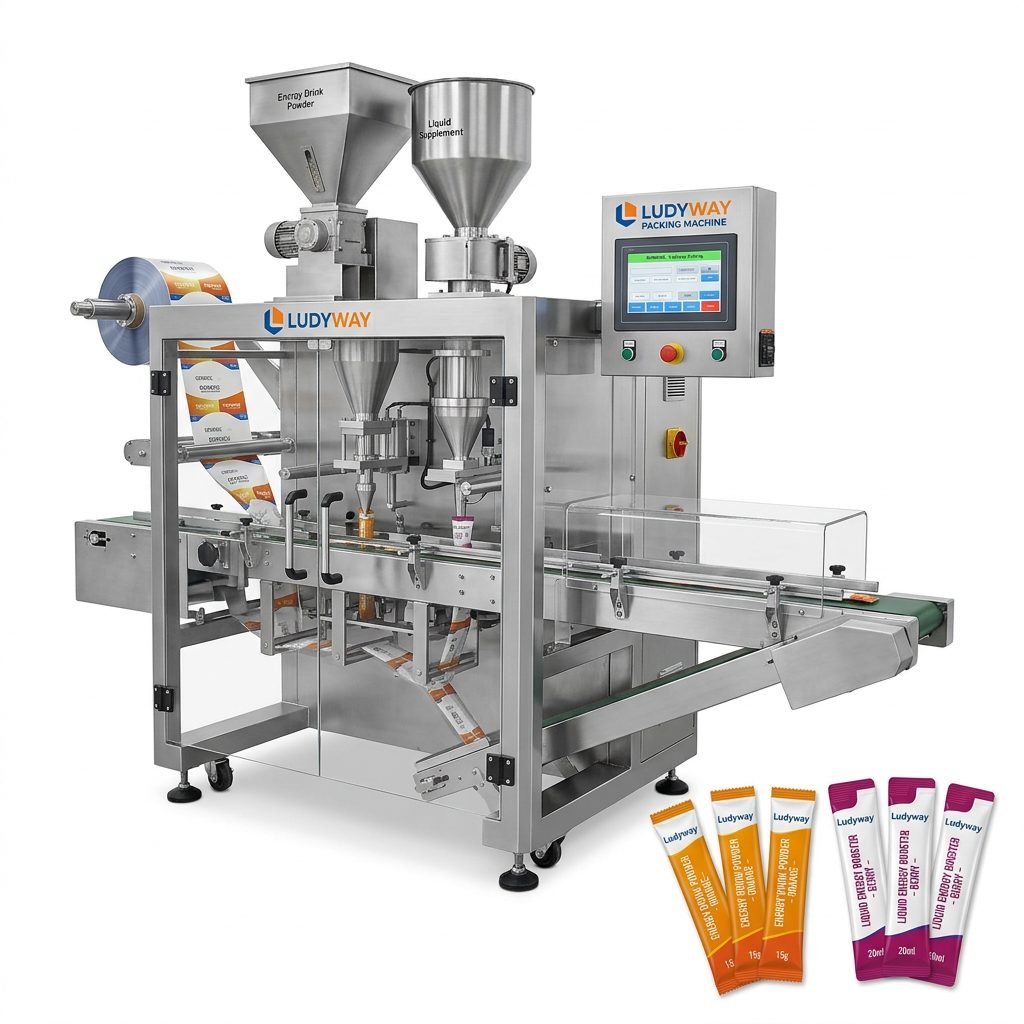
→ Packaging Format: Do you need blister packaging, bottling lines, sachet/pouch machines, cartoning, or vial filling?
→ Production Speed & Volume: What is your required output (units per minute/hour)? Are you running batch production or continuous 24/7 lines?
→ Regulatory Standards: Which markets are you serving (FDA, EMA, MHRA, etc.)? Does the machinery need to comply with cGMP, GAMP5, or specific cleanroom requirements?
→ Future-Proofing: Do you anticipate changes in product SKUs, packaging materials, or production scale in the next 3-5 years?
Essential Criteria for Evaluating Manufacturers
Once your needs are defined, use the following criteria as a checklist to assess potential suppliers.
1. Technical Expertise and Innovation
A top manufacturer invests heavily in R&D. Look for a partner that doesn’t just sell standard machines but offers innovative solutions to improve yield, reduce waste, and enhance flexibility. Inquire about their engineering team’s experience and their track record in developing custom or modified equipment for unique applications.
2. Quality and Compliance Track Record
In pharmaceuticals, there is zero room for compromise on quality. The manufacturer must have a robust Quality Management System (QMS) in place. Request documentation such as:
• Certifications (ISO 9001, ISO 13485 for medical devices).
• Validation documentation support (IQ/OQ/PQ protocols).
• Material certifications for product-contact parts.
• Evidence of compliance with relevant pharmaceutical industry standards.
3. Manufacturing Capabilities and Scale
Assess the supplier’s physical infrastructure. A manufacturer with a significant modern production facility (e.g., 20,000+ sqm) typically has better control over supply chains, production scheduling, and quality assurance. They are also more likely to have the capacity to handle large or urgent orders. For instance, a company like Ludyway Machinery leverages extensive manufacturing infrastructure to ensure reliable delivery.
4. After-Sales Support and Service
The relationship begins after the machine is installed. A reliable supplier provides comprehensive support:
• Global Technical Support: 24/7 remote assistance and a network of local service engineers.
• Training: Extensive on-site training for your operators and maintenance staff.
• Spare Parts Availability: Guaranteed availability of critical spare parts with a clear logistics plan to minimize downtime.
5. Industry Experience and Reputation
Experience matters. A manufacturer with 30+ years in the industry has navigated regulatory changes, technological shifts, and diverse customer challenges. They bring invaluable practical knowledge. Research their client portfolio, ask for case studies in your specific segment (e.g., oral solids, biologics), and seek out testimonials or peer references.
6. Customization and Flexibility
Off-the-shelf solutions rarely fit perfectly. Your ideal partner should offer tailored engineering. This could range from simple machine modifications to integrate with existing lines, to designing complete turnkey packaging solutions. Discuss their process for customization and review past projects.
The Supplier Selection Process: A Step-by-Step Approach
Step 1: Longlisting
Compile a list of potential suppliers through industry directories, trade shows (like Interphex or Achema), and professional recommendations. Focus on those specializing in pharmaceutical-grade equipment.
Step 2: Initial Screening
Send a detailed Request for Information (RFI). Evaluate responses based on the criteria above. Shortlist 3-5 suppliers who demonstrate a clear understanding of your needs and have a strong foundational profile.
Step 3: Deep Dive & Quotation
Issue a formal Request for Quotation (RFQ) with detailed technical specifications. Arrange virtual or in-person meetings with their engineering and project management teams. This is the time for technical clarifications.
Step 4: Factory Audit & Reference Checks
If possible, visit the shortlisted manufacturers’ facilities. There’s no substitute for seeing their operations, quality checks, and team in person. Simultaneously, contact their provided references and ask probing questions about performance, support, and problem resolution.
Step 5: Final Evaluation & Negotiation
Compare proposals not just on price, but on Total Cost of Ownership (TCO), which includes energy consumption, maintenance costs, expected lifespan, and support terms. Negotiate the contract to clearly define scope, timelines, responsibilities, and performance guarantees.
Why Partnering with an Experienced Specialist Matters
Choosing a supplier like Ludyway, which has evolved with the industry since 2010, offers distinct advantages. Such partners understand that pharmaceutical packaging is not merely about containment, but about ensuring patient safety, product integrity, and supply chain efficiency. Their long-term perspective, built on decades of collaboration with global manufacturers, translates into machinery designed for reliability and compliance from the ground up.
They are more likely to offer future-proof technology, such as Industry 4.0-ready machines with IoT capabilities for predictive maintenance and data integration into Manufacturing Execution Systems (MES), helping you stay competitive.
Conclusion
Selecting the right pharmaceutical packaging machinery manufacturer is a strategic partnership that will influence your operations for years. By meticulously defining your needs, rigorously evaluating suppliers on technical merit, quality, support, and experience, and following a structured selection process, you can mitigate risk and invest in a solution that drives efficiency, ensures compliance, and scales with your business growth. Remember, the cheapest capital expenditure can often lead to the highest operational cost.
Frequently Asked Questions (FAQs)
Q1: What is the most overlooked factor when choosing a packaging machinery supplier?
A: Often, it’s the Total Cost of Ownership (TCO) and the quality of after-sales service. Buyers focus on the initial purchase price but underestimate the costs and production losses associated with downtime, inefficient maintenance, and poor technical support over the machine’s 15-20 year lifespan.
Q2: How important is it for the manufacturer to have direct experience in my specific product category (e.g., hygroscopic powders, sterile injectables)?
A: It is critically important. Different product characteristics (flowability, abrasiveness, sensitivity to oxygen/moisture) demand specific engineering solutions. A manufacturer with proven experience in your niche will anticipate challenges and design the machine accordingly, saving you time, validation effort, and costly rework.
Q3: Can I integrate machinery from a new supplier into my existing production line?
A: Yes, but this is a key point to address during the selection process. A competent supplier will have engineers assess your current line layout, control systems, and material flow to ensure seamless integration. They should provide detailed integration plans and, if necessary, offer custom interfacing solutions.
Q4: What should I look for in the machine’s validation documentation package?
A: The supplier should provide a comprehensive Factory Acceptance Test (FAT) protocol and support documentation for your site’s Installation/Operational/Performance Qualification (IQ/OQ/PQ). Look for detailed test procedures, acceptance criteria, and calibration certificates for all critical instruments. A robust package significantly accelerates your own validation process.
Q5: How do I future-proof my investment in packaging machinery?
A: Discuss modularity and scalability with your supplier. Choose machines designed with the capacity for speed upgrades, easy format changeovers, and compatibility with emerging technologies (e.g., serialization, track-and-trace). A partner with a strong roadmap for innovation, like those with a history of continuous development, is more likely to provide upgrade paths.