Selecting the right packaging machinery is a critical decision for pharmaceutical manufacturers. The equipment must not only meet stringent regulatory standards for safety, hygiene, and precision but also align with production efficiency goals. This guide explores the top types of packaging machinery used in the pharmaceutical sector, their specific applications, and key factors to consider when making a purchase.
Essential Types of Pharmaceutical Packaging Machinery
The pharmaceutical industry utilizes a diverse range of packaging machines, each designed for specific product forms and packaging formats. Understanding these types is the first step toward optimizing your production line.
Blister Packaging Machines
Blister packers are ubiquitous in solid dosage form packaging, such as tablets and capsules. They form cavities (blisters) from a roll of thermoformable film, place the product into these cavities, and then seal a lidding material (often foil) on top. This method provides excellent product protection, tamper evidence, and user convenience through push-through dispensing. Modern machines offer high-speed operation, precise counting, and advanced vision inspection systems to ensure every blister is correctly filled and sealed.
Key Advantage: Blister packaging offers superior barrier properties against moisture and oxygen, extending the shelf life of sensitive pharmaceuticals. It also supports patient compliance through clear unit-dose presentation.
Bottle Filling and Capping Lines
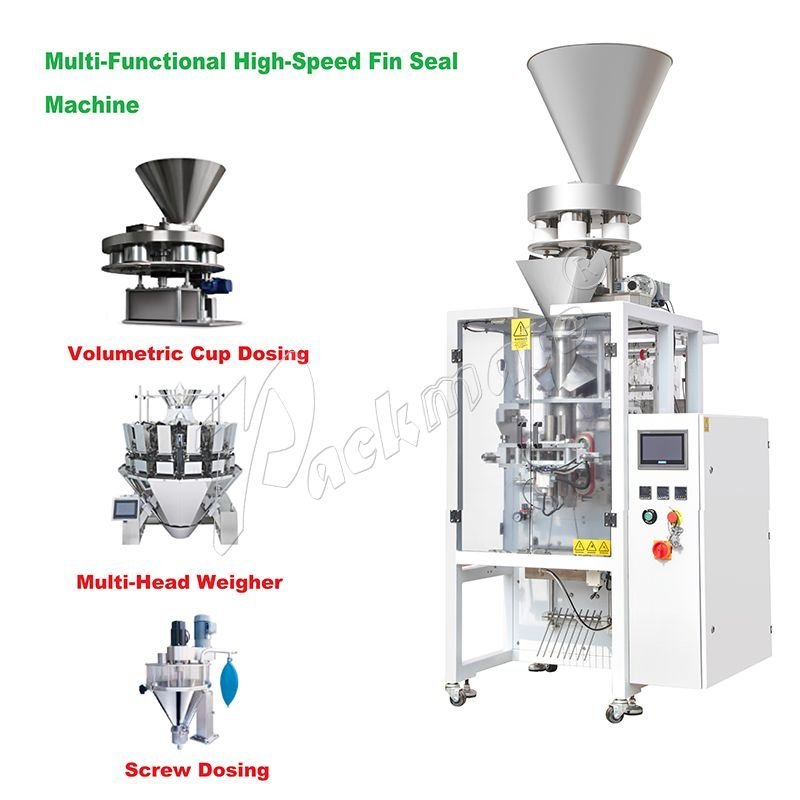
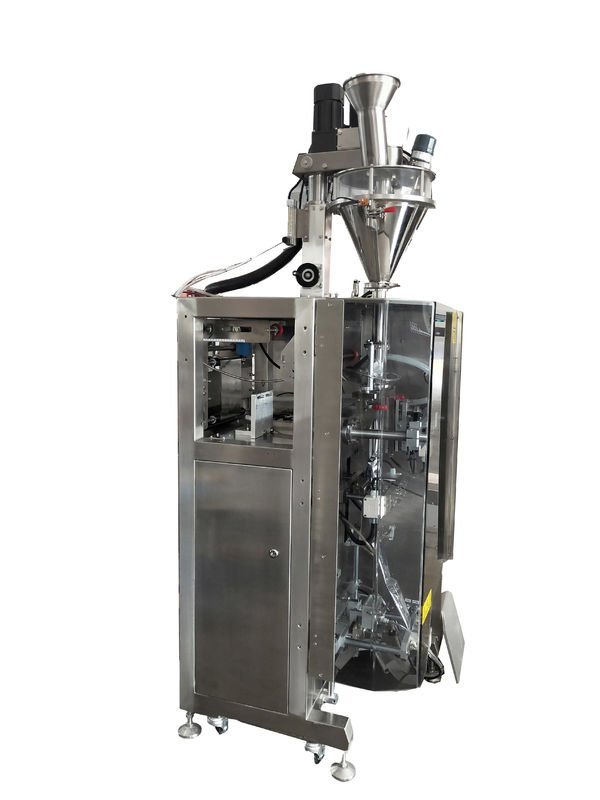
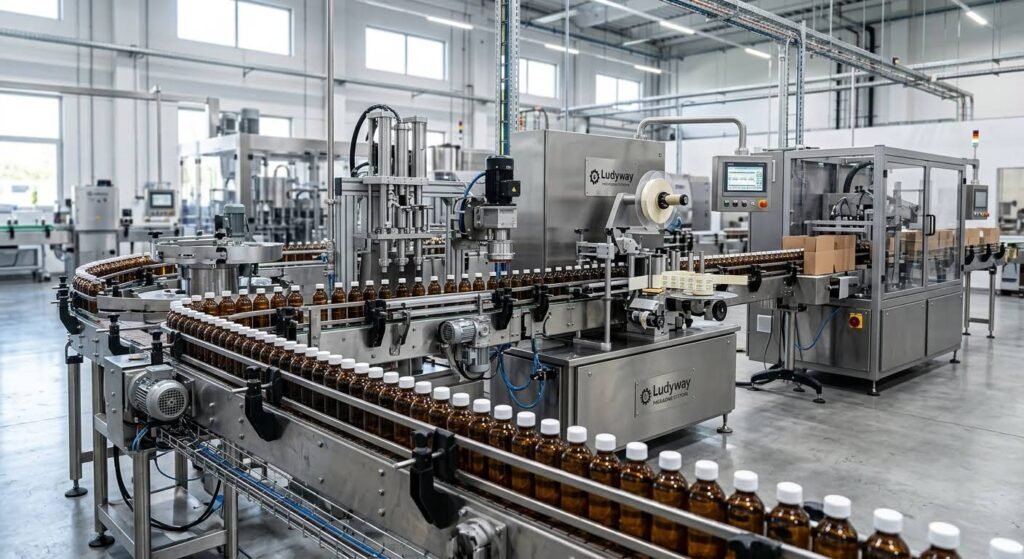
For liquids, powders, and capsules, bottle filling lines are essential. This is typically an integrated system comprising several machines: an unscrambler that orients empty bottles, a filler that accurately doses the product, a capper that applies and torques closures (screw caps, child-resistant caps), and a labeler. For pharmaceutical powders and granules, auger fillers are common for their accuracy, while peristaltic pumps are often used for sterile liquids.
Sachet and Stick Pack Machines
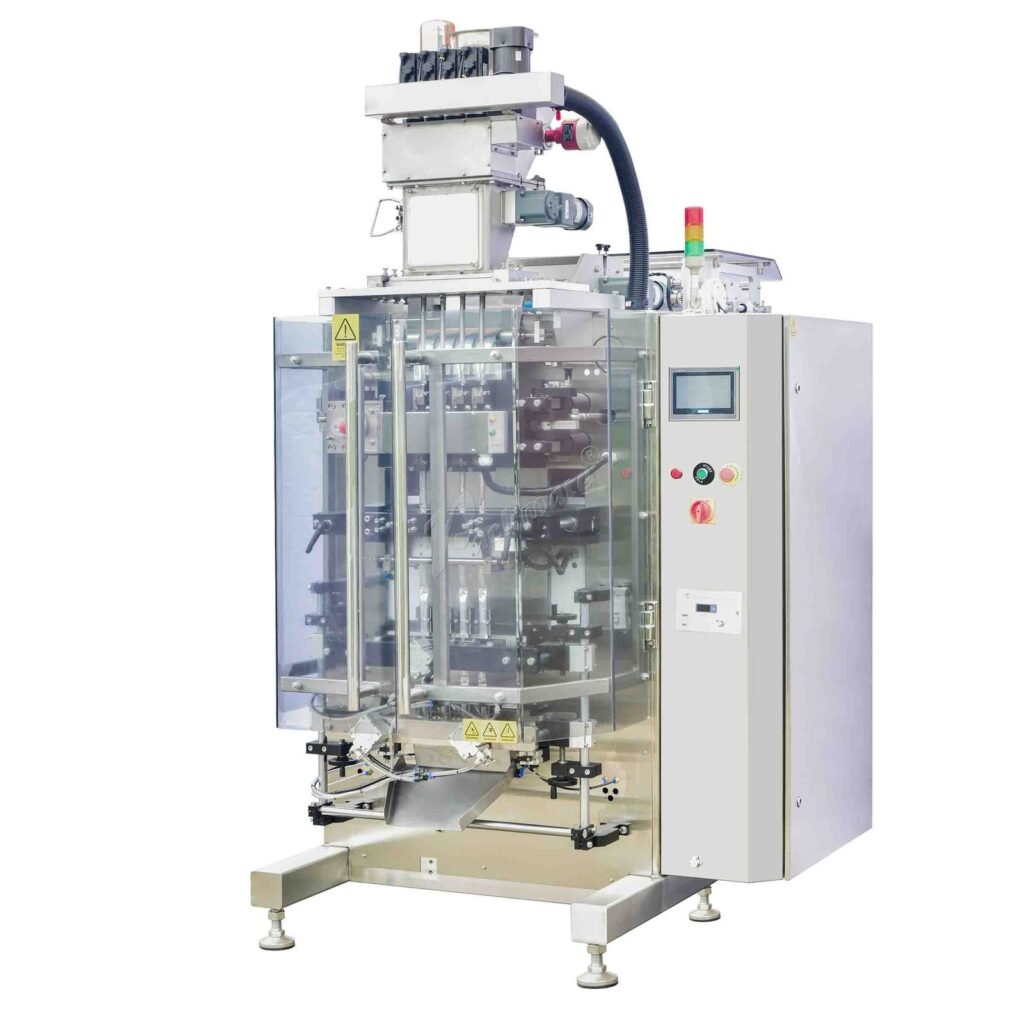
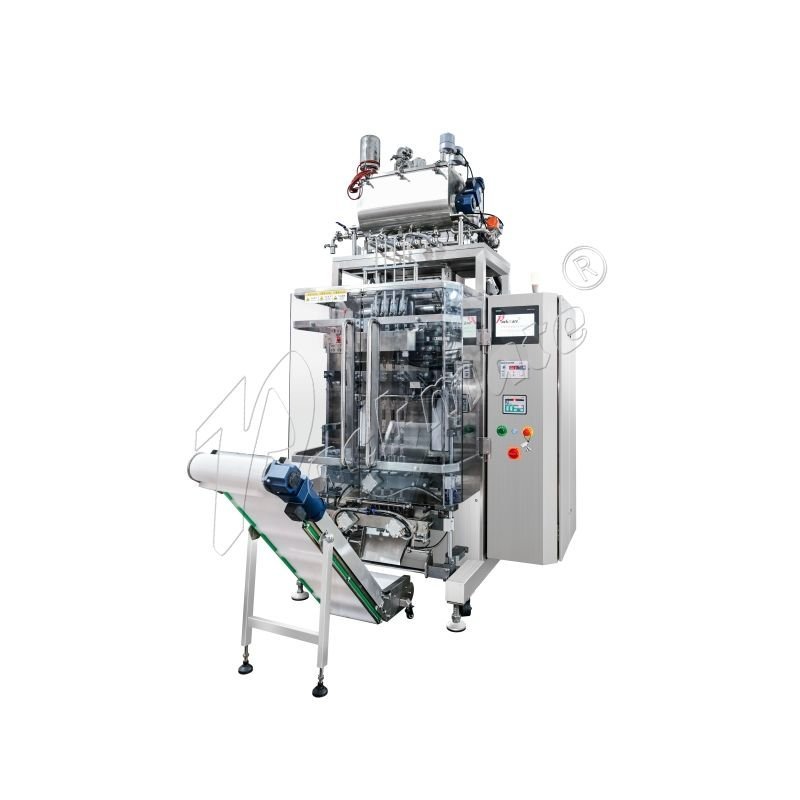
These machines are ideal for unit-dose packaging of powders, granules, or liquids. They form, fill, and seal small pouches from roll stock film. Sachet packs are common for oral rehydration salts, effervescent powders, or single-use topical ointments. Stick packs, a narrower format, are popular for powdered supplements and drink mixes. Machines like those from Ludyway Machinery can feature multi-lane designs for exceptionally high output, making them cost-effective for large-volume production.
Cartoning Machines
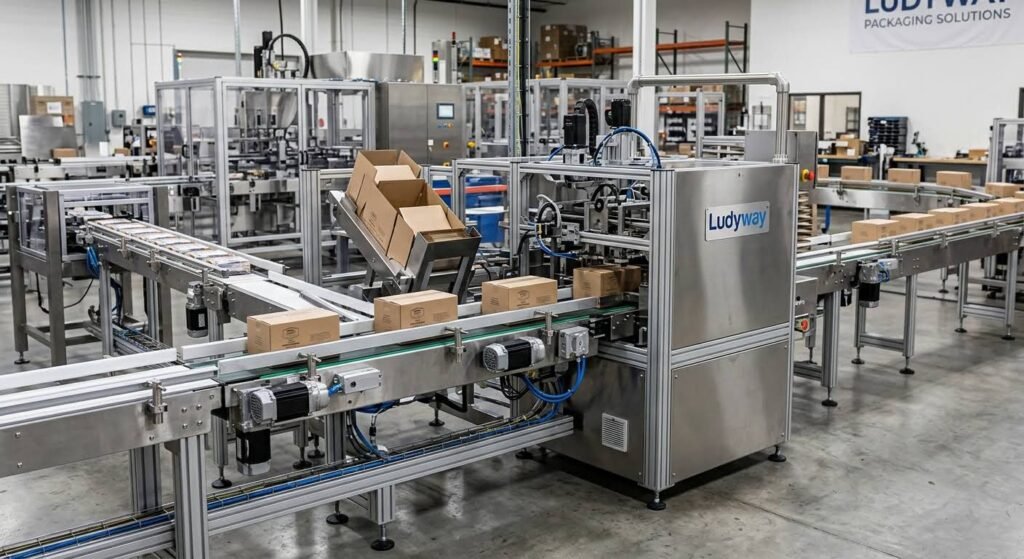
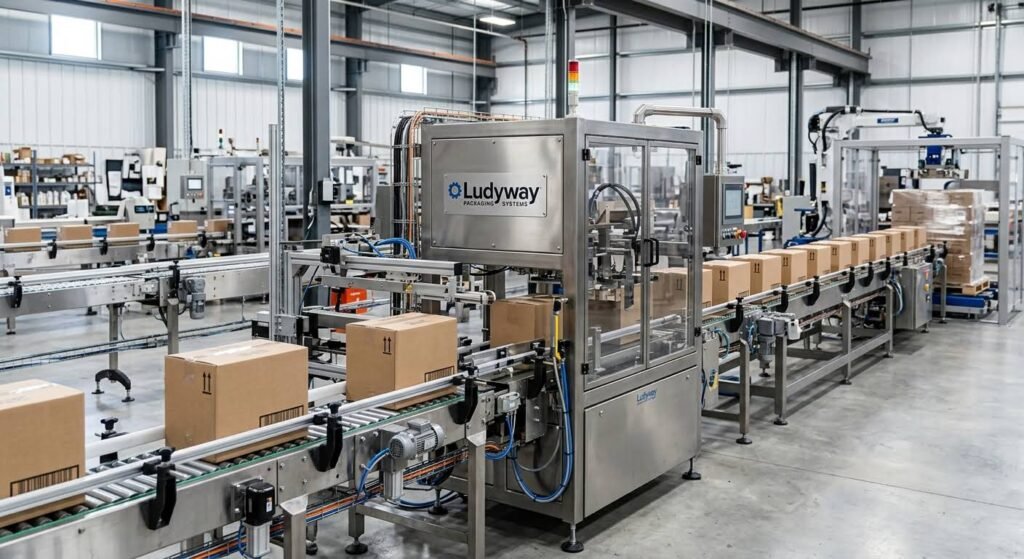
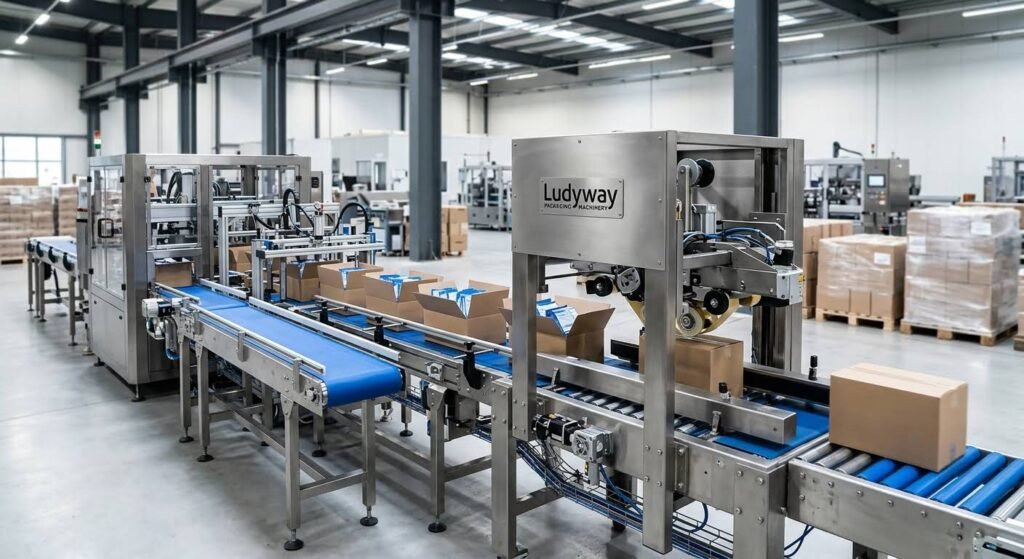
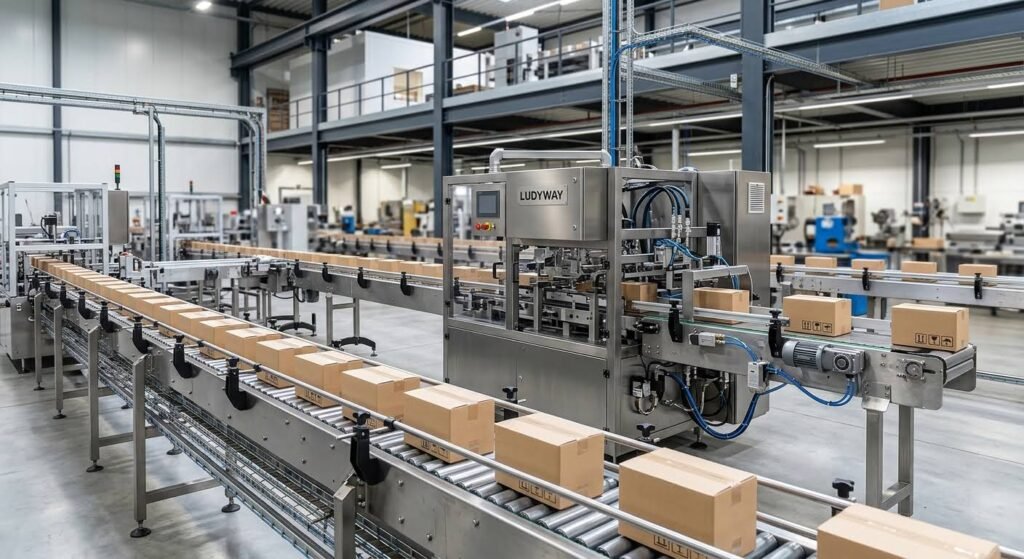
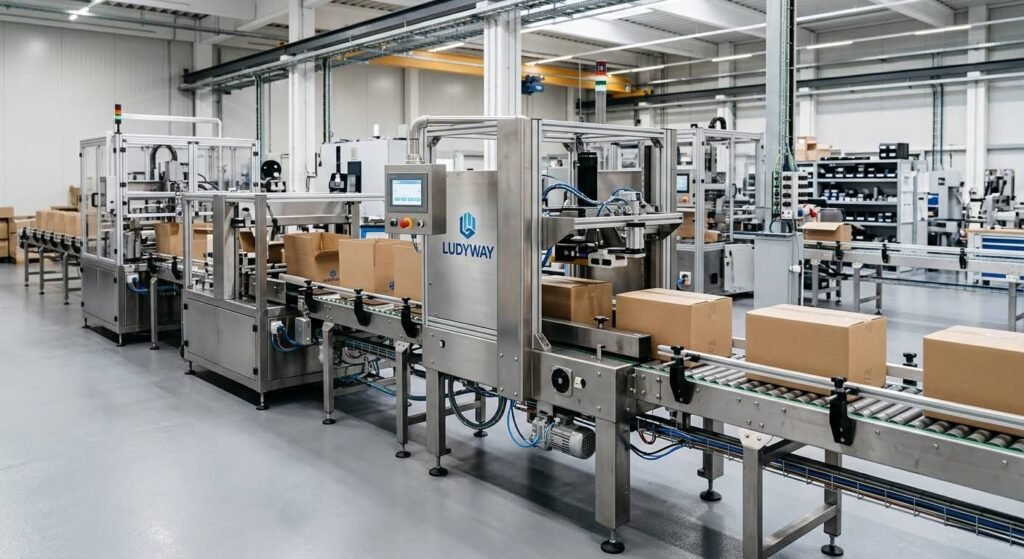
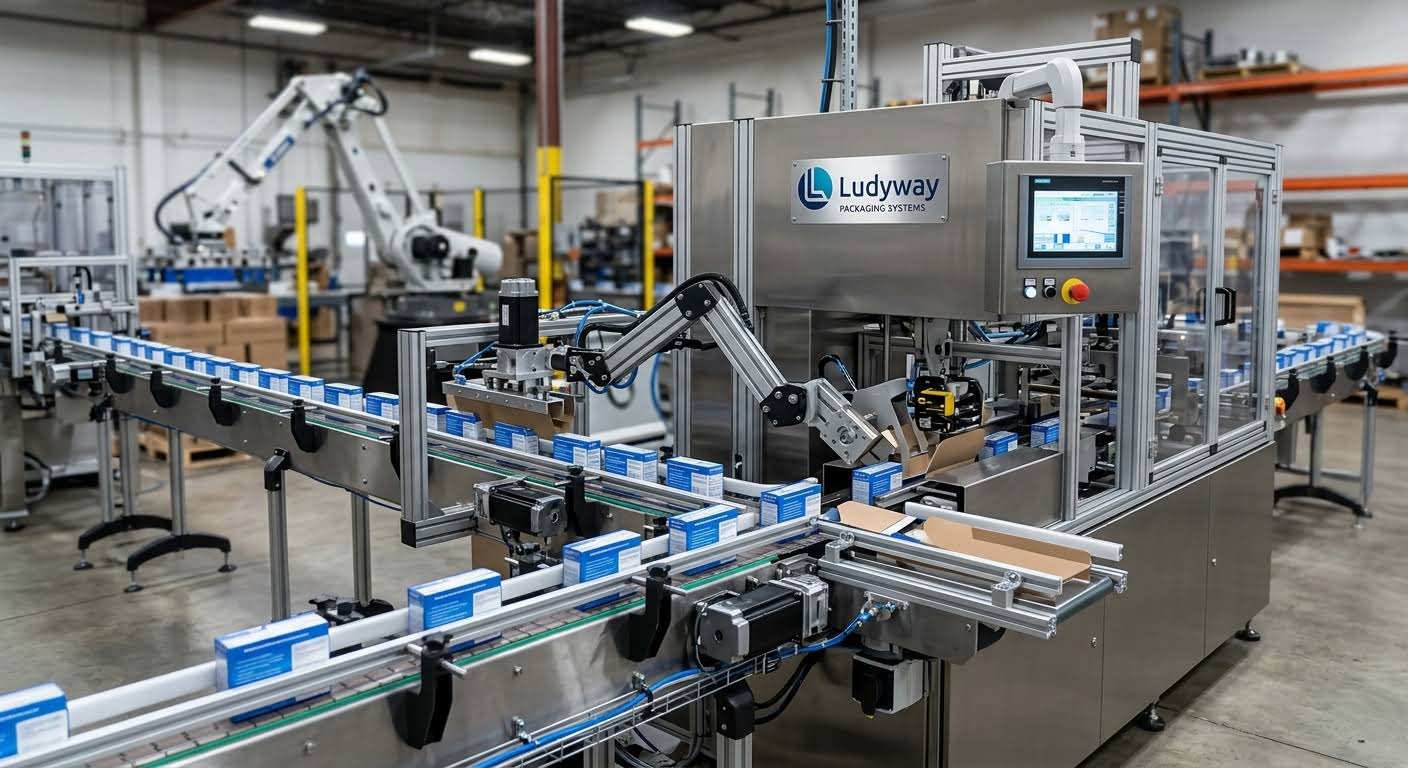
Cartoners automate the process of placing blisters, bottles, or vials into folded cartons along with required leaflets or inserts. They are crucial for creating the final retail-ready package. Advanced cartoners can handle complex tasks like multiple product insertion, batch coding, and serialization for track-and-trace compliance, which is a mandatory requirement in many markets like the EU and USA.
Primary Applications in the Pharma Industry
Each packaging type serves distinct purposes across the drug manufacturing and distribution chain.
Solid Oral Dosages (Tablets & Capsules)
This category primarily uses blister packs and bottle filling lines. Blister packs are favored for over-the-counter (OTC) and prescription drugs due to their patient-friendly design. Bottles are often used for larger count prescriptions or vitamin supplements.
Liquids and Syrups
Liquid medications require high-precision filling into bottles or vials, followed by secure capping. The machinery must ensure no drip or spillage to maintain cleanliness and dosage accuracy. For sterile products like injectables, the equipment must meet even higher aseptic standards.
Powders and Granules
Whether it’s antibiotics, dietary supplements, or effervescent products, powders demand machinery that prevents dust generation and ensures precise weight control. Auger fillers for bottles and form-fill-seal machines for sachets are the go-to solutions here.
🔬 Regulatory Compliance Note
All pharmaceutical packaging machinery must be designed for easy cleaning and validation to comply with Good Manufacturing Practices (GMP). Surfaces are typically stainless steel, and designs minimize dead zones where product or contaminants could accumulate.
Comprehensive Buying Guide: Key Factors to Consider
Investing in pharmaceutical packaging machinery is a significant decision. Here are the critical factors to evaluate.
1. Production Speed and Output Requirements
Match the machine’s speed (e.g., packs per minute, bottles per hour) to your current and projected production volumes. Over-specifying can lead to unnecessary capital expense, while under-specifying creates bottlenecks. Consider multi-lane machines for small-format packages to dramatically increase output without a proportional footprint increase.
2. Flexibility and Changeover Ease
If you run multiple product SKUs (different sizes, shapes, or materials), quick changeover capability is vital. Look for machines with tool-less change parts or digitally stored recipes that can minimize downtime between production runs.
3. Precision and Accuracy
Dosage accuracy is non-negotiable in pharma. For fillers, inquire about the machine’s weight or volume tolerance. For blister machines, check the precision of the forming and sealing process. Consistent accuracy protects patient safety and reduces product giveaway.
4. Integration and Automation Level
Will the machine stand alone or integrate into a full line? Consider future needs for automation, such as automated carton handling, robotic palletizing, or integration with Manufacturing Execution Systems (MES) for data collection. A modular design from a supplier with turnkey solution expertise can facilitate future expansion.
5. Compliance and Validation Support
The supplier must understand pharmaceutical regulations (FDA, EMA, etc.). Request documentation like a User Requirements Specification (URS) template, Factory Acceptance Test (FAT) protocols, and detailed manuals to aid in your qualification (IQ/OQ/PQ) process. Machines should be built with GMP principles in mind.
6. Supplier Reputation and Service
Choose a partner with proven experience in the pharmaceutical sector. Evaluate their technical support, availability of spare parts, training programs, and service network. A reliable partner like Ludyway Machinery, with decades of industry experience, ensures long-term operational reliability and support.
Conclusion
Investing in the right pharmaceutical packaging machinery is an investment in product quality, regulatory compliance, and production efficiency. By thoroughly understanding the different machine types—from blister packers and fillers to cartoners—and rigorously evaluating factors like speed, accuracy, flexibility, and supplier support, manufacturers can build a packaging line that safeguards product integrity and meets market demands. Partnering with an experienced equipment provider is crucial for navigating the complex technical and regulatory landscape and achieving a successful, validated installation.
Frequently Asked Questions (FAQs)
What is the most important feature to look for in pharmaceutical packaging machinery?
The paramount feature is the ability to consistently and accurately meet stringent regulatory (GMP) and quality control standards. This encompasses precision dosing, reliable sealing, use of cleanable materials (like stainless steel), and comprehensive documentation for validation. Without this foundation, speed and cost-efficiency are irrelevant in the pharma sector.
How do I ensure the machinery complies with FDA or EMA regulations?
Compliance starts with selecting a supplier experienced in the pharmaceutical industry. They should design machines with GMP principles: hygienic design, no product traps, validated cleaning processes. You must then perform full equipment qualification (IQ, OQ, PQ) at your site. Request the supplier’s FAT protocol and design documentation to streamline your validation.
Can one machine handle different package sizes or product forms?
Many machines offer flexibility through change parts (e.g., different forming molds for blisters, auger screws for powders). However, significant format changes (e.g., switching from tablets to liquid sachets) typically require different specialized machines. Discuss your full product range with the supplier to find the most efficient solution, which may be a flexible single machine or multiple dedicated units.
What is the typical lead time for a pharmaceutical packaging machine?
Lead times vary widely based on complexity and customization. A standard machine may take 3-6 months from order to delivery, while a highly customized or fully integrated turnkey line can take 6-12 months or more. This includes design, manufacturing, factory testing, and shipping. Early planning and clear communication with your supplier are essential.
Why is supplier after-sales service critical for pharmaceutical equipment?
Pharmaceutical production lines have very low tolerance for downtime. Prompt, expert technical support and readily available genuine spare parts are crucial to maintain uptime and product quality. A strong service partner also provides ongoing training, preventive maintenance, and support for re-validation when processes change, protecting your long-term investment.