Selecting the right confectionery packaging machine is a critical decision for any candy, chocolate, or snack manufacturer. The correct equipment directly impacts production efficiency, product shelf life, brand presentation, and ultimately, your bottom line. This comprehensive guide will walk you through the various types of packaging machines available, their key features, and a structured approach to choosing the best solution for your specific operation.
Primary Types of Confectionery Packaging Machines
The confectionery industry utilizes a diverse range of packaging machinery, each designed for specific product forms and market requirements. Understanding these types is the first step in making an informed choice.
Flow Wrappers
Flow wrappers, or horizontal form-fill-seal (HFFS) machines, are among the most common for individual wrapping of candy bars, chocolate pieces, and biscuit sticks. The machine forms a tube of flexible film around the product and creates a longitudinal seal, followed by end seals. They are prized for their high speed and efficiency, making them ideal for large-volume production lines.
Vertical Form-Fill-Seal (VFFS) Machines
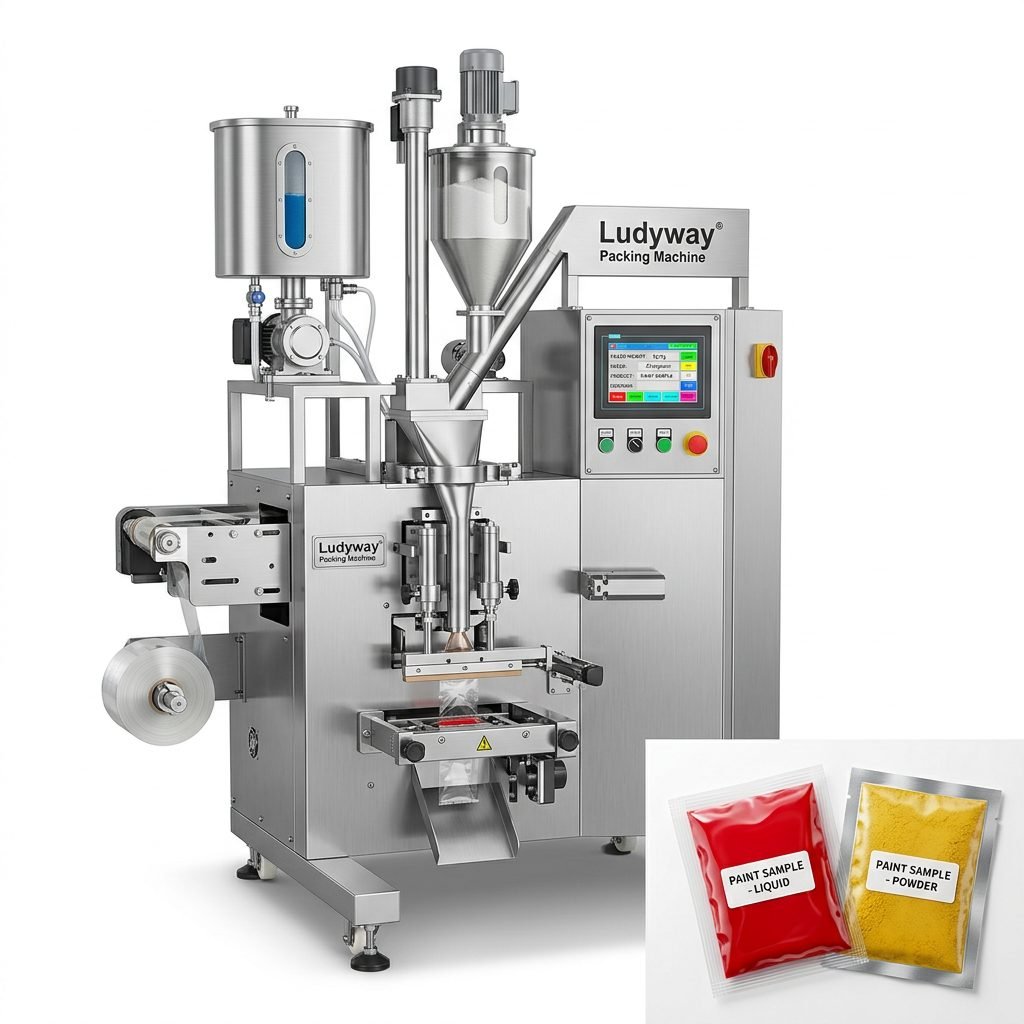
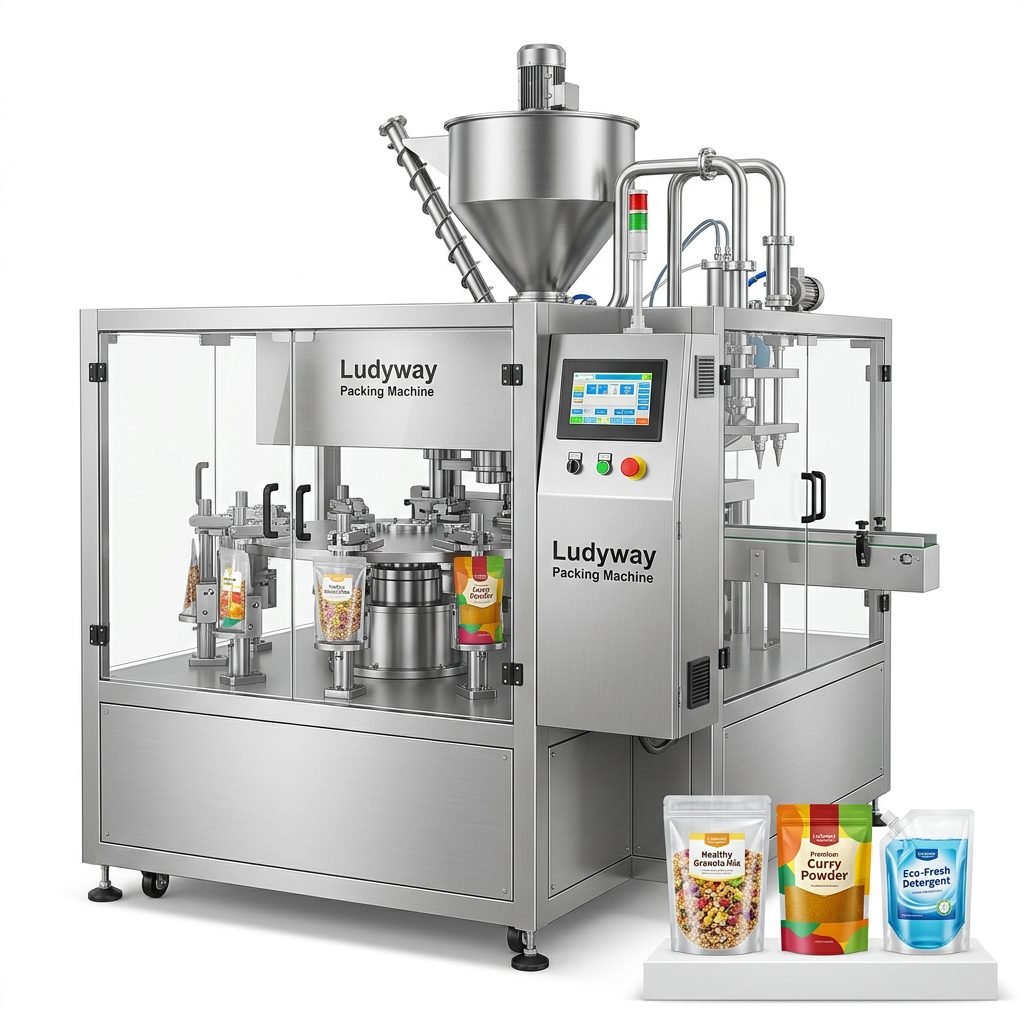
VFFS machines are the workhorses for packaging loose confectionery items like gummies, hard candies, or mixed nuts into bags or pouches. The film is drawn vertically to form a bag, which is then filled and sealed. This type is exceptionally versatile for various bag styles (pillow, gusseted, stand-up) and is perfect for portion-controlled packs and multi-packs.
Stick Pack and Sachet Machines
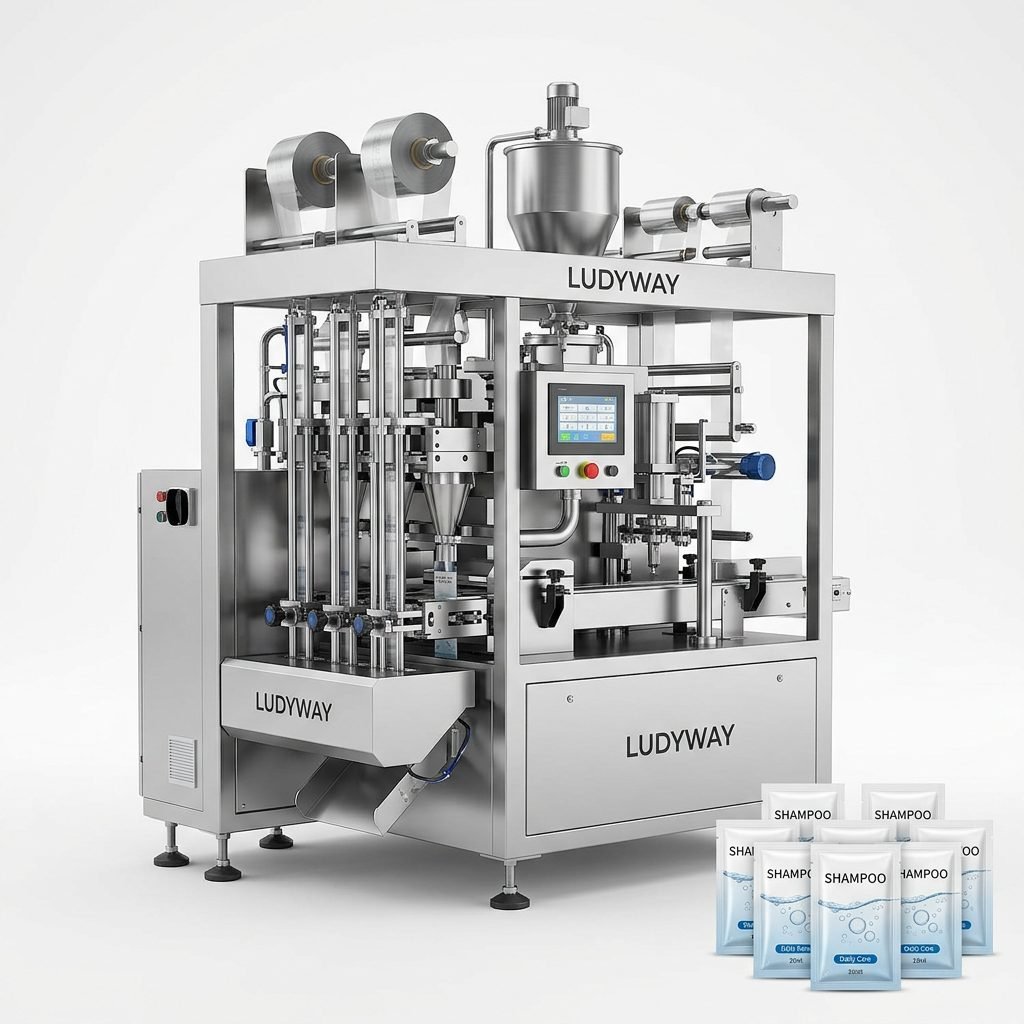
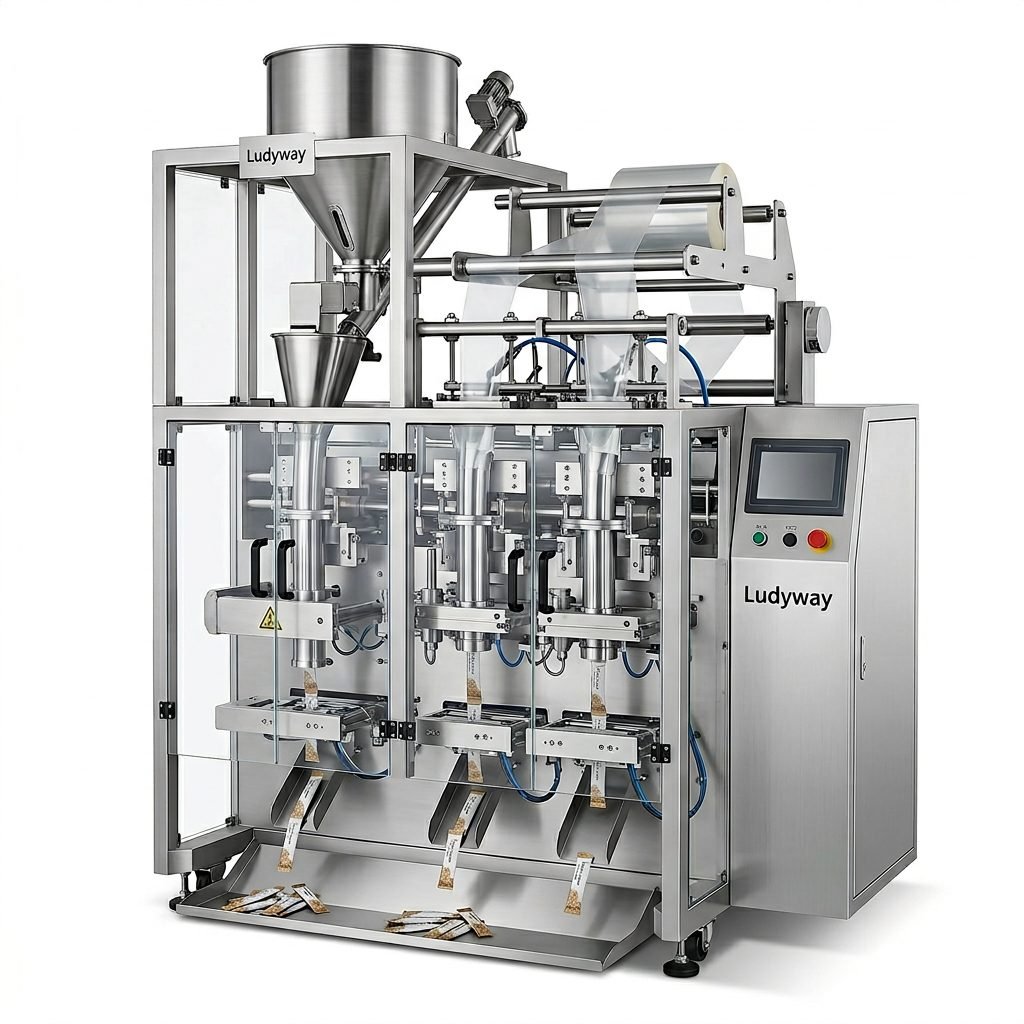
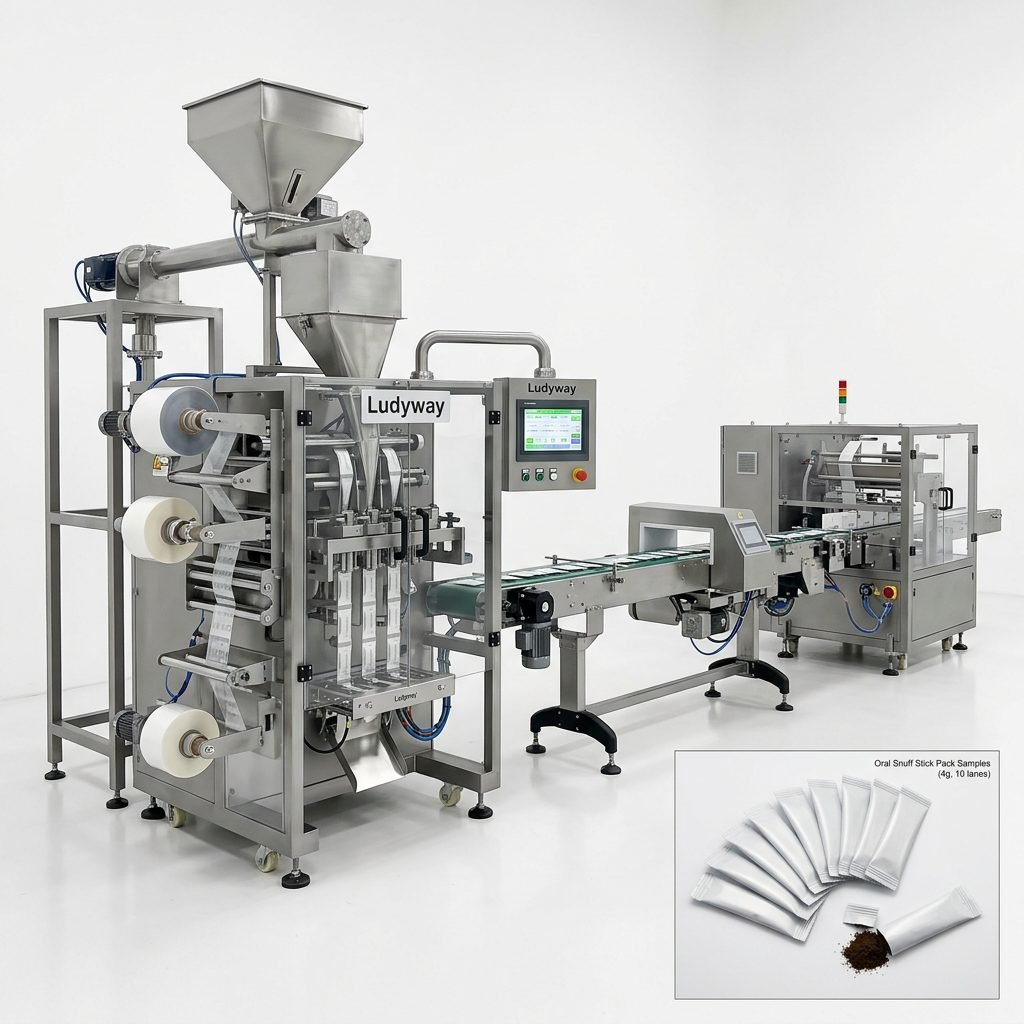
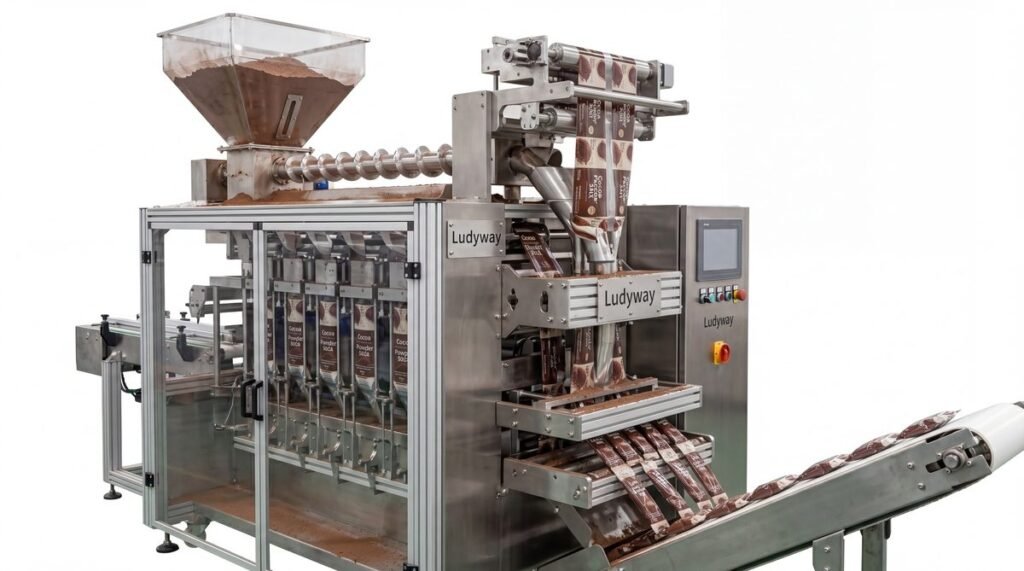
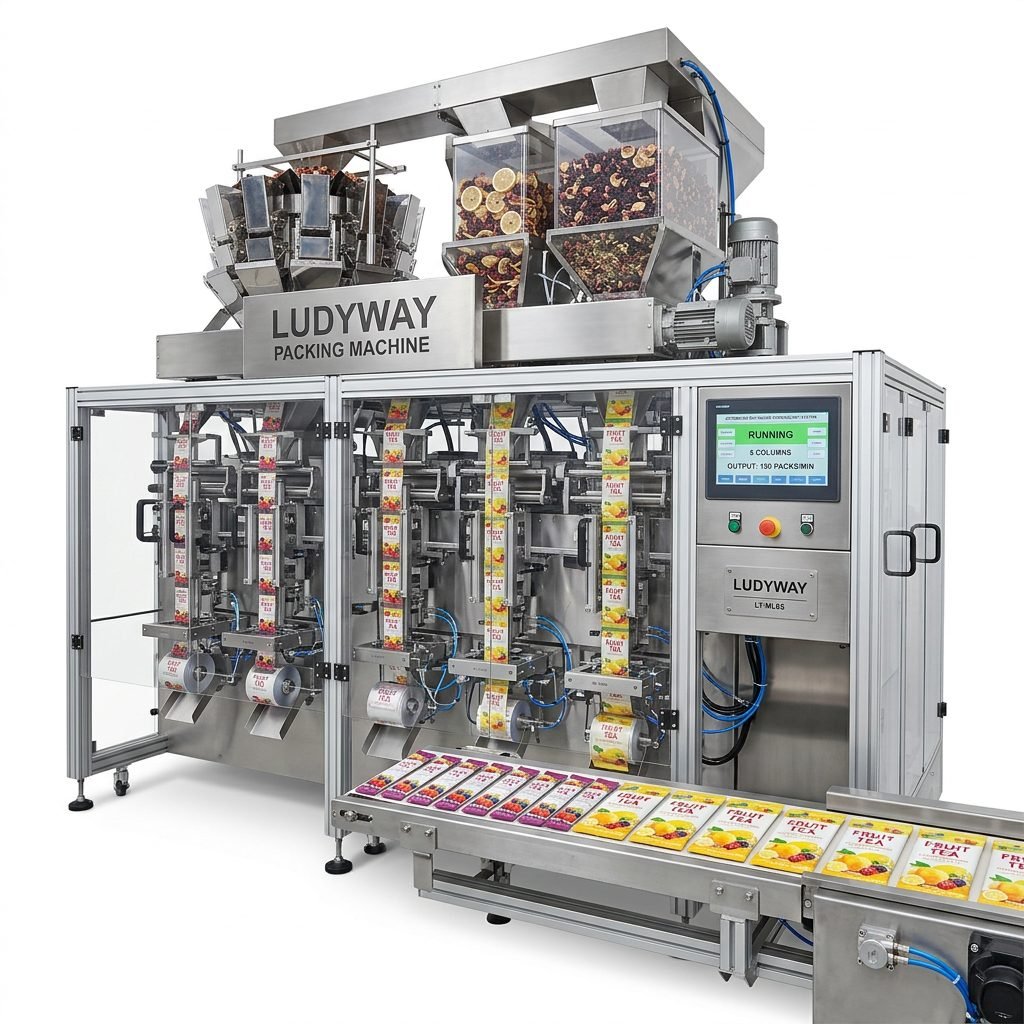
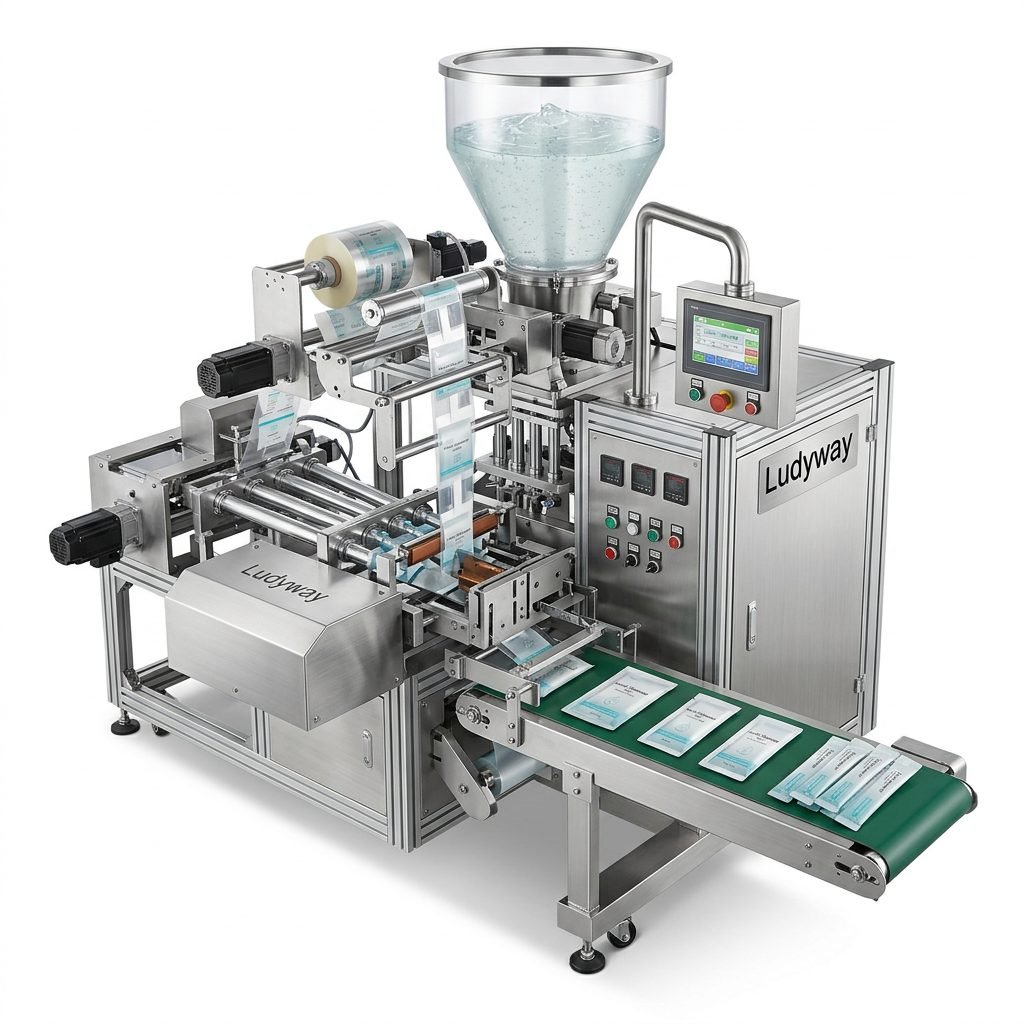
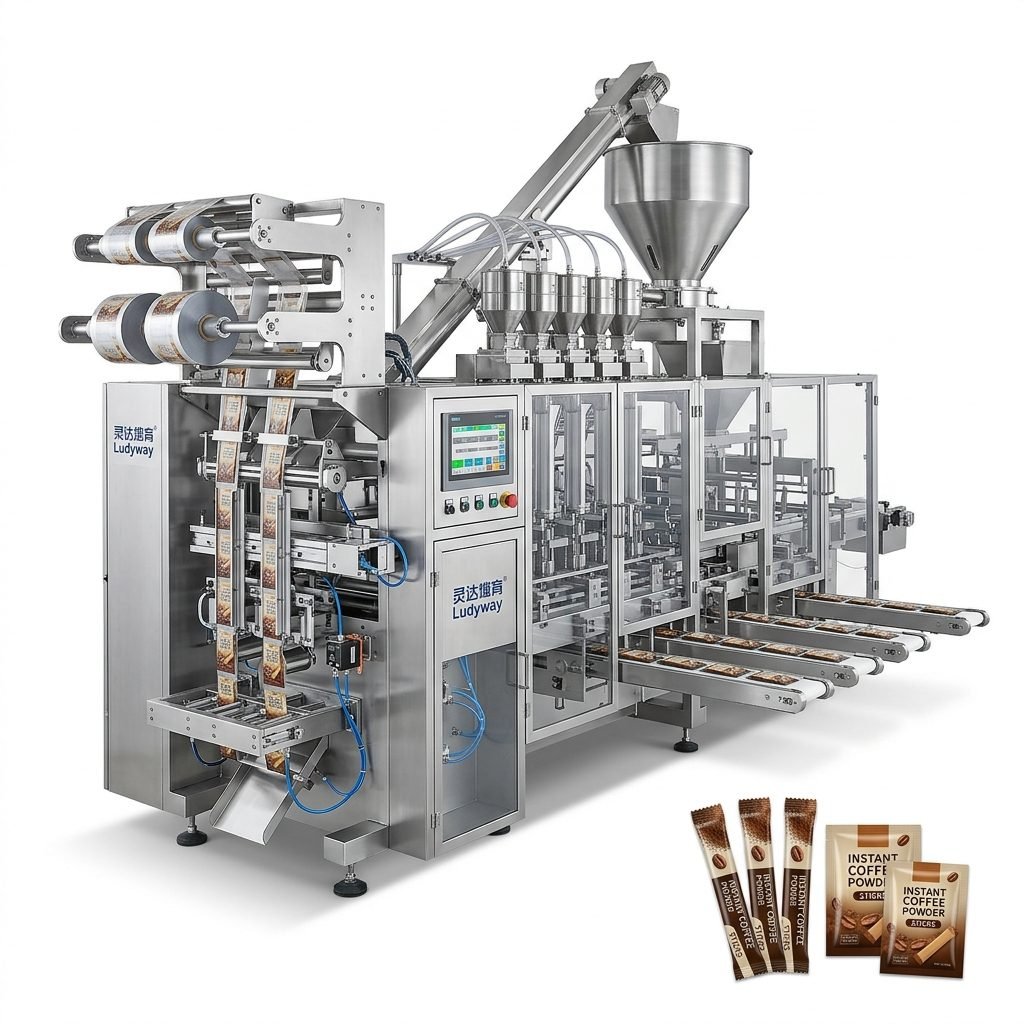
For single-serve powders (like drink mixes), liquid shots, or small granular products, stick pack and sachet machines are ideal. They create slim, elongated pouches from roll stock film. These machines are compact and efficient, offering an excellent barrier for product freshness. Leading suppliers like Ludyway Machinery offer advanced multi-lane systems that dramatically increase output for these popular packaging formats.
Tray Sealing and Thermoforming Machines
For premium chocolates, assorted gift boxes, or products requiring high visibility and protection, tray sealing and thermoforming machines are key. Thermoforming machines heat a plastic sheet to form a cavity (tray), which is then filled and sealed with a lidding film. This method provides superior product presentation and excellent barrier properties against moisture and oxygen.
Cartoning and Secondary Packaging Equipment
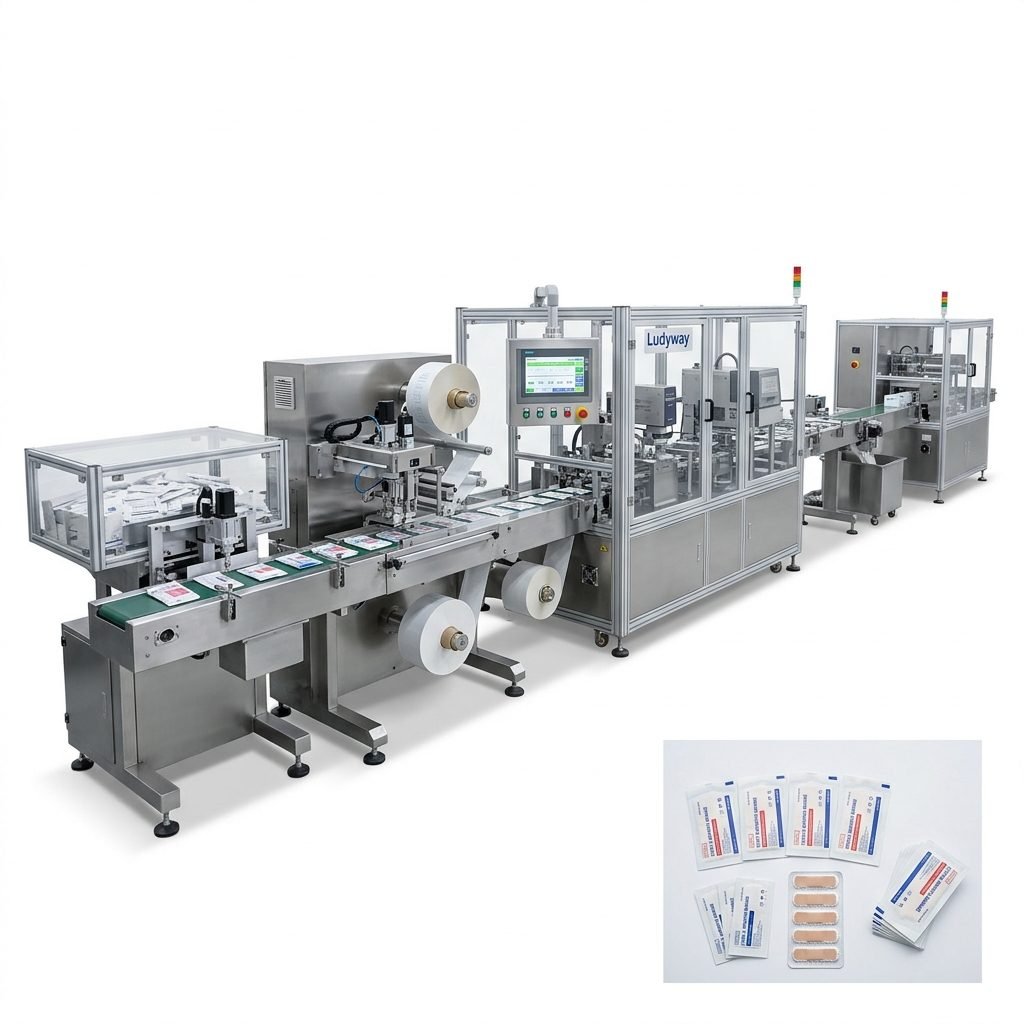
After primary packaging, products often need to be collated into cartons, boxes, or display-ready trays. Automatic cartoners erect, load, and seal cartons at high speeds. This equipment is crucial for creating the final retail-ready unit, ensuring consistency and reducing manual labor.
Essential Features to Evaluate
Beyond the machine type, several core features determine performance, flexibility, and longevity.
Speed and Production Capacity
Measured in packs per minute (PPM), this must align with your current and projected output needs. Consider not just peak speed but sustainable operating speed with your specific product and packaging material.
Flexibility and Changeover
How quickly and easily can the machine switch between different product sizes or packaging materials? Look for features like tool-less changeover, servo-driven adjustments, and recipe storage to minimize downtime during production runs.
Construction and Hygiene Design
For food contact, machines should be built with food-grade stainless steel in critical areas. A smooth, easy-to-clean design with minimal crevices (hygienic design) is vital for meeting food safety standards like FDA, BRC, or ISO 22000.
Control System and Integration
A modern, user-friendly PLC-based touchscreen HMI (Human-Machine Interface) is essential for operation, monitoring, and troubleshooting. The machine should also offer connectivity (Industry 4.0) for integration into wider factory monitoring systems.
Material Handling and Compatibility
Ensure the machine is compatible with your chosen packaging films or laminates (e.g., MET PET, OPP, aluminum foil). It should handle the material’s thickness and properties without excessive waste or jamming. Features like precise tension control are important.
How to Choose the Best Solution: A Step-by-Step Guide
Making the right investment requires a systematic evaluation of your needs against the available technology.
Step 1: Define Your Product and Packaging Requirements
Start with the basics: What are you packaging? (e.g., solid chocolate, sticky gummies, dusty powder). Define the primary package type (bag, stick pack, flow wrap), size range, and required shelf life. This determines the necessary sealing type (heat seal, cold seal) and barrier properties of the film.
Step 2: Analyze Your Production Volume and Goals
Calculate your required output in packs per shift or day. Factor in future growth. A machine operating at 70-80% of its max capacity is often more reliable than one constantly running at 100%. Consider if you need a standalone machine or a complete integrated line with feeders, checkweighers, and cartoners.
Step 3: Evaluate Total Cost of Ownership (TCO)
Look beyond the initial purchase price. Consider:
• Operational costs (energy, compressed air consumption).
• Maintenance costs and spare part availability.
• Material waste (film waste percentage).
• Required operator skill level and training.
• Potential for upgrades or retrofits in the future.
Step 4: Assess Supplier Credibility and Support
The machine is only as good as the company behind it. Choose a supplier with proven experience in the confectionery sector, like Ludyway Packaging Machinery, which brings over 30 years of industry expertise. Key points to check:
✔ Availability of comprehensive after-sales service and technical support.
✔ Availability of spare parts and response time for service.
✔ Willingness and capability to provide a product test with your materials.
✔ References from existing customers with similar applications.
Step 5: Request a Product Test Run
Never buy a packaging machine untested with your actual product and packaging material. A factory acceptance test (FAT) at the supplier’s facility is crucial. It validates speed, efficiency, seal integrity, and overall performance, ensuring the machine meets your specific expectations before delivery.
Future Trends in Confectionery Packaging
The industry is continuously evolving. Smart machines with IoT sensors for predictive maintenance, increased use of sustainable and recyclable mono-material films, and robotics for flexible loading are becoming more prevalent. Choosing a supplier committed to innovation ensures your investment remains relevant. Partners focused on long-term cooperation, as detailed in the Ludyway company history, can help you navigate these future changes.
Frequently Asked Questions (FAQs)
What is the most important factor when choosing a confectionery packaging machine?
The single most important factor is ensuring the machine is reliably compatible with your specific product and packaging material. High speed is meaningless if the machine cannot consistently produce a proper seal or handle your product’s unique characteristics (e.g., oil, dust, shape). Always conduct a product test.
How much should I budget for a new packaging machine?
Costs vary widely based on type, speed, and automation level. A basic vertical pouch machine may start in the tens of thousands of dollars, while a high-speed, fully integrated chocolate bar wrapping line can cost several hundred thousand. Focus on Total Cost of Ownership (TCO) and ROI rather than just the initial price tag.
What is the typical lead time for delivery and installation?
Lead times can range from 12 to 30 weeks or more after order confirmation, depending on machine complexity and customization. This includes manufacturing, factory testing, shipping, and site installation. Plan your procurement timeline accordingly to avoid production delays.
How can I reduce packaging material waste?
Select a machine with precise film tension control and servo-driven film feed systems. Optimize the package design to minimize seal areas. Regularly maintain sealing jaws and cutters. Some advanced machines feature waste-trim recycling systems. A good supplier will help you optimize material usage.
Can one machine handle multiple different confectionery products?
Yes, many machines offer flexibility. The key is the changeover process. Look for “quick changeover” or “tool-less changeover” features that allow you to switch between pre-set product sizes in minutes rather than hours, maximizing line uptime for producers of multiple SKUs.