In the world of industrial production, the terms “packaging equipment” and “packaging machines” are often used interchangeably. However, for professionals making critical investment decisions, understanding the nuanced differences is essential. This guide will clarify these key terms, explore their distinct uses, and provide a structured framework to help you choose the right solution for your specific operational needs, whether you’re scaling up production or optimizing an existing line.
Defining the Core Concepts
At first glance, the distinction might seem semantic, but it has practical implications for planning and procurement.
What is Packaging Equipment?
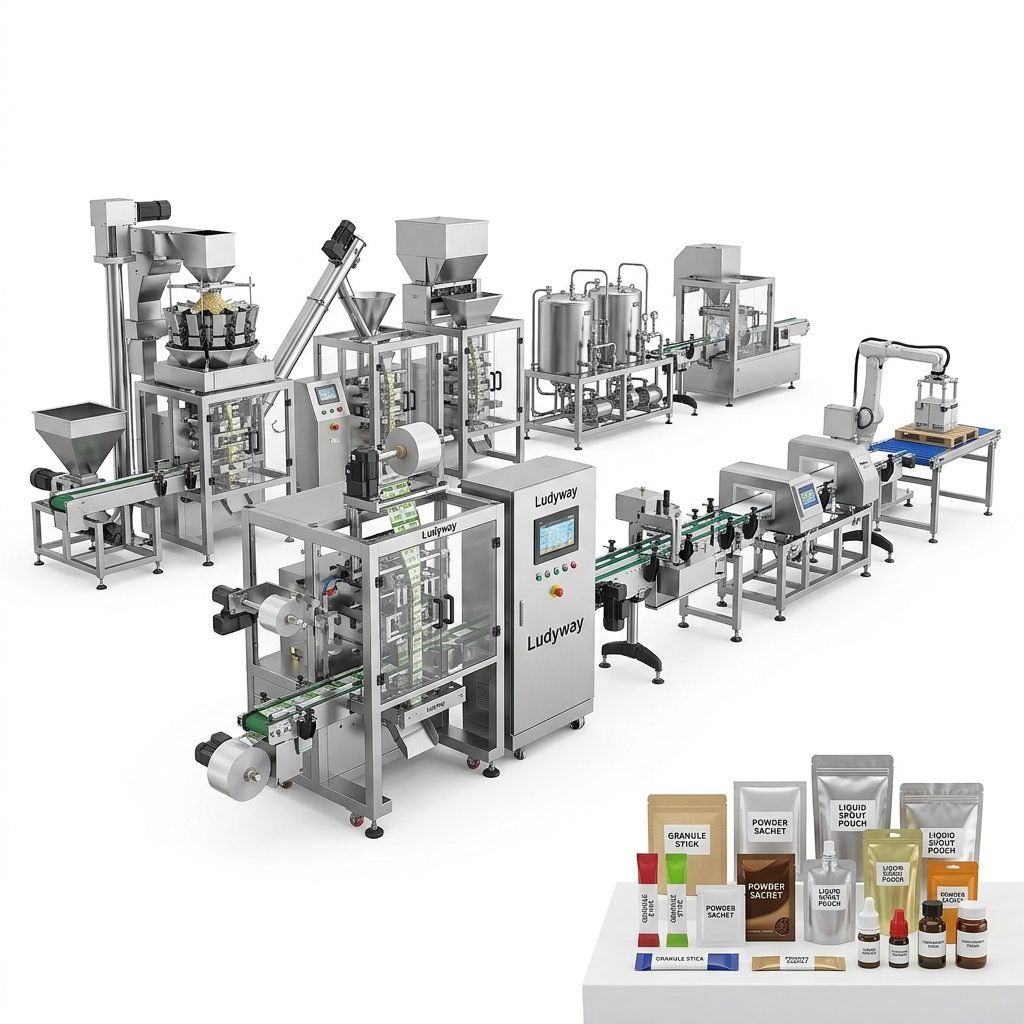
Packaging Equipment is a broad, all-encompassing term. It refers to the complete collection of machinery, devices, tools, and auxiliary systems involved in the packaging process. Think of it as the entire ecosystem required to get a product from its finished state into its final retail package. This includes not only the primary machines but also conveyors, sorters, labelers, coders, checkweighers, case packers, palletizers, and even the control software that integrates them.
Key characteristic: It represents a system or a suite of components working in concert.
What is a Packaging Machine?
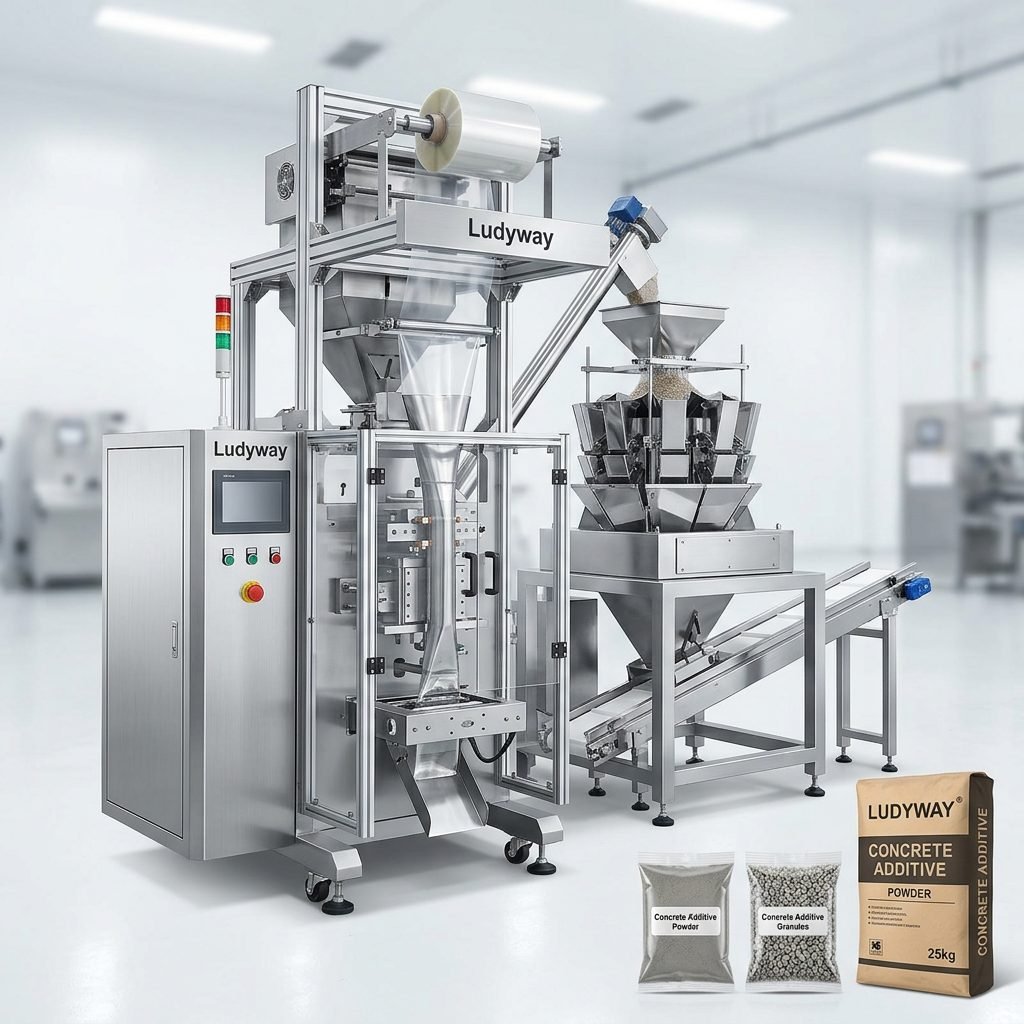
A Packaging Machine is a specific, standalone unit designed to perform a particular, discrete function within the packaging line. It is a subset of packaging equipment. Its role is well-defined: to execute one primary task repeatedly with high precision and speed.
Examples include:
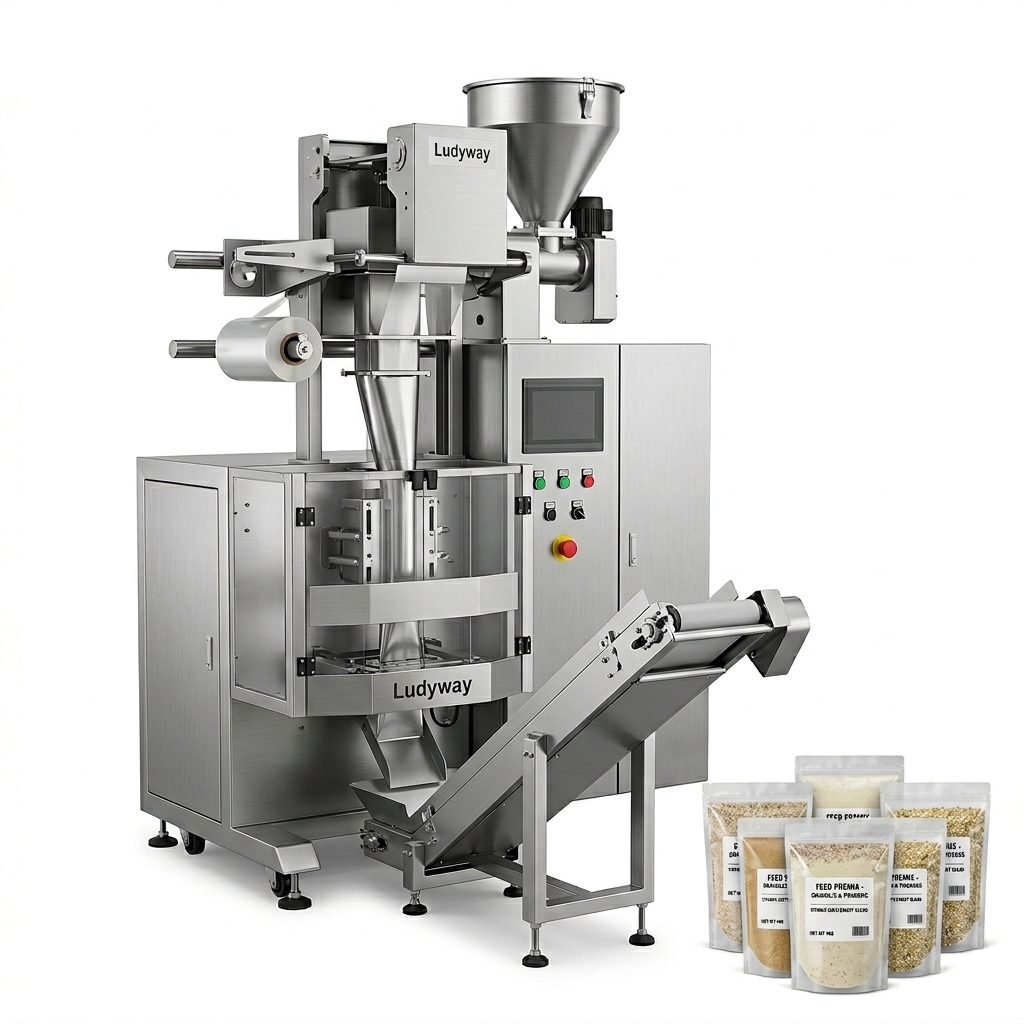
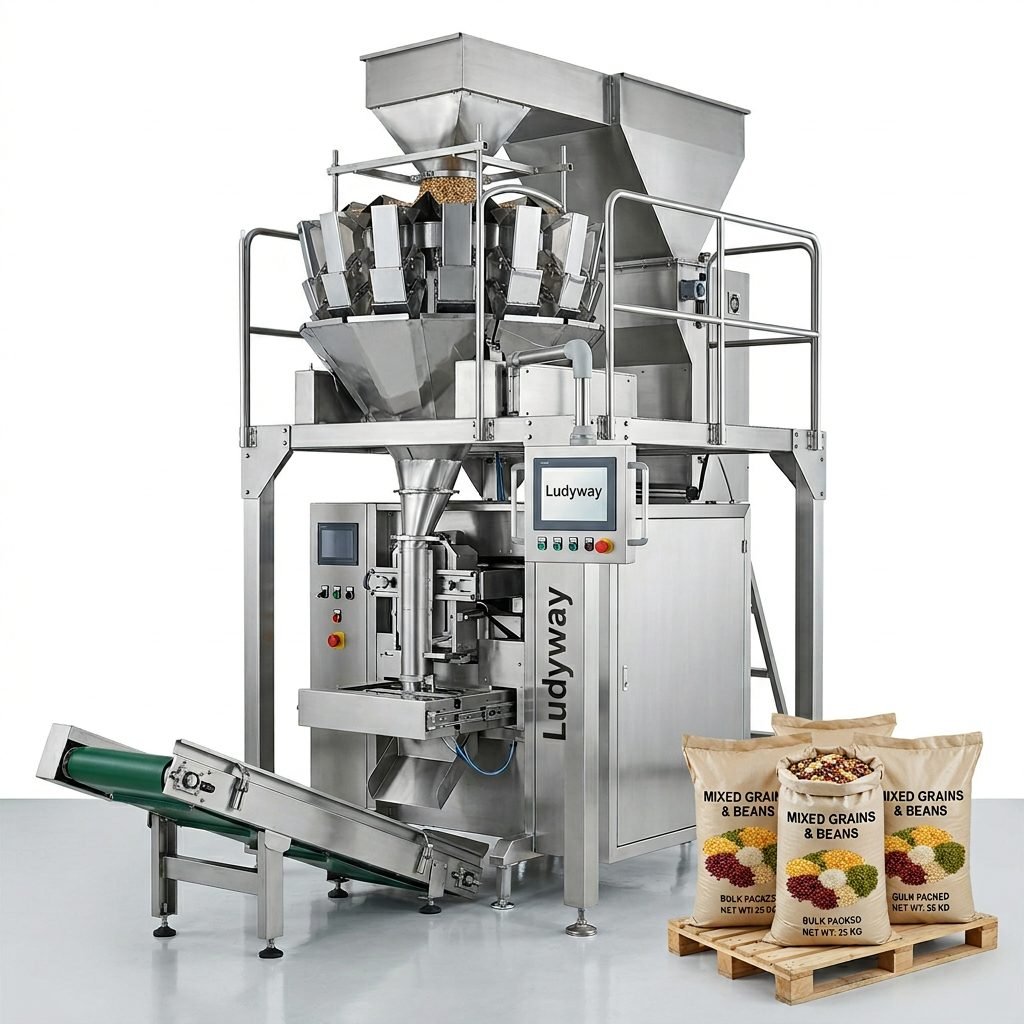
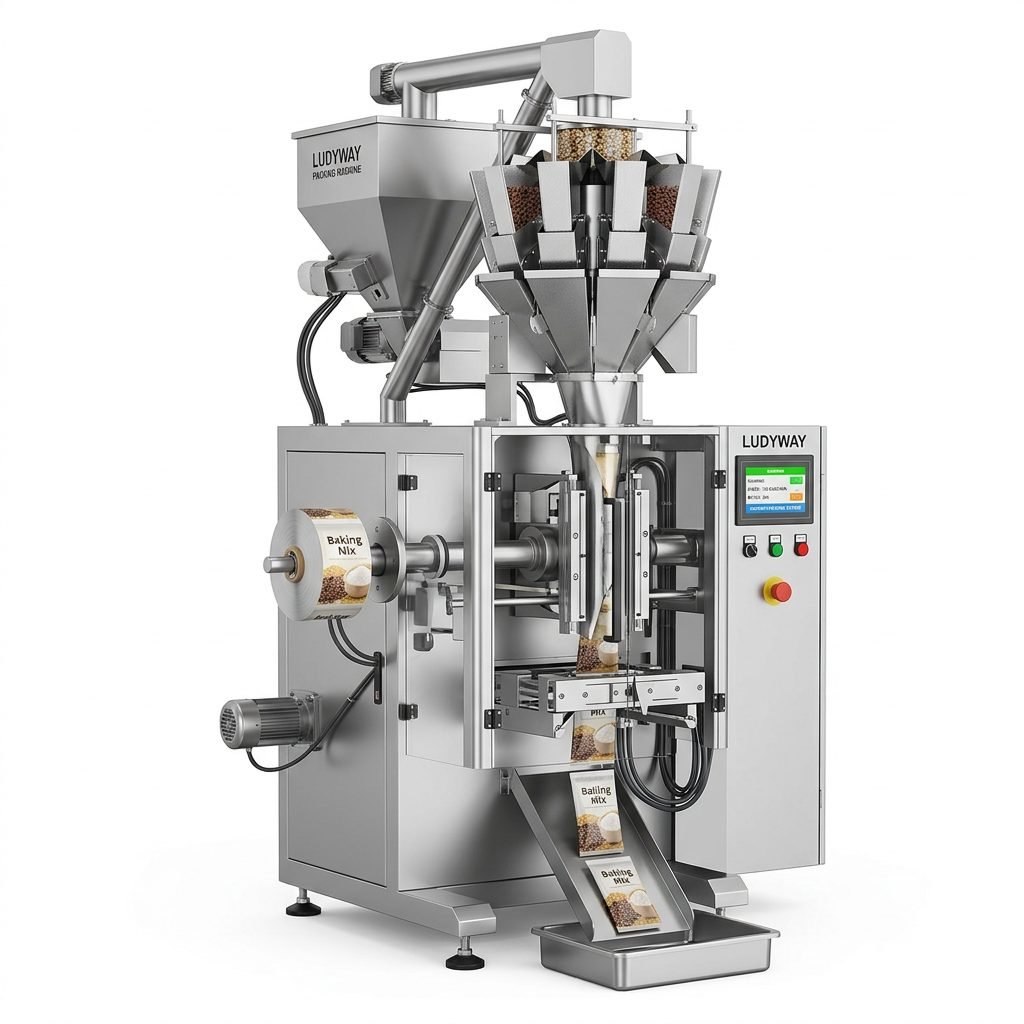
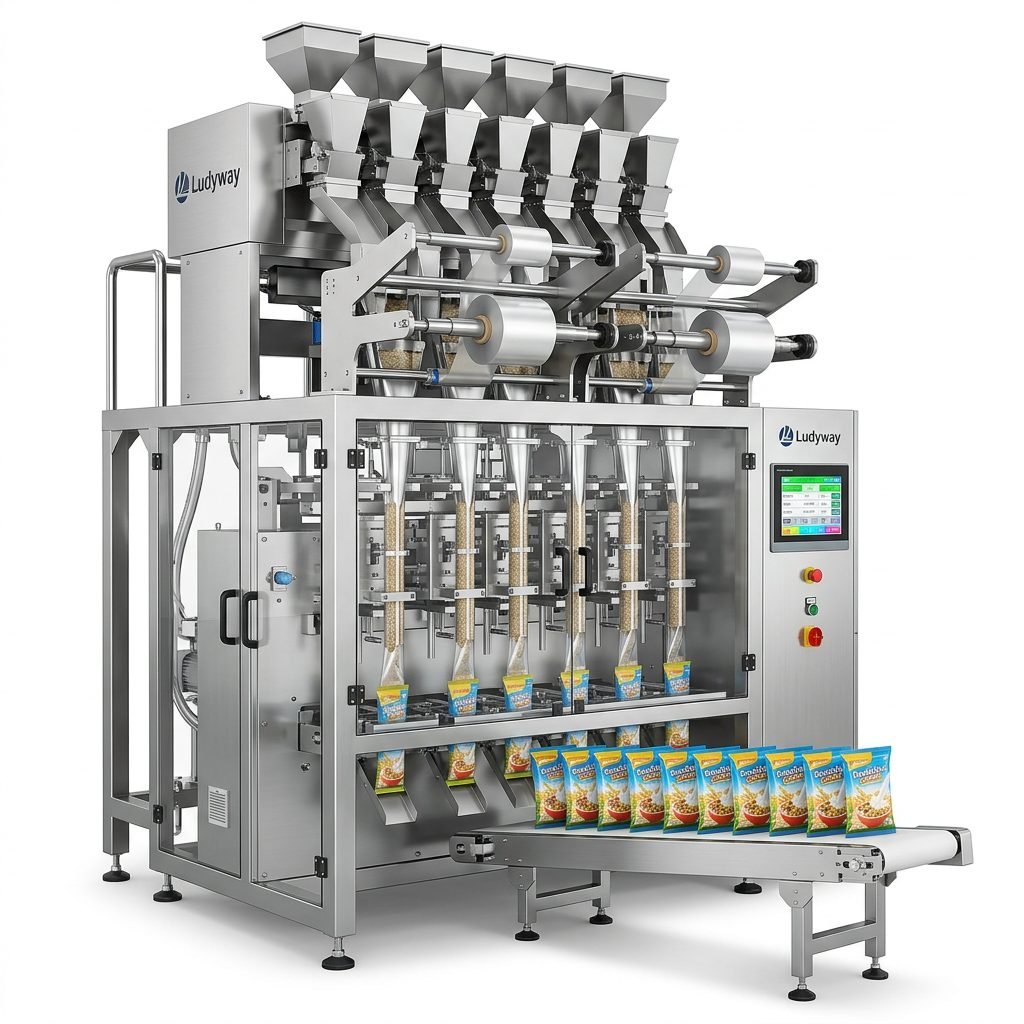
- Vertical Form-Fill-Seal (VFFS) Machine: Forms bags from a roll of film, fills them with product, and seals them.
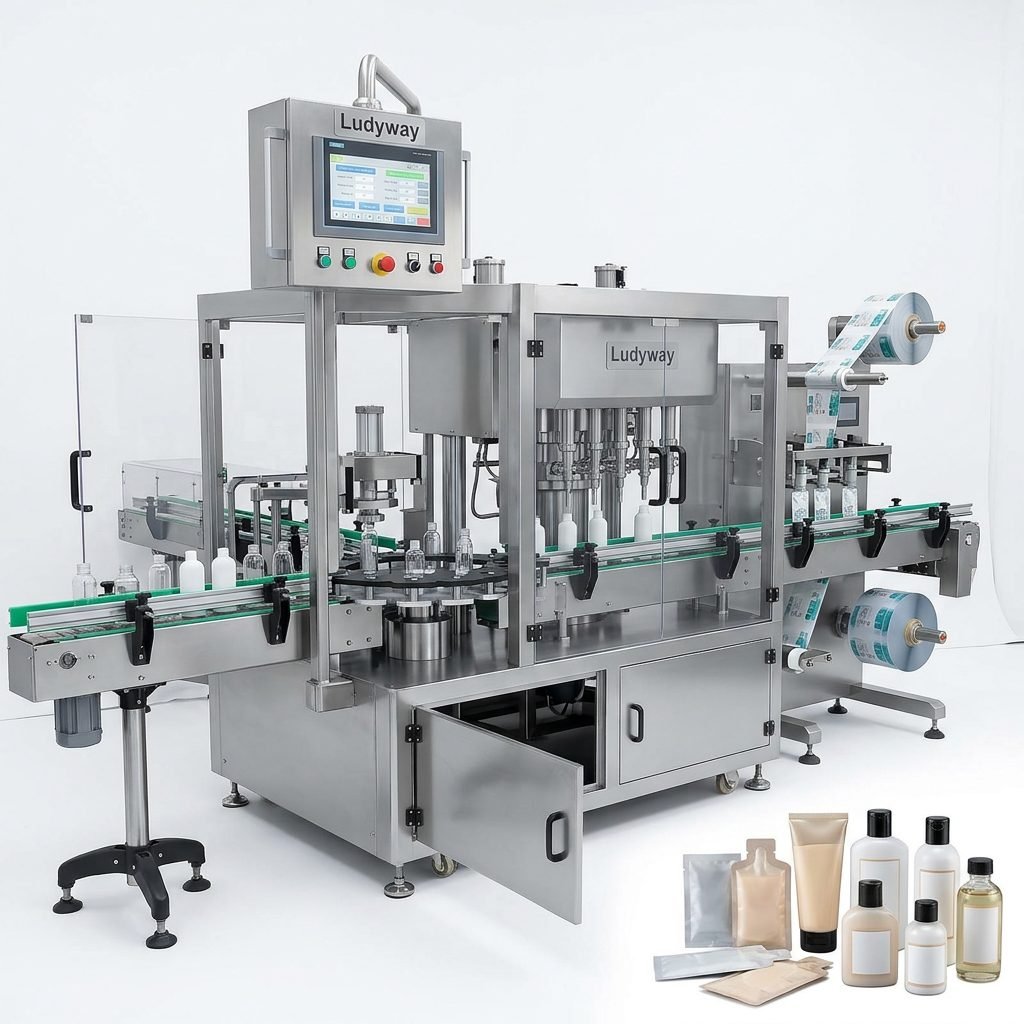
- Liquid Filling Machine: Precisely dispenses liquid volumes into bottles or pouches.
- Cartoning Machine: Erects cartons, inserts products, and closes flaps.
Key characteristic: It is a single-function asset within the larger system.
Key Differences: Equipment vs. Machines
The table below summarizes the primary distinctions between these two critical concepts.
| Aspect | Packaging Machine | Packaging Equipment |
|---|---|---|
| Scope | Individual, single-purpose unit. | Complete system or collection of machines and components. |
| Functionality | Performs one core task (e.g., filling, sealing, wrapping). | Manages the entire end-to-end packaging process. |
| Complexity & Investment | Lower complexity and capital cost. | Higher complexity, integration needs, and total investment. |
| Flexibility | Limited to its designed function; may be modular. | Highly flexible; systems can be configured and scaled. |
| Primary Goal | To automate a specific, repetitive action. | To achieve a seamless, efficient, and integrated packaging workflow. |
Primary Uses and Applications in Industry
When to Focus on a Packaging Machine
Investing in a specific machine is ideal for targeted problem-solving or incremental automation.
- Bottleneck Resolution: Replacing a slow, manual sealing station with an automatic sealing machine.
- Process Introduction: Adding a coding machine to imprint batch dates where none existed before.
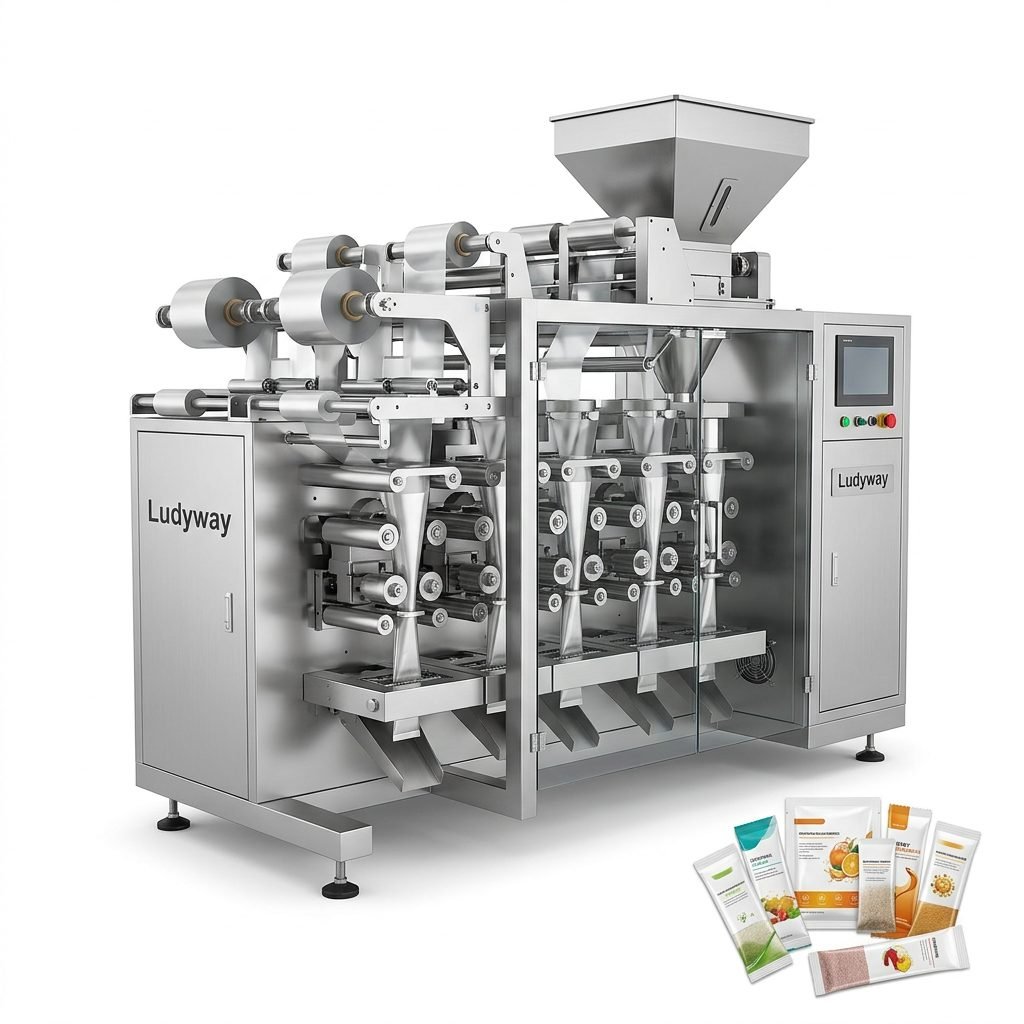
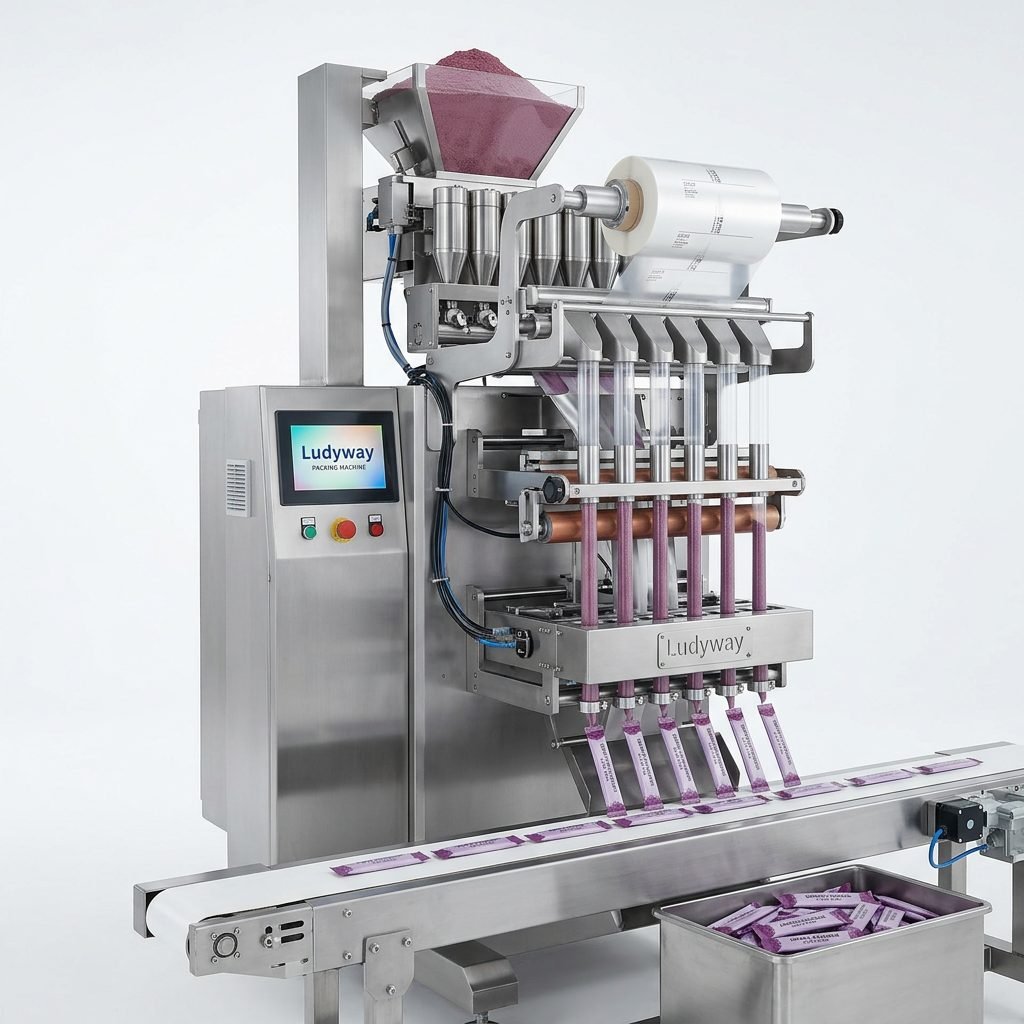
- Low-Volume or Startup Production: A single sachet packaging machine can be sufficient for small batches.
- Pilot Projects or Product Testing: Using a single machine to package a new product line before full-scale investment.
When to Invest in Packaging Equipment (The Integrated System)
A full equipment approach is necessary for greenfield projects or major capacity upgrades.
- Greenfield Factory Setup: Designing a complete packaging hall from scratch for a new product.
- High-Speed, High-Volume Production: Beverage or snack lines requiring seamless integration from filler to palletizer.
- Complex Packaging Formats: Pharmaceutical blister packs that require forming, filling, sealing, cartoning, and serialization in one line.
- Demanding Hygiene & Safety Standards: Food or sterile medical device packaging requiring a controlled, integrated environment.
How to Choose: A Step-by-Step Decision Framework
Selecting between a machine and integrated equipment is a strategic decision. Follow this framework.
Step 1: Analyze Your Current & Future Needs
Ask critical questions: What is your current output (units/minute)? What are your 3-5 year growth projections? How often do you change packaging formats or run different products? A single machine suits stable, low-growth scenarios. If you anticipate rapid scaling or product diversification, planning for an expandable equipment system from the outset is more cost-effective.
Step 2: Audit Your Existing Line (If Applicable)
Is your goal to replace one obsolete component, or is the entire line inefficient? A thorough audit will reveal if you have a “weak link” (solved by a new machine) or “systemic friction” (requiring a re-engineered equipment solution).
Step 3: Define Your Must-Have Features
List non-negotiable requirements: speed, accuracy (e.g., fill weight tolerance), material compatibility (film type, bottle shape), connectivity (Industry 4.0 data output), and sanitation protocols. This list will filter available options for both machines and systems.
Step 4: Evaluate Total Cost of Ownership (TCO)
Look beyond the sticker price. For a machine, factor in installation, operator training, maintenance, and part costs. For equipment, include system integration engineering, software licensing, higher-skilled maintenance, and potential facility modifications. A reliable partner like Ludyway can help model these long-term costs.
Step 5: Partner with the Right Supplier
Your choice of supplier is paramount. Do they offer single machines, or can they provide a turnkey production solution? A supplier with deep application experience, like those with over 30 years in the industry, can guide you impartially. They should understand whether you need a component or a holistic system to achieve your efficiency goals.
Conclusion: Aligning Technology with Strategy
Choosing between packaging equipment and packaging machines is not about which is better, but about which is right for your specific operational strategy. A packaging machine is a tactical tool to enhance a particular step. Packaging equipment is a strategic asset designed to optimize the entire workflow, drive down cost-per-unit, and provide scalability. By carefully assessing your production volume, flexibility requirements, growth trajectory, and TCO, you can make an informed investment that delivers reliability and a strong return for years to come. Leveraging the expertise of seasoned packaging solution providers is invaluable in navigating this critical decision.
Frequently Asked Questions (FAQs)
Q1: Can I start with a single packaging machine and later build it into a full equipment line?
A: Yes, but planning is crucial. This is a common and sensible approach for growing businesses. The key is to choose machinery from suppliers that design with modularity and future integration in mind. Discuss your long-term vision with your supplier upfront so the initial machine can be compatible with future conveyors, controllers, and additional units.
Q2: Which typically has a higher maintenance cost: a single machine or an integrated system?
A: Integrated systems generally have higher aggregate maintenance costs due to more components. However, a well-designed system from a reputable provider often features centralized diagnostics and standardized parts, which can reduce downtime and simplify maintenance protocols. The cost of unplanned downtime in a high-speed system usually far outweighs routine maintenance expenses.
Q3: How important is software and connectivity in modern packaging equipment?
A: Extremely important. Modern packaging equipment systems are increasingly defined by their software. Connectivity for data collection (OEE, throughput, downtime reasons) is essential for lean manufacturing and continuous improvement. Look for machines and systems that offer standard data export protocols (OPC UA, MTConnect) to integrate with your Manufacturing Execution System (MES).
Q4: For a company new to automation, is it riskier to buy one machine or a full system?
A: Starting with a single, well-supported packaging machine to automate your most labor-intensive or inconsistent step is often the lower-risk entry point. It allows your team to build familiarity with automated processes, maintenance, and workflow changes on a smaller scale before committing to a major system-wide overhaul and investment.
Q5: What’s the biggest mistake companies make when choosing between these options?
A: The most common mistake is underestimating future growth and flexibility needs, leading to a shortsighted purchase based solely on current price and capacity. This often results in buying a machine that becomes a bottleneck in 18 months, requiring a costly replacement or workaround. Always base your decision on a 3-5 year business forecast, not just today’s requirements.