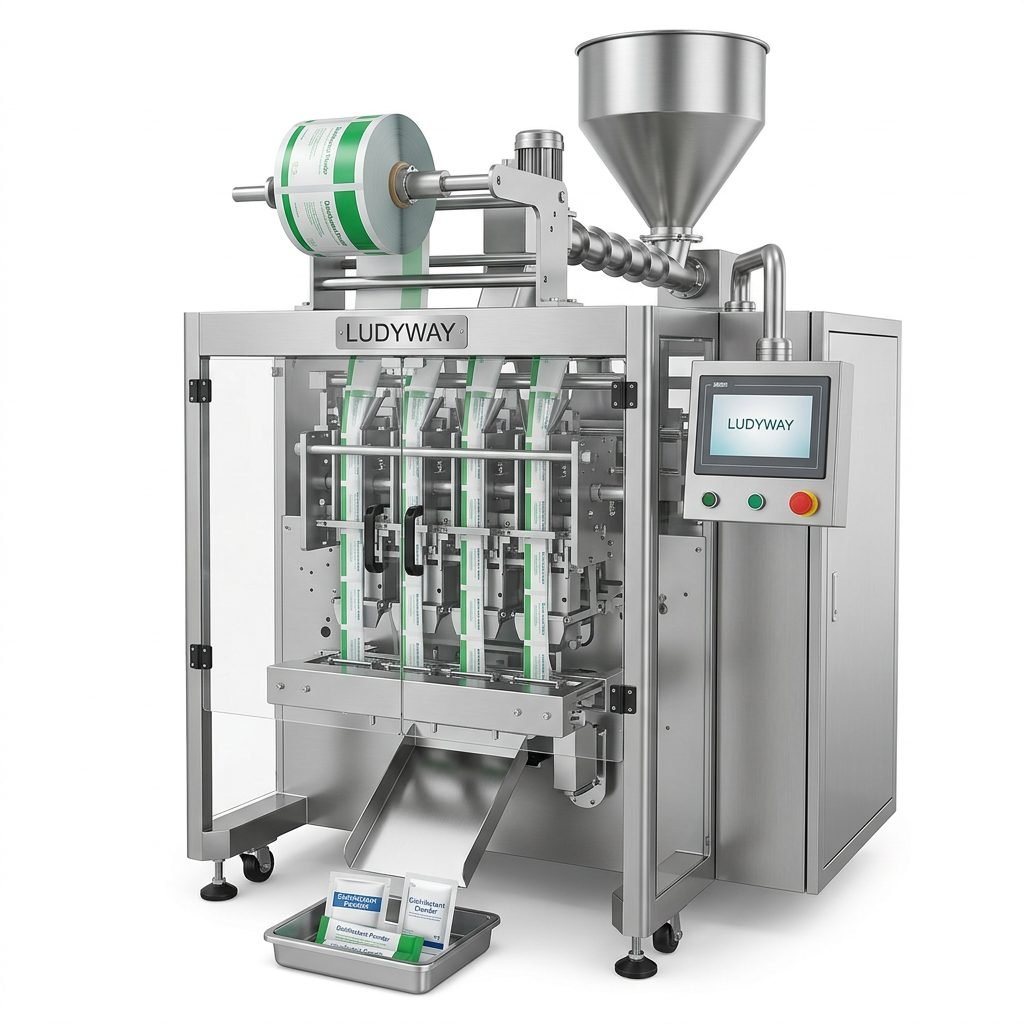
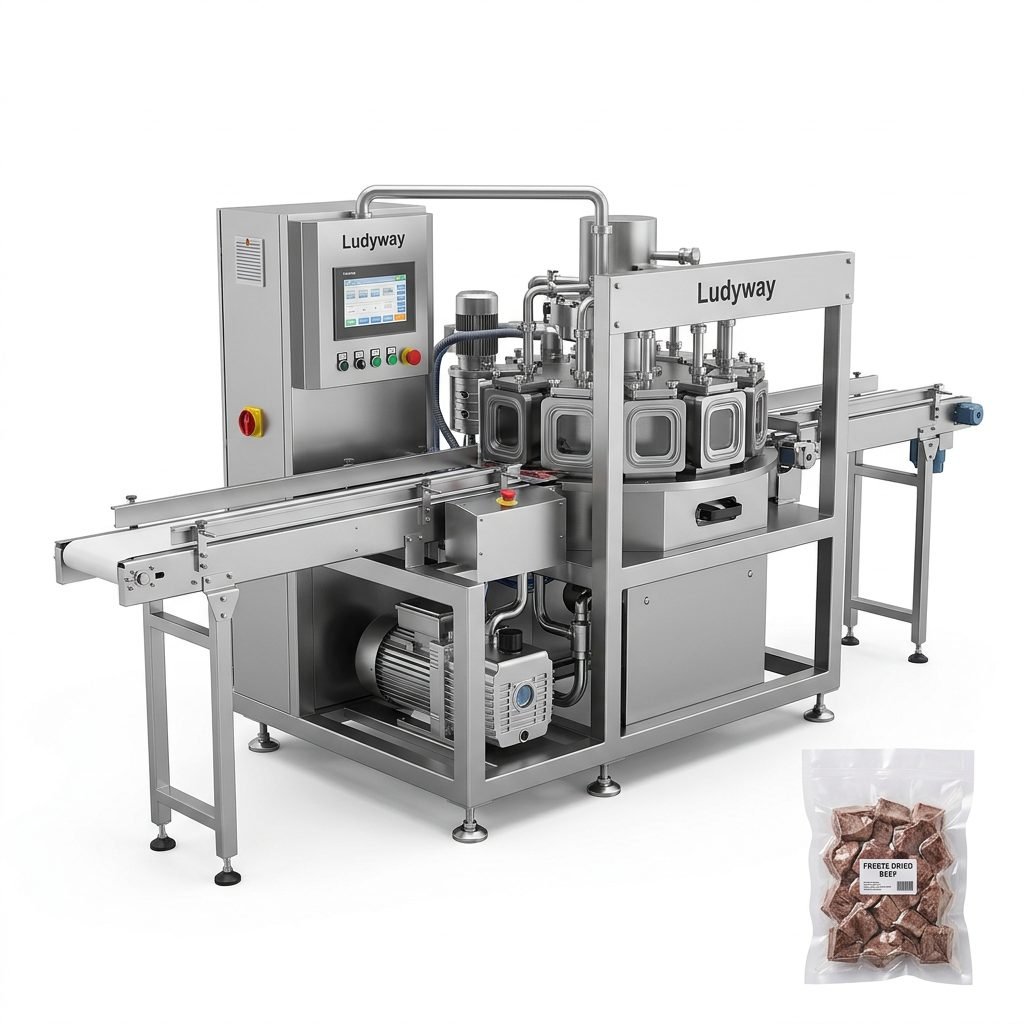
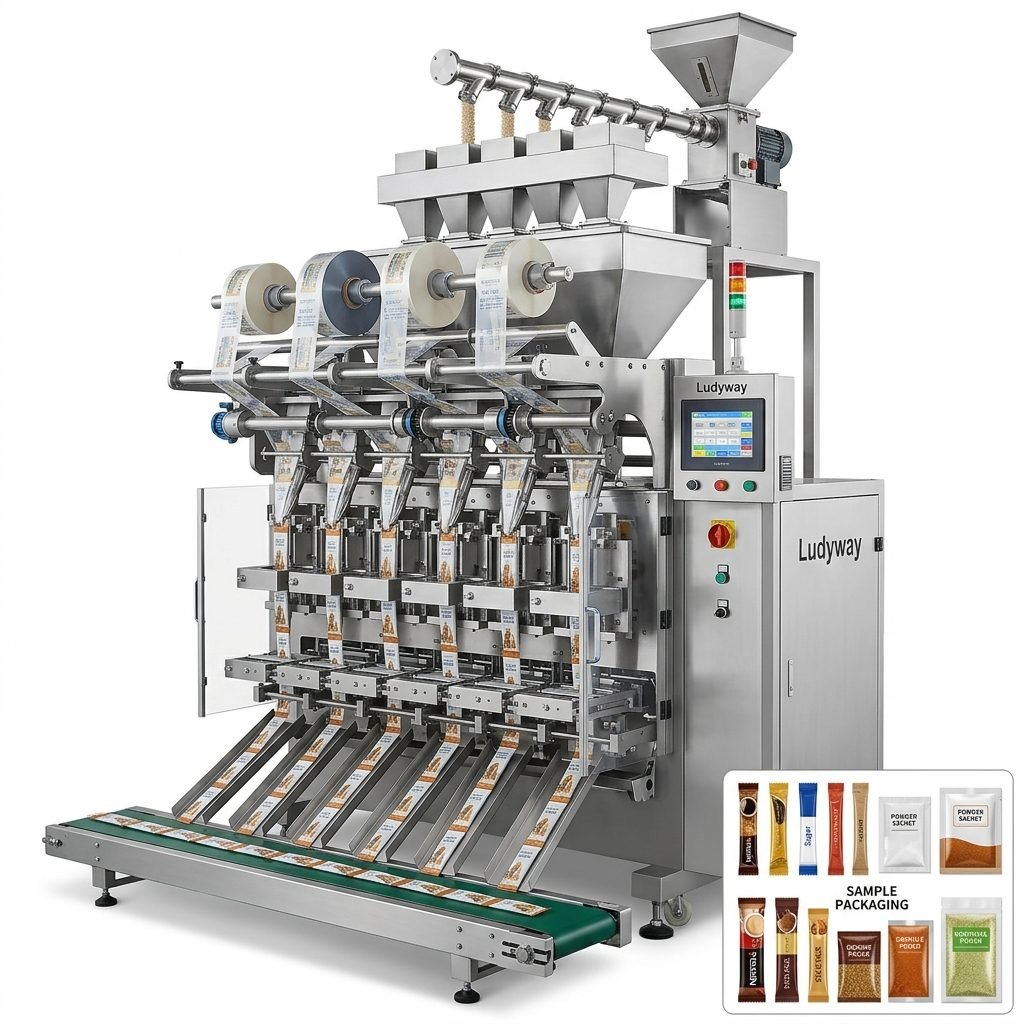
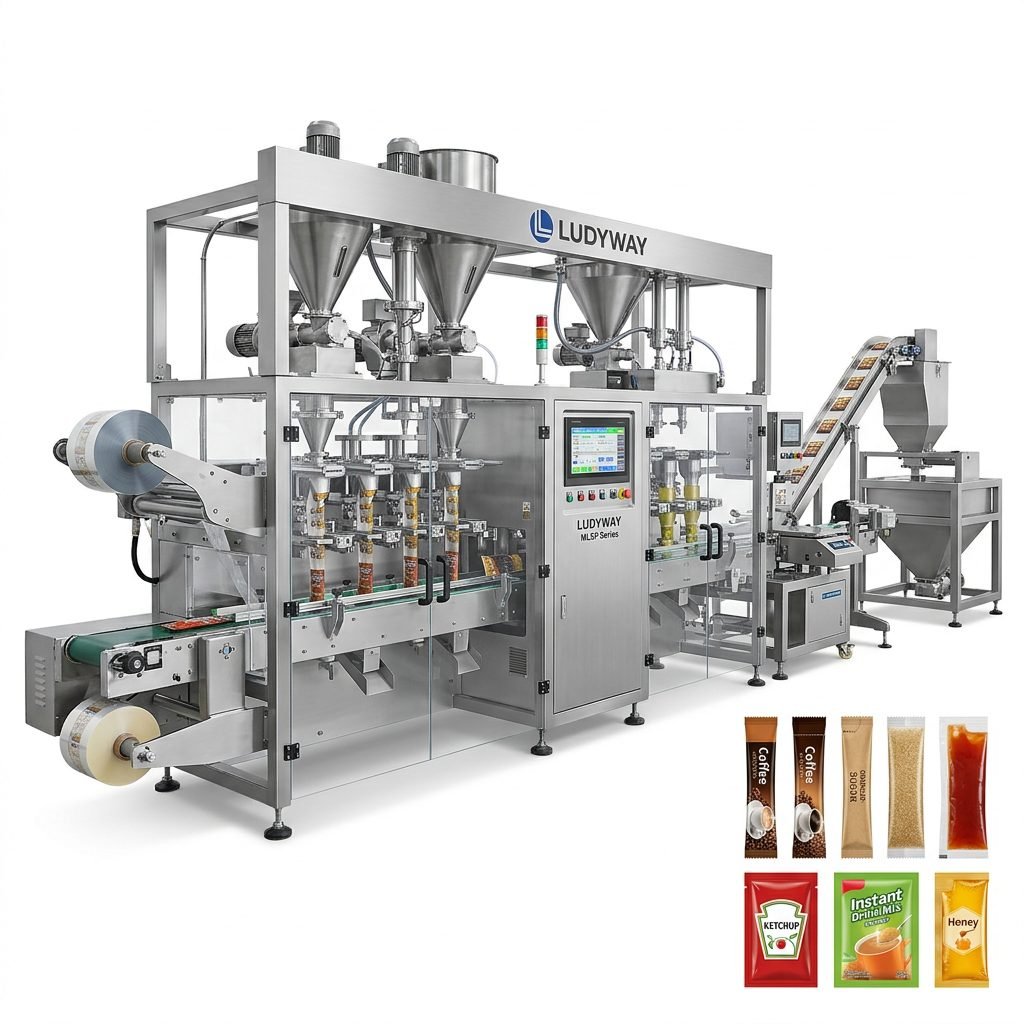
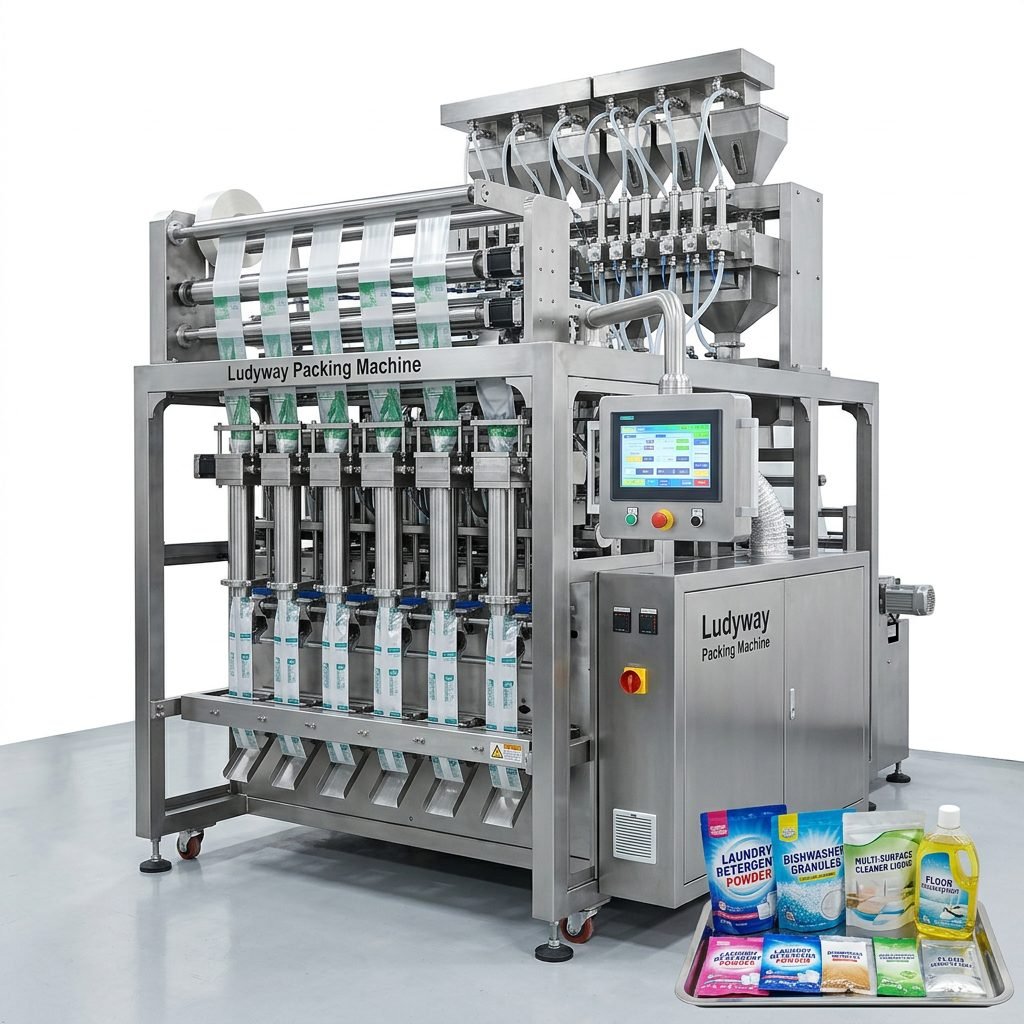
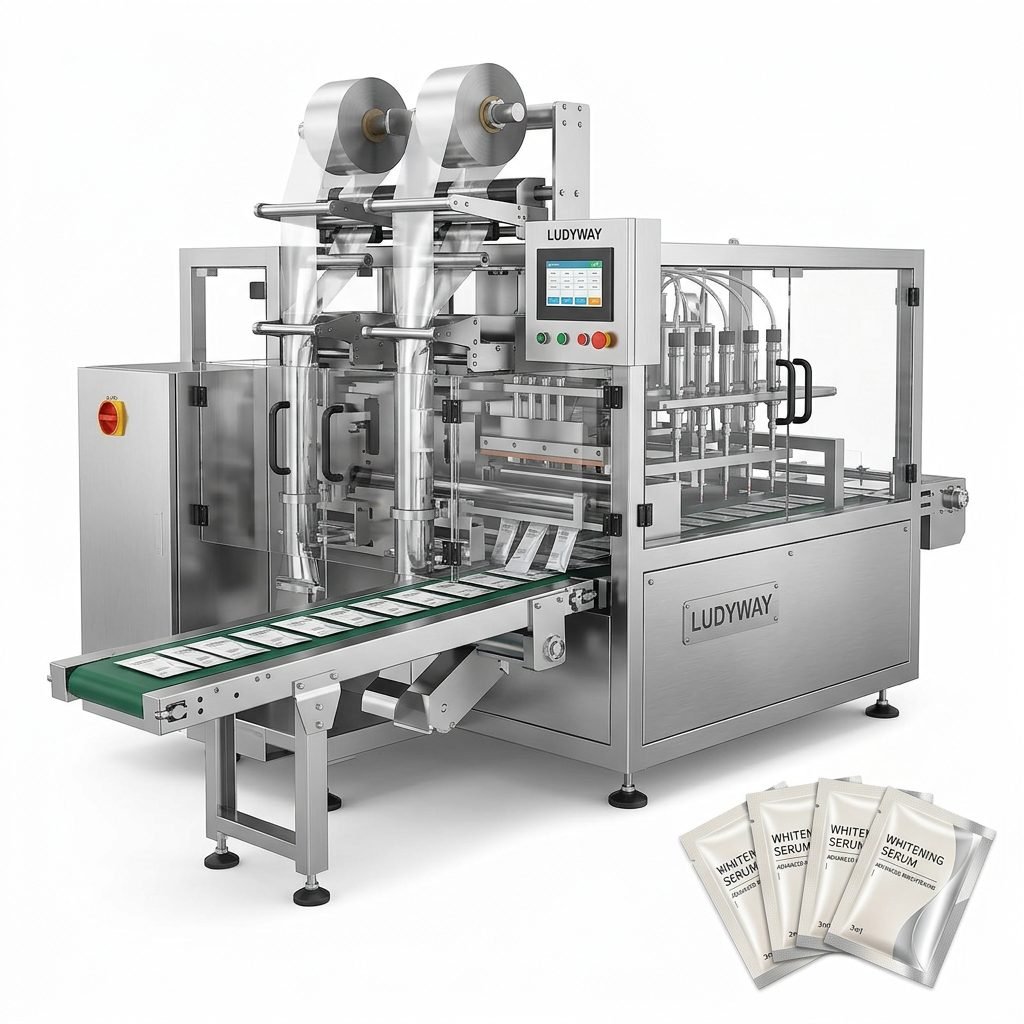
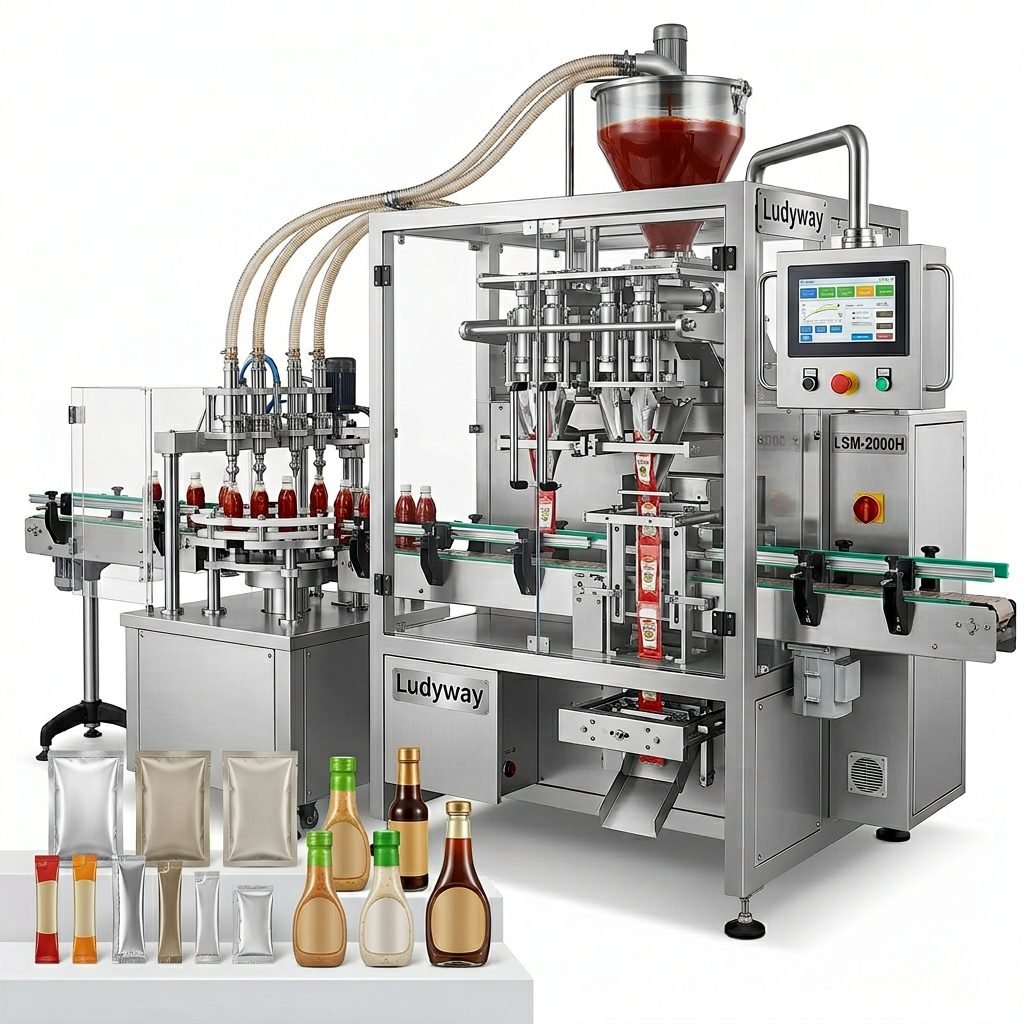
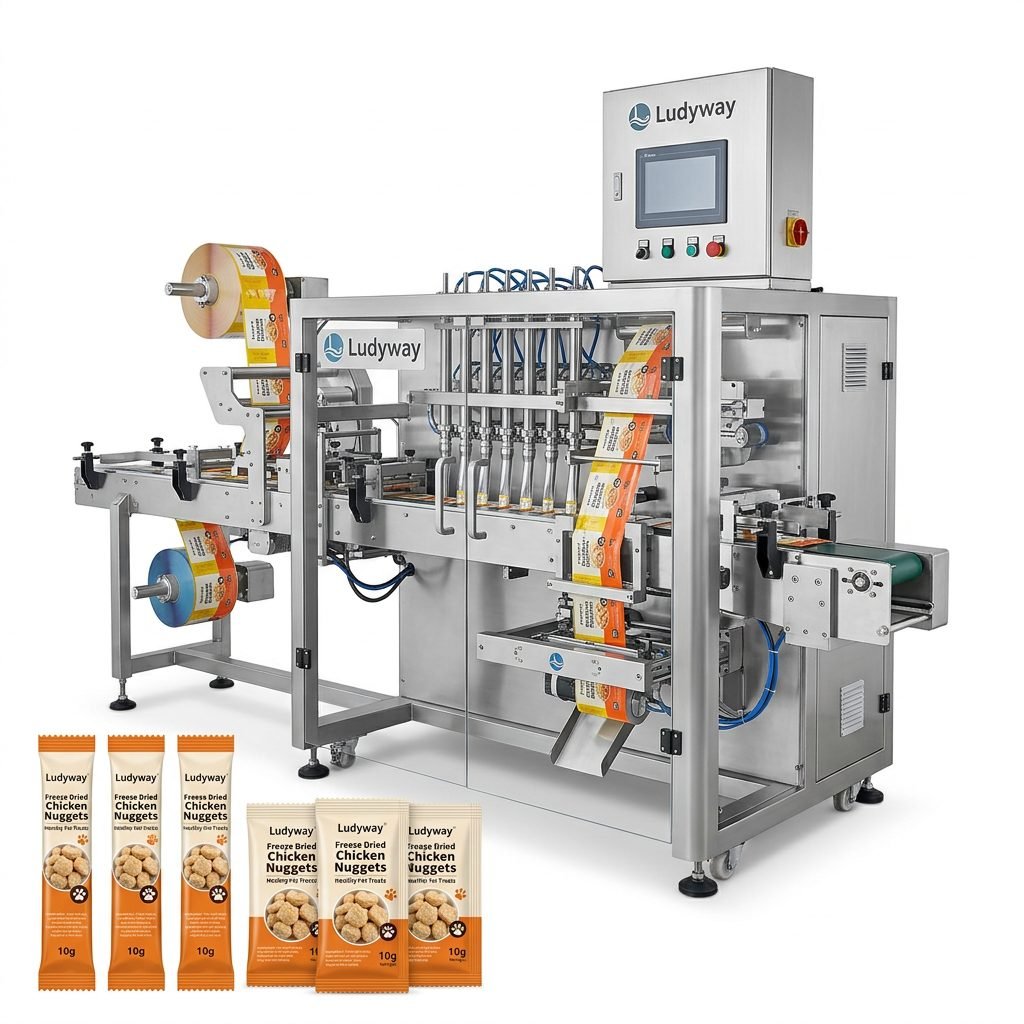
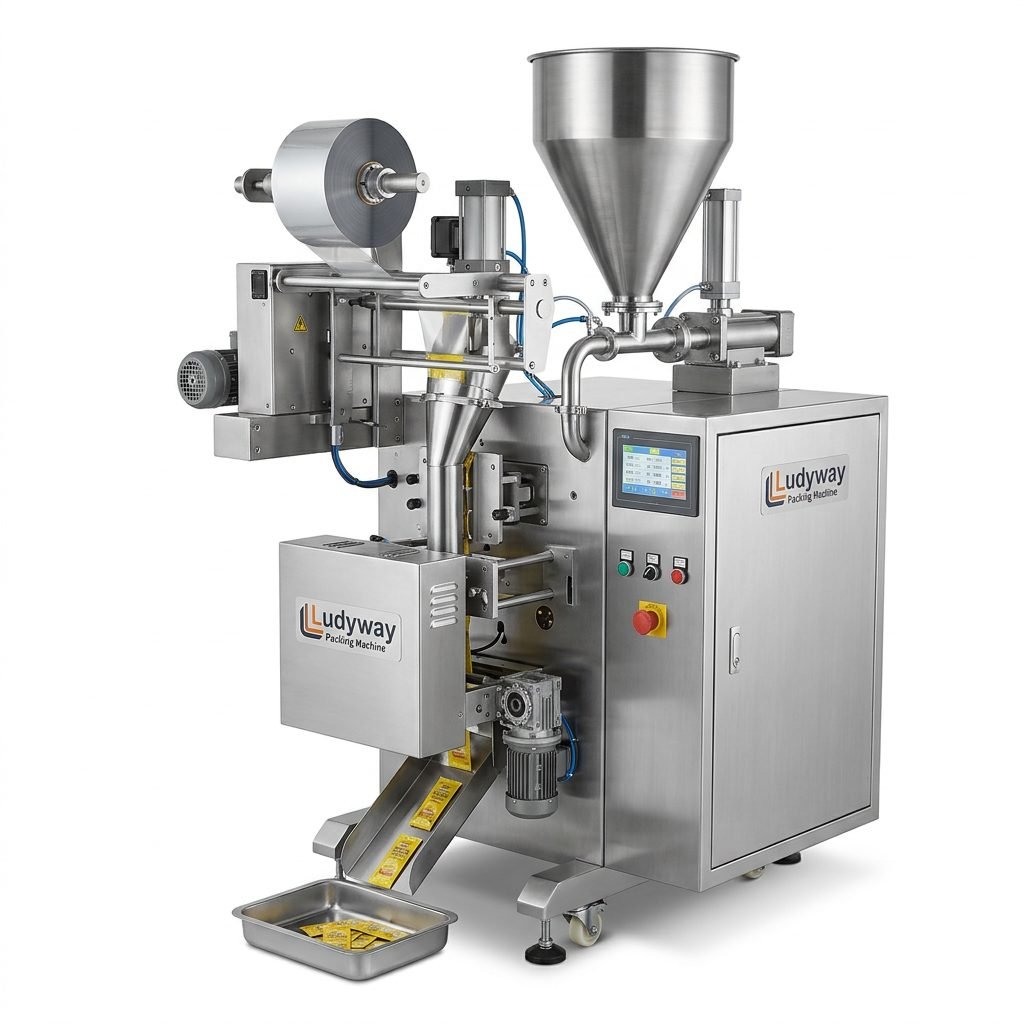
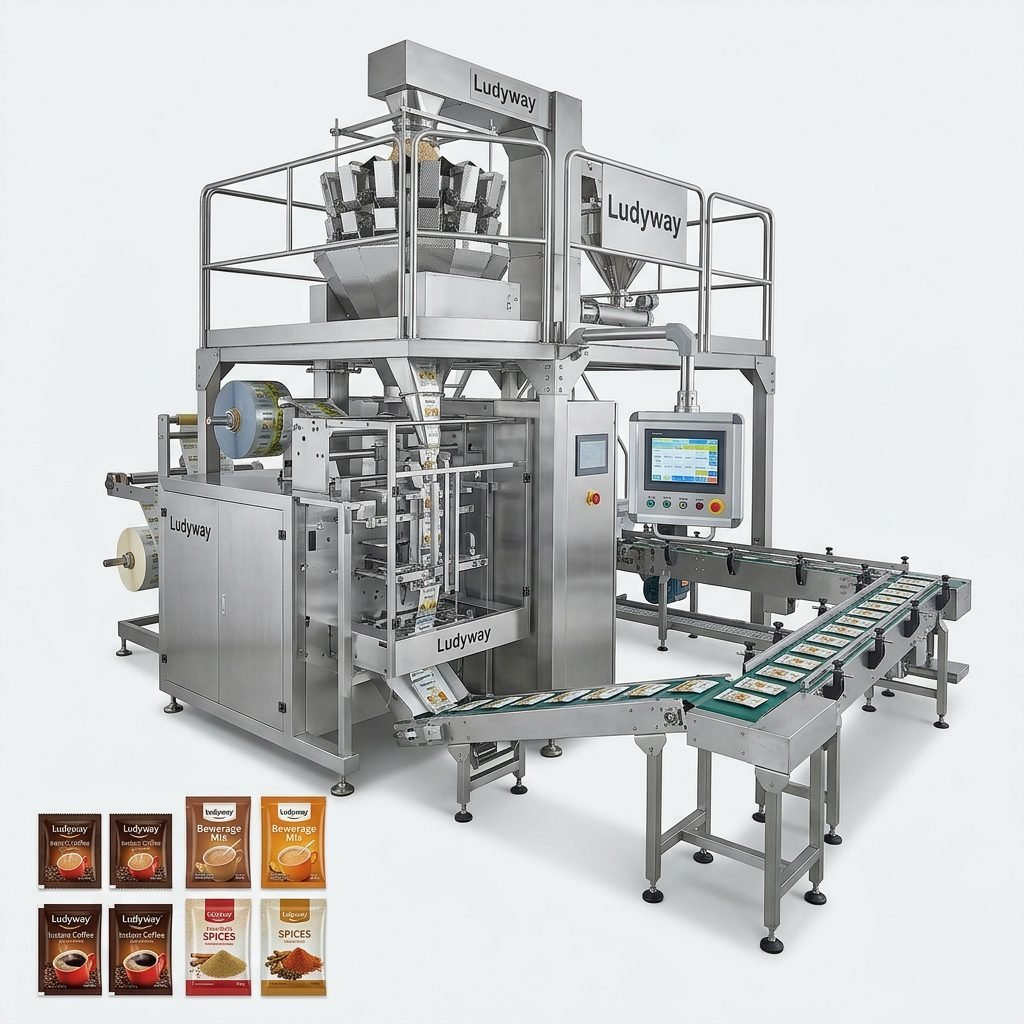
In today’s competitive manufacturing landscape, efficiency and cost-effectiveness are paramount. Automated packaging machinery has emerged as a transformative solution, enabling manufacturers to streamline operations, reduce expenses, and significantly scale their production output. This technology is not just about replacing manual labor; it’s about integrating intelligent systems that enhance precision, consistency, and overall throughput.
Core Benefits of Automated Packaging Systems
Implementing automated packaging lines offers a multitude of strategic advantages for production facilities.
Boost Operational Efficiency
Automation dramatically increases packaging speed and consistency. Machines can operate continuously at high speeds, handling tasks like filling, sealing, labeling, and casing with uniform precision. This eliminates variability and bottlenecks associated with manual processes, leading to a smoother, faster production flow. The result is a higher volume of packaged goods ready for distribution in a shorter timeframe.
Key Impact: Lines equipped with automated machinery often see throughput increases of 50% to 300%, depending on the previous manual setup and the complexity of the new system.
Cut Significant Costs
While the initial investment is a consideration, the long-term cost savings are substantial. Automation reduces direct labor costs associated with manual packaging. It also minimizes material waste through precise measurement and application, lowering per-unit packaging costs. Furthermore, the reduction in errors and product damage leads to fewer losses and returns. Over time, these savings contribute to a much lower total cost of ownership and improved profitability.
Financial Focus: Manufacturers typically report a 20-40% reduction in overall packaging-related expenses after integrating automation, including labor, materials, and overhead.
Scale Production Capacity
Automated systems are inherently scalable. They allow manufacturers to easily adjust to fluctuating demand by running longer hours or at higher speeds without the logistical challenges of hiring and training temporary staff. The modular design of many modern packaging lines also means capacity can be expanded by adding additional units or modules, facilitating growth without complete line redesigns.
This scalability ensures businesses can meet peak season demands, explore new market opportunities, and grow their output in alignment with business goals.
Key Features of Modern Packaging Machinery
Today’s advanced equipment goes beyond simple mechanization. Key features include:
High-Speed Precision
Utilizing servo motors and precision sensors, machines achieve exact filling weights and placements, critical for quality control and compliance.
Flexible & Adaptable Design
Many systems can handle a variety of package sizes, shapes, and materials with quick changeover features, maximizing utility across different product lines.
Integrated Quality Control
In-line vision systems, checkweighers, and metal detectors are often integrated, performing real-time inspections and rejecting non-conforming products automatically.
Data Connectivity & Analytics
Modern machines provide data on production rates, downtime, and maintenance needs, enabling predictive analytics and informed operational decisions.
Implementation Considerations for Manufacturers
Successful integration requires careful planning. Assess your current and future volume needs, product types, and available floor space. Choose machinery from reputable suppliers with proven reliability and strong technical support. Consider the ease of integration with your existing production line and warehouse systems. Training for staff on operation and basic maintenance is also crucial for long-term success.
Partnering with an experienced provider like Ludyway Machinery, which offers over 50 models of intelligent packaging systems, can streamline this process. Their focus on turnkey solutions for granules, powders, and liquids helps ensure the new system meets specific production goals from installation onwards.
Conclusion
Automated packaging machinery is a powerful investment for manufacturers aiming to enhance competitiveness. By boosting efficiency, cutting costs, and enabling scalable growth, it provides a solid foundation for increased productivity and profitability. As technology continues to advance, these systems will become even more intelligent, adaptable, and integral to modern manufacturing operations.
Common Questions
What is the typical payback period for automated packaging machinery?
Payback periods vary but often range from 1 to 3 years, based on increased output, labor savings, and reduced waste.
Can automated systems handle fragile or irregularly shaped products?
Yes, with customized tooling and gentle handling features like soft-touch grippers or vacuum systems, many machines can package delicate or non-standard items.
How much maintenance do these machines require?
Regular preventative maintenance is essential, but modern machines are designed for durability and often feature self-diagnostic systems to simplify upkeep.
Is it difficult to integrate new packaging machinery with existing production lines?
Integration challenges depend on the current setup. Many providers offer modular machines and conveyor interfaces designed for easy integration, and full turnkey solutions manage the entire process.
Can one machine package different types of products?
Many machines offer flexibility through quick-change parts and programmable settings, allowing them to switch between different products, sizes, or materials with minimal downtime.