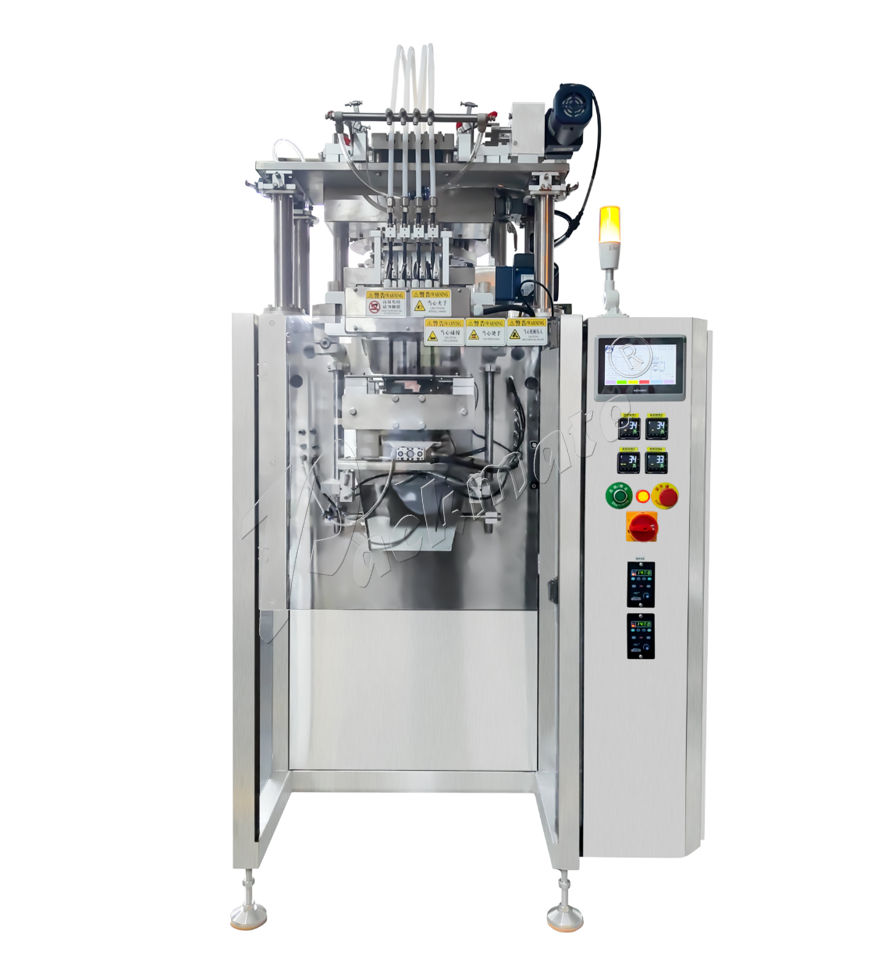
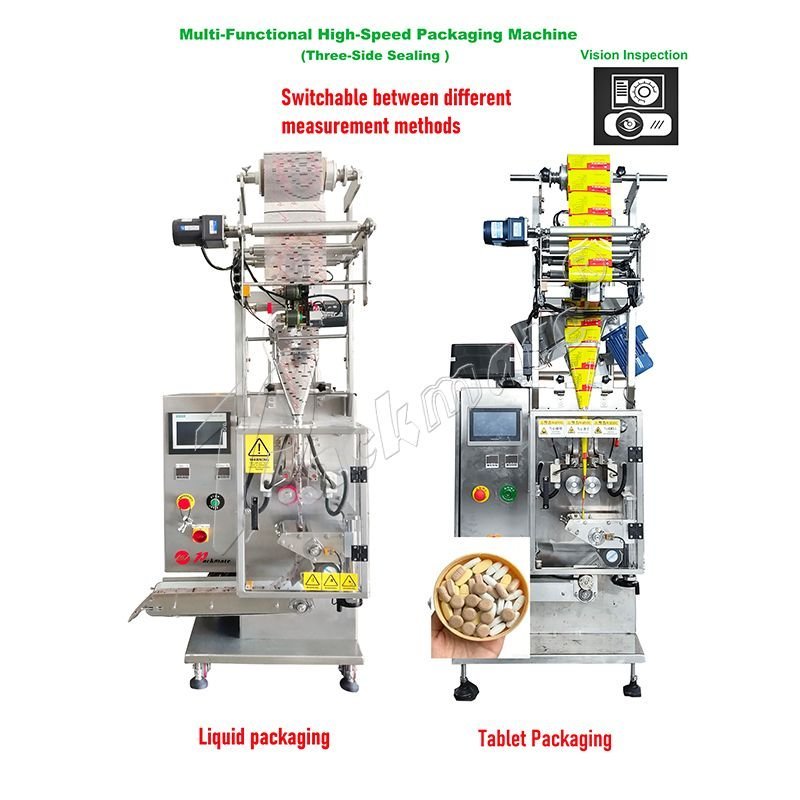
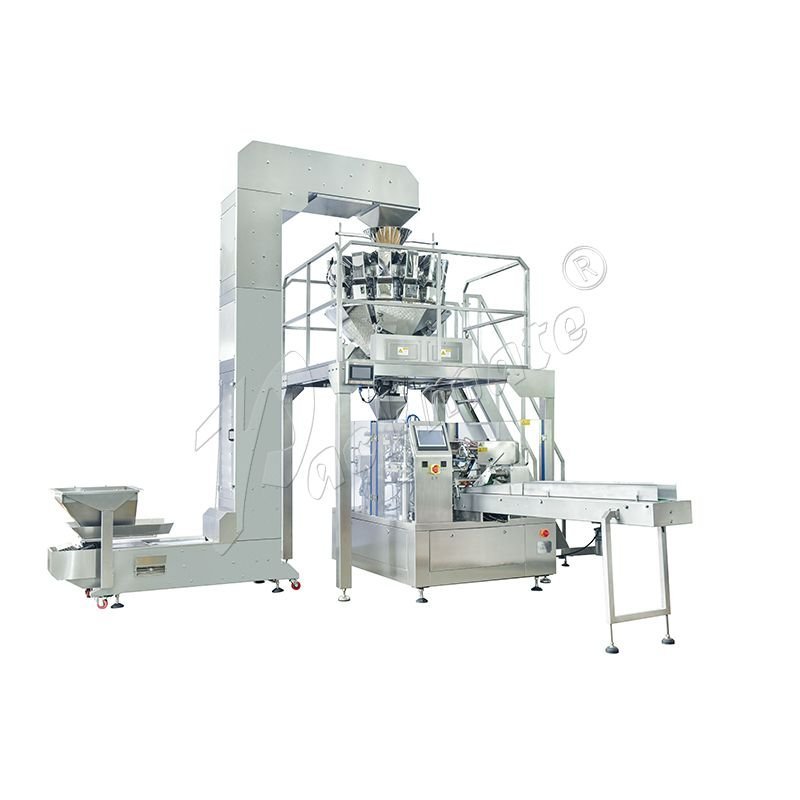
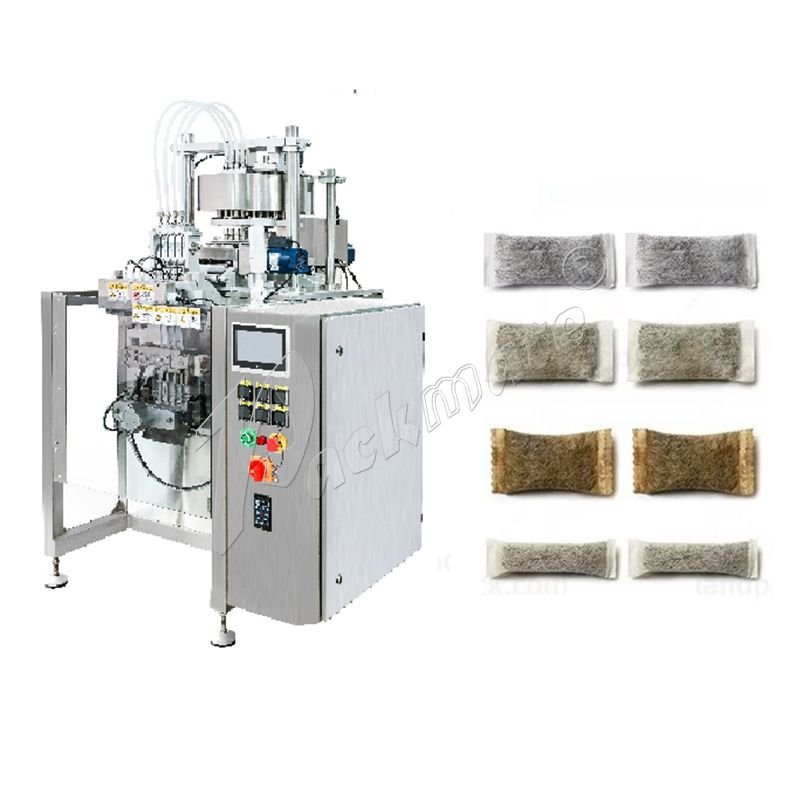
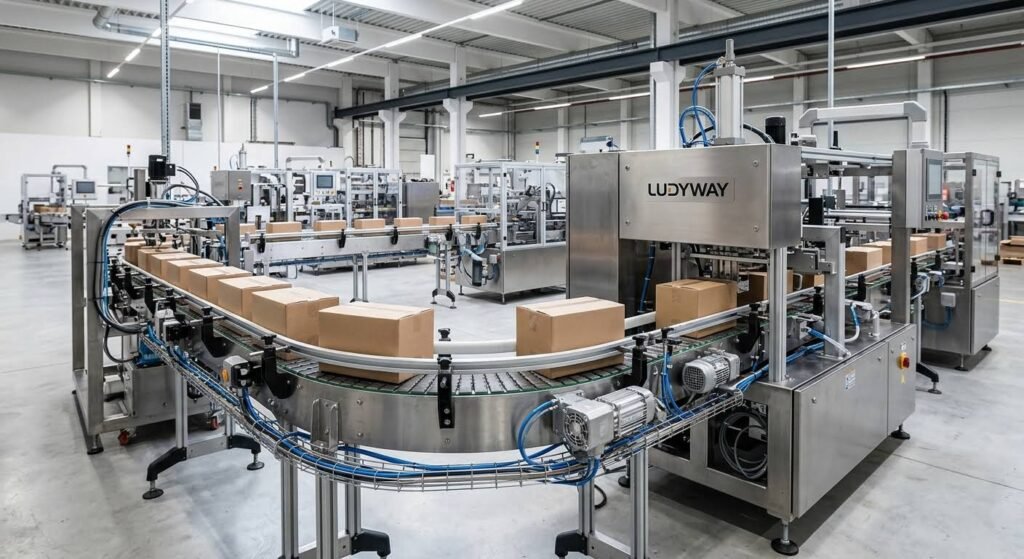
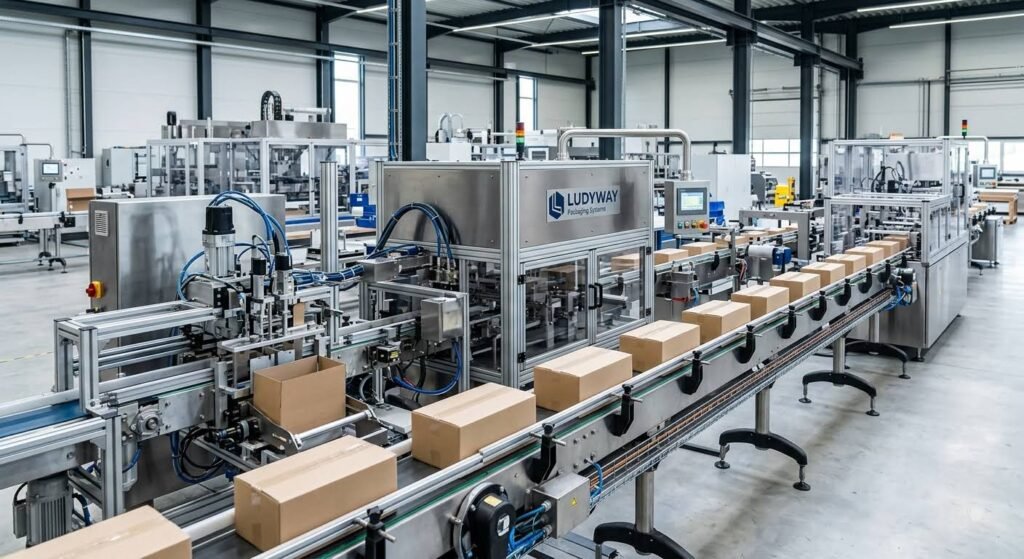
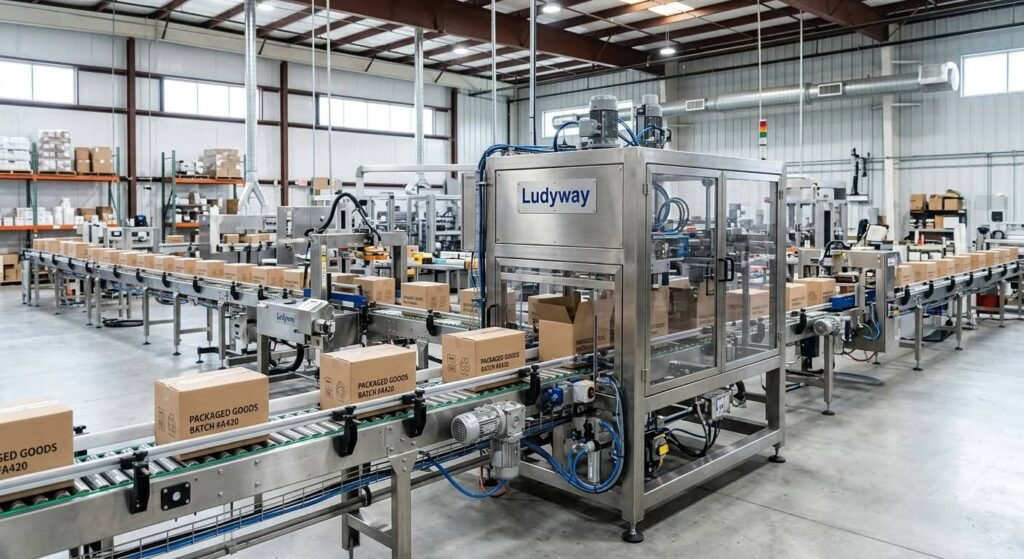
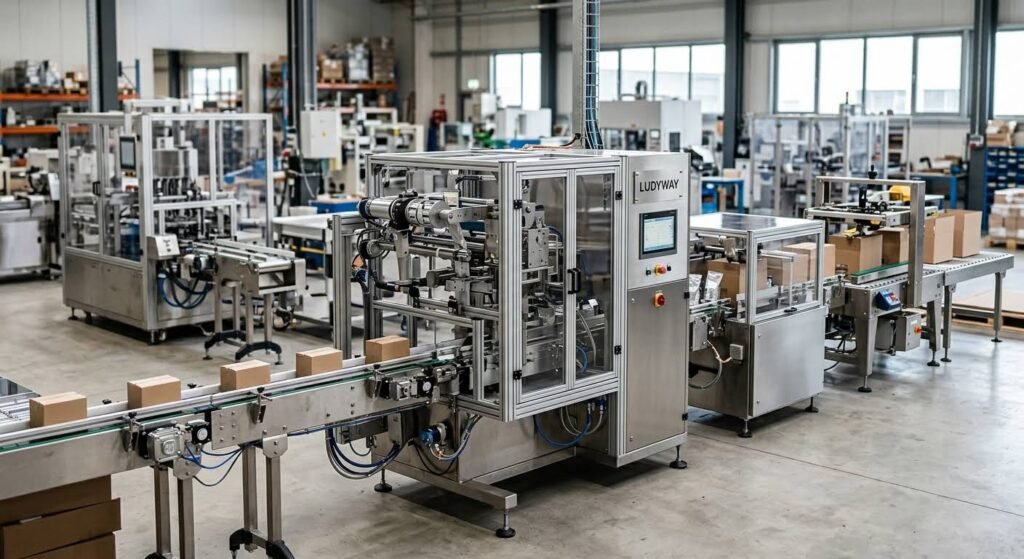
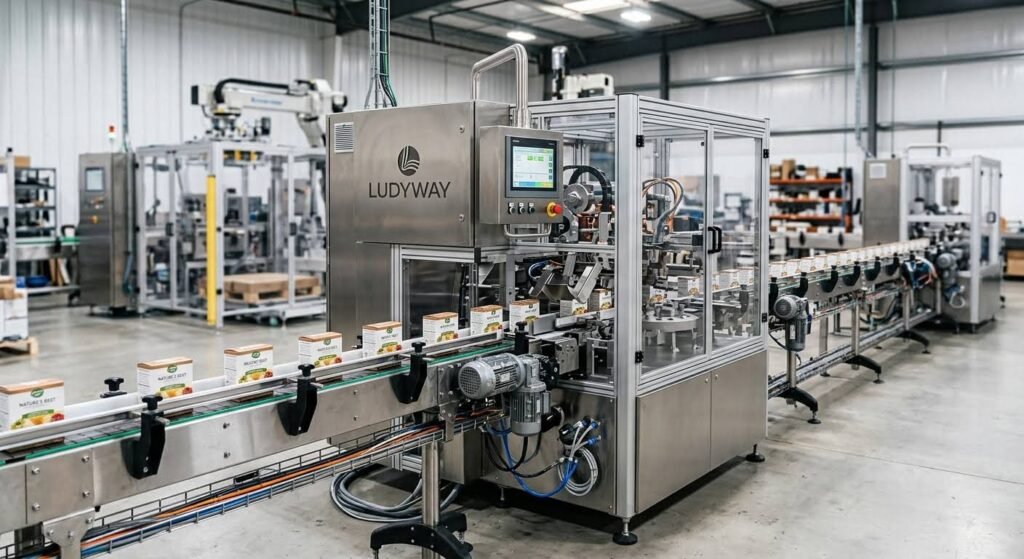
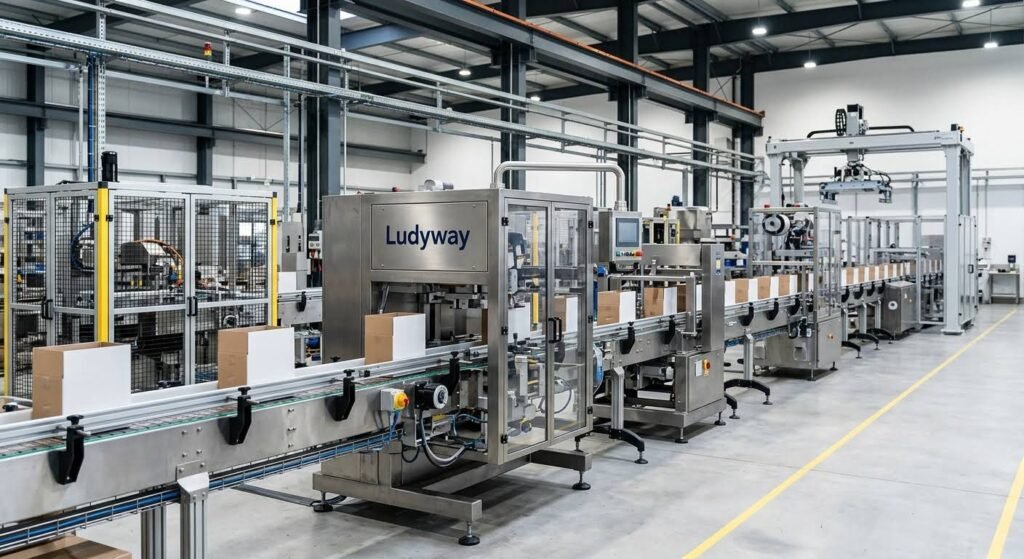
Modified Atmosphere Packaging (MAP) equipment represents a transformative technology in food preservation and product shelf-life extension. By replacing the air inside a package with a protective gas mixture, MAP machines create an optimal environment that significantly slows down spoilage processes. This article explores the operational principles of MAP machinery, its extensive benefits across industries, and critical factors to consider when investing in such systems for modern production lines.
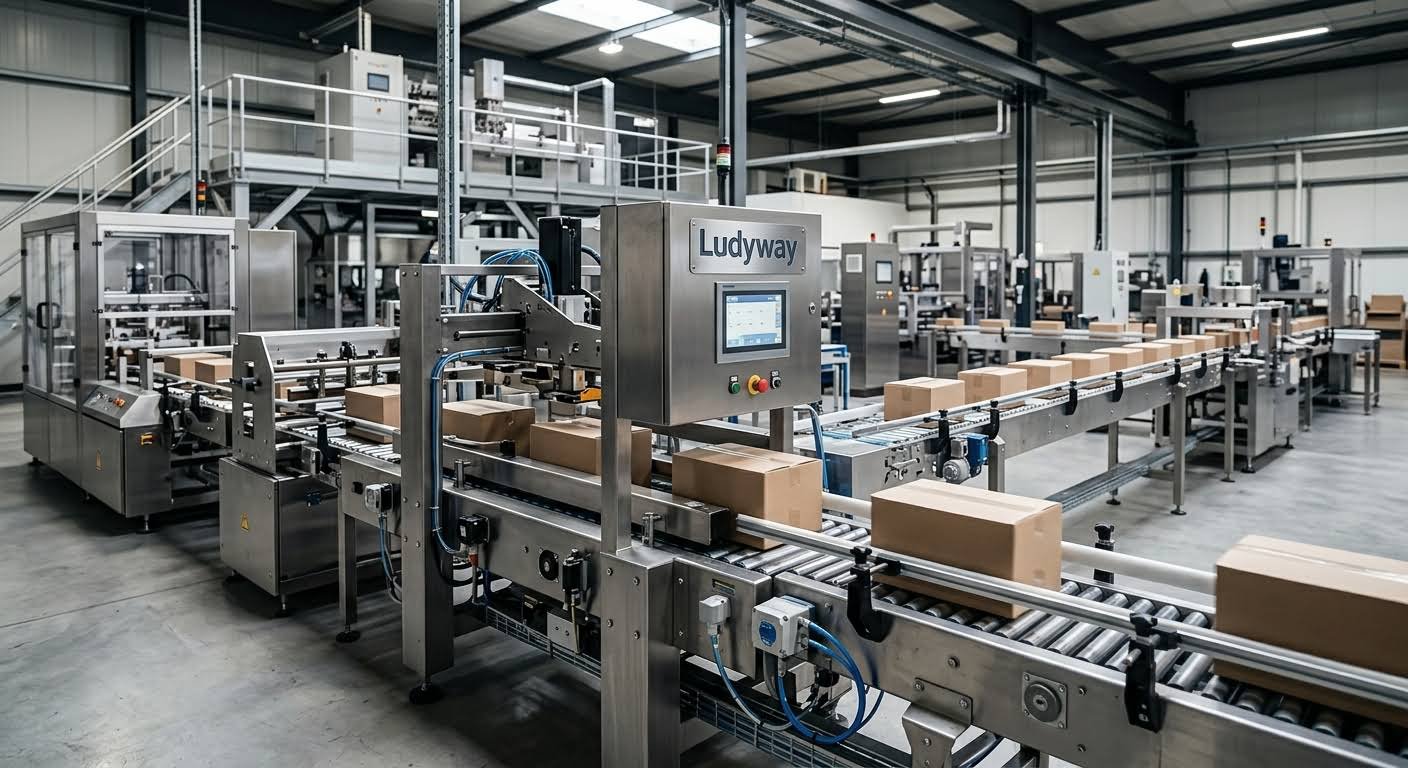
How MAP Machines Work: The Science Behind the Technology
Modified Atmosphere Packaging equipment operates through a carefully controlled process that involves three primary stages: evacuation, gas flushing, and sealing. The machinery first removes oxygen from the packaging chamber or container, then introduces a precise mixture of gases—typically nitrogen, carbon dioxide, and sometimes argon—before hermetically sealing the package to maintain the modified atmosphere.
Core Components of a MAP System
A complete MAP machine integrates several specialized components:
• Gas Mixing System: Precisely blends gases in predetermined ratios tailored to specific products.
• Vacuum Chamber: Removes ambient air from the packaging area before gas introduction.
• Gas Flushing Nozzles: Evenly distributes the protective gas mixture into packages.
• Precision Sealing Mechanism: Creates airtight seals to prevent gas leakage and contamination.
• Control Interface: Allows operators to adjust parameters like gas ratios, cycle times, and temperature.
The Gas Composition Strategy
Different products require specific gas mixtures for optimal preservation. For red meats, high oxygen levels (70-80%) maintain color while carbon dioxide (20-30%) inhibits bacterial growth. For baked goods and snacks, nearly 100% nitrogen prevents oxidation and rancidity. Fresh produce often uses lowered oxygen and elevated carbon dioxide to reduce respiration rates. Advanced MAP equipment allows programmable gas profiles for multiple product types within the same production run.
Significant Benefits of Modified Atmosphere Packaging
Implementing MAP technology delivers substantial advantages for manufacturers, retailers, and consumers alike, extending far beyond basic preservation.
Extended Shelf Life and Reduced Waste
MAP can extend product shelf life by 50-500% depending on the commodity. Fresh meats may last 5-12 days instead of 2-4, while baked goods can maintain freshness for months rather than weeks. This dramatic extension reduces spoilage losses throughout the supply chain, contributing to both economic savings and environmental sustainability through decreased food waste.
Preservation of Quality Attributes
Unlike some preservation methods that alter texture or flavor, MAP maintains the original qualities of products. Fresh produce retains crispness and nutritional value, meats keep their natural color and juiciness, and baked goods remain soft without requiring preservatives. This quality preservation enables manufacturers to deliver premium products to distant markets without compromising consumer experience.
Enhanced Food Safety
By creating an environment hostile to aerobic pathogens and spoilage microorganisms, MAP significantly enhances food safety. The reduced oxygen atmosphere inhibits the growth of dangerous bacteria like Salmonella and E. coli, while elevated carbon dioxide levels suppress mold and yeast development. This protective atmosphere continues throughout distribution and retail display, providing continuous safety assurance.
Economic Advantages for Businesses
Beyond preservation benefits, MAP delivers compelling economic returns:
Distribution Efficiency: Extended shelf life allows centralized production and wider distribution networks, reducing transportation frequency and costs.
Market Expansion: Products can reach geographically distant markets while maintaining freshness, opening new revenue streams.
Reduced Returns: Fewer spoiled products mean dramatically reduced returns from retailers and distributors.
Premium Positioning: “Fresh-preserved” products often command higher price points and enhanced brand perception.
Key Buying Factors for MAP Equipment
Selecting appropriate MAP machinery requires careful consideration of multiple technical and operational factors to ensure optimal performance and return on investment.
Production Requirements Assessment
Begin by thoroughly analyzing your production needs: product types, package sizes and materials, required output speeds, and available floor space. Different MAP systems excel with specific product categories—tray sealers for fresh meats and prepared foods, vertical form-fill-seal machines for snacks and coffee, and chamber systems for delicate products like salads and soft fruits.
Gas Consumption Efficiency
Since gas represents an ongoing operational expense, efficient utilization directly impacts profitability. Evaluate machines based on their gas displacement efficiency—the ratio of package volume to gas consumed. Advanced systems with precision sensors and optimized flushing protocols can reduce gas usage by 30-50% compared to basic models, delivering substantial long-term savings.
Automation and Integration Capabilities
Modern production environments demand seamless integration. Consider MAP equipment that interfaces smoothly with upstream filling systems and downstream labeling, coding, and case packing machinery. Look for programmable logic controllers with recipe storage, remote monitoring capabilities, and compatibility with factory automation networks for efficient line management.
Maintenance and Support Considerations
Reliable technical support and accessible maintenance significantly impact operational uptime. Evaluate suppliers based on their response time, spare parts availability, and training programs. Companies with extensive industry experience, like Ludyway Packing Machine, often provide more comprehensive support through their deep understanding of packaging challenges across different applications.
Technical Specifications Evaluation
When comparing MAP equipment models, pay close attention to these critical specifications:
• Oxygen Residual Levels: High-performance systems achieve <0.5% residual oxygen for maximum preservation.
• Cycle Times: Directly impacts production throughput; faster cycles support higher-volume operations.
• Package Size Range: Ensure the machine accommodates your current and anticipated future package dimensions.
• Gas Mixing Accuracy: Precision of ±0.5% or better ensures consistent preservation results.
• Energy Consumption: Efficient designs reduce operating costs while supporting sustainability initiatives.
Supplier Selection Criteria
Choosing the right equipment supplier is as important as selecting the proper machine. Look for manufacturers with proven experience in your specific product category, verifiable customer references, and a commitment to innovation. Companies that offer complete packaging solutions rather than just individual machines can provide more valuable guidance on optimizing your entire packaging process.
Industry Applications and Future Trends
While initially developed for fresh meats, MAP technology now serves diverse sectors including bakery, dairy, seafood, prepared meals, pharmaceuticals, and even non-food items like electronics susceptible to oxidation. The growing demand for clean-label, preservative-free products continues to drive MAP adoption across food categories.
Emerging Technological Advancements
The future of MAP equipment includes intelligent systems with real-time gas monitoring, predictive maintenance capabilities, and AI-driven optimization of gas mixtures based on product characteristics and storage conditions. Sustainable innovations focus on reducing gas consumption through improved sealing technologies and developing biodegradable packaging materials compatible with modified atmospheres.
As consumer preferences shift toward fresher, less-processed foods with extended shelf life, Modified Atmosphere Packaging represents a crucial technology for modern food production and distribution. By understanding how MAP machines work, recognizing their substantial benefits, and carefully evaluating key purchasing factors, businesses can implement this technology effectively to enhance product quality, expand market reach, and improve operational efficiency.
Frequently Asked Questions
What types of products benefit most from MAP technology?
While many products benefit, those with particularly strong results include fresh meats and poultry, seafood, prepared meals, fresh pasta, bakery products, snack foods, coffee, cheese, and fresh-cut fruits and vegetables. Essentially any product susceptible to oxidation, microbial growth, or quality degradation from atmospheric exposure can benefit from appropriate MAP applications.
How much does a commercial MAP machine typically cost?
Commercial MAP equipment ranges from approximately $20,000 for basic single-chamber systems to over $200,000 for high-speed automated lines with advanced controls and integration capabilities. The investment should be evaluated based on production volume, labor savings, shelf-life extension benefits, and reduced product waste rather than equipment cost alone.
Can existing packaging lines be upgraded with MAP technology?
Yes, many packaging operations can integrate MAP capabilities through retrofitting or adding dedicated MAP stations. The feasibility depends on existing equipment compatibility, available space, and product characteristics. Many suppliers offer customized integration solutions to add MAP functionality to current production lines.
What training is required for operating MAP equipment?
Basic operation typically requires 1-3 days of training covering machine controls, gas handling safety, maintenance procedures, and troubleshooting. Advanced optimization and maintenance may require additional specialized training. Reputable suppliers provide comprehensive training programs to ensure operators can maximize equipment performance and safety.
How does MAP compare to vacuum packaging?
While both remove oxygen, MAP replaces it with protective gases rather than creating a vacuum. This prevents product crushing (important for delicate items), allows gases like carbon dioxide for antimicrobial effects, and often provides better presentation since packages aren’t tightly compressed against products. MAP generally offers longer shelf life for many product categories compared to vacuum packaging alone.