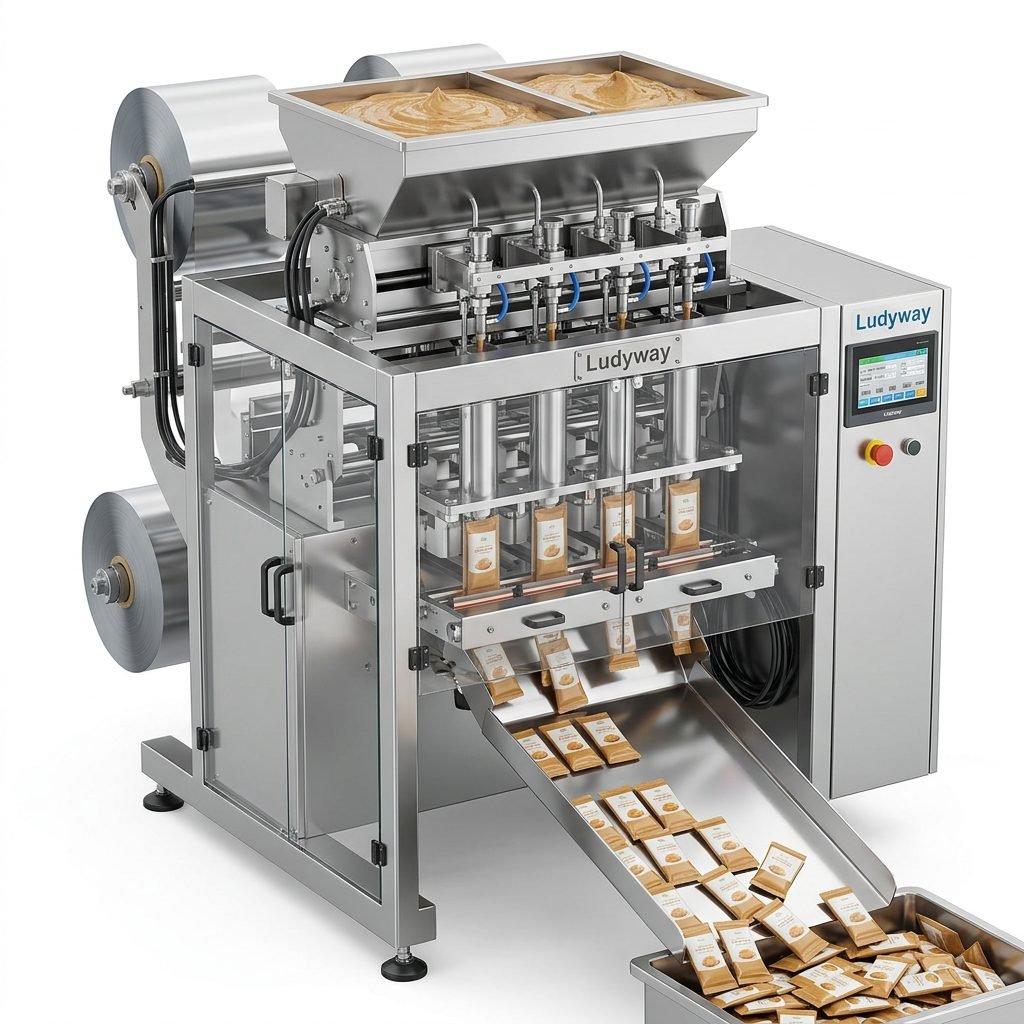
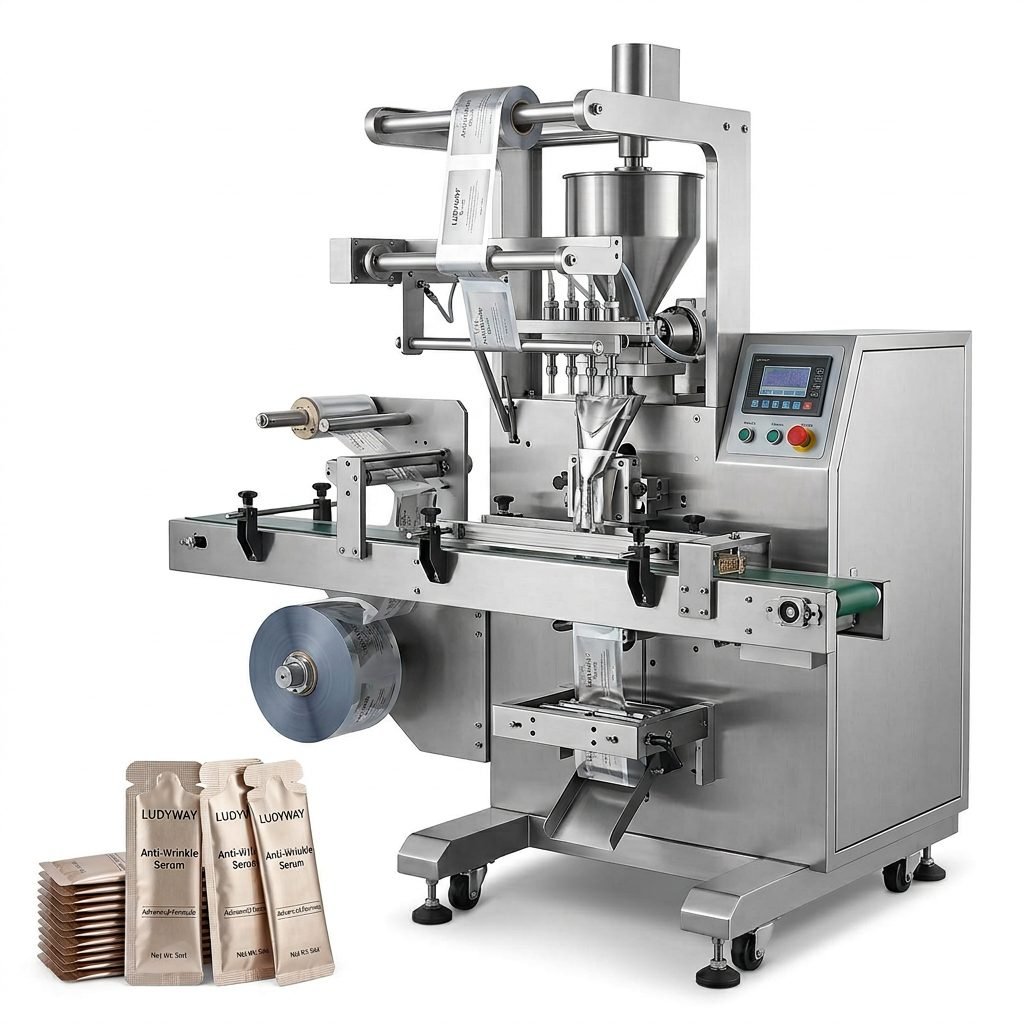
Ice cream sandwich packaging is a specialized field that requires machinery capable of handling delicate, often temperature-sensitive products while ensuring high-speed production and attractive presentation. Choosing the right packaging machine is critical for maintaining product integrity, optimizing operational efficiency, and meeting market demands. This guide provides a comprehensive overview of the types, key features, pricing considerations, and selection criteria for ice cream sandwich packaging machines.
Key Takeaway
The right packaging machine protects your product quality, maximizes production speed, and enhances brand appeal on the shelf. Understanding the different machine types and their core functionalities is the first step toward making an informed investment.
Types of Ice Cream Sandwich Packaging Machines
The packaging process for ice cream sandwiches can be segmented, and different machine types are designed for specific stages or integrated workflows.
1. Flow Wrapping Machines
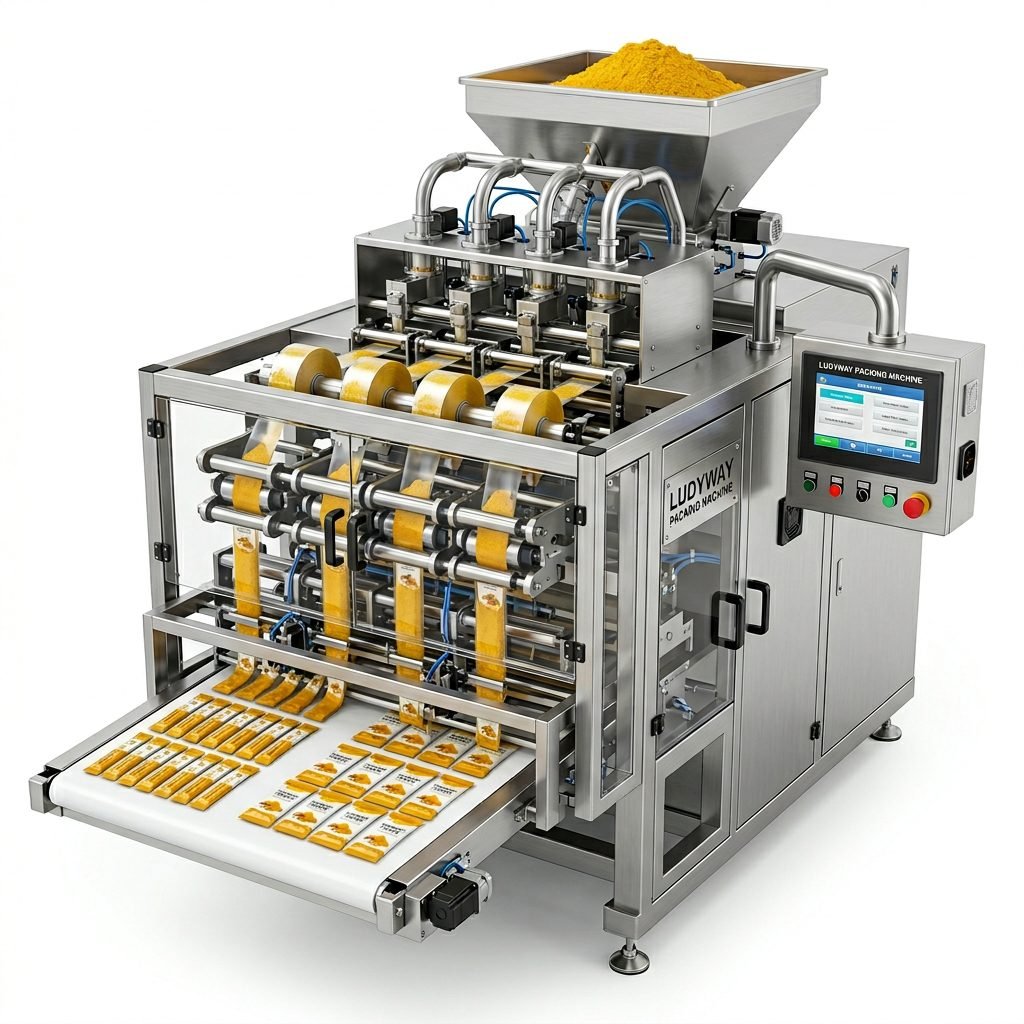
This is the most common method for individually wrapping ice cream sandwiches. The machine uses a roll of film to form a tube around the product, seals the ends, and cuts it into individual packs. It’s excellent for creating a tight, protective barrier against freezer burn and contamination.
- Best for: High-volume production of standard rectangular or square sandwiches.
- Advantage: High speed, efficient film use, and robust seal integrity.
- Consideration: Less suitable for irregular shapes without custom-forming attachments.
2. Cartoning Machines
These machines erect, load, and seal paperboard cartons. They are often used as a secondary packaging solution after flow wrapping, grouping multiple wrapped sandwiches into a retail-ready box. Some advanced models can handle primary wrapping and cartoning in one integrated line.
- Best for: Adding a layer of branding and physical protection for multi-packs.
- Advantage: Enhances shelf presence and allows for vibrant graphics and product information.
- Consideration: Adds a step (and cost) to the packaging process.
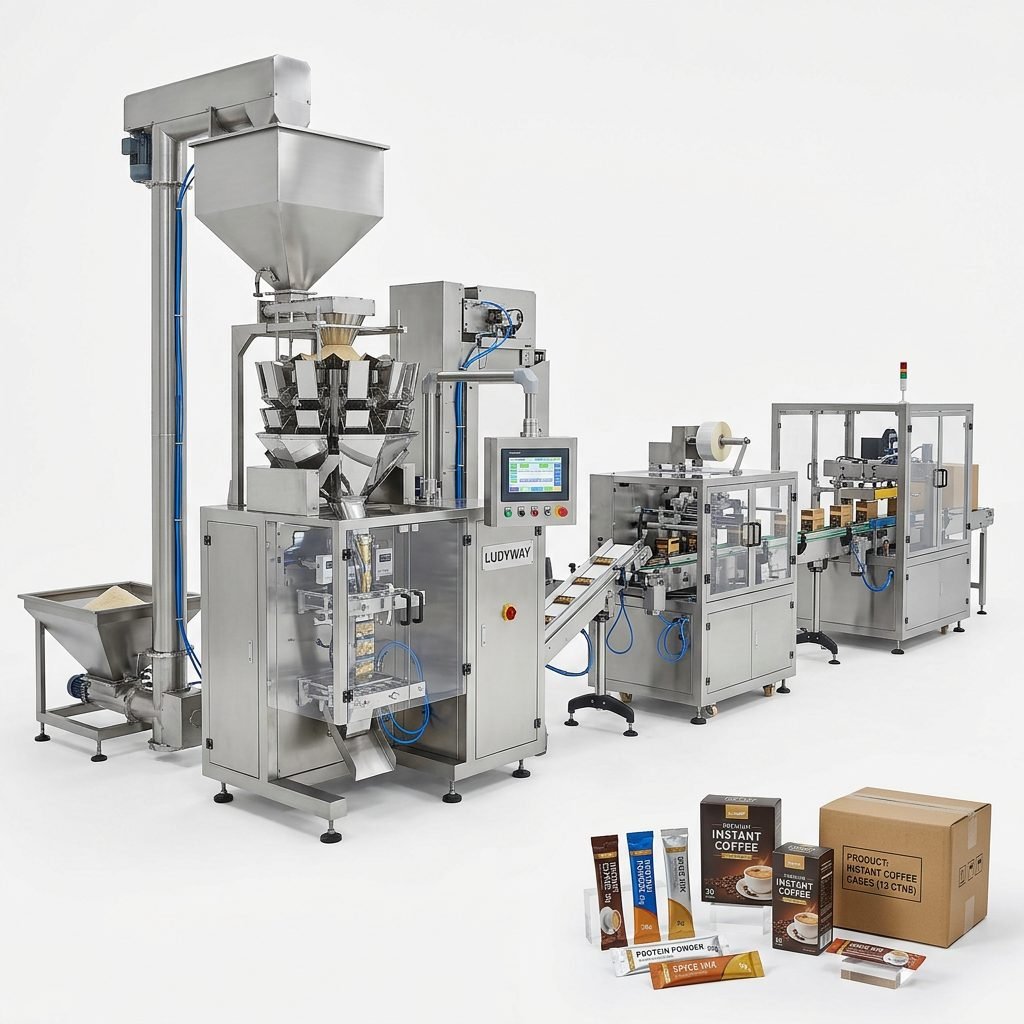
3. Complete Turnkey Production Lines
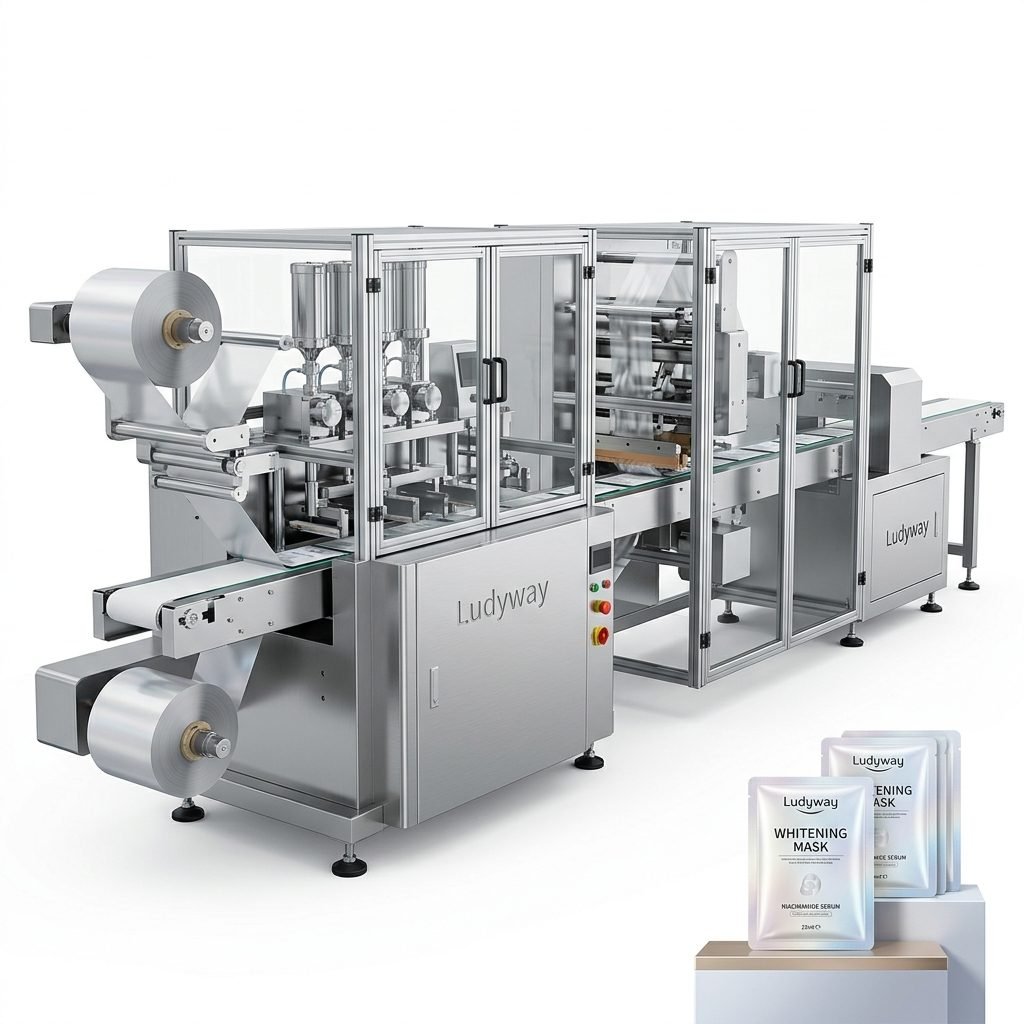
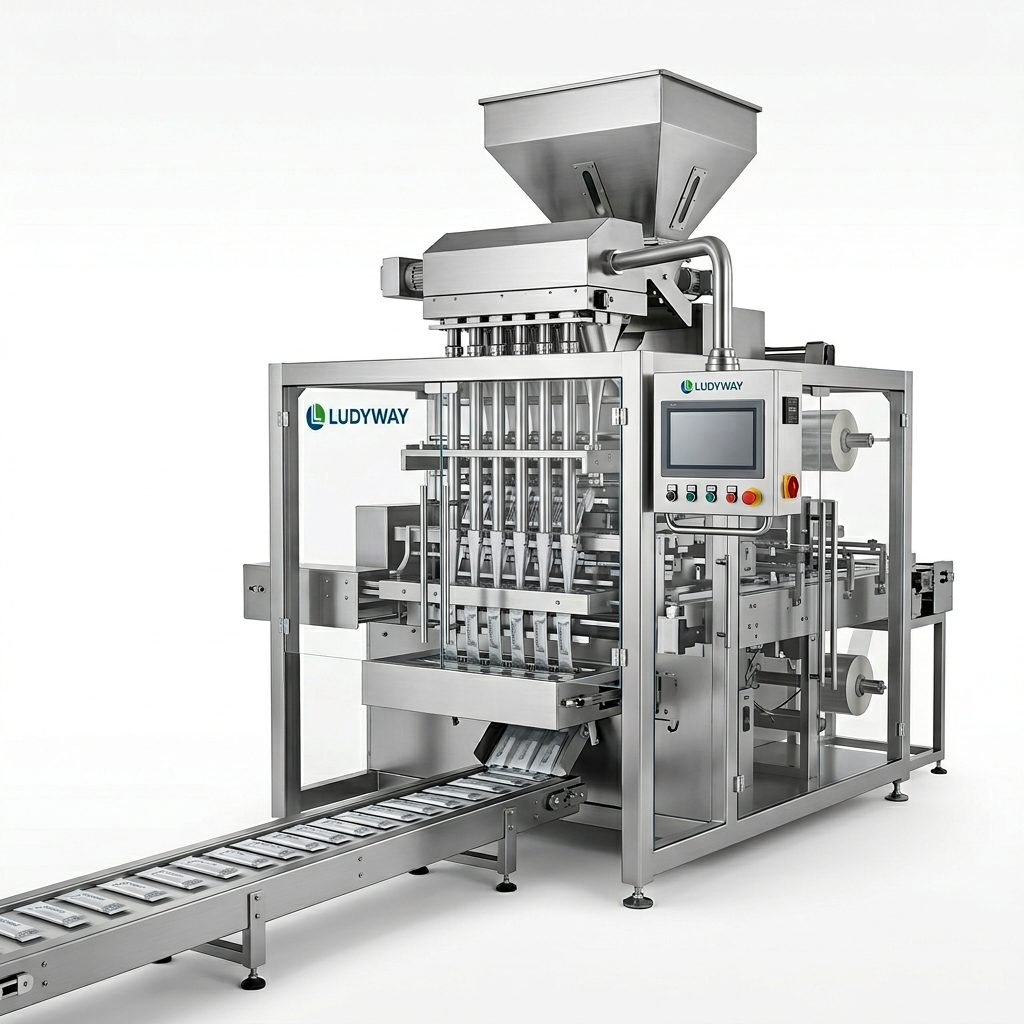
For large-scale manufacturers, a fully automated line integrates sandwich forming, freezing, and packaging into a seamless system. These lines are custom-engineered to handle specific product dimensions, recipes, and output targets, representing a significant but highly efficient investment. Partnering with an experienced supplier like Ludyway Machinery is crucial for designing a successful turnkey solution.
Comparison at a Glance
Flow Wrapper: Core workhorse for primary wrapping. Focus on speed and seal quality.
Cartoner: Branding and multi-pack specialist. Focus on presentation and information.
Turnkey Line: Ultimate automation. Focus on total process integration and maximum output.
Essential Features and Specifications
Beyond the basic type, several features determine a machine’s suitability for your ice cream sandwich operation.
Production Speed and Capacity
Measured in packs per minute (PPM). Speeds can range from 60 PPM for smaller machines to over 200 PPM for high-end models. Your required output directly influences the machine size and price.
Packaging Material Compatibility
The machine must be compatible with your chosen film or carton material. Key considerations include:
- Film Type: Polyethylene (PE), Polypropylene (PP), or laminated films for moisture and aroma barrier.
- Sealing Method: Constant heat seal, impulse seal, or cold seal for temperature-sensitive products.
- Print Registration: Ability to align pre-printed film accurately for consistent branding.
Hygiene and Cleanability
Given the food product, machines should have a stainless steel contact surface, easy-access panels for cleaning, and designs that prevent product or grease trap areas. Look for IP ratings indicating protection against water ingress during washdowns.
Flexibility and Changeover
If you produce multiple sandwich sizes or shapes, quick changeover is vital. Features like tool-less adjustments, digital size recall, and easy-access film roll systems minimize downtime between production runs.
Automation and Control
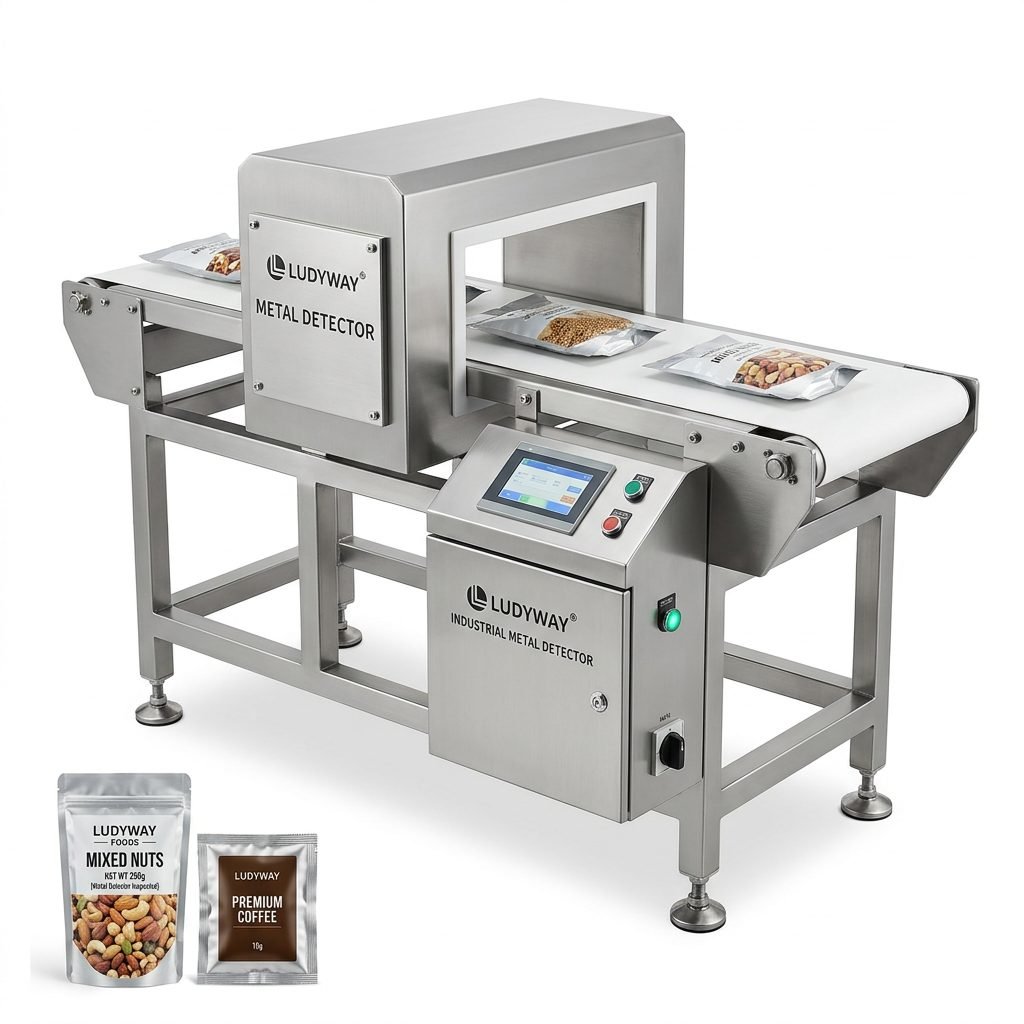
Modern machines feature Programmable Logic Controllers (PLCs) and touch-screen HMIs (Human-Machine Interfaces) for easy operation, recipe storage, and diagnostic monitoring. Advanced sensors ensure consistent product placement and reject faulty packs automatically.
Understanding Pricing and Investment
The price of an ice cream sandwich packaging machine varies widely based on its capabilities, automation level, and brand.
Price Range Overview
- Basic Flow Wrapper: $20,000 – $50,000. Suitable for low to mid-volume production.
- Mid-Range Automated Machine: $50,000 – $120,000. Offers higher speeds, better controls, and more flexibility.
- High-Speed/Turnkey Line: $120,000 – $500,000+. Fully automated, custom-engineered systems for large-scale production.
Remember to factor in the Total Cost of Ownership (TCO), which includes installation, training, maintenance, spare parts, and ongoing material costs.
💡 Budgeting Tip
While the initial purchase price is important, prioritize reliability and service support. A slightly more expensive machine from a reputable supplier with strong technical support, like Ludyway’s global service network, can save significant money on downtime and repairs in the long run.
How to Choose the Right Machine: A Step-by-Step Guide
Selecting the optimal machine requires a systematic evaluation of your needs.
Step 1: Analyze Your Product and Output
Define your current and future sandwich dimensions, weight, and required production speed (packs per minute/hour/shift). Consider potential product line expansions.
Step 2: Define Your Packaging Materials
Decide on the primary wrap film and any secondary carton. Test seal integrity and material performance at freezer temperatures. Your material choice will narrow down compatible machine models.
Step 3: Evaluate Machine Suppliers
Look for suppliers with proven experience in frozen food packaging. Review their company history, client portfolio, and after-sales service structure. A supplier’s expertise, such as the 30+ years of industry experience behind the Ludyway brand, is a valuable asset. Assess their capability to provide customized production solutions if needed.
Step 4: Request Demos and Samples
Never buy based on specifications alone. Arrange for a live or video demonstration using a sample of your actual product and packaging material. Check the finished pack’s quality, seal strength, and appearance.
Step 5: Consider Integration and Support
Plan for how the new machine will fit into your existing line. Discuss installation, operator training, warranty, spare parts availability, and technical support response times with the supplier.
Conclusion
Investing in an ice cream sandwich packaging machine is a strategic decision that impacts product quality, operational cost, and brand growth. By thoroughly understanding the different machine types, prioritizing essential features like hygiene and speed, and carefully evaluating suppliers based on their support and expertise, you can select equipment that delivers reliability and a strong return on investment. A partner with deep industry knowledge can guide you through this complex process toward a successful automation solution.
Frequently Asked Questions (FAQs)
What is the typical lifespan of an ice cream sandwich packaging machine?
With proper maintenance and regular servicing, a well-built machine from a quality manufacturer can last 15 to 20 years or more. The key factors are build quality, operating environment, and adherence to a preventive maintenance schedule.
Can one machine handle different sizes of ice cream sandwiches?
Yes, many machines are designed for quick changeover. Look for models with tool-less adjustments, digital size settings, and easy-to-switch forming parts. However, the range of size variability will depend on the specific machine model.
How important is after-sales service when choosing a supplier?
Extremely important. Packaging machines are complex and may require technical support. A supplier with a global service network, readily available spare parts, and responsive technicians is crucial for minimizing production downtime and ensuring long-term machine productivity.
What are the most common maintenance requirements?
Daily cleaning, regular lubrication of moving parts as per the manual, inspection and replacement of wear items like sealing jaws, cutting blades, and belts, and periodic calibration of sensors and controls are essential for optimal performance.
Are there machines suitable for small-scale or artisanal producers?
Yes, there are semi-automatic or smaller-capacity fully automatic machines designed for lower output. These offer a more accessible entry point for smaller businesses looking to automate their packaging while maintaining high-quality presentation.