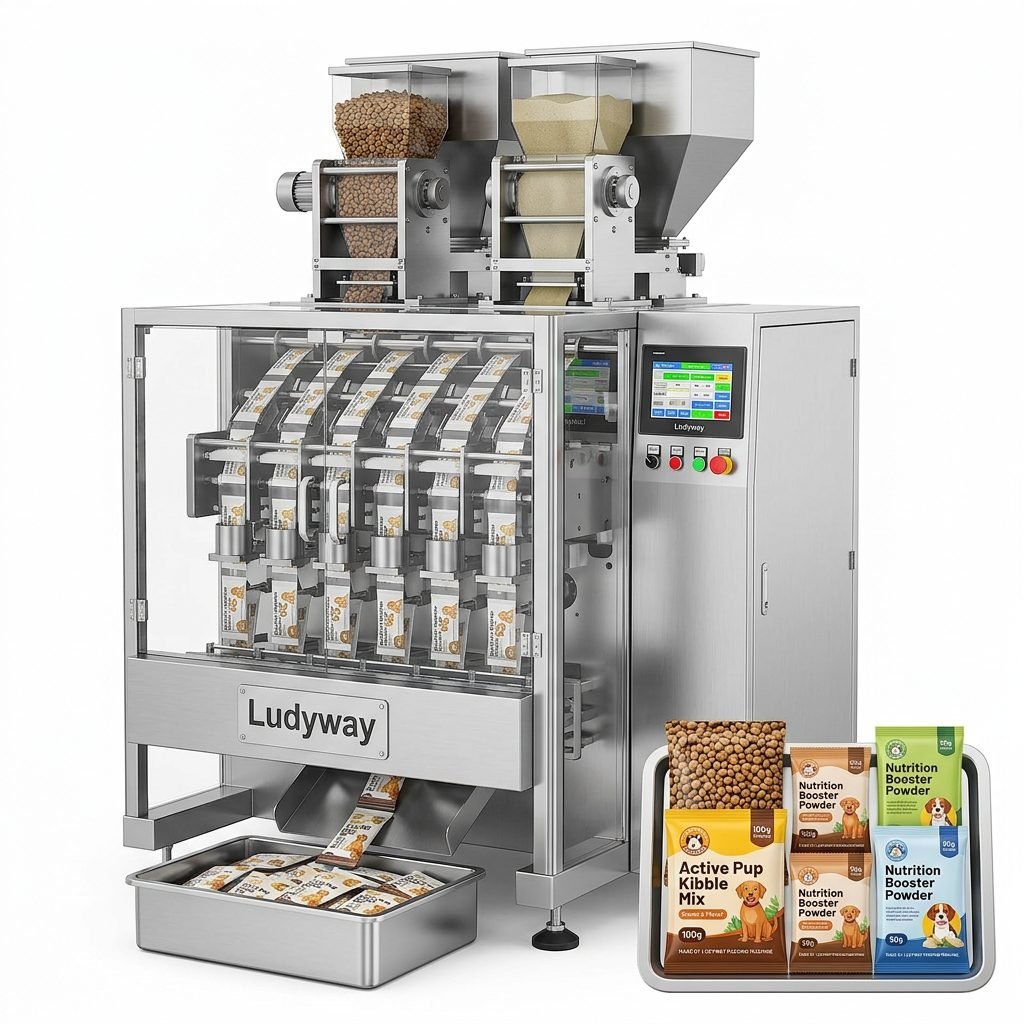
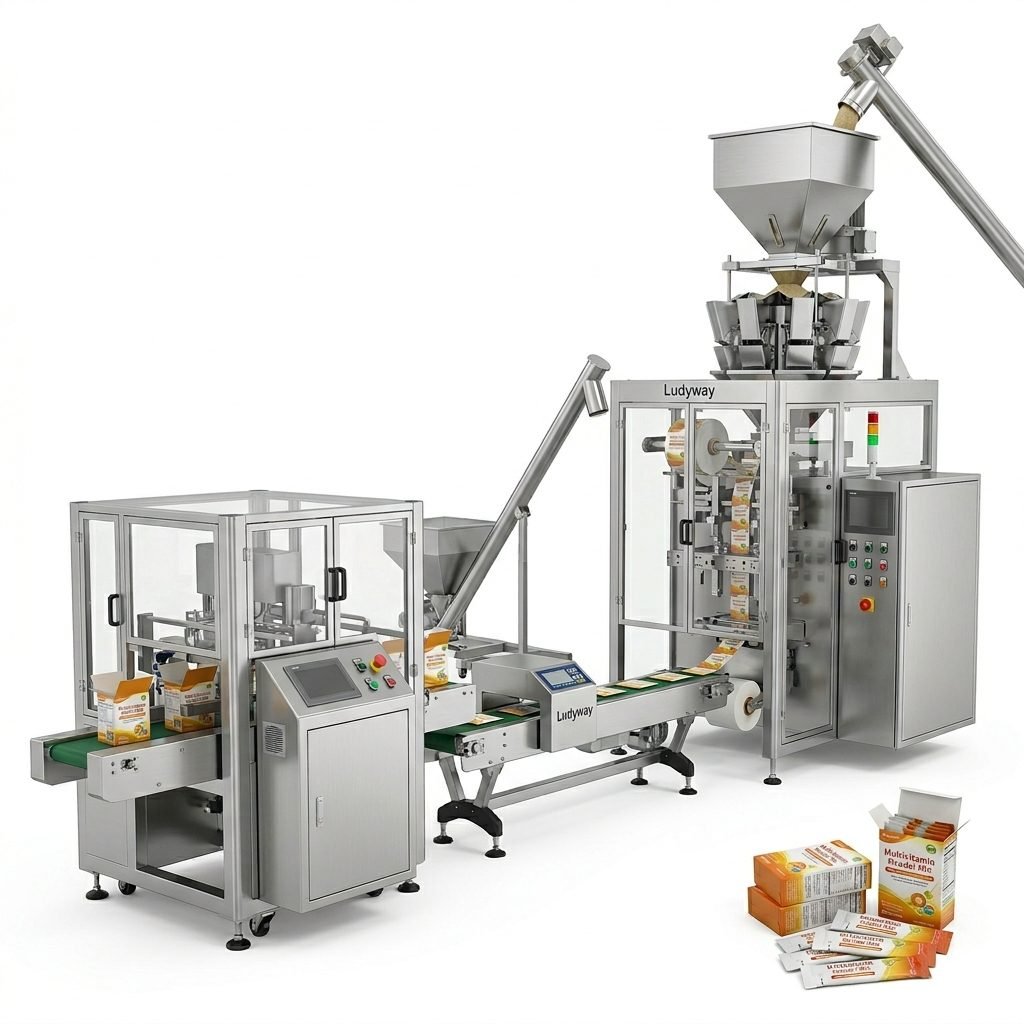
Effective operational training for packaging equipment is a cornerstone of modern manufacturing, directly impacting productivity, product quality, and workplace safety. Mastering the essential skills, rigorous safety protocols, and industry best practices ensures that machinery operates at peak efficiency while protecting personnel and minimizing costly downtime.
Core Operational Skills for Packaging Machinery
Operators must develop a comprehensive skill set that goes beyond basic machine control. This foundation is critical for smooth production flow.
Machine Setup and Calibration
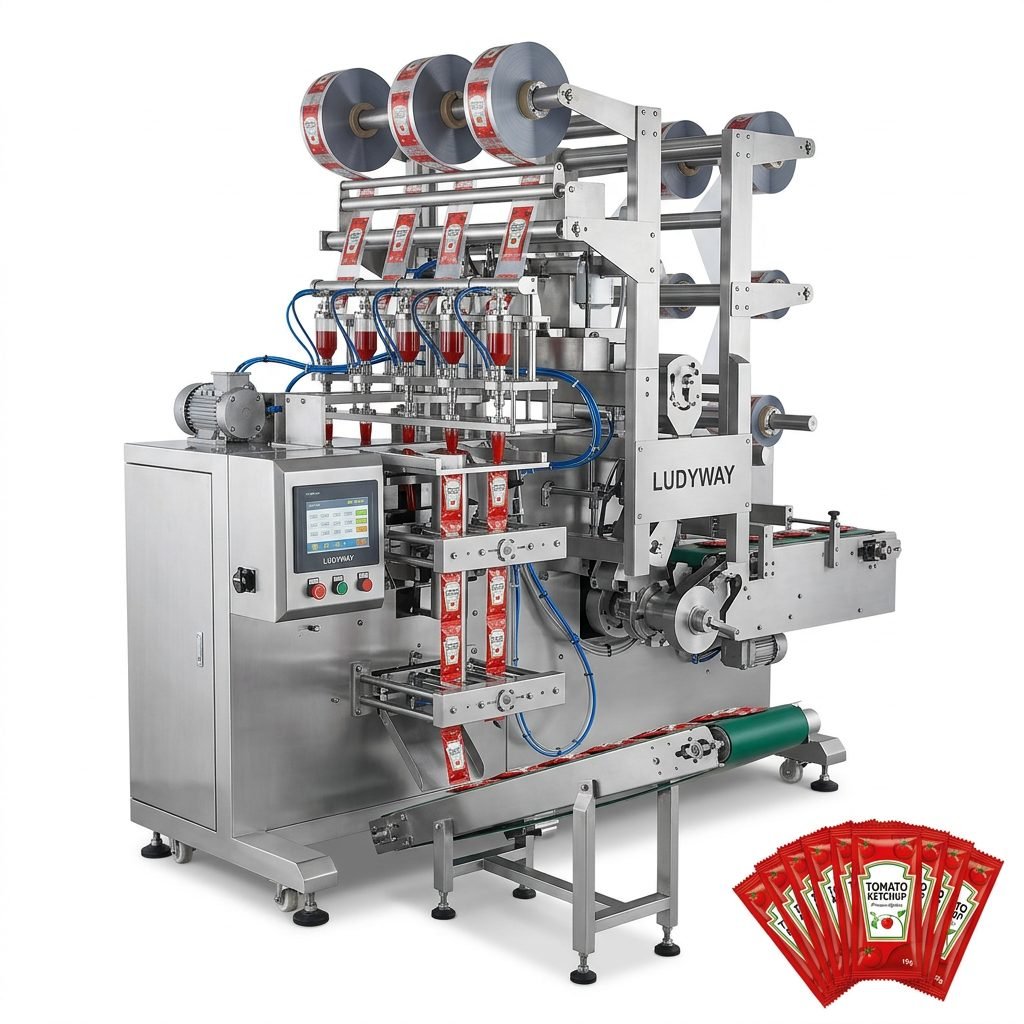
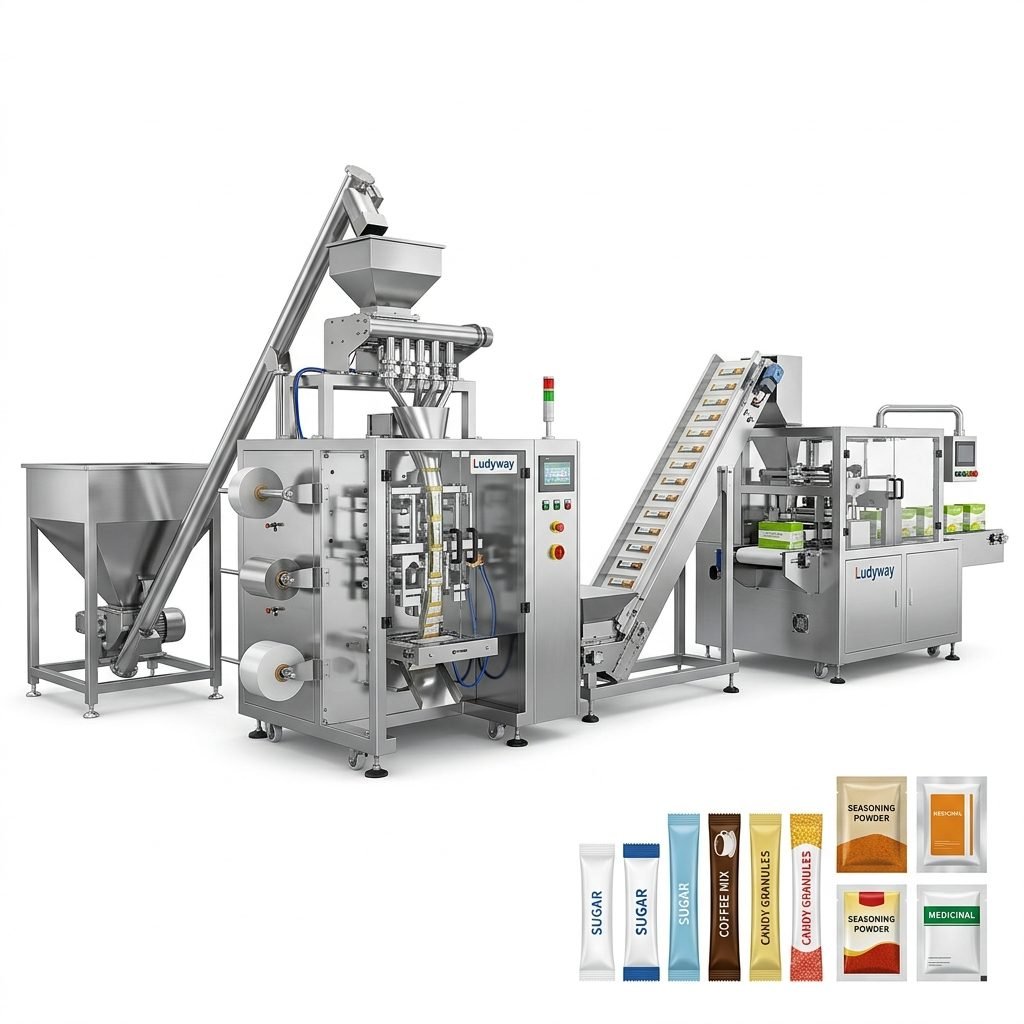
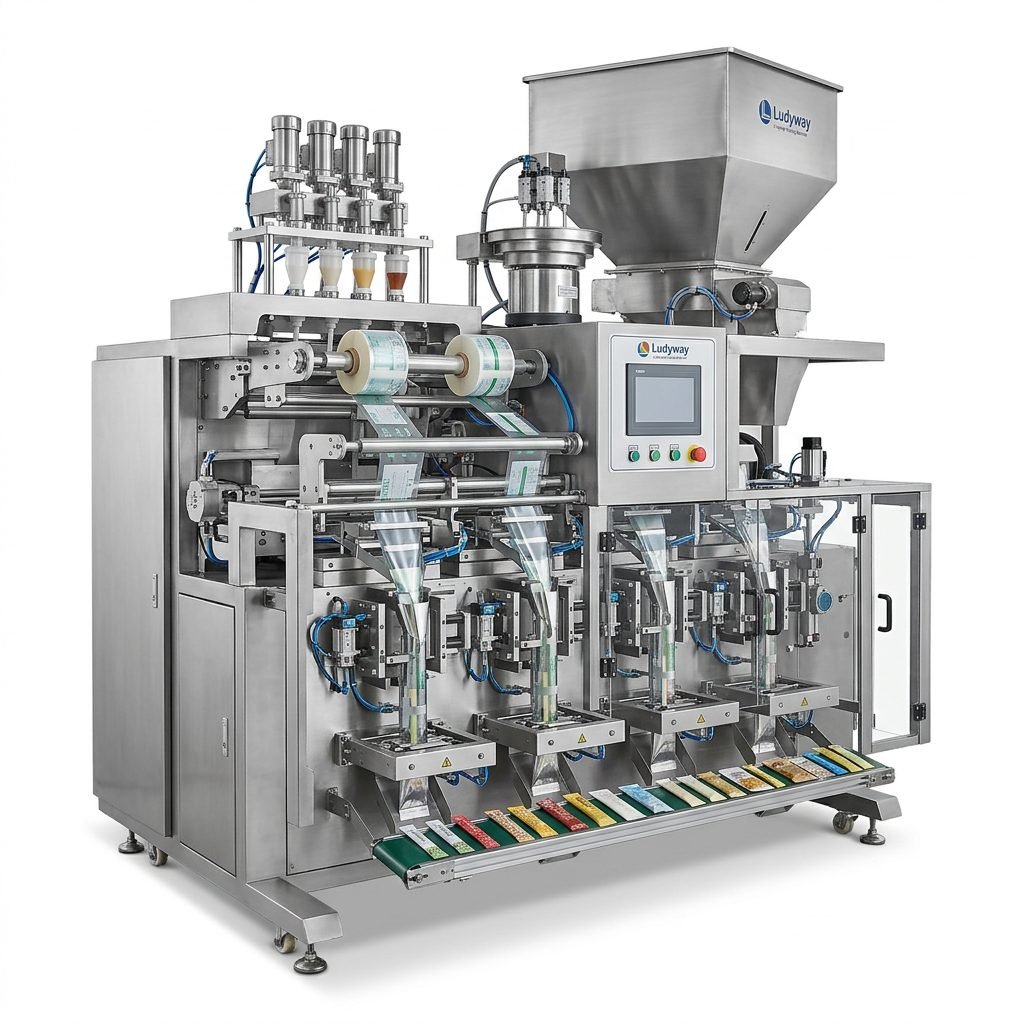
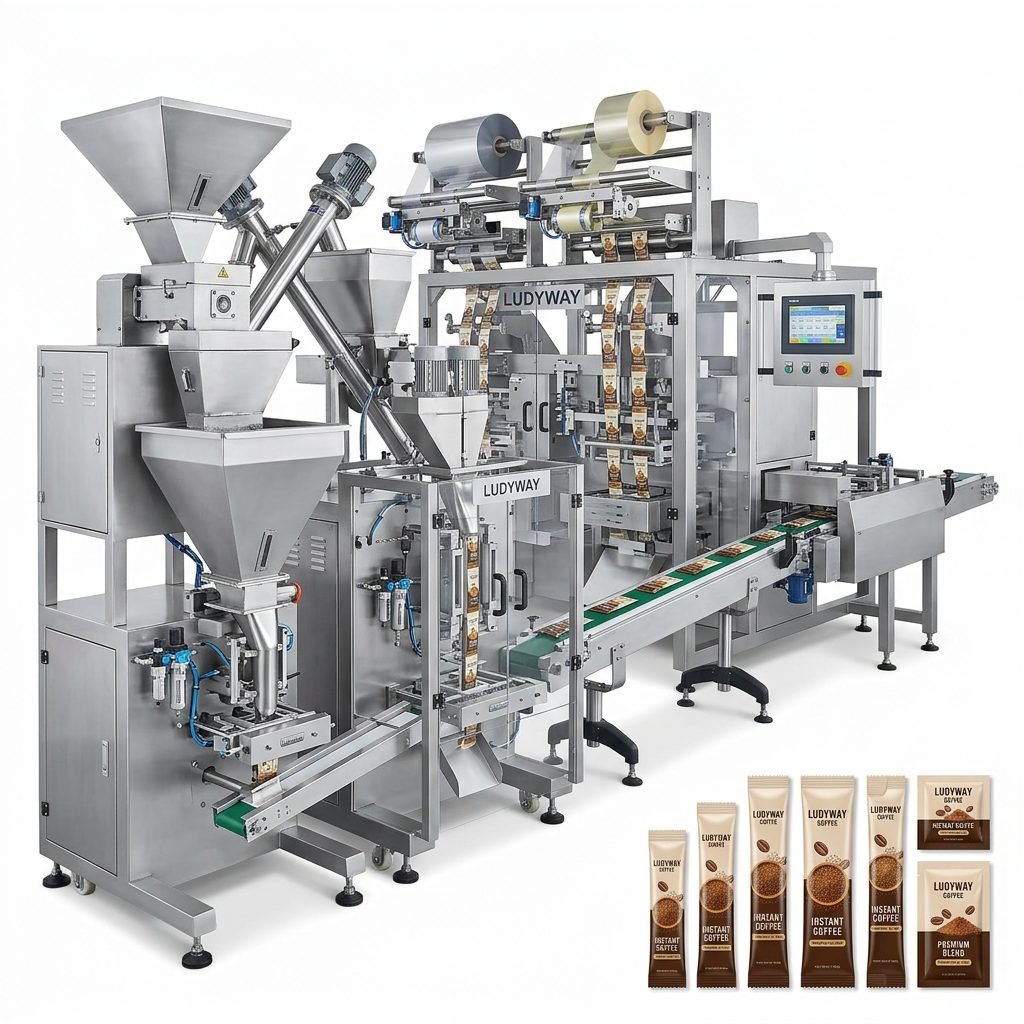
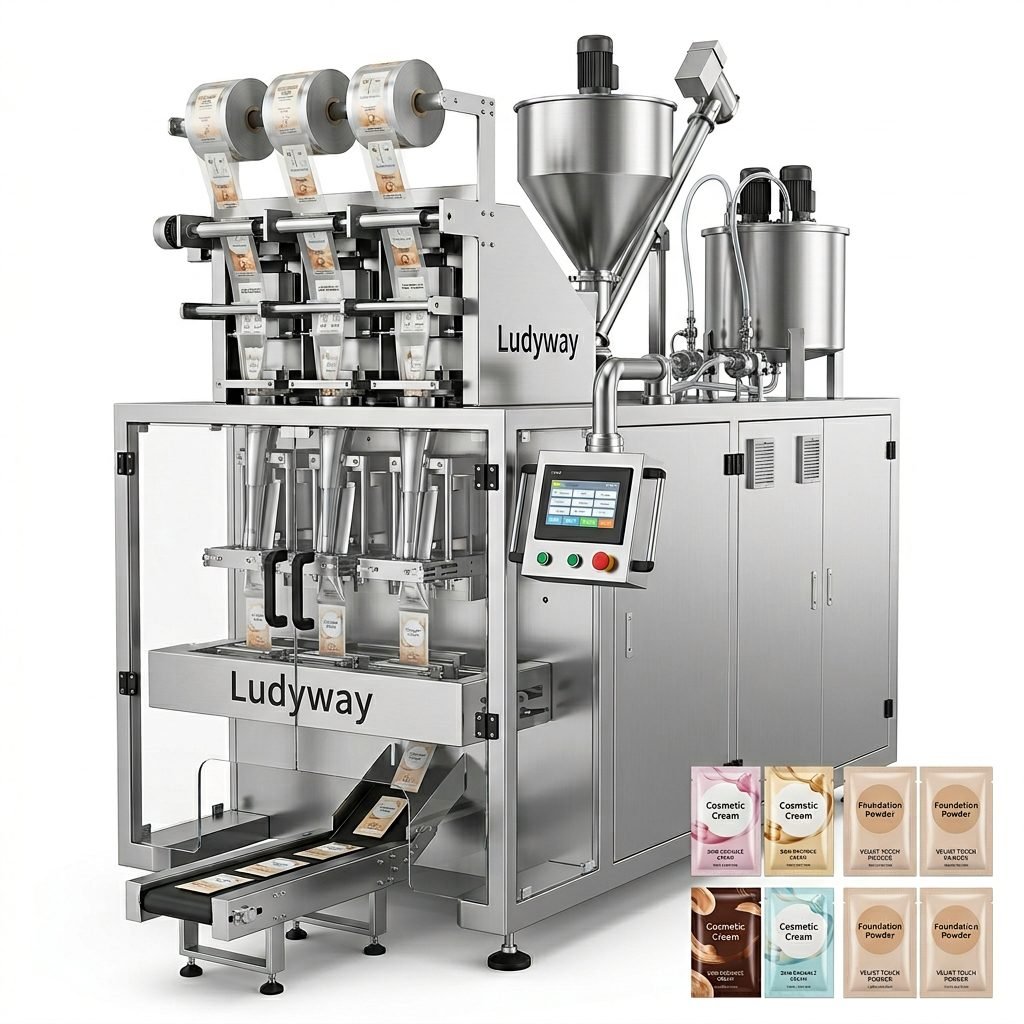
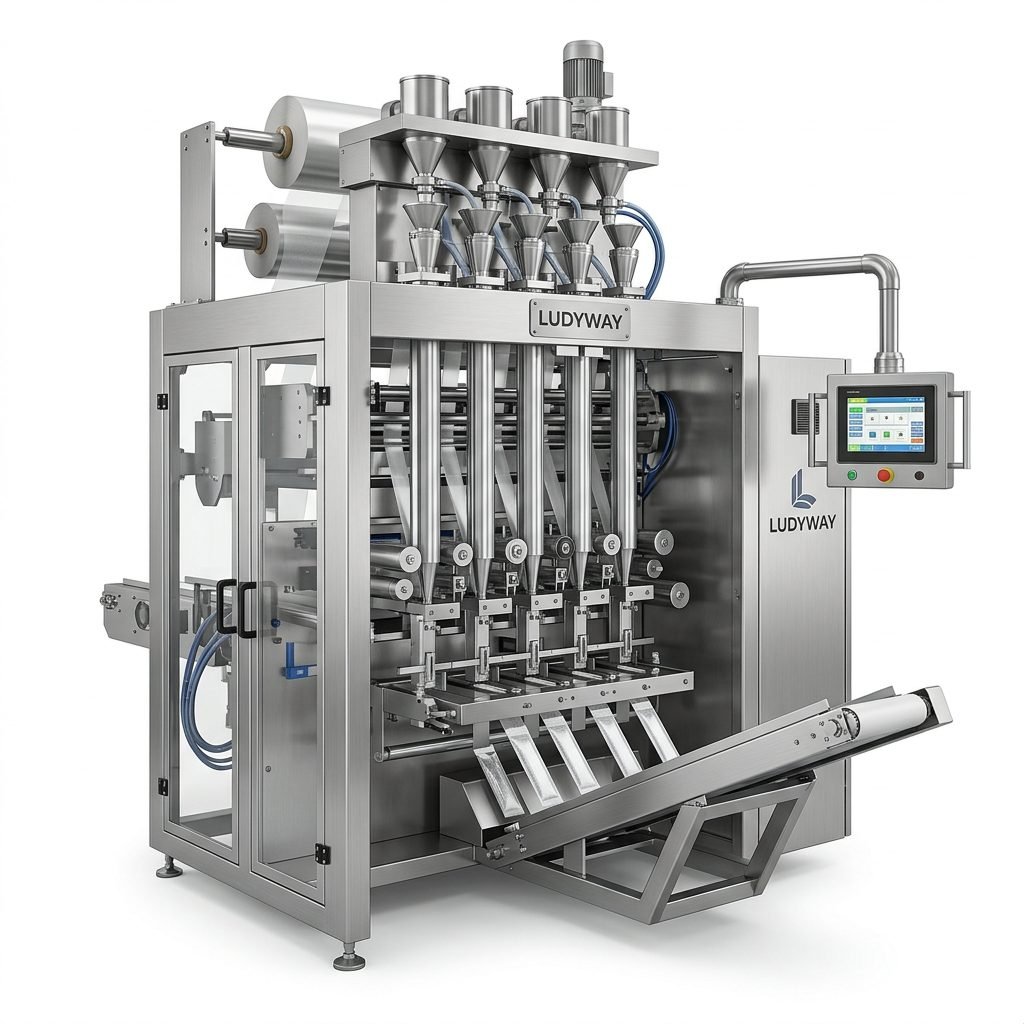
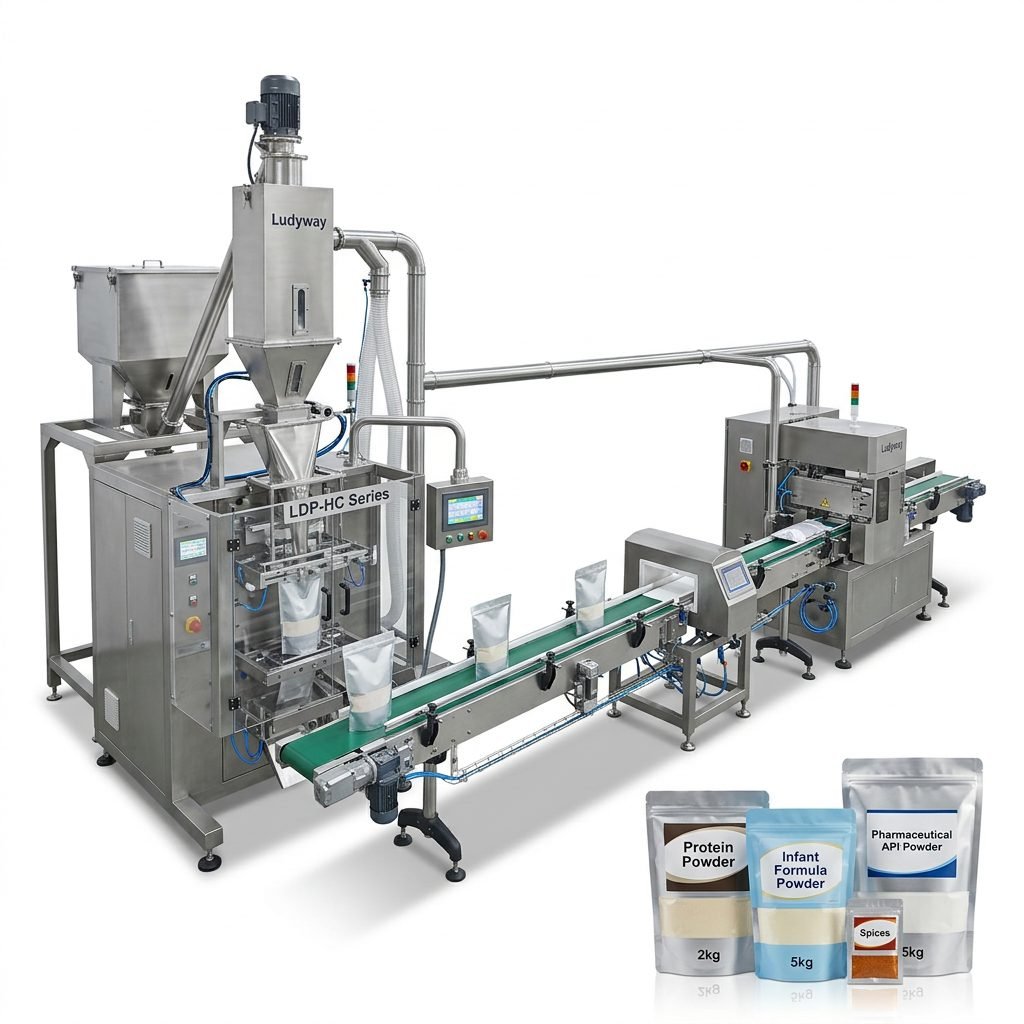
Precise setup is the first critical step. This involves installing forming tubes, adjusting sealing jaws, and configuring the metering system according to the specific product—be it granules, powders, or liquids. Proper calibration of weight sensors and fill volumes is essential to maintain accuracy and compliance with regulatory standards, preventing product giveaway or underfilling.
Key Skill: Troubleshooting Common Faults
Operators should be trained to diagnose and resolve frequent issues like film jams, inconsistent seals, or weighing errors. Quick identification of problems such as misaligned photoelectric sensors or worn sealing elements can prevent minor issues from escalating into major production stoppages.
Control System Proficiency
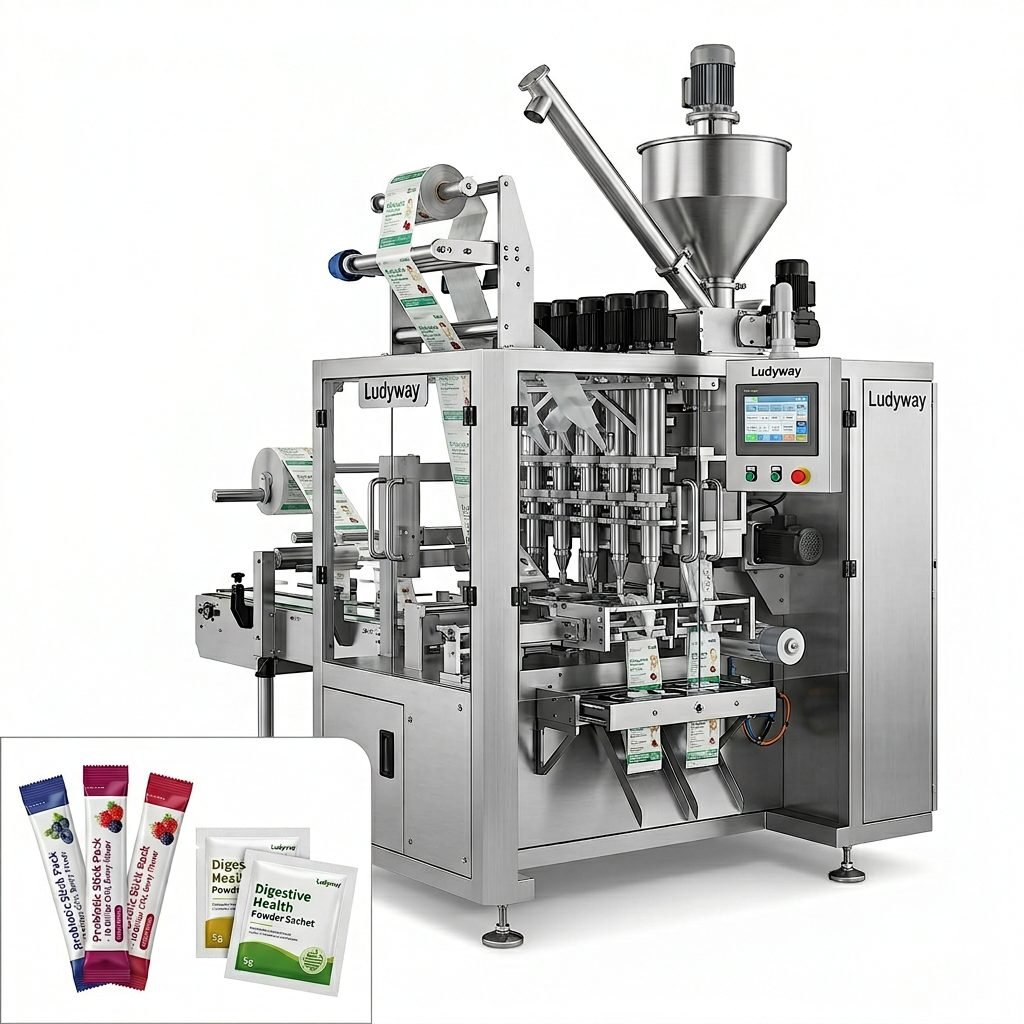
Modern packaging equipment, like the advanced systems offered by industry leaders, features sophisticated PLC (Programmable Logic Controller) and HMI (Human-Machine Interface) panels. Training must cover navigating menus, inputting parameters, adjusting speeds, and interpreting error codes. Understanding the control logic helps operators optimize cycles and respond effectively to system prompts.
Non-Negotiable Safety Procedures
Safety in the packaging environment is paramount. A robust safety culture protects employees and safeguards the company’s operational integrity.
Lockout/Tagout (LOTO) Protocols
This is the most critical safety procedure for any maintenance or clearing of jams. Training must emphasize the absolute requirement to isolate all energy sources—electrical, pneumatic, and mechanical—before any part of the body enters a machine point of operation. Proper use of locks and tags ensures the machine cannot be accidentally re-energized.
⚠️ Safety First: Always follow LOTO procedures. Never bypass machine guards or safety interlocks. Report any safety device malfunction immediately.
Personal Protective Equipment (PPE) and Hazard Awareness
Mandatory PPE for packaging lines typically includes safety glasses, hearing protection where noise levels are high, and cut-resistant gloves when handling film or tools. Training should also cover hazard awareness, such as recognizing pinch points, moving parts, hot surfaces on sealing jaws, and the safe handling of compressed air lines.
Best Practices for Efficiency and Longevity
Adopting best practices transforms a competent operator into an exceptional one, driving efficiency and extending equipment life.
Preventive Maintenance Routines
A disciplined preventive maintenance (PM) schedule is non-optional. Daily tasks include cleaning sealing jaws, inspecting film guides, and checking for loose fittings. Weekly and monthly PM involves lubricating moving parts per the manufacturer’s guidelines, checking belt tensions, and verifying the calibration of weighing systems. This proactive approach, central to reliable packaging solutions, is far less costly than reactive repairs.
Data Monitoring and Process Optimization
Best-in-class operations leverage machine data. Operators should be trained to monitor key performance indicators (KPIs) like Overall Equipment Effectiveness (OEE), downtime causes, and rejection rates. Analyzing this data helps identify trends, such as a particular shift having more film breaks, enabling targeted process improvements and feedback to maintenance teams.
Effective Communication and Documentation
Clear communication during shift handovers ensures continuity. Documenting any machine quirks, adjustments made, or parts nearing end-of-life in a logbook is invaluable. Standardizing procedures through proven operational frameworks ensures consistency across all operators and shifts, which is vital for quality control and training new personnel.
Summary of Key Takeaways
Mastering packaging equipment operation hinges on a triad of competencies: technical skills for precise machine control, an unwavering commitment to safety protocols, and the adoption of best practices for preventive care and continuous improvement. Investing in comprehensive training in these areas directly translates to higher productivity, superior product quality, and a safer, more sustainable manufacturing operation.
Frequently Asked Questions (FAQs)
What is the most critical safety rule when operating packaging equipment?
The single most critical rule is the strict adherence to Lockout/Tagout (LOTO) procedures before performing any cleaning, maintenance, or clearing a jam. This ensures all energy sources are isolated and cannot be re-energized, preventing serious injury.
How often should preventive maintenance be performed on a packaging machine?
Maintenance frequency should follow the manufacturer’s manual, but it typically involves daily cleaning and visual checks, weekly lubrication and inspection of key components, and more comprehensive monthly or quarterly calibrations and part inspections. The schedule depends on machine usage and the product being packaged.
What are common signs that a packaging machine needs immediate attention?
Key warning signs include deteriorating seal quality (weak or inconsistent seals), increasing product weight variation, unusual noises (grinding, knocking), frequent film breaks or jams, and a rise in error codes on the HMI display. Addressing these promptly prevents major failures.
How can operators improve the efficiency of a packaging line?
Efficiency gains come from optimizing changeover times through standardized procedures, minimizing minor stoppages by proactive troubleshooting, consistently following PM schedules to avoid unplanned downtime, and monitoring production data to identify and eliminate bottlenecks.
Why is proper calibration of the weighing system so important?
Accurate calibration ensures each package contains the correct amount of product, which is vital for regulatory compliance, customer satisfaction, and cost control. Overfilling leads to product giveaway and lost profit, while underfilling can result in regulatory penalties and damage to brand reputation.