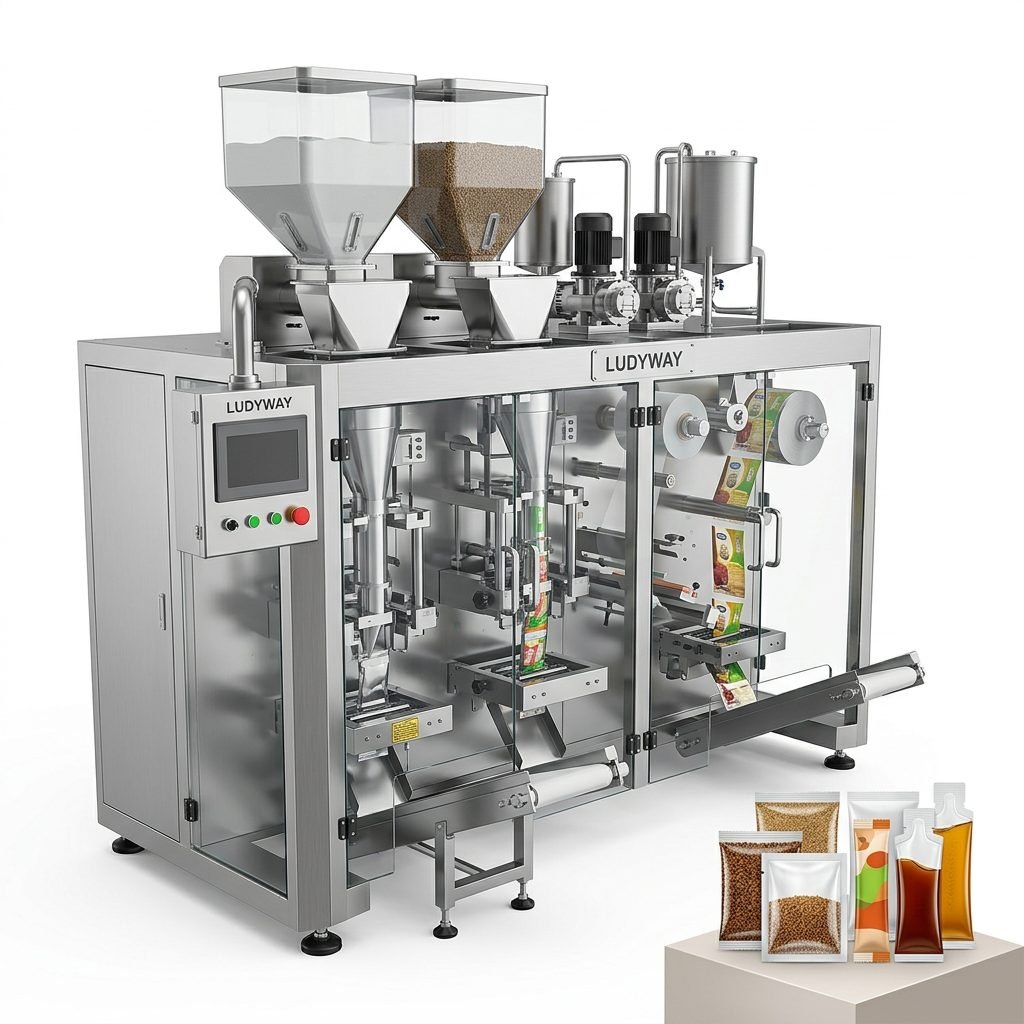
For dog snack manufacturers, selecting the right packaging machine is a critical decision that impacts product quality, shelf life, production efficiency, and brand perception. The packaging is the first physical touchpoint with the consumer and must protect the product while being attractive and functional. This comprehensive guide explores the types of dog snack packaging machines, their working processes, and key factors to help you choose the best system for your operation.
Understanding the Core Types of Dog Snack Packaging Machines
The packaging machinery market offers various systems tailored to different product forms, production speeds, and packaging styles. Understanding these core types is the first step in making an informed choice.
Vertical Form-Fill-Seal (VFFS) Machines
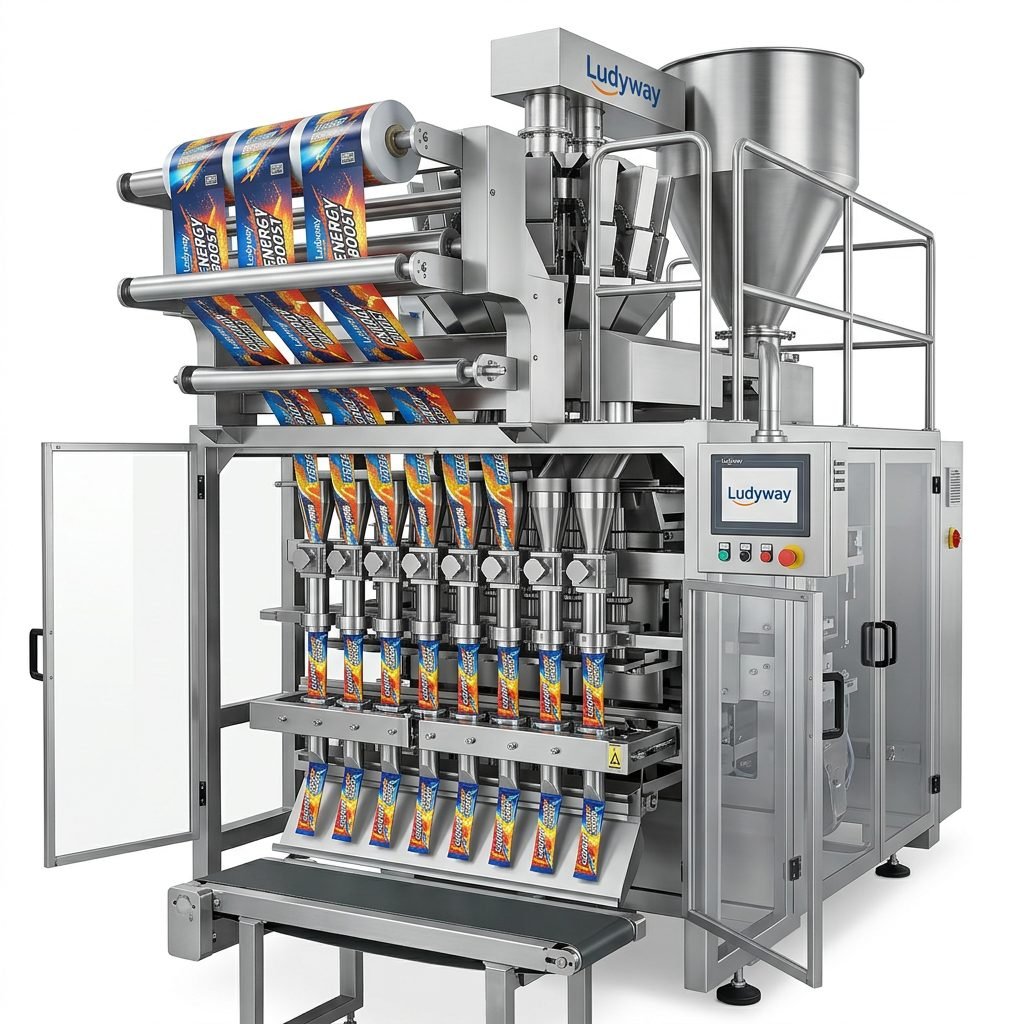
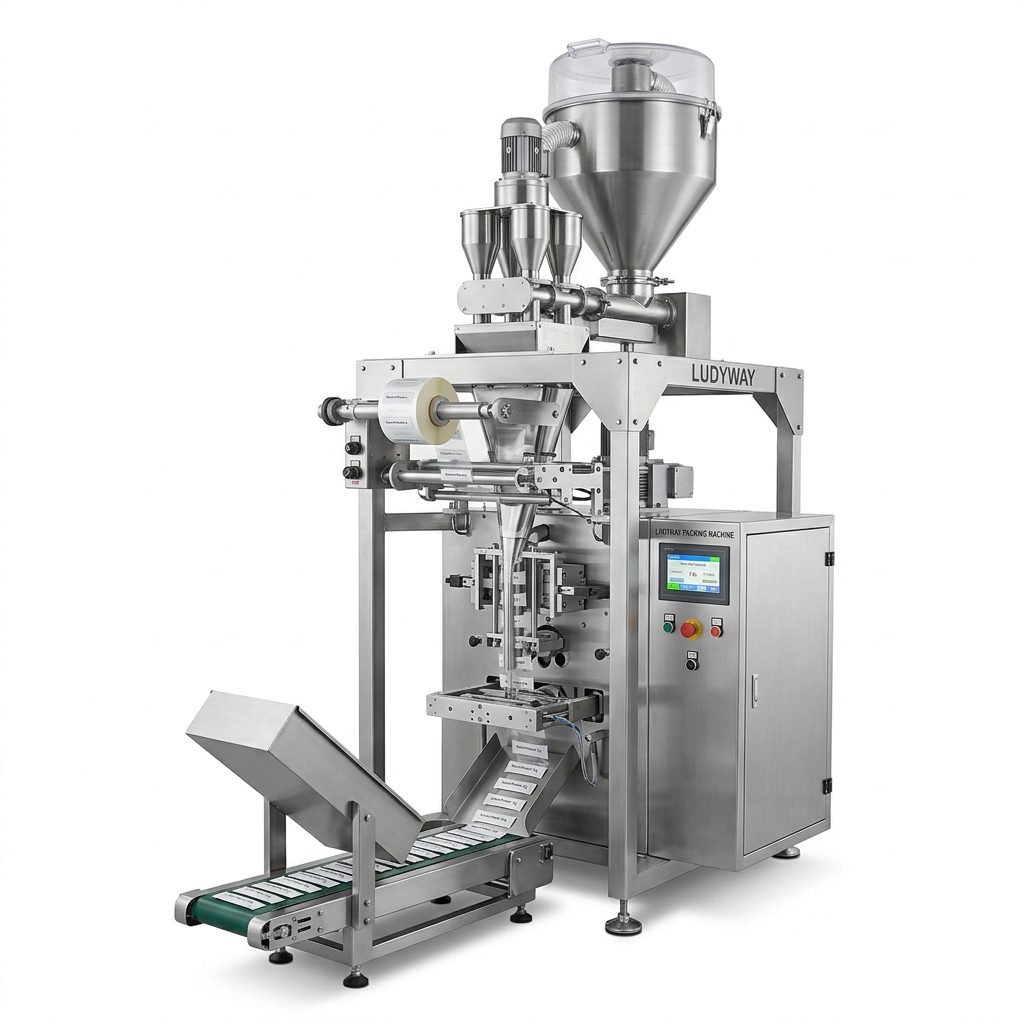
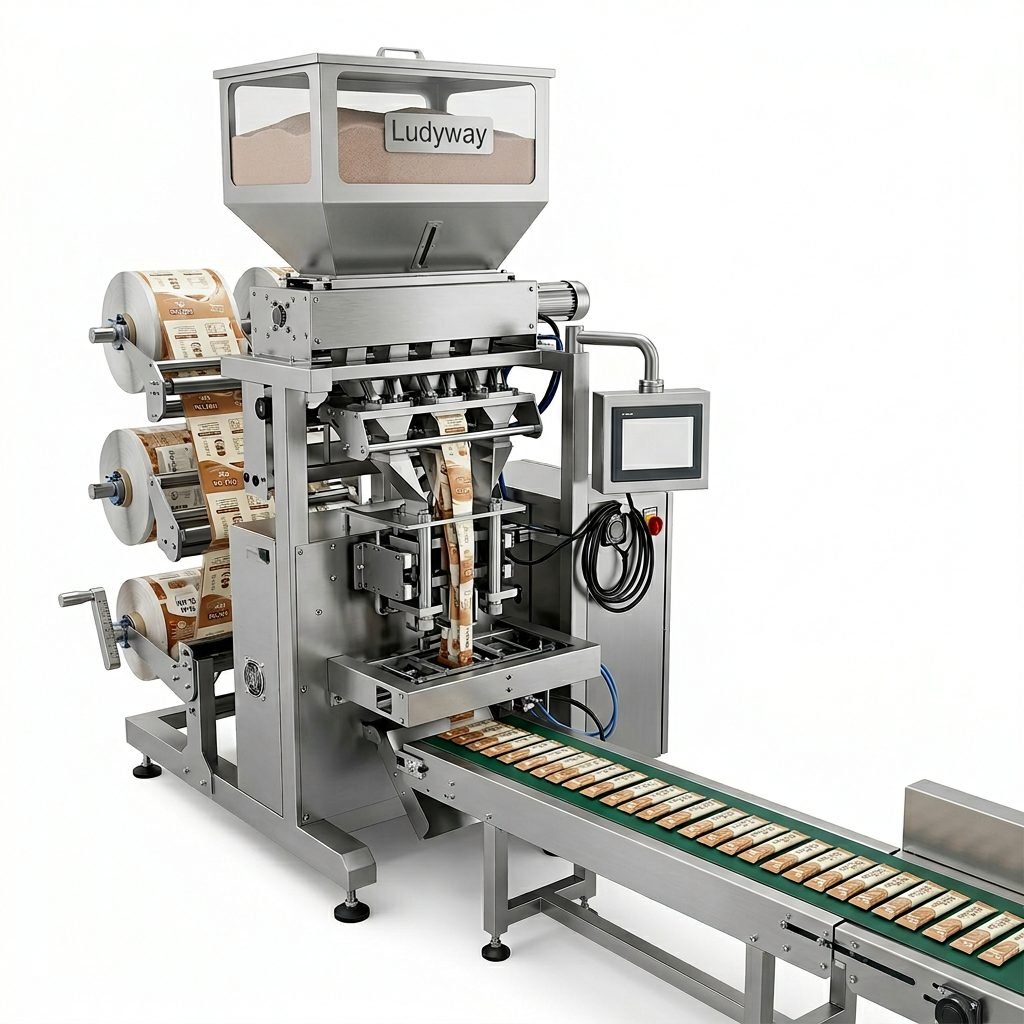
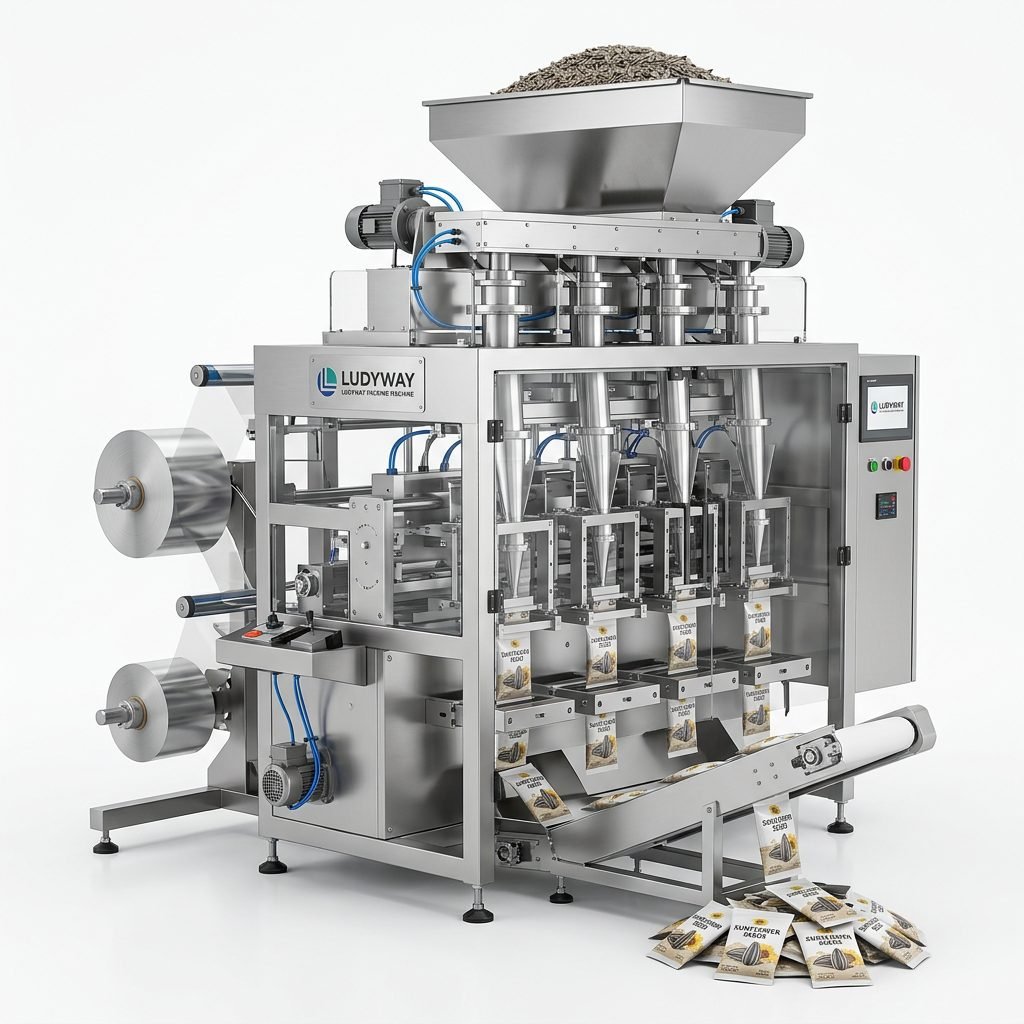
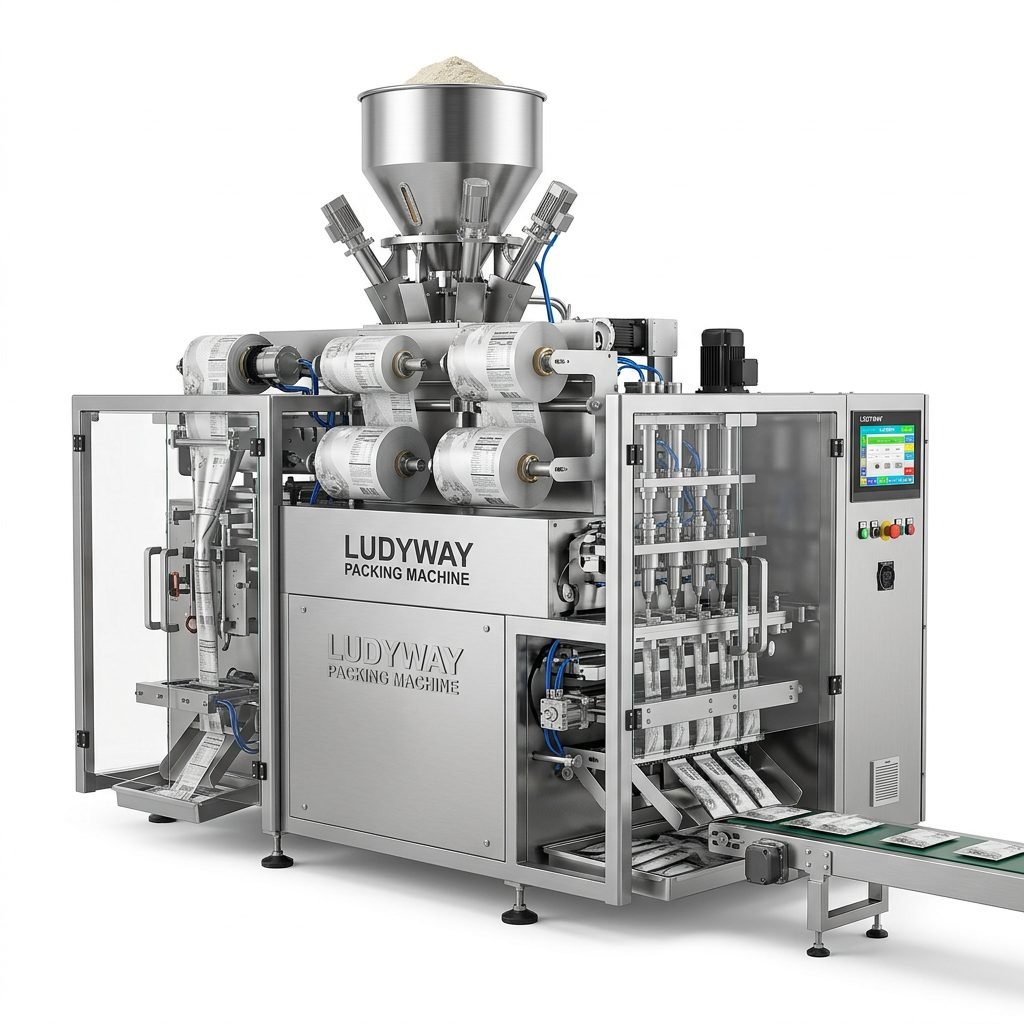
These are the most common and versatile machines for packaging free-flowing dry snacks like kibble, small biscuits, and treats. A roll of flat packaging film is formed into a tube around a filling tube. The product is dropped into this tube, after which the machine makes the bottom seal, fills the product, and then creates the top seal, completing the individual bag. VFFS machines are celebrated for their high speed, efficiency, and low film waste. They are ideal for producing pillow-style bags in various sizes.
Horizontal Form-Fill-Seal (HFFS) Machines
Often used for more rigid or irregularly shaped snacks, larger biscuits, jerky strips, or multi-component packs. In an HFFS system, the film is formed horizontally. The product is placed into pre-formed pockets on a flat web of film, a top layer of film is applied, and then the package is sealed and cut. This method is excellent for creating tray-style packaging that offers superior product visibility and protection for fragile items.
Pre-Made Bag Packers
This system uses bags that are already manufactured, gusseted, and printed. The machine’s function is to open the bag, fill it with the precise weight or count of product, and then seal it closed. This is a preferred choice for premium brands that require complex, high-quality multi-color printing or unique bag shapes (like stand-up pouches with zippers) that are difficult to achieve with form-fill-seal technology. Speeds are generally lower than VFFS but offer unmatched graphic flexibility.
Weighing and Combination Scales
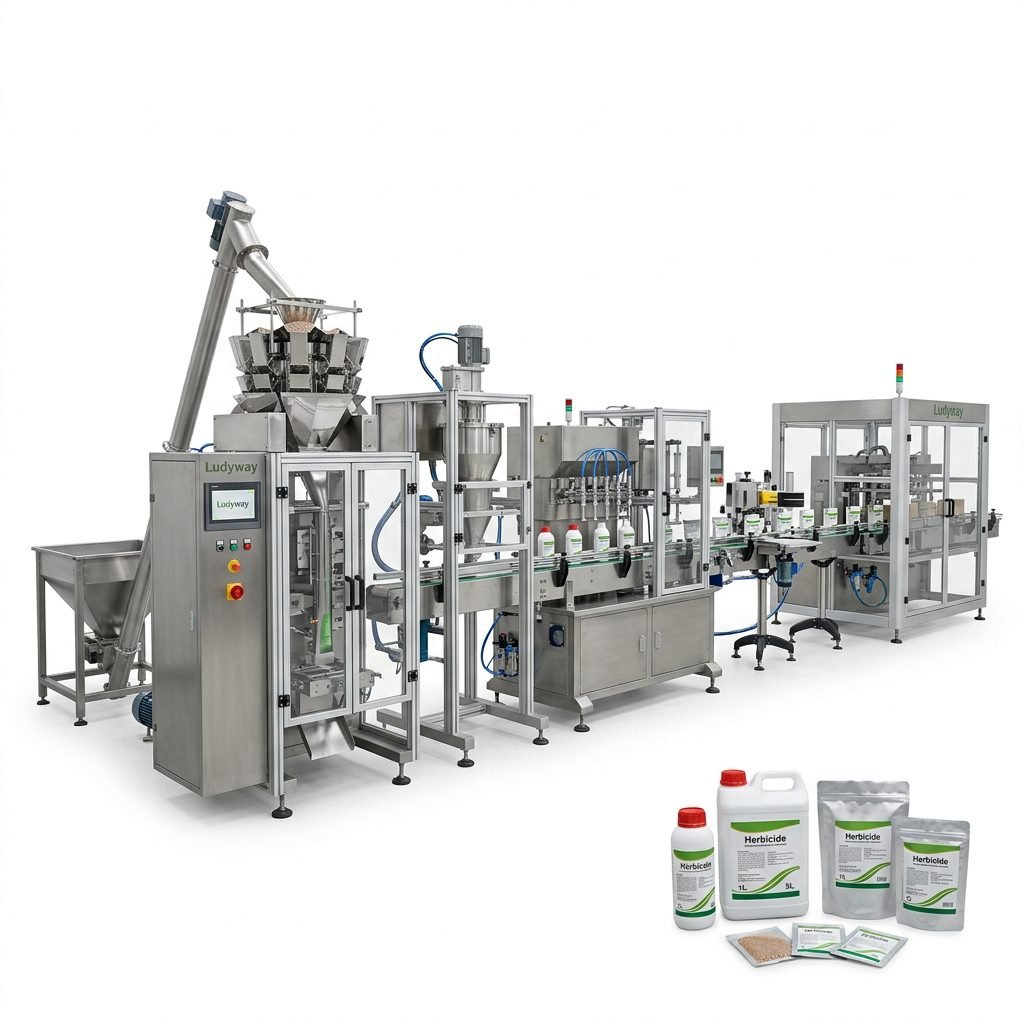
While not a packaging machine per se, multi-head computer combination scales are an integral part of any automated packaging line for weighed products. They work in tandem with the packaging machine to deliver extremely accurate weight portions at high speeds, ensuring compliance with net content regulations and minimizing product give-away, which is crucial for cost control.
The Detailed Working Process of an Automated Packaging Line
A fully automated dog snack packaging line is a symphony of coordinated components. Here’s a step-by-step breakdown of a typical VFFS process, which is the industry standard.
Step 1: Film Unwinding & Forming
The packaging film roll (laminate or mono-material) is mounted on an unwind stand. The film is fed through tensioners and guides into the forming tube of the machine. Here, a forming collar shapes the flat film into a continuous vertical tube around the outside of the filling cylinder.
Step 2: Back Seam Creation
A vertical back seam sealer (often a hot-knife or impulse sealer) creates a fin or lap seal along the length of the film tube. This seal is critical for the bag’s integrity.
Step 3: Bottom Cross-Sealing & Cutting
A pair of heated sealing jaws close horizontally across the tube, simultaneously sealing the bottom of the upcoming bag and the top of the previously filled bag. A cutting mechanism separates the two, creating the individual bag’s sealed bottom.
Step 4: Product Filling
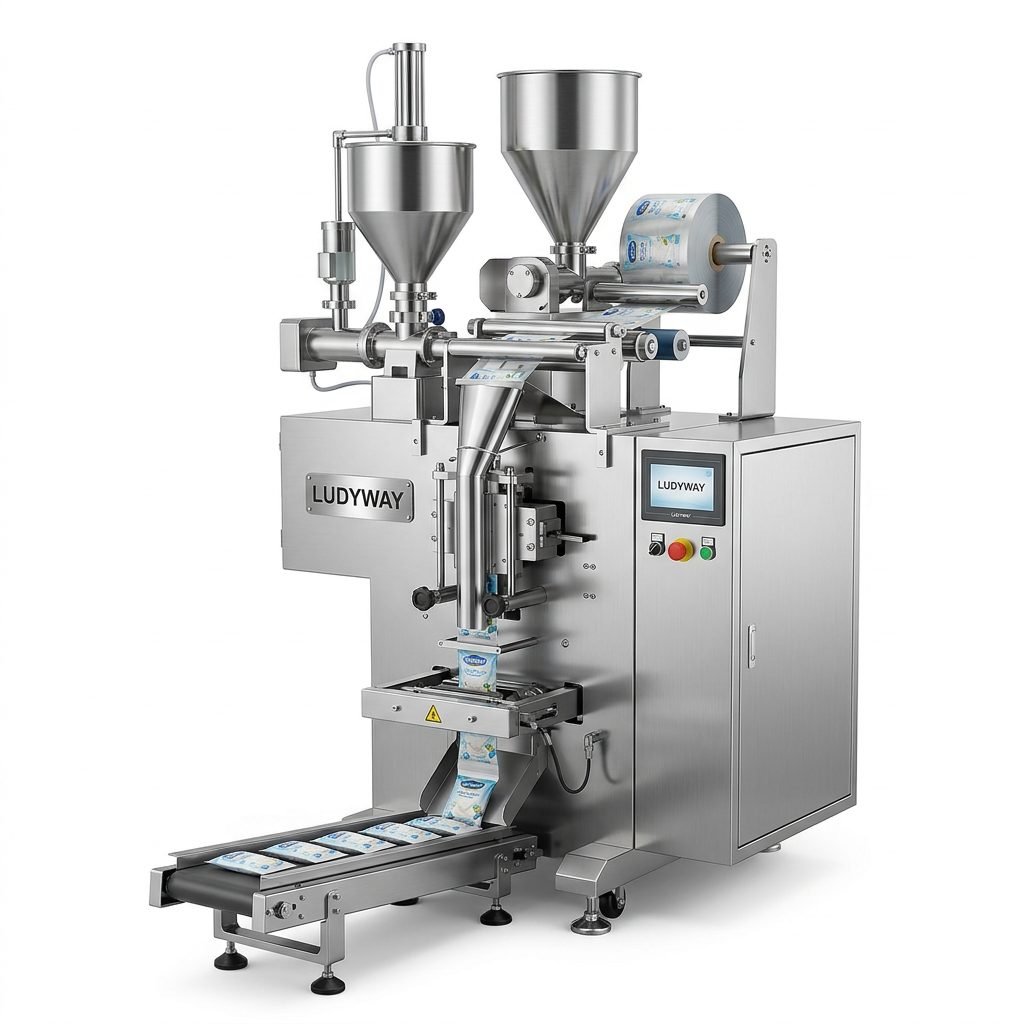
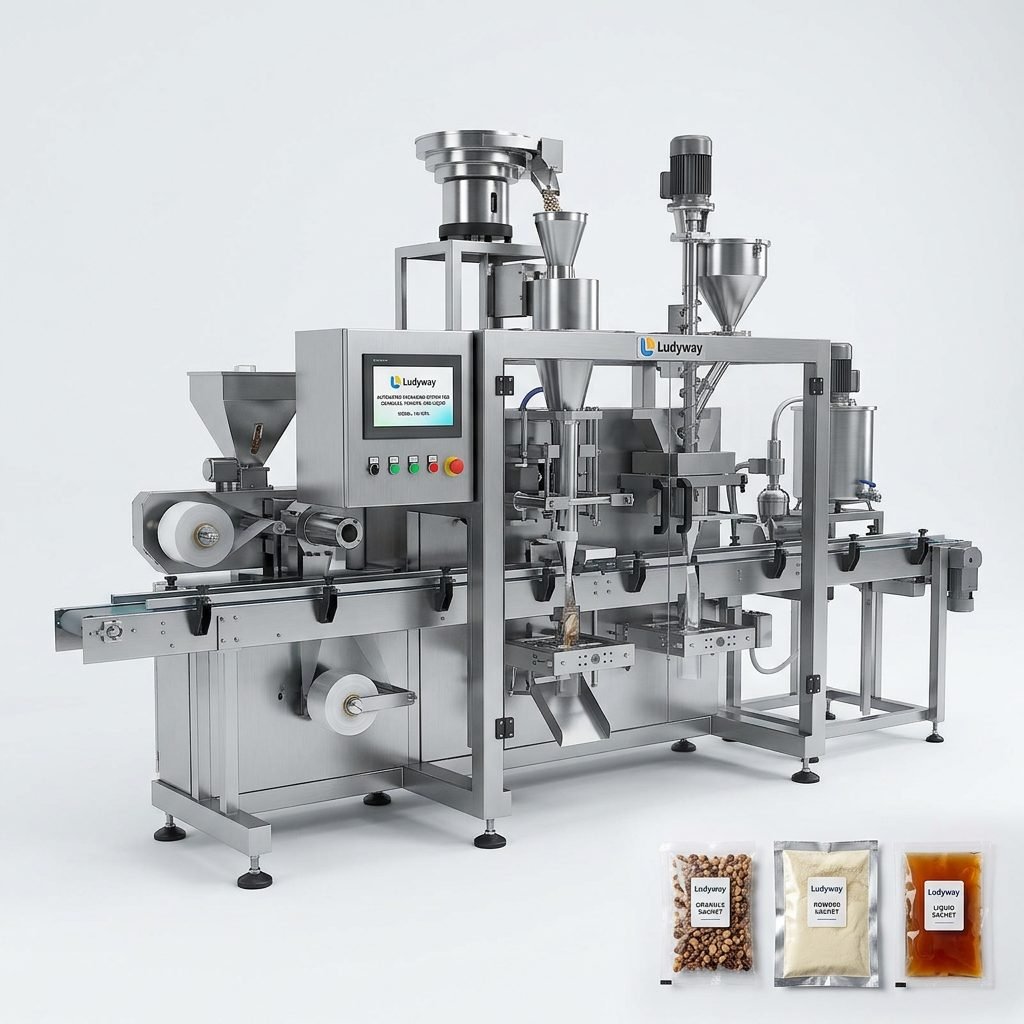
The now-open bag, held at the bottom by the jaws, drops to the filling position. The pre-measured product—delivered via a combination scale, auger filler, or volumetric cup—is released through the filling tube into the waiting bag. Advanced systems use servo-driven augers for non-free-flowing products like semi-moist treats for precise filling.
Step 5: Top Sealing & Bag Discharge
After filling, the bag is lifted, the top is cleaned of any product dust or debris (often with an air-jet), and another set of sealing jaws closes to create the final top seal. The completed bag is then released onto a conveyor belt for downstream handling like checkweighing, metal detection, boxing, or case packing.
How to Choose the Best Packaging System for Your Needs
Selecting a machine is an investment. The right choice balances current requirements with future growth. Consider these essential factors.
1. Product Characteristics
This is the foremost consideration. Analyze your product’s form (dry, semi-moist, oily), size, shape, and fragility. Free-flowing kibble suits a standard VFFS, while oily jerky might require a machine with special sealing jaws and film. Fragile baked treats may need the cushioned support of an HFFS tray.
2. Production Speed & Output Requirements
Calculate your required bags-per-minute (BPM) based on your production shifts and sales forecasts. VFFS machines can range from 40 to over 200 BPM for simple bags. Ensure the machine you select can meet your peak demand with a slight buffer for efficiency loss over time.
3. Packaging Material & Design
Your brand’s packaging vision dictates the machine type. Simple pillow bags allow for VFFS. If you require a high-barrier stand-up pouch with a re-closable zipper and vibrant graphics, a pre-made bag system is likely necessary. Discuss your material structure (e.g., PET/AL/PE) with the machine supplier to ensure compatibility with their sealing technology.
4. Automation Level & Integration
Determine how much manual intervention you can tolerate. A basic machine requires an operator to load film and monitor production. A fully automated line integrates automatic film splicing, checkweighers, reject systems, and case packers, minimizing labor and maximizing consistency. Consider future integration into a complete production line.
5. Supplier Support & Reliability
The machine is only as good as the company behind it. Choose a supplier with a proven track record in the pet food industry, like Ludyway Machinery, which offers robust engineering support. Evaluate their after-sales service, availability of spare parts, training programs, and warranty. A reliable partner ensures minimal downtime and long-term operational success.
6. Regulatory & Safety Compliance
Ensure the machine is constructed with food-grade materials (e.g., stainless steel contact parts) and is designed for easy cleaning and maintenance (following HACCP principles). Features like IP-rated electrical panels and safety guarding are non-negotiable for a modern production facility.
Enhancing Your Line with Advanced Features
Modern machines offer features that boost efficiency and quality control. Look for systems with servo-motor drives for precise motion control, reduced maintenance, and energy savings. Touch-screen PLC interfaces allow for easy recipe changeovers. Integrated gas flushing (MAP – Modified Atmosphere Packaging) can significantly extend shelf life for premium or natural snacks by replacing oxygen inside the bag with nitrogen or a gas mix.
Investing time in the selection process pays dividends in operational smoothness and product quality. By thoroughly assessing your product, output goals, and partnering with an experienced supplier, you can implement a dog snack packaging system that not only meets today’s demands but also scales with your brand’s growth, ensuring your products reach pets looking and tasting their absolute best.
Frequently Asked Questions (FAQs)
What is the typical speed range for a dog snack VFFS machine?
Speeds vary greatly based on bag size and complexity. For standard small to medium pillow bags, speeds range from 60 to 160 bags per minute. More complex operations with large bags or multi-lane setups have different throughputs.
Can one machine handle different types of dog snacks?
Yes, many machines are versatile, but changeover requires adjustments. Switching from small kibble to large biscuits may require changing the forming tube, filling head, and possibly sealing jaw profiles. Quick-changeover features are valuable for producers with multiple product lines.
How important is Modified Atmosphere Packaging (MAP) for dog treats?
MAP is crucial for products with high fat content (like jerky) or natural preservative-free snacks. By flushing out oxygen, MAP inhibits oxidation (rancidity) and microbial growth, dramatically extending shelf life and preserving flavor and nutritional value.
What are the main maintenance requirements for these machines?
Daily cleaning of product contact zones is essential. Regular maintenance includes lubricating moving parts, checking sealing jaw temperatures and alignment, inspecting and replacing worn seals or cutter blades, and ensuring electrical sensors are clean. A preventive maintenance schedule from your supplier is key.
Should I choose a single-lane or multi-lane packaging system?
The choice depends on your target speed and product. Multi-lane systems (e.g., dual-lane) run two smaller bags side-by-side, effectively doubling output for small-portion snacks without requiring a single, ultra-high-speed machine, often at a better cost-to-speed ratio.