In Japan, where meticulous attention to detail, respect for product integrity, and the pursuit of perfection—concepts deeply rooted in monozukuri (the art of making things)—are paramount, packaging is far more than just a container. It is an extension of the product’s quality and a reflection of the brand’s respect for the customer. For manufacturers serving the discerning Japanese market or those operating within its rigorous production environments, selecting the right packaging machinery is a critical decision that impacts efficiency, product preservation, and brand reputation. This guide delves into the types of packaging machines prevalent in Japan, their unique benefits aligned with local production values, and a framework for choosing the ideal equipment for your operation.
Core Principle in Japanese Packaging
The Japanese market places exceptional value on freshness, presentation, and minimal waste. Packaging machinery must therefore achieve precision sealing to extend shelf-life, create aesthetically pleasing and consistent packs, and optimize material usage to align with environmental consciousness, a growing concern among Japanese consumers.
Primary Types of Packaging Machines in the Japanese Market
The Japanese packaging machinery industry is renowned for its innovation, reliability, and automation, catering to diverse sectors from food and confectionery to pharmaceuticals and cosmetics.
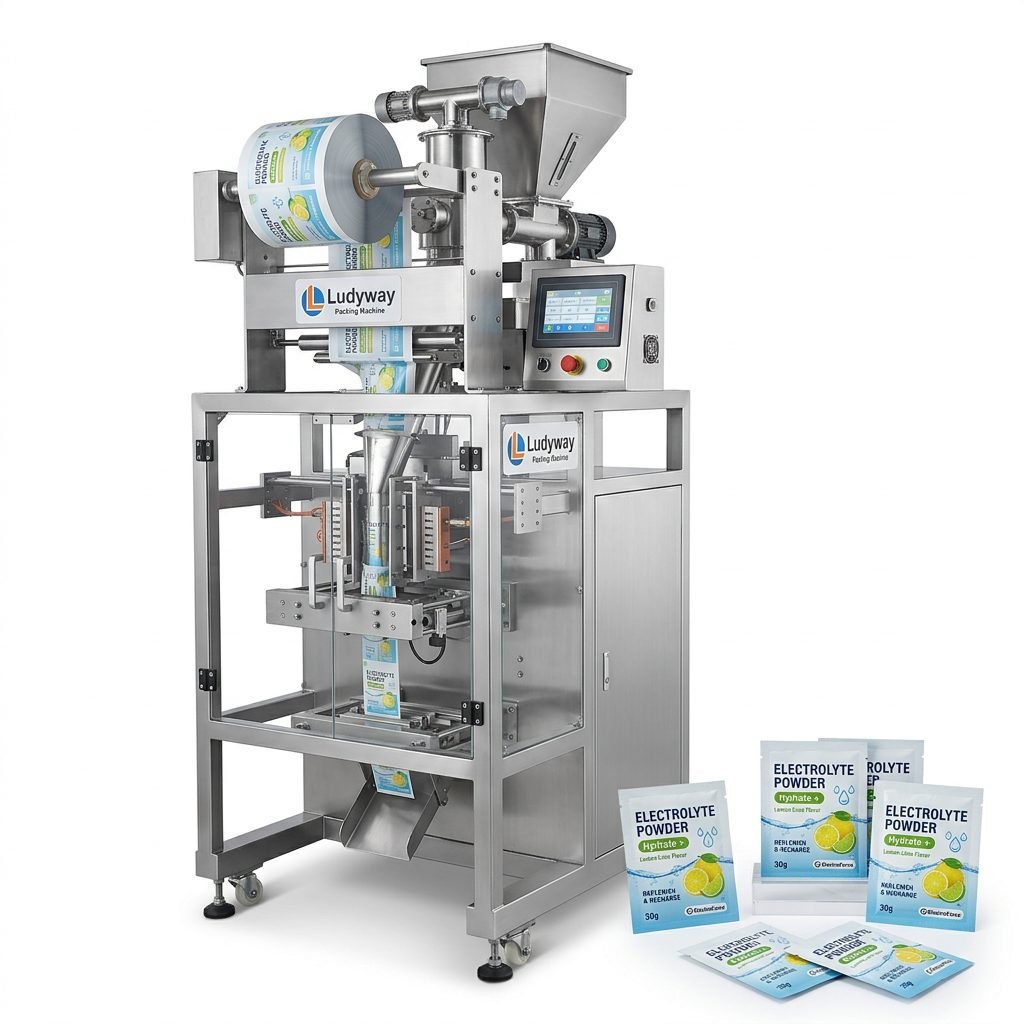
1. Vertical Form-Fill-Seal (VFFS) Machines
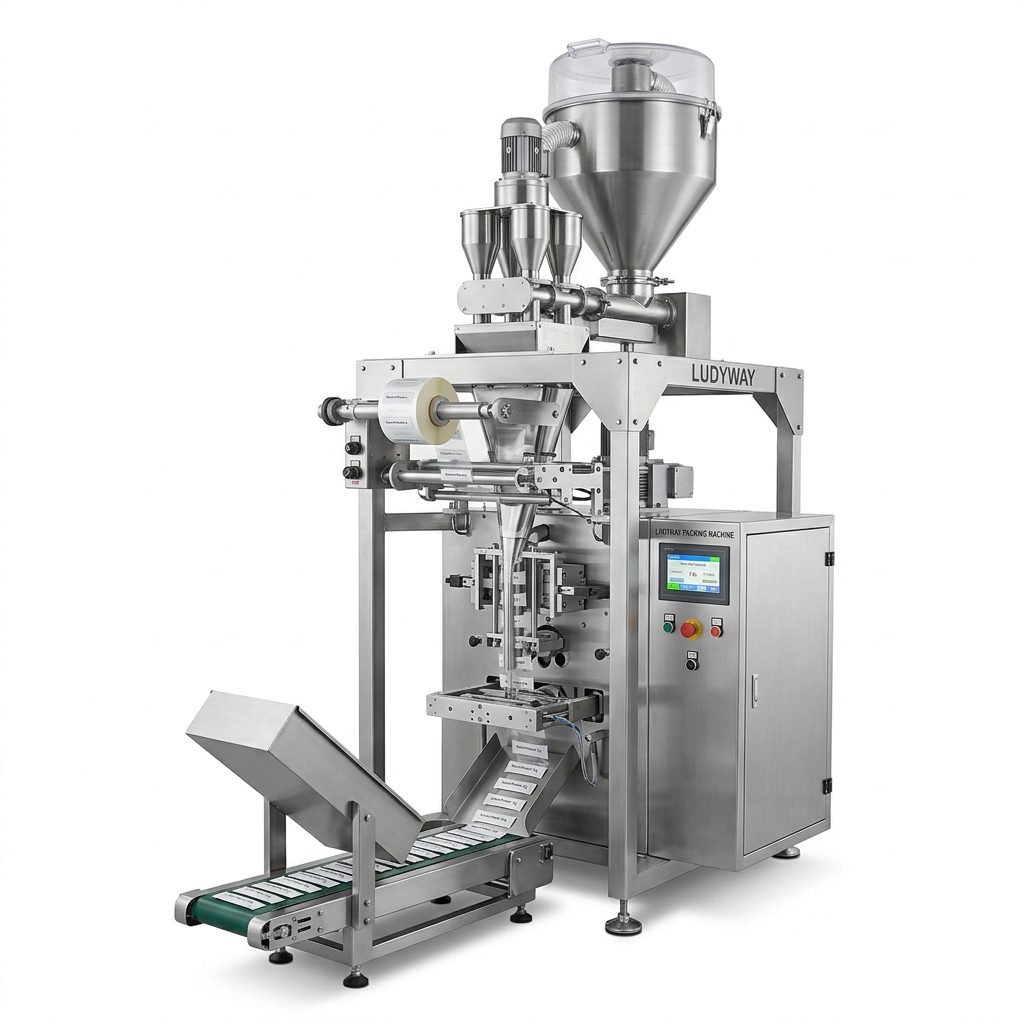
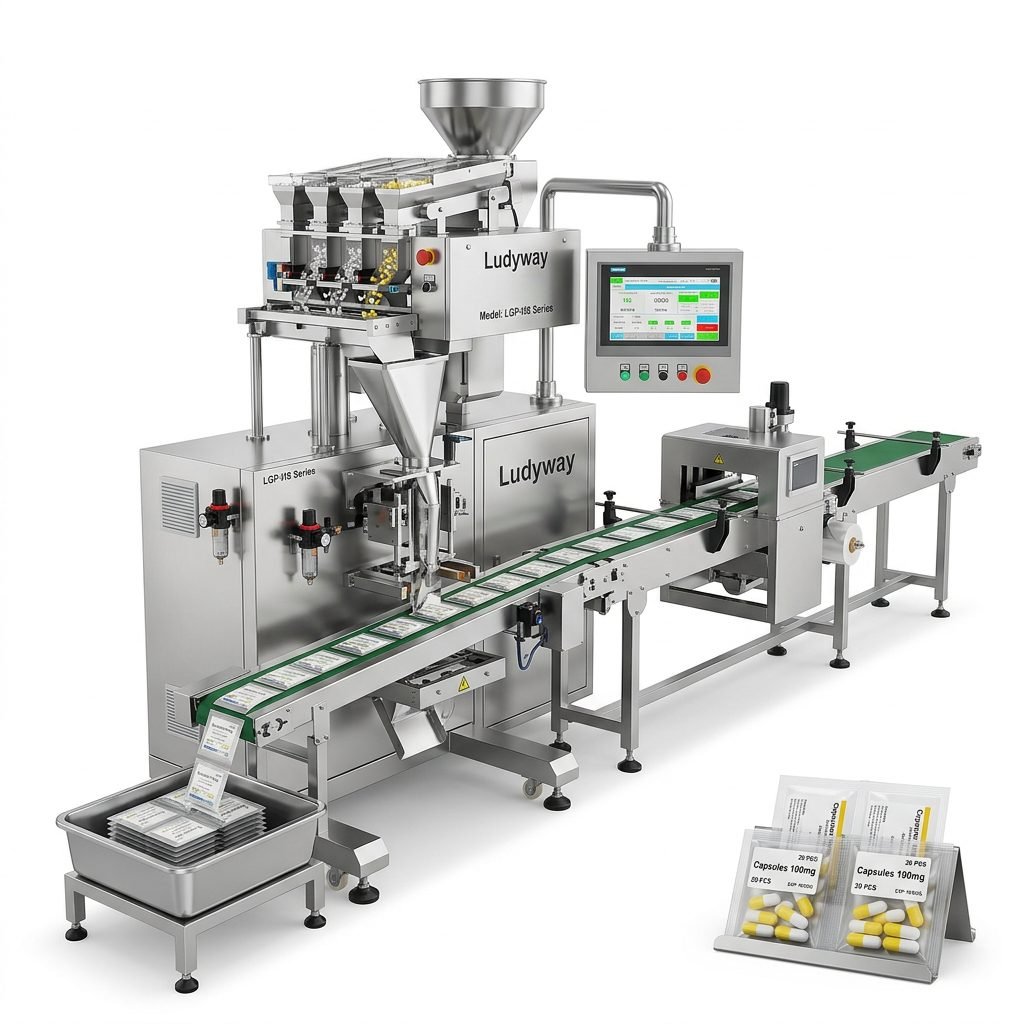
These are the workhorses of the industry, ideal for packaging free-flowing products like snacks, rice, pasta, and hardware components. They form a bag from a roll of film, fill it with a measured product, and seal it—all in one continuous, vertical operation.
- Best for: High-speed packaging of granules, powders, and small solids.
- Japanese Application: Extensively used for single-serve snacks, tea bags, and portion-controlled items, catering to the culture of convenience and precise consumption.
2. Horizontal Form-Fill-Seal (HFFS) Machines
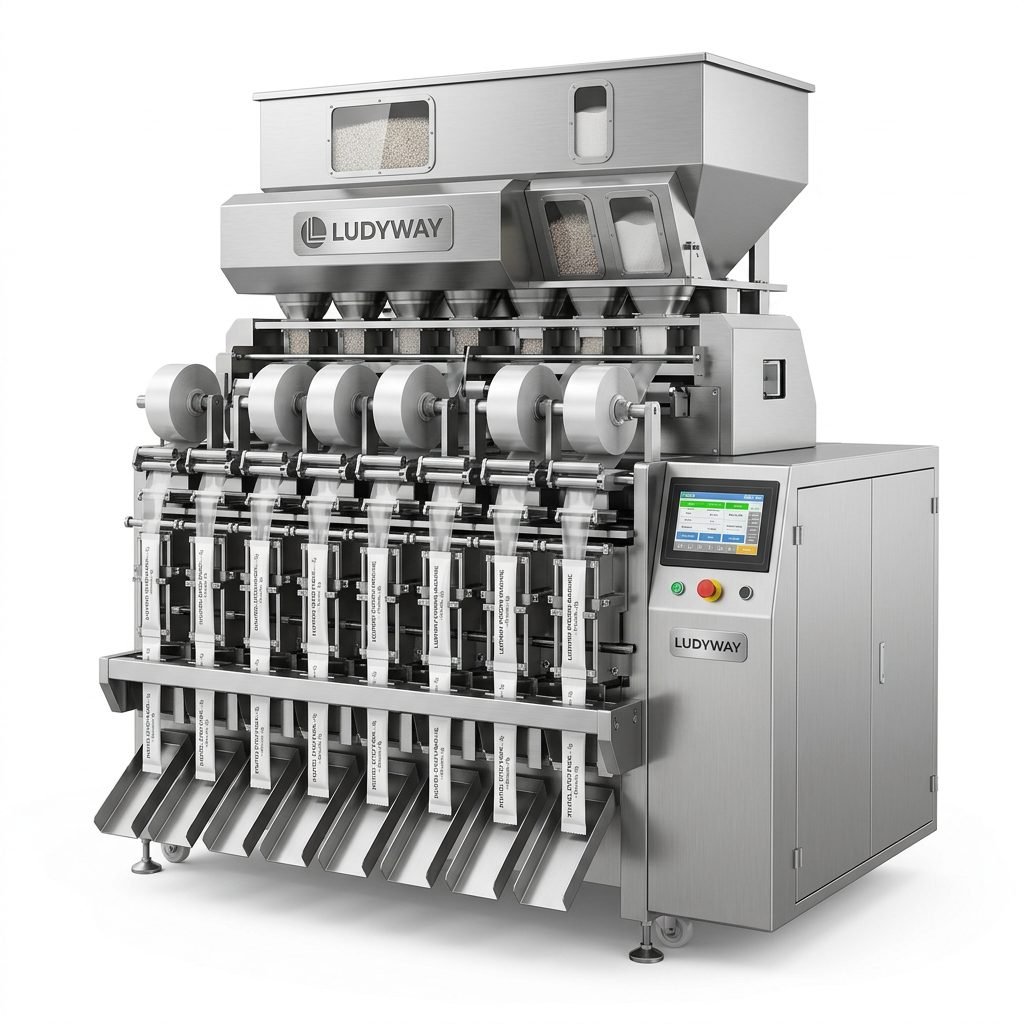
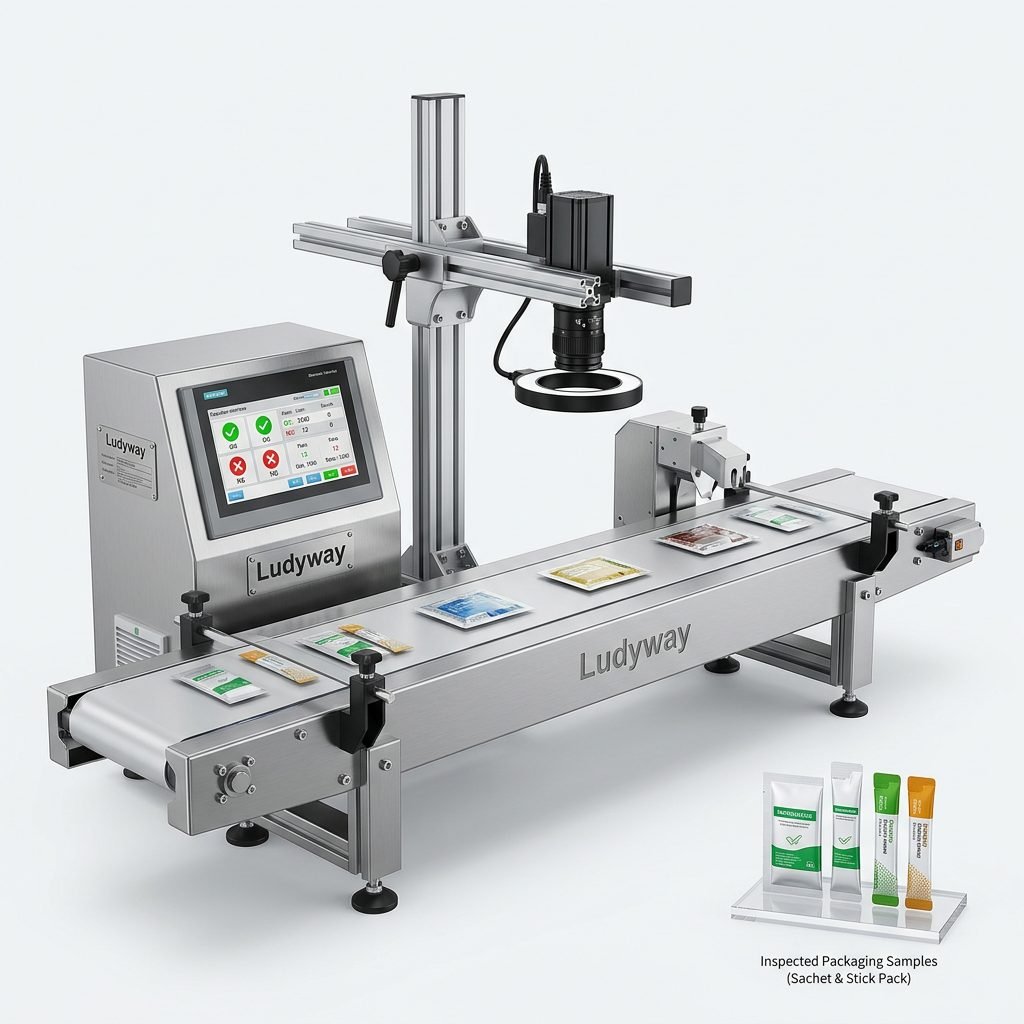
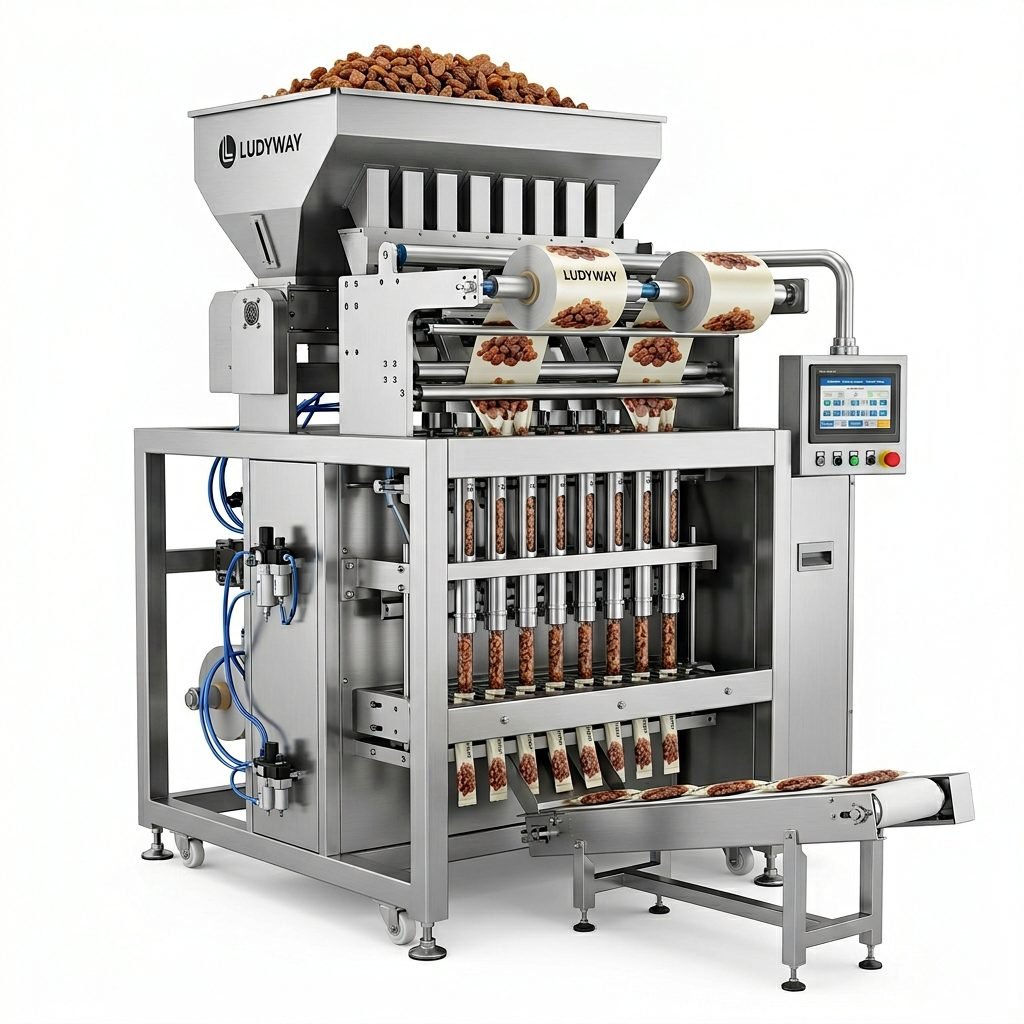
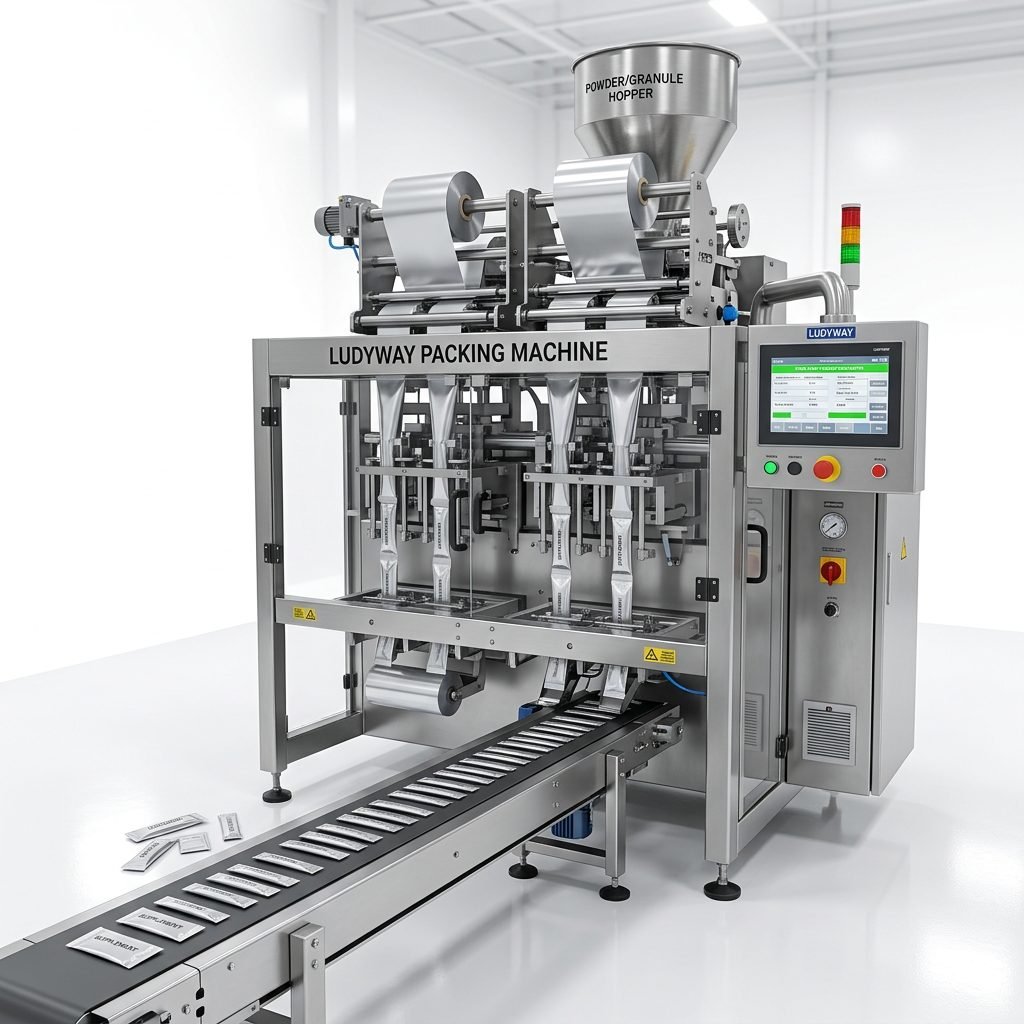
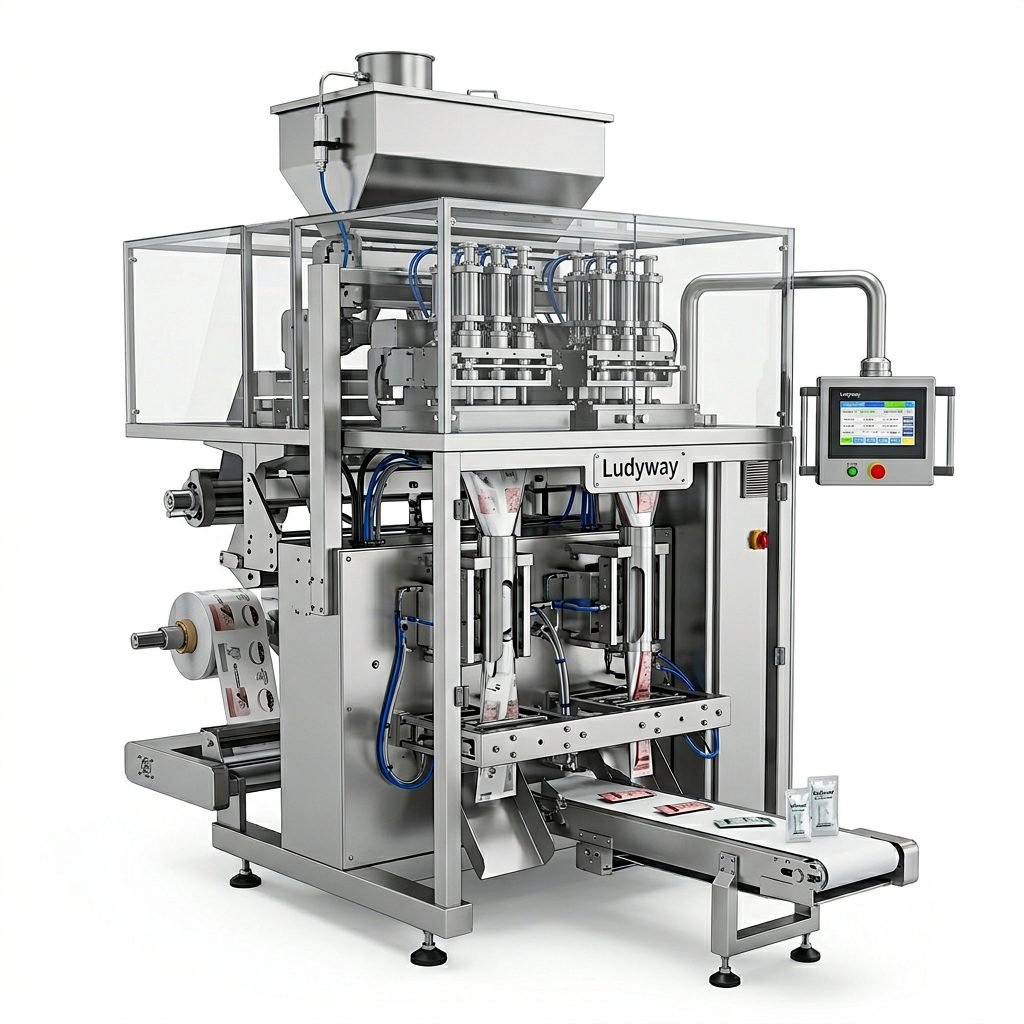
HFFS machines are typically used for more complex packaging shapes, such as sachets for sauces, condiments, shampoo, or stick packs for instant drinks and pharmaceuticals.
- Best for: Creating pillow pouches, sachets, and stick packs with multiple lanes for high output.
- Japanese Application: Perfect for the ubiquitous oyatsu (snack) culture, producing delicate sauce packets for bento boxes, and single-dose pharmaceutical packs that emphasize accuracy and hygiene.
3. Liquid & Pasty Filling Machines
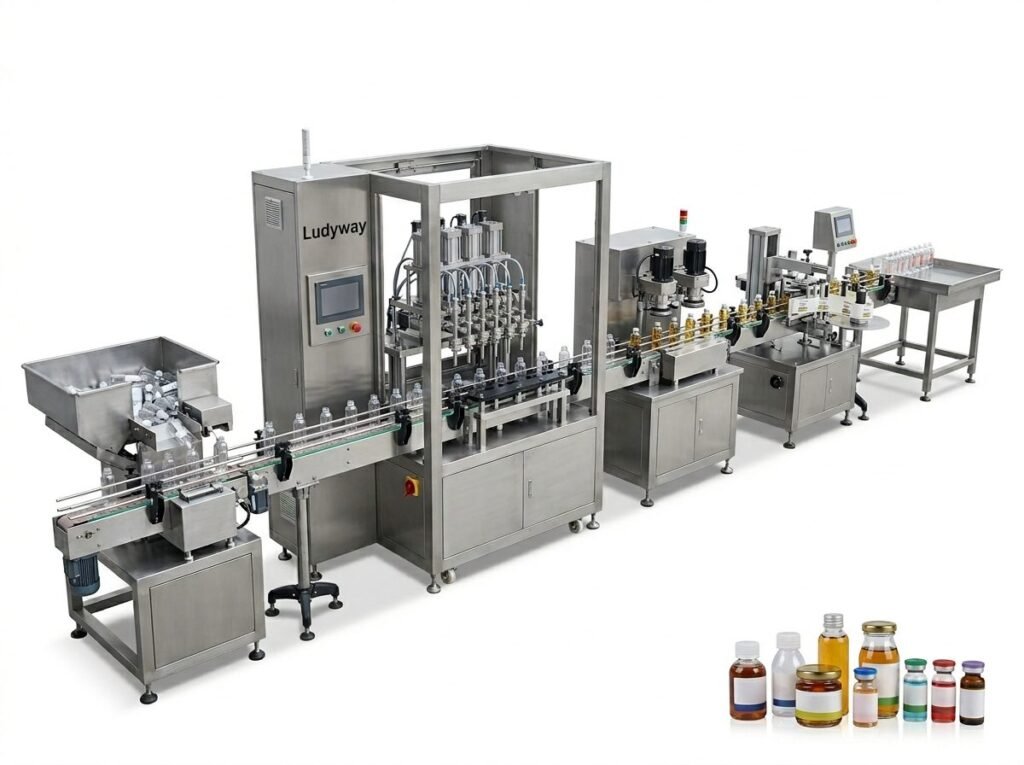
Designed to handle viscous products like sauces, dressings, cosmetics, and pharmaceuticals without dripping or inaccuracies. They often integrate with capping or lidding systems.
- Best for: Sauces, lotions, creams, and liquid supplements.
- Japanese Application: Critical for maintaining the quality and presentation of premium sauces (e.g., soy sauce, ponzu), skincare essences, and functional health tonics, where spillage is unacceptable.
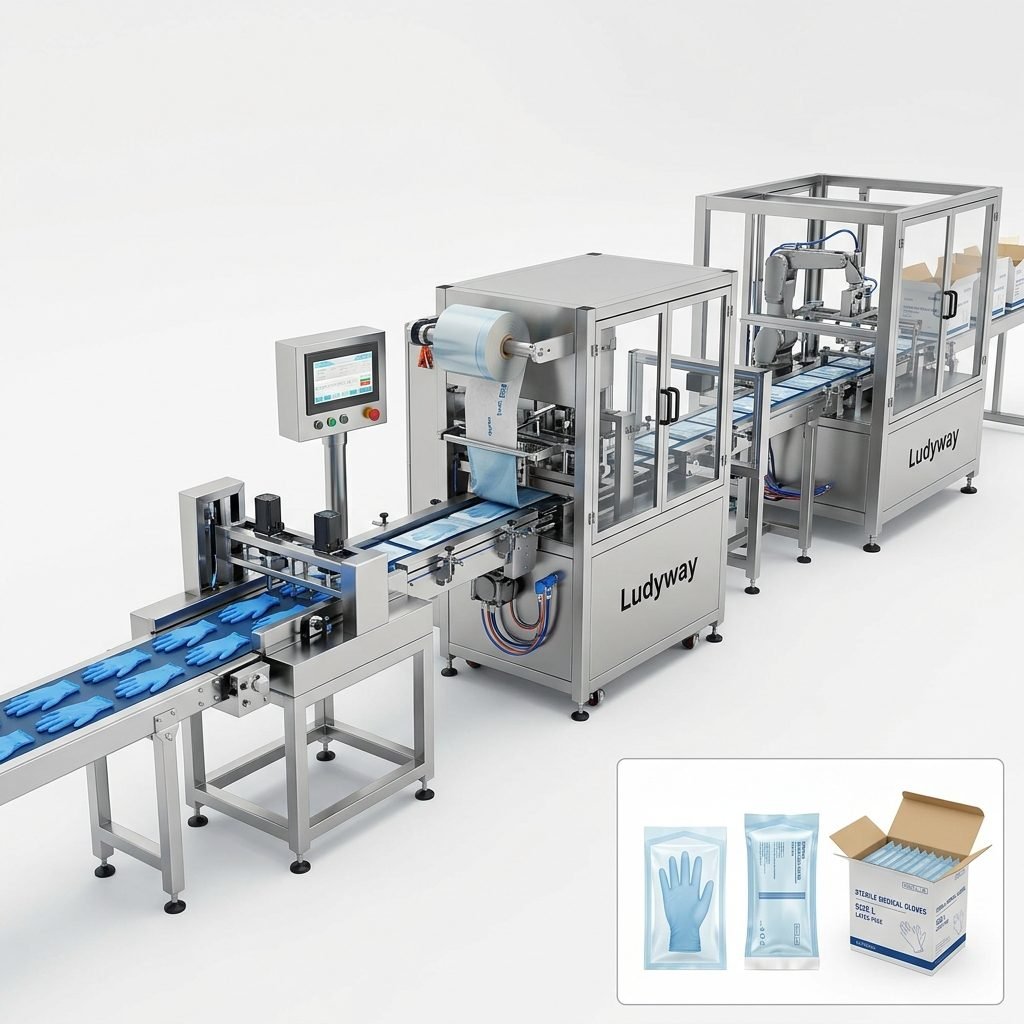
4. Thermoforming & Blister Packaging Machines
These machines use heat to form plastic cavities (blisters) around products, then seal them with a lidding material. They offer excellent product visibility and protection.
- Best for: Pharmaceuticals, tablets, capsules, and small electronic components.
- Japanese Application: Aligns with the high standards of the pharmaceutical industry and the demand for impeccably presented small consumer goods and electronics.
Key Consideration for the Japanese Context
Space is often at a premium in Japanese manufacturing facilities. Therefore, machinery with a compact footprint and vertical integration is highly valued. Furthermore, equipment must be compatible with the prevalent use of biodegradable or recyclable films, responding to strict waste segregation laws and consumer eco-awareness.
Significant Benefits of Modern Japanese Packaging Machinery
Enhanced Hygiene and Safety
Built with stainless steel contact parts and easy-clean designs, modern machines meet the stringent food safety and pharmaceutical standards (JAS, GMP) expected in Japan, where cleanliness is non-negotiable.
Unmatched Precision and Consistency
Advanced servo-driven technology ensures exact filling weights and perfect seal integrity. This eliminates giveaway (protecting profit) and prevents spoilage, honoring the Japanese principle of mottainai (avoiding waste).
High-Speed Automation with Flexibility
Machines can achieve incredibly high speeds to meet large-scale demand while offering quick changeover capabilities. This allows producers to efficiently manage the diverse, seasonal, and limited-edition product launches popular in Japanese consumer markets.
Intelligent Data Integration
Many machines feature IoT connectivity for real-time monitoring of production counts, downtime, and maintenance alerts. This supports the culture of continuous improvement (kaizen) by providing data for optimizing processes.
How to Choose the Right Packaging Machine for Your Production
Selecting machinery requires a strategic approach that balances technical needs with local operational realities.
Step 1: Analyze Your Product and Materials
Define your product’s physical characteristics (size, shape, flowability) and the packaging material (film type, laminate structure). Consider if your material is locally sourced in Japan or imported, as this affects compatibility.
Step 2: Define Your Output Requirements
Calculate your required packs per minute/hour. Remember, in Japan, reliability over pure maximum speed is often prioritized to ensure consistent, uninterrupted production flow.
Step 3: Evaluate Machine Features and Compliance
Prioritize machines with robust construction, user-friendly HMI (Human-Machine Interface)—often bilingual (Japanese/English)—and compliance with Japanese industrial safety (JIS) and electrical standards.
Step 4: Assess Supplier Support and Service
This is critical. Choose a supplier known for strong after-sales support within Japan. Look for providers offering comprehensive training, readily available spare parts, and responsive technical service to minimize downtime. A partner like Ludyway Machinery, with deep industry experience, understands the importance of reliable long-term partnerships and can provide tailored solutions and support.
Step 5: Consider Total Cost of Ownership (TCO)
Look beyond the initial purchase price. Factor in energy consumption (important in Japan), maintenance costs, ease of operation, and the machine’s expected lifespan. Investing in quality, efficient machinery from a reputable source often yields a lower TCO.
Final Checklist Before Purchase
- ✅ Request a live or recorded product sample test using your exact materials.
- ✅ Verify the availability of local service engineers or certified partners.
- ✅ Ensure the machine’s software and documentation have Japanese language support.
- ✅ Check for compatibility with common Japanese utility specifications (voltage, frequency).
- ✅ Review the supplier’s track record with other manufacturers in your sector, perhaps within Japan or serving the Japanese market.
Successfully integrating the right packaging machine into your production line, especially for the quality-conscious Japanese market, requires careful planning. By understanding the machine types, aligning their benefits with local expectations for precision and cleanliness, and following a structured selection process that emphasizes reliable support, you can make an investment that enhances your productivity, product quality, and brand standing for years to come. For businesses seeking to navigate these choices, exploring the solutions offered by experienced providers can be an excellent starting point for your packaging automation journey. You can learn more about specific applications by reviewing our granule packaging solutions or our systems designed for high-speed sachet production.
Frequently Asked Questions (FAQs)
Q1: How important is after-sales service when buying packaging machinery in Japan?
Extremely important. Given the focus on minimizing production stoppages (teisha), having prompt, reliable, and local technical support and spare parts availability is often as crucial as the machine itself. It ensures long-term operational stability.
Q2: Can I use imported packaging film on Japanese machines?
Generally yes, but it must be tested. Japanese machines are precision-engineered, and the film’s coefficient of friction, heat sensitivity, and tensile strength must be compatible with the machine’s sealing jaws and forming mechanisms to ensure perfect seals.
Q3: What is a typical lead time for installing a new packaging line in Japan?
Lead times vary based on machine complexity and customization. For standard models from stock, it could be 8-12 weeks including delivery and installation. For fully customized turnkey lines, planning for 4-6 months or more is advisable, factoring in site preparation and rigorous testing.
Q4: Are there government incentives for adopting automated or energy-efficient packaging machinery in Japan?
Yes, various national and prefectural programs exist to support SME productivity enhancement and GX (Green Transformation). These can include tax deductions, subsidies, or low-interest loans for equipment that improves efficiency or reduces environmental impact. Consulting with a local business support organization is recommended.
Q5: How do I handle maintenance and operator training?
Reputable suppliers should offer comprehensive training for your engineers and operators, often on-site. Ensure the training covers daily operation, routine maintenance, basic troubleshooting, and safety procedures. Clear manuals in Japanese are essential. Establishing a preventive maintenance schedule based on the supplier’s guidelines is key to reliability.