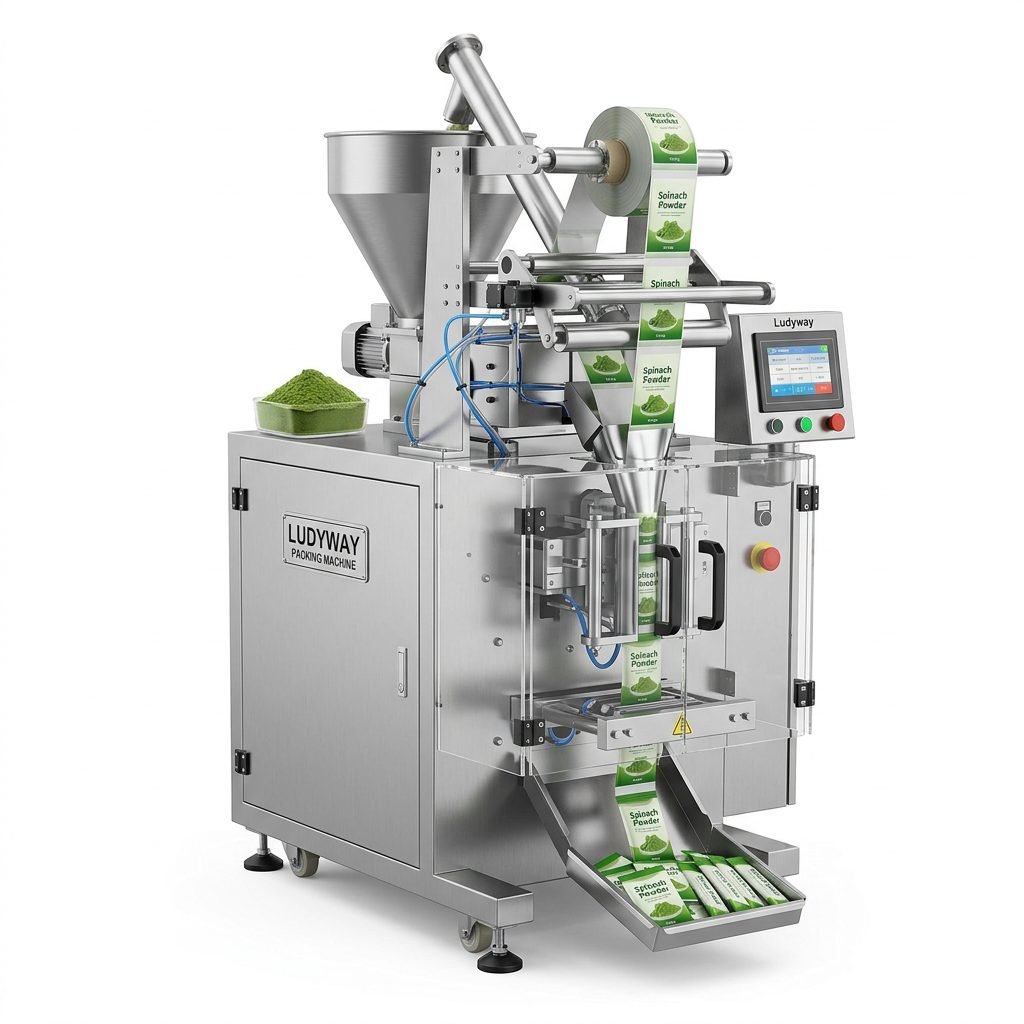
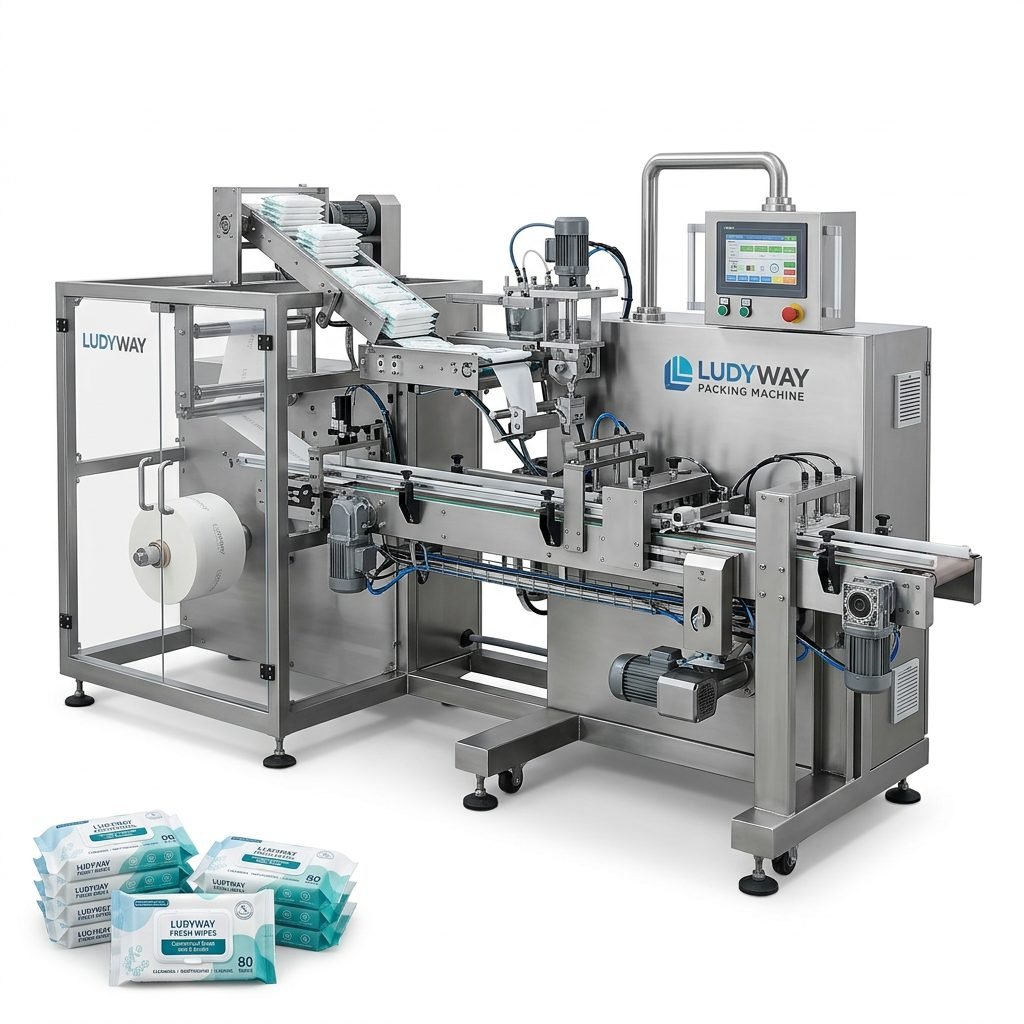
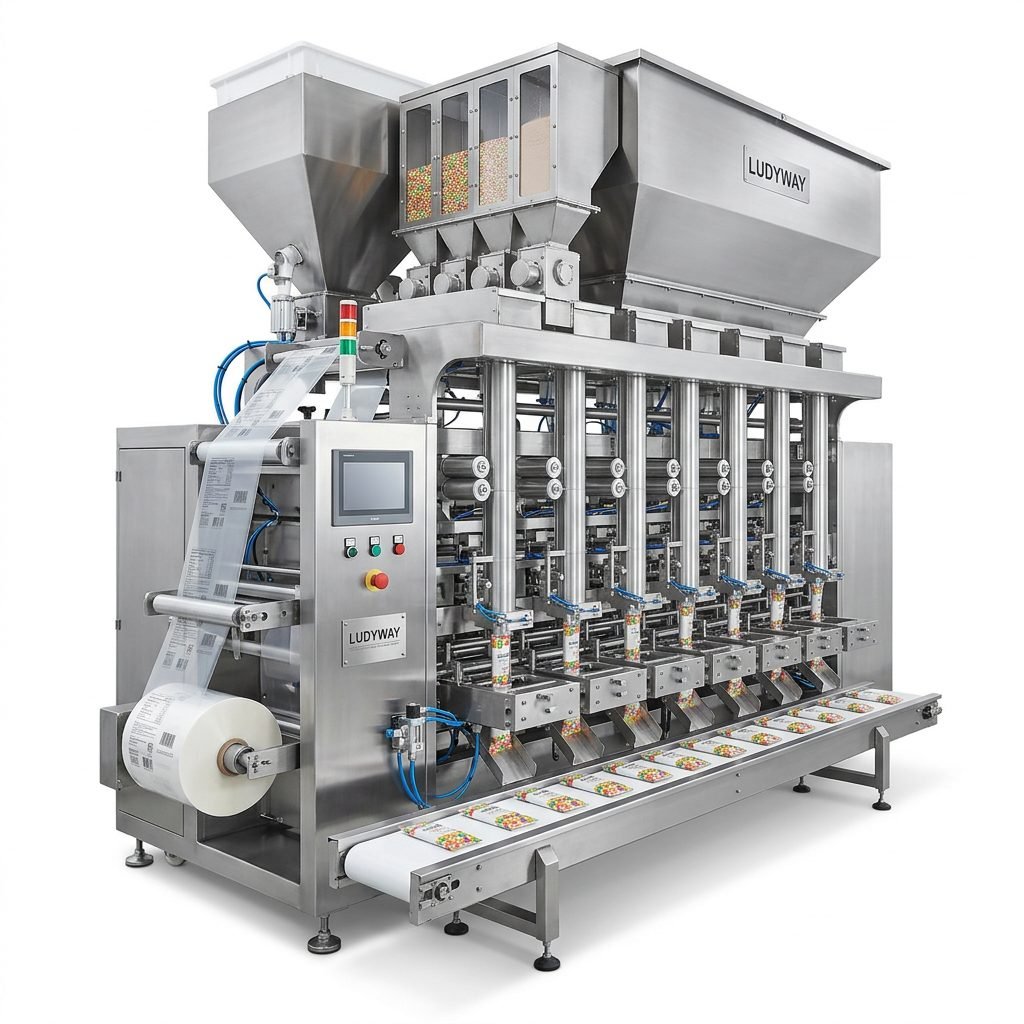
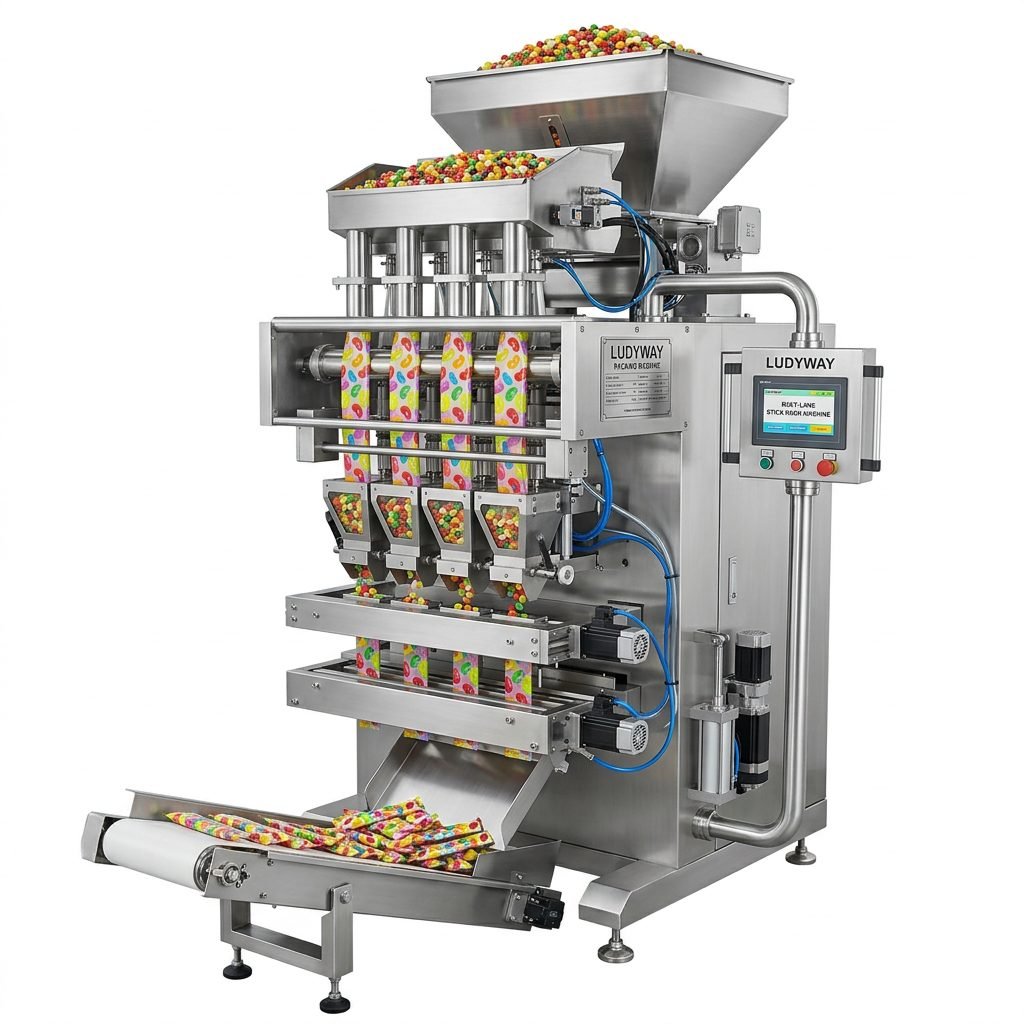
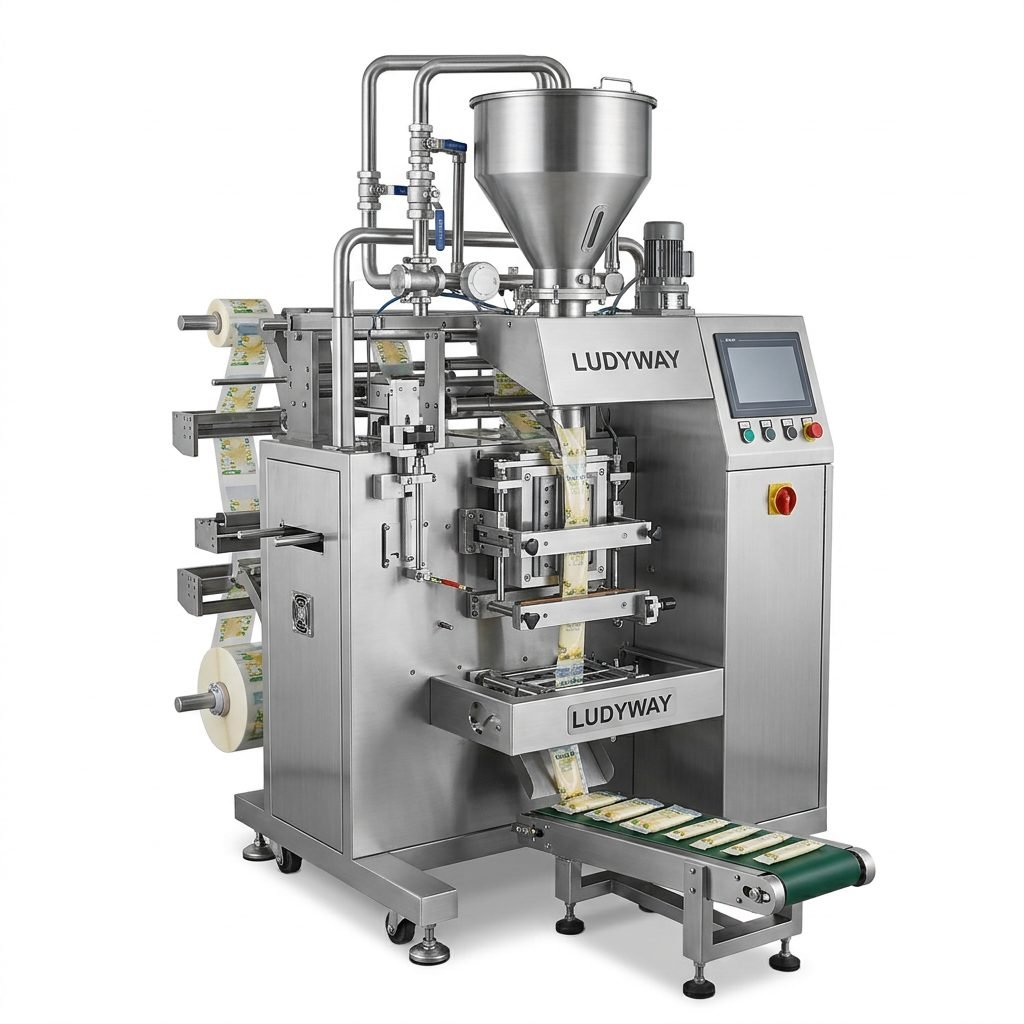
In the fast-paced world of manufacturing and product distribution, efficiency is paramount. Automated packaging systems have become the backbone of modern production lines, and at the heart of many of these systems is the TLM packaging machine. This technology represents a significant leap forward in packaging automation, offering unparalleled speed, precision, and reliability.
Understanding the TLM Packaging Machine
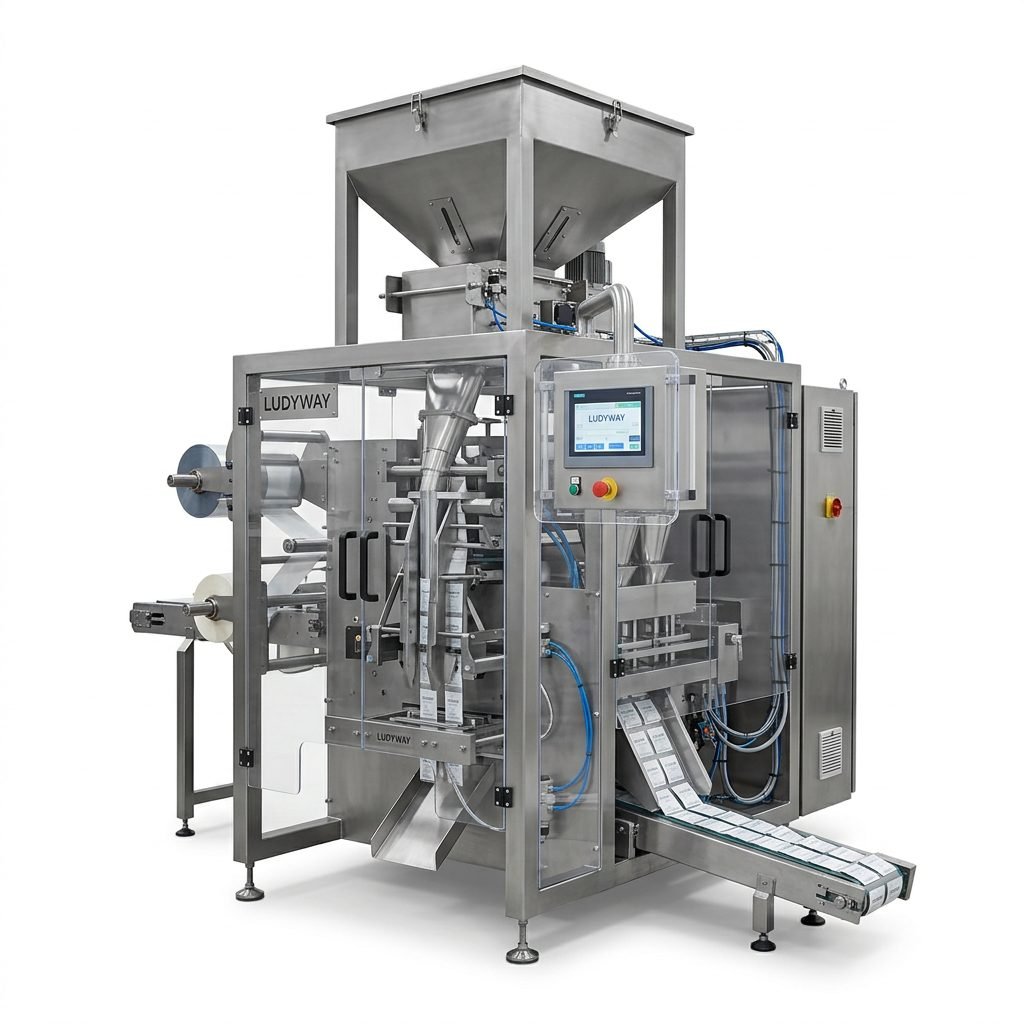
A TLM (Transverse Loading Module) packaging machine is a highly advanced, automated system designed for high-speed, continuous-motion packaging. Unlike traditional intermittent-motion machines that start and stop for each cycle, TLM machines operate on a continuous flow principle. This allows for the seamless loading, forming, filling, and sealing of packaging materials—typically films for pouches, sachets, or stick packs—at remarkably high speeds.
The core innovation lies in its transverse loading mechanism. Products are fed into the machine and then transferred laterally into the waiting packaging web. This synchronized, continuous motion eliminates the dead time found in stop-and-go systems, dramatically increasing output rates. For industries like food, pharmaceuticals, and nutraceuticals, where high-volume production is critical, the TLM technology is a game-changer.
Key Components and Workflow
The efficiency of a TLM machine stems from its integrated components working in perfect harmony:
• Film Unwinding & Forming: A roll of packaging film is fed into the machine and shaped into a tube via a forming collar.
• Product Feeding: Pre-measured product (granules, powder, liquids) is delivered via precision auger or pump systems.
• Transverse Loading & Sealing: This is the critical phase where product is loaded sideways into the film tube. Simultaneously, longitudinal and transverse seals are created by heated jaws, forming individual pouches.
• Cutting & Discharge: The sealed pouch chain is cut into individual units and discharged for collection or secondary packaging.
How TLM Technology Supercharges Packaging Efficiency
The adoption of TLM packaging machines translates directly into measurable gains across several key performance indicators.
1. Dramatic Increase in Production Speed
The most apparent benefit is speed. By eliminating the acceleration and deceleration cycles of intermittent machines, TLM systems can achieve speeds of over 1,200 cycles per minute for smaller pouches. This continuous motion allows for a higher number of packages per minute without increasing mechanical stress on the components, leading to more sustainable high-speed operation.
2. Enhanced Precision and Reduced Waste
Efficiency isn’t just about speed; it’s about doing more with less. TLM machines integrate sophisticated servo-driven technology for both film feeding and product dosing. This ensures exceptional accuracy in package length and fill weight, minimizing product giveaway. Precise sealing controls also reduce film waste and the rate of defective seals, optimizing material usage and cost.
3. Unmatched Flexibility and Quick Changeovers
Modern production demands flexibility. Advanced TLM machines store recipe parameters digitally, allowing operators to switch between different package sizes, shapes, or products with a few clicks on the HMI (Human-Machine Interface). Changeover times can be reduced from hours to minutes, enabling manufacturers to run smaller, more customized batches efficiently—a crucial capability for responding to market trends.
4. Superior Reliability and Uptime
The continuous, smooth motion of a TLM machine subjects its components to less jarring forces compared to intermittent systems. This results in lower wear and tear, fewer breakdowns, and significantly higher overall equipment effectiveness (OEE). Greater machine uptime means more consistent output and fewer delays in meeting production schedules.
5. Improved Hygiene and Safety Standards
With enclosed product handling zones and often constructed with stainless steel and other easy-clean materials, TLM machines are designed for high hygiene environments. This is non-negotiable in pharmaceutical and food applications. The automation also reduces direct human contact with the product, enhancing both safety and contamination control.
Integration into Smart Factory Ecosystems
Today’s TLM packaging machines are not isolated units. They are designed as nodes in a connected industrial ecosystem. Equipped with IoT sensors and standard communication protocols (like OPC UA), they provide real-time data on production counts, machine status, maintenance alerts, and quality metrics. This data feeds into central Manufacturing Execution Systems (MES), enabling predictive maintenance, detailed performance analytics, and truly intelligent, self-optimizing production lines.
Applications Across Key Industries
The versatility of TLM packaging makes it indispensable in several sectors:
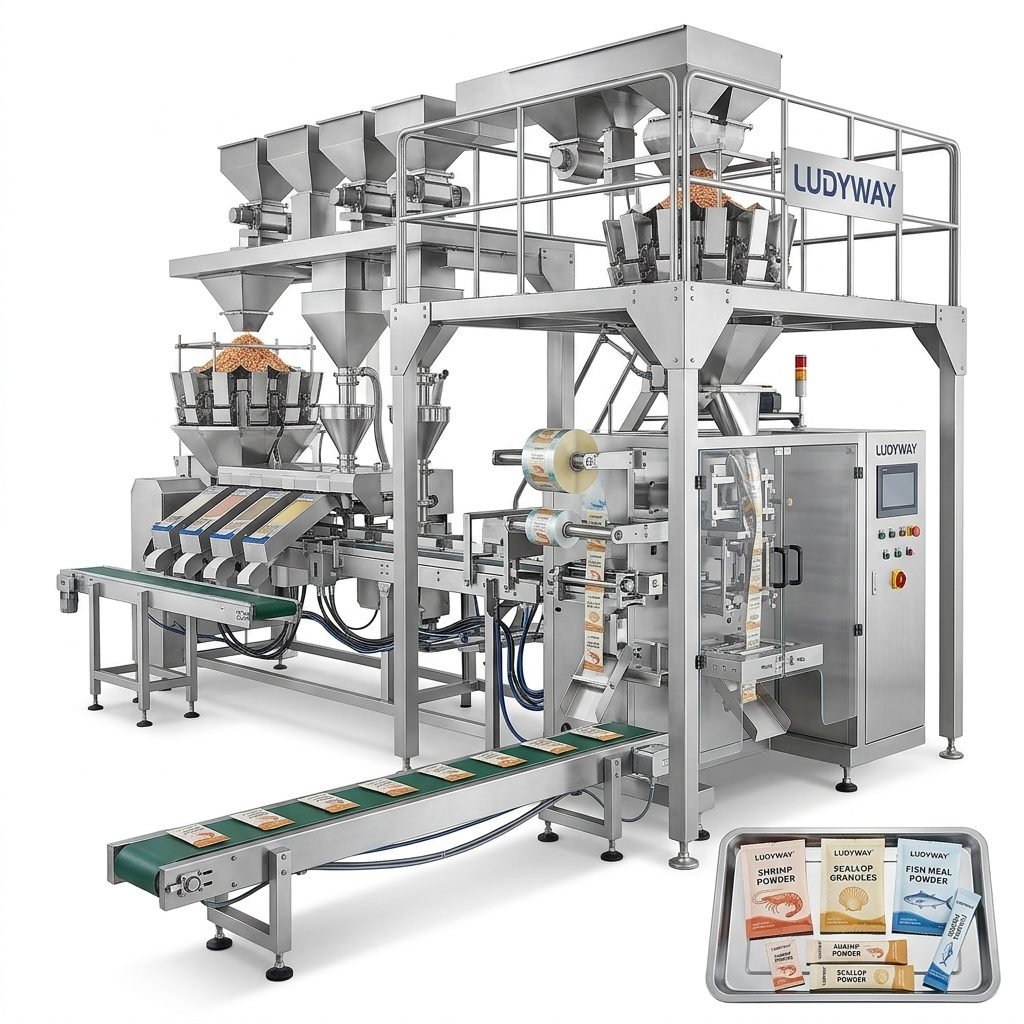
• Food & Beverage: Ideal for packaging spices, instant drink mixes, sauces, condiments, and snack portions. The speed and hygiene are perfect for high-volume food production.
• Pharmaceuticals & Nutraceuticals: Used for packaging single-dose powders, effervescent tablets, and herbal supplements. The precision dosing and clean design ensure product integrity and compliance.
• Cosmetics & Chemicals: Effectively packages samples, lotions, shampoos, detergents, and other liquid or granular chemicals into convenient sachets.
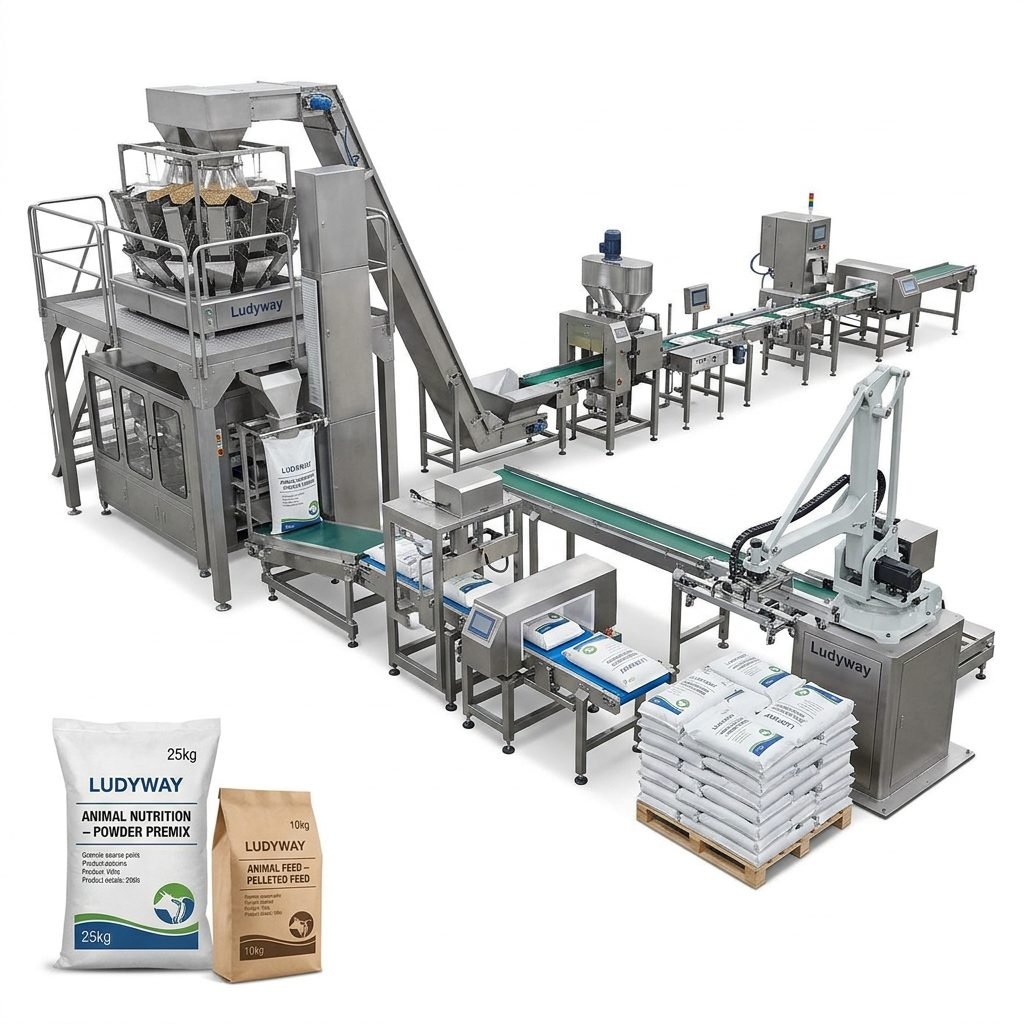
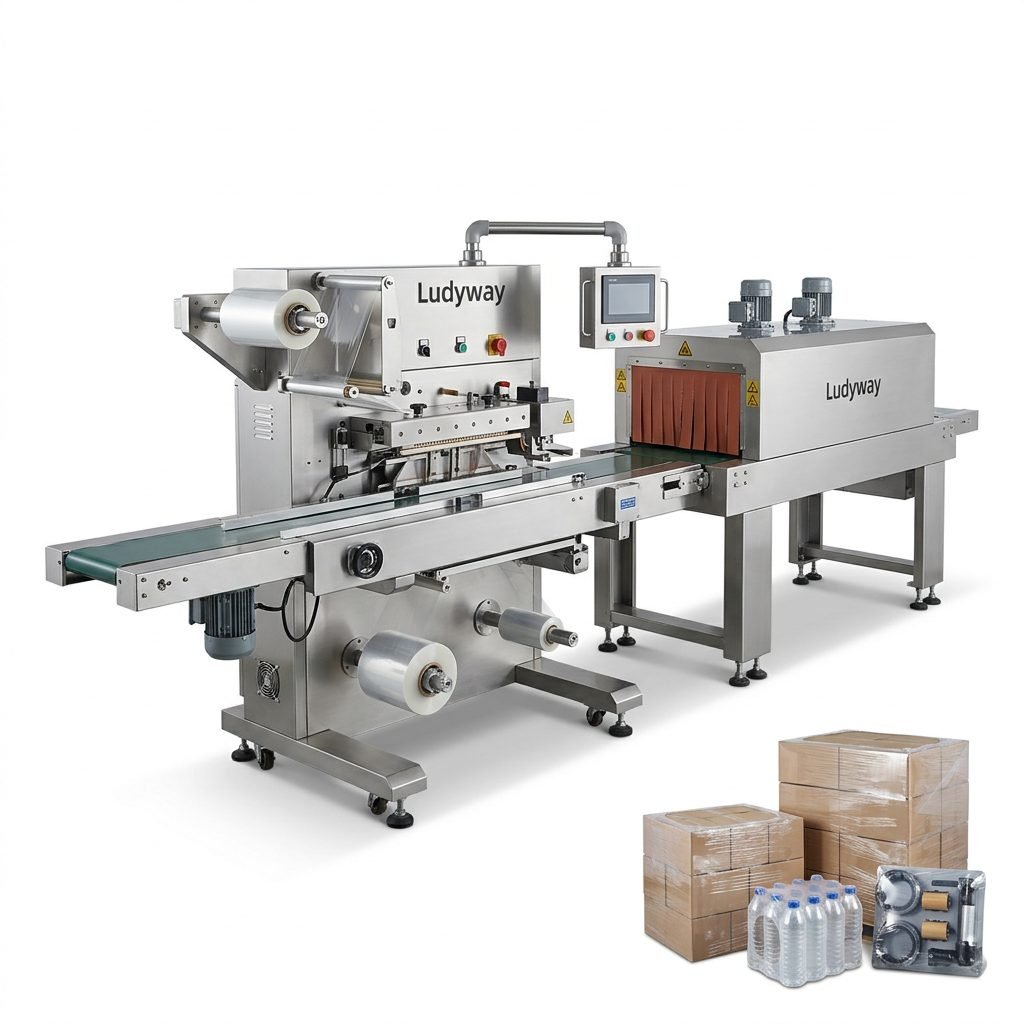
Companies like Ludyway Machinery, with deep expertise in packaging automation, leverage this TLM technology to provide turnkey solutions. By integrating TLM machines with upstream feeders and downstream cartoners, they create seamless, end-to-end automated lines that maximize throughput from raw material to shipping case.
Conclusion: The Future of Automated Packaging
The TLM packaging machine is more than just another piece of factory equipment; it is a catalyst for operational excellence. By fundamentally re-engineering the packaging motion, it delivers a powerful combination of speed, accuracy, flexibility, and intelligence. As consumer demand for variety and sustainability grows, and as Industry 4.0 continues to evolve, the role of efficient, connected, and adaptable packaging technology like TLM will only become more central to competitive manufacturing. Investing in such technology is an investment in future-proofing your production capabilities.
Frequently Asked Questions (FAQs)
Q: What types of products are best suited for TLM packaging machines?
A: TLM machines are exceptionally versatile and are ideal for free-flowing granules, fine powders, and non-viscous liquids. Common applications include coffee, sugar, spices, pharmaceutical powders, detergent, shampoo sachets, and single-serving condiments.
Q: How does a TLM machine improve efficiency compared to a standard vertical form-fill-seal (VFFS) machine?
A: The key difference is motion. Standard VFFS machines often use intermittent motion (stop, index, stop), which limits speed and increases mechanical stress. TLM machines use continuous motion with transverse loading, allowing for much higher speeds (often double or more), smoother operation, less wear, and ultimately, higher output and uptime.
Q: Are TLM machines difficult to maintain or operate?
A: Modern TLM machines are designed with user-friendliness in mind. They feature intuitive touch-screen HMIs for operation and recipe management. While they are complex machines, their design often allows for easier access to key components for cleaning and maintenance. Proper training from the supplier is essential for optimal operation.
Q: Can TLM machines handle complex packaging materials or shapes?
A: Yes. Advanced TLM systems can work with a wide range of laminated films, including those with high-barrier properties. They can also produce various pouch styles, such as pillow bags, gusseted bags, or bags with unique die-cut shapes, offering great flexibility for brand differentiation.
Q: Is the investment in a TLM packaging machine justified for medium-scale production?
A: It depends on your specific output goals, product mix, and growth plans. While the initial investment is higher than for basic intermittent machines, the ROI can be very compelling due to significantly lower cost-per-pack from higher speed, less waste, and better reliability. For businesses planning to scale or requiring high-mix flexibility, a TLM machine is often a strategic investment.