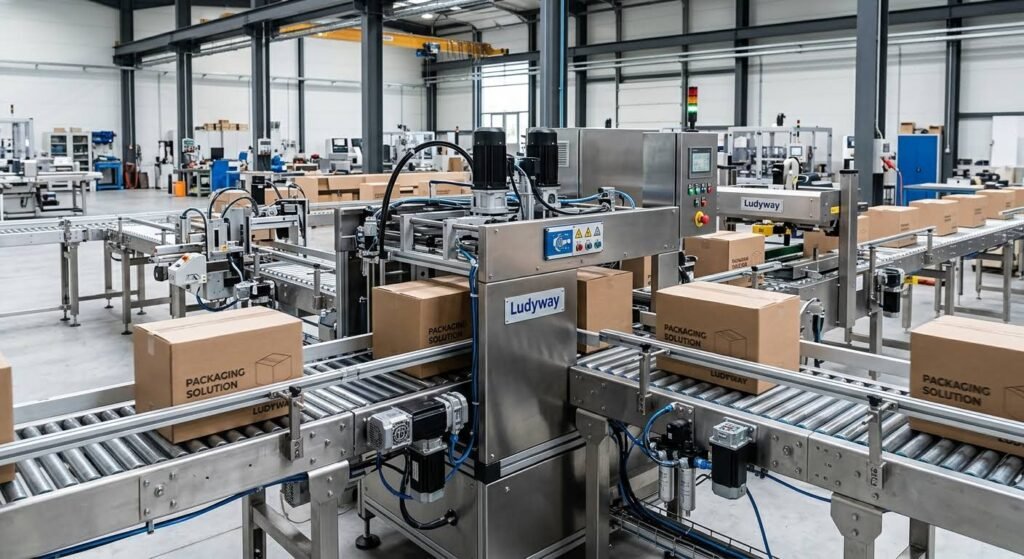
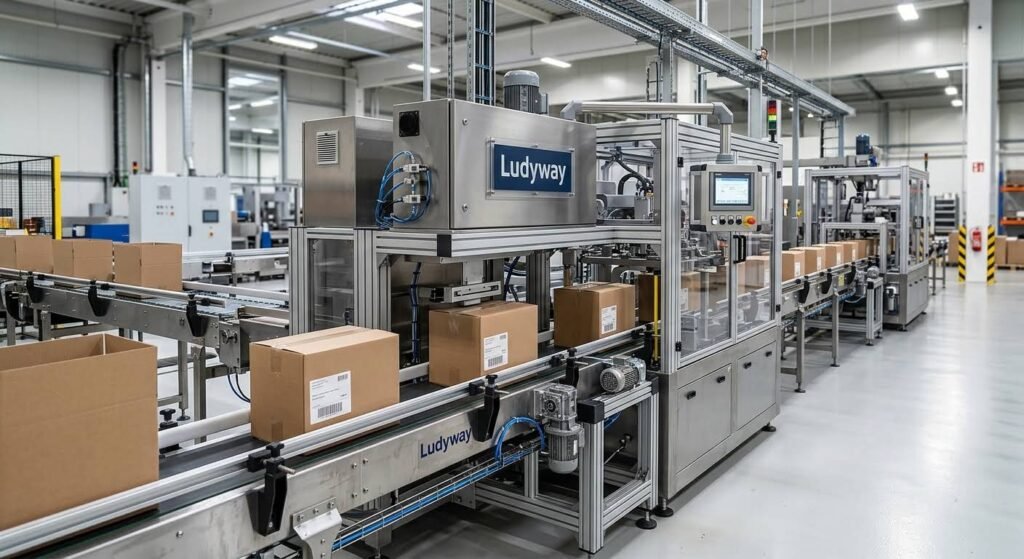
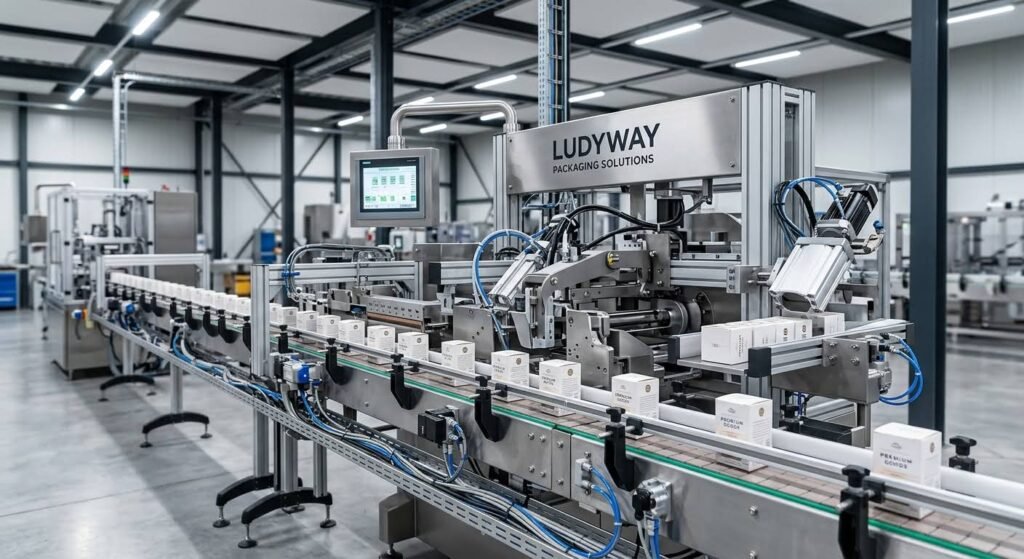
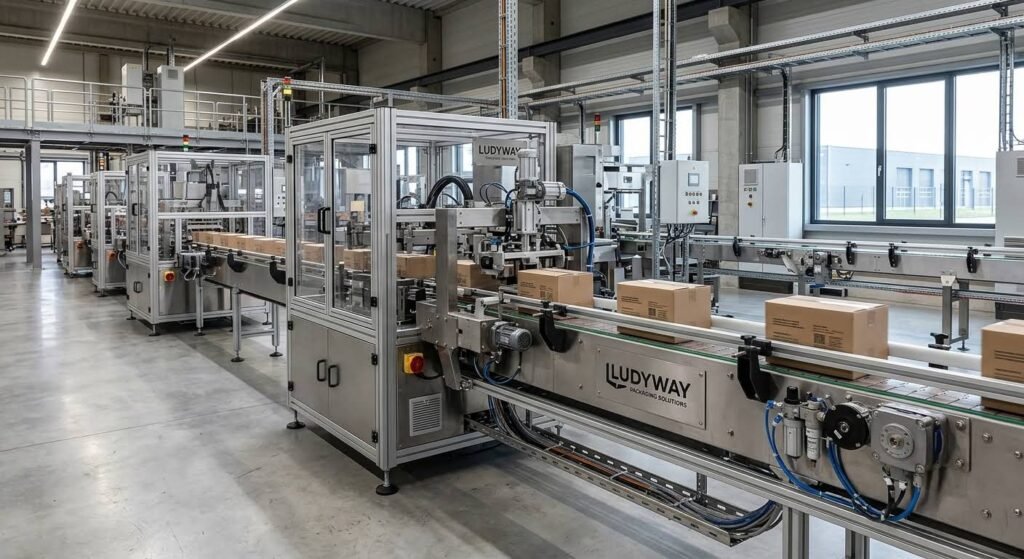
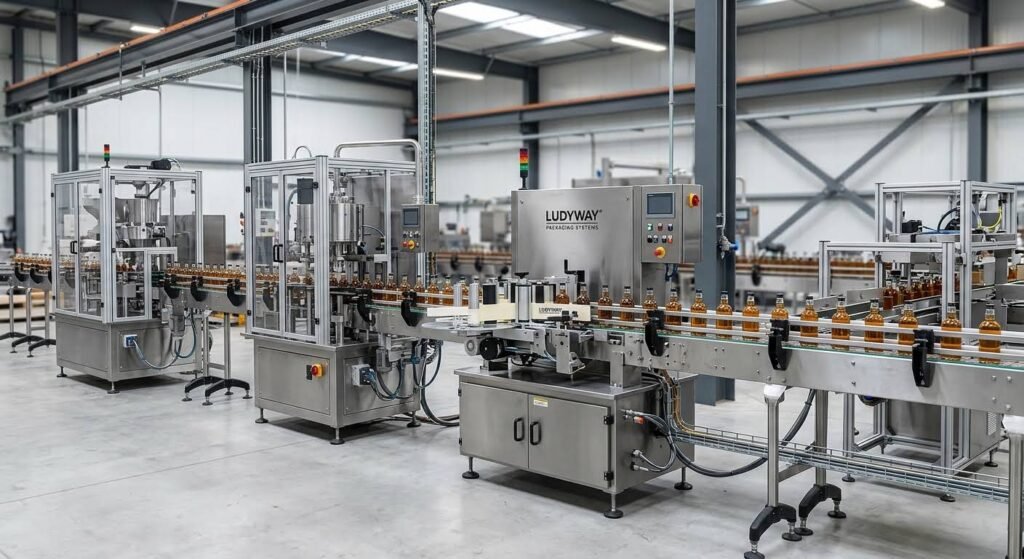
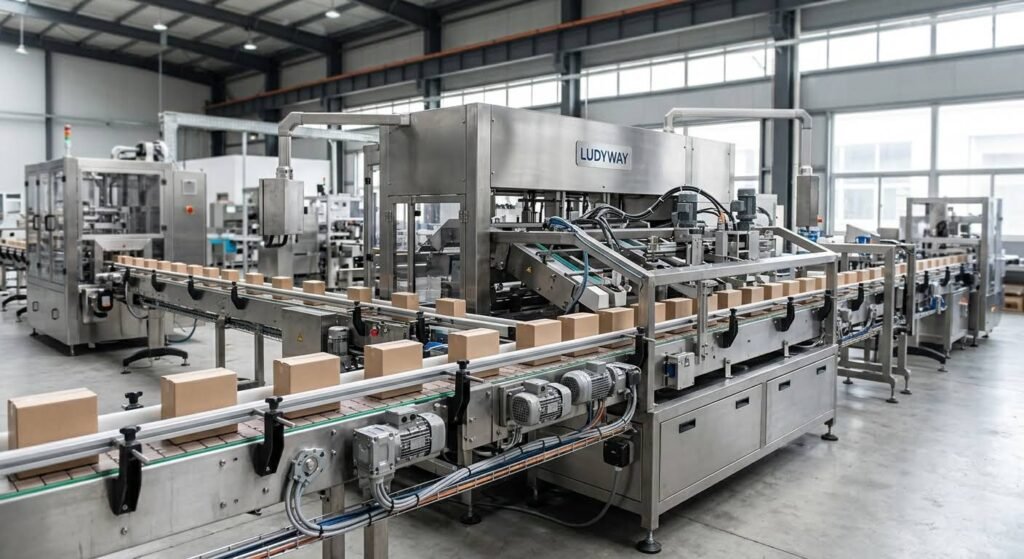
In today’s fast-paced manufacturing landscape, achieving optimal efficiency and product integrity is paramount. For industries dealing with food, beverages, and industrial goods, the right packaging machinery is not just a production component—it’s a strategic asset that drives productivity, ensures safety, and enhances brand value. High-efficiency packaging solutions are engineered to meet these complex demands, offering speed, precision, and adaptability across diverse production environments.

The evolution of packaging technology has moved far beyond simple containment. Modern high-efficiency systems integrate advanced automation, intelligent controls, and hygienic design to form the backbone of competitive production lines, directly impacting operational cost, waste reduction, and market responsiveness.
The Critical Role of Advanced Packaging in Modern Production
Packaging serves as the final, crucial touchpoint in the manufacturing process. For consumer goods like snacks, coffee, sauces, or pharmaceuticals, it protects the product, preserves its quality, and communicates directly with the end-user. In industrial settings, it ensures components or chemicals are delivered safely and intact. Inefficient or unreliable packaging can become a significant bottleneck, leading to downtime, product loss, and increased labor costs. Therefore, investing in high-efficiency machinery is an investment in overall supply chain resilience and business growth.
Key Challenges Addressed by High-Efficiency Machinery
- → Throughput & Speed: Meeting high-volume demands without compromising on pack quality or seal integrity.
- → Product Versatility: Handling a diverse range of products—from fine powders and granules to viscous liquids and solids—on a single or quickly convertible line.
- → Hygiene & Safety Compliance: Adhering to stringent global standards (e.g., FDA, EHEDG) for food and pharmaceutical packaging, with easy-clean designs and sanitary construction.
- → Material Efficiency & Sustainability: Minimizing film and packaging material waste through precise dosing and cutting, supporting eco-friendly initiatives.
- → Operational Simplicity: Reducing reliance on specialized operator skills with user-friendly HMI interfaces and quick changeover capabilities.
Specialized Solutions for Core Industries
The one-size-fits-all approach fails in precision packaging. High-efficiency solutions are tailored to the unique physical characteristics and regulatory requirements of each sector.
Food & Beverage Packaging
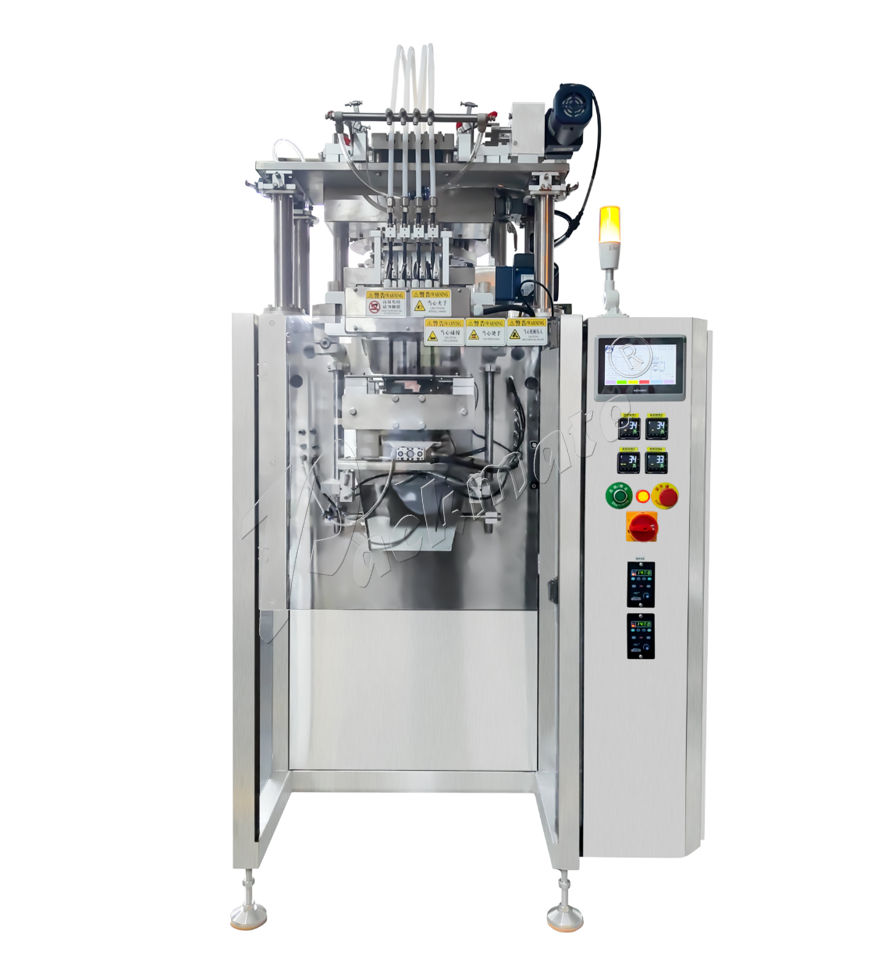
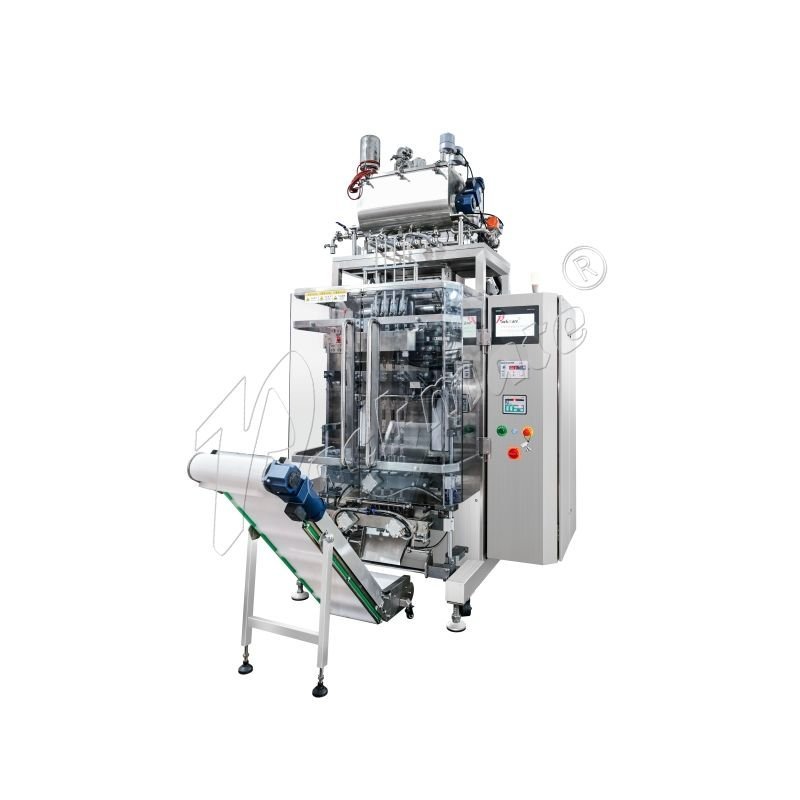
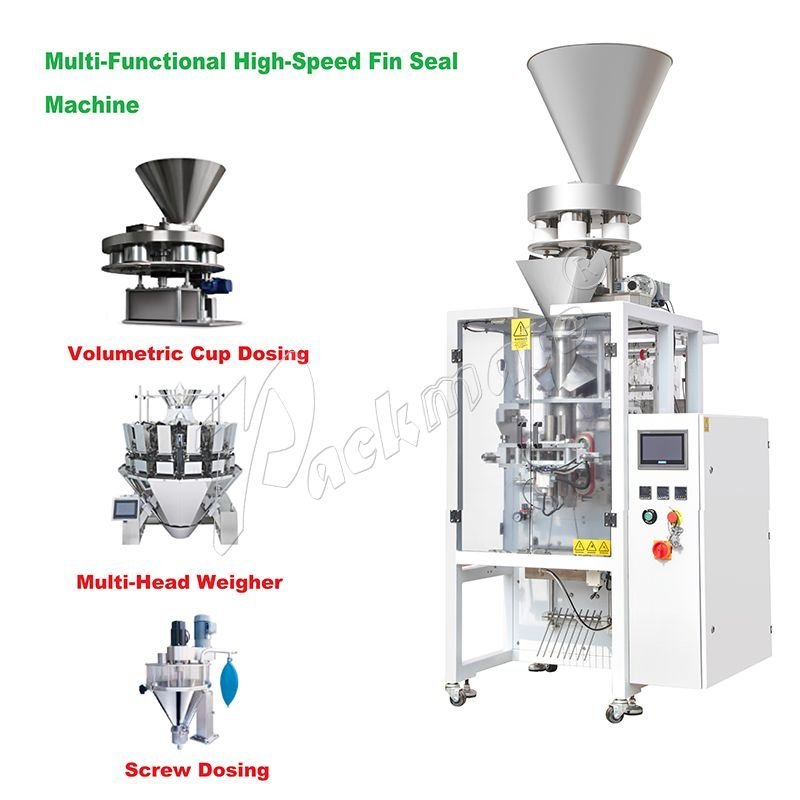
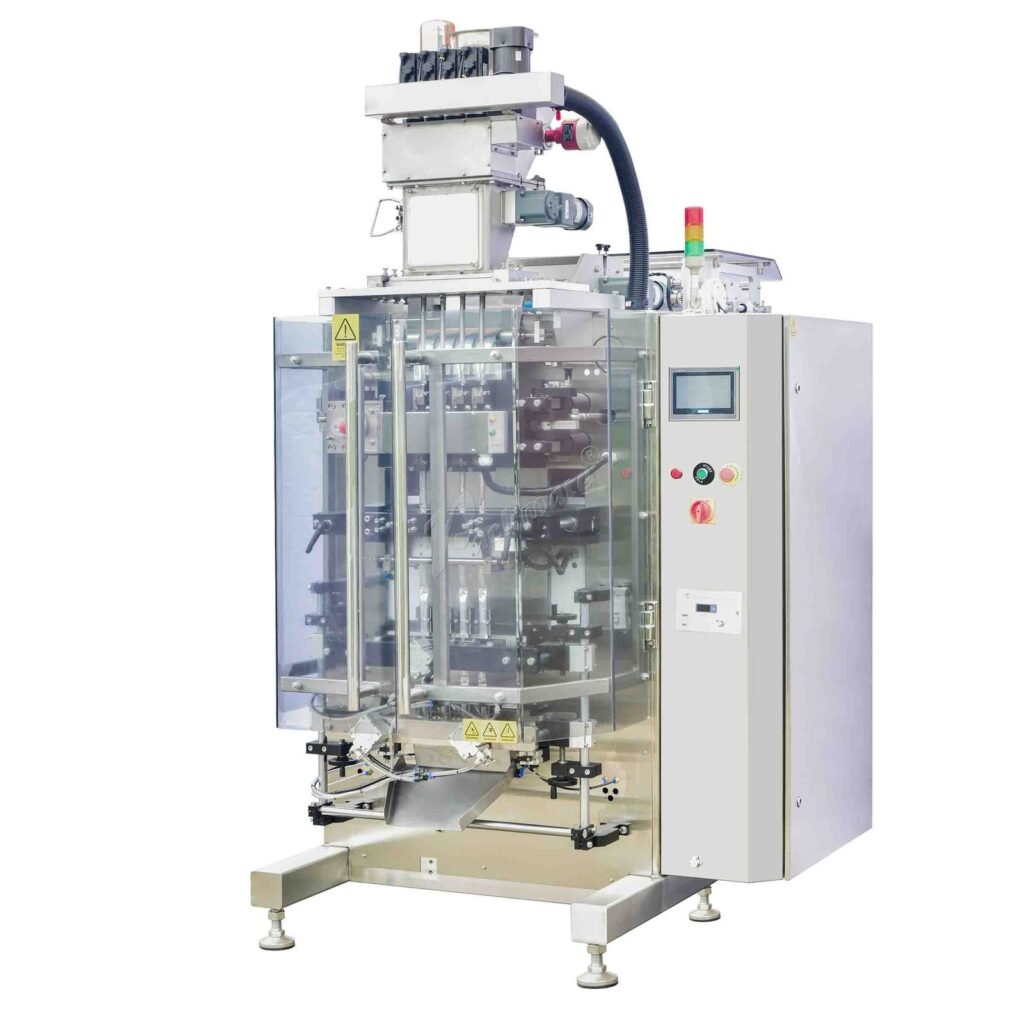
This sector demands absolute hygiene, exceptional speed, and flexibility. Solutions range from vertical form-fill-seal (VFFS) machines for bulk items like rice or pasta to sophisticated multi-lane stick pack machines for portion-controlled products like drink mixes, sugar, or spices. For liquids such as sauces, oils, or dairy products, liquid filling machines with piston or pump fillers ensure accurate, drip-free fills. The focus is on preserving freshness, preventing contamination, and creating attractive, shelf-ready packs.
Did You Know?
Modern multi-lane sachet machines can produce several thousand portion packs per minute, dramatically increasing output for products like ketchup, shampoo samples, or instant coffee while maintaining precise weight control.
Industrial & Chemical Production
Here, durability, safety, and chemical resistance are key. Packaging machinery for industrial granules, powders (like cement additives or dyes), or lubricants is built with robust materials to withstand harsh environments. Features often include explosion-proof options, dust extraction systems, and heavy-duty sealing jaws to handle abrasive or volatile materials, ensuring safe transport and storage.
Core Technologies Powering Efficiency
The leap in packaging performance is driven by specific technological integrations.
1. Intelligent Automation & Robotics
Automation extends beyond primary packaging. Robotic arms for case packing, palletizing, and end-of-line logistics create seamless, lights-out production capabilities. Integrated vision inspection systems automatically reject defective packs, guaranteeing 100% output quality.
2. Precision Dosing Systems
Accuracy is revenue. Whether using auger fillers for powders, weigh scales for granules, or volumetric pumps for liquids, modern dosing systems achieve fill accuracies within ±0.5-1%, reducing give-away and maximizing material use. Learn more about how advanced granule packaging machines achieve this precision.
3. Modular & Flexible Design
Market trends change rapidly. High-efficiency machines are designed with modular components, allowing producers to easily switch pack sizes, formats, or even product types with minimal downtime. This agility is crucial for manufacturers running promotional packs or catering to multiple product lines.
4. IoT & Data Connectivity
The Industrial Internet of Things (IIoT) enables real-time monitoring of machine performance, predictive maintenance alerts, and production data analytics. This connectivity allows for remote troubleshooting and data-driven decisions to optimize Overall Equipment Effectiveness (OEE). Discover the role of connectivity in complete turnkey production lines.
Implementing a High-Efficiency Packaging Line
Successfully upgrading or installing a new packaging system requires careful planning.
- Needs Analysis: Define current pain points, desired output, product types, and future growth plans.
- Solution Design: Partner with an expert to design a line that may integrate feeding, packaging, labeling, and cartoning.
- Supplier Selection: Choose a provider with proven industry experience, strong technical support, and reliable after-sales service. A partner like Ludyway Machinery, with deep application knowledge, can be invaluable.
- Installation & Training: Ensure proper installation, commissioning, and comprehensive operator training.
- Continuous Support: Opt for suppliers offering ongoing maintenance, spare parts, and technical upgrades.
The Future: Sustainability and Smart Manufacturing
The next frontier for high-efficiency packaging is deeply intertwined with sustainability and Industry 4.0. Future developments will focus on machinery capable of handling mono-material and biodegradable films, further reducing energy consumption, and offering even greater integration with factory-wide MES (Manufacturing Execution Systems) for a truly smart, adaptive, and sustainable production floor.
By embracing these advanced high-efficiency packaging machinery solutions, producers in the food, beverage, and industrial sectors can build a formidable competitive advantage—transforming their packaging operations from a cost center into a driver of quality, efficiency, and profitability.
Frequently Asked Questions (FAQs)
What are the main benefits of upgrading to high-efficiency packaging machinery?
The primary benefits include significantly increased production speed and output, improved pack consistency and quality, reduced material waste and operational costs, enhanced flexibility for different products, and better compliance with industry safety and hygiene standards.
Can one machine handle both food-grade and industrial chemical packaging?
Generally, no. Machines are specifically designed and constructed for their intended environment. Food and pharmaceutical machines use sanitary, easy-clean materials (like stainless steel) and designs to prevent contamination. Industrial machines prioritize chemical resistance and durability. It’s crucial to select machinery engineered for your specific product category.
How important is after-sales service and technical support when choosing a supplier?
Extremely important. The reliability of your packaging line is critical to your operation. A supplier with a strong global support network, readily available spare parts, and responsive technical service minimizes potential downtime and ensures your investment continues to perform optimally over its entire lifespan.
What is a “turnkey” packaging solution?
A turnkey solution is a complete, ready-to-operate production line supplied by a single vendor. It includes all necessary machinery (e.g., feeding, packaging, checking, cartoning), integration, installation, commissioning, and training. This approach simplifies the project, ensures compatibility between line components, and provides a single point of responsibility. Explore our approach to integrated packaging solutions.
How can I ensure the machine will work with my specific product?
Reputable suppliers offer product testing services. You can send samples of your product and packaging materials to their testing lab. They will run trials on the proposed equipment, providing you with data on performance, speed, and pack quality, and recommending the optimal machine configuration before you purchase.