For businesses across Australia, from bustling urban centres in Sydney and Melbourne to the vast production facilities in regional areas, selecting the right packaging machinery is a critical decision. It’s a choice that impacts efficiency, product integrity, and ultimately, the bottom line. Australian manufacturers, known for their high standards and innovative spirit, require equipment that is not only robust and reliable but also adaptable to diverse product lines, from premium food items to sensitive pharmaceuticals. This guide is designed to navigate you through the essential considerations for choosing the perfect equipment for your production line.
Understanding Your Packaging Needs: The First Step
Before diving into machine specifications, a thorough analysis of your own operation is paramount. This foundational step ensures your investment aligns perfectly with your business goals.
Key Questions to Ask:
✓ Product Type: Are you packaging granules (like coffee or sugar), powders (protein, spices), liquids (sauces, oils), or solids?
✓ Production Volume: What is your current output, and what are your projected growth targets? This determines the required speed (packages per minute).
✓ Packaging Format: Do you need stick packs, sachets, pouches, or bottles? Consider consumer trends in Australia, where convenience and portability are highly valued.
✓ Material Compatibility: What packaging films or materials will you use? The machinery must handle these materials efficiently without waste.
Core Types of Packaging Machinery in Australia
The Australian market offers a wide array of machinery. Here’s a breakdown of the most common types suited for various industries.
Vertical Form-Fill-Seal (VFFS) Machines
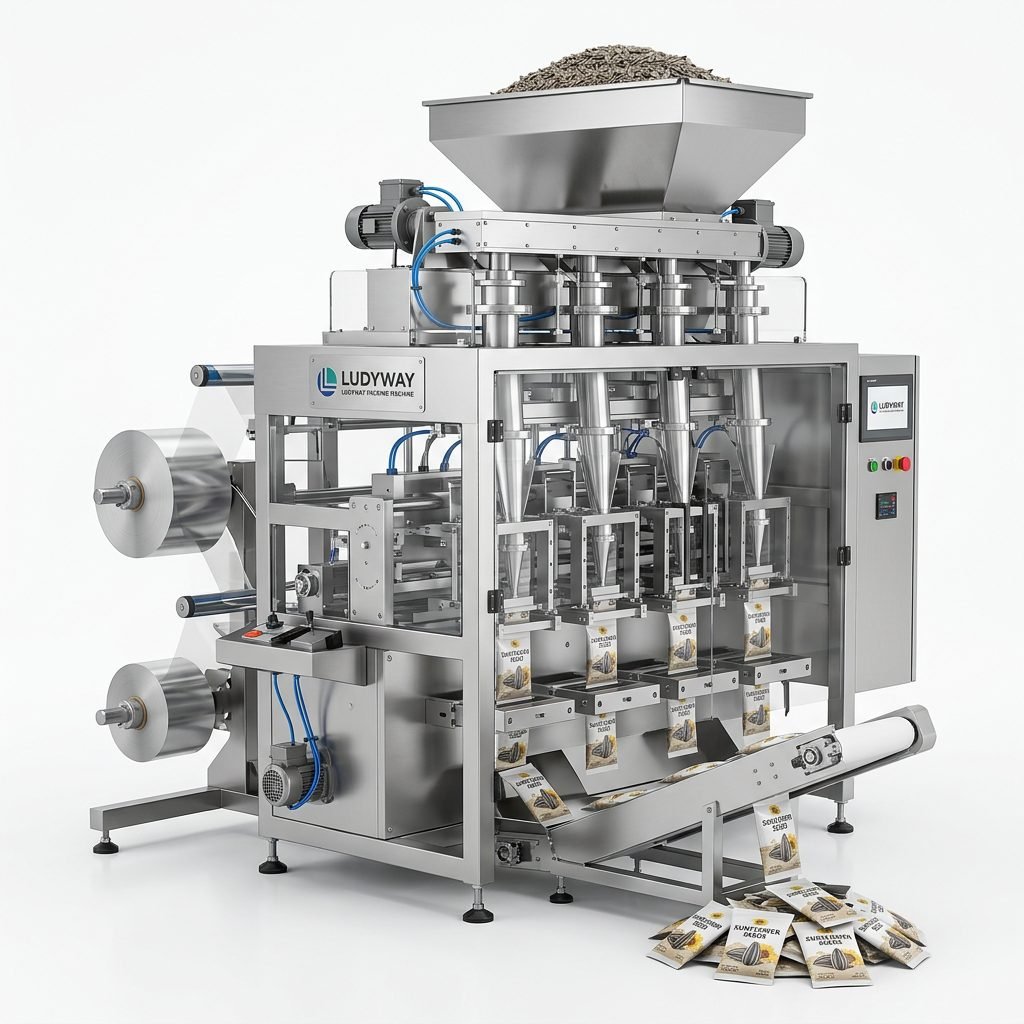
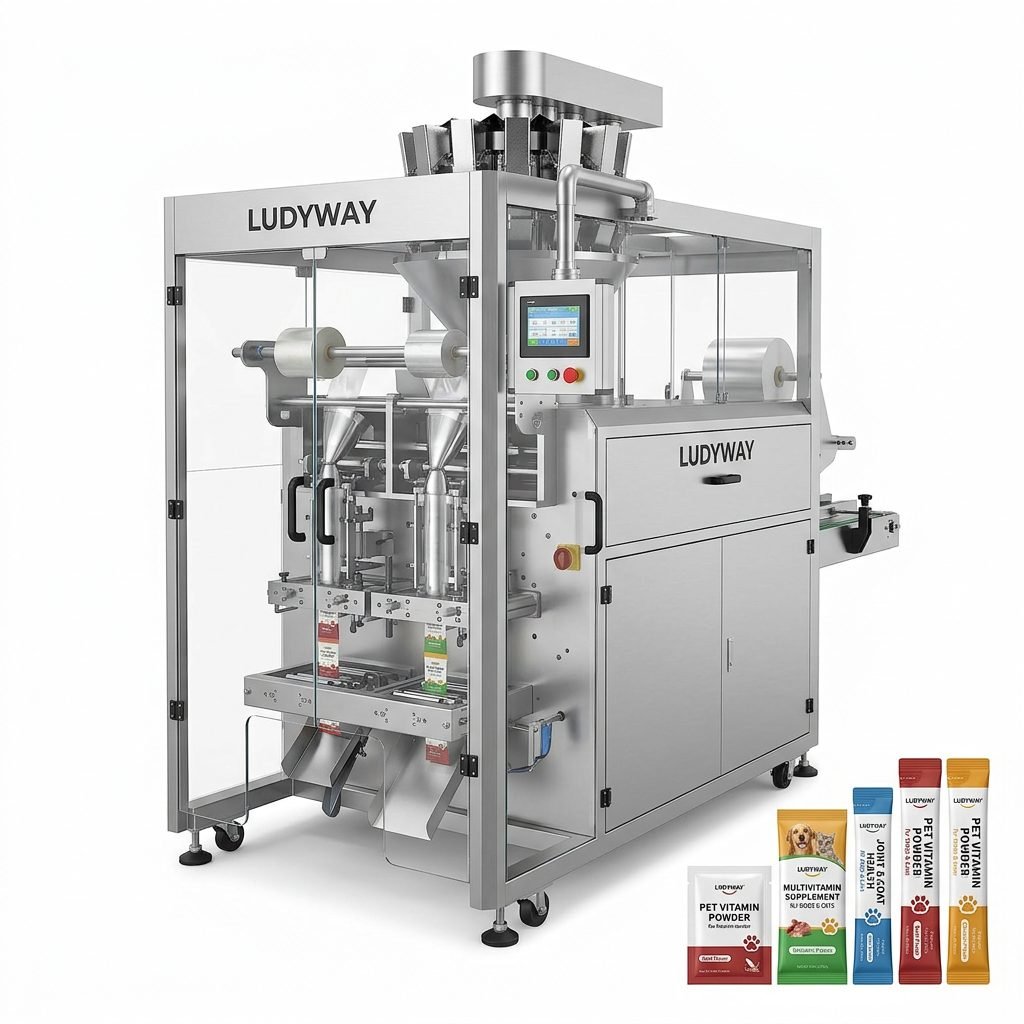
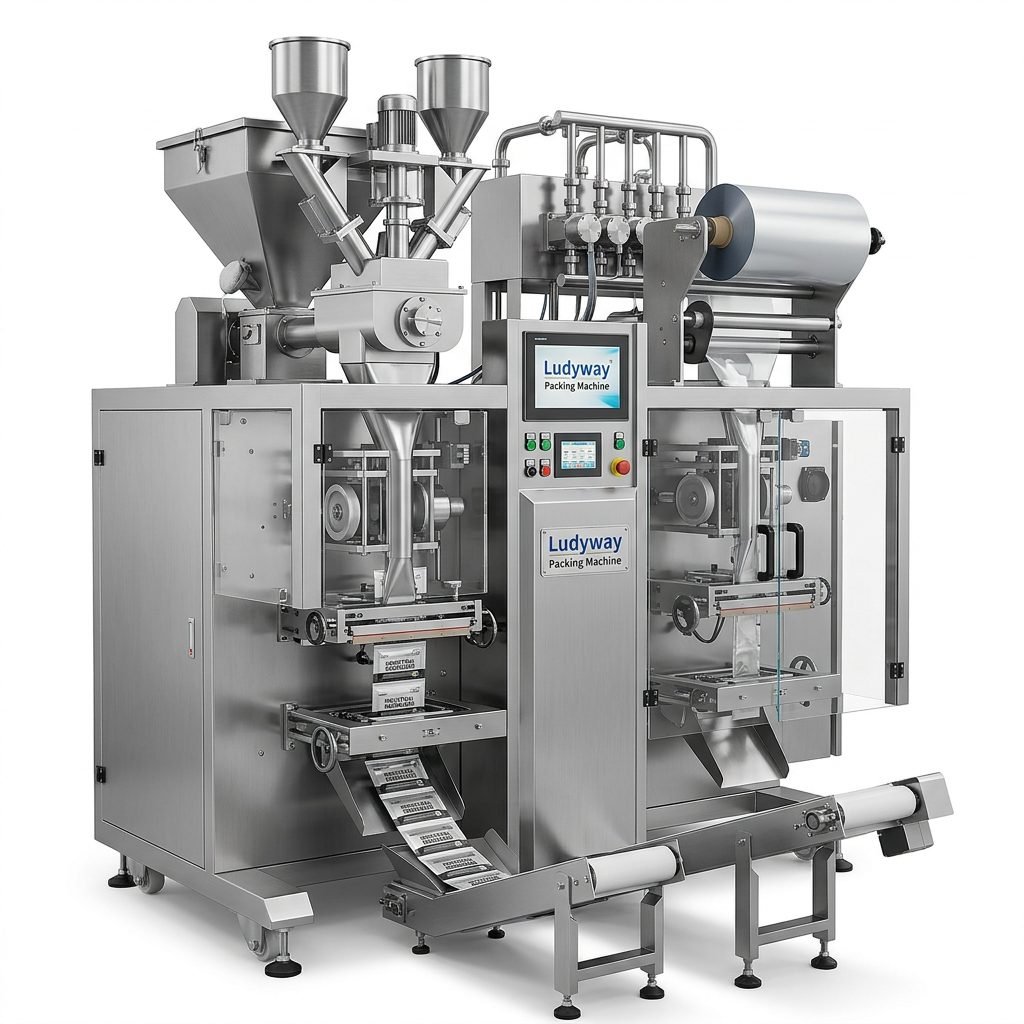
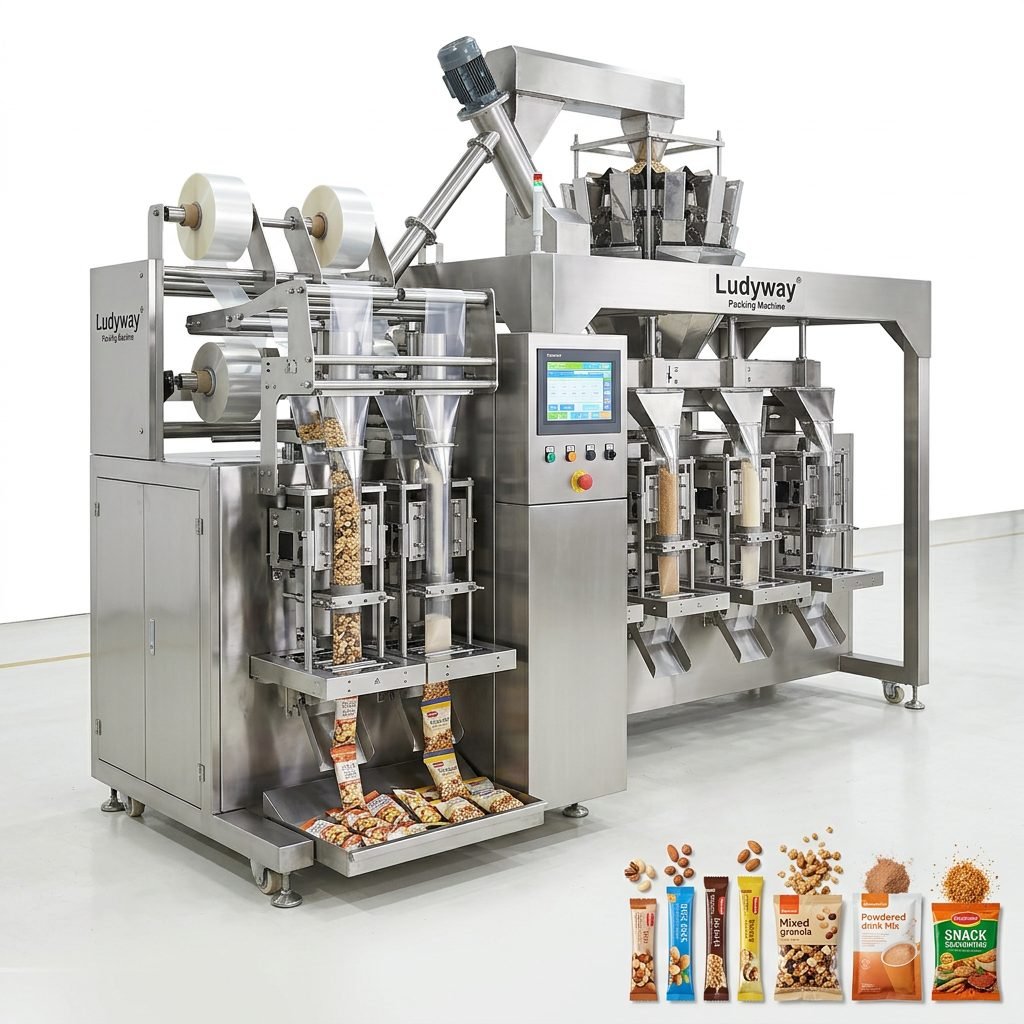
These are the workhorses of the packaging industry, ideal for granules, powders, and some liquids. They form a bag from a roll of film, fill it with product, and seal it—all in one continuous motion. They are highly versatile and perfect for businesses looking for efficiency in packaging items like snack foods, hardware components, or pet food.
Horizontal Flow Wrappers
Best suited for wrapping individual solid products or grouped items. Think chocolate bars, biscuits, or health bars. They offer excellent presentation and product protection, which is crucial for brands competing on Australian supermarket shelves where visual appeal drives sales.
Liquid & Paste Filling Machines
From viscous sauces to runny oils, these machines ensure accurate, clean, and consistent filling into bottles, tubes, or pouches. Precision is key here to avoid costly product giveaway and maintain consistency, a non-negotiable for Australian consumers who expect high quality.
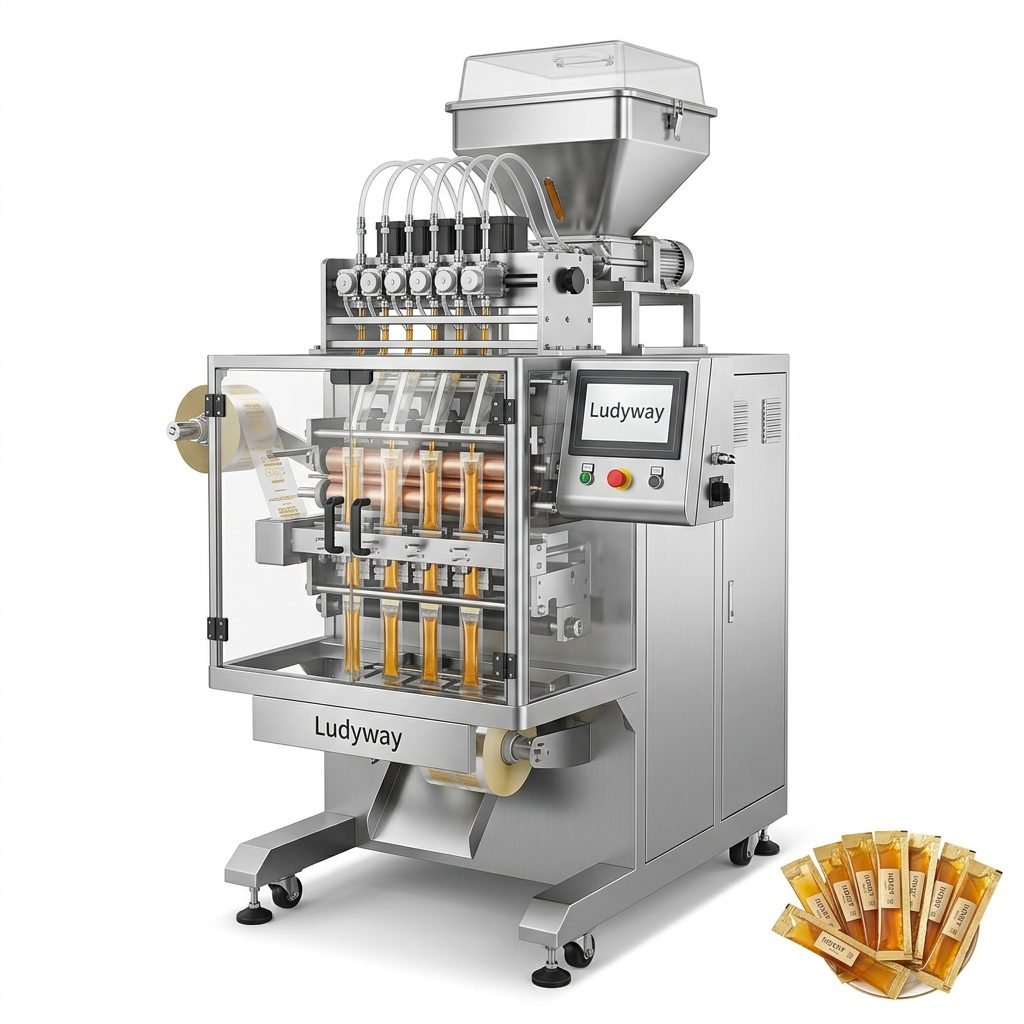
Stick Pack & Sachet Machines
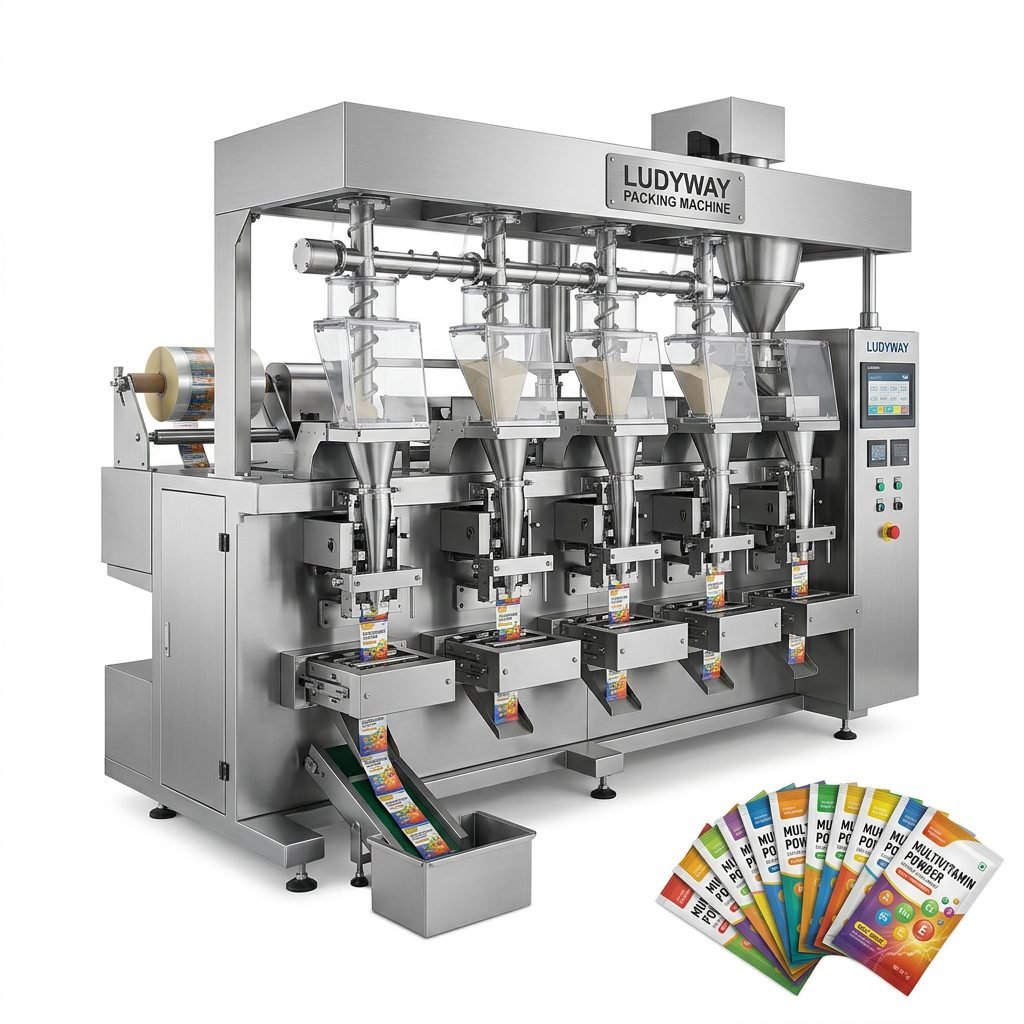
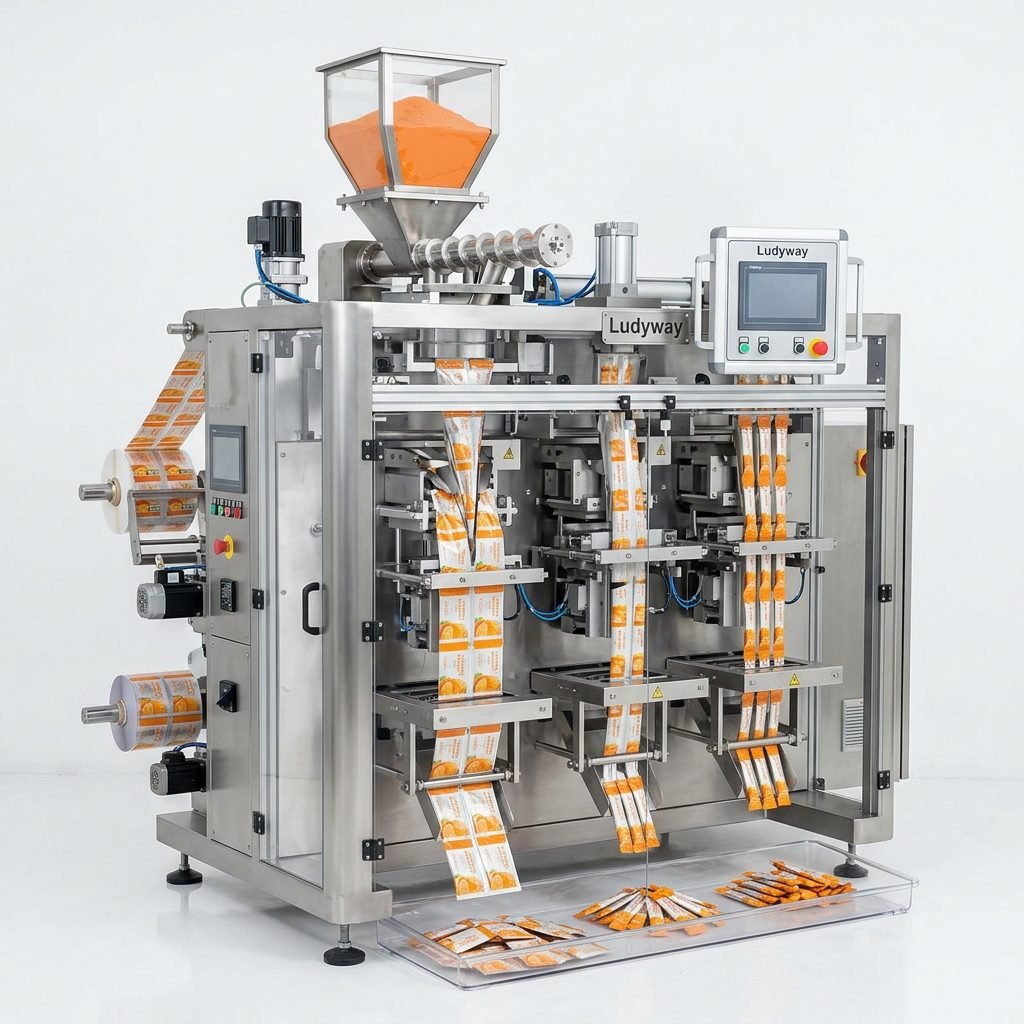
Extremely popular for single-serve portions of supplements, instant beverages, condiments, and pharmaceuticals. Their compact size and high-speed capabilities make them excellent for products targeting the on-the-go Australian lifestyle. Modern multi-lane systems can dramatically increase output.
Critical Factors for Selection: Beyond the Machine Type
Choosing the right model involves looking at several technical and operational factors.
Speed and Efficiency (Output): Match the machine’s speed (packs per minute) to your production requirements. Consider not just peak output but also stability during long runs. Downtime is the enemy of productivity.
Flexibility and Changeover: If you run multiple products or package sizes, quick and simple changeover is vital. Look for machines with easy-to-adjust mechanisms and digital settings to minimise downtime between production runs.
Automation Level: How integrated do you need the line to be? Options range from semi-automatic machines requiring some operator input to fully automated lines with robotic pick-and-place, cartoning, and palletising. Automation can be a significant advantage in a competitive market.
Durability and Build Quality: Invest in machinery built with high-grade components (e.g., stainless steel contact parts for food/pharma) for longevity and hygiene. The harsh Australian environment in some regions also demands robust construction.
The Importance of Local Support & Service
This cannot be overstated. A machine is a long-term partner. Ensure your supplier offers:
• Reliable Technical Support: Accessible local or regional experts for troubleshooting.
• Availability of Spare Parts: A local parts inventory prevents prolonged shutdowns.
• Training: Comprehensive training for your operators and maintenance team is essential for smooth operation.
• After-Sales Service: Clear service agreements and responsive communication channels. Partnering with an experienced provider like Ludyway Machinery, which brings over 30 years of industry experience, can provide this crucial peace of mind and ensure your packaging line performs optimally for years to come.
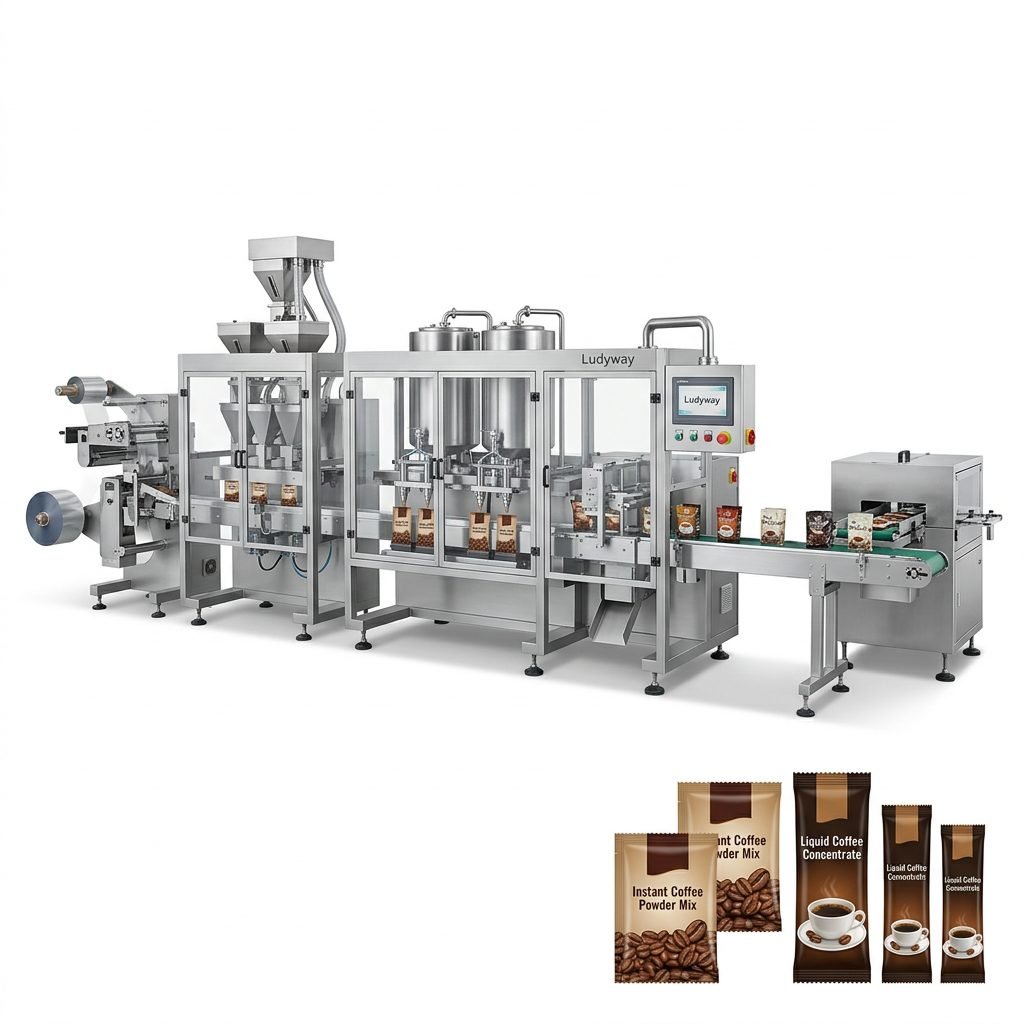
Integration into Your Existing Production Line
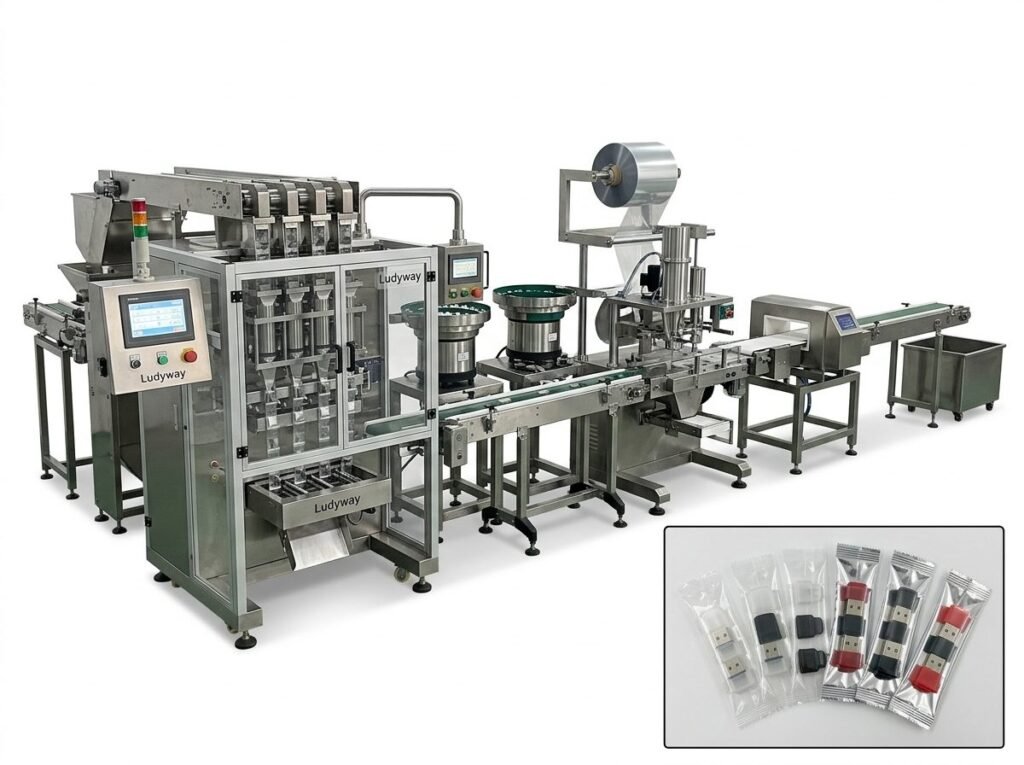
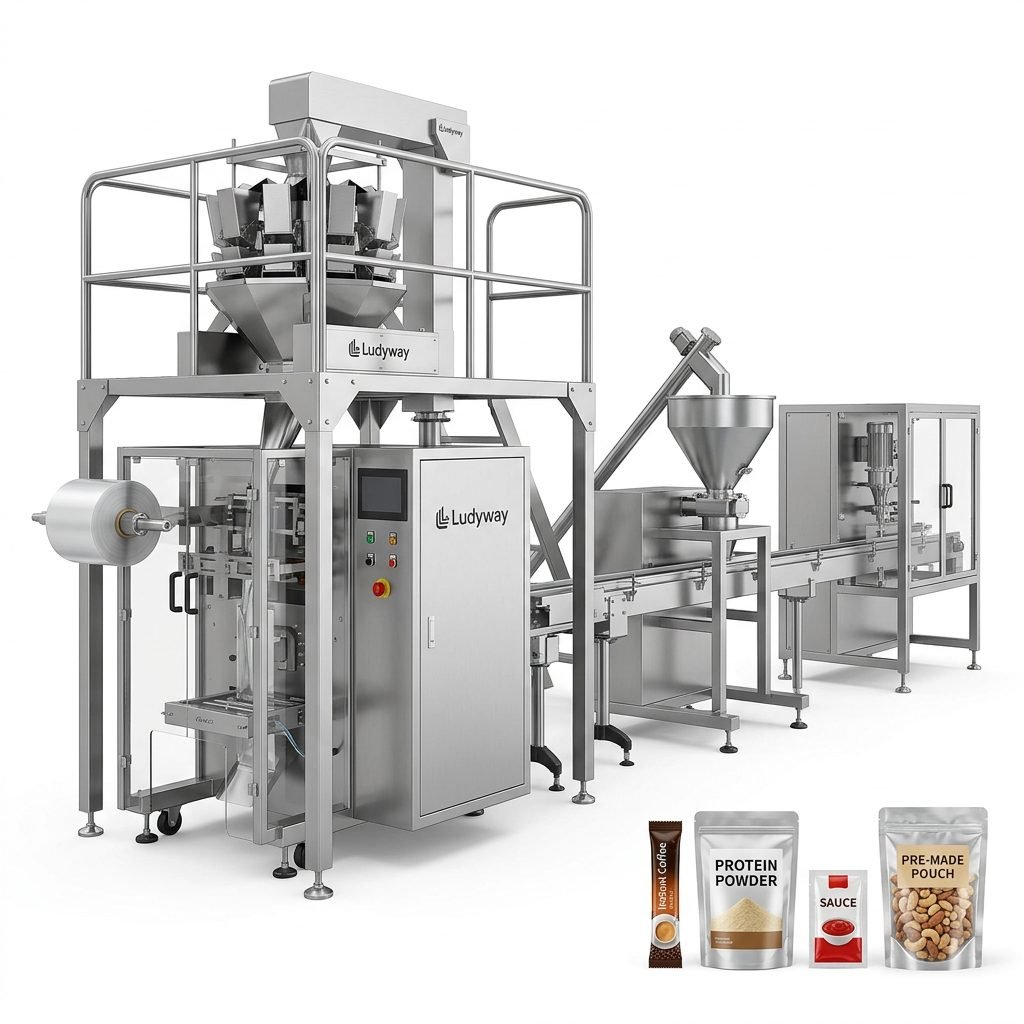
The new machine shouldn’t be an island. Consider how it will connect with your upstream (e.g., mixing, conveying) and downstream (e.g., labelling, cartoning) processes. A well-integrated line flows smoothly, reducing bottlenecks and manual handling. Discuss integration feasibility with your supplier during the planning stage. For complex projects, exploring turnkey production solutions from a single provider can streamline the entire process from design to commissioning.
Budgeting and Total Cost of Ownership (TCO)
Look beyond the initial purchase price. The Total Cost of Ownership includes:
- Initial investment
- Installation and commissioning costs
- Energy consumption
- Maintenance and spare parts
- Potential downtime costs
- Operator training
A slightly higher upfront cost for a more reliable, efficient, and service-supported machine often leads to a lower TCO and better ROI. Investing in intelligent packaging machine models designed for efficiency can lead to significant long-term savings on materials and energy.
FAQs: Packaging Machinery in Australia
Q1: What is the most important factor when choosing packaging machinery?
A: Clearly defining your specific product, output requirements, and packaging format is the most critical first step. There is no “one-size-fits-all” solution; the best machine is the one that matches your precise operational needs.
Q2: How do I ensure the machine meets Australian safety and quality standards?
A: Work with reputable suppliers who provide machinery that complies with relevant international standards (like CE) and can advise on Australian workplace health and safety (WHS) requirements for installation and operation.
Q3: Can I get a machine customised for my unique product?
A: Yes, many experienced suppliers offer customisation options for feeding systems, nozzle designs, sealing jaws, and software to handle specialised products. Discuss your specific challenges early in the process.
Q4: What kind of after-sales support should I expect?
A: Expect comprehensive operator training, detailed documentation (manuals, diagrams), a warranty period, access to technical support (phone/email), and a clear plan for spare parts supply and preventative maintenance services.
Q5: How long does it typically take to install and commission a new packaging line?
A: The timeline varies based on complexity. A single machine might be operational in a few days with proper site preparation. A full, customised turnkey line can take several weeks to months from order to full production, including factory acceptance testing, shipping, installation, and commissioning.