In today’s fast-paced manufacturing landscape, efficient and reliable packaging machinery is critical for maintaining productivity, ensuring product quality, and meeting market demands. From food and pharmaceuticals to health and daily chemical products, packaging systems play a vital role in protecting contents, extending shelf life, and enhancing brand presentation. This guide provides a comprehensive overview of packaging machinery types, working principles, and applications, offering valuable insights for businesses seeking to optimize their packaging operations.
Core Types of Packaging Machinery
Packaging equipment can be categorized based on the form of the product being packaged, the packaging style, and the level of automation. Understanding these categories helps in selecting the right machinery for specific production needs.
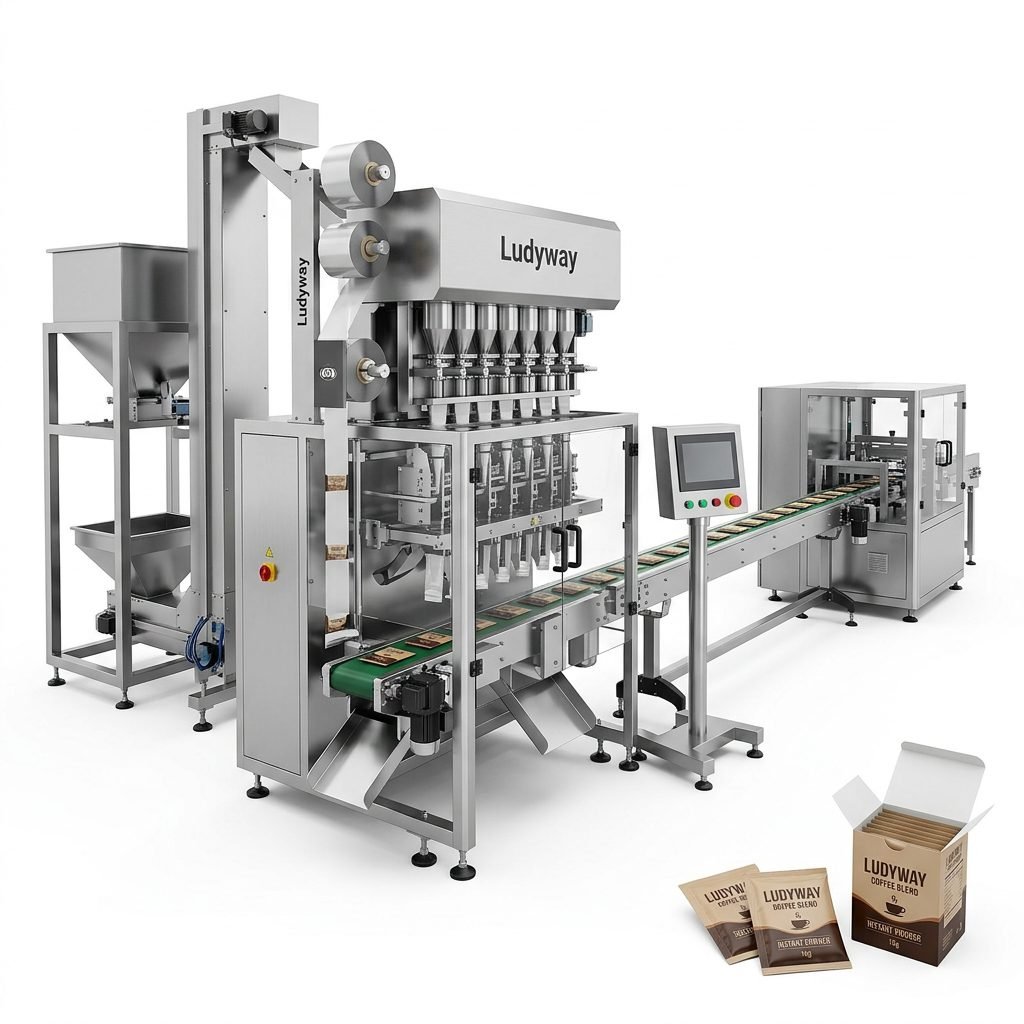
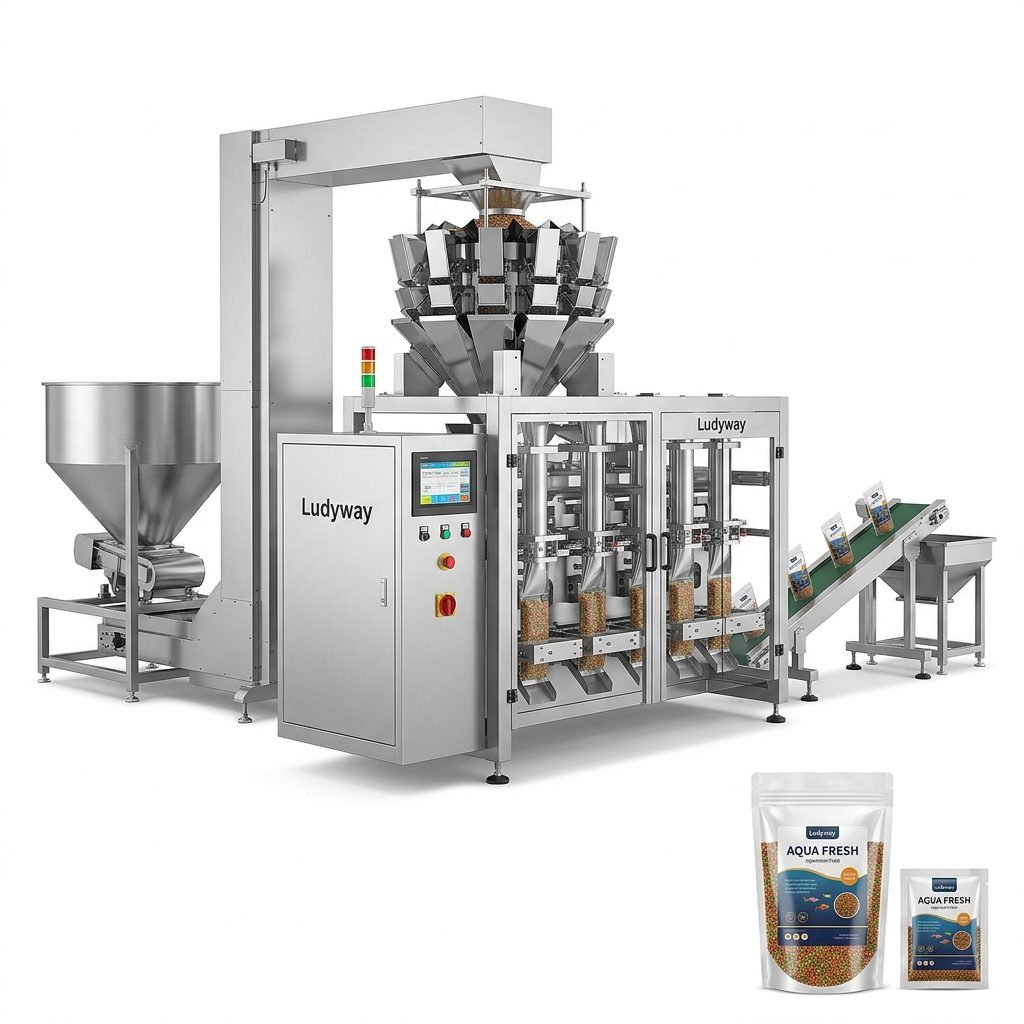
1. Granule Packaging Machines
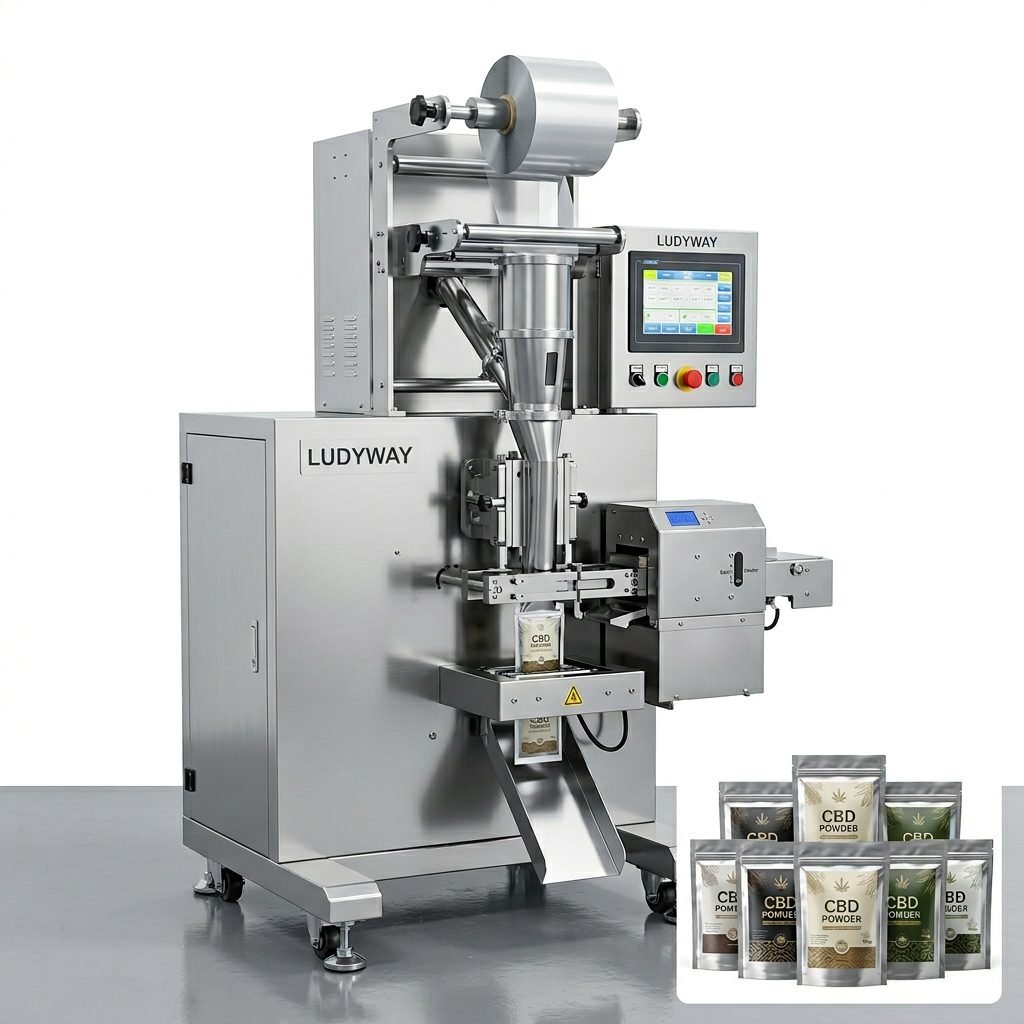
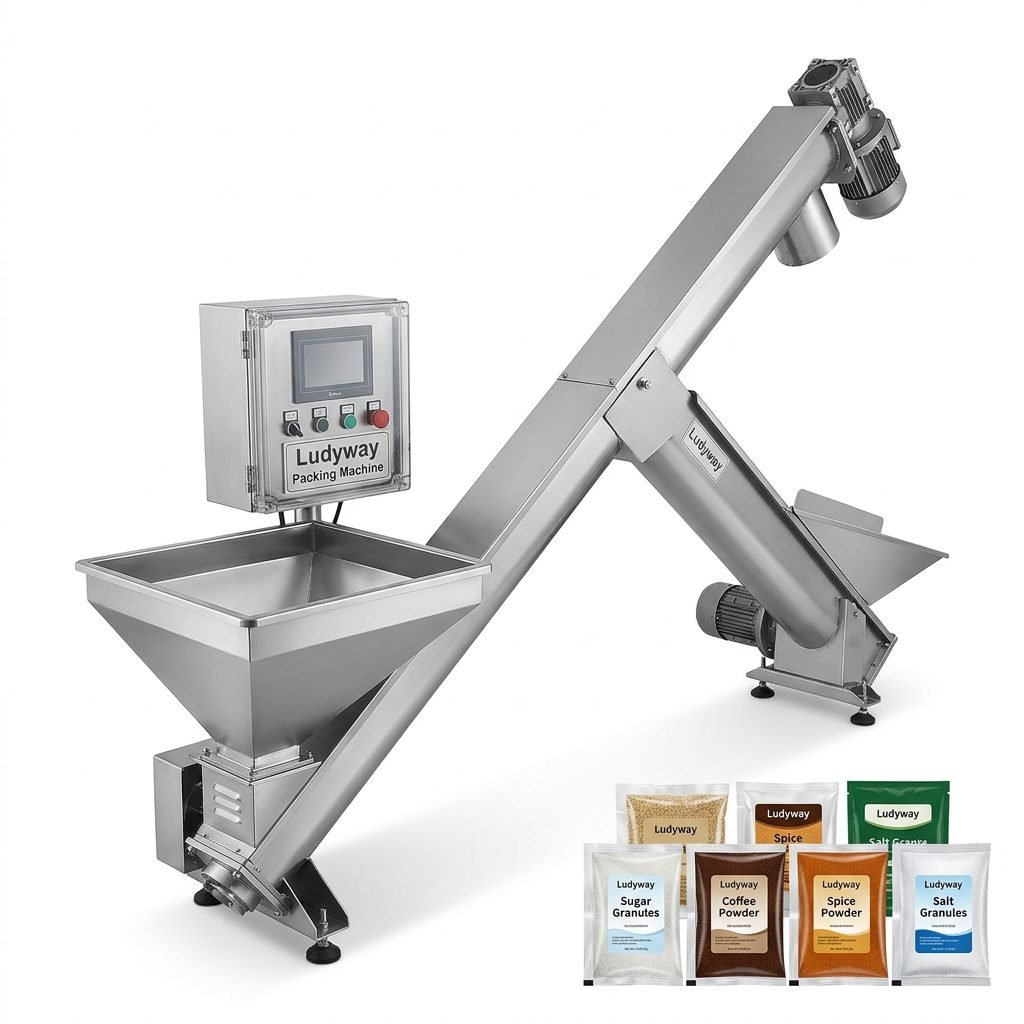
Designed for free-flowing granular products such as coffee, sugar, seeds, nuts, and powdered supplements. These machines typically use volumetric or auger filling systems to ensure accurate dosing. Common output forms include stick packs and sachets, which are popular for single-serve portions.
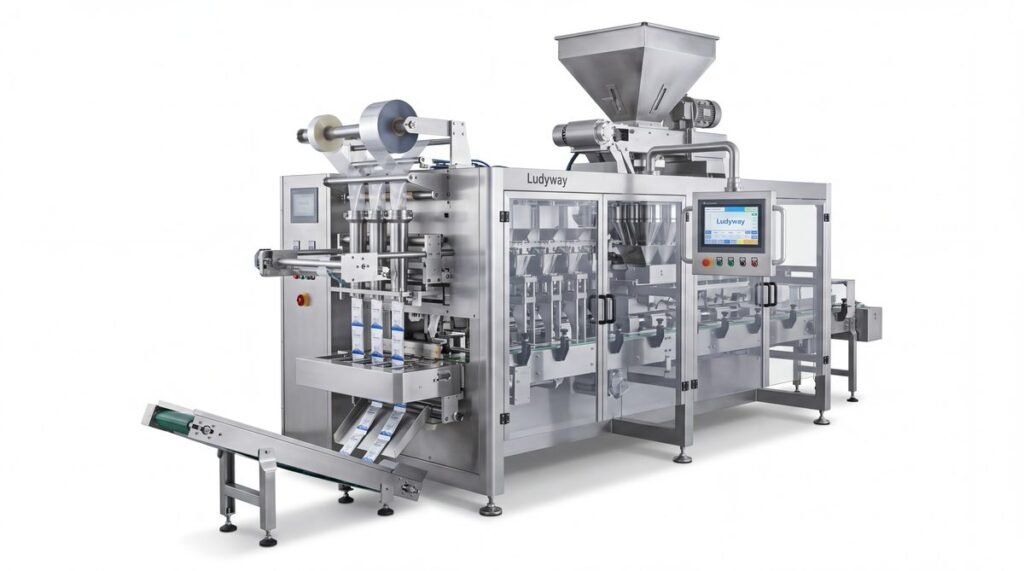
2. Powder Packaging Machines
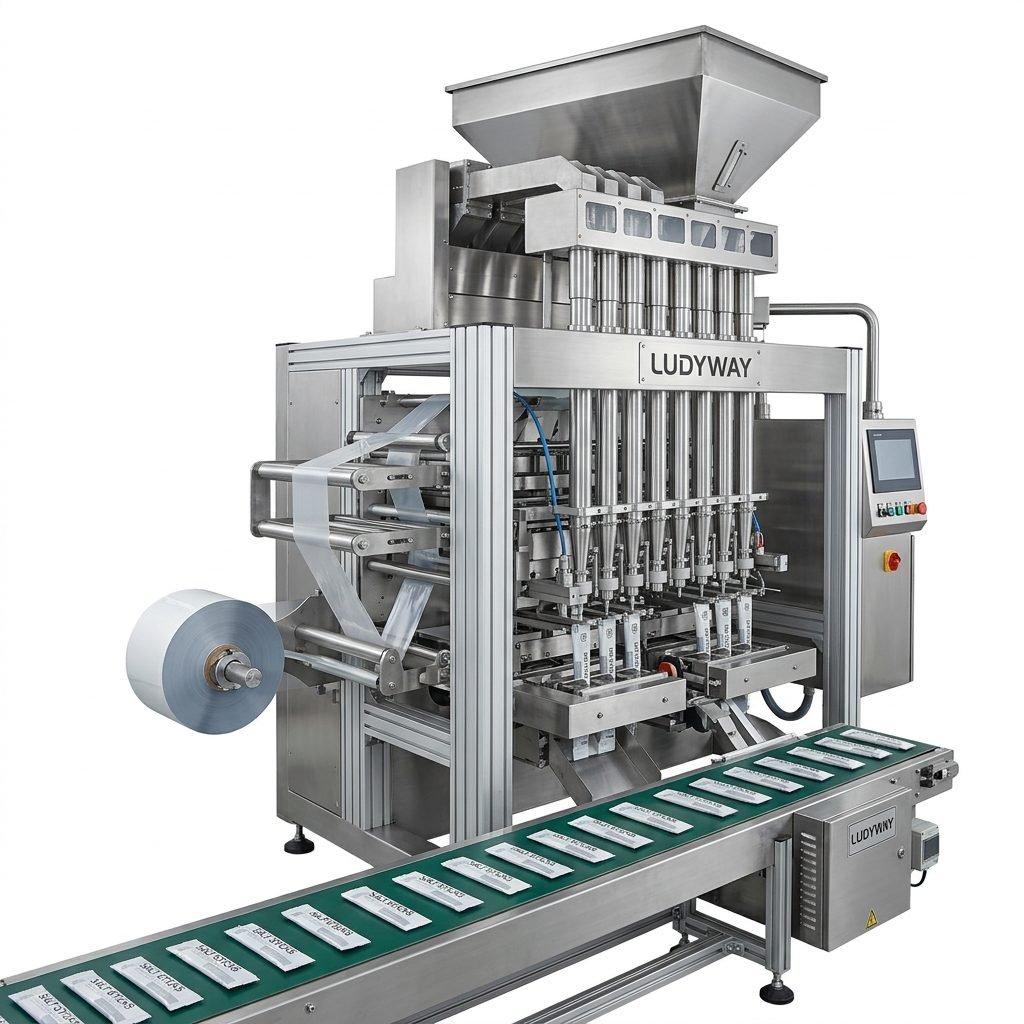
Ideal for fine, non-free-flowing powders like milk powder, protein supplements, spices, and pharmaceuticals. They often incorporate specialized augers or vacuum systems to prevent dust and ensure precise filling. Multi-lane designs are frequently used to achieve high output speeds for sachet or stick pack production.
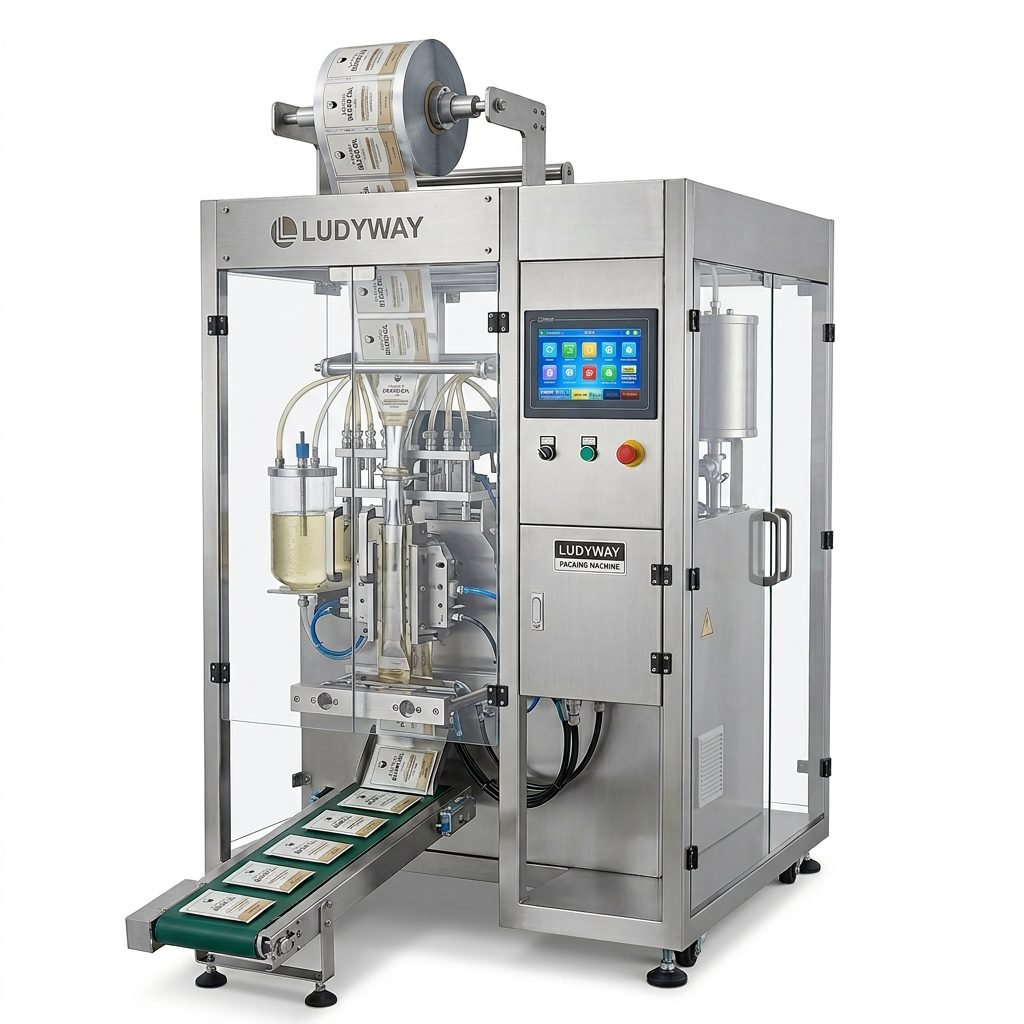
3. Liquid & Paste Packaging Machines
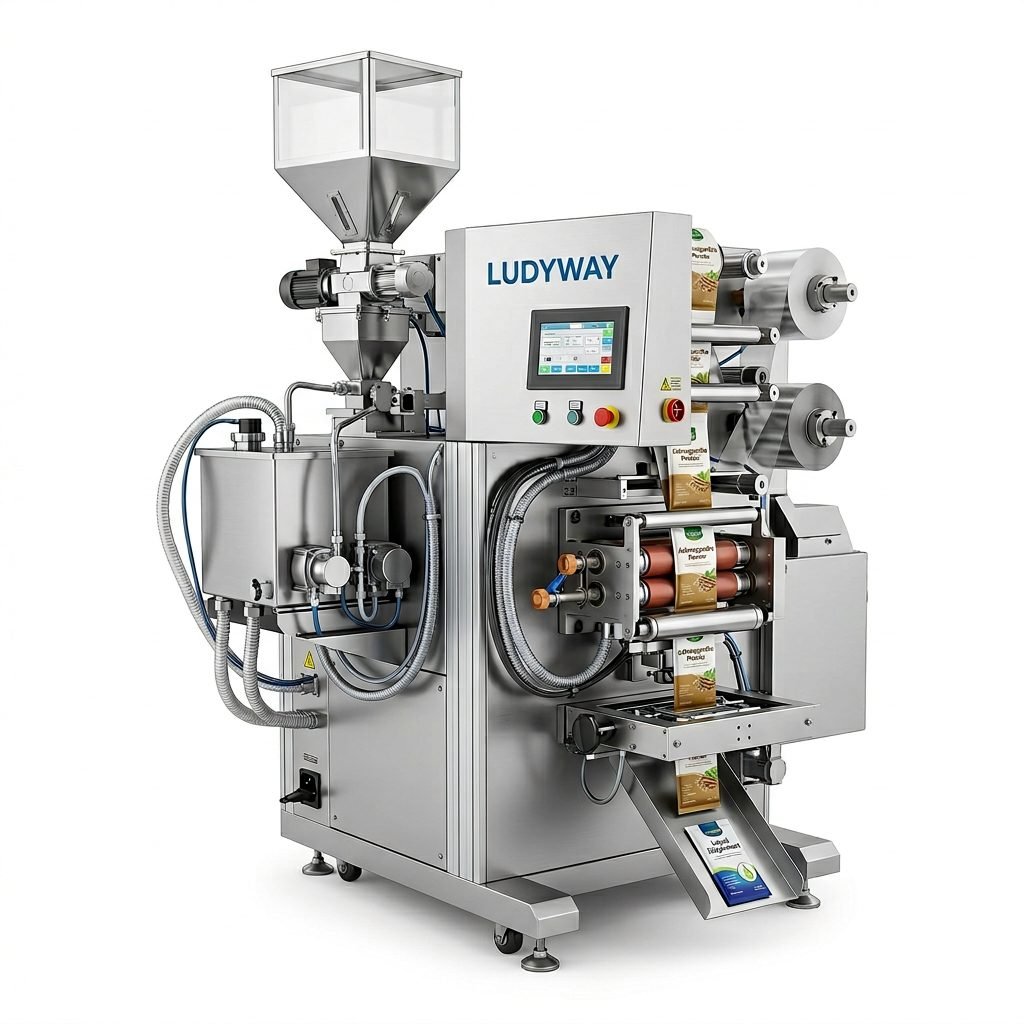
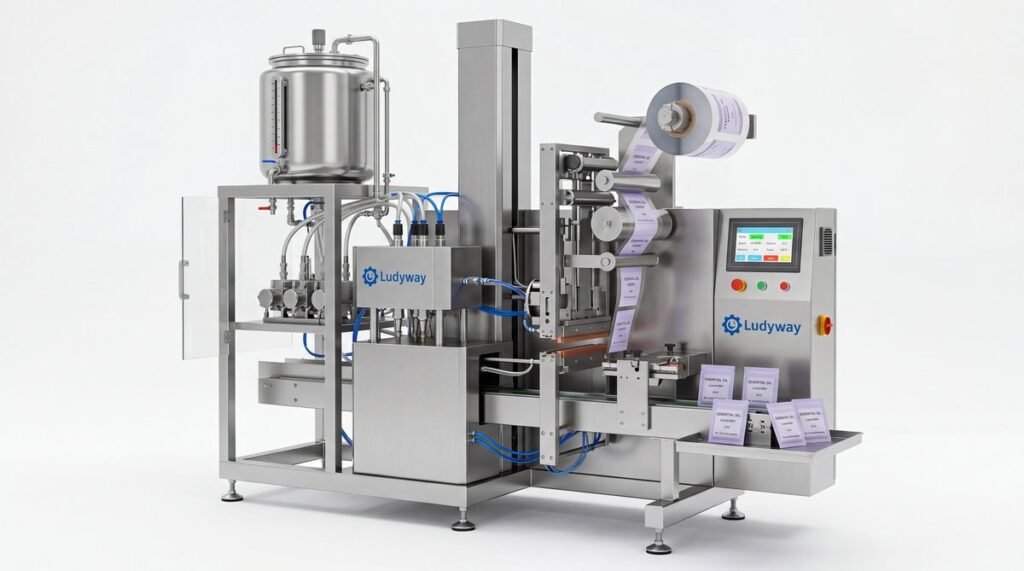
Used for packaging viscous products such as sauces, honey, oils, creams, and lotions. These machines employ piston pumps or peristaltic pumps for accurate liquid dispensing. They can form, fill, and seal pouches or sachets, often with options for nozzle designs to minimize dripping.
4. Stick Pack Machines
A highly efficient and space-saving packaging format. Stick pack machines create long, narrow pouches ideal for single servings of instant drinks, supplements, or condiments. They are known for their high-speed operation and excellent product visibility.
5. Sachet Packaging Machines
Versatile machines that produce small, flat pouches suitable for a wide range of products—from shampoo and ketchup to pharmaceutical powders. They can handle various materials, including laminated films, and are commonly configured for multi-lane production to maximize throughput.
Working Principles of Automated Packaging Systems
While specific mechanisms vary by machine type, most automated packaging systems follow a similar sequence: film feeding, forming, filling, sealing, and cutting. The level of integration and control defines the system’s efficiency and flexibility.
Film Feeding & Forming
The packaging material (usually a roll of laminated film) is fed through a series of guides and forming shoulders. The film is shaped into a tube (for vertical machines) or a pouch (for horizontal machines) using heat or mechanical forming.
Product Filling & Dosing
This is the core of the packaging process. Depending on the product type, different filling systems are used:
- Auger Fillers: Use a rotating screw to dispense granules or powders with high accuracy.
- Volumetric Cups: Measure product volume for consistent free-flowing granule filling.
- Piston Fillers: Ideal for liquids and pastes, providing precise volumetric displacement.
Sealing & Cutting
After filling, the package is sealed using heated jaws that apply pressure and temperature to melt the inner layer of the film, creating a hermetic seal. A cutting mechanism then separates individual packages. Modern machines often include intelligent inspection systems to check for fill weight, seal integrity, and date coding.
Key Applications Across Industries
The adaptability of packaging machinery makes it indispensable across diverse sectors. Here’s how different industries leverage this technology.
Food & Beverage Industry
This sector demands high-speed, hygienic packaging for products like instant coffee, sugar, spices, sauce packets, and snack nuts. Stick pack and sachet machines are prevalent for creating convenient single-serve portions that cater to on-the-go lifestyles. The focus is on maintaining freshness and preventing contamination.
Pharmaceutical & Nutraceutical Industry
Precision and compliance are paramount. Packaging machines for powders (like effervescent tablets or antibiotic doses) and granules (herbal supplements) must ensure accurate dosing and excellent seal integrity to protect product efficacy. The machinery often operates in controlled environments and must be easy to clean and validate.
Health & Daily Chemical Industry
Products such as shampoo, detergent, hand sanitizer, and cosmetic creams are commonly packaged in sachets or small pouches. Liquid filling machines with anti-drip nozzles and precise sealing are crucial to prevent leakage and preserve product consistency. Customizable packaging shapes also help in brand differentiation.
Choosing the Right Packaging Machinery Partner
Selecting equipment is just one part of the equation. Partnering with a reliable supplier who understands your production goals is essential for long-term success. A partner like Ludyway Machinery, with decades of industry experience, can provide more than just a machine—they offer complete turnkey solutions.
Key considerations include the supplier’s engineering capability, range of available models (over 50 models indicate broad expertise), ability to customize, and quality of after-sales support. A strong partner will help you navigate from initial concept and machine selection to installation, training, and ongoing maintenance.
Future Trends in Packaging Automation
The industry is continuously evolving. Trends like the integration of IoT for predictive maintenance, the use of sustainable and biodegradable films, and the demand for greater flexibility to handle smaller batch sizes are shaping the next generation of packaging machinery. Investing in adaptable, intelligent systems future-proofs your production line.
Frequently Asked Questions (FAQs)
1. What is the main difference between a stick pack machine and a sachet machine?
The primary difference lies in the final package shape. A stick pack machine produces long, narrow, tube-like pouches, ideal for powders and granules that need to be dissolved or poured. A sachet machine creates flat, rectangular, or square pouches, which are better suited for liquids, pastes, or thicker products. The choice depends on your product characteristics and market preferences.
2. How do I determine the right speed (output) for my packaging machine?
Required output speed is calculated based on your total daily/weekly production volume and available operating hours. Consider factors like product changeover time and maintenance. For high-volume items like sugar or coffee, multi-lane high-speed machines (producing hundreds of packs per minute) are ideal. For lower-volume or diverse product lines, a more flexible, moderate-speed machine might be a better fit. A professional supplier can help you analyze your needs.
3. Can one machine handle both granules and powders?
Some versatile machines are designed with interchangeable filling systems (e.g., switching from an auger for powder to volumetric cups for granules). However, for optimal accuracy and efficiency, especially with very fine powders or non-free-flowing granules, it is often recommended to use a machine specifically configured for that product type. Discuss your product range with your machinery provider for the best configuration.
4. What kind of maintenance do automated packaging machines require?
Regular maintenance is crucial for longevity and consistent performance. This typically includes daily cleaning of product contact parts, weekly lubrication of moving components, and periodic inspection of seals, cutters, and heating elements. Modern machines with IoT capabilities can alert operators to required maintenance. Always follow the manufacturer’s maintenance schedule and use recommended parts.
5. How important is after-sales support when buying packaging machinery?
Extremely important. Reliable technical support, availability of spare parts, and operator training are critical for minimizing downtime. A supplier with a strong global service network, like Ludyway Machinery, ensures you have assistance readily available for installation, troubleshooting, and repairs, protecting your investment and production continuity.