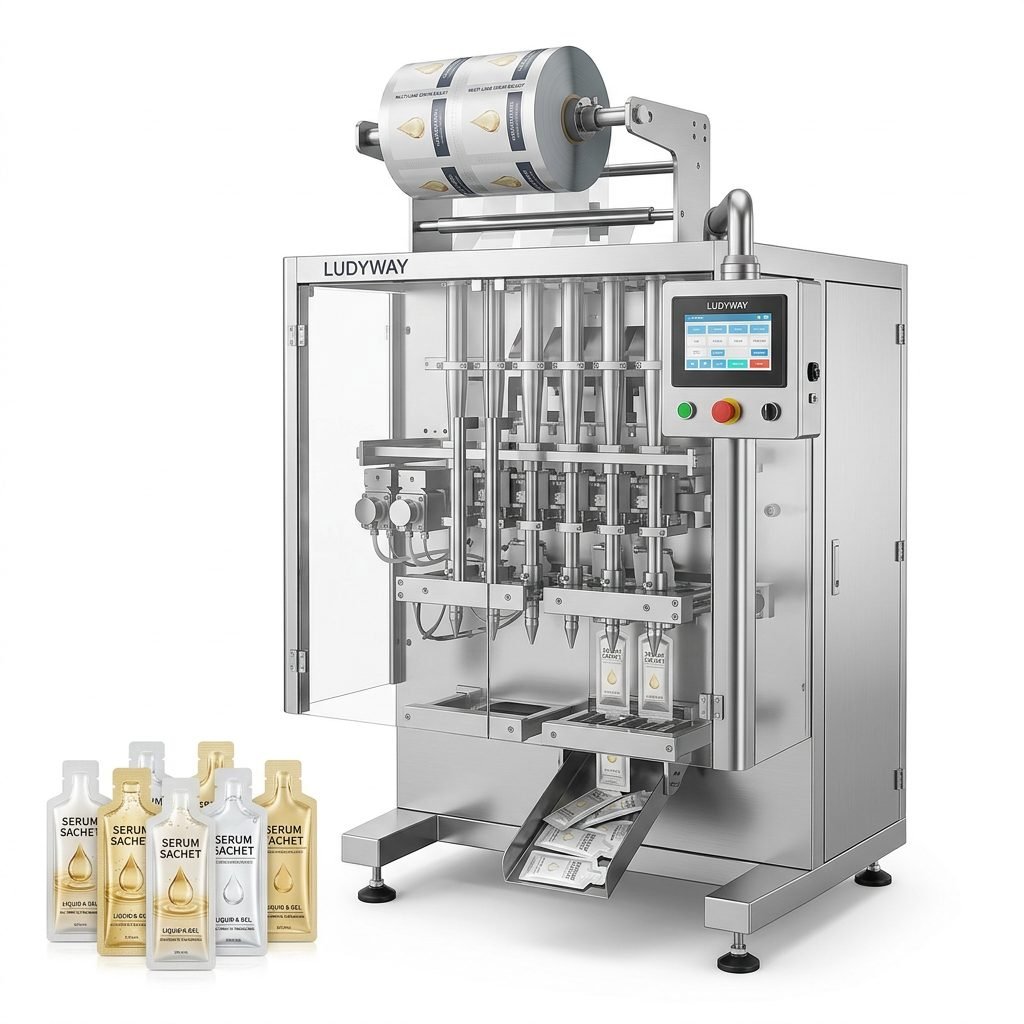
Selecting the best NPI (New Product Introduction) partner for back-end packaging equipment is a critical strategic decision that can determine the success of your product launch and long-term manufacturing efficiency. The right partner provides more than just machinery; they deliver comprehensive manufacturing support, technical expertise, and a seamless integration process that aligns with your production goals, budget, and timeline.
The Critical Role of a Packaging NPI Partner
An NPI partner specializing in back-end packaging becomes an extension of your manufacturing team. Their role encompasses equipment supply, process design, installation, validation, and ongoing technical support. This partnership is vital for navigating the complexities of bringing a new product—whether it’s a food item, pharmaceutical, or health supplement—to market efficiently and at scale. The ideal partner mitigates risks, accelerates time-to-market, and ensures your packaging line is robust, compliant, and cost-effective.
Key Support Areas from Your NPI Partner:
- Feasibility & Concept Analysis: Assessing your product’s packaging requirements and proposing suitable machine configurations.
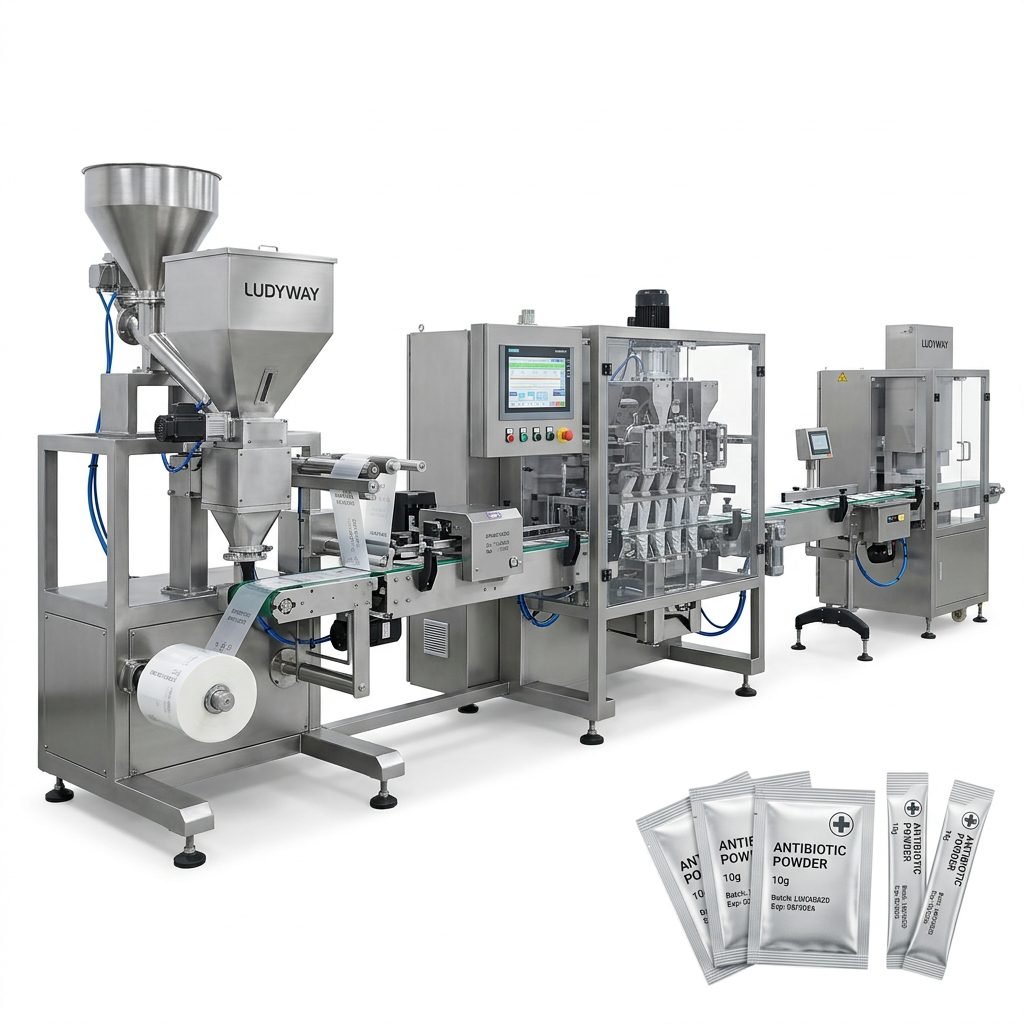
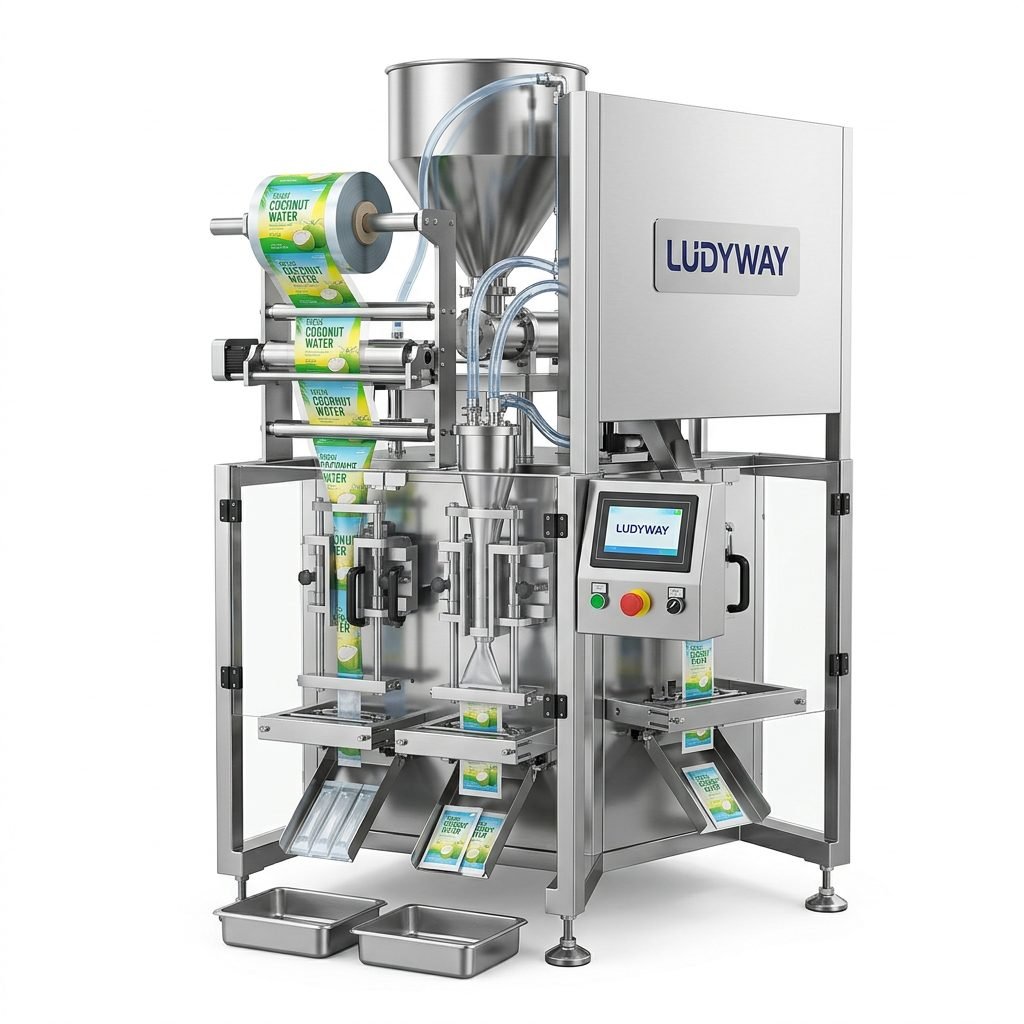
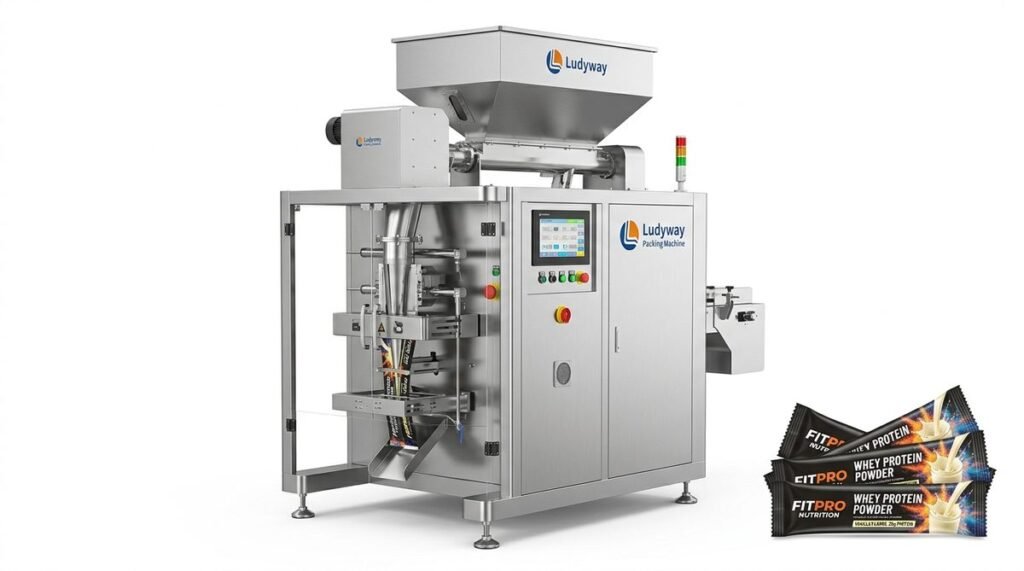
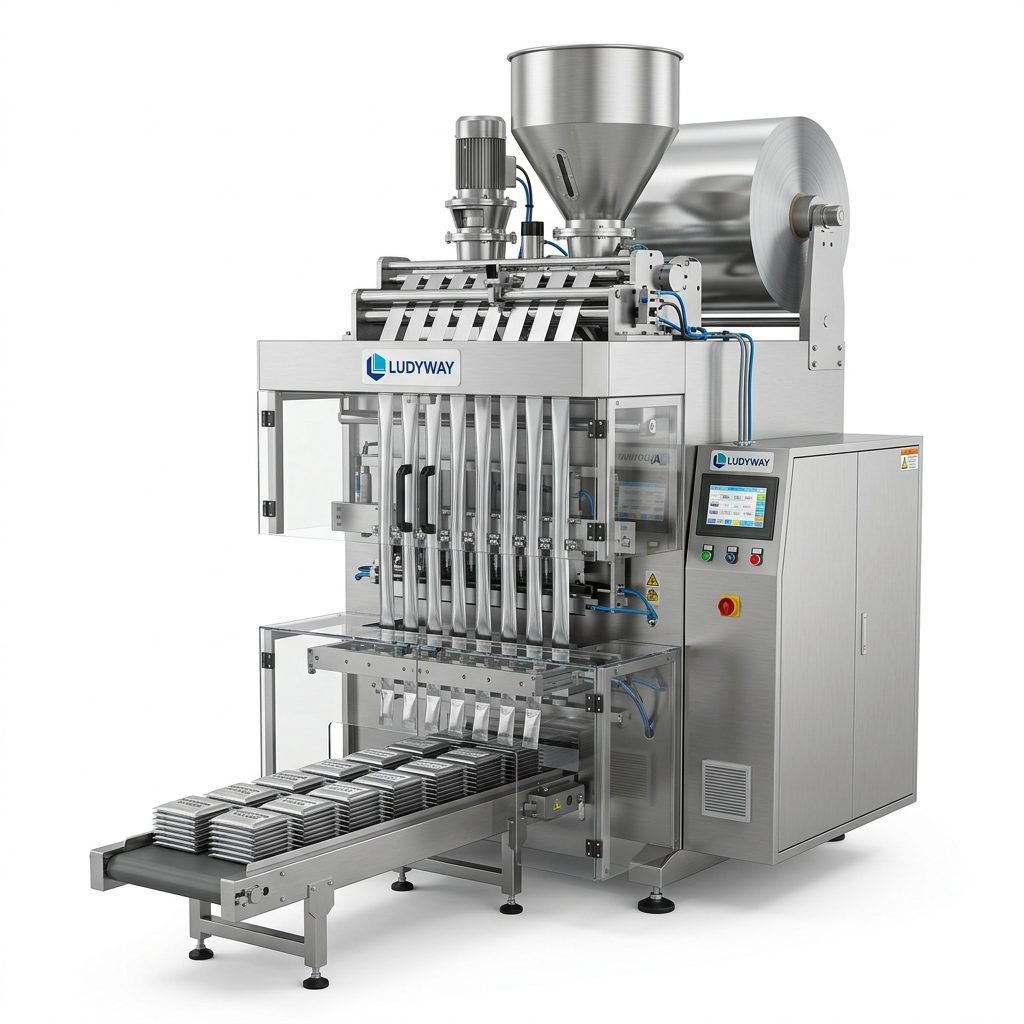
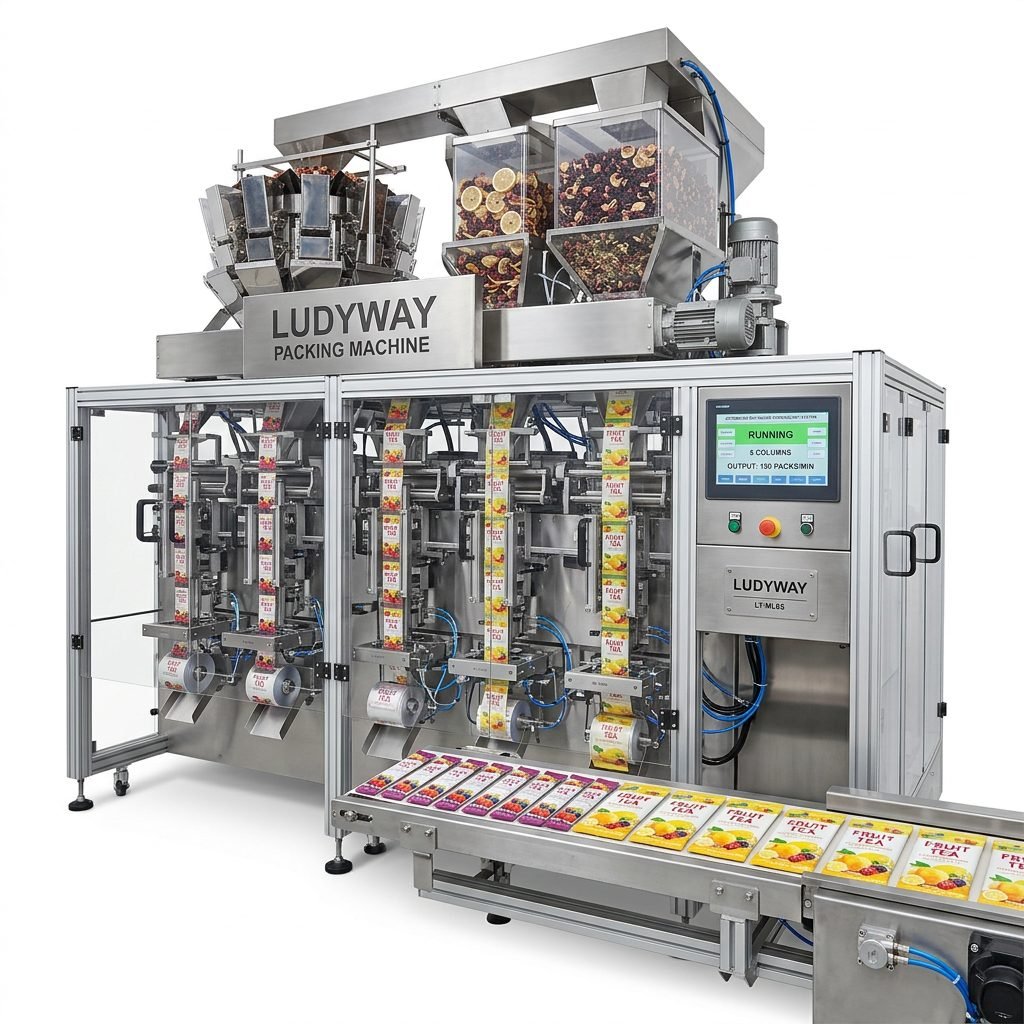
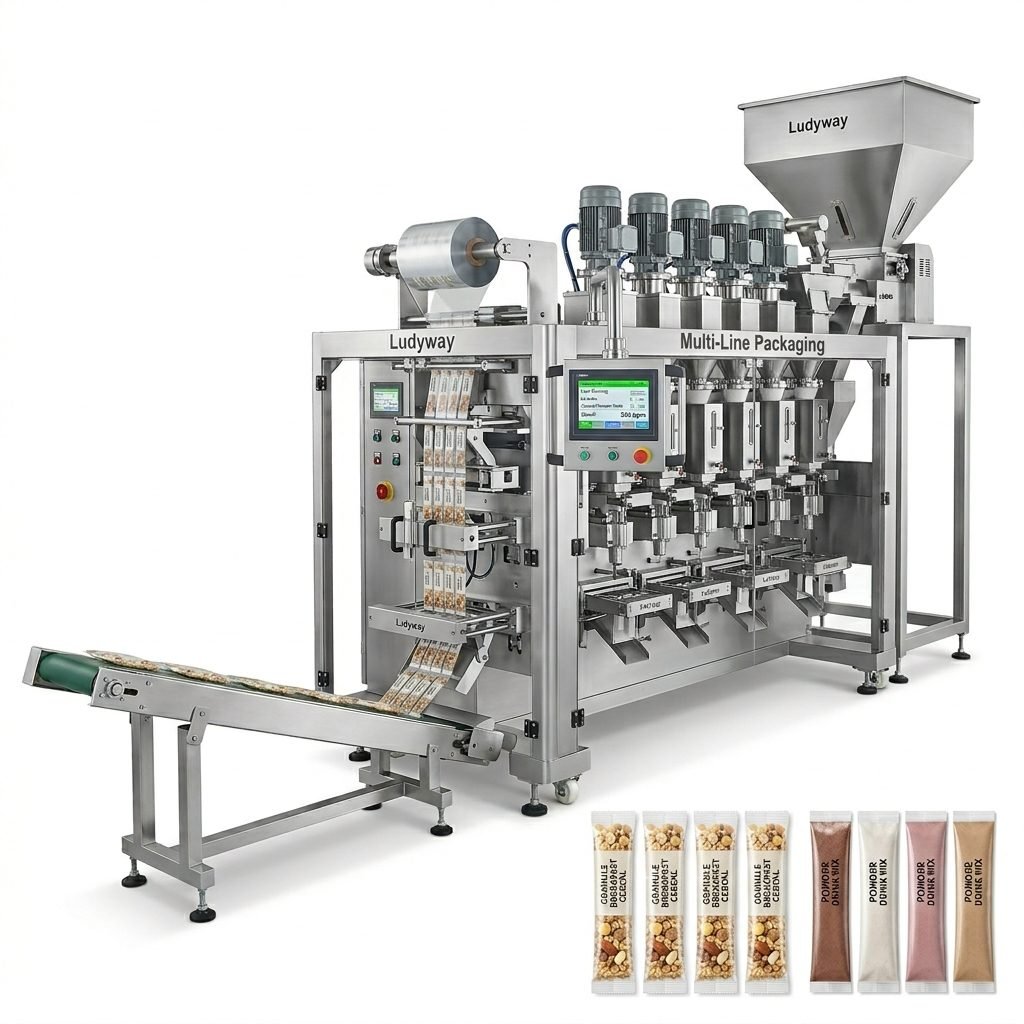
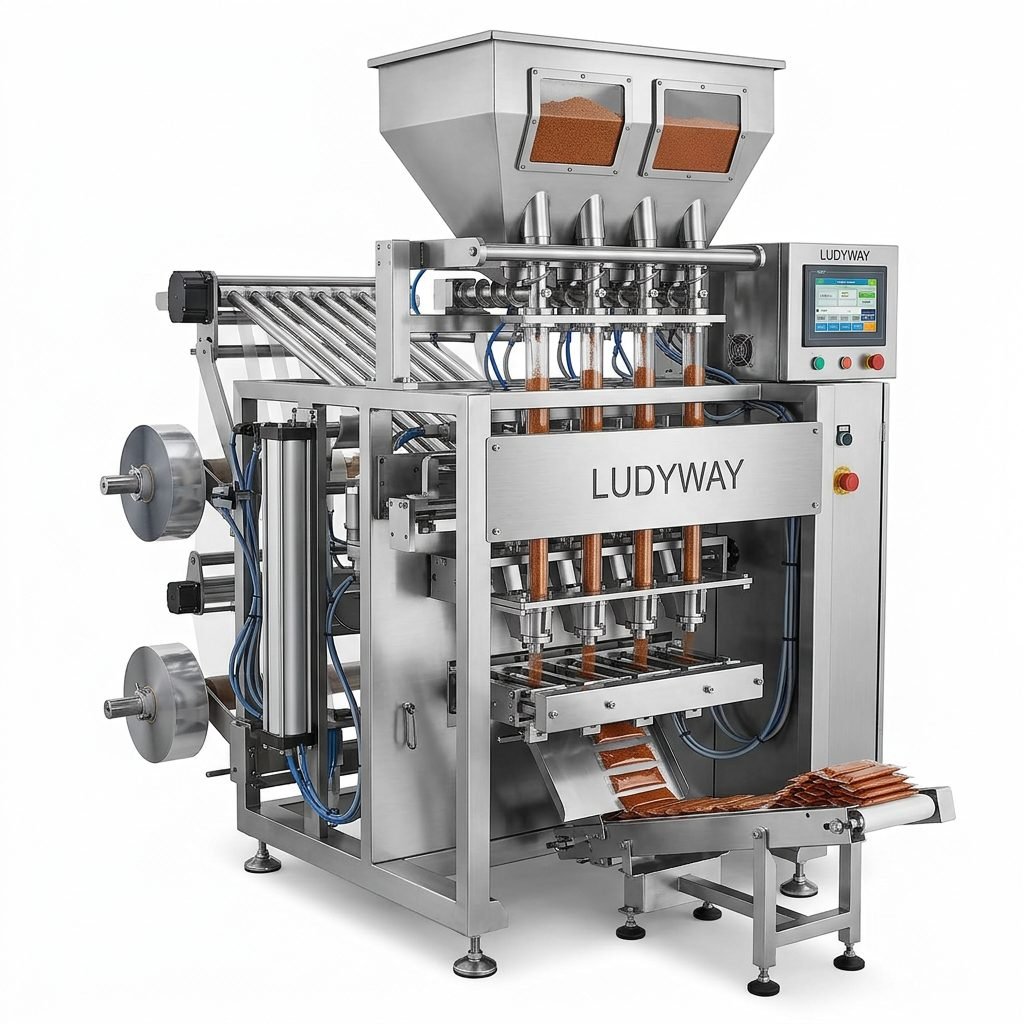
- Customized Solution Design: Tailoring equipment like multi-lane stick pack or sachet machines to handle specific granule, powder, or liquid formats.
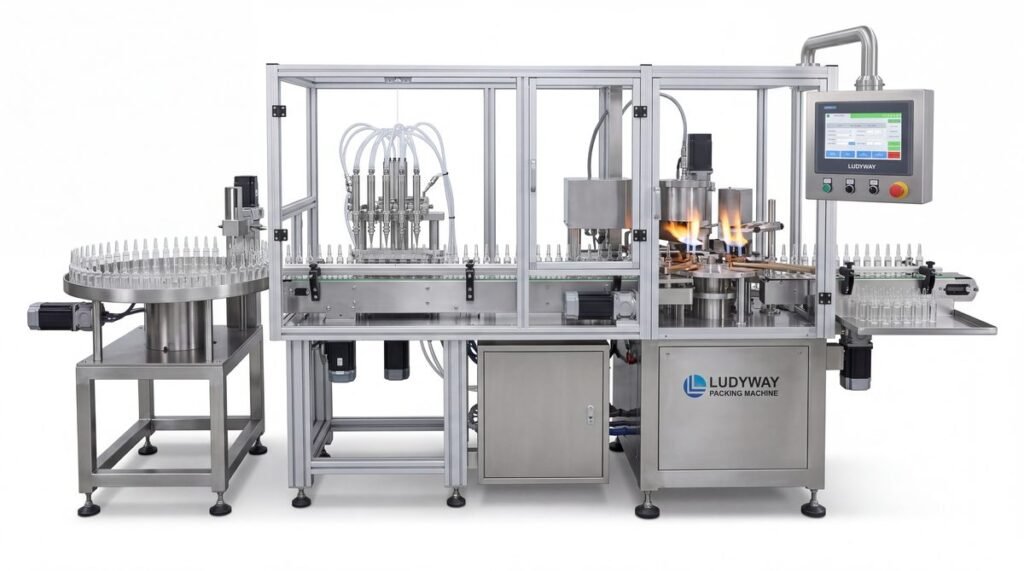
- Line Integration & Automation: Ensuring the packaging equipment works harmoniously with upstream filling and downstream cartoning systems.
- Factory Acceptance Testing (FAT): Allowing you to validate machine performance before shipment.
- Installation & Commissioning (I&C): On-site setup, calibration, and initial production run support.
- Training & Documentation: Equipping your operators with the knowledge to run and maintain the equipment effectively.
- Long-term Spare Parts & Service: Providing reliable after-sales support to minimize downtime.
How to Choose the Right Manufacturing Support: A Step-by-Step Guide
Choosing a partner requires a methodical evaluation beyond just comparing machine specifications and price quotes. It involves assessing their capability to support your entire project lifecycle.
1. Evaluate Technical Expertise and Industry Experience
Look for a partner with a proven track record in your specific industry—be it food, pharmaceutical, or health products. Experience translates into an understanding of regulatory standards (like FDA, GMP), hygiene requirements, and material handling nuances. A partner with over 30 years of industry experience brings invaluable problem-solving insights and can foresee potential challenges in your packaging process before they arise.
2. Assess Engineering and Customization Capabilities
Off-the-shelf solutions rarely fit perfectly. Your NPI partner must have strong in-house engineering resources to modify and customize equipment. Inquire about their development process, prototyping ability, and how they handle custom requests for unique pouch shapes, special dosing mechanisms, or integration with specific filling systems. The ability to offer turnkey production solutions is a significant advantage.
3. Scrutinize Manufacturing Quality and Facility Scale
The quality of the equipment is directly tied to the quality of the manufacturing facility. A partner operating from a sizable, modern production facility (e.g., 20,000㎡) typically has better control over supply chains, machining precision, and assembly quality. It’s advisable to request a virtual or in-person facility tour to assess their manufacturing standards, quality control processes, and inventory of core components.
🔍 Due Diligence Checklist:
Before finalizing your partner, ensure you have clear answers to these questions:
- Can they provide references from clients with similar products or projects?
- What is their standard warranty, and what does their after-sales service network look like globally?
- How do they manage project timelines and communication? Who is your single point of contact?
- Do they have a portfolio of over 50 intelligent packaging machine models to draw solutions from?
- What is their protocol for factory acceptance testing (FAT) and site acceptance testing (SAT)?
4. Analyze Project Management and Communication Processes
A successful NPI launch hinges on transparent and proactive project management. Your partner should assign a dedicated project manager who provides regular updates, manages milestones, and promptly addresses concerns. Clear communication channels prevent misunderstandings regarding specifications, timelines, and costs. Evaluate their willingness to engage in detailed technical discussions and their responsiveness during the quotation phase.
5. Consider Long-term Value and Partnership Potential
The lowest upfront cost can lead to higher long-term expenses due to downtime, poor efficiency, or lack of support. Evaluate the total cost of ownership (TCO). A true partner invests in your success, offering scalable solutions that can grow with your production volume and supporting you with technical expertise for future upgrades or new product lines. Look for a company philosophy centered on long-term cooperation and innovation.
Common Pitfalls to Avoid When Selecting an NPI Partner
Many companies make selection errors that cost them time and money. Avoid these common mistakes:
- Prioritizing Price Over Expertise: Sacrificing critical engineering support for a marginally lower price.
- Overlooking After-Sales Support: Failing to verify the availability and speed of spare parts and service technicians.
- Ignoring Scalability: Choosing equipment that meets only current needs without considering future production increases or product variations.
- Incomplete Factory Testing: Skipping or rushing through FAT, leading to costly delays during on-site commissioning.
Conclusion
Choosing the best NPI partner for your back-end packaging equipment is a multifaceted decision that balances technical prowess, manufacturing quality, project management, and strategic alignment. By thoroughly vetting potential partners against the criteria of experience, customization ability, facility strength, and commitment to partnership, you can establish a collaborative relationship that ensures a smooth product launch, operational excellence, and a strong foundation for future growth. The right support transforms packaging from a operational challenge into a competitive advantage.
Frequently Asked Questions (FAQs)
What is the most important factor when choosing an NPI packaging partner?
The single most important factor is a combination of relevant industry experience and engineering capability. A partner who deeply understands your product’s specific challenges (e.g., moisture sensitivity for powders, sterility for pharmaceuticals) and can engineer reliable solutions is invaluable.
How long does a typical NPI packaging line project take from order to commissioning?
The timeline varies significantly based on complexity and customization. For standard equipment with moderate customization, expect 4 to 8 months. This includes design finalization, manufacturing, factory testing, shipping, and on-site installation. Highly complex, fully integrated turnkey lines can take 8 months or more.
Should I always opt for a fully automated packaging line?
Not necessarily. The choice between semi-automatic and fully automatic systems depends on your production volume, labor costs, and required flexibility. An experienced NPI partner will conduct a thorough cost-benefit analysis to recommend the most efficient and economical level of automation for your specific operation.
What should be included in a Factory Acceptance Test (FAT)?
A comprehensive FAT should demonstrate that the equipment meets all agreed-upon specifications. This includes running your actual product or a close simulant, achieving the target speed and accuracy, verifying all safety functions, and checking the quality of the final packaged product. You should receive detailed test reports and videos.
How can I ensure the packaging equipment remains efficient and up-to-date?
Partner with a supplier committed to continuous innovation and support. Choose a partner that offers regular service contracts, software updates, and has a roadmap for machine upgrades. This ensures your investment is protected and your line can adapt to new packaging materials or market demands over time.