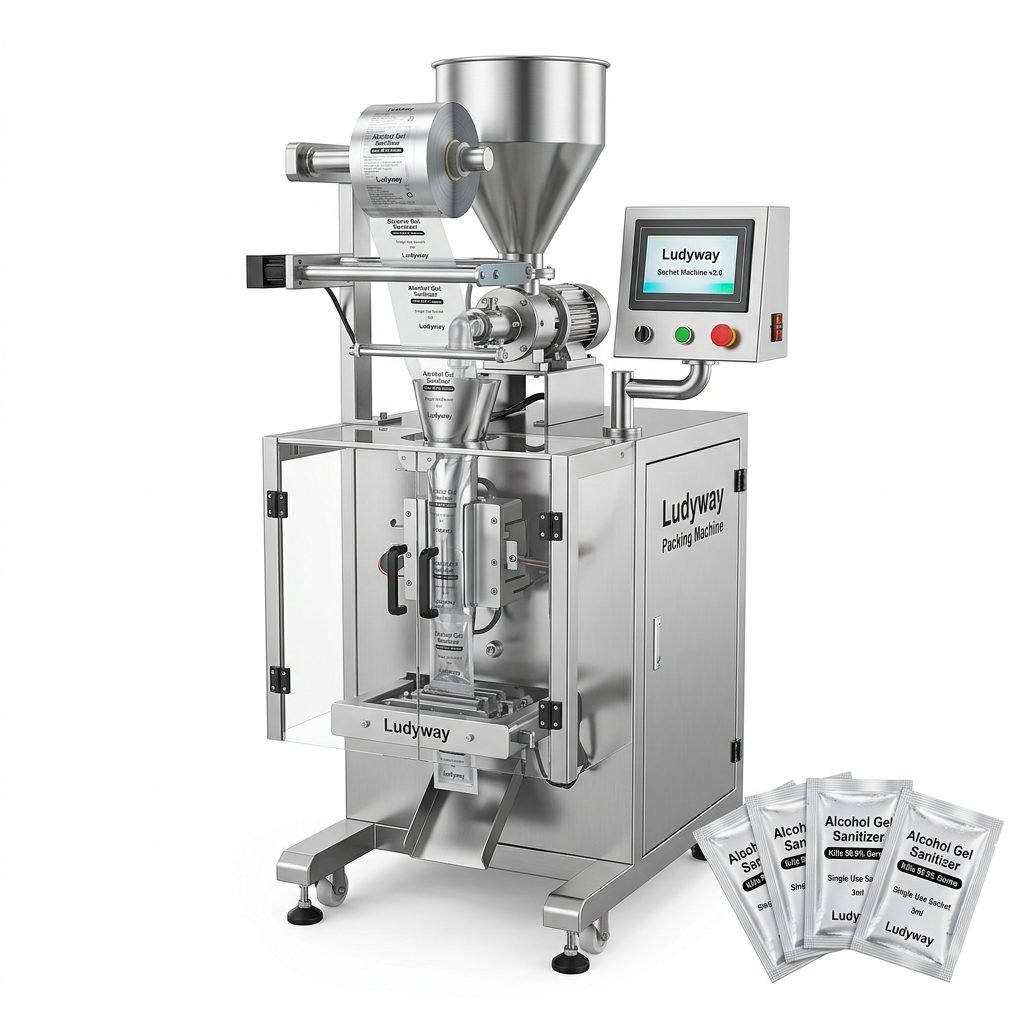
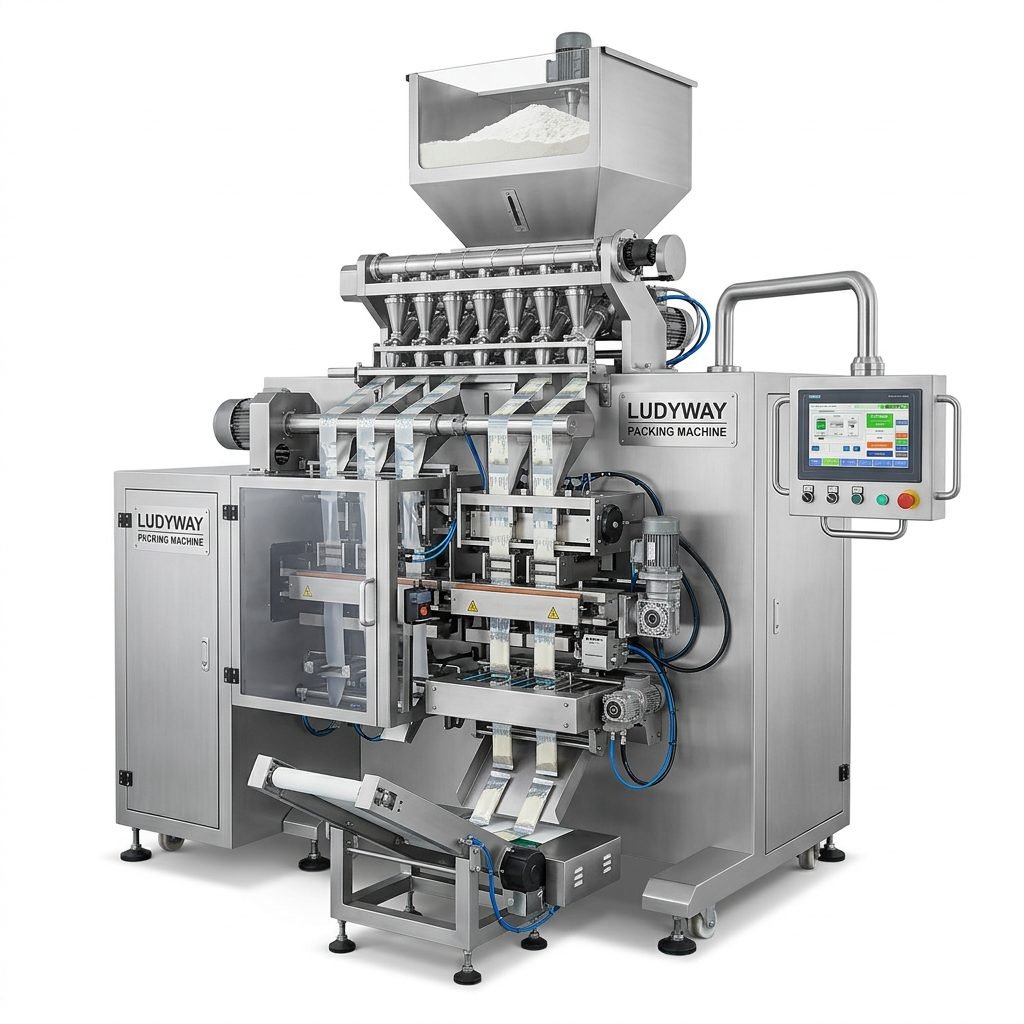
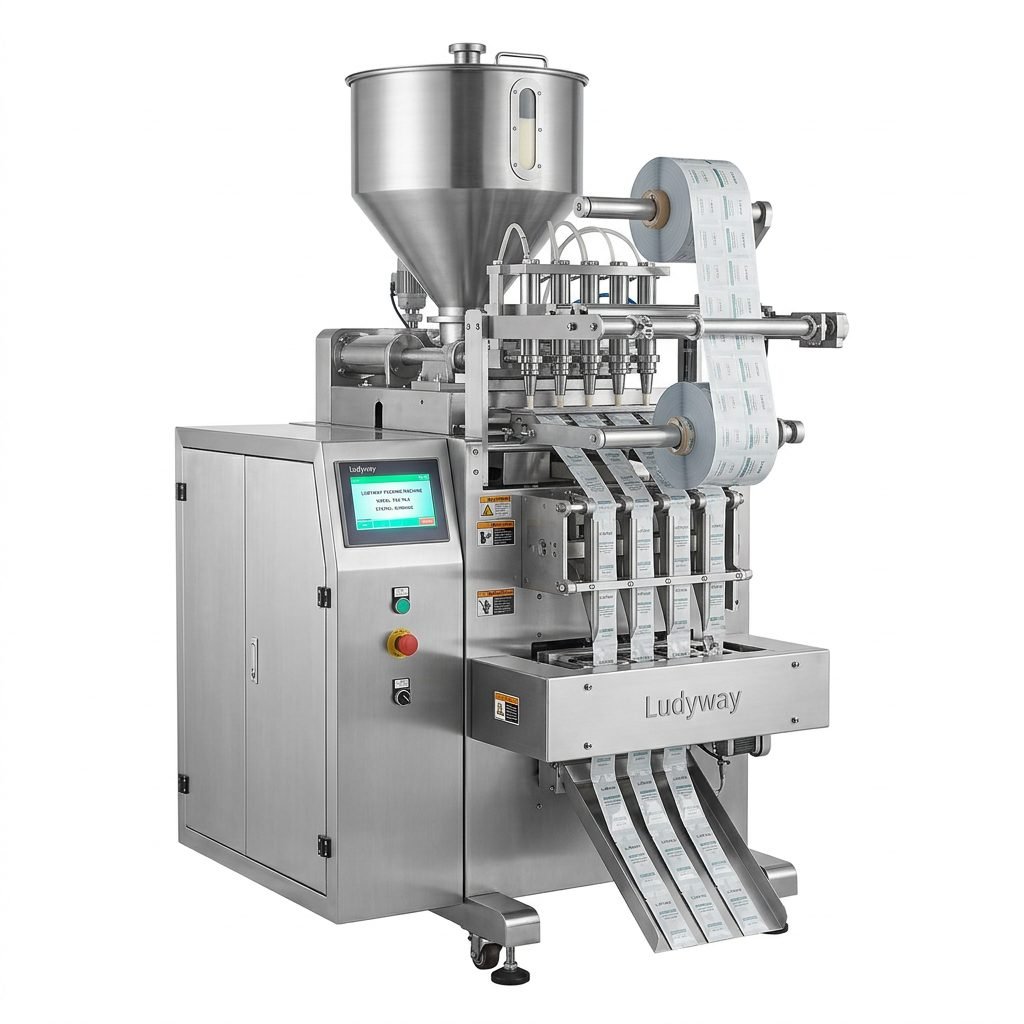
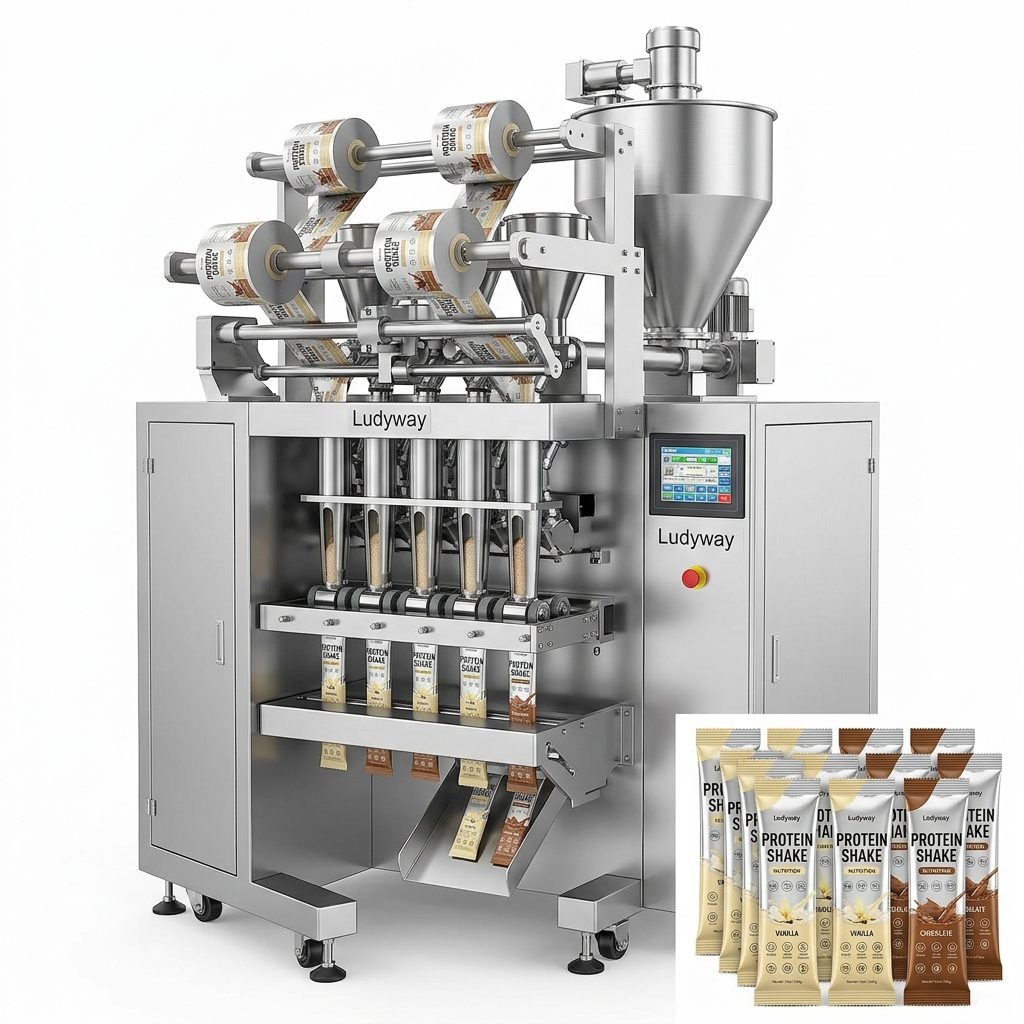
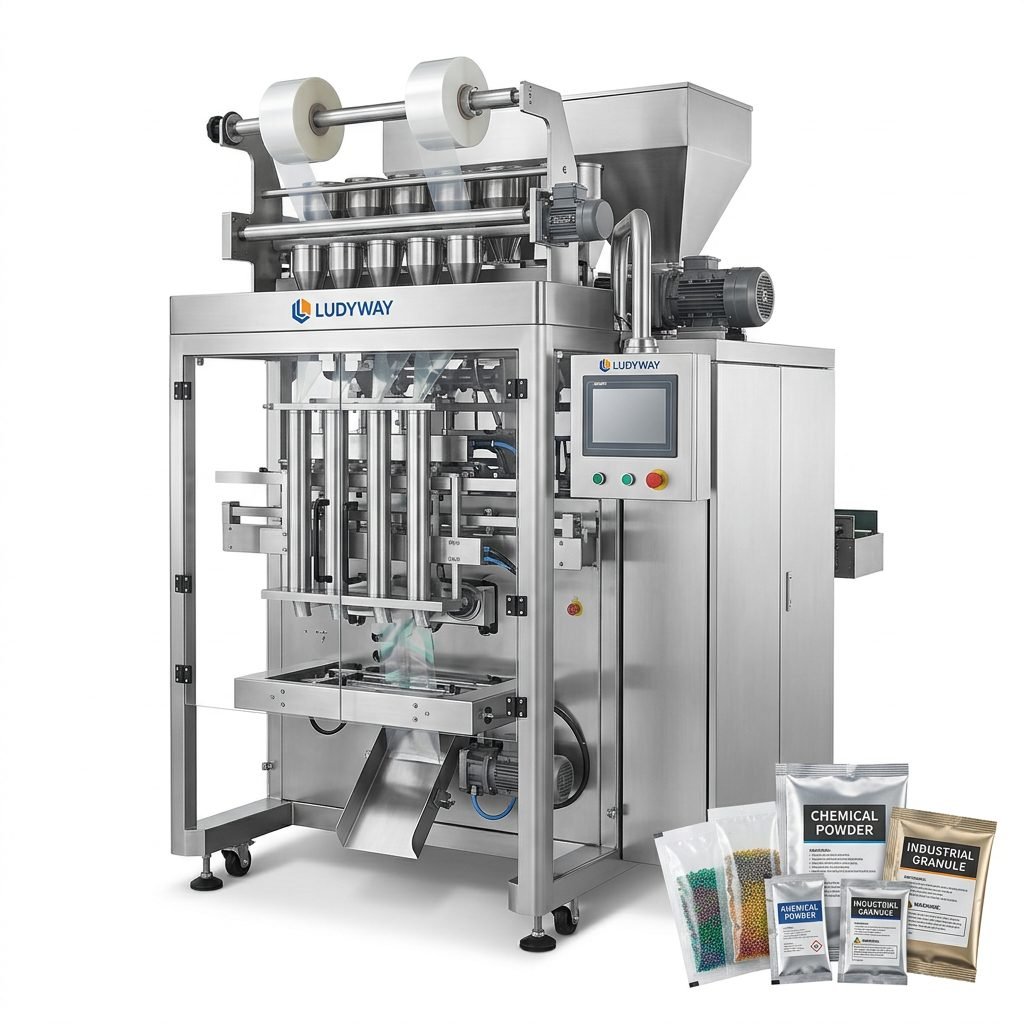
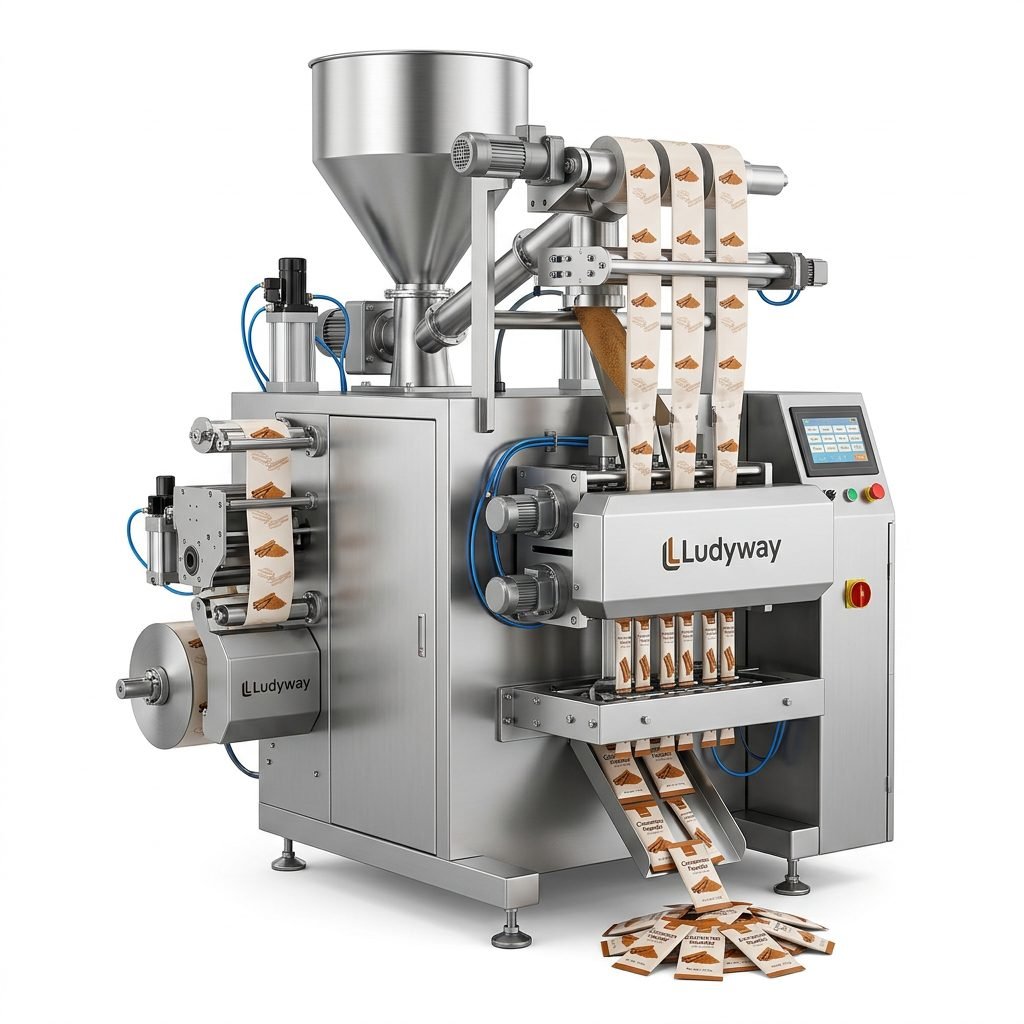
In the fast-paced world of industrial packaging, equipment uptime is directly tied to productivity and profitability. A single malfunctioning component can halt an entire production line, leading to costly delays. This makes the strategic management of spare parts—from intelligent selection and proactive maintenance to timely replacement—a critical operational discipline. Understanding the lifecycle of these components is not merely a technical concern but a cornerstone of sustainable and efficient packaging operations.
Core Philosophy
Effective spare parts management transcends simple inventory. It’s a holistic approach that integrates technical knowledge, operational planning, and strategic sourcing to minimize downtime and maximize equipment lifespan.
Essential Components in Packaging Machinery
Packaging systems are complex assemblies. Key spare parts typically fall into several functional categories:
1. Sealing & Cutting Systems
These are often the highest-wear components. They include sealing jaws, cutting blades, and heating elements. Consistent performance here is non-negotiable for package integrity and appearance.
- Heating Elements & Bands: Critical for creating strong, consistent seals on poly films.
- Cutting Blades & Anvils: Must be kept sharp and properly aligned for clean, precise cuts.
- Sealing Jaws: Subject to constant heat and pressure; surface integrity is paramount.
2. Product Feeding & Dosing Systems
Accuracy in this stage defines product consistency and reduces giveaway. Common parts include augers, funnels, pumps, valves, and servo motors.
Pro Tip: Auger Maintenance
Regularly check augers for wear, especially when handling abrasive products. Even minor wear can significantly affect dosing accuracy. Keep a calibrated spare on hand for critical production runs.
3. Drive & Motion Components
The machinery’s muscle. Belts, chains, gears, bearings, and servo drives ensure synchronized movement. Failure here often causes catastrophic stoppages.
4. Control & Sensor Elements
The system’s nervous system. Photoelectric sensors, proximity switches, PLC modules, and touchscreen interfaces guide the machine’s logic. While not high-wear items, they are vulnerable to environmental factors like dust and moisture.
A Strategic Guide to Choosing Spare Parts
Selecting the right spare part is a decision that impacts cost, performance, and future reliability.
OEM vs. Compatible Parts
The choice between Original Equipment Manufacturer (OEM) parts and third-party compatible parts is fundamental.
- OEM Parts: Guaranteed fit, form, function, and material quality. They often come with a warranty and technical support from the machine builder, like the engineering teams behind Ludyway’s packaging solutions. Ideal for complex, proprietary, or safety-critical components.
- Compatible Parts: Can offer cost savings for standard, generic components (e.g., common bearings, seals, sensors). The risk lies in variable quality. Always source from reputable suppliers and verify material specifications.
Key Selection Criteria
- Material of Construction: Must be suited to the product (food-grade, corrosion-resistant) and the mechanical stress (abrasion, temperature).
- Precision & Tolerance: Especially for dosing and cutting parts. A part that “fits” but doesn’t meet the original tolerance will compromise performance.
- Supplier Reliability & Support: Choose suppliers with proven expertise, like those with decades of industry experience, who can provide documentation, lead times, and technical advice.
- Total Cost of Ownership (TCO): Consider purchase price, expected lifespan, and the potential cost of downtime caused by a premature failure.
Proactive Maintenance: The Best Defense
A robust preventive maintenance (PM) program is the most effective way to manage spare parts needs.
Pillars of a Preventive Maintenance Program
Scheduled Inspections
Regular, documented checks of high-wear areas based on runtime hours or production cycles.
Predictive Replacement
Replacing parts like seals or filters at predetermined intervals before they fail.
Accurate Record-Keeping
Maintaining a log of all replacements, failures, and maintenance actions for each machine.
This proactive approach allows for planned, non-urgent parts procurement, turning potential emergencies into scheduled tasks. It also builds a historical data set that informs future investment in equipment and parts inventory.
When to Replace: Recognizing the Signs
Knowing when a part is at the end of its service life prevents unexpected breakdowns.
- Performance Degradation: Increasing seal failures, declining weighing accuracy, or rising product giveaway.
- Physical Wear: Visible scoring, cracking, deformation, or corrosion on components.
- Unusual Operation: Excessive noise, vibration, heat, or inconsistent machine cycles.
- Reaching Service Life: Proactively replace parts that have reached their recommended operational hours or cycles, as per the manufacturer’s guidelines.
Building and Managing a Spare Parts Inventory
A smart inventory balances readiness with capital tie-up.
Critical vs. Non-Critical Parts
Classify parts based on their impact on production:
- Critical (A-Items): Cause immediate line stoppage if failed (e.g., main drive motor, specific PLC card). Keep at least one in stock.
- Essential (B-Items): High-wear items with predictable life (e.g., sealing jaws, cutting blades). Stock based on usage rate and lead time.
- Standard (C-Items): Generic, easily sourced items (e.g., common screws, fuses). Maintain minimum stock or use just-in-time ordering.
Partnering with a supplier that offers comprehensive support can transform your inventory strategy, providing access to a vast range of over 50 machine models’ parts without needing to stock everything on-site.
Conclusion
Mastering the world of spare parts for packaging equipment is a continuous process of learning, planning, and partnership. By choosing parts strategically, maintaining equipment proactively, and replacing components knowledgeably, operations can achieve remarkable levels of reliability and efficiency. This discipline ensures that packaging lines are not just machines, but reliable partners in production, supported by a foundation of quality components and expert insight.
Frequently Asked Questions (FAQs)
1. How do I determine if I should buy an OEM part or a compatible alternative?
For safety-critical, proprietary, or complex components directly affecting seal quality, dosing accuracy, or machine control, OEM parts are strongly recommended. For generic, standardized mechanical parts (certain bearings, O-rings), high-quality compatible parts can be a cost-effective option if thoroughly vetted for material and dimensional specs.
2. What are the most commonly replaced parts on a vertical form-fill-seal (VFFS) machine?
The highest-wear items are typically in the sealing and cutting system: heating elements (bands), Teflon-coated sealing jaws, and cutting blades. Feed system components like the auger for granules/powders or fill pumps and valves for liquids also require regular inspection and replacement.
3. How can I extend the lifespan of my high-wear spare parts?
Implement a strict preventive maintenance schedule. Keep sealing jaws clean, ensure proper alignment and temperature settings, and lubricate moving parts as specified. For abrasive products, consider parts made from more wear-resistant materials, even at a higher initial cost.
4. Should I keep a full set of spare parts for every machine?
No, this is inefficient and ties up capital. Practice ABC inventory analysis. Stock critical “A” parts that cause immediate downtime. For “B” items, stock based on lead time and usage rate. For common “C” items, establish a reliable supply chain for quick delivery.
5. What information do I need to provide to my supplier when ordering a spare part?
Always provide the complete machine model number and serial number. For the specific part, provide the part number from the manual, a clear description of its function and location, and, if possible, clear photos or the old part itself. This minimizes errors and ensures you receive the correct component.