Global Packaging Machinery Demand Set to Hit New High by 2026
The global packaging machinery market is poised for unprecedented growth, with industry analysts projecting demand to reach new heights by 2026. Driven by accelerating automation, evolving consumer trends, and expanding e-commerce, manufacturers worldwide are investing heavily in advanced packaging solutions to enhance efficiency, ensure product safety, and meet sustainability goals.
Key Market Drivers Fueling the Surge
Several interconnected factors are converging to create a robust growth environment for packaging machinery:
- Rising Automation Across Industries: The push for higher productivity with lower operational costs is making automated packaging lines essential, not optional.
- E-commerce and Direct-to-Consumer (DTC) Expansion: The boom in online retail requires faster, more versatile, and damage-resistant packaging processes.
- Stringent Safety and Hygiene Regulations: Especially in the food and pharmaceutical sectors, compliance demands reliable, precision machinery.
- Sustainability and Material Efficiency: Brands are seeking machinery that minimizes waste, handles recyclable materials, and optimizes material usage.
- Demand for Flexible and Small-Batch Packaging: Consumer preference for variety and personalization is driving need for machinery that can handle quick changeovers.
Regional Market Insights and Growth Hotspots
Growth is not uniform globally, with certain regions leading the charge in adoption and innovation.
| Region | Key Growth Factors | Prominent Segments |
|---|---|---|
| Asia-Pacific | Rapid industrialization, growing middle class, massive food & beverage sector. | Vertical form-fill-seal (VFFS), liquid filling, cartoning. |
| North America | High labor costs driving automation, advanced pharmaceutical industry, strong e-commerce. | Robotic palletizing, smart packaging systems, blister packaging. |
| Europe | Stringent regulatory environment, focus on sustainability and circular economy. | Sustainable material handling, high-speed labeling, aseptic packaging. |
Technology Trends Shaping the Future
The next generation of packaging machinery is defined by intelligence and connectivity. Key technological integrations include:
- Industrial Internet of Things (IIoT) and Smart Sensors: Enabling real-time monitoring, predictive maintenance, and data-driven optimization of packaging lines.
- Robotics and Collaborative Robots (Cobots): Increasingly deployed for pick-and-place, palletizing, and intricate packing tasks with greater flexibility.
- Advanced Vision Inspection Systems: Ensuring 100% quality control for labeling, fill levels, and seal integrity, crucial for compliance.
- Modular and Scalable Machine Design: Allowing manufacturers to easily upgrade or reconfigure lines in response to changing market demands.
Implications for Manufacturers and Suppliers
For packaging machine manufacturers, this demand surge presents both opportunity and challenge. Success will hinge on:
- Ability to provide customized and turnkey solutions that integrate seamlessly into existing production environments.
- Focus on user-friendly interfaces and robust after-sales support to maximize uptime for clients.
- Continuous R&D to incorporate the latest trends in sustainability, connectivity, and flexibility.
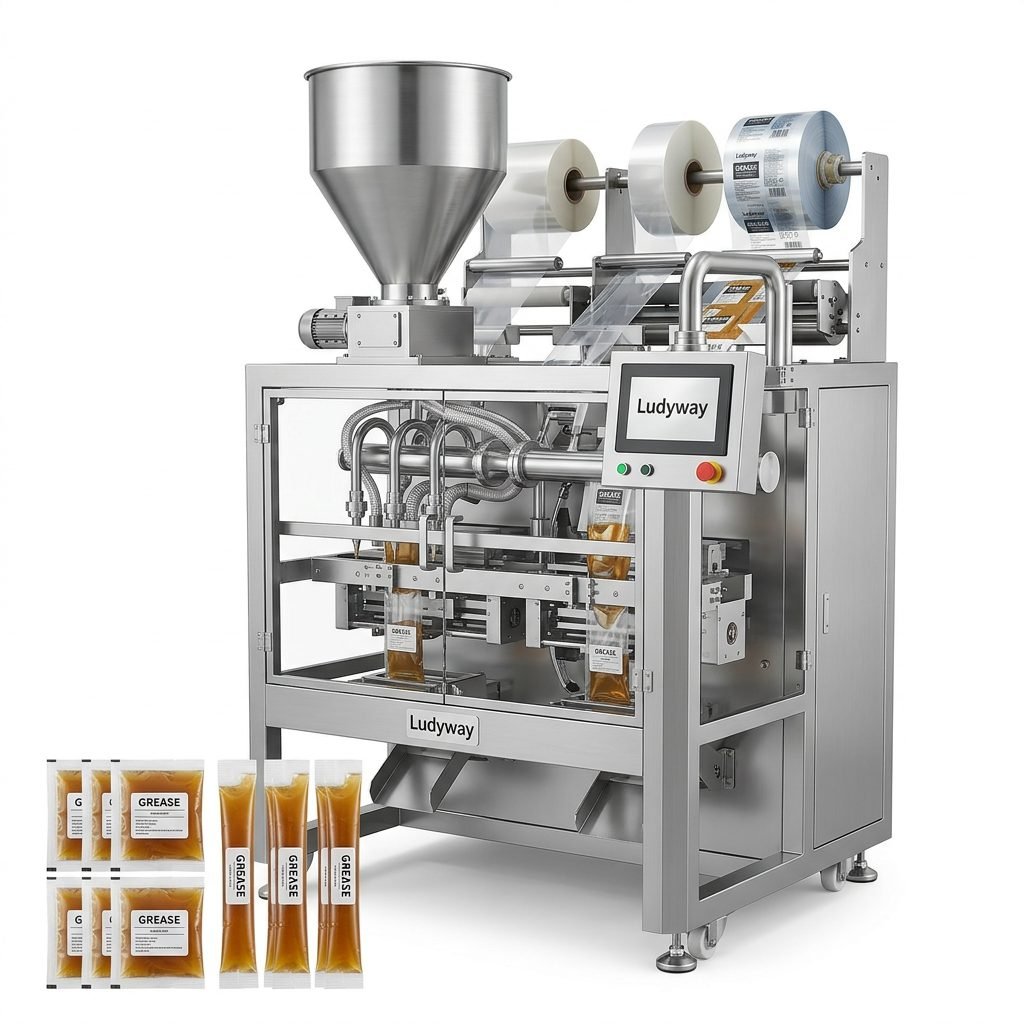
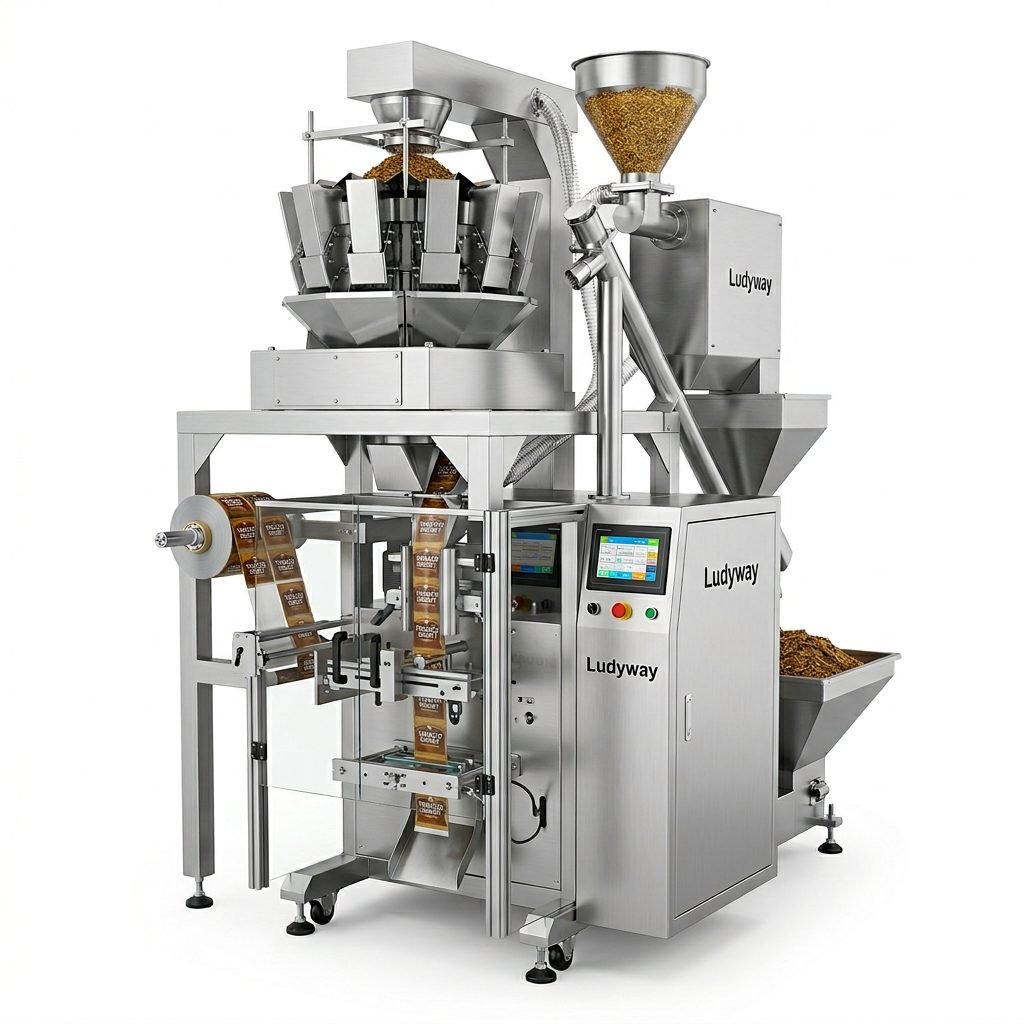
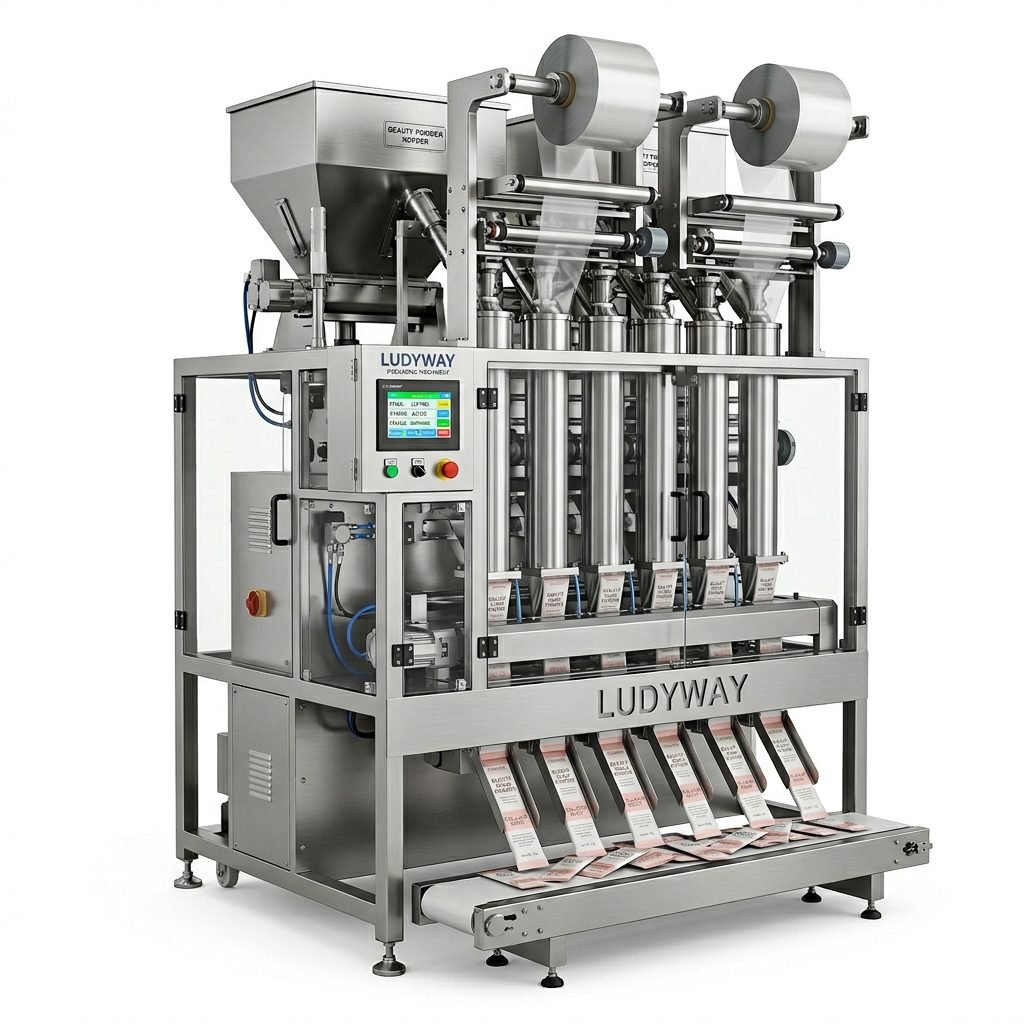
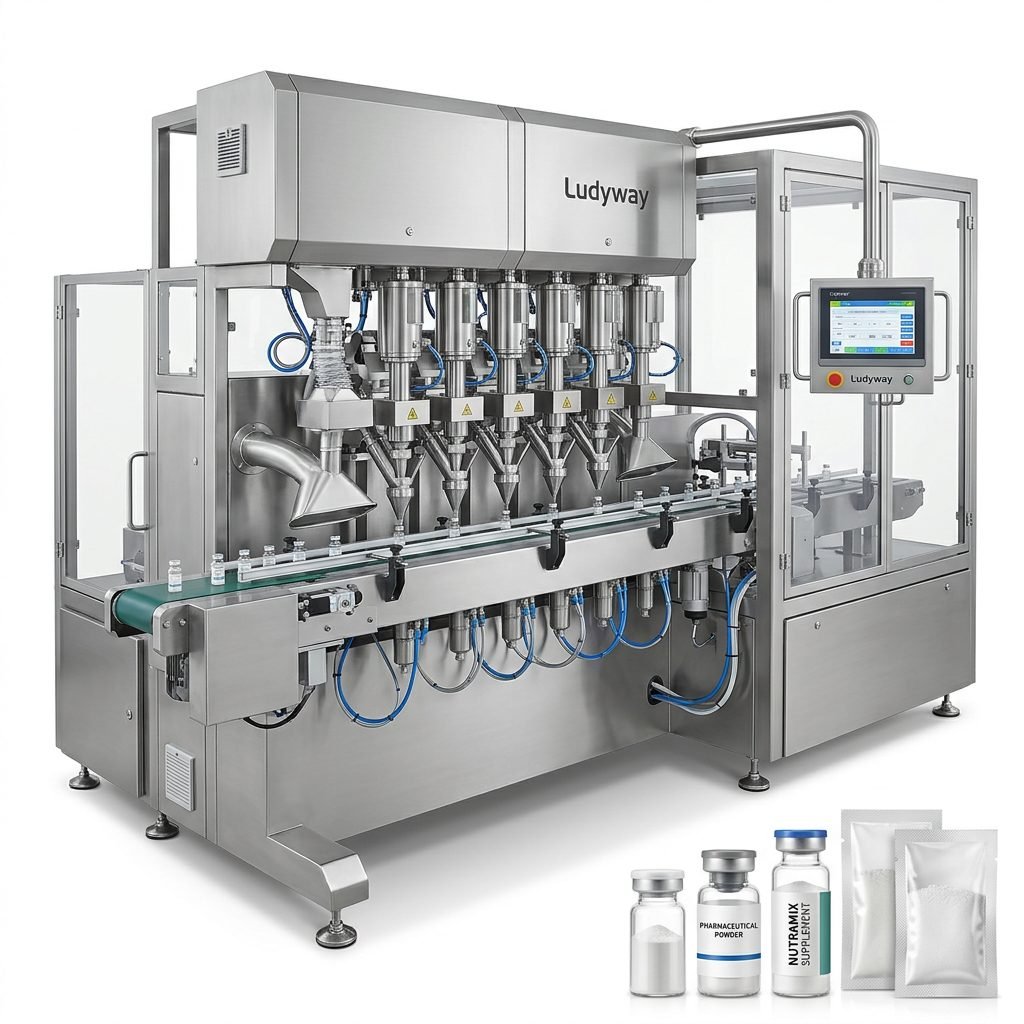
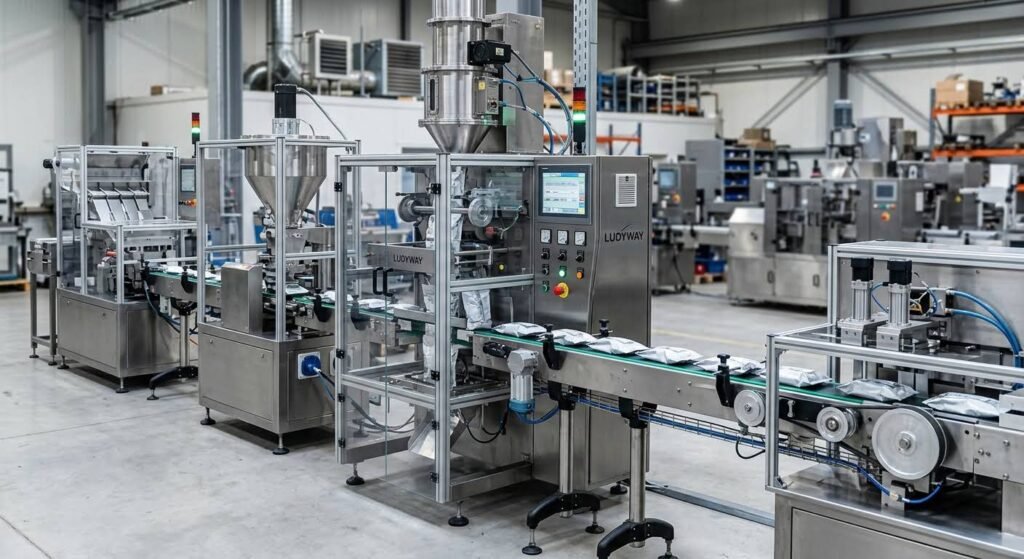
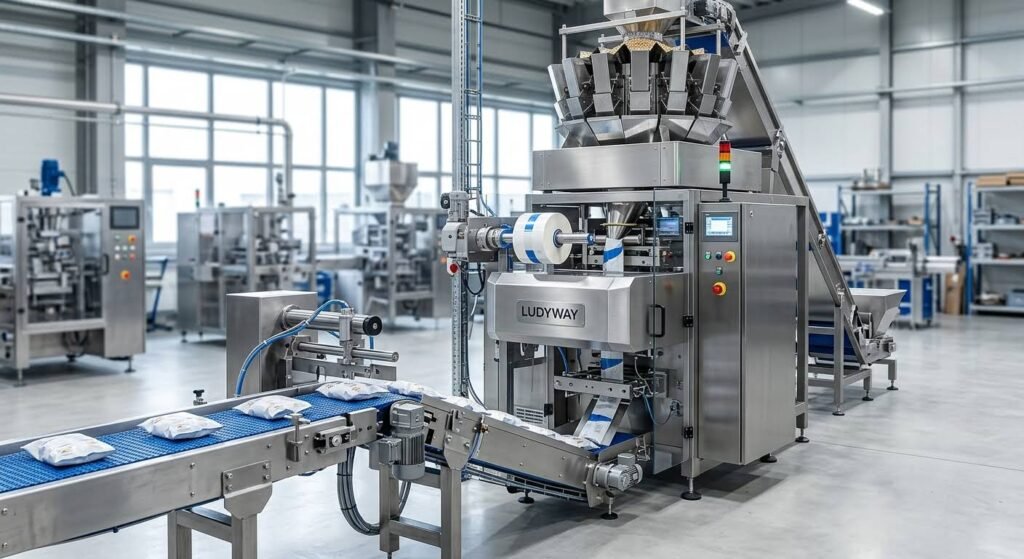
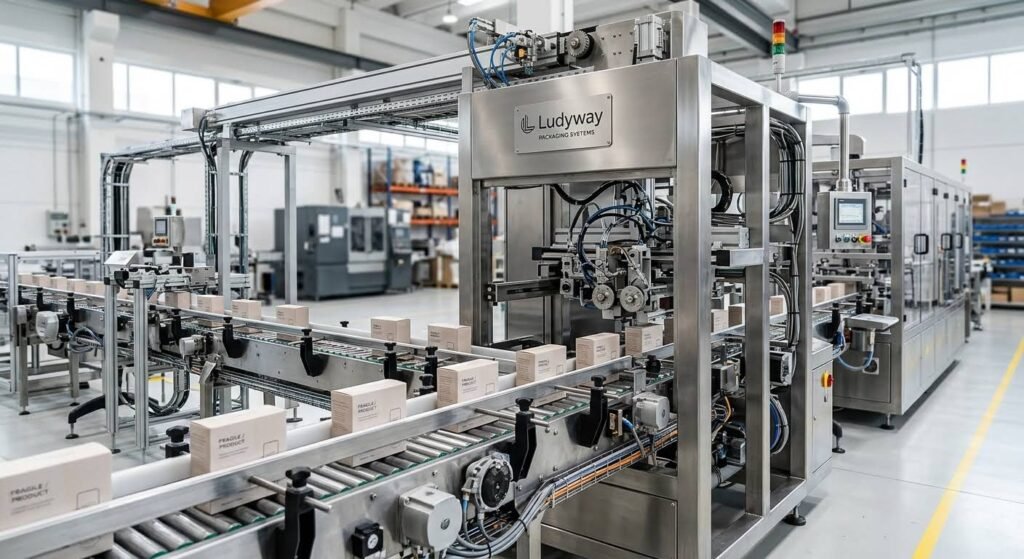
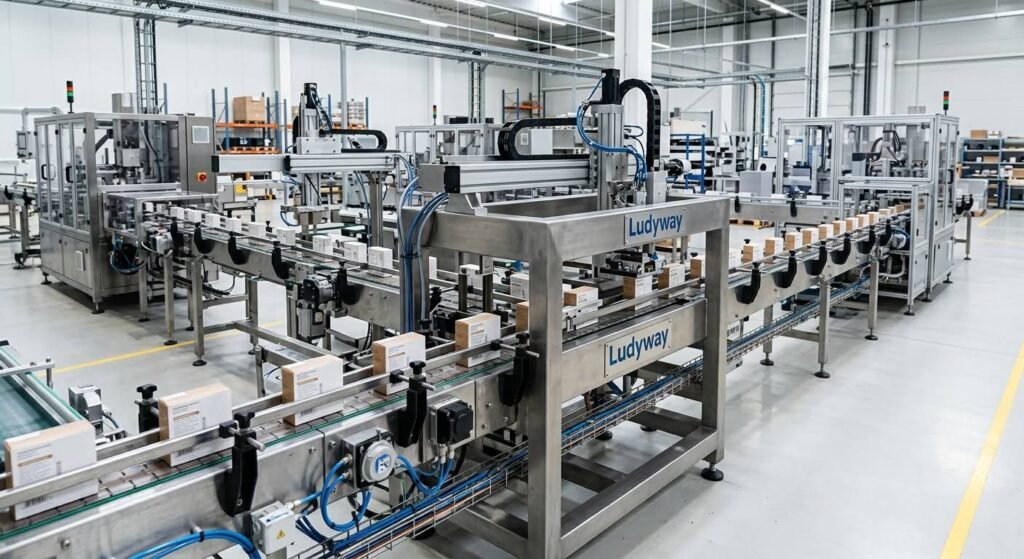
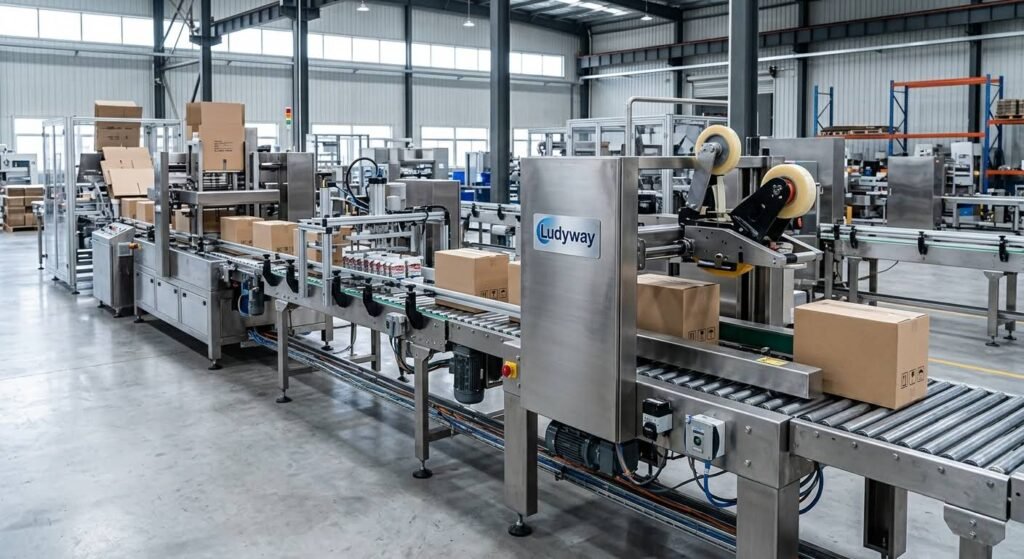
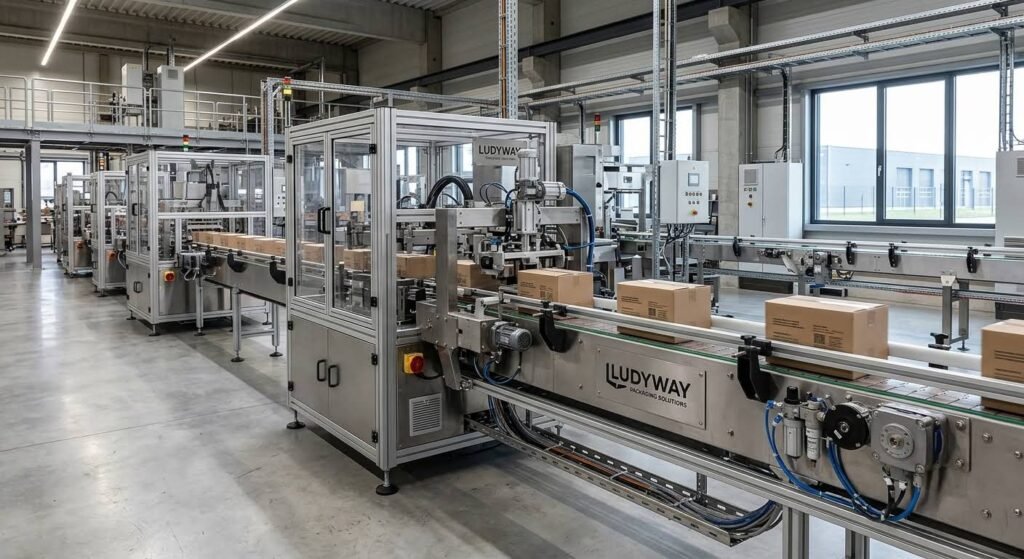
Companies with a global footprint and deep application expertise, such as Ludyway, are well-positioned to support this growth. With over 30 years of experience serving the food, pharmaceutical, and health industries, Ludyway provides a comprehensive portfolio of intelligent packaging systems—from multi-lane stick pack machines to fully automated lines—helping businesses worldwide improve productivity and operational efficiency.
Preparing for the Packaging Boom
For businesses considering new packaging investments, the time for strategic planning is now. Evaluating current bottlenecks, future production goals, and total cost of ownership is critical. Partnering with a reliable supplier who understands global standards and local market needs can ensure a smooth transition to more automated, efficient, and future-proof packaging operations.
The trajectory is clear: the global push for smarter, faster, and more sustainable packaging will continue to drive machinery innovation and adoption for years to come. By 2026, the packaging floor will look markedly more automated, connected, and efficient than it does today.