Multi-Lane Packaging Machines Become Preferred Choice for High-Output Factories
In today’s competitive manufacturing landscape, efficiency and throughput are paramount. High-output factories across the globe are increasingly turning to multi-lane packaging machines as their core solution for meeting demanding production targets. This shift represents a significant evolution from traditional single-lane systems, offering a leap in productivity, operational efficiency, and return on investment.
What Are Multi-Lane Packaging Machines?
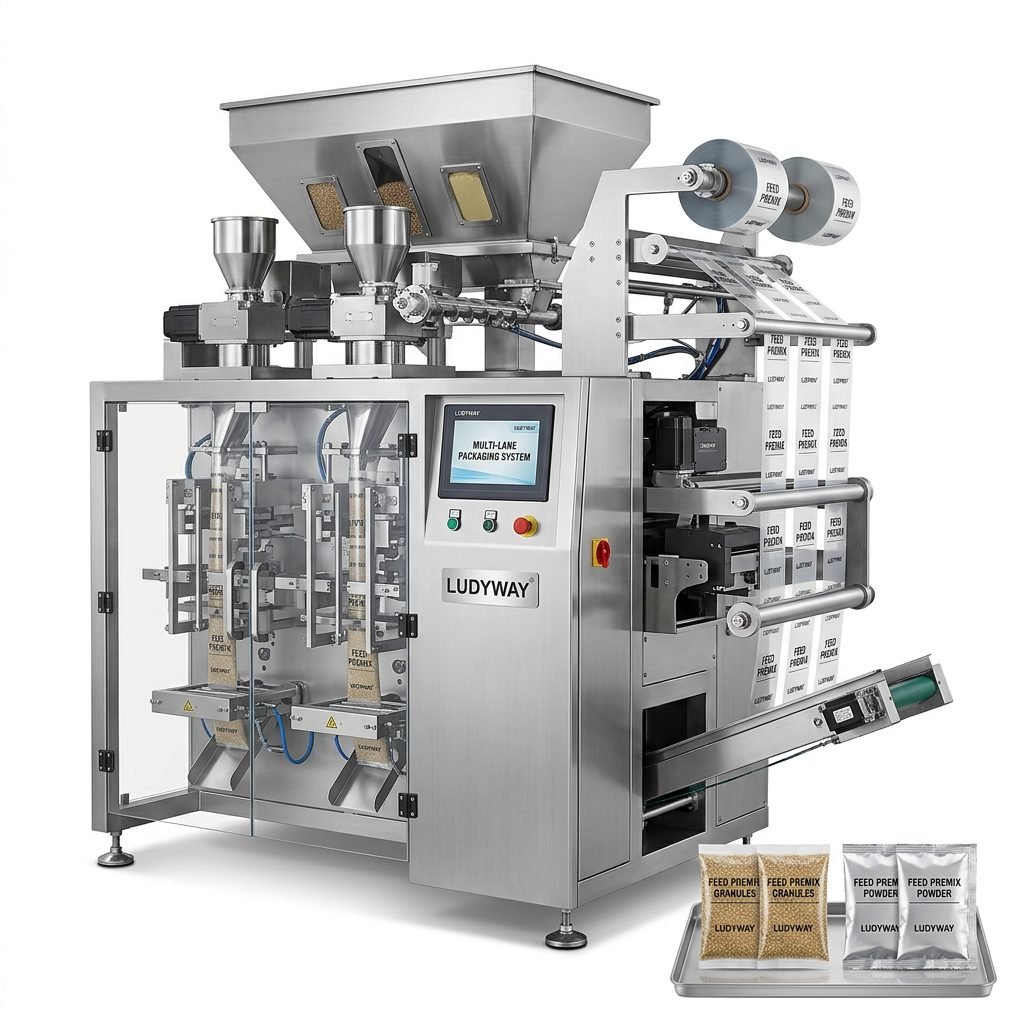
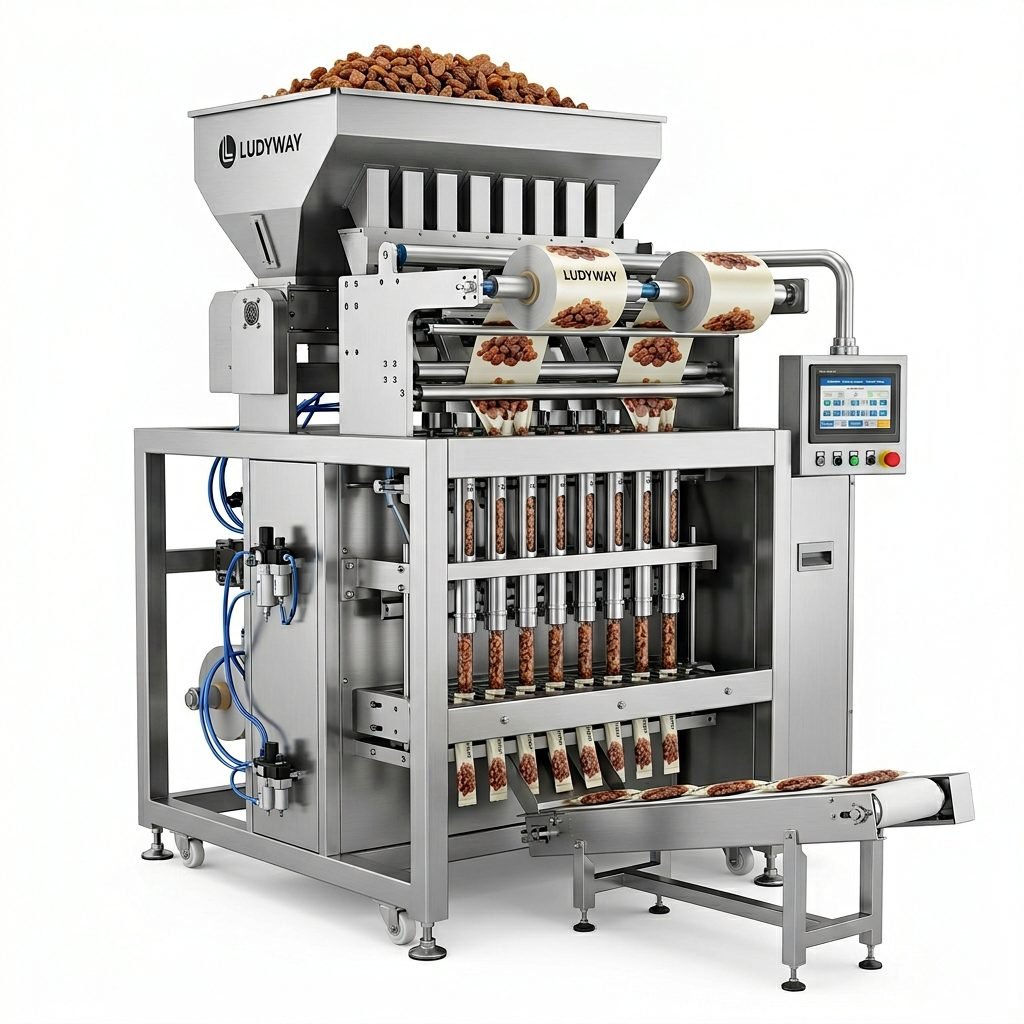
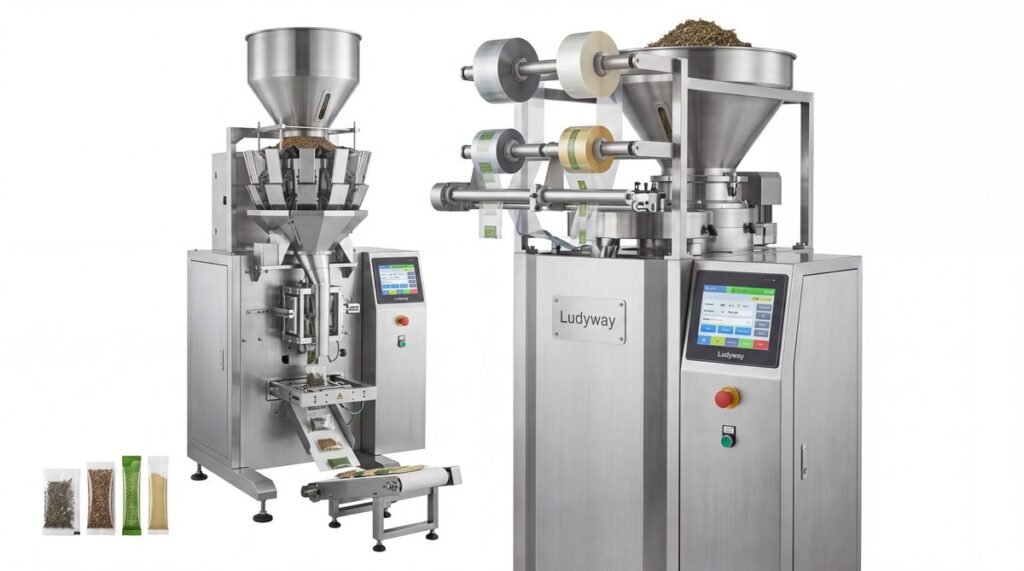
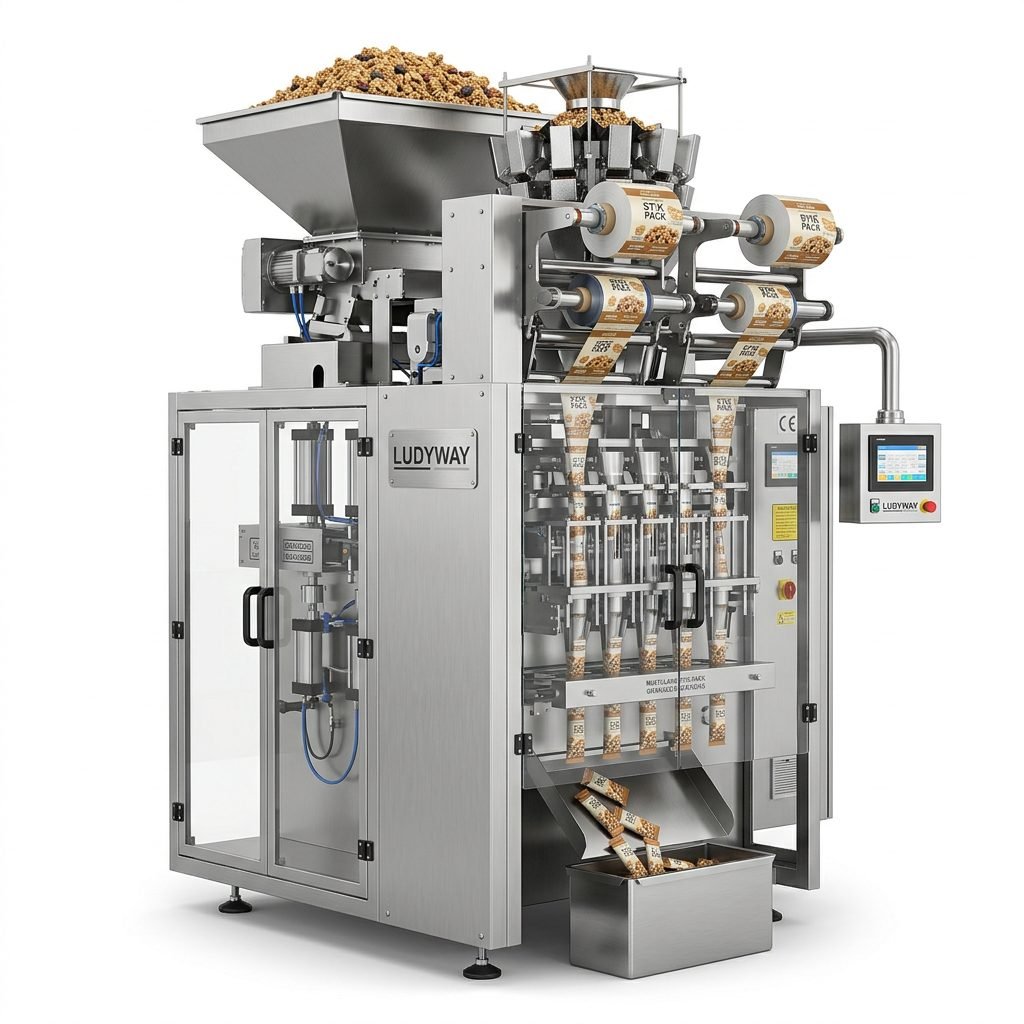
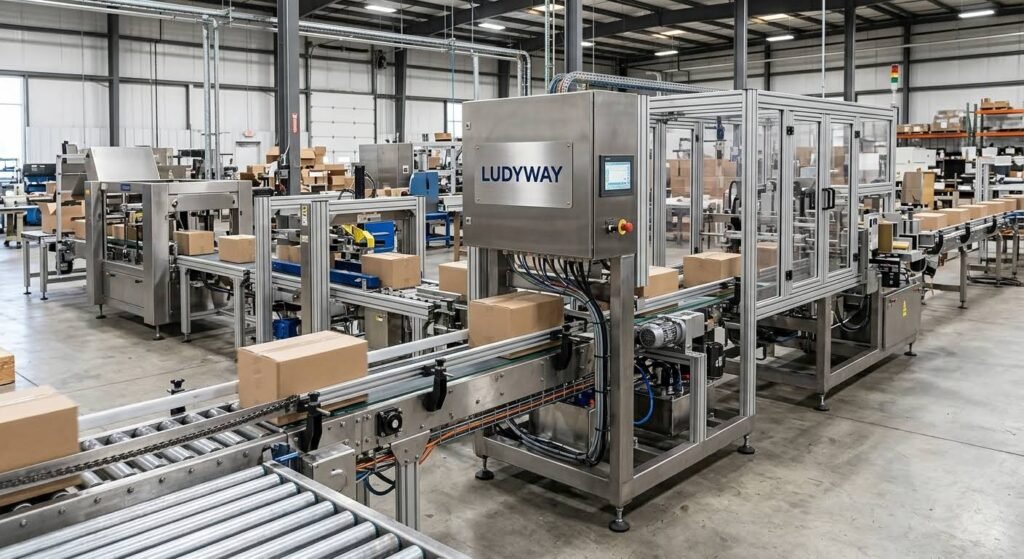
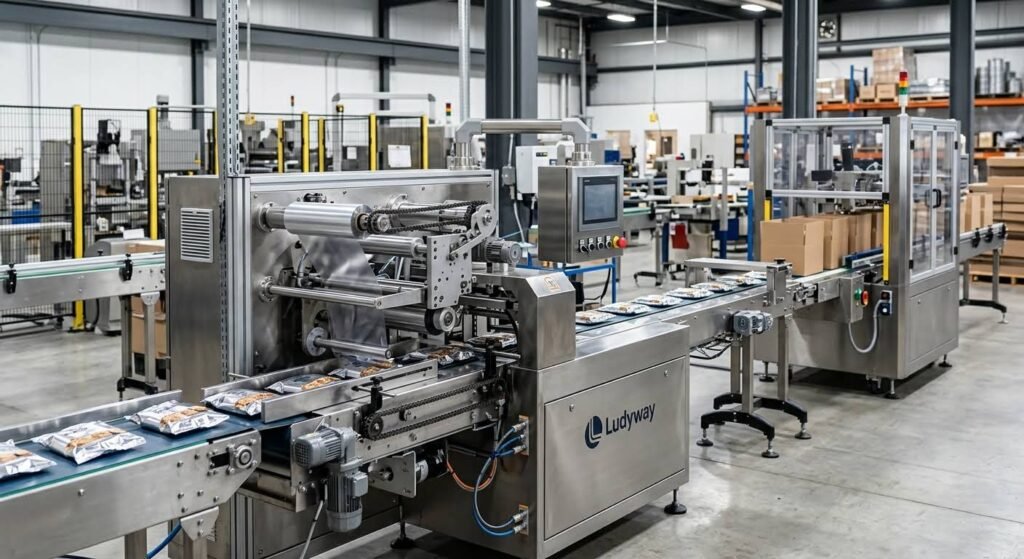
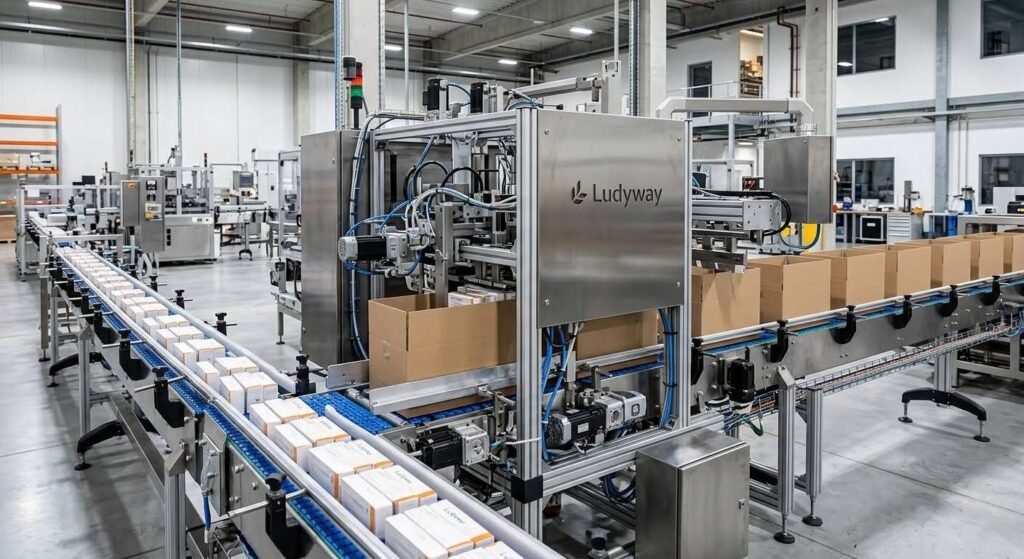
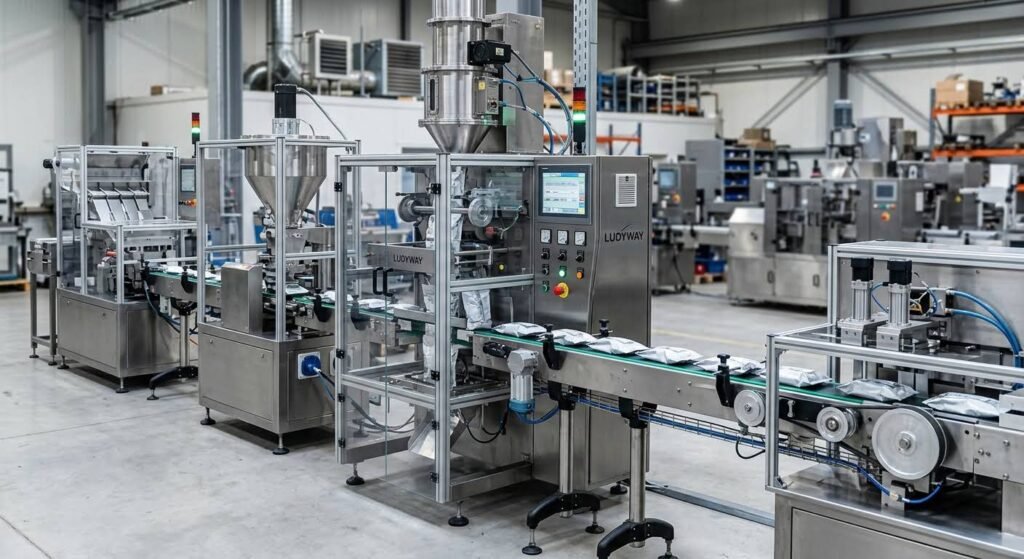
Multi-lane packaging machines are advanced automated systems designed to package products simultaneously across multiple, parallel production lines within a single machine frame. Unlike their single-lane counterparts, these machines integrate several filling and sealing stations, allowing for the concurrent processing of multiple product streams.
- Simultaneous Operation: Multiple products are filled, sealed, and cut in parallel.
- Unified Control System: All lanes are managed from a single, centralized human-machine interface (HMI).
- Modular Design: Often feature a flexible layout that can be adapted to different product formats and outputs.
Key Drivers for Adoption in High-Volume Production
The preference for multi-lane systems is driven by several critical factors that directly address the needs of large-scale operations.
1. Dramatic Increase in Output Speed
The most compelling advantage is the exponential increase in production speed. By running multiple lanes at once, these machines can achieve outputs that would require several individual machines, saving significant floor space.
| Machine Type | Typical Output Range (bags/min) | Space Requirement |
|---|---|---|
| Single-Lane Standard Machine | 60 – 120 | 1x Base Unit |
| Dual-Lane Machine | 120 – 240 | ~1.3x Base Unit |
| Quad-Lane Machine | 240 – 480+ | ~1.6x Base Unit |
2. Superior Operational Efficiency and Cost-Per-Unit
High-output factories operate on thin margins where cost-per-unit is crucial. Multi-lane machines consolidate operations.
- Reduced Labor Costs: One operator can oversee a multi-lane machine producing the output of 2-4 separate machines.
- Lower Energy Consumption: A single drive system and control panel often use less energy than running multiple independent units.
- Minimized Maintenance Points: While complex, maintenance is centralized on one frame rather than across several machines.
3. Enhanced Flexibility and Scalability
Modern multi-lane machines are not rigid. They offer configurability that allows factories to adapt to market changes.
- Lane Independence: Some advanced models allow different products or formats to run on different lanes simultaneously.
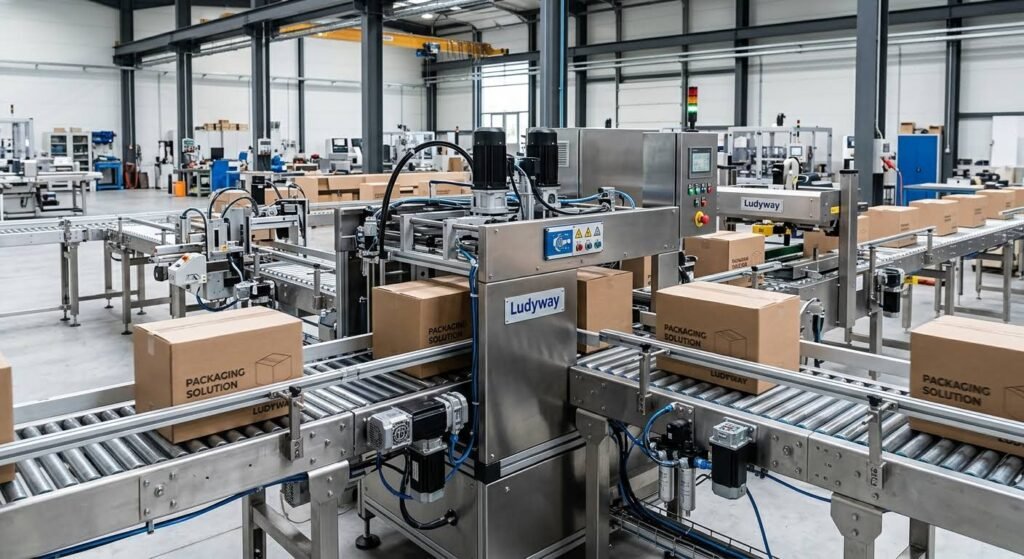
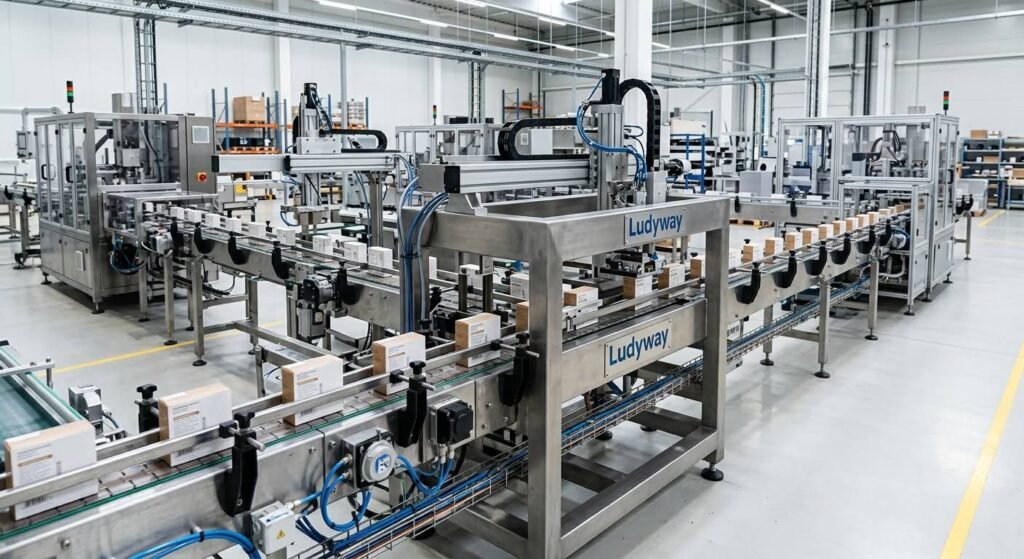
- Easier Line Integration: A single multi-lane machine simplifies connection to upstream processing (e.g., mixers, conveyors) and downstream handling (e.g., cartoning, case packing).
Industry Applications Leading the Trend
This technology is seeing rapid adoption in sectors where high-volume, consistent packaging is critical.
- Food & Beverage: Ideal for packaging single-serve condiments, sugar, instant coffee, drink sticks, and powdered supplements.
- Pharmaceuticals: Used for high-volume sachets of powders, effervescent granules, and single-dose medical powders.
- Nutraceuticals & Supplements: Perfect for packaging protein powders, energy drink mixes, and vitamin sticks in large quantities.
- Chemical & Agri-products: Efficiently packages fertilizers, pesticides, and detergent samples in precise, sealed doses.
Implementing Multi-Lane Systems: Considerations for Success
Transitioning to a multi-lane system requires careful planning. Key considerations include:
- Upstream Supply Consistency: The feeding system (e.g., volumetric fillers, auger fillers) must reliably supply all lanes without interruption to avoid lane stoppages.
- Technical Expertise: Maintenance teams need training on the integrated mechanical, pneumatic, and control systems of these advanced machines.
- Quality Control Integration: Implementing vision inspection systems or checkweighers for each lane is often essential to maintain high-quality standards at speed.
Leading manufacturers like Ludyway provide not only the machinery but also the comprehensive engineering support and turnkey solutions necessary for a smooth integration, helping factories maximize their investment from day one.
The Future of High-Output Packaging
The trajectory is clear: as demand for fast-moving consumer goods grows, the need for efficient, high-speed packaging will only intensify. Multi-lane packaging machines, with their blend of high output, space efficiency, and improving flexibility, are set to become the standard workhorse in high-volume factories. The next wave of innovation will likely focus on even smarter integration with Industrial IoT (IIoT) platforms for predictive maintenance and real-time production analytics, further solidifying their role as the backbone of modern, agile manufacturing.
For factories aiming to scale production without proportionally scaling costs or footprint, investing in multi-lane packaging technology is no longer just an option—it is a strategic imperative for staying competitive in a high-output world.