Global OEM Packaging Equipment Demand Continues to Grow Amid Automation and Sustainability Trends
The global market for OEM packaging equipment is experiencing sustained growth, driven by two powerful industry megatrends: the relentless push for automation and the accelerating focus on sustainable operations. Manufacturers across the food, pharmaceutical, and consumer goods sectors are increasingly seeking advanced, flexible machinery to enhance efficiency, ensure product safety, and meet evolving environmental standards.
Key Drivers Fueling Market Expansion
The current demand surge is not incidental but is rooted in several concrete, interconnected factors reshaping manufacturing paradigms worldwide.
- Labor Cost Pressures and Precision Requirements: Rising labor costs and the need for consistent, error-free packaging are making automation a financial and operational imperative, not a luxury.
- E-commerce and Supply Chain Resilience: The explosive growth of e-commerce demands faster, more adaptable packaging lines capable of handling diverse product sizes and order profiles.
- Stringent Regulatory Compliance: Especially in pharmaceuticals and food, regulations demand traceability and hygienic design, which modern OEM equipment is built to provide.
- The Circular Economy Mandate: Brands are under pressure from consumers and regulators to reduce waste, leading to investments in equipment that can handle recyclable, biodegradable, or lightweight materials.
The Dual Pillars: Automation and Sustainability
These two trends are deeply intertwined, with advancements in one often propelling progress in the other.
1. The Automation Revolution
Modern packaging lines are becoming increasingly intelligent. Today’s OEM equipment goes beyond simple mechanization to offer integrated smart features.
- IoT Connectivity and Data Analytics: Machines equipped with sensors provide real-time data on output, downtime, and maintenance needs, enabling predictive analytics and optimized production scheduling.
- Robotic Integration: Collaborative robots (cobots) are being deployed for tasks like pick-and-place, carton loading, and palletizing, offering flexibility and working safely alongside human operators.
- Quick Changeover Systems: Modular designs allow for rapid switching between packaging formats, which is crucial for producers running smaller, customized batches.
2. Sustainability as a Core Design Principle
Sustainability is no longer an afterthought but a fundamental criterion in equipment specification and design.
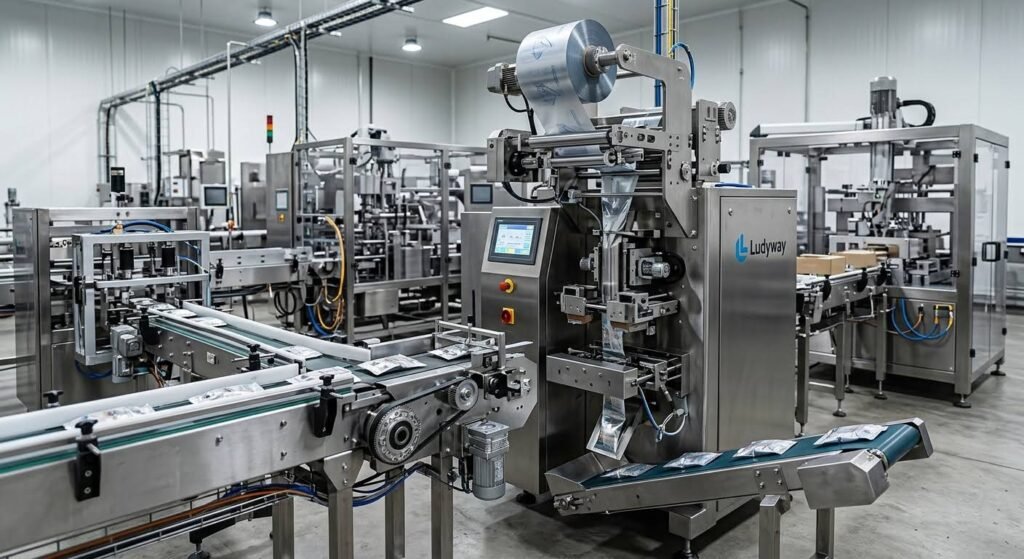
- Material Efficiency: Advanced fillers and form-fill-seal (FFS) machines minimize material overlap and trim waste, optimizing the use of often costly sustainable films and papers.
- Energy-Efficient Drives: Servo motors and smart power management systems significantly reduce the energy consumption of packaging lines.
- Equipment for New Materials: There is growing demand for machines specifically engineered to run compostable pouches, paper-based laminates, and mono-material plastics designed for easier recycling.
Market Outlook and Regional Insights
The demand growth is global but varies in intensity and focus by region. The following table highlights key regional dynamics:
| Region | Primary Demand Drivers | Equipment Focus |
|---|---|---|
| North America & Europe | High labor costs, strict sustainability regulations, strong pharmaceutical & premium food sectors. | High-speed automation, robotic solutions, machinery for advanced recyclable materials. |
| Asia-Pacific | Rapidly growing consumer markets, expansion of manufacturing, increasing focus on food safety. | Cost-effective, reliable mid-to-high-speed machines, rising interest in turnkey automated lines. |
| Latin America & Middle East/Africa | Industrialization, growth in processed food demand, infrastructure development. | Durable, versatile equipment, growing adoption of basic to intermediate automation. |
Meeting the Demand: The Role of Specialized OEMs
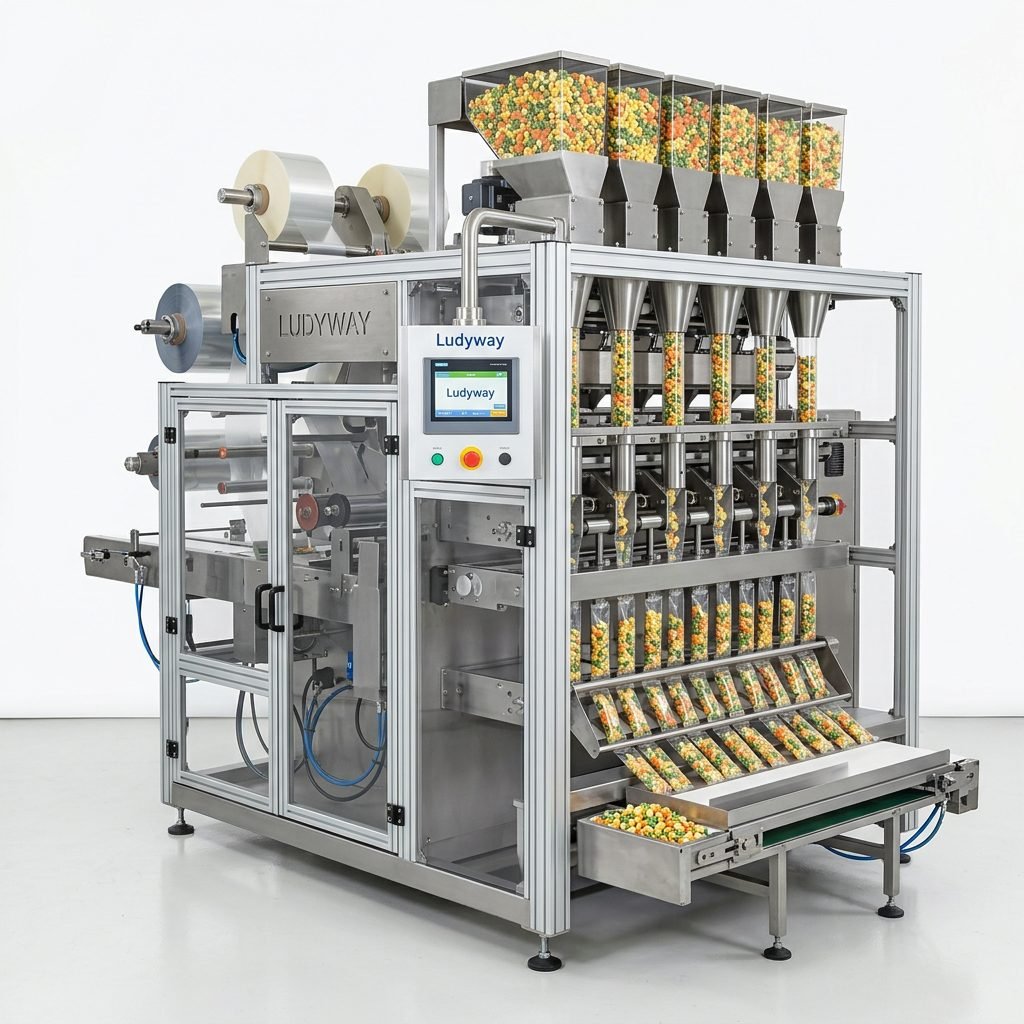
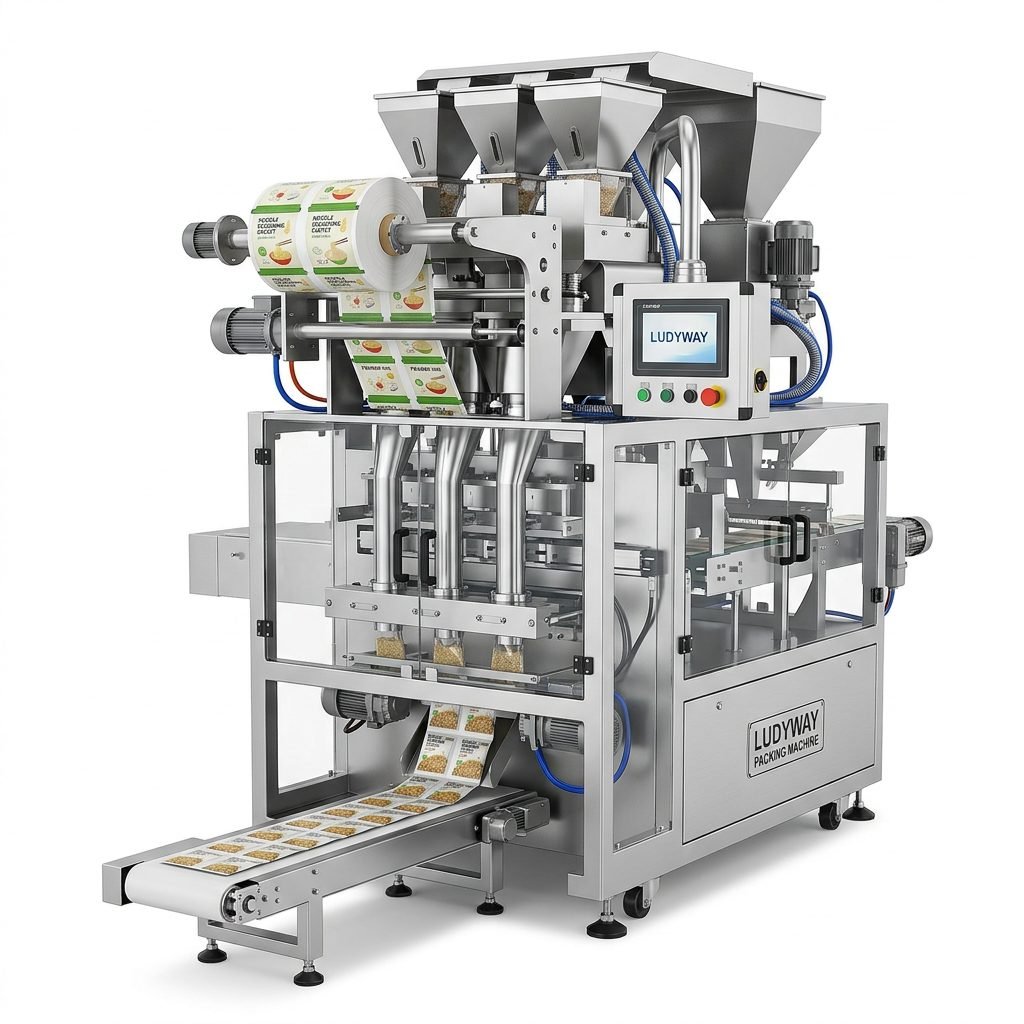
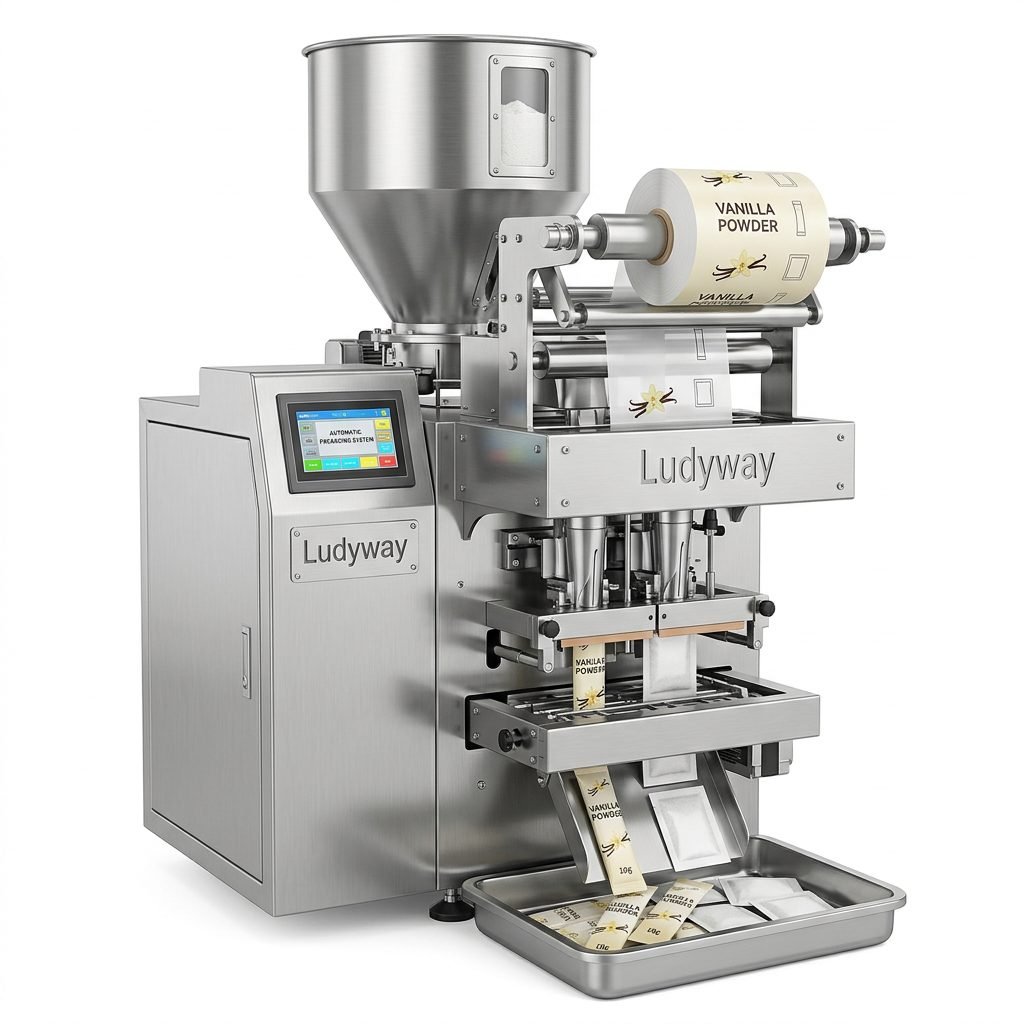
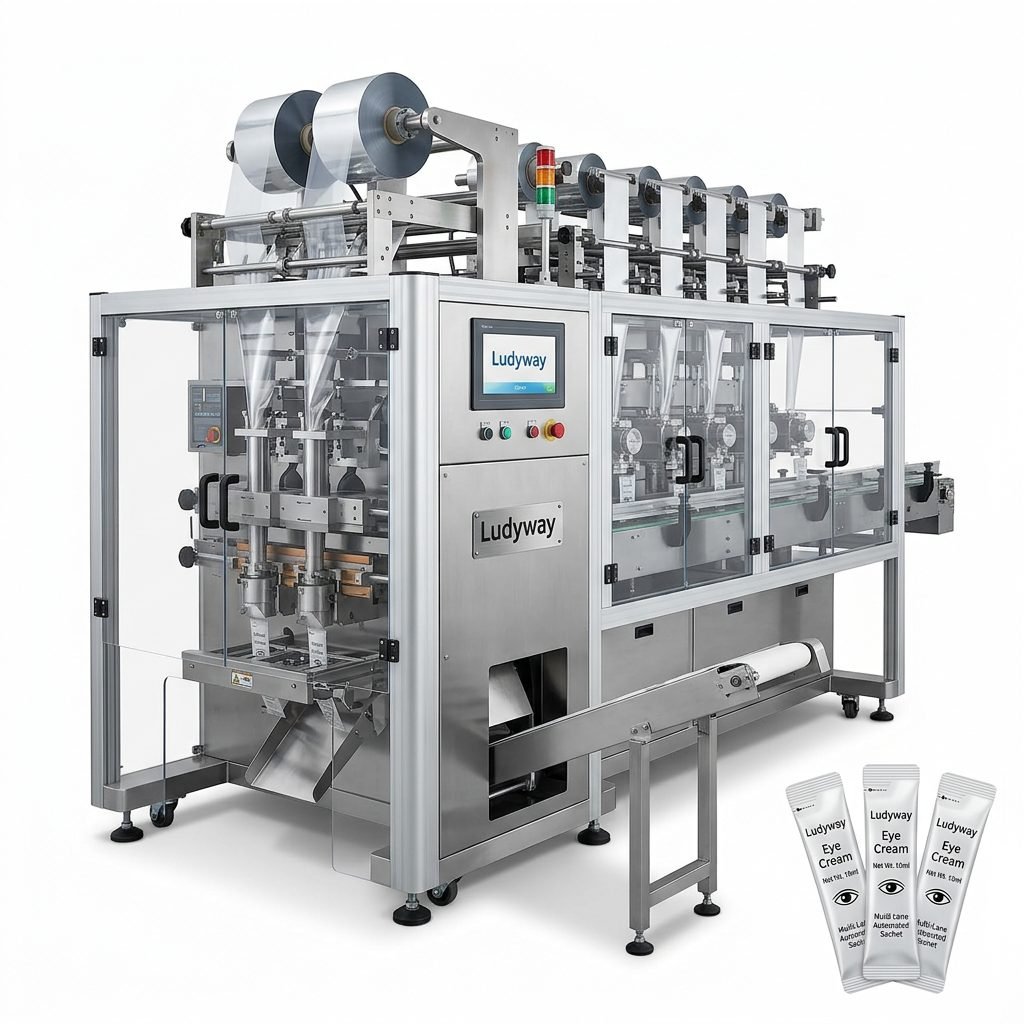
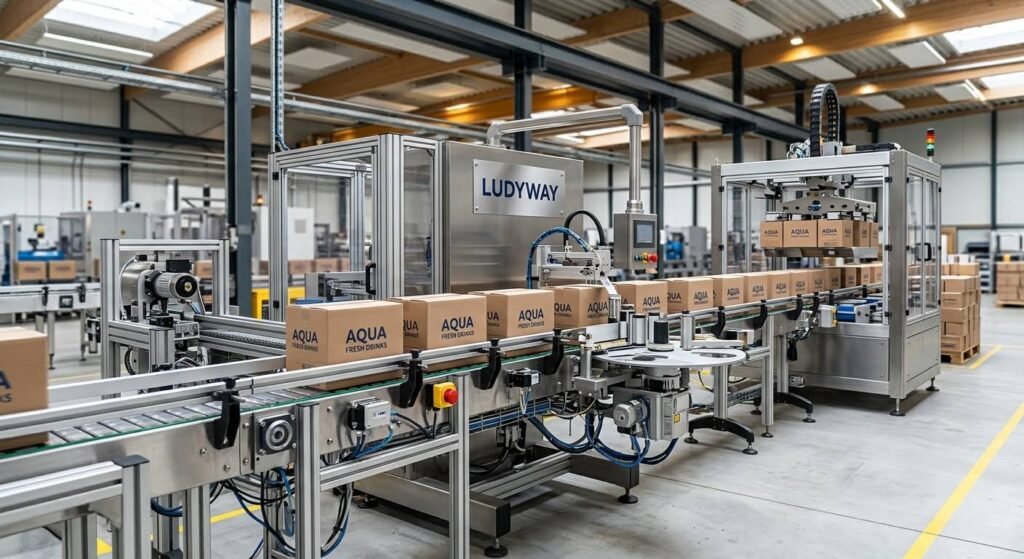
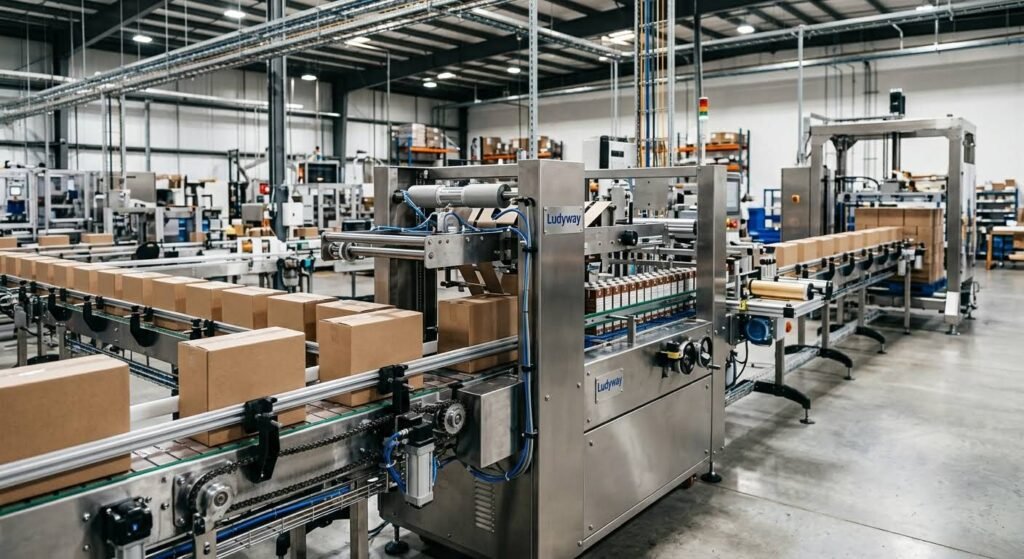
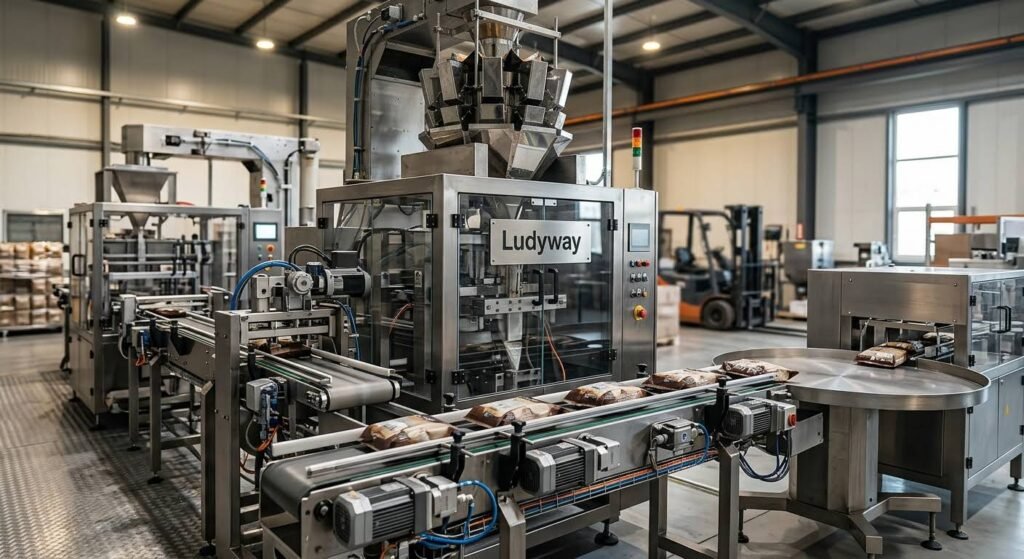
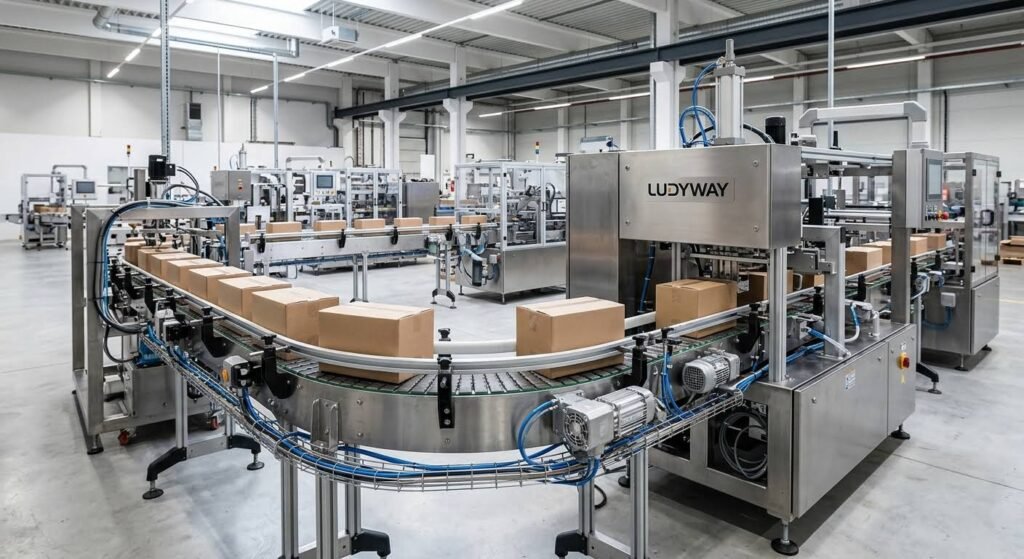
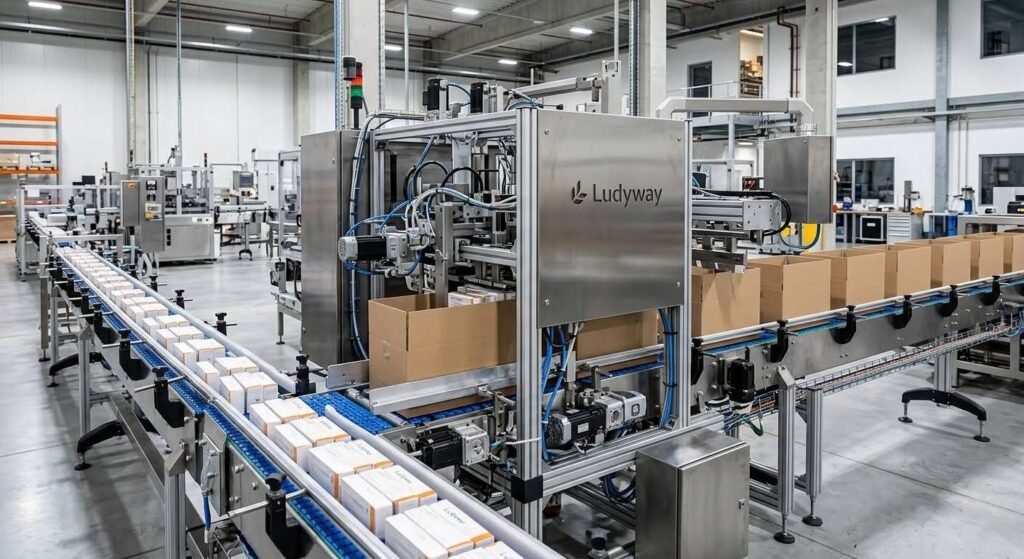
This complex landscape requires OEM partners who can deliver more than just a machine. Successful suppliers are those offering comprehensive solutions that address both productivity and environmental goals. Leading manufacturers, such as Ludyway, are responding by developing intelligent packaging systems that integrate precision engineering with sustainable operation principles. The focus is on providing turnkey solutions that include consultation, customized machine design, seamless integration, and lifecycle support to ensure manufacturers can meet their output and sustainability targets simultaneously.
Future Trajectory: What’s Next for Packaging Equipment?
The convergence of automation and sustainability will continue to define the industry’s future. We can anticipate several developments:
- AI-Powered Optimization: Artificial intelligence will move beyond monitoring to actively optimizing machine settings in real-time for maximum material savings and energy efficiency.
- Hyper-Flexibility: Equipment will become even more adaptable, capable of running an ever-wider array of sustainable packaging formats without major changeovers.
- Closed-Loop Systems: Tighter integration between packaging machinery and material handling/recycling systems within a facility to support true circular production models.
The message for global manufacturers is clear: investing in next-generation OEM packaging equipment is a strategic move to build resilience, ensure compliance, and future-proof operations in a market where efficiency and eco-consciousness are paramount.