Future Packaging Industry Will Move Toward Full Automation and Intelligence
The global packaging landscape is undergoing a profound transformation, driven by technological advancements and evolving market demands. The next decade is poised to witness a decisive shift from traditional, labor-intensive operations to fully automated and intelligent packaging ecosystems. This evolution is not merely about replacing human hands with machines; it represents a fundamental reimagining of the entire packaging value chain—from design and production to logistics and sustainability.
The Drivers Behind the Automation Surge
Several converging factors are accelerating this trend:
- Labor Shortages and Rising Costs: Persistent challenges in securing skilled labor and increasing wage pressures are making automation a strategic necessity rather than a luxury.
- Demand for Higher Productivity and Consistency: Modern consumers and retailers expect flawless product presentation and unwavering quality, which can only be guaranteed through precision automation.
- Supply Chain Complexity: The need for faster, more flexible, and traceable packaging processes to manage just-in-time production and e-commerce fulfillment.
- Data-Driven Decision Making: The integration of Industrial Internet of Things (IIoT) sensors and data analytics enables predictive maintenance, real-time optimization, and unprecedented operational visibility.
Key Pillars of the Intelligent Packaging Factory
The future packaging line will be characterized by interconnected systems that communicate and adapt autonomously.
1. Robotics and Collaborative Robots (Cobots)
Advanced robotics are taking over repetitive, strenuous, or precision tasks such as pick-and-place, palletizing, and case packing. Cobots, designed to work safely alongside human operators, are enhancing flexibility in changeover and handling delicate or variable products.
2. Artificial Intelligence and Machine Vision
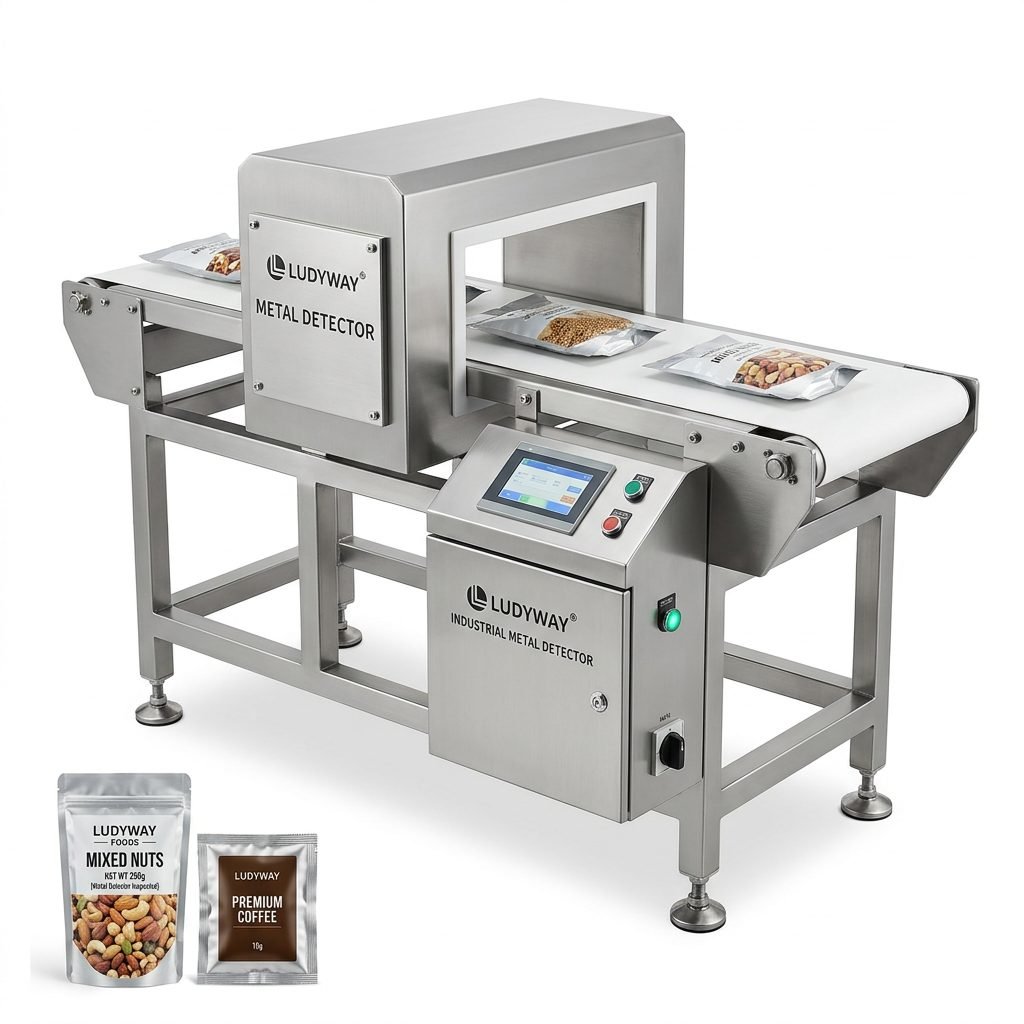
AI-powered machine vision systems perform quality inspections at superhuman speeds, detecting microscopic defects, verifying labels, and ensuring correct fill levels. Beyond inspection, AI algorithms optimize line efficiency, predict machine failures before they occur, and manage production scheduling dynamically.
3. Integrated IIoT and Cloud Platforms
Every machine becomes a data node. Sensors monitor vibration, temperature, throughput, and energy consumption. This data is aggregated on cloud platforms, providing managers with dashboards for Overall Equipment Effectiveness (OEE), enabling remote monitoring, and facilitating seamless integration with Enterprise Resource Planning (ERP) and Manufacturing Execution Systems (MES).
| Technology | Core Function | Impact on Packaging |
|---|---|---|
| AI & Machine Vision | Real-time inspection & decision making | Near-zero defect rates, reduced waste |
| IIoT Sensors | Continuous data collection & machine health monitoring | Predictive maintenance, minimized downtime |
| Advanced Robotics | Flexible material handling & assembly | High-speed, adaptable production lines |
4. Sustainable and Smart Packaging Integration
Automation facilitates the use of sustainable materials (like mono-layer films or compostable pouches) which can be harder to run on conventional equipment. Intelligent systems also enable “smart packaging” with embedded NFC/RFID tags for enhanced traceability, anti-counterfeiting, and consumer engagement.
Challenges on the Path to Full Autonomy
- High Initial Investment: The capital required for advanced robotics, AI software, and system integration is significant, though the ROI is compelling over time.
- Integration Complexity: Merging new intelligent modules with legacy machinery and IT infrastructure requires specialized expertise.
- Cybersecurity: A fully connected factory presents a larger attack surface, necessitating robust cybersecurity protocols.
- Workforce Transformation: There is a critical need to upskill personnel to manage, maintain, and collaborate with these advanced systems.
Ludyway: Engineering the Intelligent Packaging Future
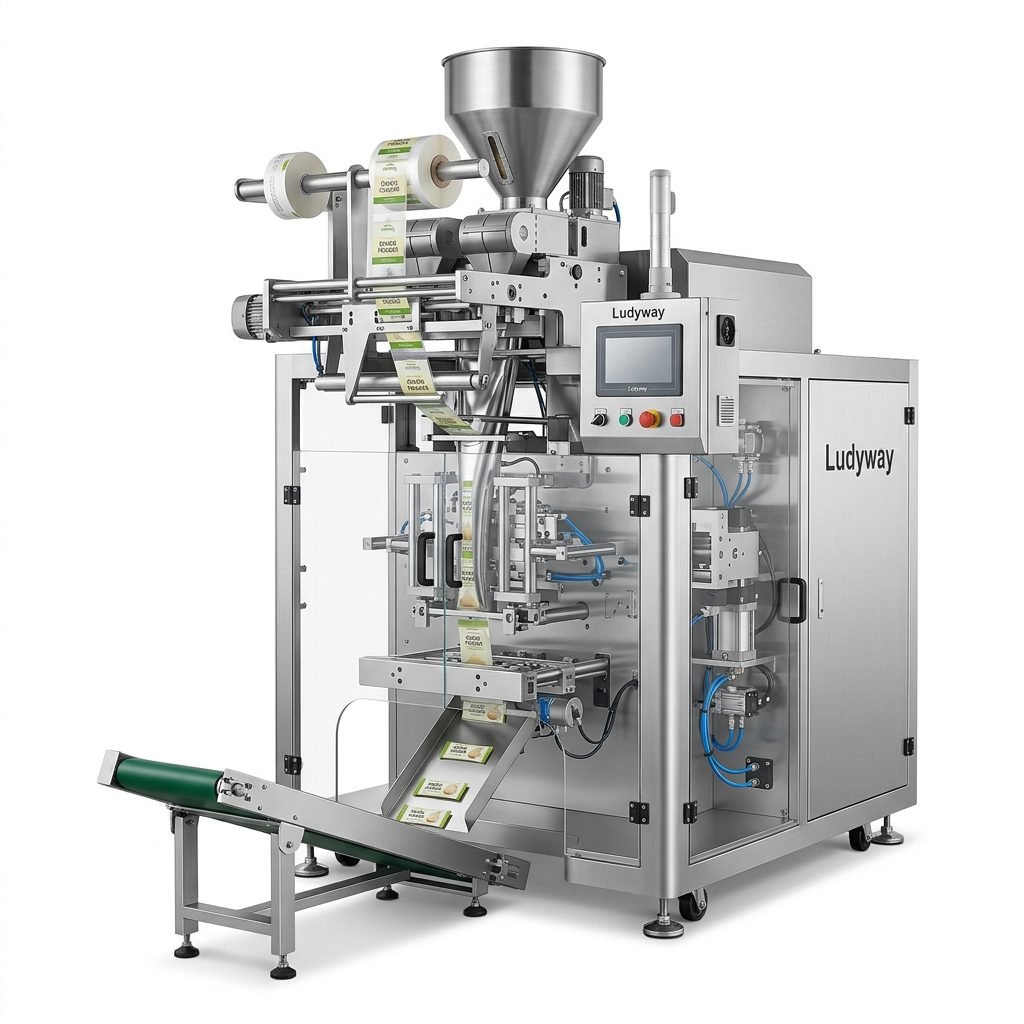
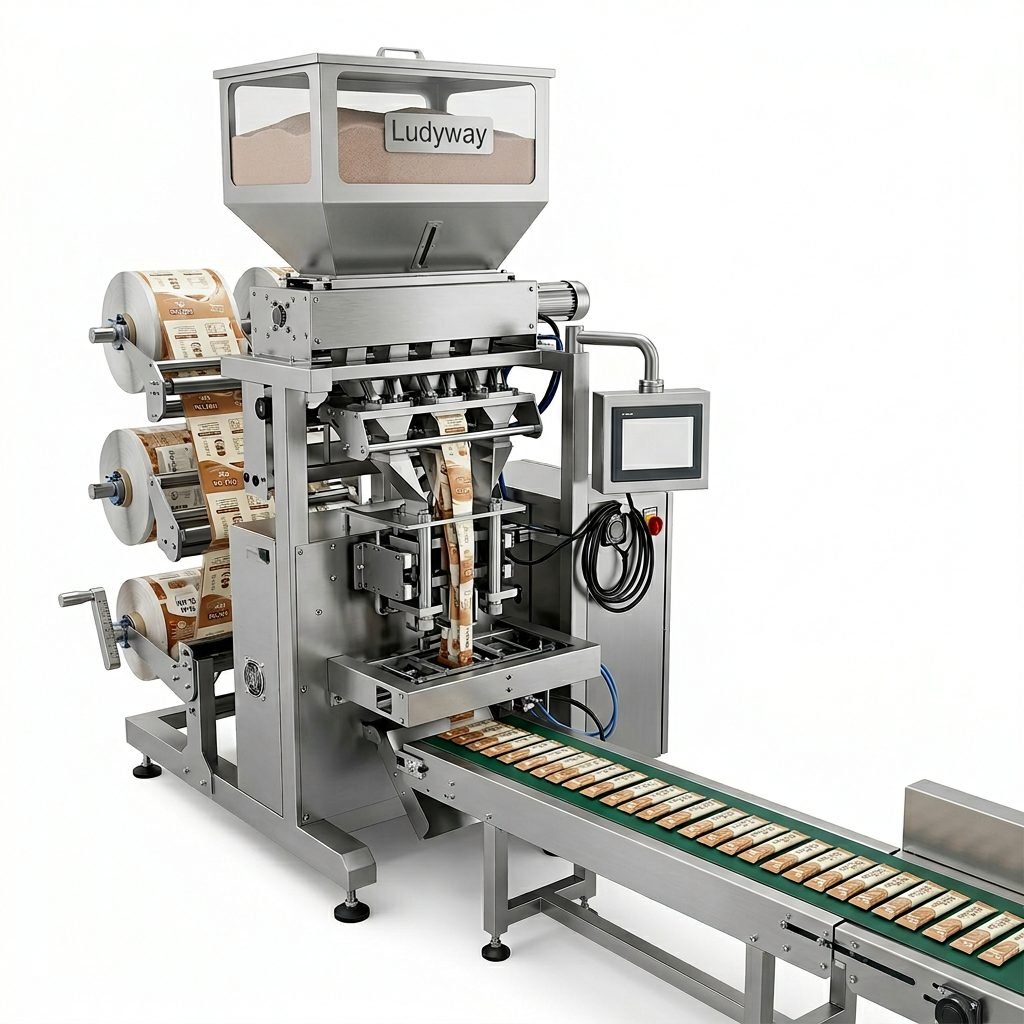
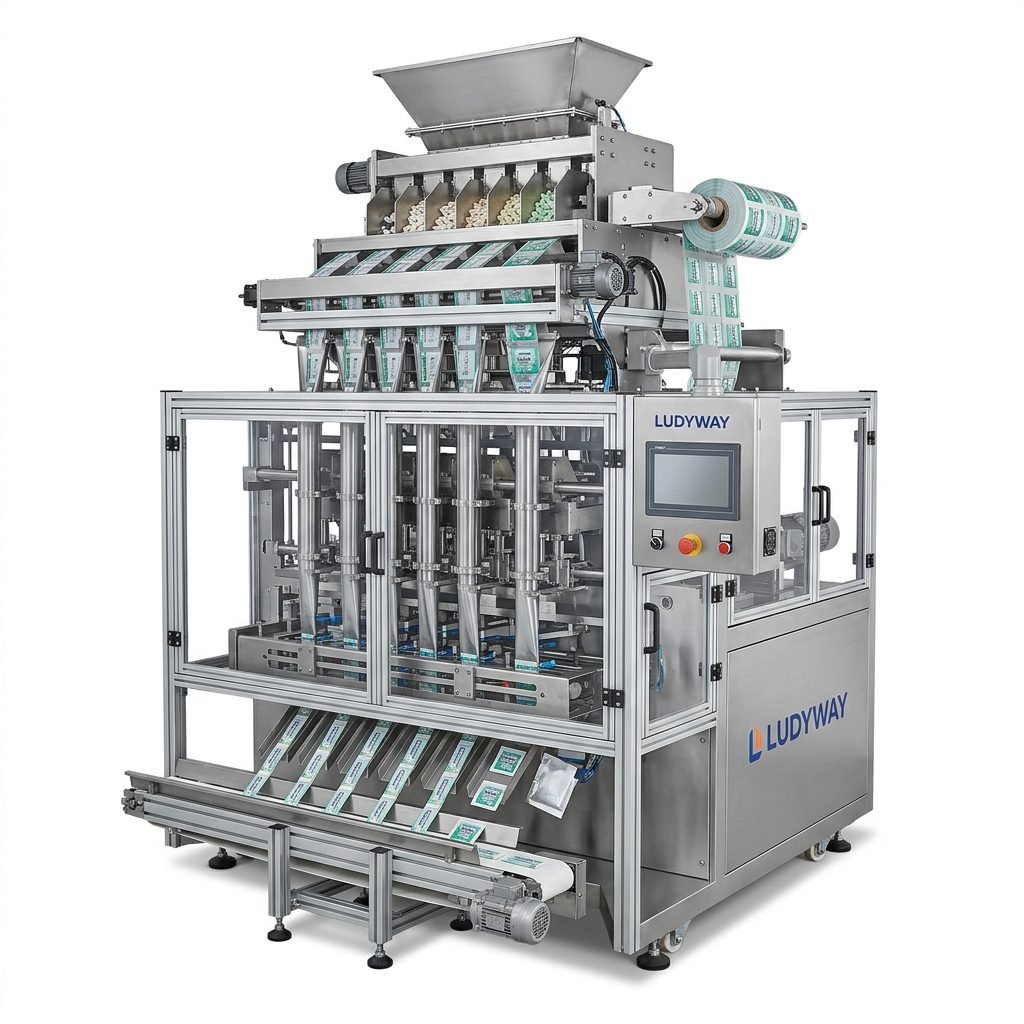
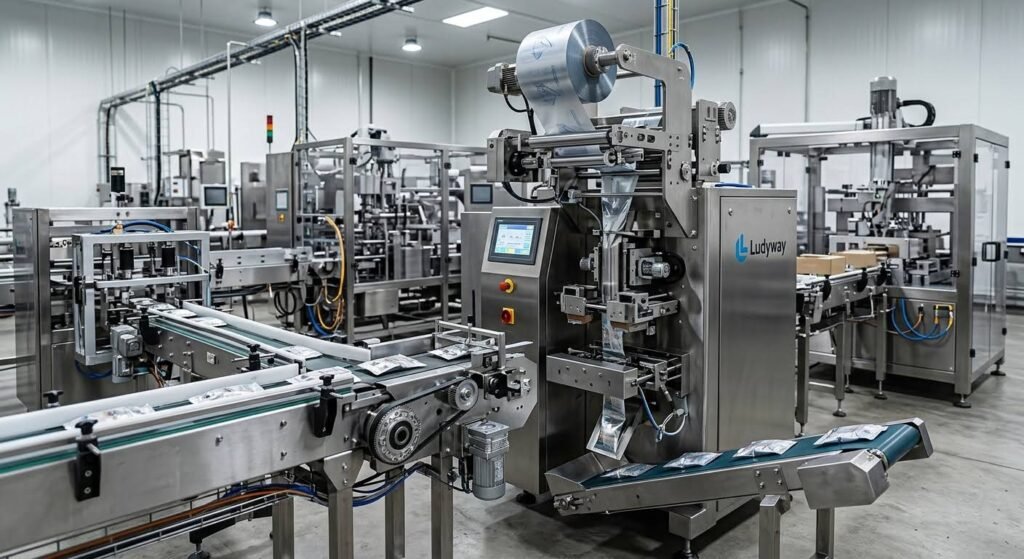
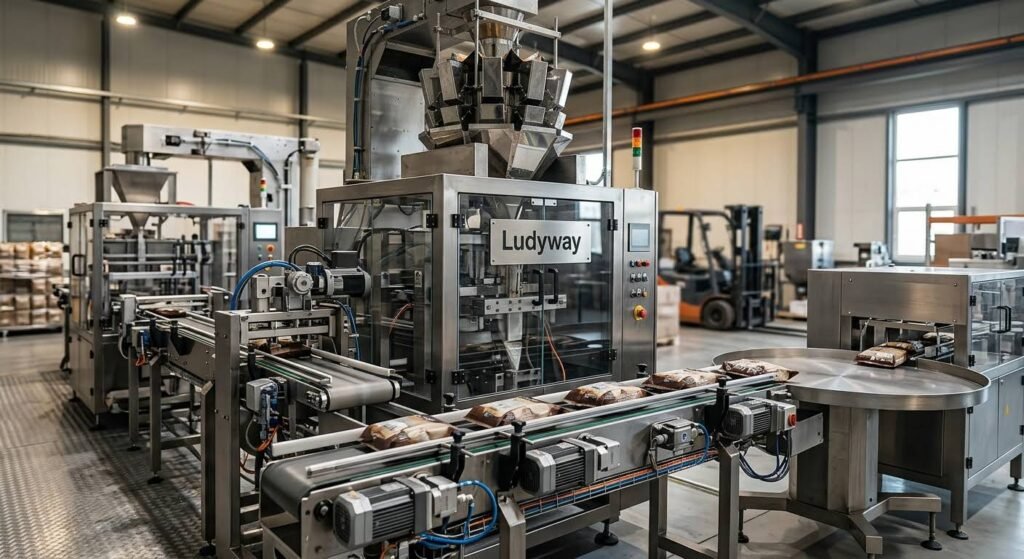
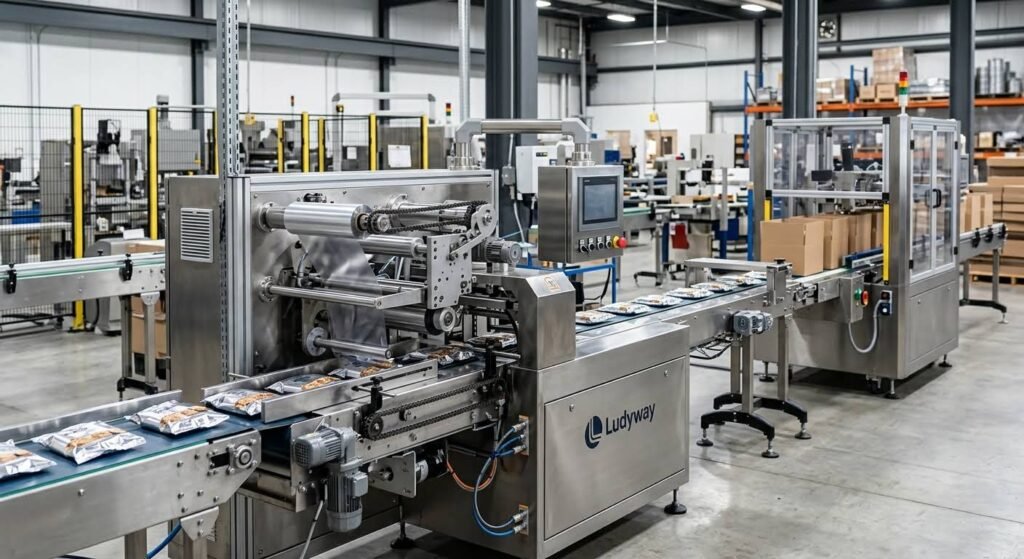
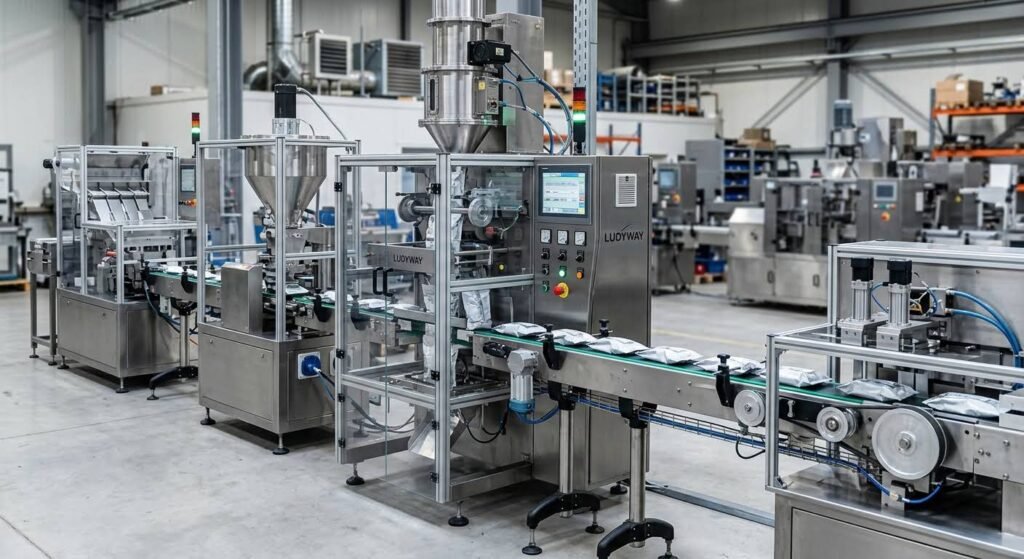
As a forward-thinking manufacturer with over three decades of experience, Ludyway is at the forefront of this industrial evolution. We recognize that the future lies in seamless, smart, and sustainable packaging solutions. Our commitment is reflected in our development of next-generation equipment, such as our multi-lane stick pack machines and fully automated pouch packaging systems, which are designed with connectivity and data-exchange capabilities as core features. By leveraging our extensive engineering expertise and modern manufacturing facility, we help clients navigate the transition to automation, providing scalable and intelligent solutions that boost productivity, ensure impeccable quality, and future-proof their operations.
The Road Ahead
The trajectory toward full automation and intelligence is clear. The packaging facility of the near future will be a self-optimizing, lights-out operation for many tasks, with human oversight focused on innovation, strategy, and exception management. This shift promises unprecedented levels of efficiency, sustainability, and customization. For businesses, the time to strategize and invest in this inevitable future is now. Embracing these technologies is no longer merely about gaining a competitive edge—it is about ensuring long-term viability and relevance in an increasingly automated world.