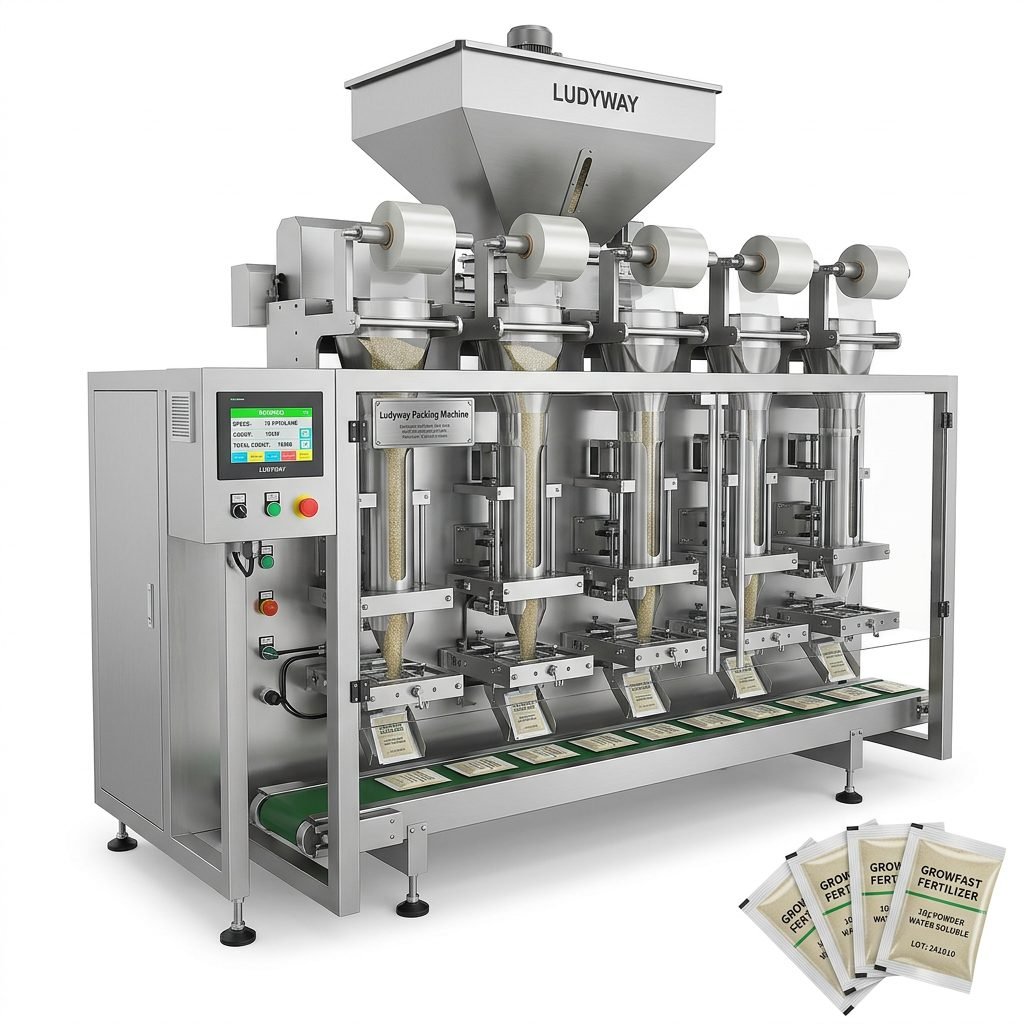
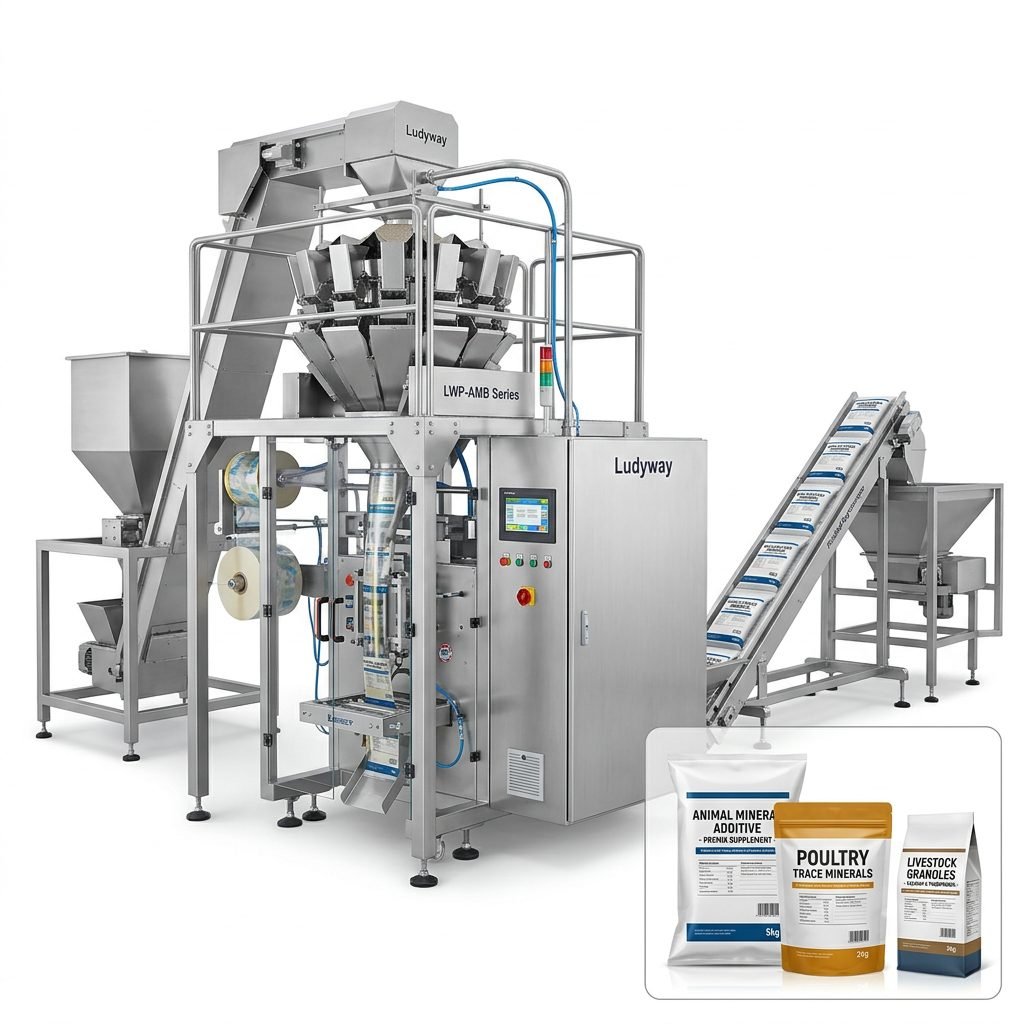
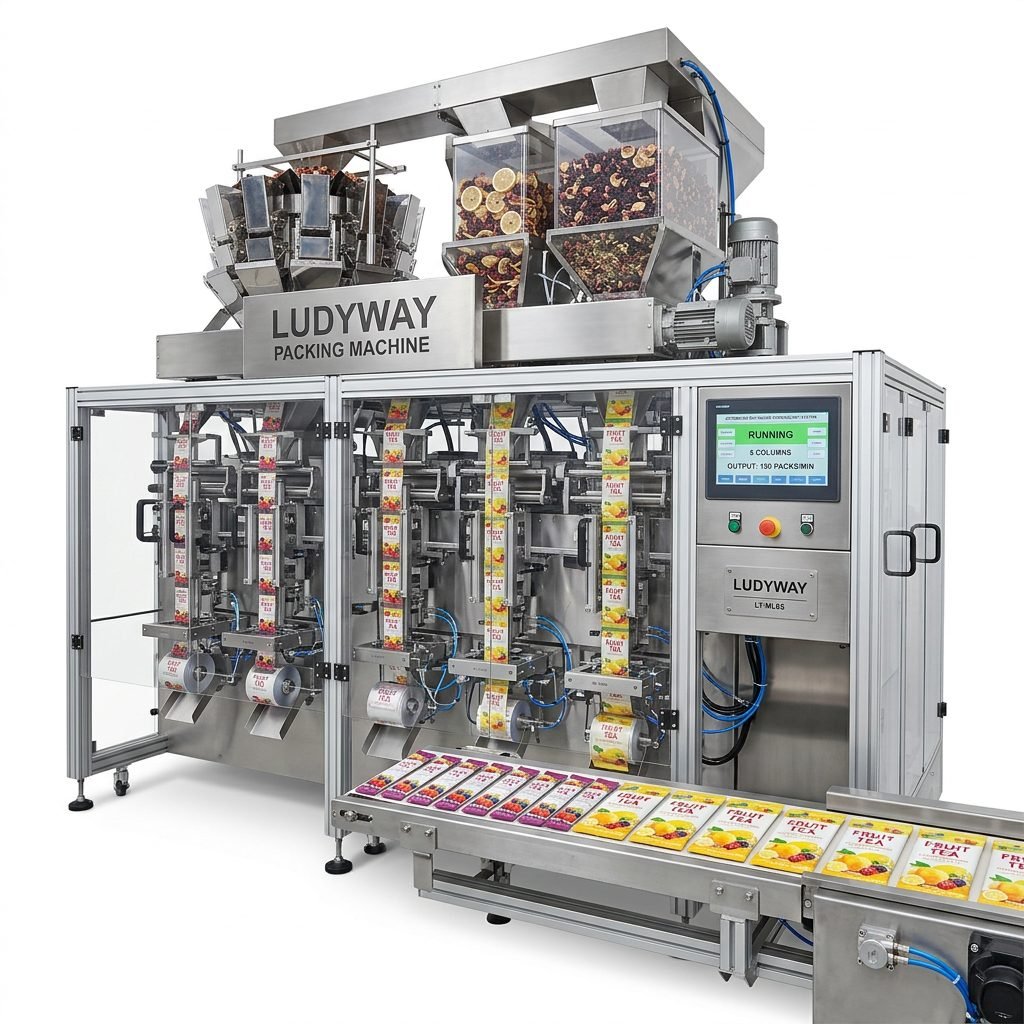
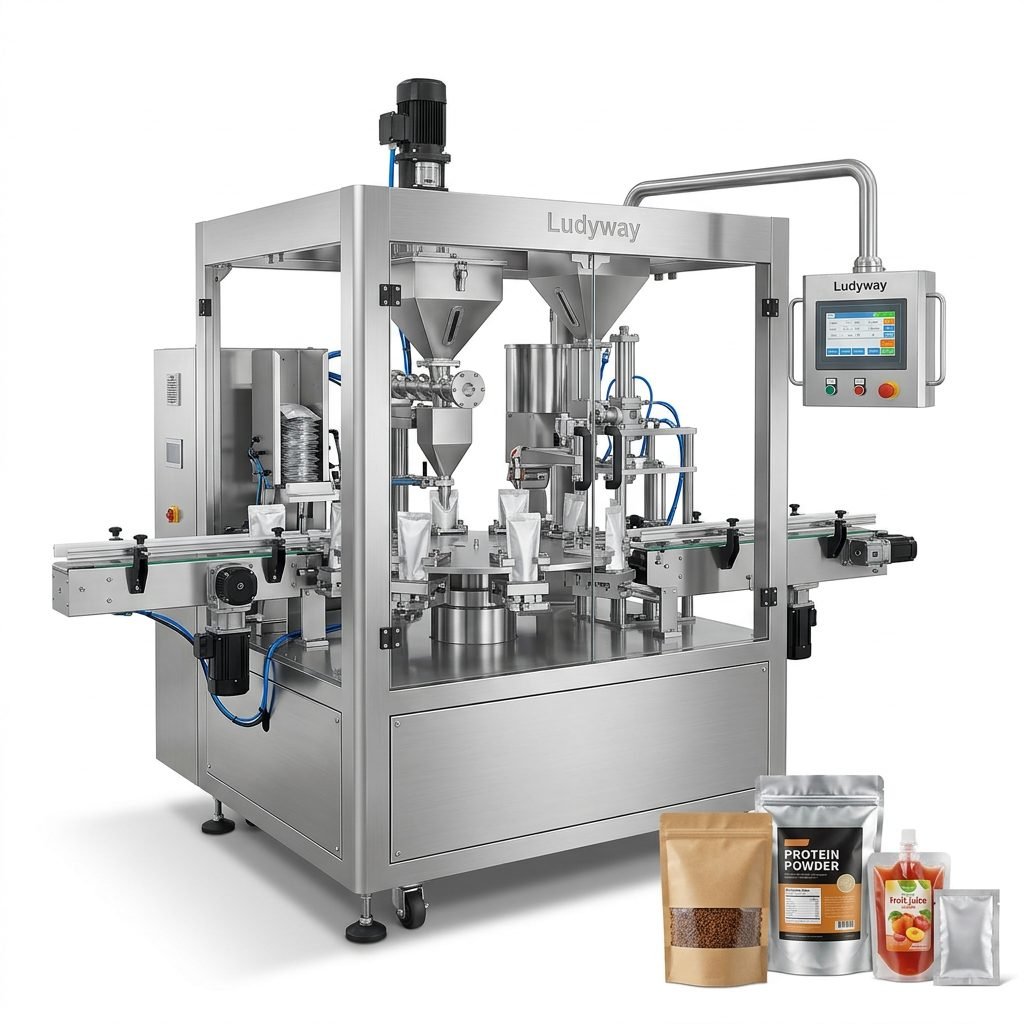
Expanding your business into the dynamic African market presents a significant opportunity for growth. The continent’s diverse economies, from the industrial hubs of South Africa and Nigeria to the emerging manufacturing sectors in Kenya, Ghana, and Ethiopia, are creating a rising demand for efficient, reliable packaging solutions. Whether you are in food processing, pharmaceuticals, agriculture, or consumer goods, the right packaging machinery is crucial for maintaining product quality, meeting regulatory standards, and achieving cost-effective production. However, selecting the ideal packaging machine manufacturer in Africa requires careful consideration of several key factors beyond just the initial price tag.
Understanding Your Specific Needs and the African Market
Before you begin your search, a clear understanding of your own requirements is paramount. The African market is not monolithic; a solution perfect for a large-scale food producer in South Africa might be unsuitable for a small-scale pharmaceutical startup in Rwanda. Start by defining your product type (granules, powder, liquid, pouches), required production speed, and the level of automation needed. Consider the local infrastructure, such as power stability and available technical support networks, which can vary greatly across regions. A manufacturer that understands these regional nuances can provide a machine that is not only technically capable but also robust and suitable for the local operating environment.
1. Evaluate Technical Expertise and Product Range
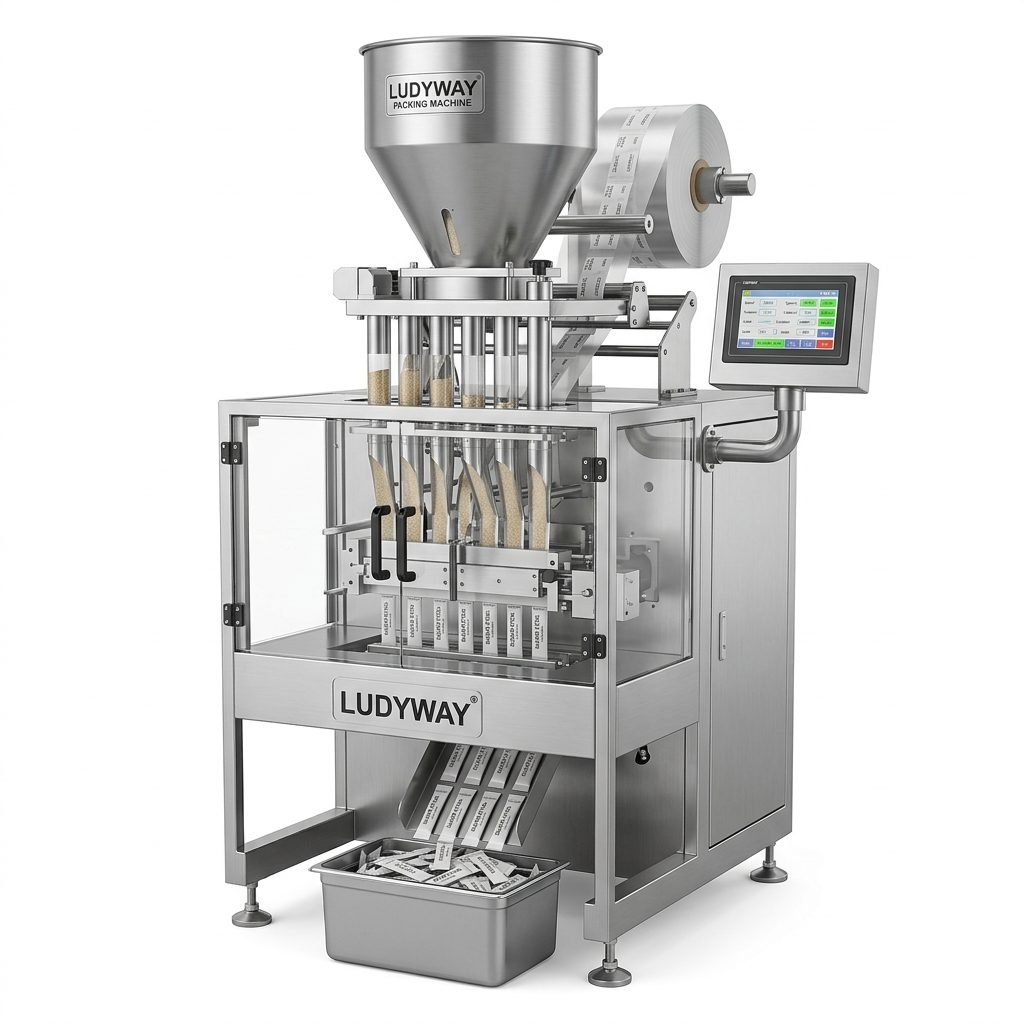
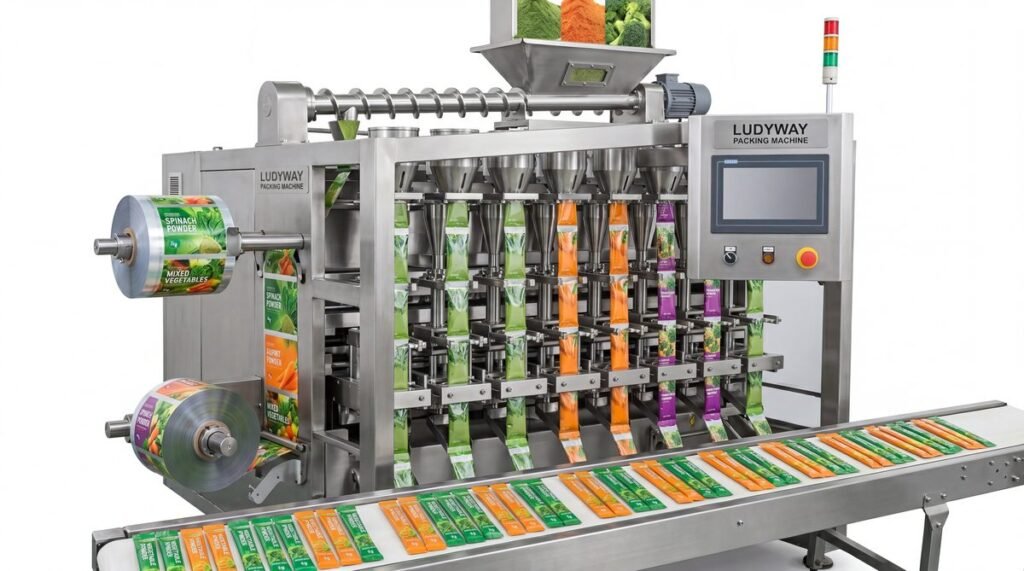
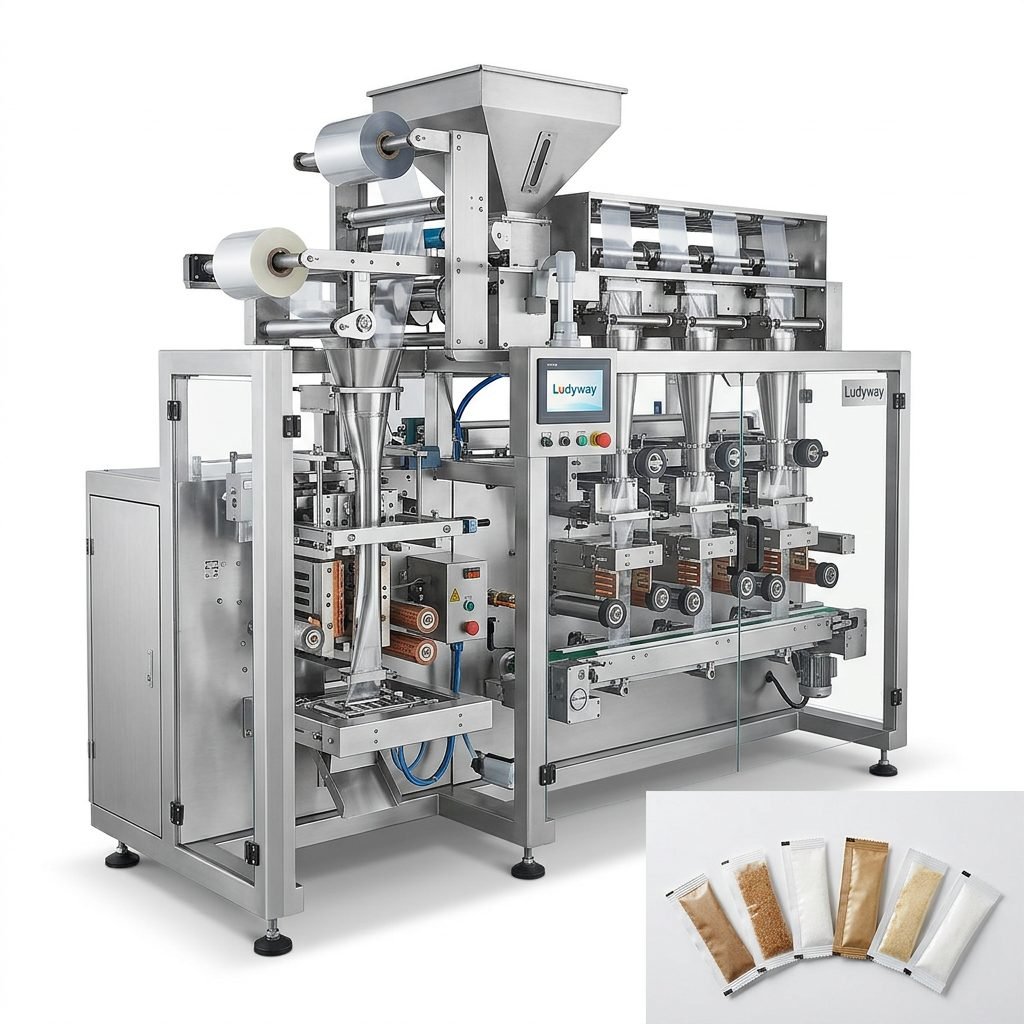
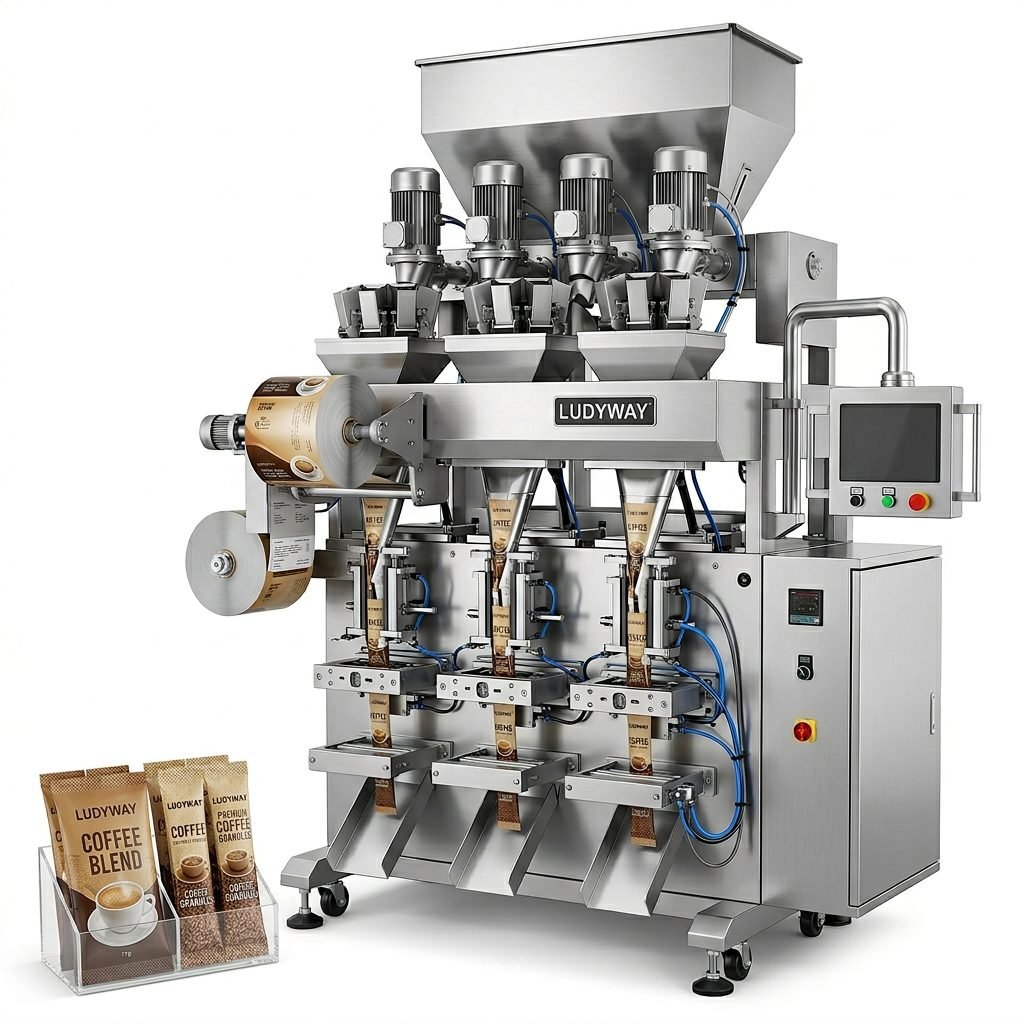
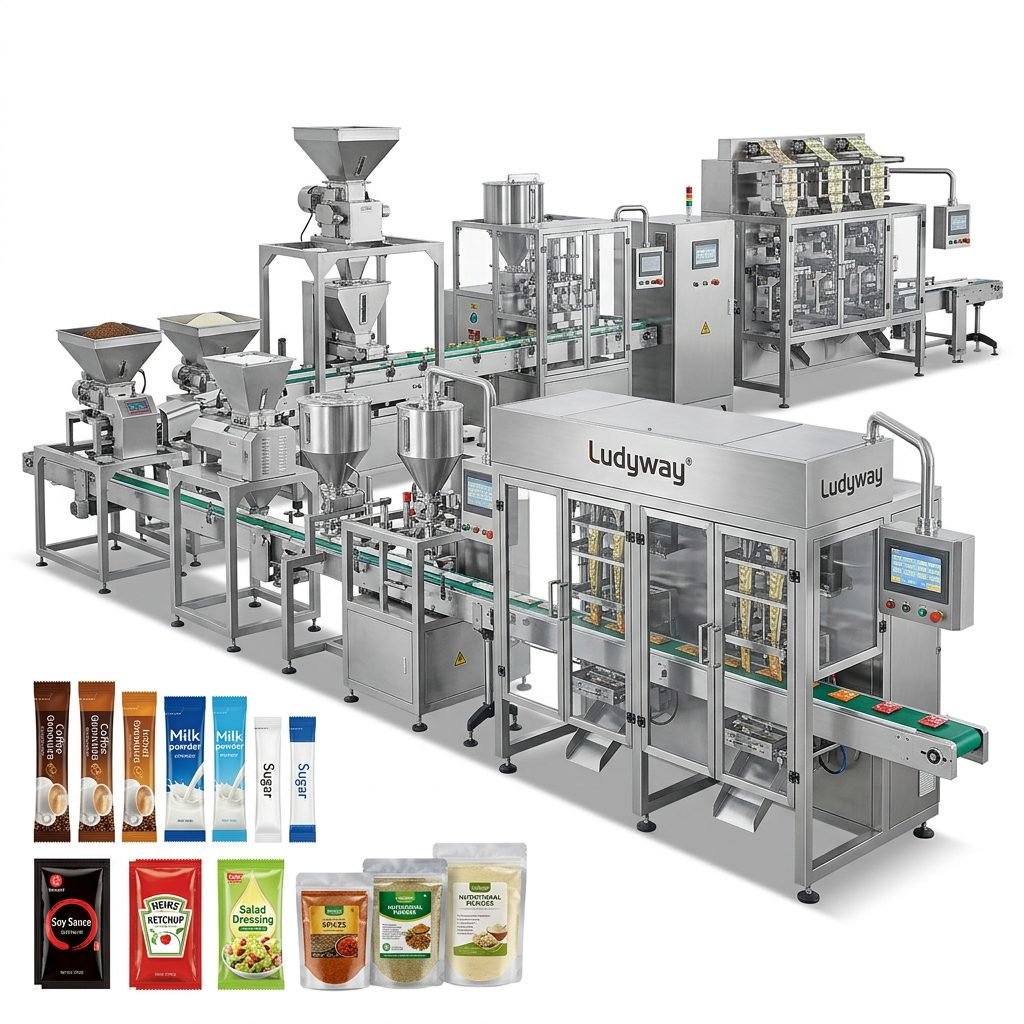
The manufacturer’s core competency should align with your industry. Look for a company with a proven track record in your specific sector, be it food, pharmaceuticals, chemicals, or agriculture. A broad product range, like the over 50 models offered by Ludyway, indicates deep engineering expertise and the ability to offer a tailored solution rather than a one-size-fits-all machine. For instance, packaging sensitive pharmaceuticals requires different standards (like sterile environments) compared to packaging agricultural fertilizers.
Key Question to Ask: Can the manufacturer provide case studies or references from businesses in Africa within your industry? This demonstrates practical, localized experience.
2. Assess Manufacturing Capability and Quality Assurance
A manufacturer’s facility is a direct reflection of their commitment to quality. A modern manufacturing plant, like Ludyway’s 20,000㎡ facility, equipped with advanced CNC machinery and a skilled engineering team, ensures precision manufacturing and consistent quality control. Inquire about their quality management systems (e.g., ISO certifications) and the materials used in construction. Machines built with high-grade stainless steel and durable components are better suited for Africa’s varied climates and ensure longer service life, reducing total cost of ownership.
3. Prioritize After-Sales Support and Local Presence
This is arguably the most critical factor for success in Africa. Reliable after-sales support can mean the difference between minor downtime and a catastrophic production halt. Evaluate the manufacturer’s support structure:
- Technical Support: Is 24/7 remote support available? How quickly can they deploy engineers?
- Spare Parts: Is there a local or regional spare parts inventory to minimize delivery times?
- Training: Do they provide comprehensive training for your operators and maintenance staff?
- Local Partners: Do they have a network of agents or service centers within Africa? Companies like Packmate Machinery or PacklineOEM may have established channels that facilitate faster response.
4. Consider Total Cost of Ownership (TCO), Not Just Price
The initial purchase price is just one component. A cheaper machine with poor efficiency, high energy consumption, frequent breakdowns, and expensive imported parts will cost more in the long run. Calculate the TCO by considering:
- Energy efficiency and material waste rates.
- Expected maintenance costs and spare parts pricing.
- Machine uptime and production output reliability.
Investing in a slightly more expensive but robust and efficient machine from a reputable manufacturer like PackingMachineOEM can lead to greater savings and profitability over its lifespan.
5. Scalability and Future-Proofing Your Investment
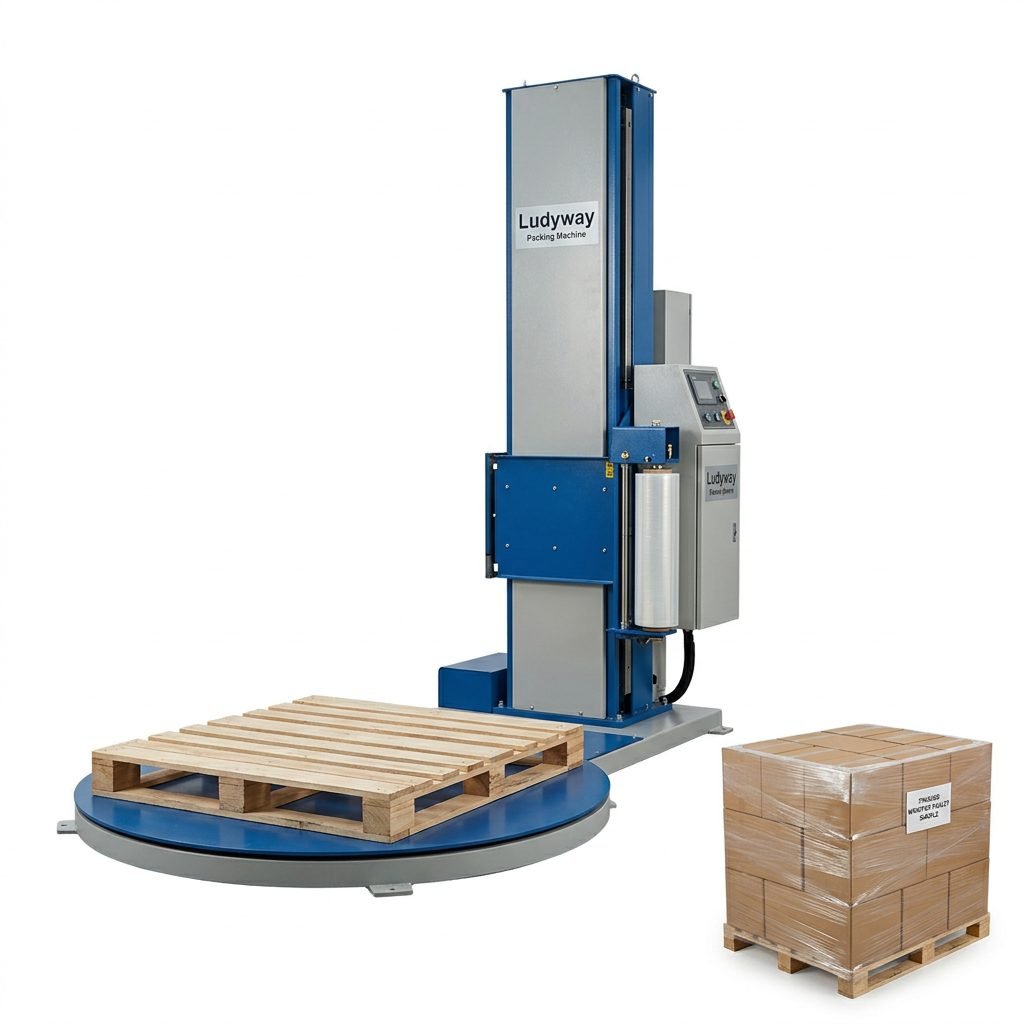
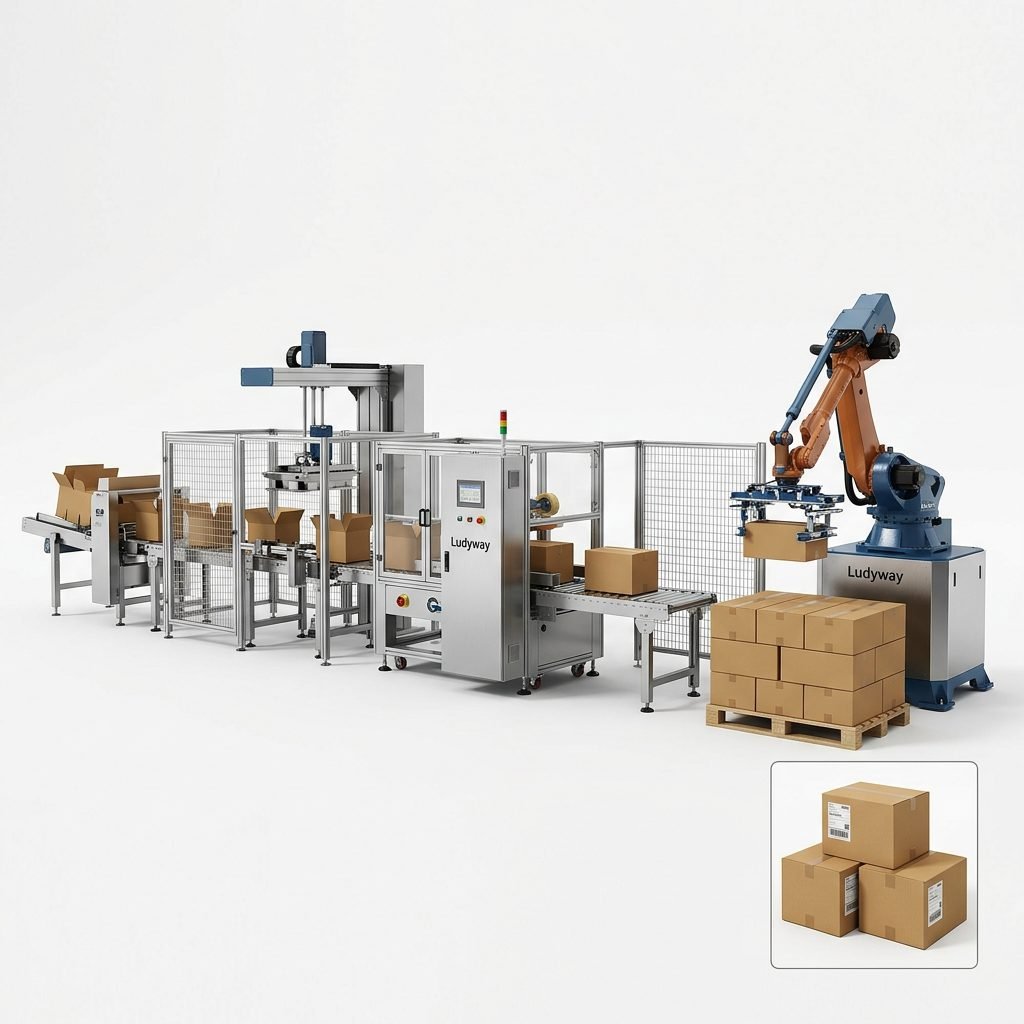
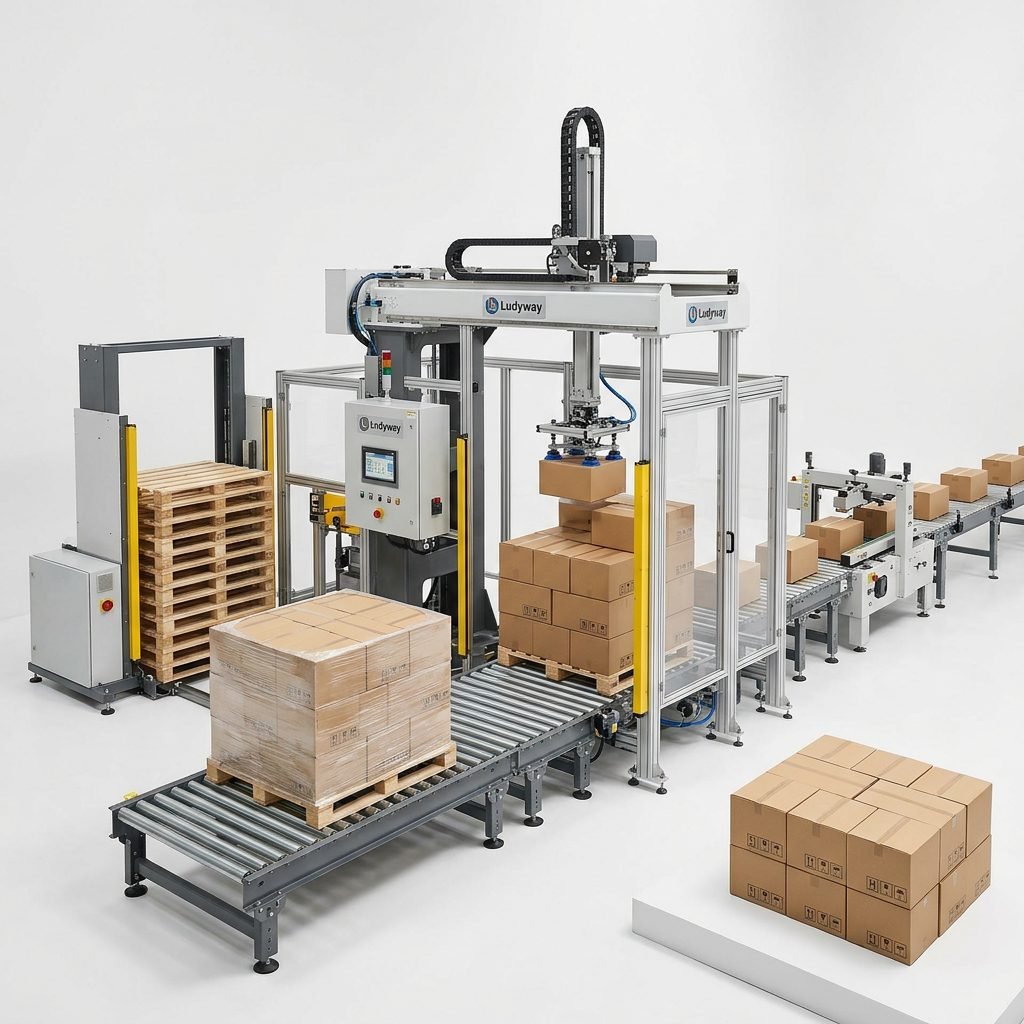
Your business in Africa is poised for growth. Your packaging machinery should be able to grow with you. Discuss scalability options with potential manufacturers. Can the machine be easily upgraded or integrated into a full turnkey production line in the future? Modular designs allow you to add features like automated cartoning, case packing, or palletizing as your volume increases. Planning for future expansion from the start protects your investment.
6. Compliance with Local and International Standards
Ensure the machinery complies with relevant safety and industry standards. For food and pharmaceutical applications, this may include certifications for materials in contact with products (e.g., FDA, EC1935/2004) and machine safety standards (e.g., CE). A reputable manufacturer will be transparent about compliance and can guide you through the requirements specific to your target African countries.
Why Partner with an Experienced International Manufacturer?
While local assembly is growing, partnering with an established international manufacturer with a strong focus on Africa offers distinct advantages. These companies bring decades of global engineering experience, often at a more competitive price point than Western counterparts, and have developed products that balance advanced technology with robustness for emerging markets.
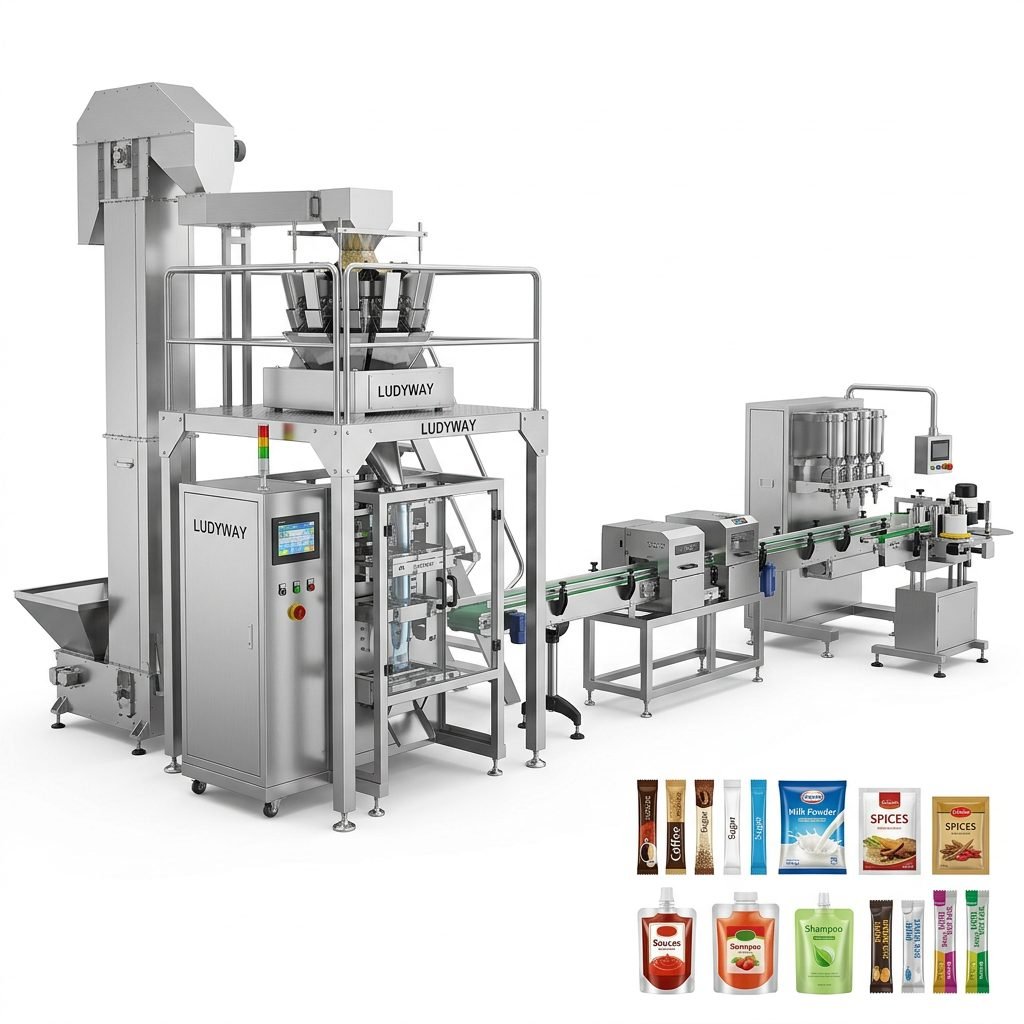
For example, a manufacturer like Ludyway, with 30+ years of experience and a presence in over 100 countries, understands how to adapt equipment for different operational challenges. They can provide not just a machine, but a complete production solution, from initial consultation and factory layout planning to installation, training, and ongoing support. Similarly, for specialized products like nicotine pouches, a focused manufacturer like SnusMachinery offers deep sector-specific expertise.
Final Checklist Before Deciding:
- ✅ Have you seen the machine running with a product similar to yours (request video tests)?
- ✅ Have you clarified warranty terms, delivery timelines, and payment terms?
- ✅ Have you verified the supplier’s financial stability and reputation?
- ✅ Does the offer include a detailed layout drawing and technical specifications?
- ✅ Is the documentation (manuals, electrical diagrams) available in a language your team understands?
Conclusion
Choosing the right packaging machine manufacturer in Africa is a strategic decision that impacts your productivity, product quality, and bottom line for years to come. By thoroughly evaluating technical expertise, manufacturing quality, after-sales support, total cost of ownership, and scalability, you can form a partnership that drives your business success. Focus on finding a reliable partner who understands your local challenges and is committed to your long-term growth in the vibrant African market.
Frequently Asked Questions (FAQs)
1. What are the main challenges of installing packaging machinery in Africa?
Common challenges include variable power supply (requiring voltage stabilizers or generators), logistical complexities for shipping and customs clearance, and sometimes a scarcity of highly specialized local technicians. Choosing a manufacturer with strong local support or proven experience in navigating these issues is crucial.
2. Should I choose a fully automatic or semi-automatic machine?
This depends on your production volume, budget, and labor costs. High-volume producers benefit from fully automatic lines for efficiency and consistency. Semi-automatic machines are a cost-effective entry point for small to medium businesses or for products with frequent changeovers, offering more flexibility with lower initial investment.
3. How important is it for the manufacturer to have local spare parts?
Extremely important. Machine downtime is costly. A local or regional spare parts inventory drastically reduces waiting time for critical components. Always inquire about the location of spare parts warehouses and typical delivery times for your region.
4. Can I get a customized machine for my unique product?
Yes, most reputable manufacturers offer customization. This can range from modifying hopper designs and dosing systems for specific powders or granules to integrating special sealing mechanisms or vision inspection systems. Provide detailed samples and specifications during the quotation process.
5. What is the typical lead time for delivery and installation?
Lead times vary significantly based on machine complexity, customization, and the manufacturer’s production schedule. For standard models, it could be 2-4 months. For complex, custom turnkey lines, it may take 6 months or more. Always get a clear timeline and project plan included in your contract.