Yes—packaging machines can absolutely package nutritional supplements, and in many cases they are the most efficient way to ensure accuracy, hygiene, consistency, and scale. Whether you produce protein powder, collagen, probiotics, electrolyte blends, vitamins, herbal formulas, gummies, capsules, or liquid nutrition products, the right machine configuration can be matched to your product type and packaging format.
The real question is not whether a machine can package supplements, but which machine is best for your formula, dosage form, and production goals. Supplement packaging often requires more than simple filling. It may also involve dust control, nitrogen flushing, accurate weighing, multi-lane output, date coding, inspection, cartoning, and full-line integration.
What Types of Nutritional Supplements Can Be Packaged by Machine?
Modern supplement packaging equipment is highly adaptable. Depending on the feeding system, dosing technology, sealing method, and packaging material, manufacturers can package a wide range of products.
- Powders: protein powder, collagen powder, creatine, meal replacement powder, superfood blends, magnesium, calcium, greens powders
- Granules: vitamin drink mixes, effervescent granules, probiotic granules, herbal blends, mineral granules
- Liquids: fish oil, collagen drinks, functional shots, syrup supplements, oral nutrition liquids
- Pastes and gels: sports gels, energy gels, concentrated nutrition pastes
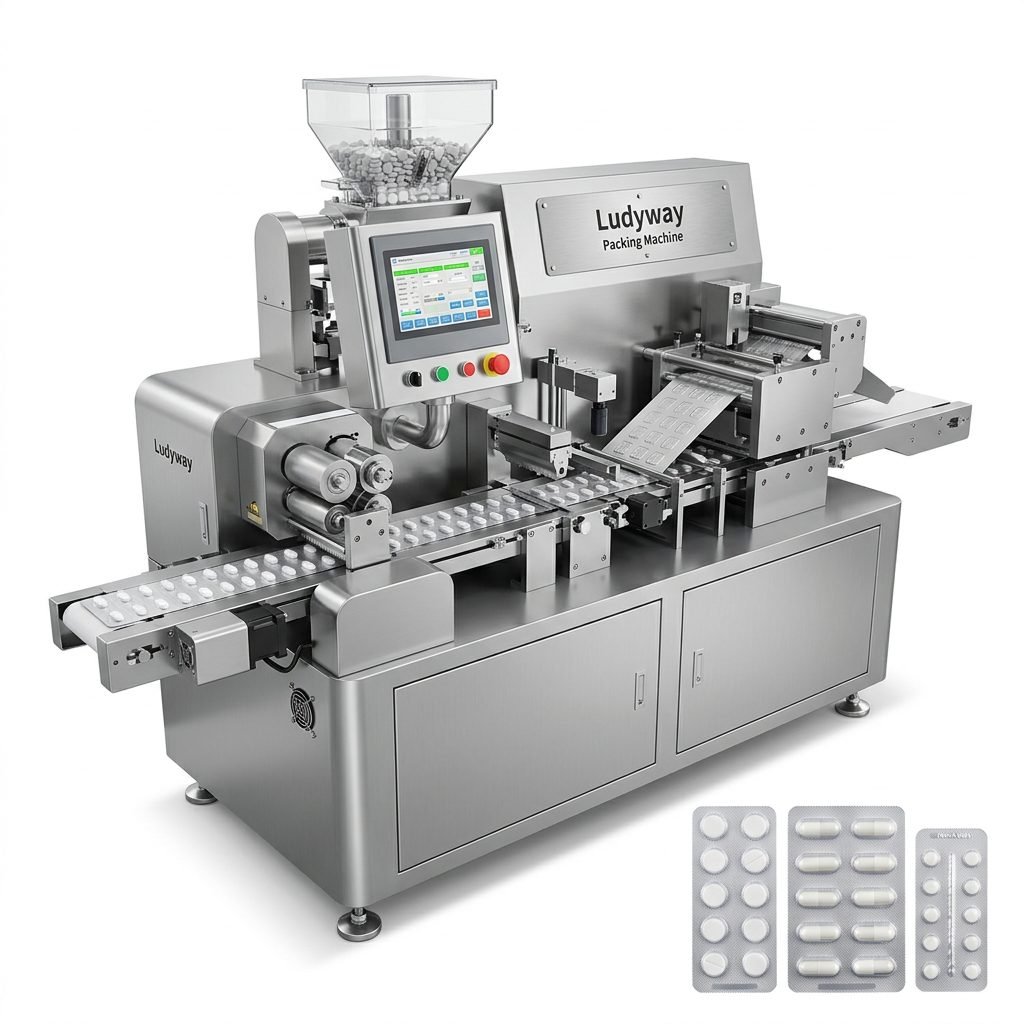
- Capsules and tablets: vitamins, minerals, botanical capsules, chewable tablets
- Gummies and soft products: nutraceutical gummies and similar functional formats
This flexibility is why many supplement brands invest in automated systems early. A well-designed machine platform can often support future SKU expansion without requiring a full equipment replacement.
Best Packaging Formats for Nutritional Supplements
Nutritional supplements are sold in many retail and bulk formats. The ideal packaging style depends on serving size, target market, shelf presentation, shipping needs, and product sensitivity.
| Supplement Type | Common Packaging Format | Recommended Machine Type |
|---|---|---|
| Protein / Collagen Powder | Sachets, stick packs, pouches, jars | Auger filler, VFFS, multi-lane stick pack machine |
| Electrolyte / Vitamin Granules | Stick packs, sachets | Multi-lane granule packing machine |
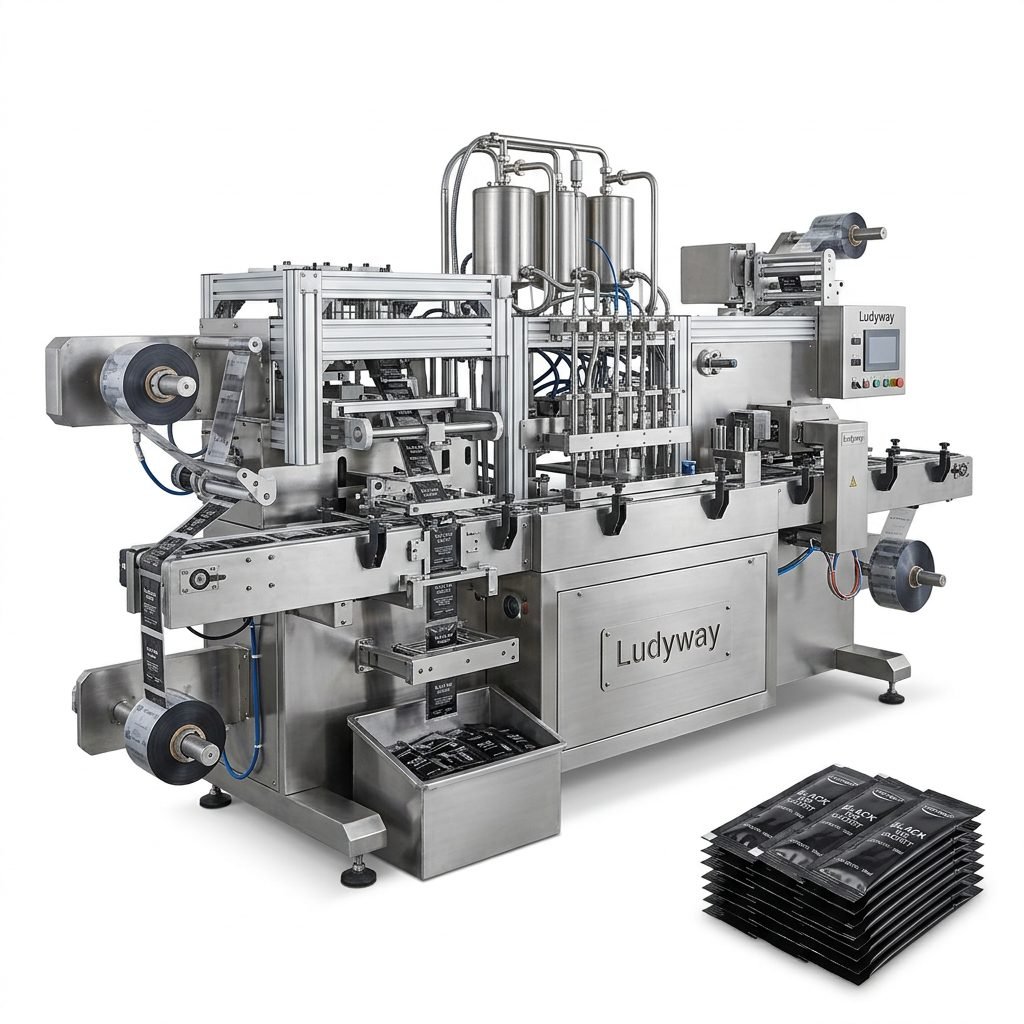
| Liquid Supplements | Sachets, stick packs, bottles, vials | Liquid filling and sealing machine |
| Capsules / Tablets | Bottles, blister packs, pouches | Counting line, bottling line, blister packaging machine |
| Gels / Energy Shots | Stick packs, sachets, tubes | Paste/liquid sachet machine, tube filling machine |
Which Packaging Machines Are Used for Supplements?
The machine you need depends on the physical characteristics of the product and the final pack style. In supplement manufacturing, the most common systems include:
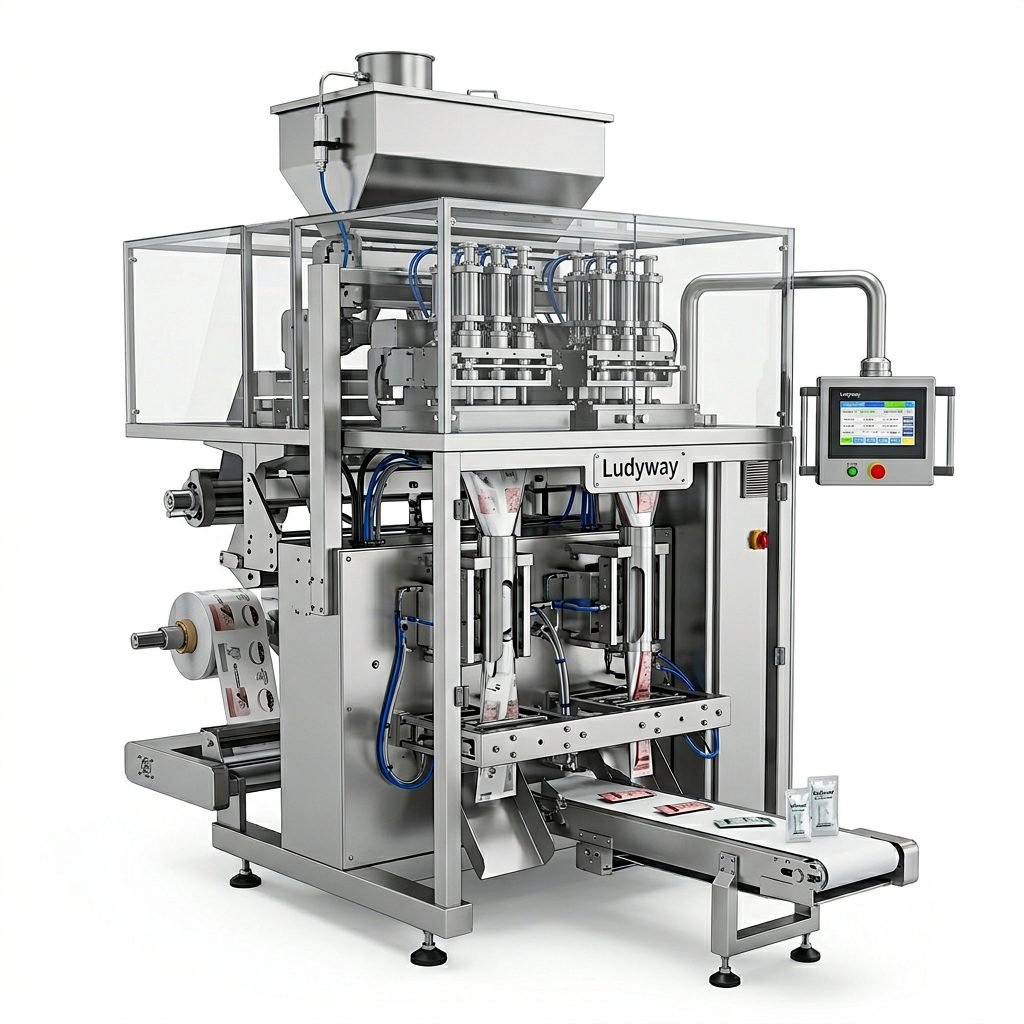
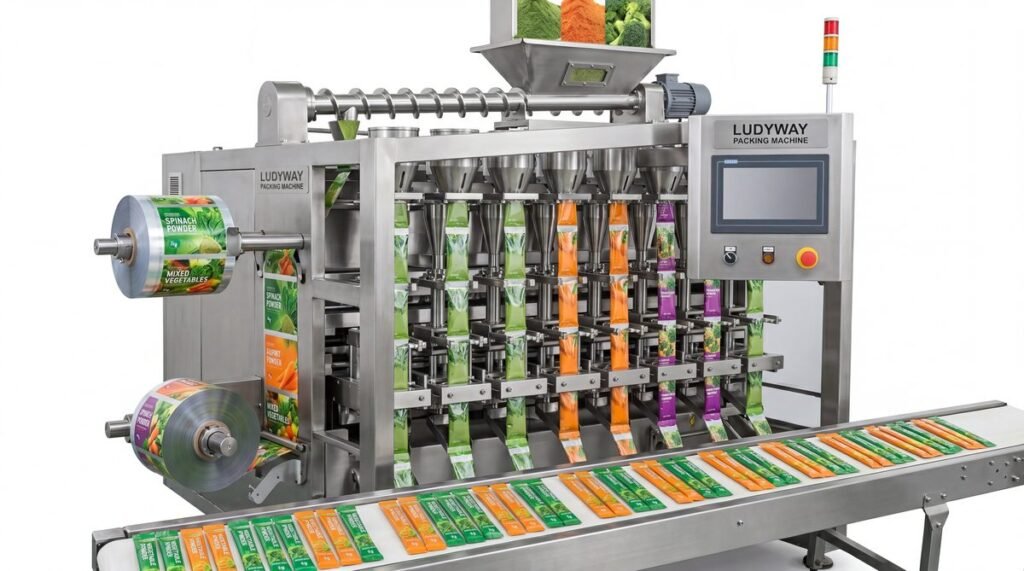
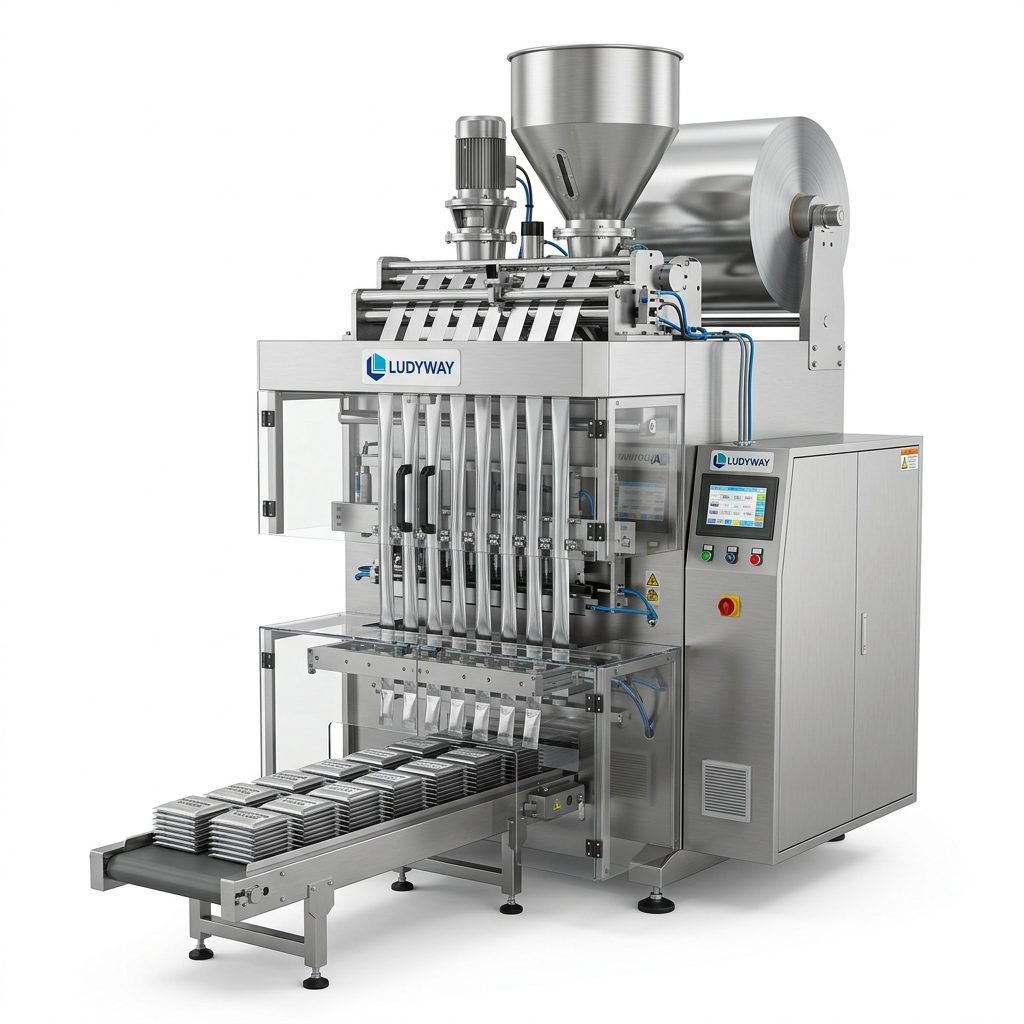
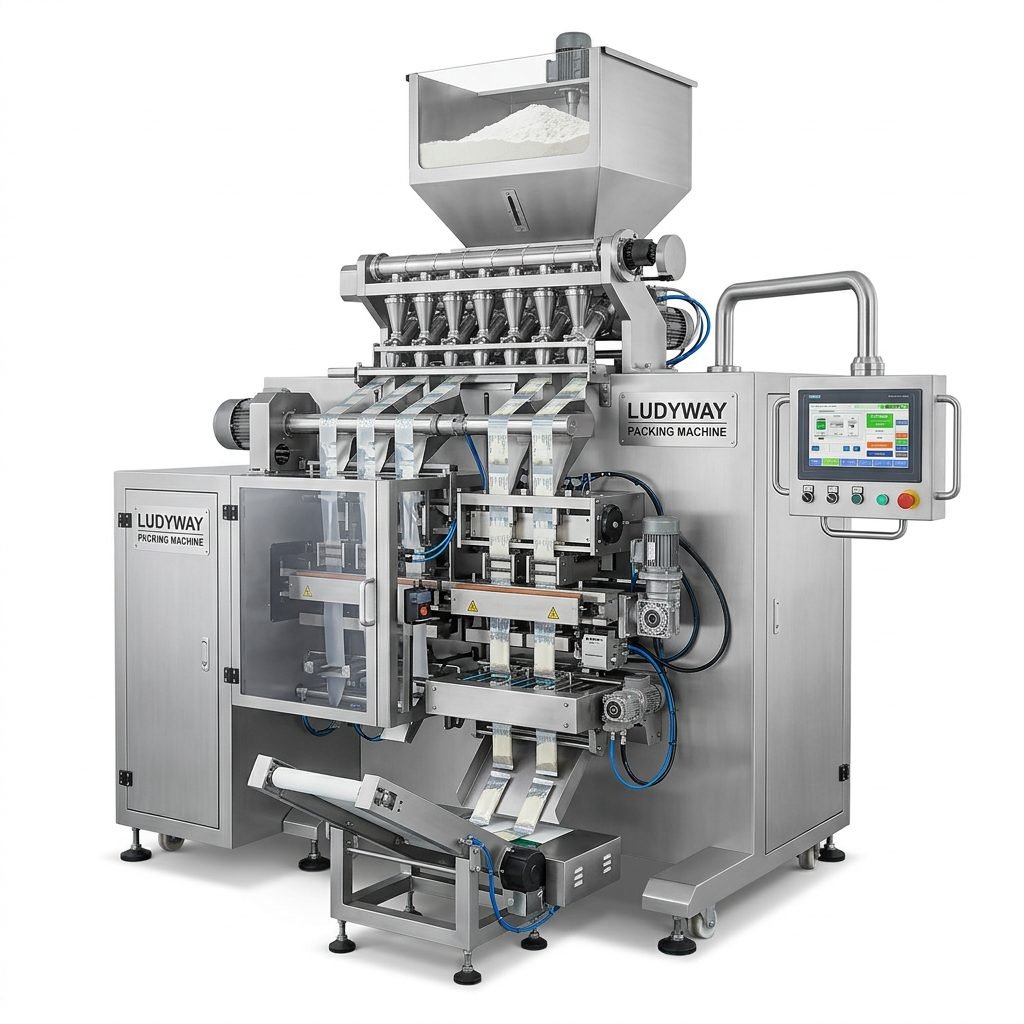
1. Multi-Lane Stick Pack Machines
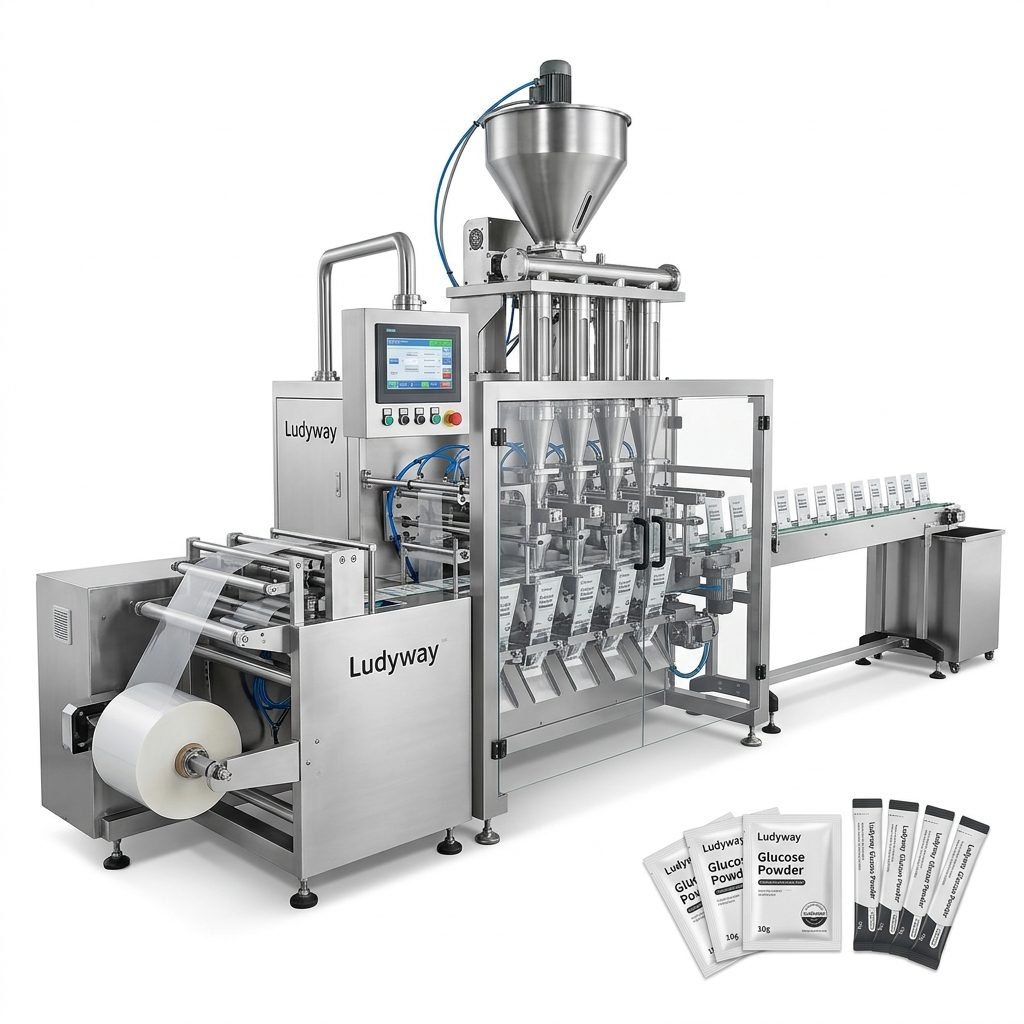
These are ideal for single-serve powders, granules, and some liquids. They are popular for hydration powders, collagen servings, probiotic sachets, and travel-size nutrition products. Multi-lane output increases productivity while keeping each dose consistent.
2. Sachet Packaging Machines
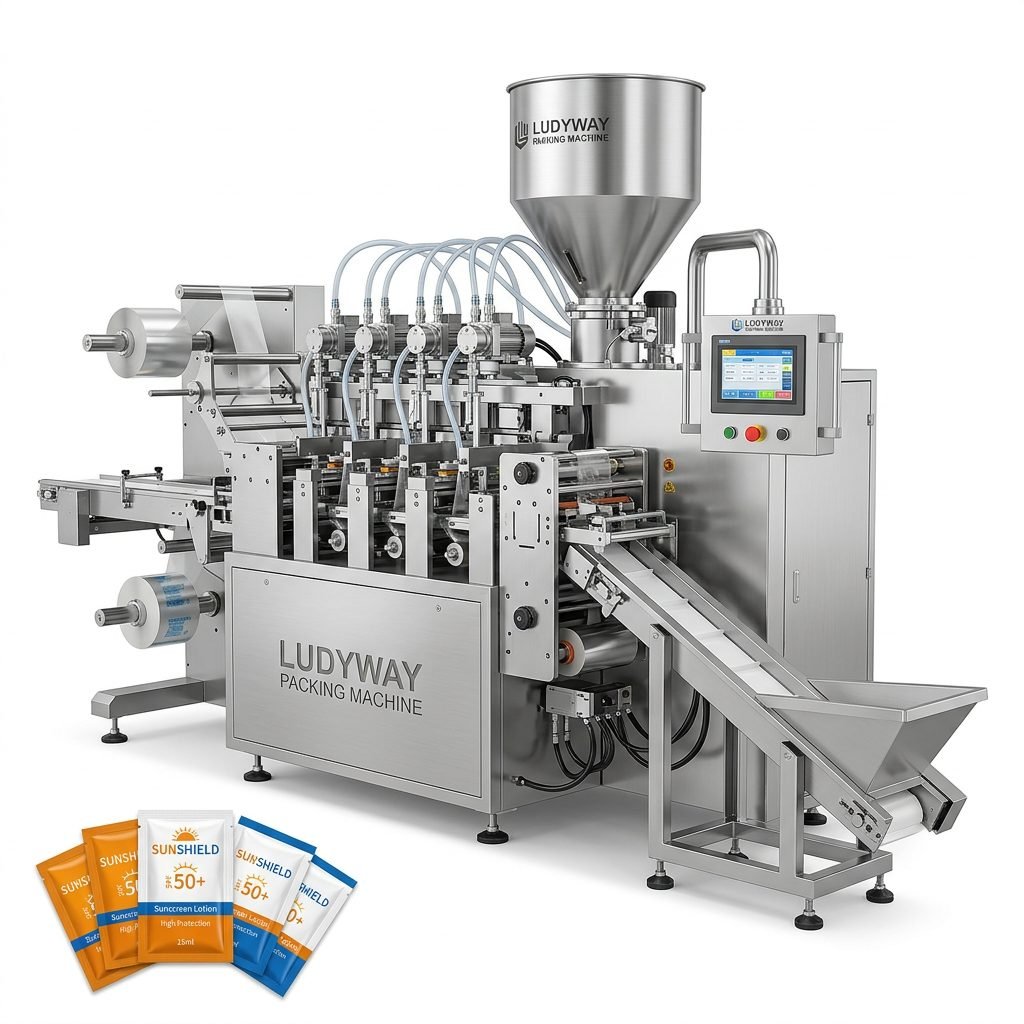
Sachet machines work well for single-dose or sample-size supplements. They support powders, granules, liquids, and gels, making them suitable for both retail and promotional packs.
3. Vertical Form Fill Seal Machines
VFFS systems are commonly used for larger pouches of powder supplements, meal replacements, or bulk nutrition products. They can be integrated with auger fillers, screw feeders, and checkweighers.
4. Premade Pouch Filling Machines
These are useful when a premium pouch presentation is required. They are often chosen for stand-up pouches, zip pouches, and products that need a stronger shelf appearance.
5. Bottling and Counting Lines
Tablets, capsules, softgels, and gummies are often filled into bottles using counting systems combined with capping, induction sealing, labeling, and cartoning equipment.
Key Factors That Determine If a Supplement Can Be Machine-Packaged
Not every supplement behaves the same during filling and sealing. Before selecting equipment, manufacturers should evaluate these technical factors:
- Flowability — Free-flowing granules and difficult fine powders require different dosing systems.
- Moisture sensitivity — Hygroscopic products may need controlled environments or moisture-barrier films.
- Serving size accuracy — Supplements often demand tight weight tolerances for label compliance.
- Dust generation — Fine powders may require dust extraction and sealed feeding systems.
- Oxygen sensitivity — Some formulas benefit from nitrogen flushing to preserve freshness.
- Packaging material compatibility — Film structure affects sealing, barrier performance, and shelf life.
- Production speed — Startup brands and large-volume contract manufacturers need different throughput levels.
Why Accuracy Matters in Supplement Packaging
In the nutritional supplement sector, accurate filling is more than an efficiency issue—it affects regulatory consistency, customer trust, and cost control. Underfilling can create compliance risk, while overfilling increases raw material waste and reduces profit margins.
For example, high-value products such as probiotics, collagen peptides, specialty amino acids, and herbal extracts may have significant ingredient costs. Even a small overfill repeated across thousands of packs can create major losses. That is why many lines include auger dosing, servo-driven controls, dynamic weighing, and in-line inspection.
Hygiene and Compliance Requirements
Nutritional supplements are closely linked to food and health industries, so packaging equipment must be designed with cleanliness in mind. Depending on your market and product claims, important requirements may include:
- Stainless steel contact parts
- Easy-clean structure for product changeover
- Dust-proof feeding and filling systems
- Sealed guarding and safe product contact zones
- Compatibility with GMP-oriented production environments
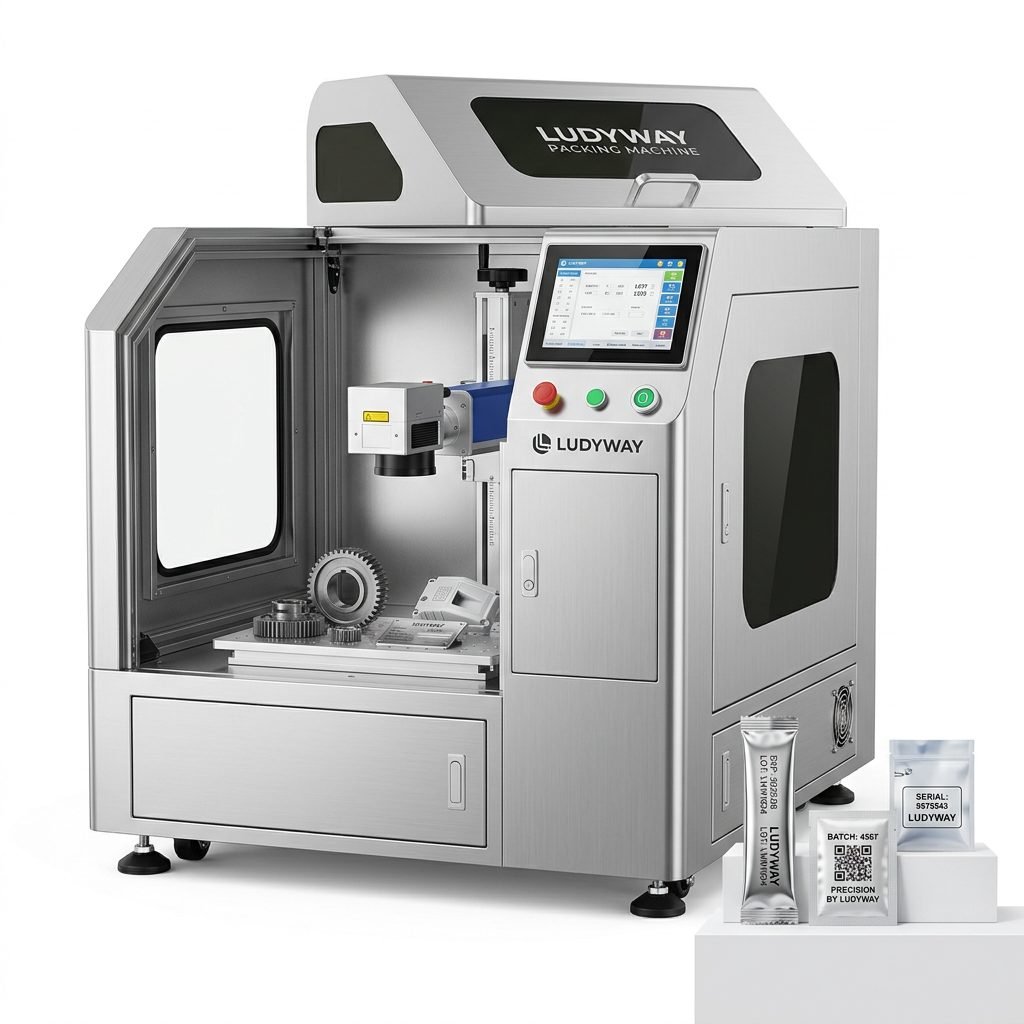
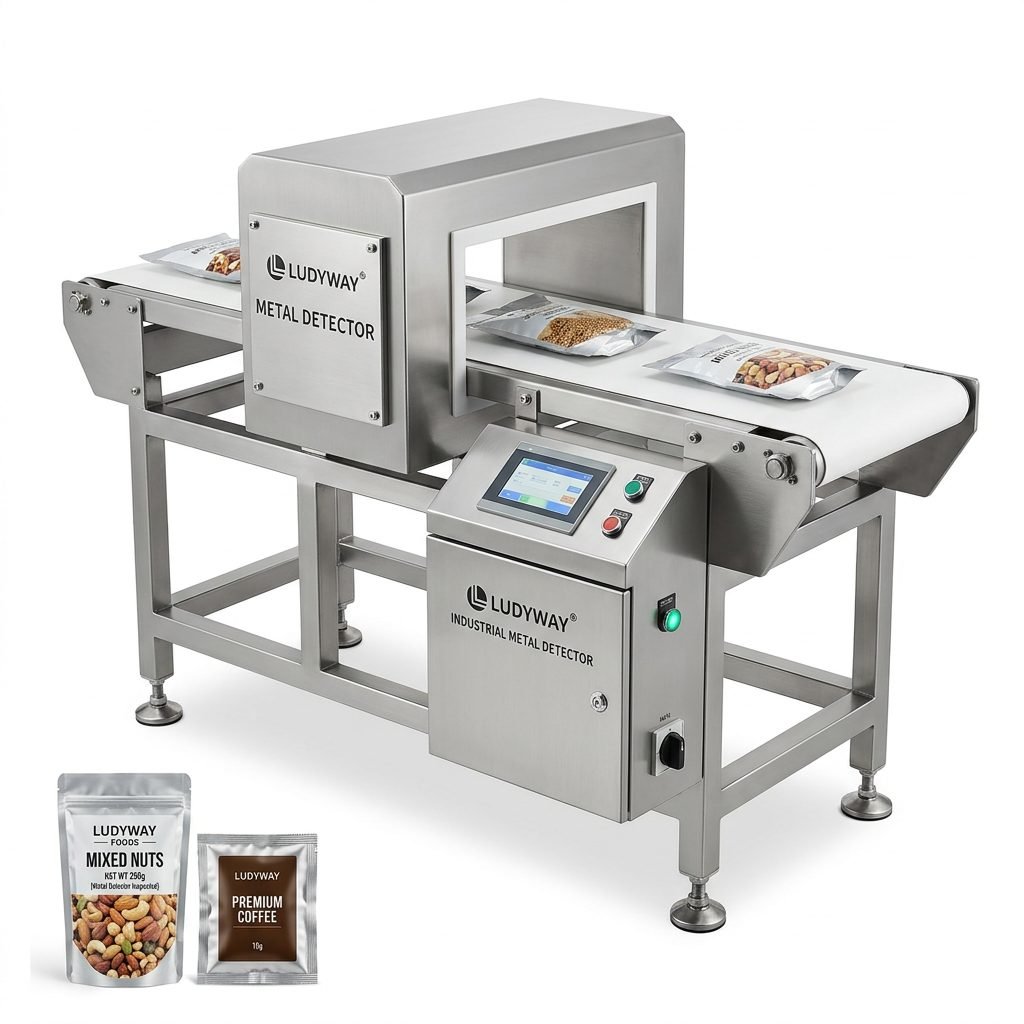
- Traceability through coding, batch marking, and inspection integration
If your supplement is sold as a nutraceutical, sports nutrition product, or health support formula, packaging quality strongly influences how distributors and consumers perceive your brand. Clean seals, accurate dosing, and professional pack appearance all matter.
Can One Machine Handle Different Supplement Products?
In many cases, yes. A machine can often be configured to package more than one supplement product, especially when the products share similar characteristics. For instance, one multi-lane powder machine may run collagen powder, electrolyte drink mix, and vitamin C powder with proper tooling adjustments and cleaning procedures.
However, flexibility depends on:
- Product density and particle size
- Required filling range
- Film width and pouch dimensions
- Sealing temperature requirements
- Cross-contamination risk between formulas
For manufacturers with frequent SKU changes, choosing modular equipment can reduce downtime and improve production planning.
Common Challenges When Packaging Nutritional Supplements
Supplement packaging can be highly efficient, but some products are more demanding than others. Typical challenges include:
| Challenge | Why It Happens | Possible Solution |
|---|---|---|
| Powder bridging | Poor flow characteristics | Agitators, screw feeding, hopper design optimization |
| Dust pollution | Fine powders during filling | Dust collection, enclosed feeding, sealing optimization |
| Seal contamination | Product trapped in seal area | Improved cut-off control and sealing design |
| Weight inconsistency | Product density changes or unstable feeding | Servo dosing, calibration, checkweighing |
| Short shelf life | Weak barrier material or oxygen exposure | Barrier film, nitrogen flushing, better sealing |
How to Choose the Right Supplement Packaging Machine
If you are evaluating equipment for a supplement business, ask these practical questions first:
- Is the product powder, granule, tablet, capsule, liquid, gel, or a combination?
- What is the target pack format: sachet, stick pack, pouch, bottle, blister, or jar?
- What filling accuracy is required?
- How many packs per minute do you need now and in the next 2–3 years?
- Do you need room for future flavors or formula variants?
- Will the line require coding, labeling, cartoning, checkweighing, or palletizing?
- What cleaning standard is required between product runs?
A packaging machine should not be selected only by speed. It should also fit your product behavior, packaging material, operating environment, and long-term expansion plan.
Standalone Machine or Full Turnkey Line?
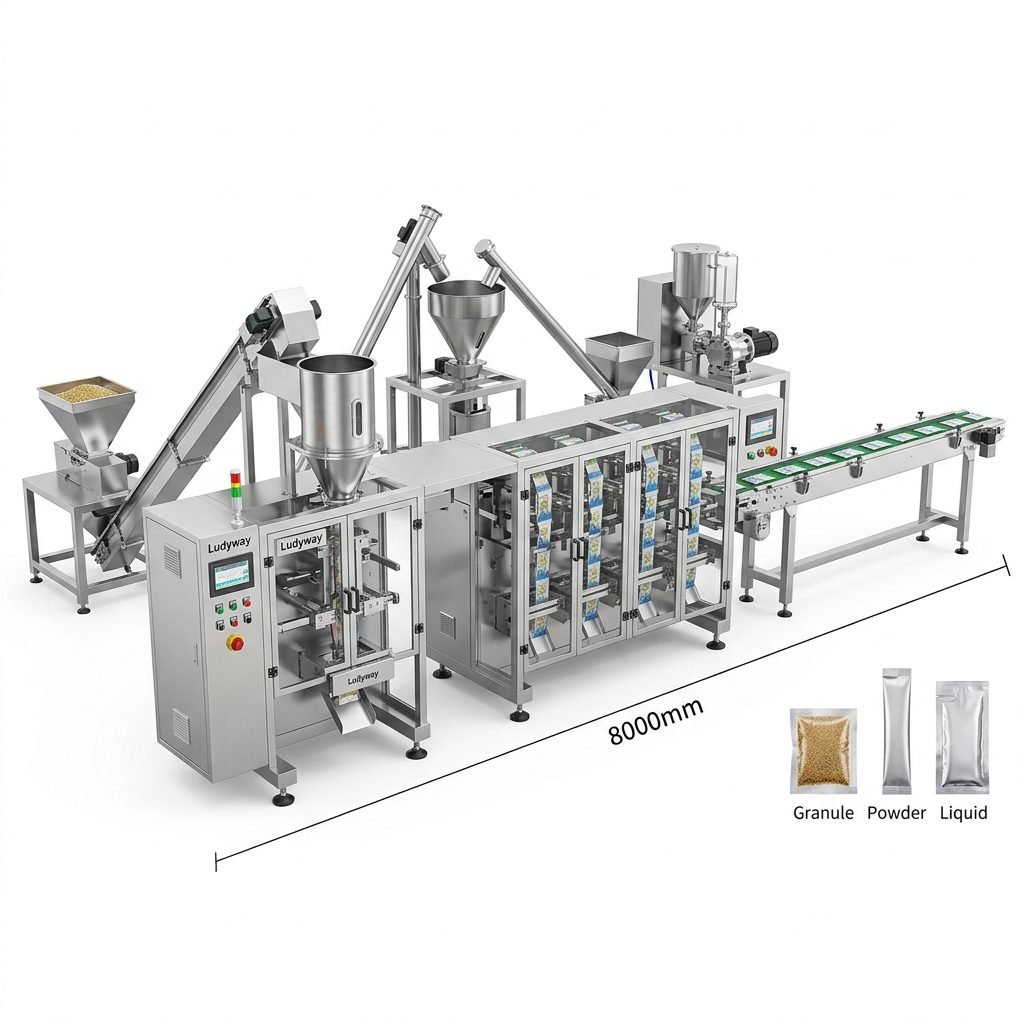
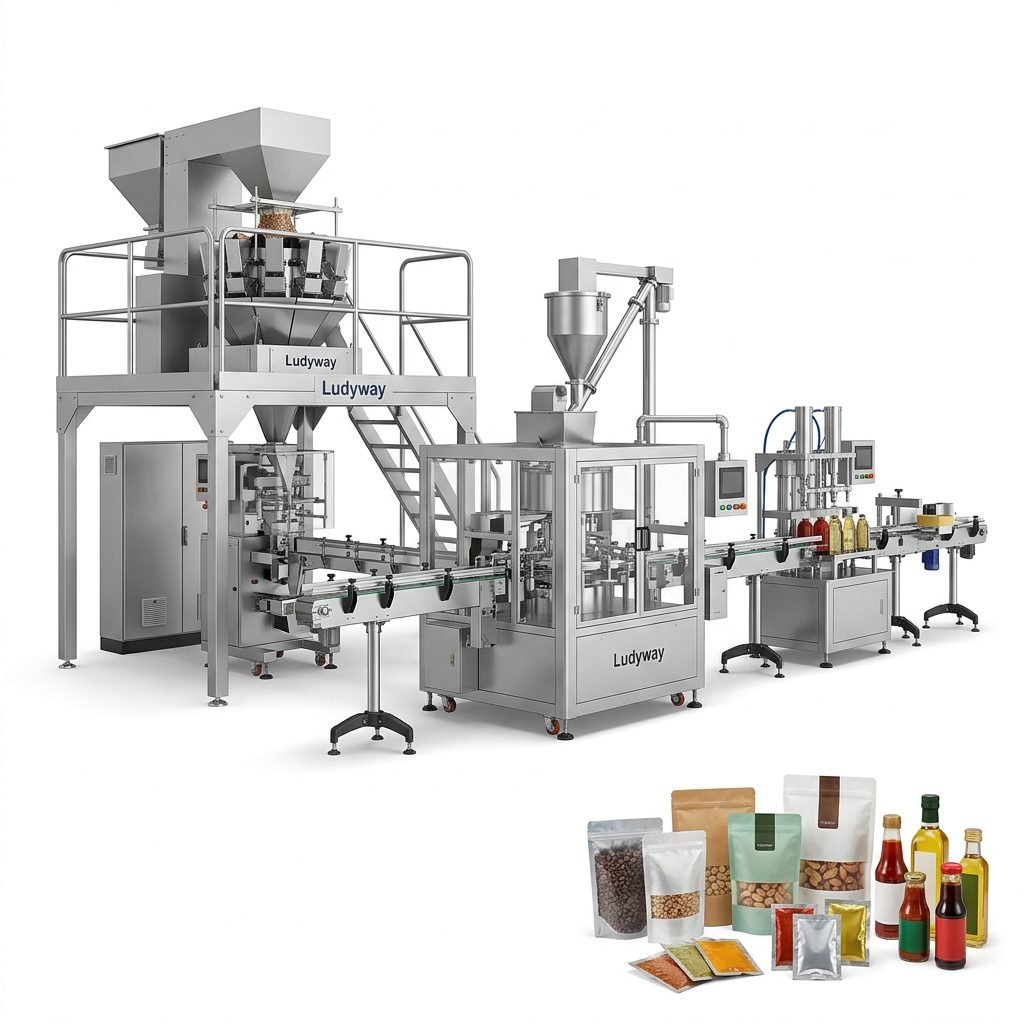
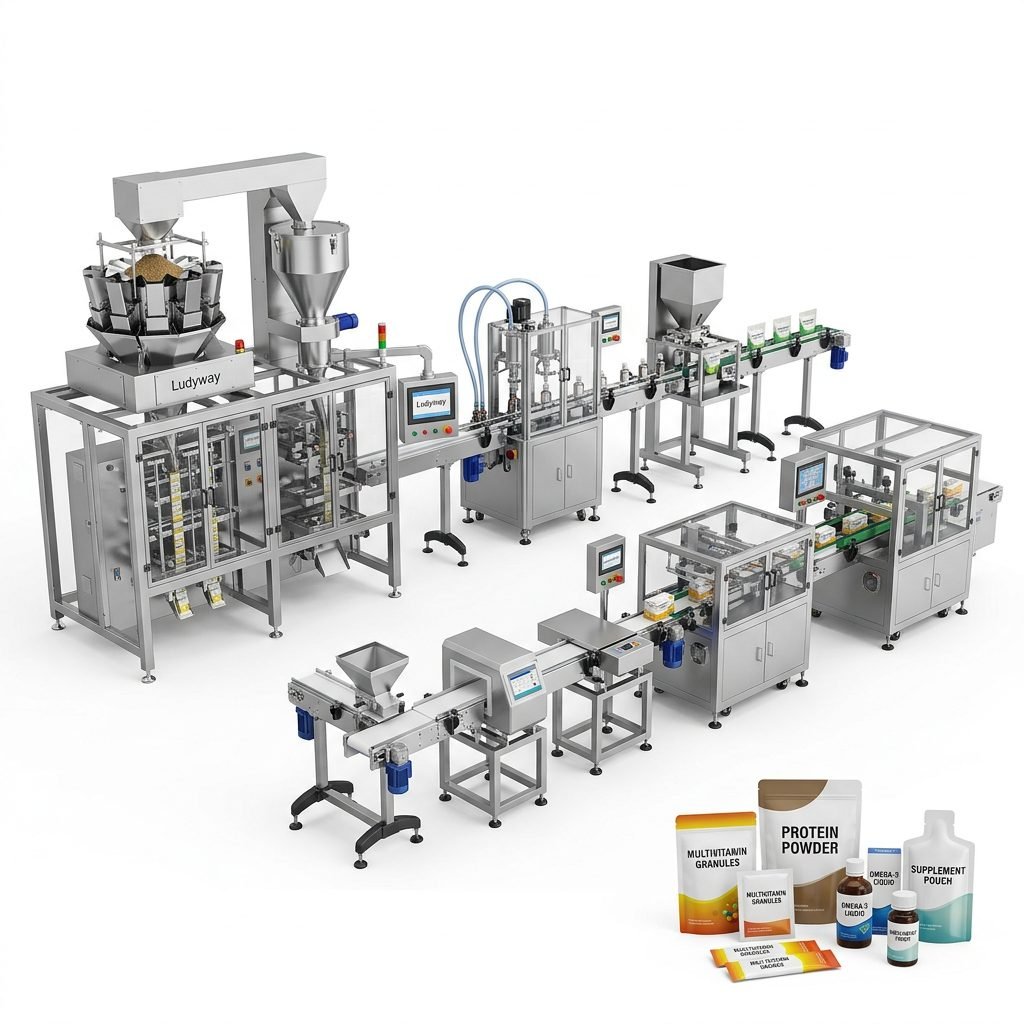
Small or growing supplement brands may begin with a standalone machine. Larger manufacturers and contract packers often benefit from a full packaging line that includes feeding, filling, sealing, coding, inspection, cartoning, case packing, and palletizing.
Working with an experienced supplier can simplify this process. Ludyway packaging machine manufacturer provides packaging machines and turnkey line solutions for powder, granule, liquid, pouch, and health-related products, which is especially valuable for supplement producers looking for scalable automation.
Final Buying Tips for Supplement Brands
Before investing, it is smart to request material testing with your actual supplement formula. A machine that performs well with one powder may not behave the same with another. Real sample testing helps verify fill accuracy, seal quality, speed, and overall machine suitability.
- Test your real product before purchase
- Confirm packaging material compatibility
- Review maintenance and spare parts support
- Consider future product expansion
- Choose automation that matches your production stage
Conclusion
Nutritional supplements can be packaged very effectively with modern automated machinery. From powders and granules to liquids, capsules, and functional gels, there are reliable packaging solutions for nearly every supplement category. The key is selecting equipment based on product characteristics, pack style, compliance needs, and growth plans.
When matched correctly, the right machine can help supplement manufacturers improve accuracy, hygiene, efficiency, shelf appeal, and production scalability—all of which are essential in a competitive health and wellness market.