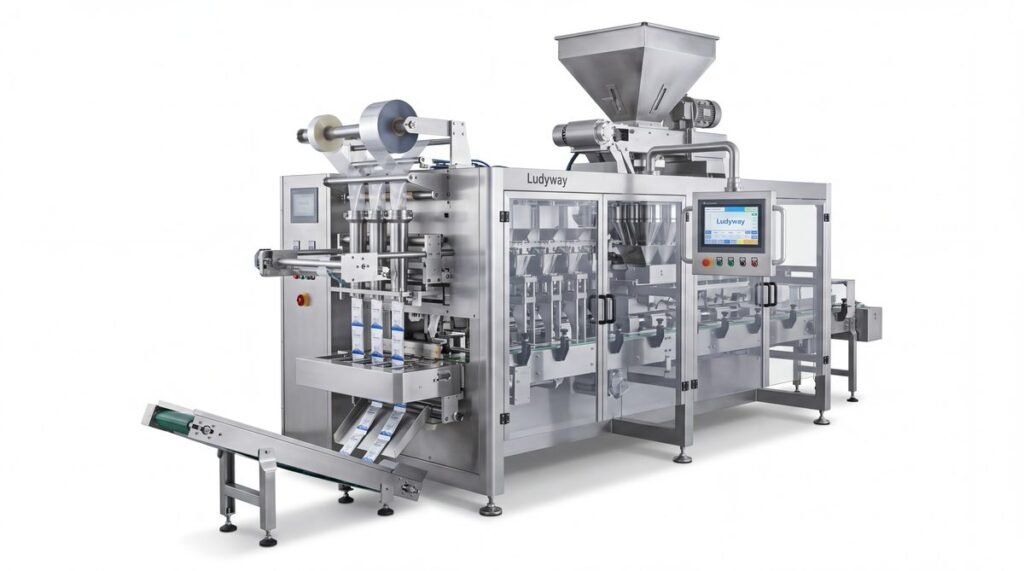
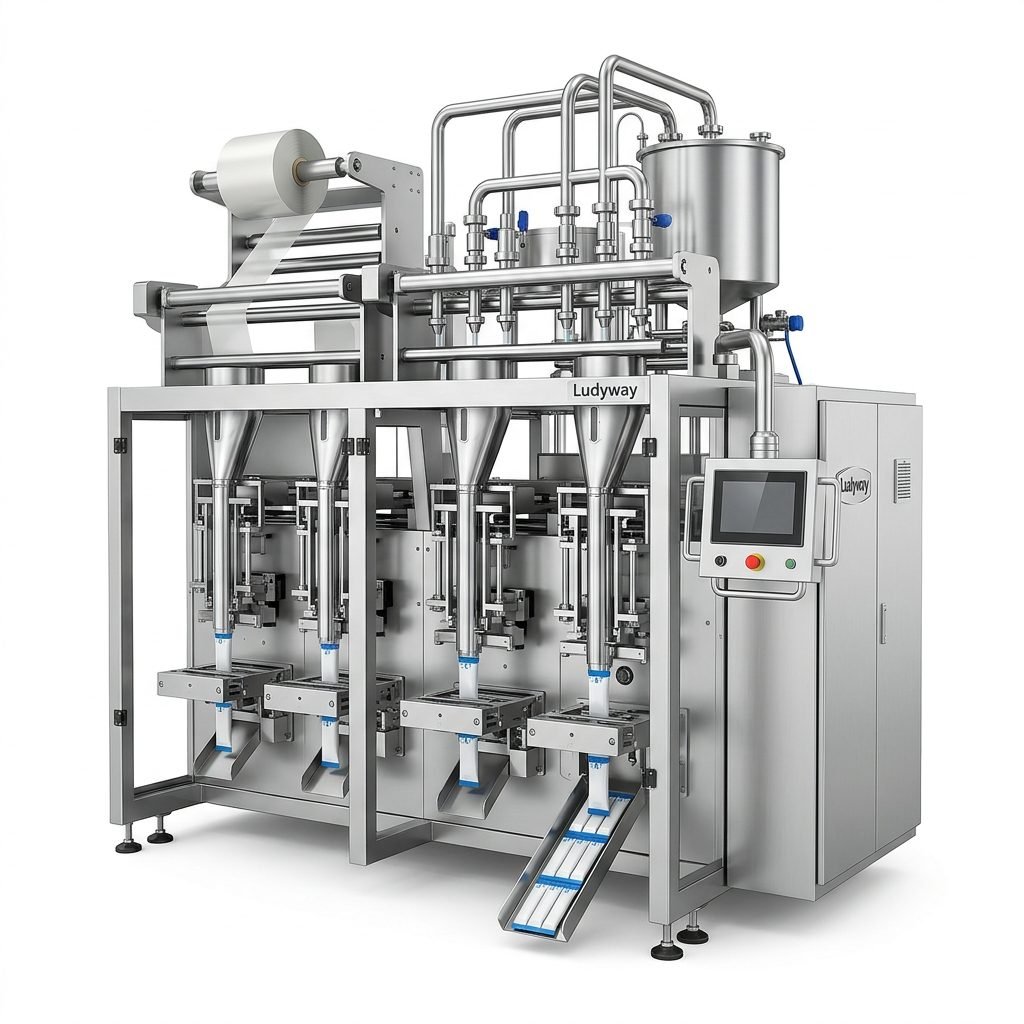
Remote monitoring is no longer a “nice-to-have” in modern packaging production. It has become a practical tool for manufacturers that want better uptime, faster troubleshooting, stronger traceability, and smarter decision-making. The short answer is yes—many modern packaging machines can support remote monitoring, provided they are built with the right control architecture, communication interfaces, and software integration.
From food and pharmaceutical lines to cosmetics, chemicals, and pouch-based products, remote visibility helps operators and managers understand what is happening on the line without standing next to the machine all day. For plants running multiple shifts or several production sites, this can dramatically improve responsiveness and operational control.
What Does Remote Monitoring Mean for Packaging Machines?
Remote monitoring allows users to access machine data, operating status, alarms, and performance indicators through a connected device such as a computer, tablet, or smartphone. Depending on the system design, users may be able to view:
- Machine running or stop status
- Production speed and output counts
- Alarm history and fault codes
- Temperature, pressure, sealing, and dosing data
- Changeover records and recipe information
- OEE-related performance metrics
- Maintenance reminders and service logs
In more advanced systems, remote access goes beyond monitoring and includes diagnostics, software support, trend analysis, and predictive maintenance assistance.
Can All Packaging Machines Support Remote Monitoring?
Not all packaging machines support it by default. Older machines may lack the hardware or communication protocols needed for remote connectivity. However, many newer machines can support remote monitoring if they include:
- PLC or IPC-based control systems
- HMI with data communication capability
- Ethernet, Wi-Fi, or industrial gateway connections
- Sensor feedback and digital data capture
- Cloud platform or SCADA/MES integration options
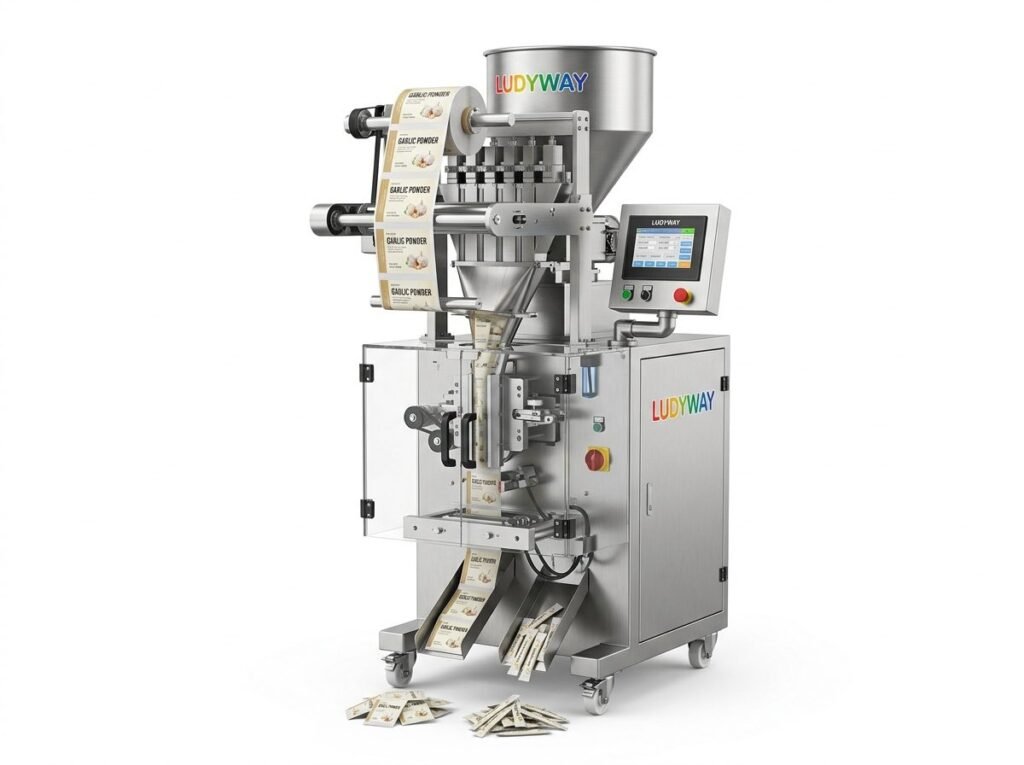
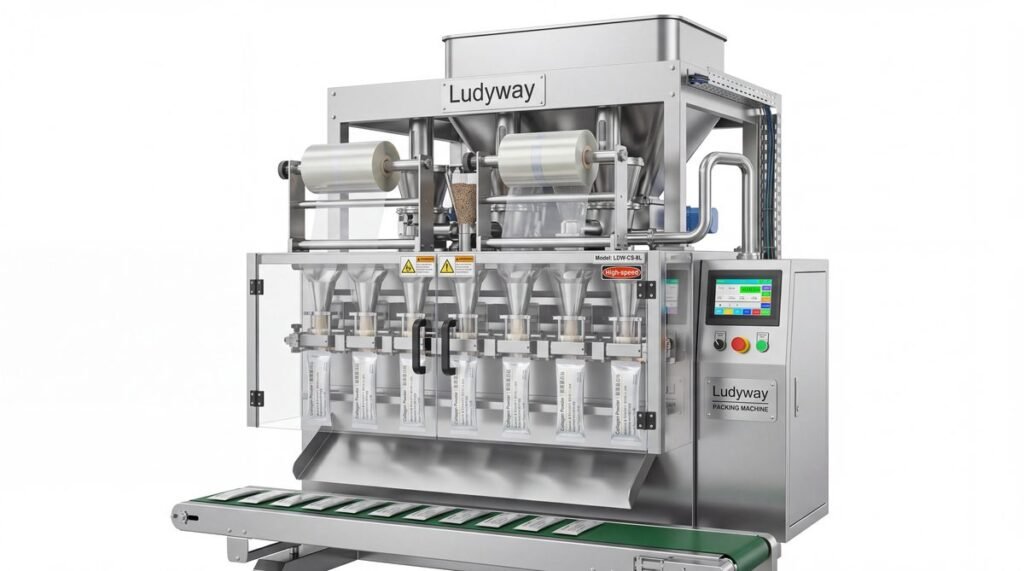
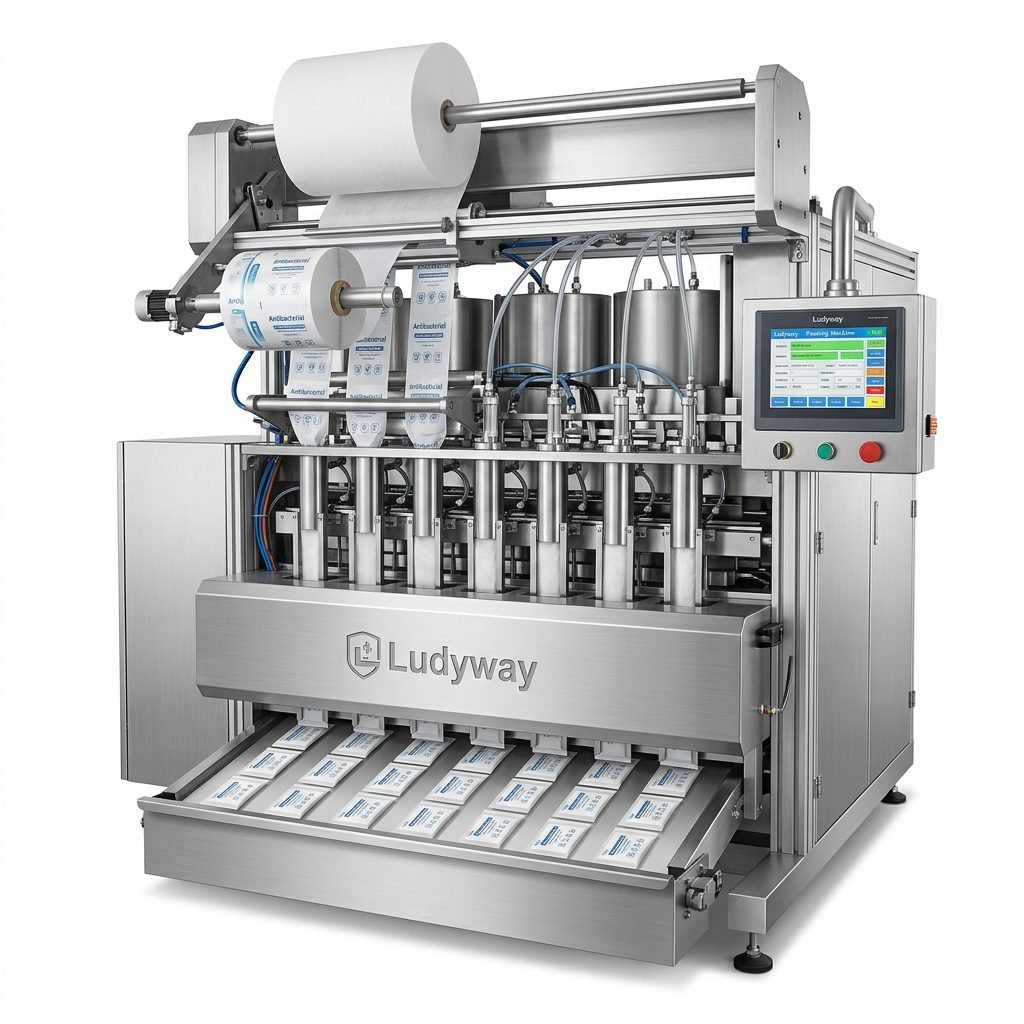
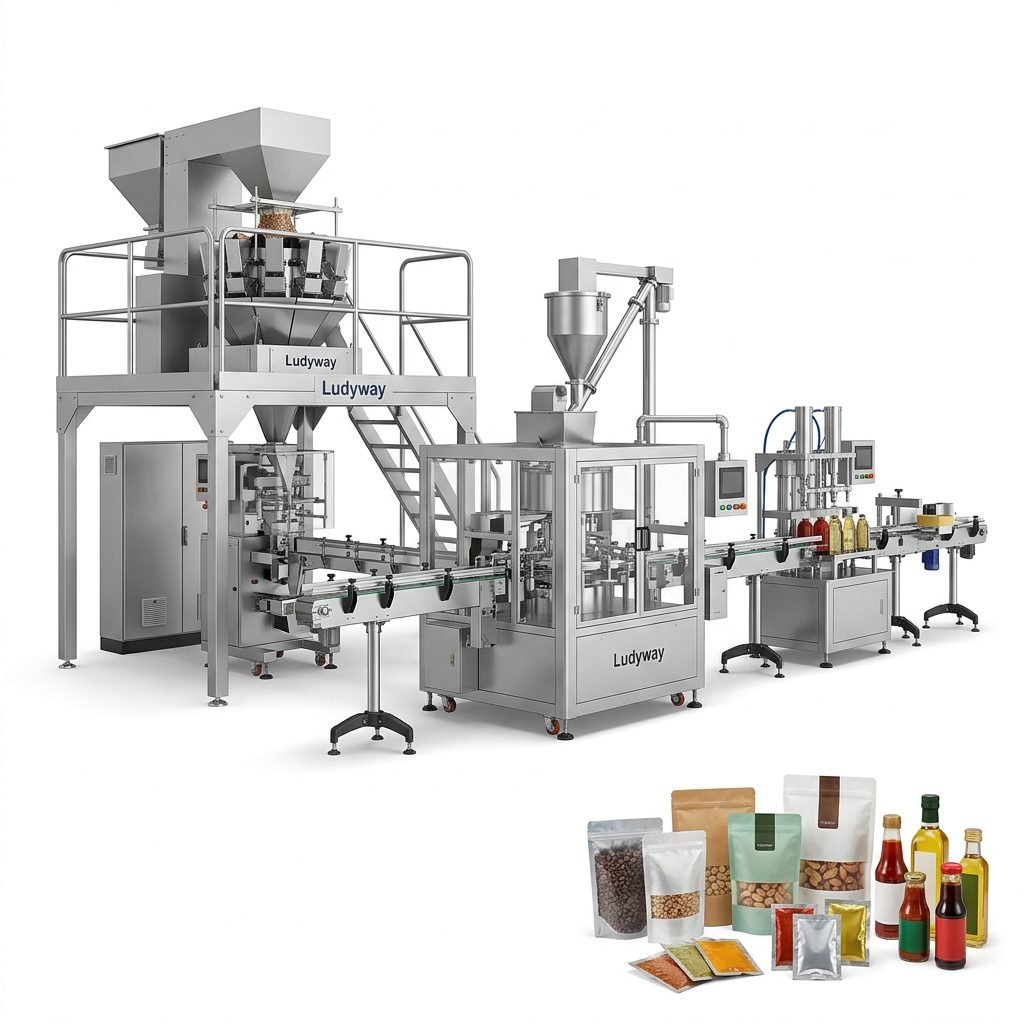
For businesses planning new packaging investments, it is wise to ask whether remote monitoring is available as a standard feature, optional module, or custom integration. Leading suppliers such as packaging machine manufacturer Ludyway often support automation-ready machine configurations for connected production environments.
How Remote Monitoring Works
The process is straightforward in concept but powerful in execution. A packaging machine collects operational data through sensors, controllers, and the HMI. That data is then transmitted through a secure communication layer to local software, a central server, or a cloud dashboard.
Typical workflow
- Machine sensors and control components gather real-time operating data.
- The PLC or controller processes that data and converts it into readable machine information.
- A gateway, industrial PC, or communication module sends the data through Ethernet or internet connection.
- Users log in to a dashboard, app, SCADA system, or MES platform.
- Managers, operators, and service teams view machine health, output trends, and alarm notifications remotely.
| System Layer | Function | Examples |
|---|---|---|
| Machine Level | Collects operating data | Sensors, servo systems, load cells, temperature controllers |
| Control Level | Processes machine logic and status | PLC, HMI, IPC |
| Communication Level | Transfers data securely | Ethernet, VPN, IoT gateway, Modbus, OPC UA |
| Software Level | Displays and analyzes data | Cloud dashboard, SCADA, MES, mobile app |
Key Benefits of Remote Monitoring for Packaging Operations
1. Faster fault response
When a fault occurs, maintenance staff or equipment suppliers can review alarm data immediately. This reduces time spent identifying the cause and helps teams restore production faster. In some cases, technicians can guide on-site staff remotely without waiting for travel.
2. Better uptime and productivity
Remote monitoring gives production managers instant visibility into line status. If a machine slows down, stops frequently, or shows abnormal parameters, action can be taken before small issues become major losses.
3. Improved preventive maintenance
Instead of relying only on fixed maintenance intervals, connected systems can track actual run hours, cycle counts, or wear indicators. This supports more efficient servicing and reduces unnecessary downtime.
4. Easier multi-site management
Companies operating across different plants can compare line performance from one location. This is especially useful for contract packers, regional production hubs, and groups expanding internationally.
5. Stronger quality consistency
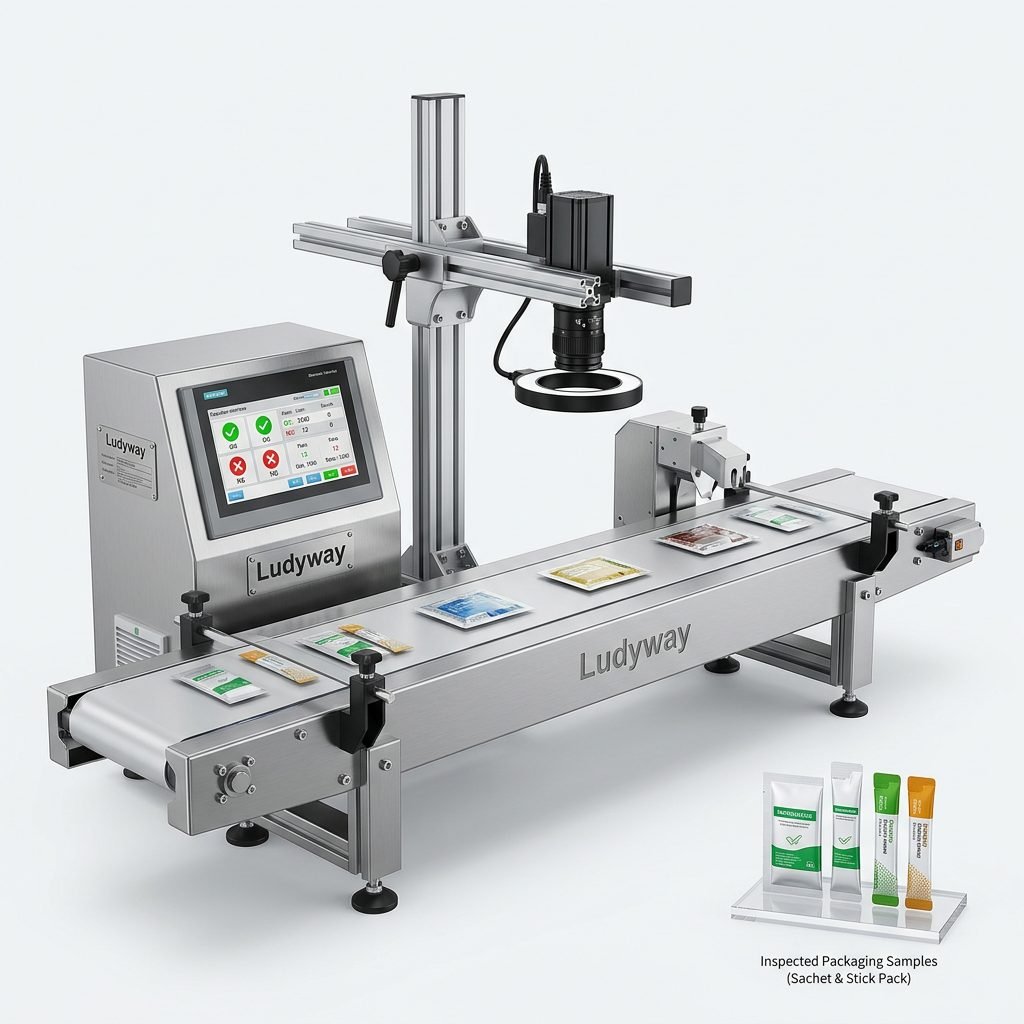
Packaging quality depends on stable process control. Remote dashboards can reveal trends in sealing temperature, filling accuracy, pressure variation, and reject rates. This helps maintain more consistent product quality.
6. Data-driven production decisions
With clear historical records, managers can study downtime patterns, shift-by-shift output, and machine efficiency. These insights support better staffing, planning, and equipment optimization.
Most Useful Remote Monitoring Features to Look For
Not all systems offer the same level of intelligence. If you are evaluating packaging equipment, the following features are often the most valuable:
| Feature | Why It Matters |
|---|---|
| Real-time status display | Shows whether the machine is running, idle, stopped, or in alarm |
| Alarm notifications | Allows rapid response through email, app, or system alerts |
| Production reporting | Tracks output, shift performance, and throughput trends |
| Parameter trend charts | Helps detect instability in sealing, filling, or conveying |
| Remote diagnostics | Speeds up technical troubleshooting and support |
| Maintenance reminders | Reduces risk of missed service intervals |
| Recipe and batch tracking | Supports traceability and faster product changeover management |
Which Packaging Machines Commonly Support Remote Monitoring?
Remote monitoring is increasingly available across many packaging equipment types, including:
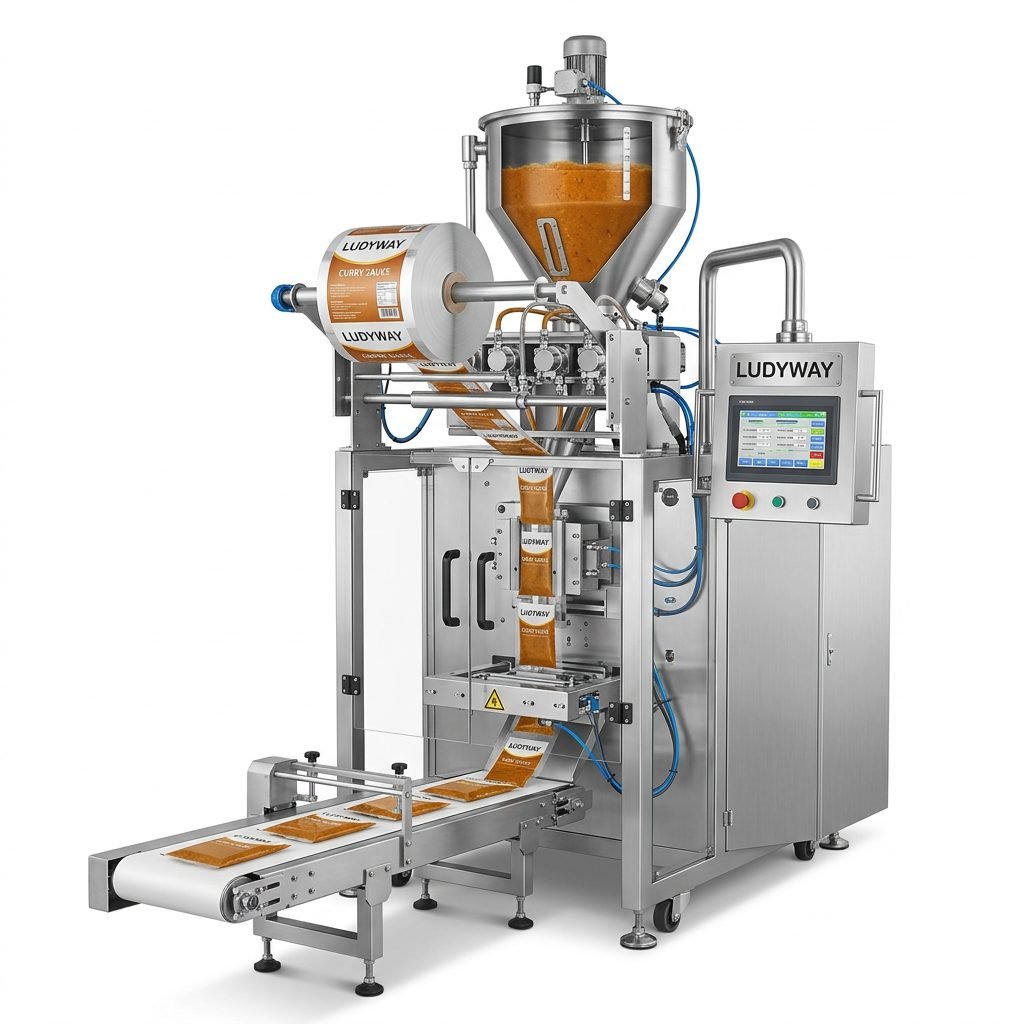
- Vertical form fill seal machines
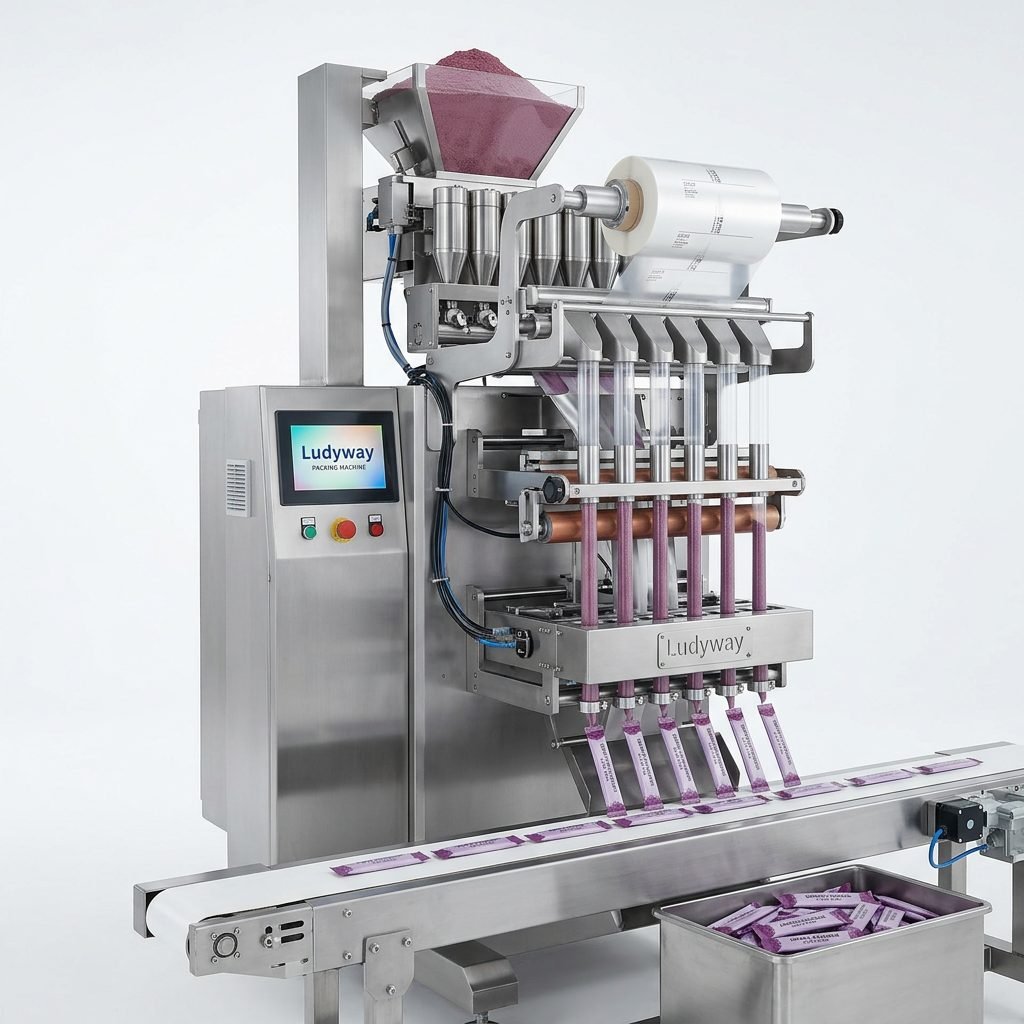
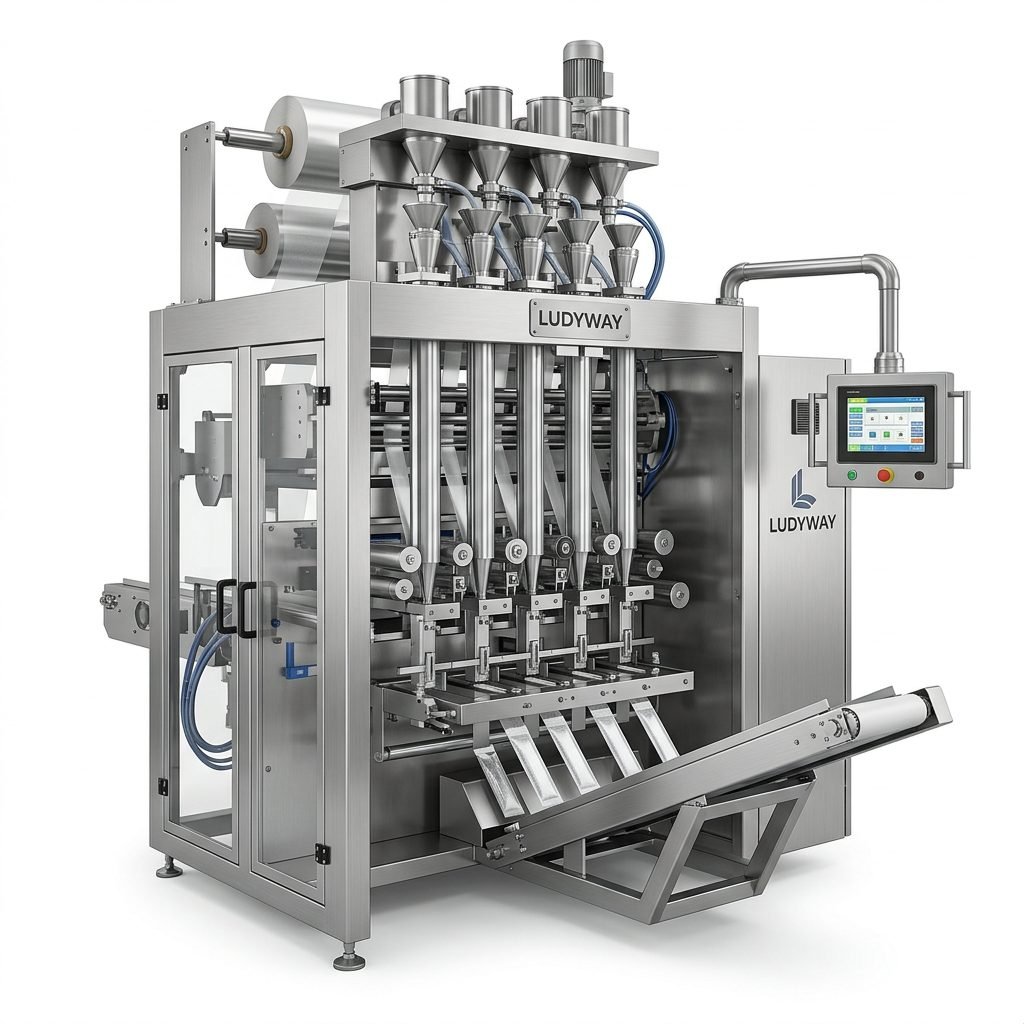
- Multi-lane stick pack and sachet machines
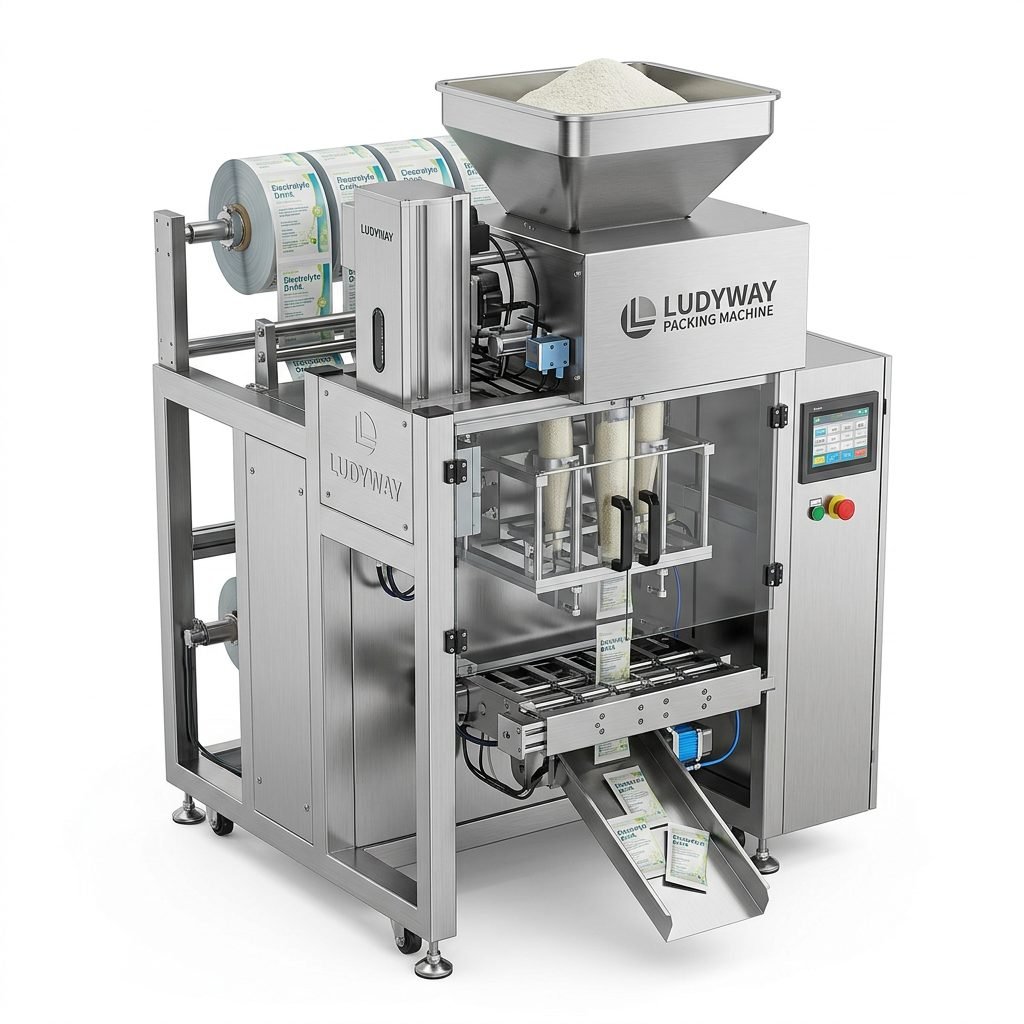
- Powder filling and sealing machines
- Liquid and paste packaging machines
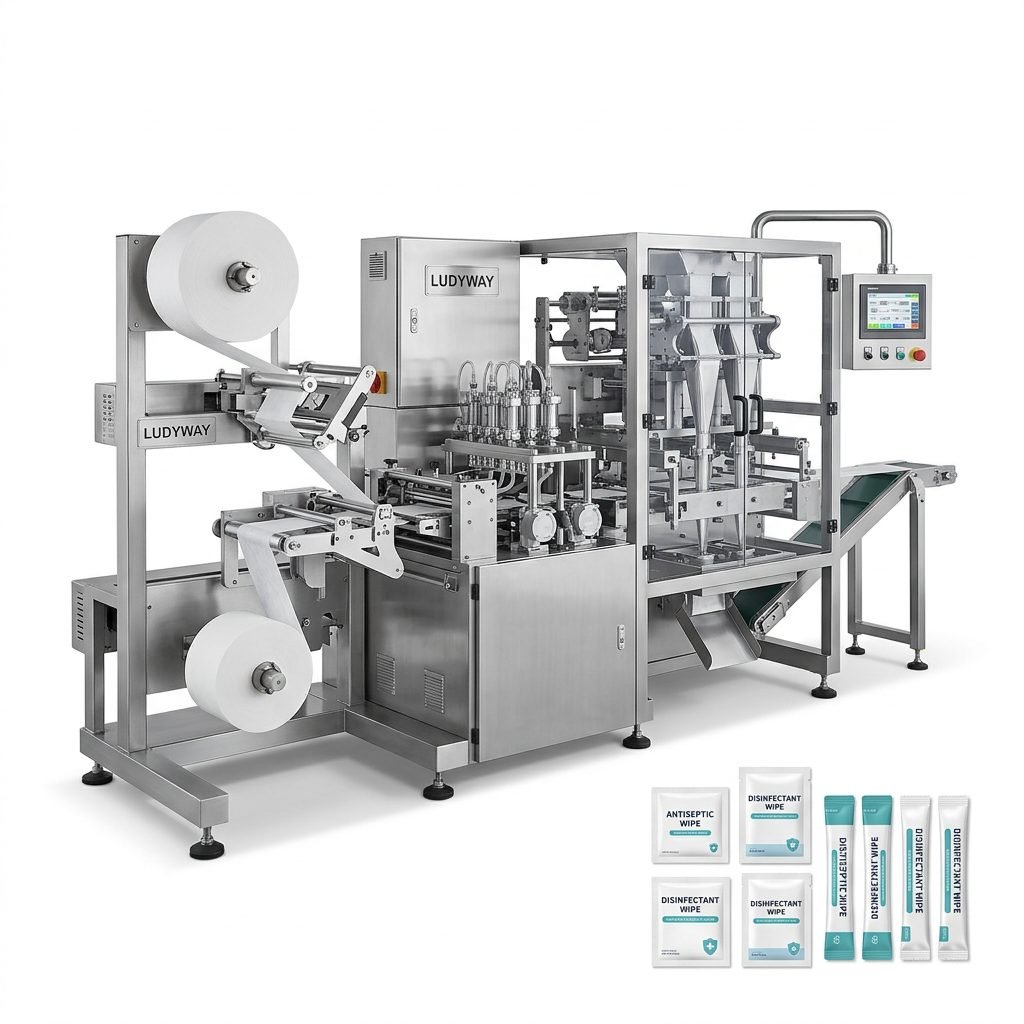
- Premade pouch packaging systems
- Bottle filling, capping, and labeling lines
- Cartoning, case packing, and palletizing systems
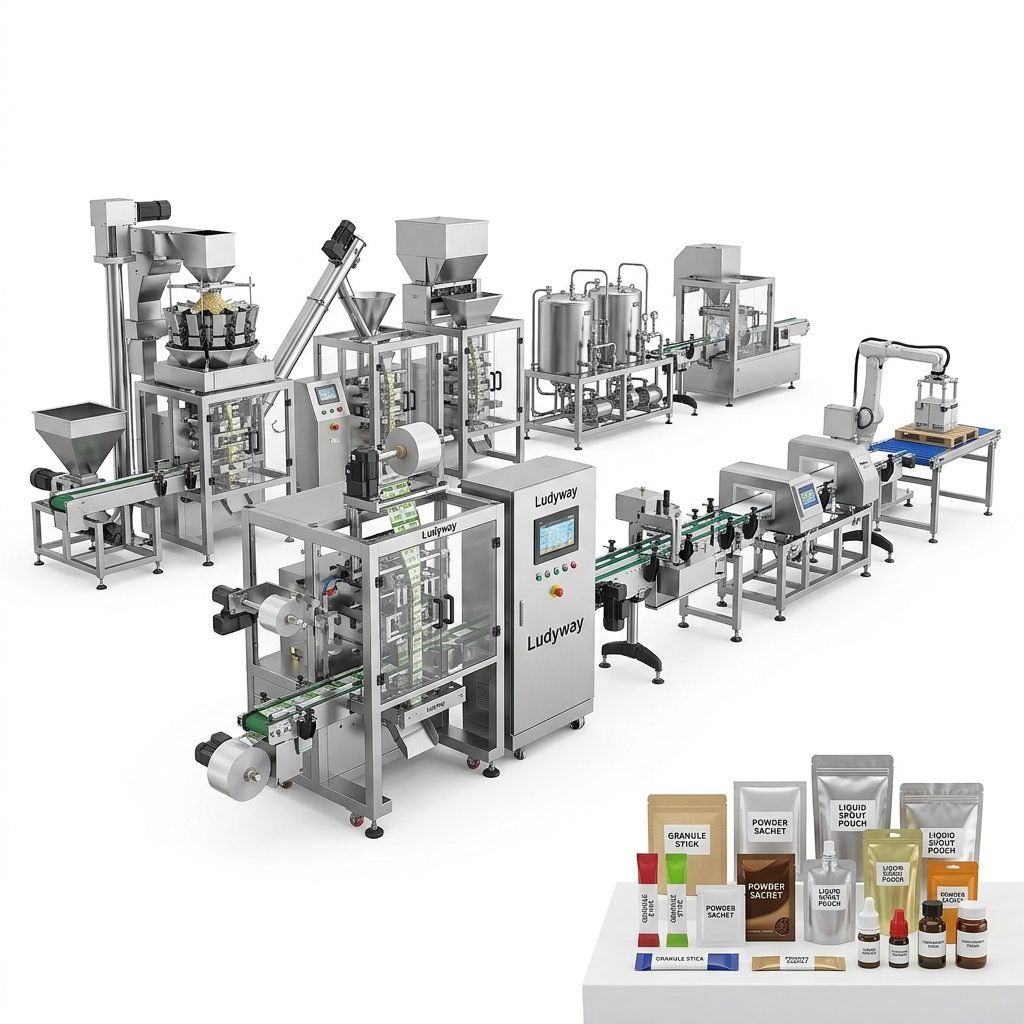
- Turnkey packaging lines with centralized control
The biggest advantages usually come from integrated lines where weighing, feeding, filling, sealing, coding, inspection, and end-of-line handling can all be monitored together.
Remote Monitoring vs Remote Control
These two terms are related, but they are not the same. Remote monitoring means viewing machine data and status from another location. Remote control means changing settings or operating certain machine functions remotely.
Many manufacturers prefer remote monitoring first because it delivers visibility with lower safety and cybersecurity risk. Remote control may be available in a limited, permission-based form for diagnostics or authorized engineering support.
Simple comparison
- Remote monitoring: view alarms, output, runtime, trends, and performance data
- Remote control: adjust parameters, reset faults, or execute approved service actions remotely
Industries That Benefit Most
Almost any production environment can benefit, but remote monitoring is especially valuable in industries where uptime, traceability, and consistency are critical:
- Food and beverage packaging
- Pharmaceutical and nutraceutical production
- Cosmetic and personal care filling lines
- Chemical and detergent packaging
- Animal feed and pet product packaging
- Nicotine pouch and specialty pouch packaging
Cybersecurity and Data Safety Considerations
Whenever machines are connected, cybersecurity matters. A well-designed remote monitoring system should include secure access architecture and clear user permissions. Important points to review include:
- VPN or encrypted remote connection
- Password protection and multi-level access rights
- User action logs and audit records
- Firewall and network segmentation
- Cloud or server backup strategy
- Controlled access for machine suppliers or service engineers
For food, pharma, and regulated sectors, these controls are especially important to protect production records and reduce compliance risk.
Challenges to Consider Before Implementation
Although the benefits are clear, successful adoption still requires planning. Common challenges include:
- Legacy equipment limitations: older machines may need retrofit hardware.
- Network readiness: plant infrastructure must support stable and secure connectivity.
- Data overload: too much raw data without clear dashboards can reduce usefulness.
- Training needs: staff must understand how to interpret alarms and trends correctly.
- System compatibility: machines should integrate with existing SCADA, MES, or ERP frameworks when required.
How to Choose a Packaging Machine with Remote Monitoring
If you are purchasing new equipment, ask suppliers detailed questions early. A good evaluation checklist includes:
- What machine data can be viewed remotely?
- Is the system cloud-based, local-server based, or both?
- Can alarm notifications be sent automatically?
- Does it support remote troubleshooting by the supplier?
- What communication protocols are supported?
- Can the machine integrate with my existing factory systems?
- What cybersecurity protections are included?
- Is remote monitoring standard or optional?
Buyer tip
The best choice is usually not the system with the most data, but the one with the most useful and actionable data. Production teams need clear visibility, not unnecessary complexity.
Future Trends in Remote Monitoring for Packaging Machines
Remote monitoring is evolving quickly. Packaging machinery is moving toward smarter, more connected production ecosystems with features such as:
- AI-assisted fault prediction
- Automatic performance benchmarking
- Digital twins for process simulation
- Integrated energy consumption tracking
- Mobile-first dashboards for plant managers
- Cross-factory production analytics
As these technologies mature, remote monitoring will become a standard expectation rather than a premium add-on.
Final Answer
Yes, packaging machines can support remote monitoring, and for many manufacturers, they absolutely should. It delivers faster troubleshooting, better uptime, improved maintenance planning, stronger quality control, and more informed production management. The exact capability depends on the machine’s control system, connectivity, software platform, and integration level, but modern packaging lines are increasingly designed with this functionality in mind.
For businesses investing in automation, choosing equipment with reliable remote monitoring support is a smart step toward higher efficiency and long-term operational flexibility.