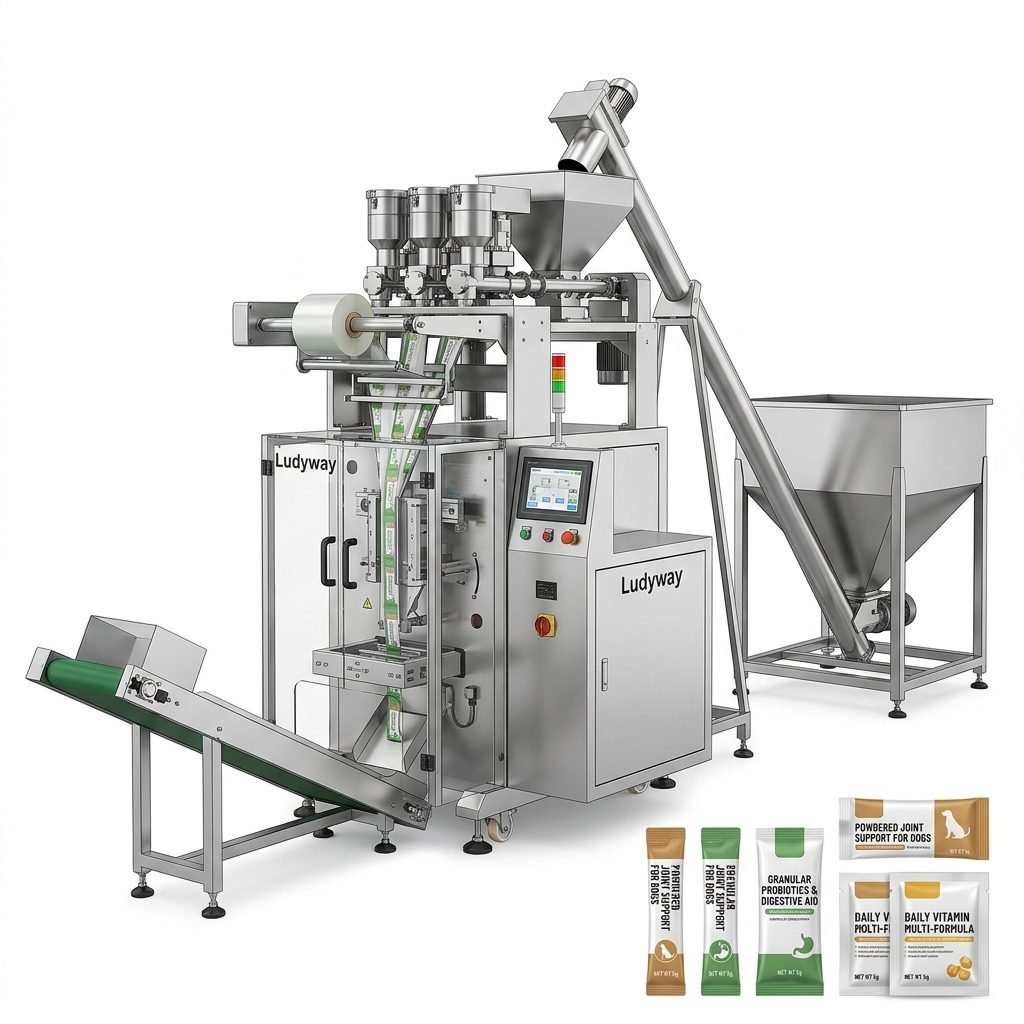
Labor costs continue to rise across food, pharmaceutical, cosmetics, chemical, and consumer goods industries. At the same time, businesses face pressure to improve output, reduce errors, and keep delivery schedules stable. This is why more manufacturers are investing in packaging automation. Packaging machines do not simply replace manual work—they help companies optimize labor allocation, improve consistency, and scale production with fewer bottlenecks.
Whether you run a small factory or a high-volume production plant, the right packaging system can significantly reduce dependence on repetitive manual tasks such as filling, weighing, sealing, labeling, counting, and cartoning. Over time, this leads to measurable savings in wages, training, overtime, rework, and operational inefficiencies.
Why labor costs are a growing challenge for manufacturers
Manual packaging requires a large workforce to maintain output. Businesses often need operators for product feeding, filling, sealing, inspection, packing, and pallet preparation. As production increases, labor demand rises quickly. This creates several cost pressures:
- Higher base wages and overtime expenses
- Increased recruitment and training costs
- More shift management and supervision needs
- Greater risk of absenteeism affecting production schedules
- Inconsistent output caused by operator fatigue
- More product loss due to manual errors
In many factories, packaging is one of the most labor-intensive areas. Automating this stage can therefore create some of the fastest and most visible cost savings.
How packaging machines directly reduce labor costs
1. Fewer workers are needed for repetitive tasks
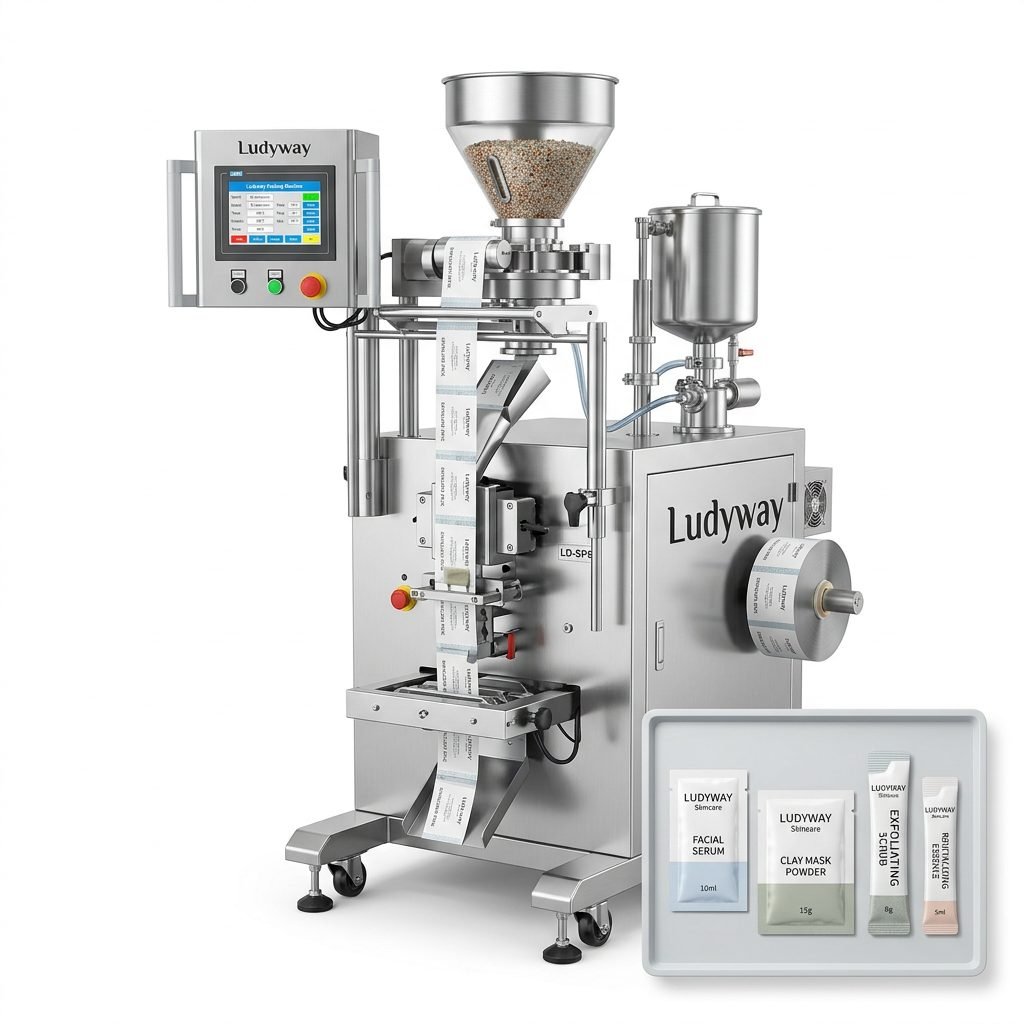
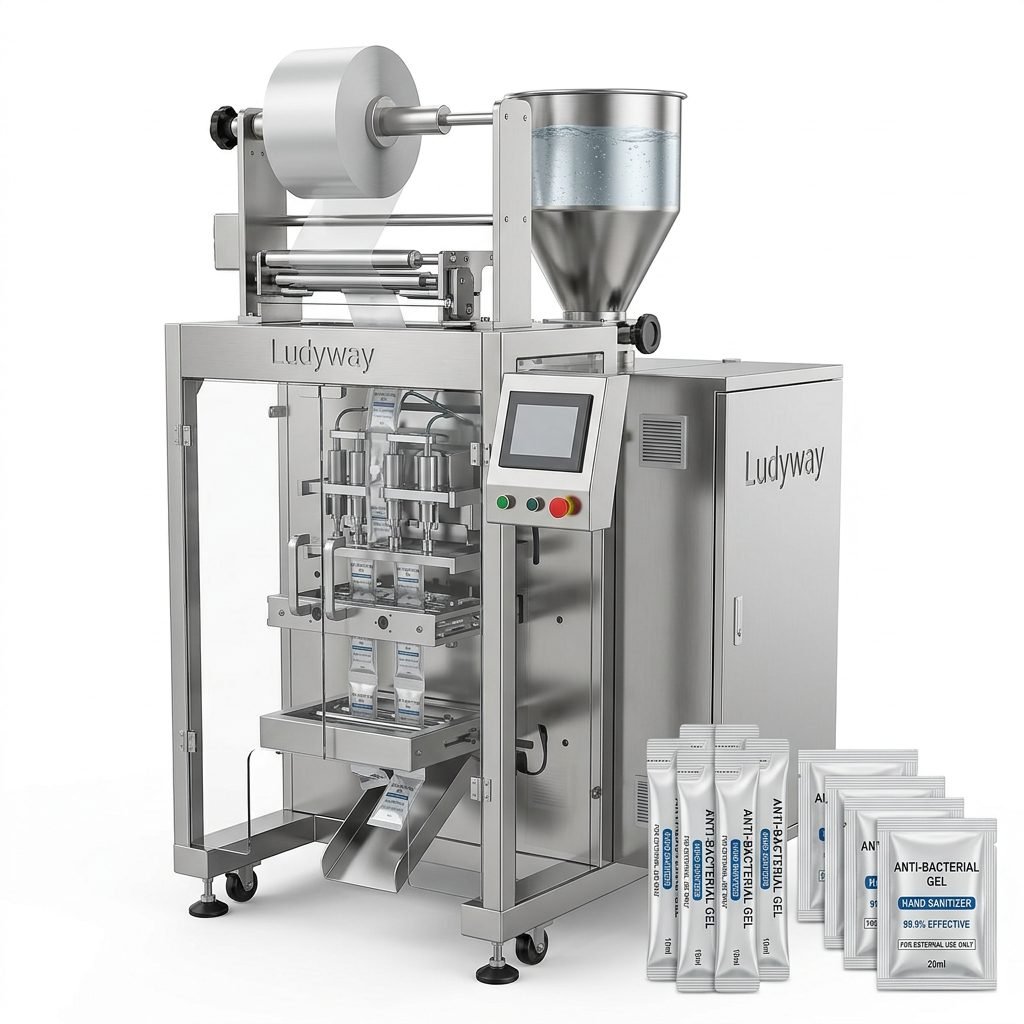
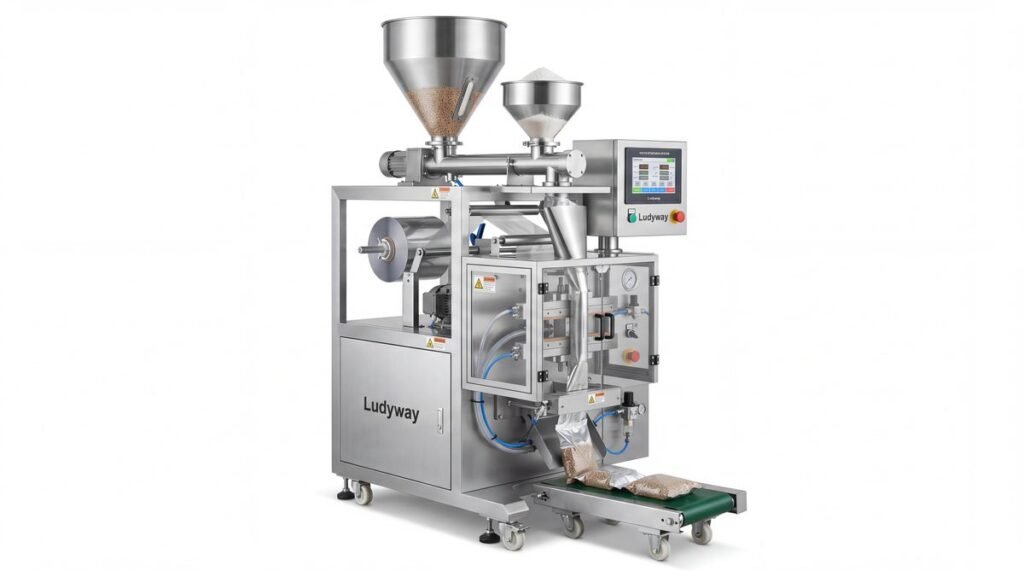
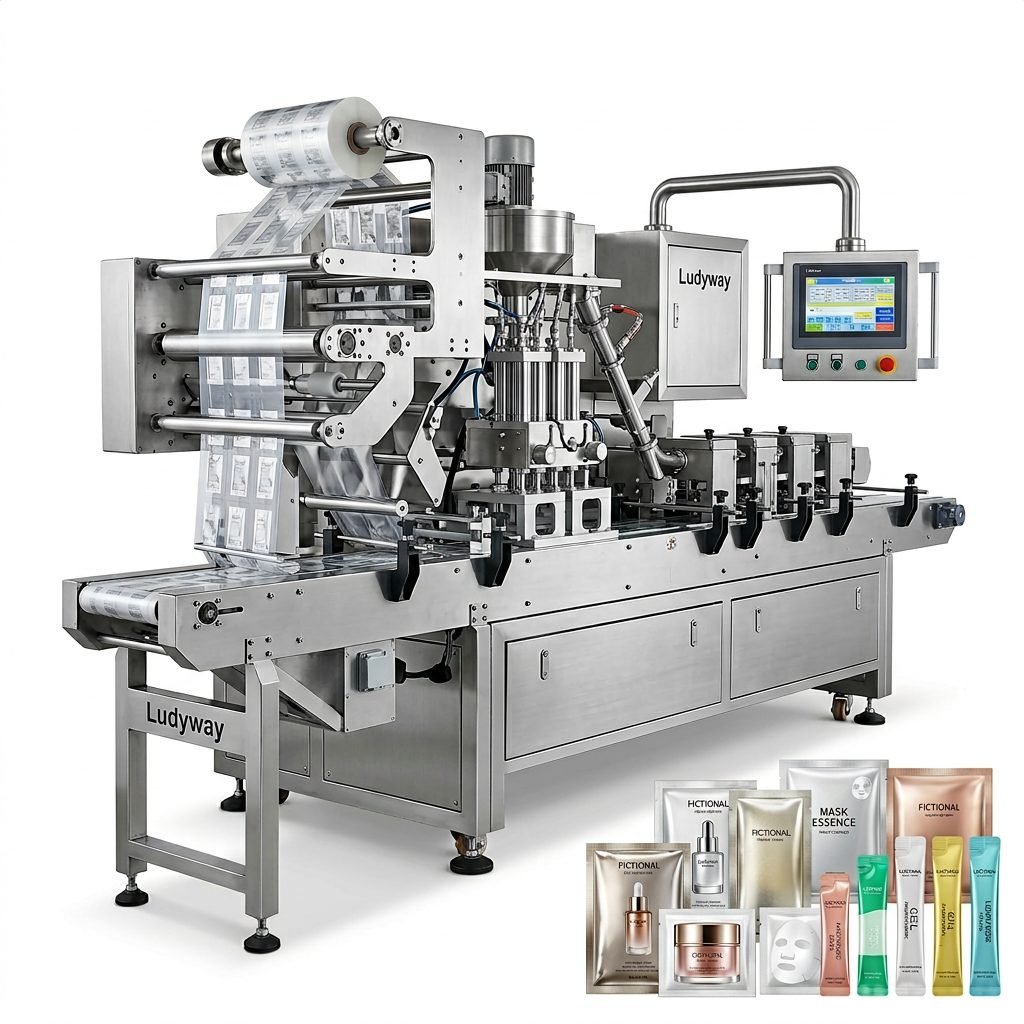
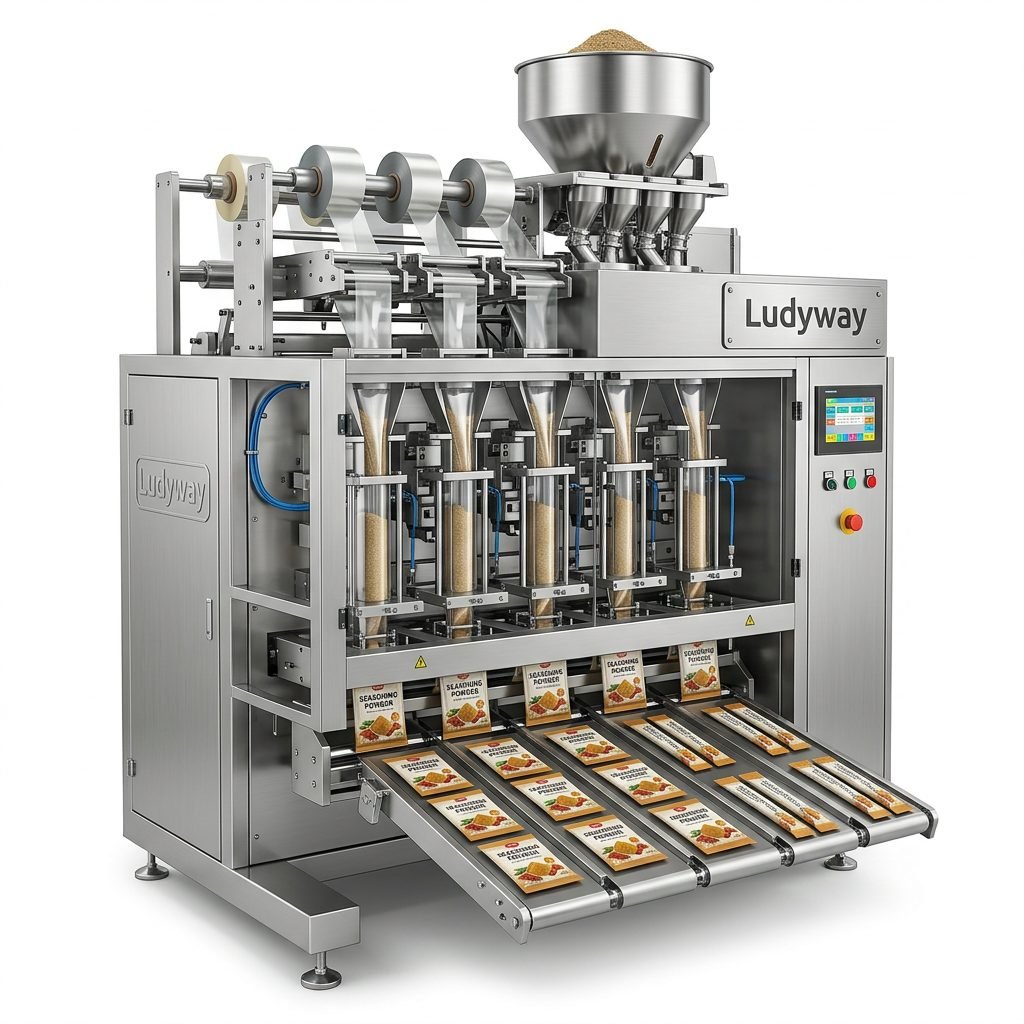
A packaging machine can handle tasks that would otherwise require multiple workers. For example, one automatic sachet or stick pack system can form, fill, seal, and cut packages continuously with minimal operator involvement. Instead of assigning several people to one packaging station, companies may only need one operator for monitoring and material replenishment.
2. Higher output per employee
Automation increases productivity without requiring a proportional increase in headcount. This means each employee supports more finished output. Businesses can produce more units per shift while keeping labor costs relatively stable, which improves profit margins.
3. Reduced overtime and extra shifts
Manual lines often struggle to keep up during peak demand. Packaging machines operate at a stable speed and can run for long periods, helping manufacturers meet deadlines without relying heavily on overtime or temporary labor.
4. Lower training requirements for repetitive packaging jobs
Training multiple manual packers takes time and money, especially in industries with frequent staff turnover. Automated systems simplify the process by standardizing operations. Instead of training many people on manual filling and sealing techniques, companies train a smaller team to operate and maintain the equipment.
5. Fewer costly human errors
Manual packaging mistakes can lead to underfilling, overfilling, sealing defects, labeling errors, contamination risk, and rejected products. Packaging machines improve dosing accuracy and sealing consistency, reducing waste and rework labor.
6. Better production planning
Automated packaging systems offer more predictable output. Managers can plan labor schedules more accurately, avoiding overstaffing during slow periods or understaffing during busy periods. This operational stability contributes to lower long-term labor expenses.
Key business benefits beyond labor savings
Although labor reduction is a major reason to automate, packaging machines also deliver broader business value. These advantages often strengthen return on investment even further.
| Benefit | How It Helps the Business |
|---|---|
| Improved consistency | Uniform filling, sealing, and package appearance improve brand quality. |
| Faster throughput | Higher packaging speed supports larger orders and quicker delivery. |
| Less material waste | Accurate dosing and sealing reduce product giveaway and packaging loss. |
| Better hygiene and compliance | Automation reduces direct human contact with products, especially important in food and pharma. |
| Easier scalability | Businesses can expand output without adding large numbers of workers. |
| More efficient floor management | Integrated systems streamline workflow from feeding to final packing. |
Which packaging tasks are most commonly automated?
Labor savings are especially strong when companies automate repetitive and precision-based tasks. Common applications include:
- Powder, granule, liquid, and paste filling
- Sachet and stick pack packaging
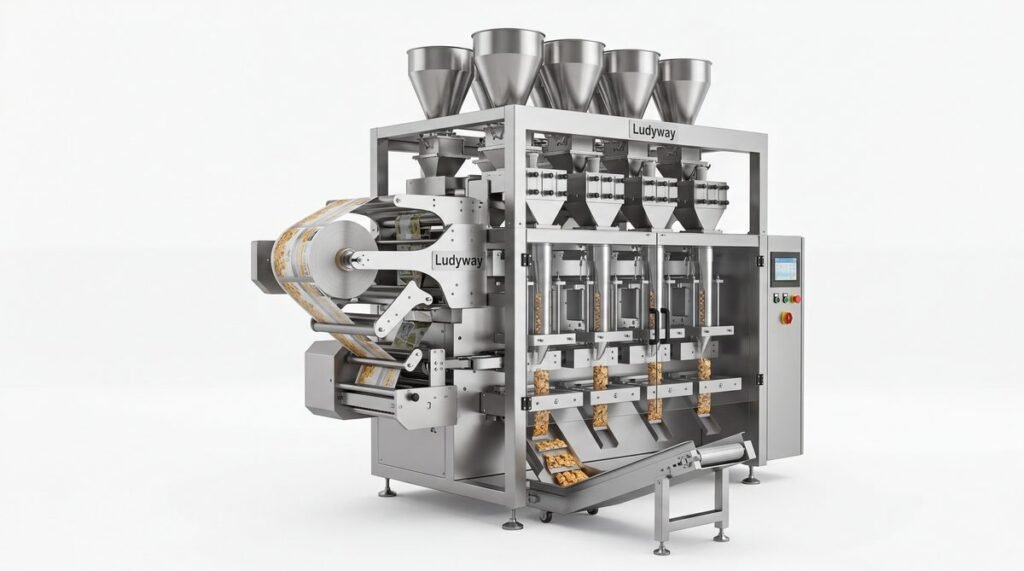
- Pouch filling and sealing
- Bottle filling, capping, and labeling
- Counting and batching
- Cartoning and case packing
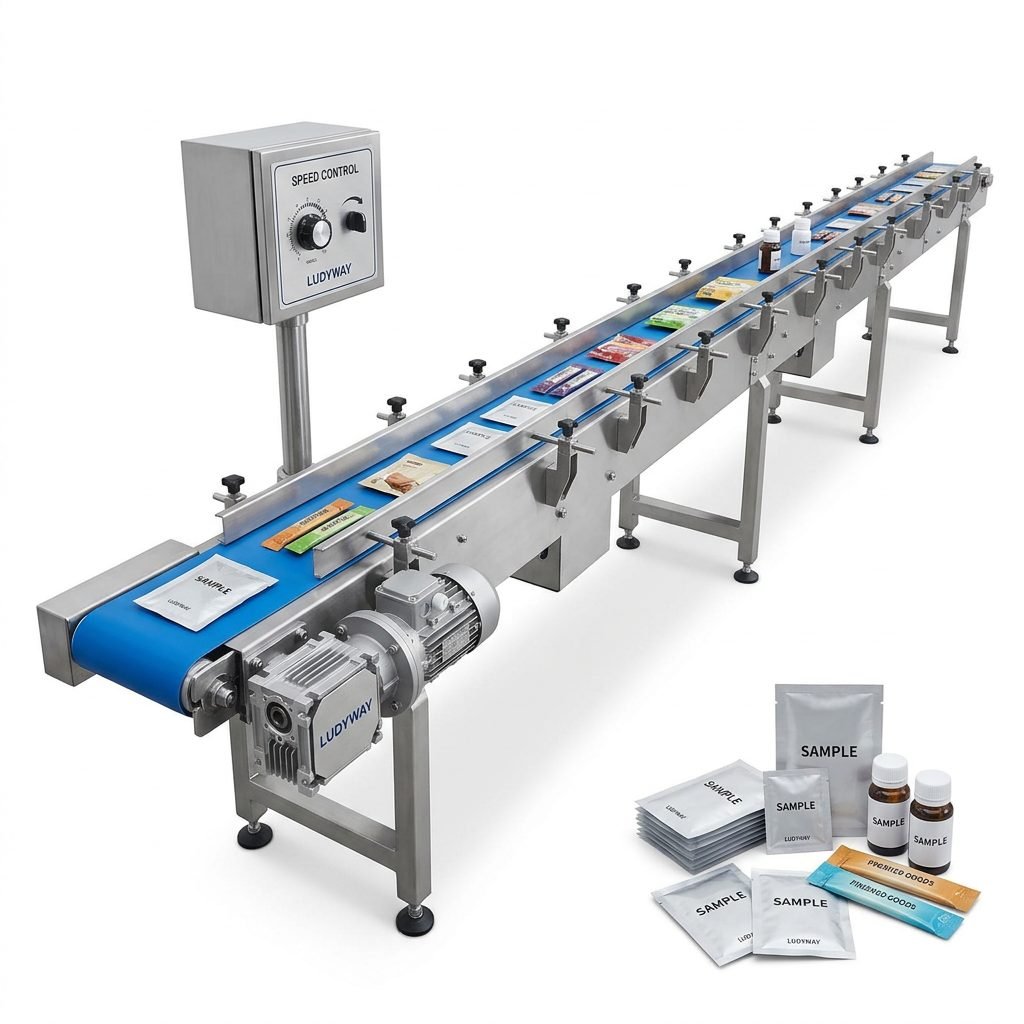
- Conveying and product transfer
- Date coding and inspection
- Palletizing and end-of-line handling
When these stages are connected into one automatic line, labor savings become even more substantial because fewer manual handoffs are required.
Industries that benefit most from packaging automation
Packaging machines are widely used across multiple sectors, especially where high volume, hygiene, precision, or product variety create labor pressure.
Food and beverage
From seasoning powders and coffee to sauces, snacks, and drink mixes, food companies use automated systems to improve speed, reduce contamination risk, and maintain pack consistency.
Pharmaceutical and health supplement
Precise dosing, reliable sealing, and traceability are critical in this sector. Automated packaging helps reduce operator error and supports compliance requirements.
Cosmetics and personal care
Creams, serums, lotions, and wipes often require clean, accurate, visually attractive packaging. Machines improve both production efficiency and finished-pack quality.
Chemical and household products
Detergents, cleaners, additives, and industrial liquids benefit from automated dosing and sealing, reducing manual handling and improving safety.
Animal feed and pet products
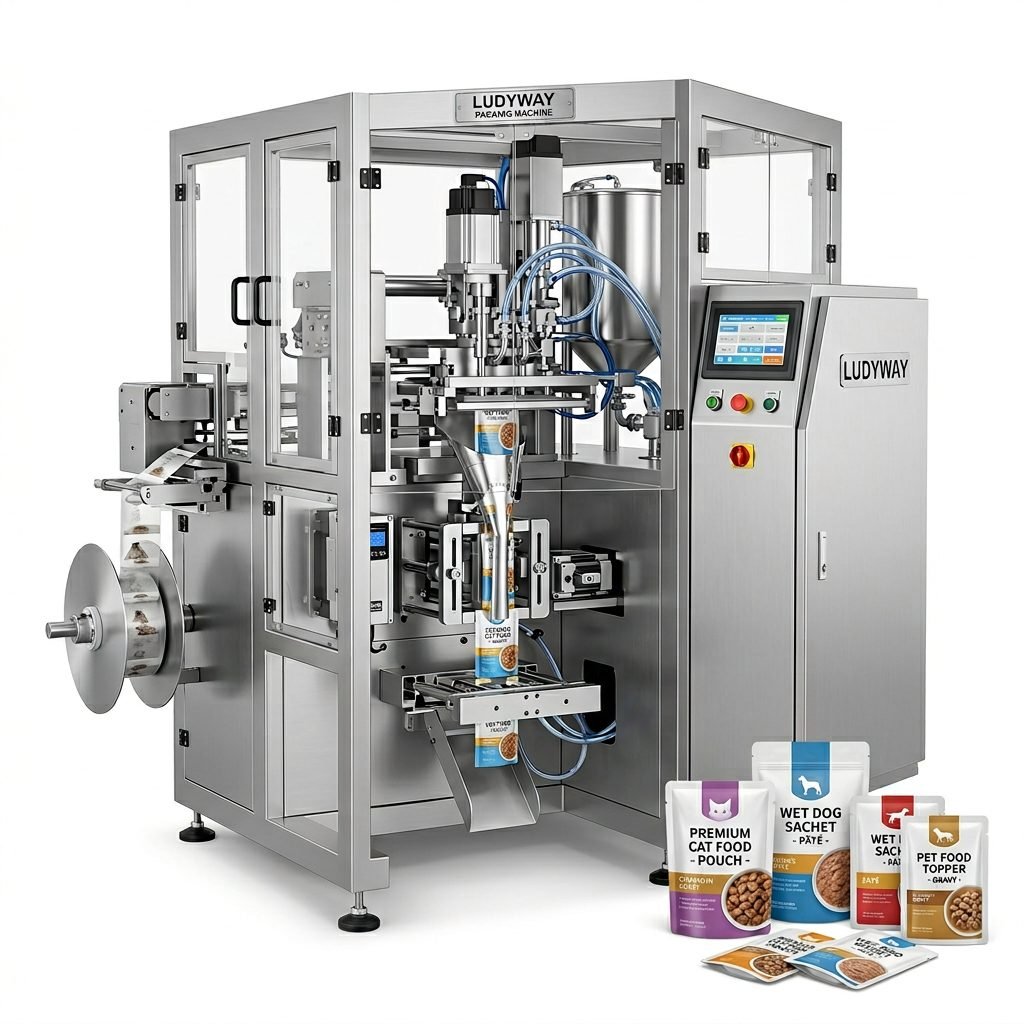
Bulk materials, pellets, powders, and nutritional supplements often need high-volume packaging with stable weighing accuracy. Automation helps manage large output with fewer staff.
Manual packaging vs. automated packaging
| Factor | Manual Packaging | Automated Packaging |
|---|---|---|
| Labor requirement | High | Low to moderate |
| Output stability | Varies by shift and worker | Consistent and measurable |
| Error rate | Higher | Lower |
| Scalability | Requires more workers | Requires less additional labor |
| Waste control | Less precise | More precise |
| Long-term cost efficiency | Lower | Higher |
How to calculate labor cost savings from packaging machines
Before investing, businesses should estimate savings based on current packaging labor and expected machine performance. A simple evaluation can include:
- Count the number of workers currently needed per shift
- Calculate total wages, benefits, overtime, and training costs
- Estimate how many operators the automated line will require
- Measure expected output increase and waste reduction
- Compare annual savings against equipment investment and maintenance cost
In many cases, companies find that labor reduction alone justifies automation within a reasonable payback period. When increased throughput and lower waste are added, the return can become even more attractive.
What to look for when choosing a packaging machine
Not all machines create the same cost-saving result. To maximize labor efficiency, businesses should evaluate:
- Automation level: semi-automatic or fully automatic
- Packaging speed: matched to production targets
- Product compatibility: powder, granule, liquid, paste, pouch, bottle, or carton
- Accuracy: especially important for pharma and supplements
- Ease of cleaning and maintenance: reduces downtime and labor burden
- Expandability: supports future line upgrades
- Supplier support: installation, training, spare parts, and technical service
Why turnkey packaging lines can reduce labor even more
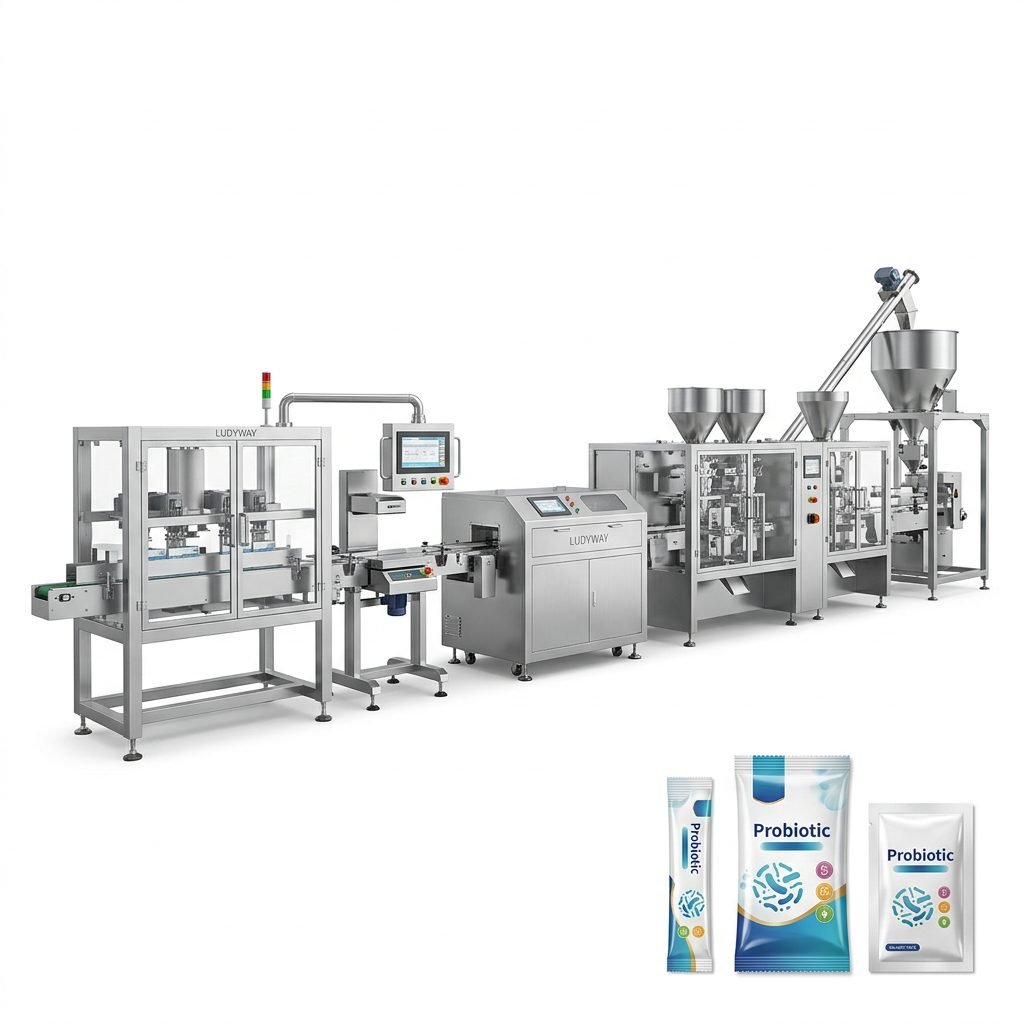
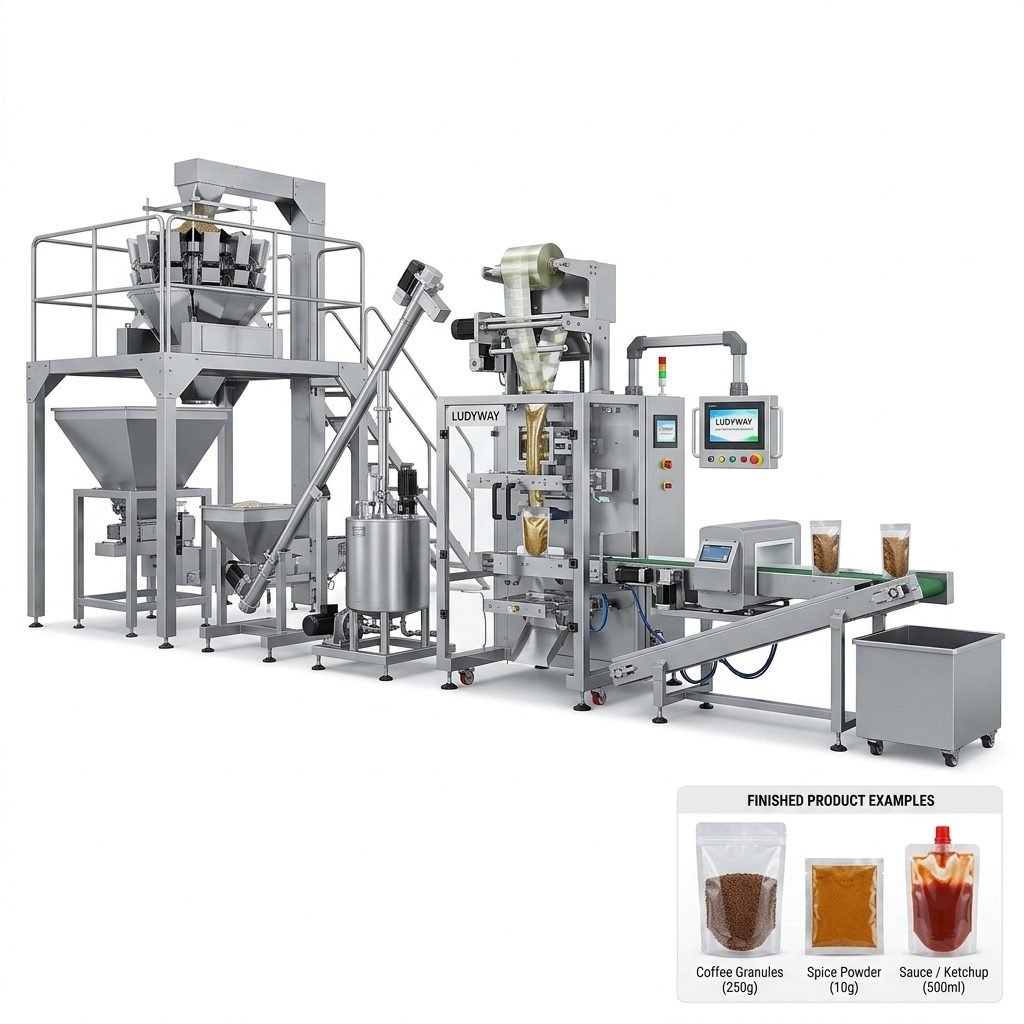
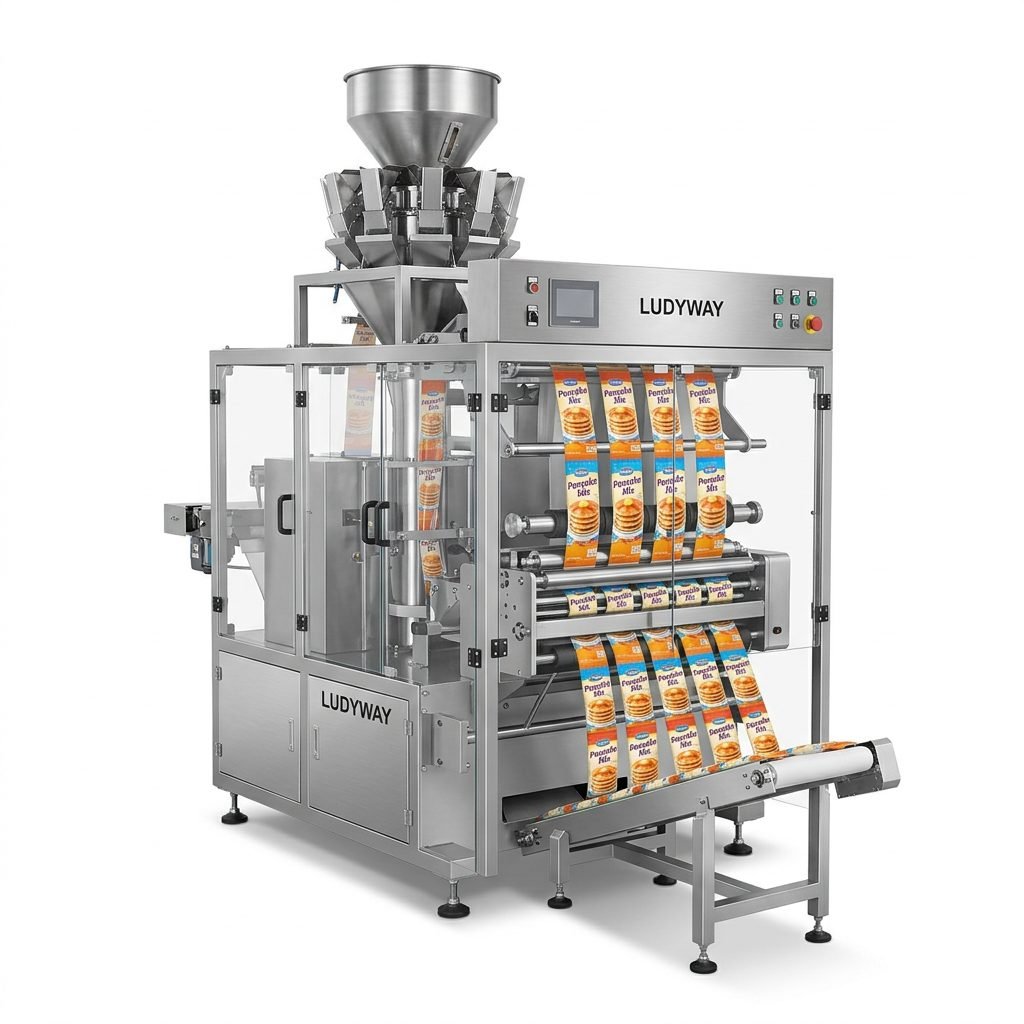
A standalone packaging machine reduces labor at one process point, but a turnkey line can improve the entire packaging workflow. By integrating feeding, filling, sealing, inspection, coding, cartoning, conveying, and palletizing, manufacturers eliminate manual transfer steps between stations.
This creates several advantages:
- Lower headcount across the full line
- Less production interruption between stages
- Stronger process control and traceability
- More efficient use of floor space and operators
- Higher line speed with reduced coordination complexity
For businesses seeking scalable automation, working with an experienced manufacturer such as Ludyway packaging machine supplier can help ensure the system is configured around product type, output goals, and long-term labor-saving priorities.
Common concerns businesses have before automating
Is the initial investment too high?
While automatic packaging equipment requires upfront capital, the long-term savings from reduced labor, lower waste, and increased throughput often offset the cost over time.
Will automation replace all workers?
Usually, no. Most businesses reassign workers from repetitive tasks to quality control, machine supervision, warehousing, logistics, or higher-value production roles.
Is it difficult to operate?
Modern packaging systems are designed with user-friendly controls, recipe settings, and adjustment features. With proper training, operation becomes more standardized than manual packaging.
Can small and mid-sized businesses benefit too?
Yes. Automation is not only for large factories. Many growing businesses adopt semi-automatic or modular systems first, then upgrade to full lines as order volume increases.
Final thoughts on reducing labor costs with packaging machines
Packaging machines reduce labor costs by lowering headcount needs for repetitive tasks, improving output per worker, minimizing errors, and creating more predictable production. They also help businesses reduce overtime, waste, and operational bottlenecks while improving package quality and scalability.
For companies aiming to stay competitive in modern manufacturing, packaging automation is no longer just a productivity upgrade—it is a practical strategy for controlling labor expenses and building a more efficient production system.